12 North Carolina Furniture Collectibles That Collectors Are Quietly Moving Away From
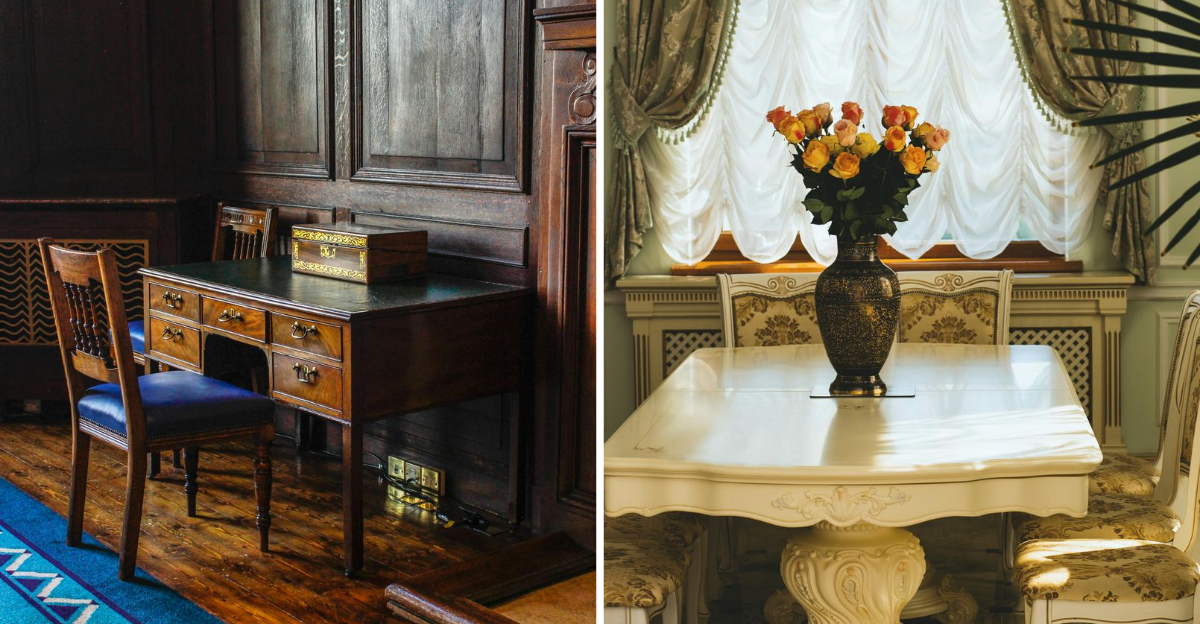
Collecting furniture has always been about finding pieces that hold value, beauty, and history.
But trends shift, and what once seemed like a smart investment can become a dusty relic sitting in your attic.
I’ve noticed that many collectors are quietly stepping away from certain North Carolina furniture items that once dominated the market.
Understanding these shifts can help you make smarter choices about what to keep, sell, or skip entirely.
1. Reproduction Colonial Furniture
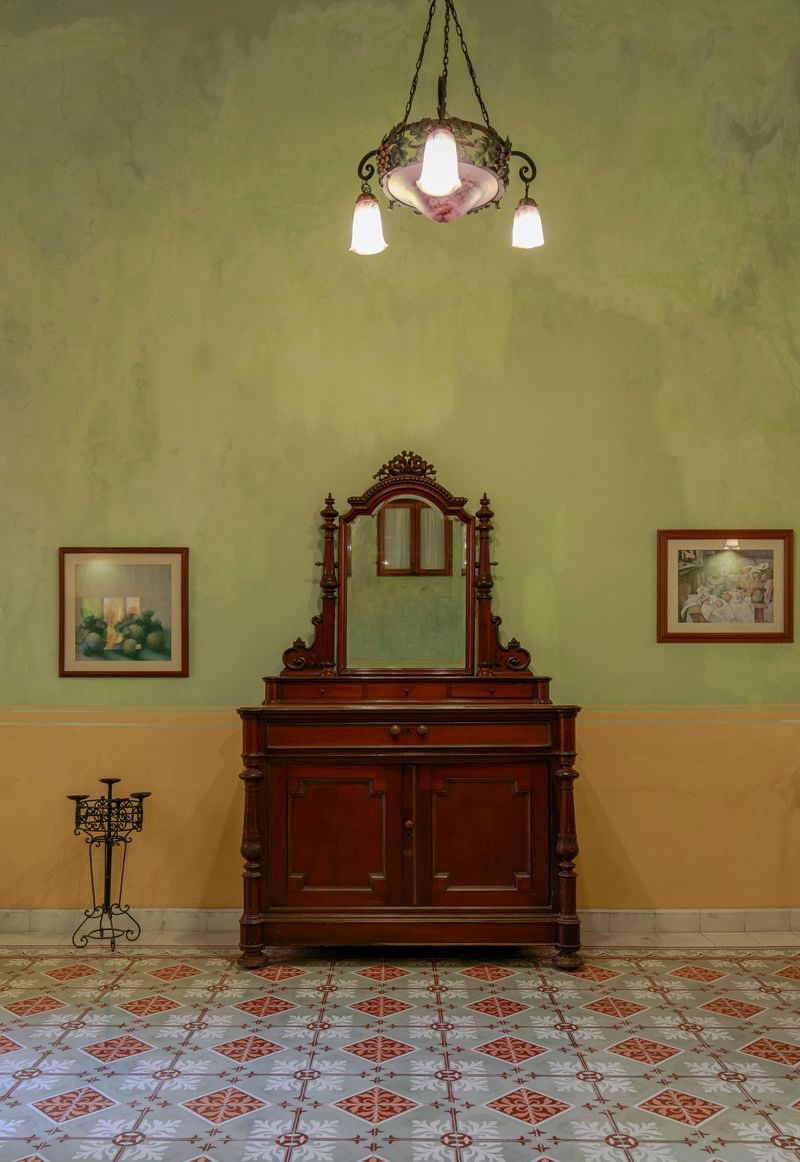
Many people thought they were getting authentic colonial pieces, but most furniture from the 1960s through 1990s was just factory-made imitation.
Companies churned out thousands of these pieces to meet demand for that historic look.
The problem is they lack the craftsmanship and age that make real antiques valuable.
I’ve seen entire estate sales filled with these reproductions that barely sell.
Buyers today can spot the difference between genuine colonial workmanship and mass production.
The finish often looks artificially distressed, and the construction uses modern shortcuts.
If your piece has a label from a big furniture manufacturer, it’s likely worth very little.
Collectors now prefer authentic period pieces or quality modern furniture over these middling reproductions.
2. Common Silver-Plated Flatware
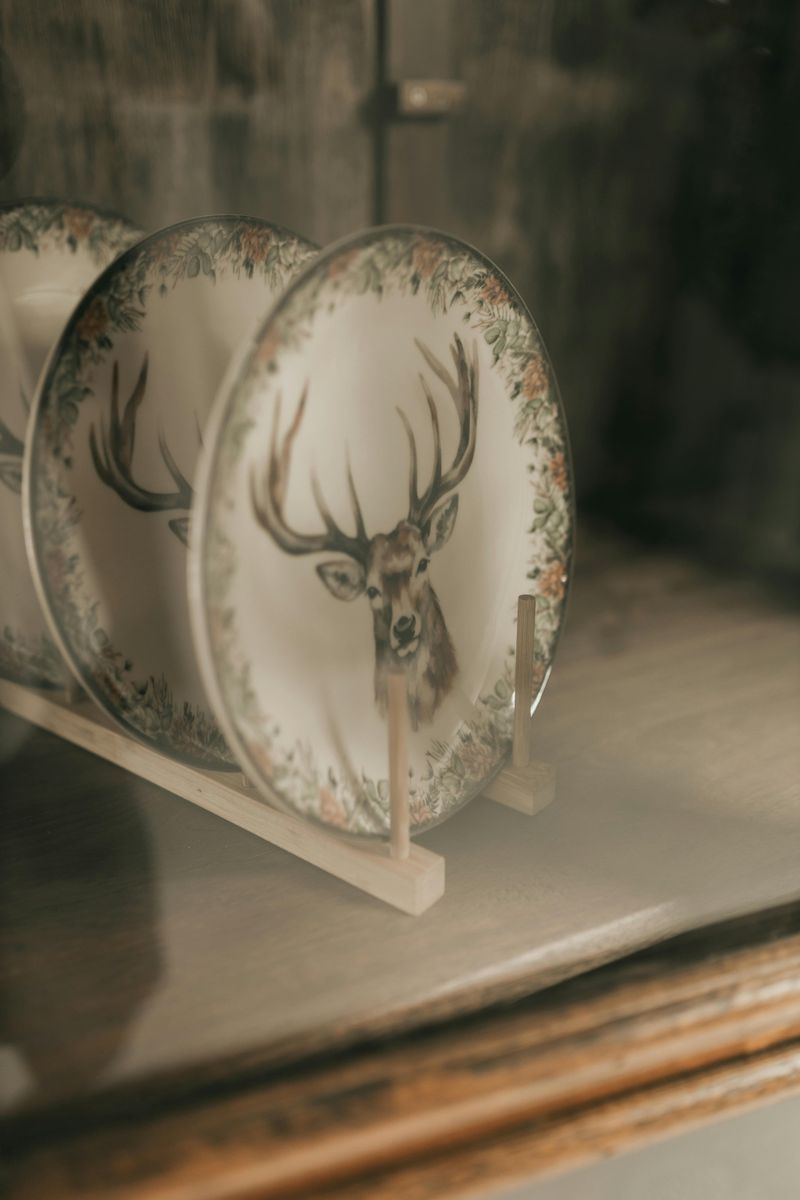
Your grandmother’s silver-plated flatware set might feel sentimental, but it won’t pay the bills.
Companies like Rogers and Community produced millions of these sets throughout the 20th century.
Unlike solid sterling silver, the thin silver coating on these pieces wears away with use and cleaning.
I’ve watched complete sets struggle to reach even $100 at auctions.
The base metal underneath has minimal value, and the silver layer is too thin to salvage.
Most thrift stores have shelves packed with these sets gathering dust.
Collectors focus their money on sterling silver pieces that hold intrinsic metal value.
The market became so flooded that even pristine sets in original boxes don’t command attention anymore.
3. Collector Plates from the 1970s-1980s
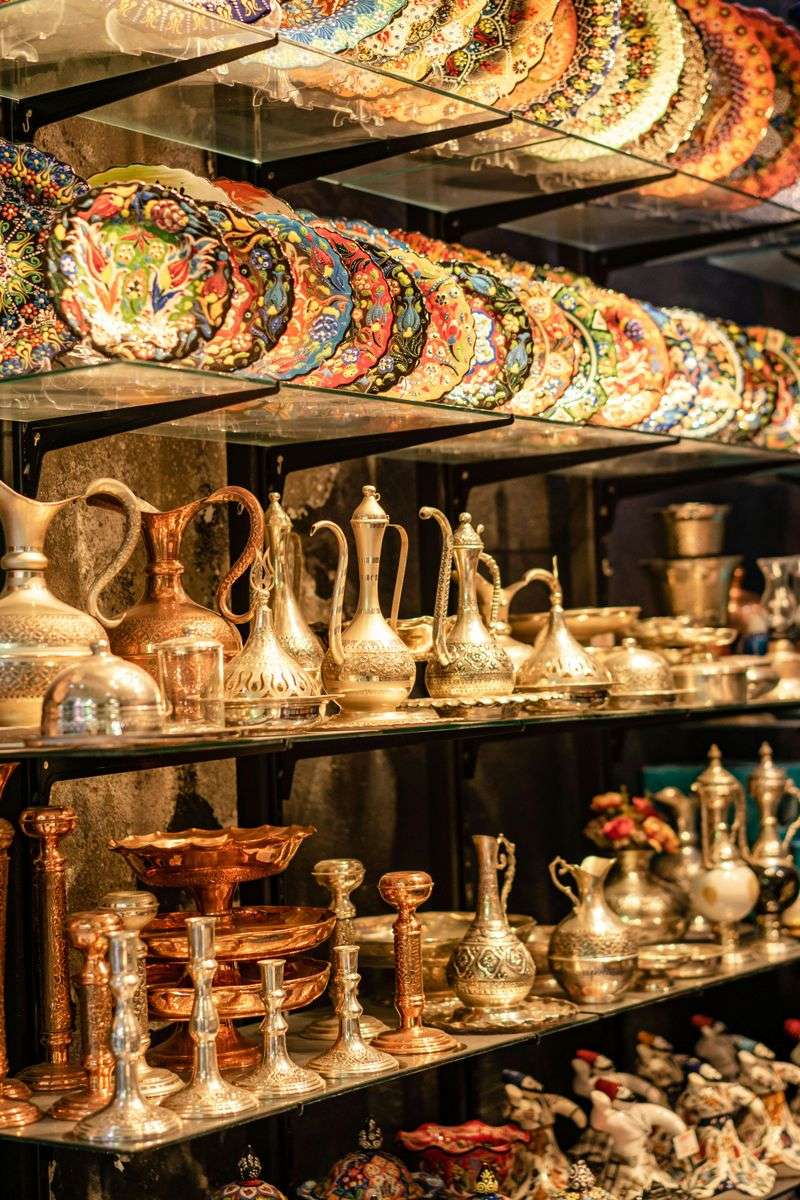
Remember those mail-order collector plates advertised as future heirlooms?
Manufacturers convinced people these “limited editions” would appreciate over time.
The truth is they made tens of thousands of each design, flooding the market completely.
I see these plates at every yard sale and flea market, usually priced between $5 and $10.
Nobody wants to display plates with outdated artwork covering their walls anymore.
The certificates of authenticity that came with them mean nothing when supply vastly exceeds demand.
Young collectors especially show zero interest in these decorative pieces.
Storage becomes an issue too since the plates take up space without offering any practical use or significant value.
4. Mass-Produced Depression Glass
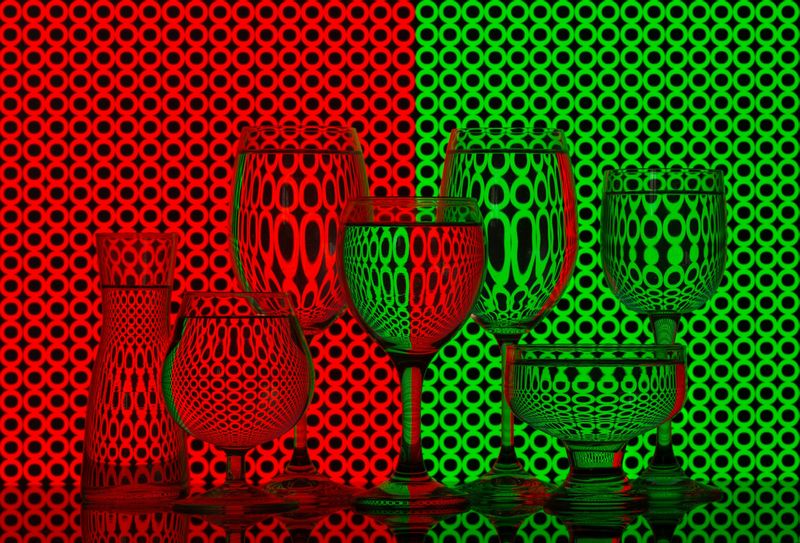
Those cheerful colored glass pieces look pretty but rarely bring in serious money.
Factories mass-produced Depression glass by the millions during the 1920s and 1930s. Machine manufacturing meant each piece could be replicated endlessly with little variation.
I’ve noticed that most common patterns sell for $20 to $30 per piece at best.
Unless you have extremely rare colors or patterns, collectors pass right by.
The glass chips easily, and many pieces have survived in less-than-perfect condition.
Modern reproductions also confuse the market, making authentication tricky for casual sellers.
Serious glass collectors hunt for art glass or rare hand-blown pieces instead of these everyday items that filled Depression-era cupboards.
5. Vintage Avon Bottles
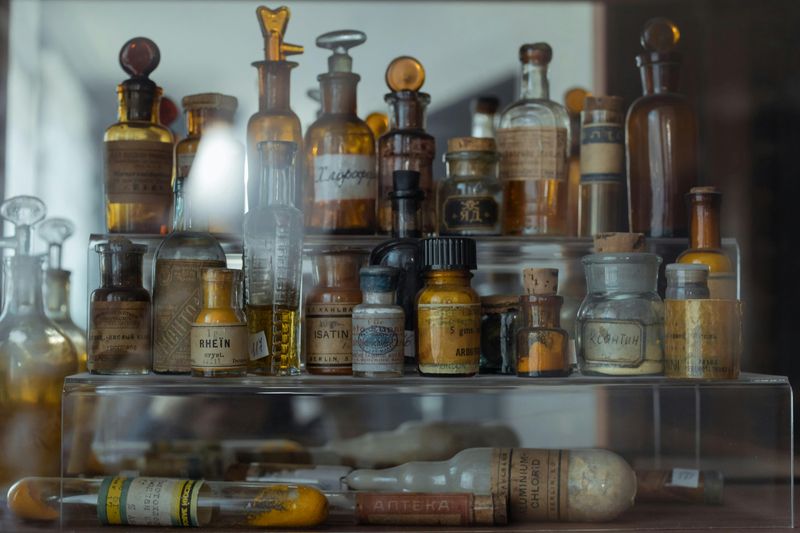
Avon bottles bring back childhood memories, but they won’t fund your retirement.
From the 1960s through the 1990s, Avon representatives sold millions of these novelty bottles.
The cute designs featured everything from cars to animals to holiday themes.
I rarely see individual bottles sell for more than $5 to $10, even in mint condition with original boxes.
The sheer quantity produced means almost everyone’s grandmother has a collection tucked away somewhere.
The perfume inside has usually evaporated or gone rancid, leaving just the bottle.
Younger generations don’t connect with these nostalgic items the way older collectors might.
Auction houses and antique dealers typically refuse them because they take up valuable shelf space without generating profit.
6. Oversized Rustic Clocks
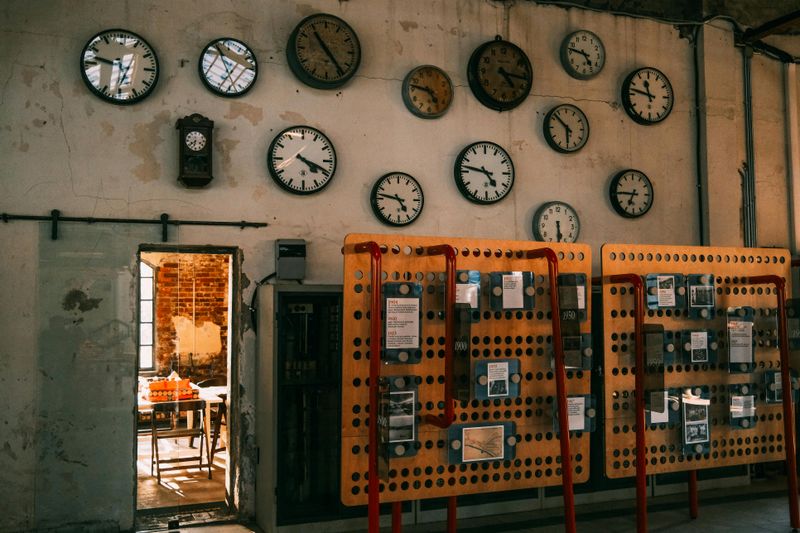
Giant wall clocks with distressed finishes dominated home decor stores just a few years ago.
People bought these statement pieces thinking they added farmhouse charm to their spaces.
The reality is they overwhelm rooms and serve no actual timekeeping function since many have fake hands.
I’ve watched the resale market for these clocks collapse as design trends shift away from oversized rustic elements.
They’re difficult to move and store, making them unappealing for collectors with limited space.
The distressed finish that once seemed trendy now looks dated and artificial.
Most were cheaply constructed despite their hefty price tags when new.
Collectors prefer authentic antique clocks with working mechanisms or sleek modern designs over these purely decorative pieces.
7. Vintage Edison Bulbs in Bulk

Exposed filament bulbs created warm ambiance in restaurants and homes for years.
The amber glow and visible filaments inside seemed perfect for creating mood lighting.
But these bulbs produce far more atmosphere than actual usable light in practical spaces.
I know many people who realized their Edison bulb fixtures left rooms too dim for reading or working.
The energy inefficiency also became a concern as electricity costs climbed higher.
Collectors initially hoarded vintage Edison bulbs, but the market flooded with cheap reproductions.
The novelty wore off as the bulbs appeared in every coffee shop and boutique hotel.
Modern LED technology now offers similar aesthetics with better light output and energy efficiency, making the originals obsolete for most applications.
8. Oak Colonial Revival Chairs

The once-cherished Oak Colonial Revival chairs are losing their charm among collectors.
These chairs, known for their sturdy build and intricate carvings, were a staple in many homes.
However, the bulky design doesn’t fit the modern minimalist trend.
Many find them too cumbersome for contemporary living spaces.
Collectors are instead seeking lighter, more streamlined furniture pieces.
Some appreciate their historical value, but practical use is waning.
The market for these chairs is shrinking, as people prioritize functionality over form.
9. Victorian Chaise Lounges

Victorian chaise lounges once symbolized luxury and sophistication.
Their plush fabrics and ornate designs were adored by many.
Yet, these lounges are now seen as impractical in modern homes.
Their elaborate details clash with the sleek lines favored in current interior designs.
Despite their historical allure, they occupy too much space and require extensive upkeep.
Collectors are moving towards more versatile seating options, leaving these once-treasured lounges to gather dust. The trend is undeniably changing.
10. Mahogany Roll-Top Desks

The mahogany roll-top desk was once a must-have for any respectable study.
Known for its practicality and hidden compartments, it was a symbol of sophistication.
However, the decline in paper correspondence and bulky design make it less appealing today.
Modern technology calls for different furniture solutions.
The demand for these desks has decreased as minimalist designs gain traction.
Collectors are favoring pieces that blend technology with aesthetics.
The roll-top desk, although charming, no longer fits the bill.
11. Art Deco Display Cabinets
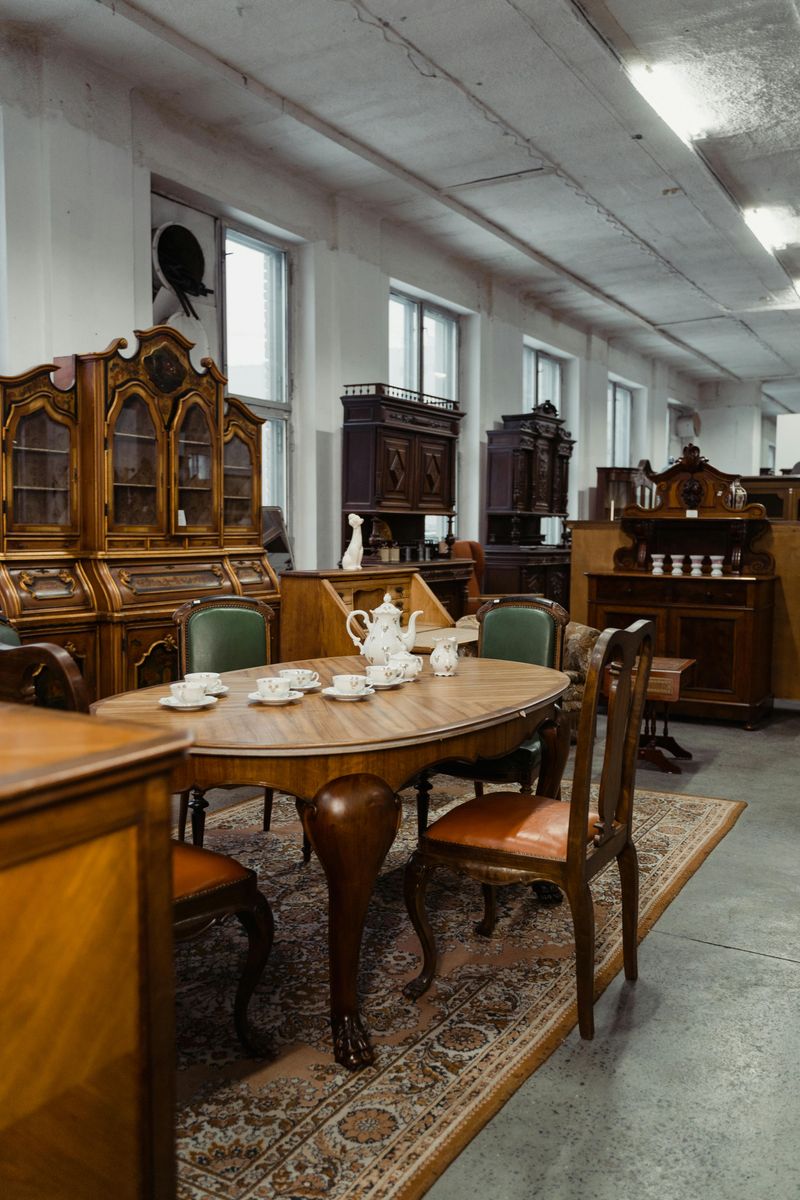
Art Deco display cabinets were once prized for their bold geometric designs and reflective surfaces.
They elegantly showcased belongings in many homes.
Today, their ornate style feels dated against the backdrop of simpler, cleaner aesthetics.
The trend has shifted towards open shelving and minimalist displays.
Despite their craftsmanship, these cabinets are losing ground.
Collectors are gravitating towards more practical storage solutions, leaving these once-coveted pieces sidelined.
The shift reflects changing tastes in home decor.
12. Victorian Parlor Tables
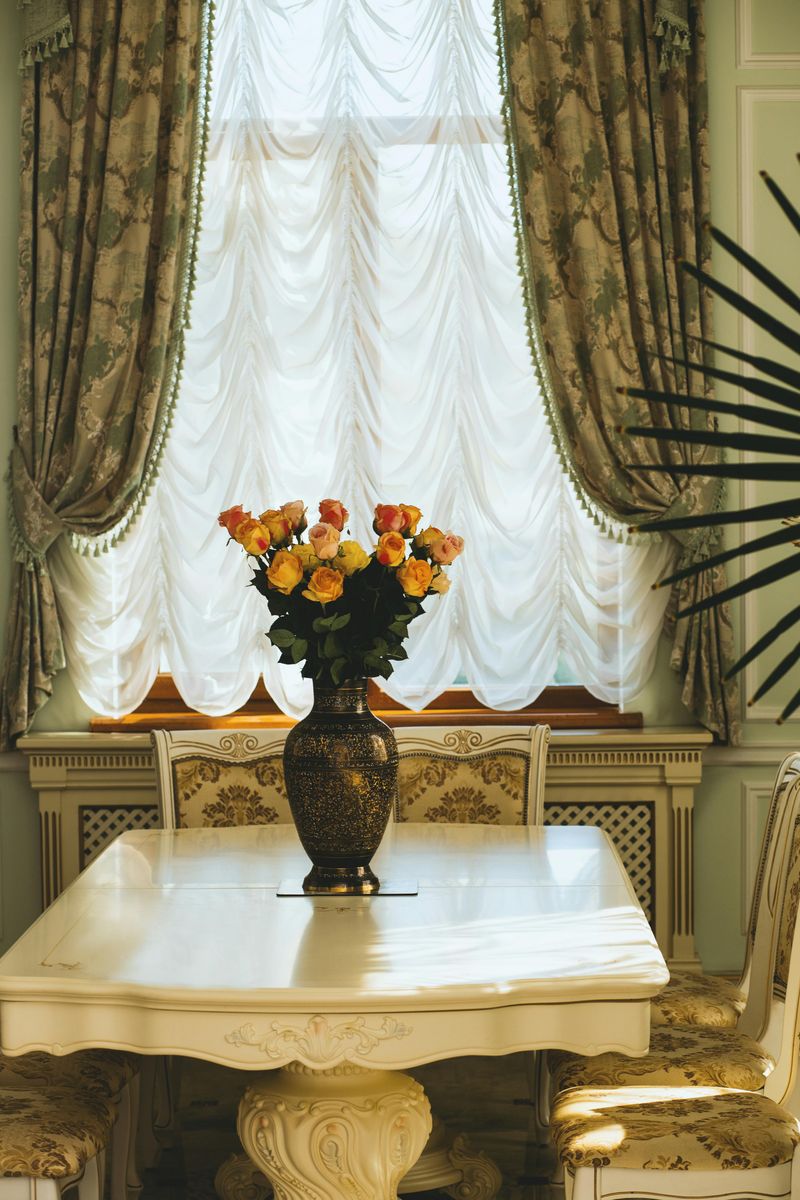
Victorian parlor tables, with their intricate legs and marble tops, were once the centerpiece of elegant gatherings.
They embodied a period of opulence and refinement.
In contemporary homes, these tables seem out of place, contrasting sharply with modern design sensibilities.
Their heavy, ornate style is seen as cumbersome.
As open-plan living becomes the norm, these tables are being replaced by more versatile options.
The trend towards practicality is causing a decline in their desirability among collectors.