10 North Carolina Lakes And Wildlife Refuges Where Thousands Of Migrating Birds Gather This November
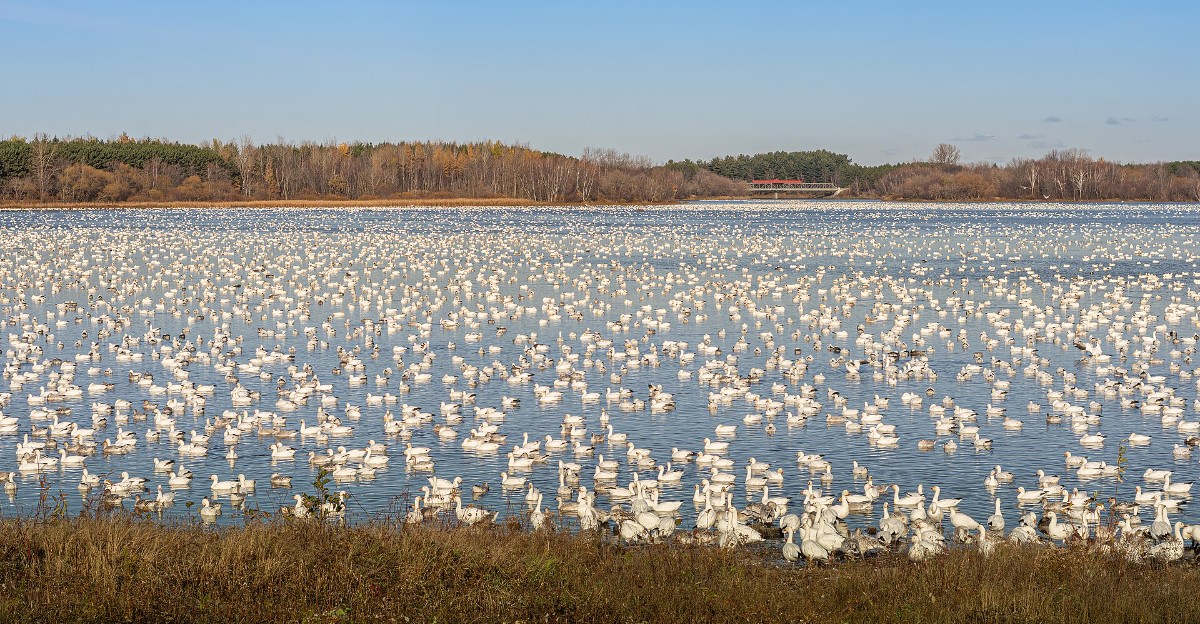
I keep getting stuck on one number: 80 percent.
Over the past 35 years, as many as 80 percent of the northern pintails moving along the Atlantic Flyway have used one wildlife refuge in eastern North Carolina.
That scale is hard for me to picture until November arrives and the sky starts filling in.
Suddenly, quiet lakes and farm fields become seasonal gathering places for enormous flocks arriving from far north.
One refuge can host more than 200,000 ducks, geese, and swans through the colder months, while another has recorded more than 370 bird species.
For me, the best part is how little equipment the spectacle demands.
A pair of binoculars, an early alarm, and enough patience to watch the horizon are plenty.
By sunrise, the question is not whether something will appear.
It is how long I can keep looking up.
10. Mattamuskeet National Wildlife Refuge
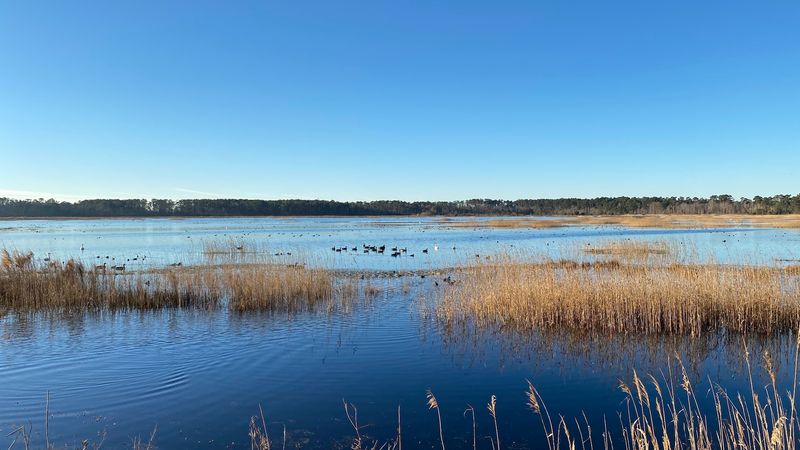
Ducks don’t read calendars, but they sure seem to circle November on this refuge. From November through February, more than 200,000 ducks, geese, and swans pile in here.
Established in 1934, the refuge wraps around marshes, swamp forests, and upland woods. That’s a long track record of giving tired travelers a place to rest.
Your easiest start is the Entrance Road and the Wildlife Drive. Both give you wide views of open water and marsh without much effort.
Want to stretch your legs? A short trail crosses a swampy stretch that looks straight out of a storybook.
Walking and biking are welcome, which means you can slow down and actually listen. Swans honking overhead sound a lot like a traffic jam with wings.
Keep an eye on the treetops too. Bald eagles show up often, scanning the water for a meal.
Some areas close in winter so the birds can rest without being disturbed. Check the refuge’s current closures before you plan a long hike.
Families will find kid-friendly hikes, picnic spots, and public restrooms. Dogs are allowed too, though they may find the geese a bit too exciting.
Weekends tend to draw the most visitors here. Visiting during daylight hours and checking seasonal access restrictions can help you plan a smoother trip.
Anglers and crabbers get their own fun with several access points. Bring a cooler for snacks and plenty of layers for the breezy shoreline.
9. Pocosin Lakes National Wildlife Refuge
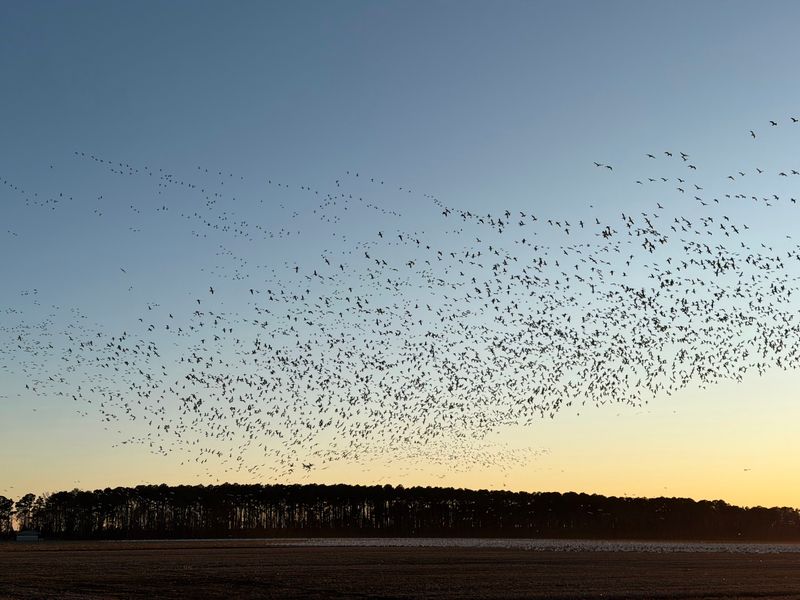
More than 110,000 acres of evergreen shrubs, pond pines, and water make this refuge feel bigger than some counties. In November, tundra swans and snow geese start filling that space fast.
Your first stop should be the headquarters in Columbia. Visitor center hours may vary, so check the refuge’s current monthly schedule before heading to Columbia.
Inside, you can grab maps and get pointed toward the best viewing areas. Outside, a nature walk lets you spot turtles and maybe an alligator from a safe distance.
Families can explore educational exhibits and look for seasonal youth programs, with activities varying according to the refuge’s schedule.
The real bird drama happens out on the Pungo Unit. Five designated observation areas give you front-row seats to swans, geese, and ducks.
Timing matters here. Thousands of swans and geese move to and from their roosts around dawn and dusk.
Farm fields and moist soil units feed the flocks high-energy meals all winter. It’s basically a buffet with a very long line of hungry customers.
Some Pungo Unit roads close to vehicles from November to February. That protects resting birds, so plan to park and walk where needed.
Lucky visitors sometimes spot a rare sandhill crane mixed into the crowd. The refuge also has one of the highest black bear densities reported in the United States.
So yes, pack binoculars and a camera with a good zoom. Maybe pack a little respect for the bears too, since they live here full time.
8. Pea Island National Wildlife Refuge
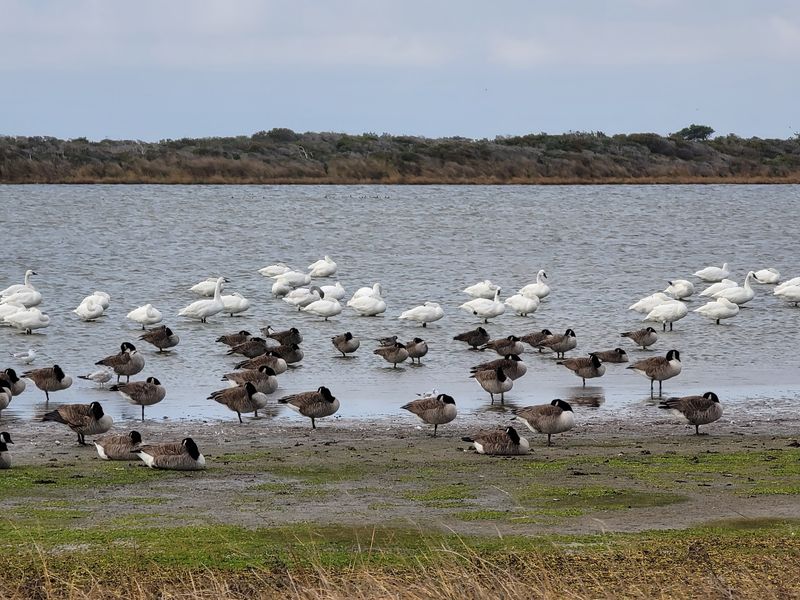
More than 370 bird species have shown up on this skinny strip of Outer Banks sand. That’s a big guest list for a refuge squeezed between ocean and sound.
Pea Island was set aside in 1938 to protect migratory birds. In winter, thousands of ducks, swans, and geese still hold up their end of the deal.
Start at the visitor center on NC Highway 12, about 9 miles north of Rodanthe. The visitor center normally operates daily from 9 a.m. to 4 p.m., although temporary weather-related closures can affect access.
North Pond is the star of the show. You can view it from a platform on the Salt Flats Wildlife Trail or a tower on the North Pond Wildlife Trail.
Photographers, there’s a photo blind right off Highway 12. It helps you get close shots without spooking anyone.
South of the visitor center, another platform looks over New Field and South Ponds. Herons, egrets, and shorebirds join the waterfowl there.
Head to the refuge’s northern end for Oregon Inlet. In November, shorebirds and waterbirds gather there in big numbers.
Fall migration also brings raptors like bald eagles and peregrine falcons. Watch the sky as often as the water.
Volunteer-led bird walks run year-round, except on certain festival dates. They’re a great move if you can’t tell a dunlin from a dowitcher yet.
Don’t skip the turtle pond near the visitor center, either. It’s a fun break for kids who need a few minutes away from the binoculars.
7. Currituck National Wildlife Refuge
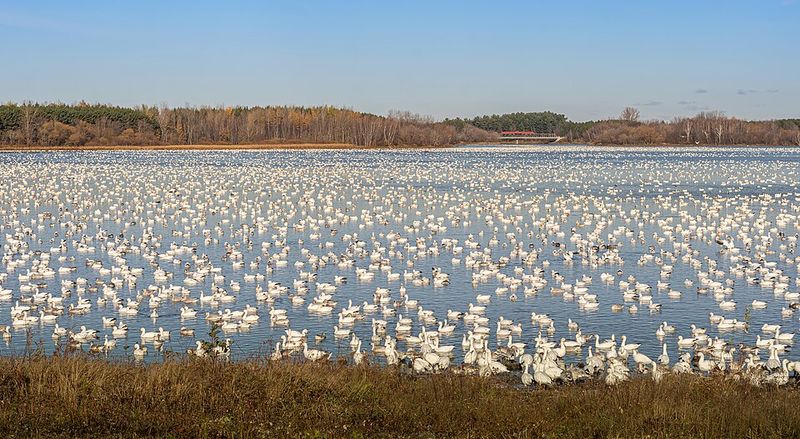
Wild horses get most of the attention on this northern Outer Banks refuge. The ducks don’t seem to mind sharing the spotlight.
Currituck National Wildlife Refuge protects about 4,570 acres of beach, dunes, wetlands, and maritime forest. It was established in 1984 to protect the coastal barrier island ecosystem.
More than 200 bird species, both migrants and year-round residents, have been recorded here. November is when the waterfowl crowd really grows.
Snow geese and tundra swans show up in the wetlands and along the sound. Mallards, wood ducks, black ducks, and both blue-winged and green-winged teal join them.
Getting here is part of the adventure. Access is mainly by boat or by four-wheel-drive vehicle along the beach north of Corolla.
Don’t expect a visitor center or paved trails. The refuge has no developed public use facilities, so bring water, snacks, and a plan.
Guided tours are a handy option if you don’t want to drive on sand yourself. They also help you find the horses without guessing, which saves a lot of aimless driving.
About those horses: they’re Colonial Spanish Mustangs, and they deserve their space. Watch from a distance and let them be wild.
The refuge is open daily from sunrise to sunset. Mornings tend to be calmer than afternoons, which is handy for birders.
You can watch swans on one side and surf on the other. That’s a pretty great two-for-one deal in North Carolina, and the birds don’t charge extra.
6. Pungo Lake
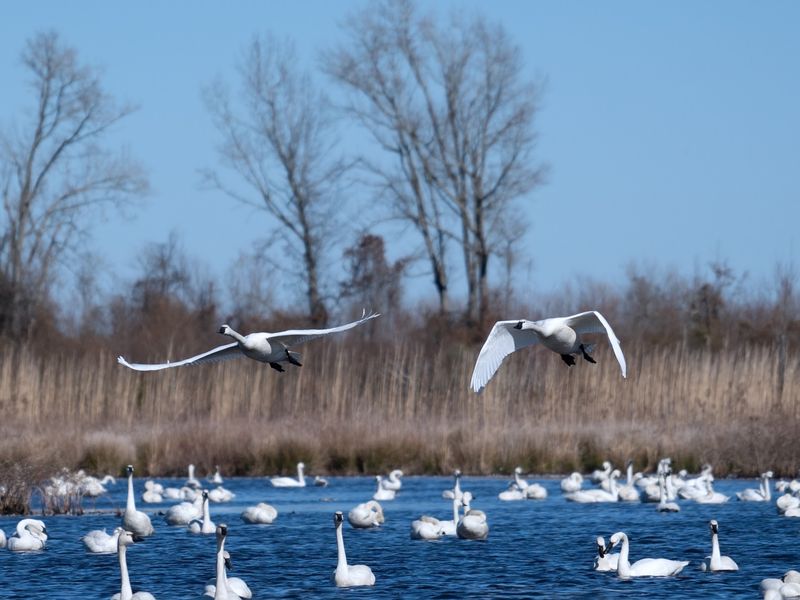
Thousands of tundra swans floating on one dark lake is the kind of sight that makes grown adults whisper. Pungo Lake delivers that sight each winter.
The lake sits within the Pungo Unit of Pocosin Lakes National Wildlife Refuge. It’s out in the quiet farm country of eastern North Carolina, so plan for a drive.
Late afternoon is prime time. Swans crowd the water while huge flocks of snow geese feed in nearby fields before returning to Pungo Lake to roost for the night.
The noise alone is worth the trip. It sounds like a stadium full of squeaky toys, and somehow it’s beautiful.
Bring a thermos and a folding chair if you plan to stay until dusk. The light fades fast, but the flocks keep moving overhead.
Now a practical warning. The roads to and around the lake can have lots of wet holes, and some are deep.
A higher-clearance vehicle is a smart call after rain. Drive slowly, and don’t trust a puddle just because it looks shallow.
Stay at the designated viewing spots and keep your voice low. Spooked swans burn energy they need for the long winter.
Snow geese can lift off in one giant cloud when something startles them. If it happens, keep your camera ready and your mouth closed, just in case.
Cold toes are part of the deal in late fall. Thick socks and a hat will make the wait far more pleasant.
Got binoculars? Bring them, plus a spotting scope if you own one.
5. Lake Mattamuskeet
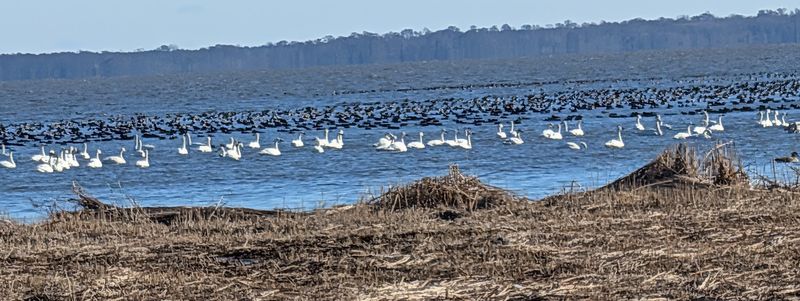
Over the past 35 years, Mattamuskeet National Wildlife Refuge has attracted as many as 80 percent of the northern pintails migrating along the Atlantic Flyway. Not bad for a body of water in rural Hyde County.
The refuge has also supported as many as 30 percent of the green-winged teal migrating along the Atlantic Flyway. These little ducks are fast fliers, and the males sport flashy green head patches.
As North Carolina’s largest natural freshwater lake, it gives birds plenty of room to spread out. You’ll want binoculars to make sense of the crowd.
The easiest view comes from NC Highway 94, which crosses right over the lake on a causeway. It’s one of the coolest drives in the state for bird lovers.
An observation deck along the causeway lets you pull over safely. From there, scan the open water for rafts of ducks and swans.
Fall is the season to go. The number of migrating birds builds through November and stays strong into February.
Bald eagles often patrol the area as well. If the ducks suddenly scatter, look up.
Morning light on the water makes the white swans pop against the dark lake. Afternoon light works nicely too, if sleeping in sounds better.
Fishing is another big draw here. Because the lake is federally managed, it has its own fishing rules, so check them before casting.
Wind can sweep across the open water and causeway. A windproof jacket will earn its spot in your trunk.
Pack lunch, too, since this corner of the coast is rural. Gas up before you leave the bigger towns.
4. Alligator River National Wildlife Refuge
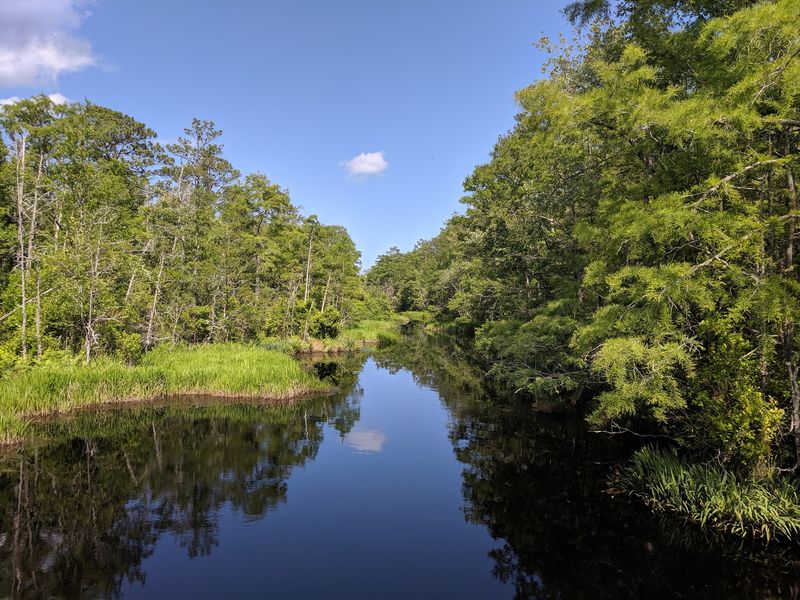
A refuge named after alligators turns out to be a top spot for swans. Nature clearly enjoys a good plot twist.
Alligator River National Wildlife Refuge was established in 1984 to protect its rare pocosin wetlands. In colder months, its farm fields support thousands of wintering waterfowl, including tundra swans.
The Murphy Peterson Wildlife Drive is your best friend here. The well-kept dirt roads let you roll slowly with the windows down.
Listen as much as you look. Marsh sounds, bird calls, and wetland smells are a big part of the experience.
Two wildlife walking trails offer short, easy strolls through marshy areas. They’re great for anyone who wants birds without a big hike.
Look low in the marsh grass for king rails and Virginia rails. These secretive birds are famous for staying hidden, so a sighting counts as a win.
Fall also brings migrating warblers and other songbirds to the woods. Bring a field guide, because they move fast.
And then there are the mammals. This is one of the few places in the world where endangered red wolves live in the wild.
Black bears and alligators roam the refuge too. Keep a respectful distance and stay in your car if a bear wanders close.
Prefer water views? Paddling trails let you explore by canoe or kayak, and the refuge offers seasonal tours and ranger-led programs.
The refuge is open year-round during daylight hours. A November sunset over the marsh is a fine way to end the day.
3. Pee Dee National Wildlife Refuge
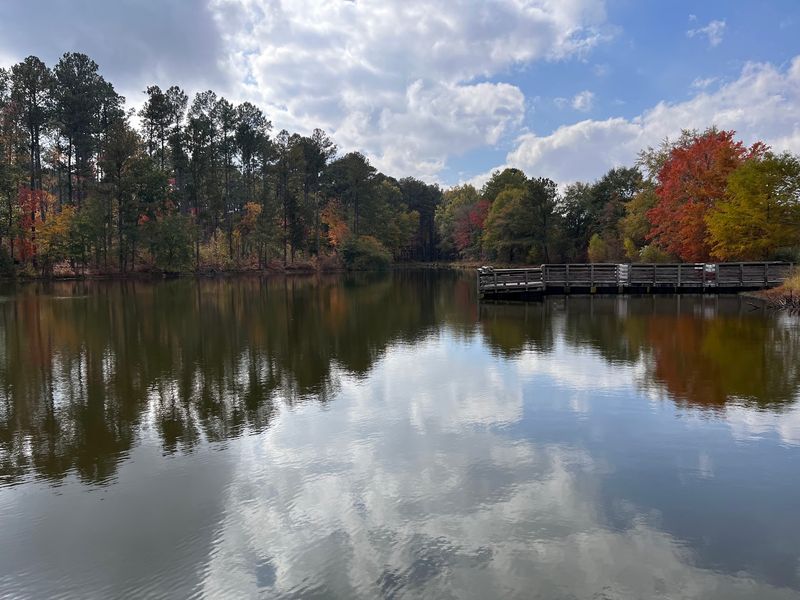
Coastal refuges hog the headlines, but this one near Wadesboro holds its own. It sits in the Piedmont, hours from the nearest beach.
Pee Dee National Wildlife Refuge started in 1963 as a migratory bird sanctuary. During fall and winter, peak waterfowl numbers can top 10,000 birds.
Mallards, ring-necked ducks, and wood ducks make up most of that crowd. Wood ducks alone are worth the trip, with males that look hand-painted.
More than 200 bird species use the refuge’s mix of habitats. You’ll find bottomland hardwood forests, pine woods, wetlands, and open water.
Getting around is simple. A 3-mile paved Wildlife Drive and more than 20 miles of public gravel roads cover a lot of ground.
On foot, try the boardwalks or the 2-mile nature trail. A duck blind gives you a sneaky spot to watch birds up close.
Bald eagles become easier to spot in winter. Scan tall trees near the water for that bright white head.
Some trails have been recovering from hurricane damage. Check conditions before you set your heart on a specific path.
Picnic tables and a gazebo make lunch easy. Pack sandwiches and make a day of it.
Fishing ponds add another option for anyone in your group who gets restless. Just keep the casting away from the birding crowd.
Early mornings often bring deer along with the birds. The refuge is open from sunrise to sunset, so plan an early arrival.
2. Swanquarter National Wildlife Refuge – Main Unit
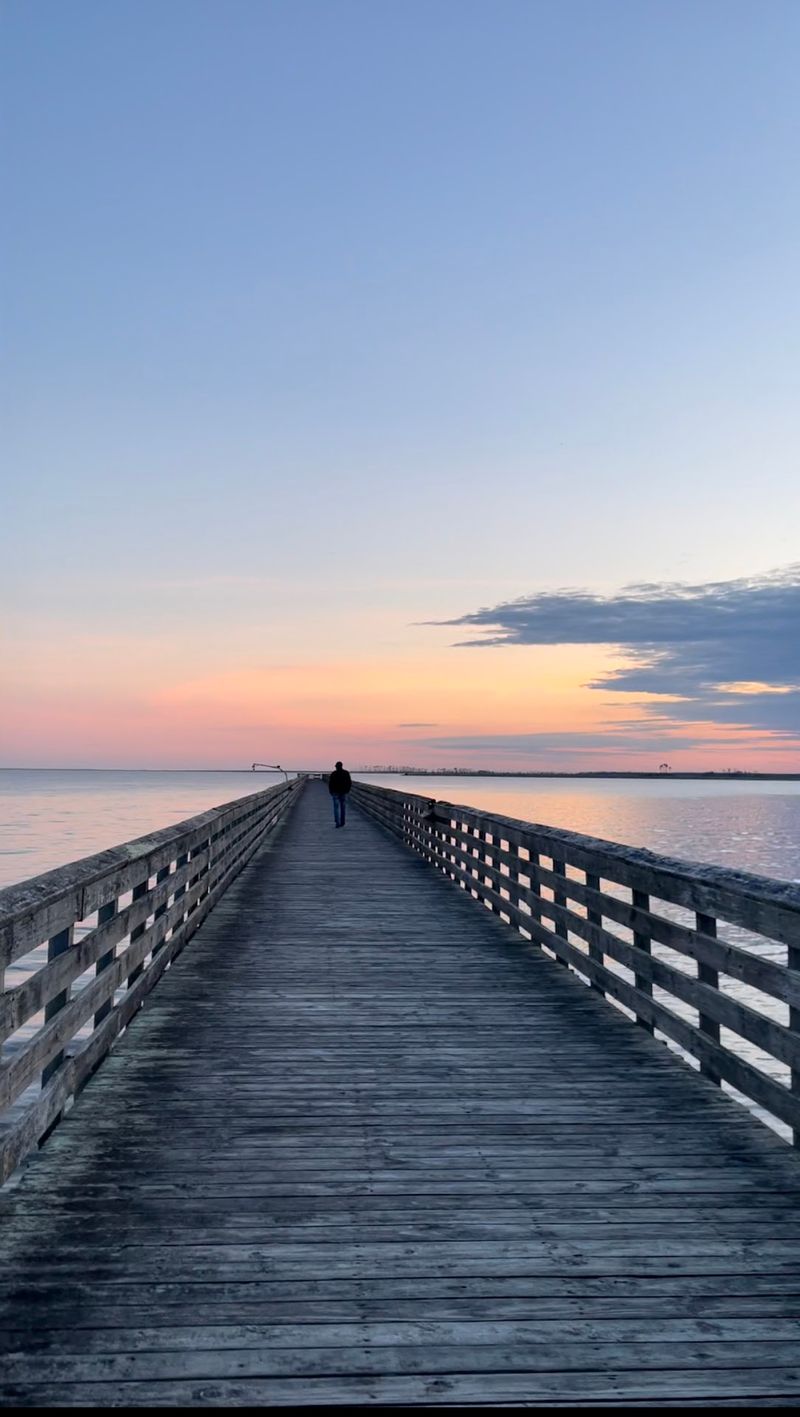
With a name like Swanquarter, this refuge had better deliver birds, and it does. Set aside in 1932, it predates its famous neighbor at Mattamuskeet by two years.
More than 16,000 acres of brackish marsh line the edge of Pamlico Sound here. About 8,800 of those acres are protected as the Swanquarter National Wilderness Area.
Winter waterfowl here read like a birder’s dream list. Expect American black ducks, buffleheads, northern pintails, lesser scaup, redheads, canvasbacks, and surf scoters.
Canvasbacks and redheads look a lot alike at a distance. Check the head and bill shape, and you’ll look like a pro.
The star attraction is a 1,000-foot pier at Bell Island. It stretches out over Pamlico Sound for views of waterfowl, terns, and gulls.
Bring a spotting scope if you have one. Open water birds love to float just out of easy binocular range.
To get there, take a 2-mile gravel road off Highway 264. Boaters can also reach the refuge by water.
The entrance road passes through upland forest and marsh. Drive slowly and watch for secretive marshbirds along the edges.
Wading birds and shorebirds also spend winter here. Bald eagles and American alligators live on the refuge too.
A morning visit offers a chance to enjoy the refuge’s marshes and watch for wildlife along Pamlico Sound. That calm makes it easier to hear the marsh come alive.
Facilities are simple, since the refuge is managed from Mattamuskeet’s headquarters. Pack snacks and water before you head down that gravel road.
1. Phelps Lake
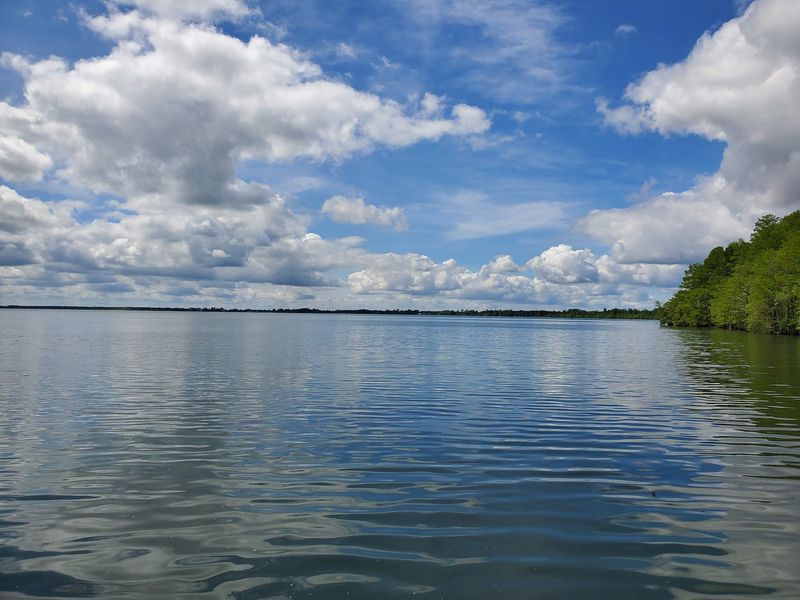
Crystal-clear water and white sand sound like a beach brochure, not a lake in swamp country. Somehow, this one pulls off the surprise.
The lake sits in the Albemarle-Pamlico region near Creswell, the same corner of North Carolina that draws huge winter flocks. Pungo Lake and its swans are just a short drive away.
That makes Phelps a smart second stop on a waterfowl road trip. Watch Pungo’s flocks at dusk, then enjoy a calmer morning here.
The water is shallow, clean, and clear. That’s a rare treat in a region full of swampy wetlands.
Kayakers love it here, and anglers do too. Big open water means lots of room to paddle and cast.
Now the catch. Wind can whip across this large lake quickly and make boating risky.
Check the forecast before launching. If the wind picks up, head back to shore and bird from dry land instead.
Pettigrew State Park provides access to Lake Phelps, although its campgrounds are closed for renovations during 2026.
Hunters use the area too, so bright clothing is a smart idea in fall. Nobody wants to be mistaken for a goose.
From shore, scan the open water for ducks and other waterbirds passing through. Even a quiet lake can surprise you this time of year.
It’s a fitting finale for a birding trip across North Carolina. Calm water, big skies, and maybe a few swans winging past on their way to dinner.