10 North Carolina Lakes That Are Hard To Forget Once You See Them
North Carolina has a habit of making you forget your plans. You show up for a quick look, and three hours later you’re still standing at the water’s edge, shoes off, phone ignored.
I’ve done it more times than I’d like to admit. This state holds some of the most striking lakes I’ve ever seen.
Mountain reservoirs so still they mirror the sky, wild untouched waters that feel like a secret the locals have been keeping. Each one on this list left a mark on me.
Once you see them, they tend to stick around in your memory long after you’ve gone home.
1. Lake Norman
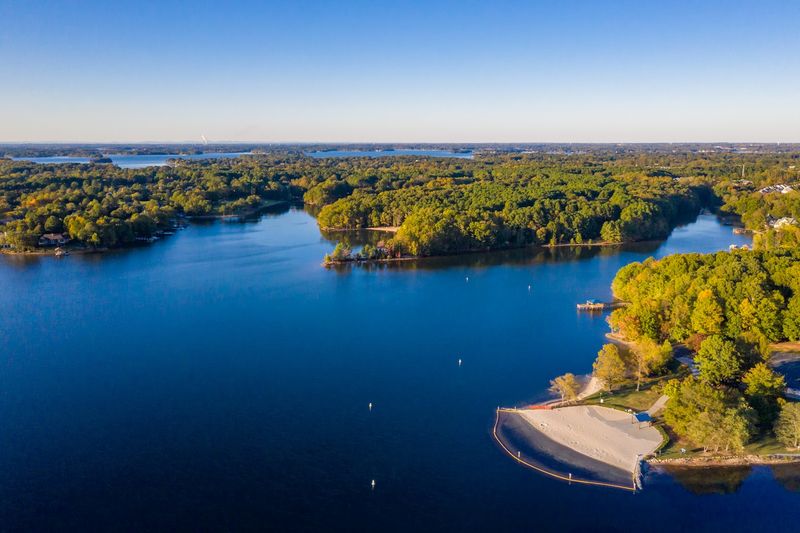
Picture the biggest lake in the state and then with views that stretch toward the Charlotte area. That’s Lake Norman, a 32,510-acre reservoir built in the 1960s by Duke Power.
It’s the kind of place where people end up spending more time on the water than they expected.
The lake sits in Iredell, Catawba, Lincoln, and Mecklenburg counties, making it a central hub for the entire region. Boating, fishing, paddleboarding, and waterfront dining are all part of the routine here.
On summer weekends, the lake buzzes with energy, but early mornings are surprisingly calm and peaceful.
Lake Norman State Park offers hiking trails and a swimming beach for those who prefer shore life. The water is stocked with largemouth bass, catfish, and crappie, so anglers show up year-round.
Families especially love the mix of outdoor activities and nearby conveniences like restaurants and marinas. If you want a lake that balances wild nature with modern comfort, Lake Norman delivers that in a way few others can match.
2. Fontana Lake
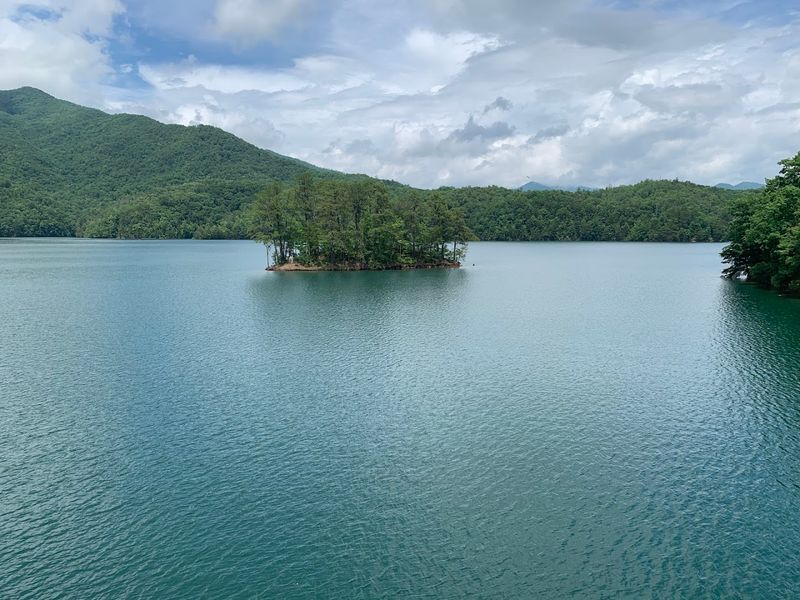
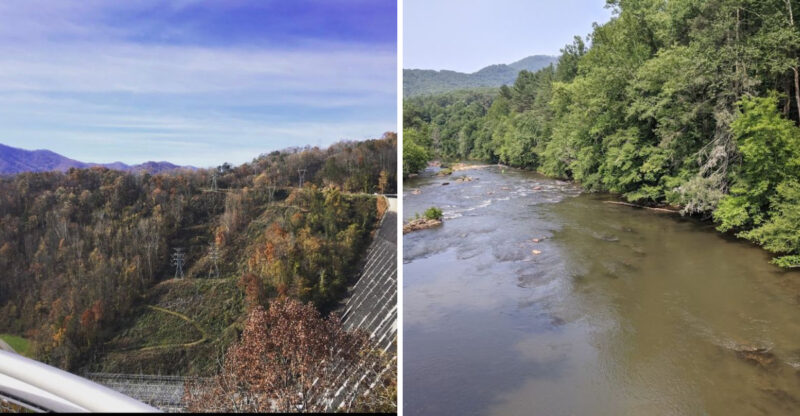
Sitting at the edge of Great Smoky Mountains National Park, Fontana Lake feels like it belongs in a painting. The 10,230-acre reservoir was created in the 1940s when the Tennessee Valley Authority built Fontana Dam, the tallest dam east of the Rockies at 480 feet.
The surrounding mountains drop straight into the water, creating dramatic shorelines that make every photo look effortless. Hikers arriving on the Appalachian Trail can actually take a boat shuttle across the lake, which is one of the cooler transportation quirks in the whole state.
The water is cold, clear, and incredibly inviting.
Fishing here is serious business. Smallmouth bass, walleye, and trout all thrive in Fontana’s depths.
Fontana Village Resort sits nearby and provides lodging, boat rentals, and guided tours, making it easy to plan a full trip. The fall foliage reflecting off the lake surface is something that genuinely stops people mid-sentence.
I’ve seen grown adults go quiet just watching the light change across the water. That kind of stillness is rare and worth every mile of the drive to get here.
3. Lake Lure
Before it became a filming location for a certain 1987 movie about dancing, Lake Lure was already one of the most beautiful spots in these mountains.
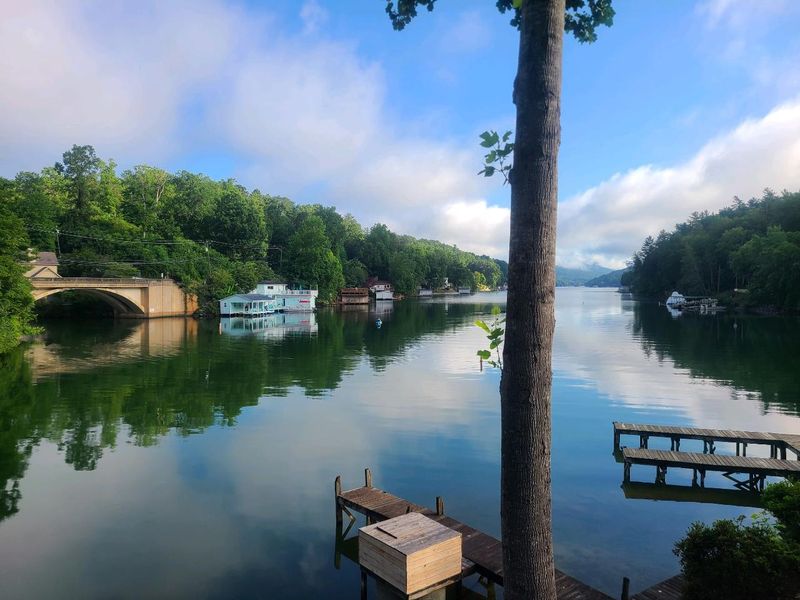
The 717-acre reservoir in Rutherford County occupies a dramatic gorge carved by the Broad River, and the views are genuinely cinematic.
The town of Lake Lure wraps right around the water, giving the whole area a cozy, storybook feel. Rent a kayak, take a boat tour, or spend time along the shoreline watching the mountains reflect on the surface.
The surrounding chimney rock formations add a rugged edge to the otherwise gentle scenery.
Chimney Rock State Park is just minutes away. Combining a hike there with an afternoon on the lake makes for a full and rewarding day.
The park trails climb up to views that look directly over the lake, and that perspective hits differently than you expect. Lake Lure Flowering Bridge, a converted 1925 bridge now covered in gardens, is a quirky bonus stop worth adding to your visit.
The town beach at 2724 Memorial Hwy, Lake Lure, is a great starting point for exploring the area.
4. Lake Glenville
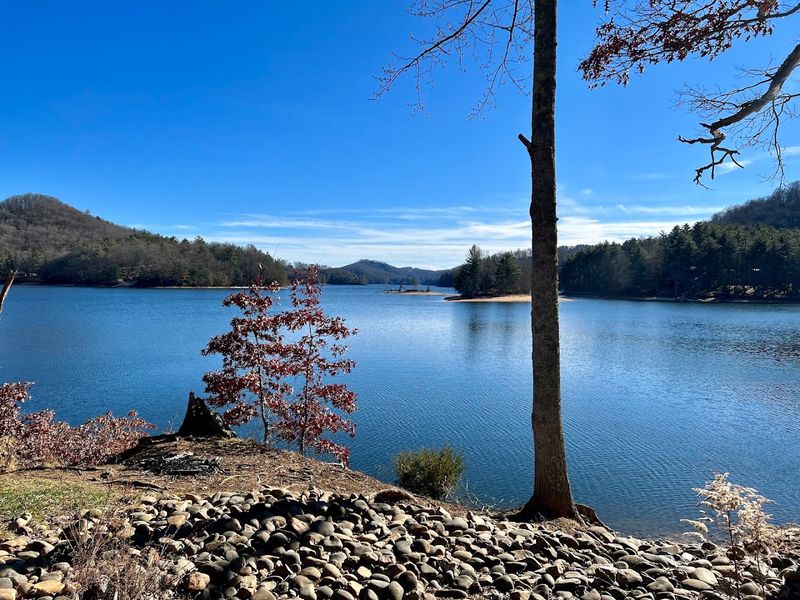
At 3,492 feet above sea level, Lake Glenville is one of the highest elevation lakes in the eastern United States. That altitude gives the water a clarity and color that feels almost too good to be real.
The blue-green surface against the surrounding Blue Ridge peaks is the kind of view that makes you rethink your screensaver.
Located in Jackson County near Cashiers, the lake covers about 1,462 acres and was created in the 1940s by Nantahala Power and Light.
Swimming, boating, and fishing are all popular here, but the real draw is simply being surrounded by mountains that seem to lean in from every direction. Trout fishing in particular is exceptional.
The nearby town of Cashiers offers charming shops, restaurants, and accommodations that make the trip feel well-rounded. Waterfall-chasing is a popular side activity, with Courthouse Falls and Whitewater Falls both within driving distance.
The lake’s surface temperature stays refreshingly cool even in midsummer, which is a genuine relief when the heat gets serious. For those who want mountain lake energy without the crowds, Lake Glenville is a strong contender for the most rewarding drive in western part of the state.
5. Jordan Lake
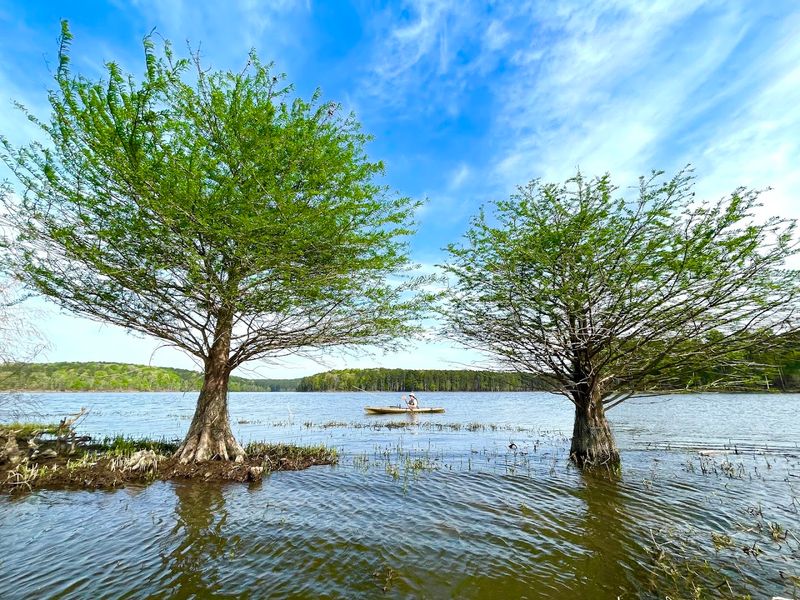
You show up planning to stay two hours and leave four hours later wondering where the time went. That’s just what Jordan Lake does to people.
Covering about 14,000 acres in Chatham County, it’s one of the most visited state recreation areas in North Carolina, and the reasons are pretty obvious once you arrive.
The lake was completed in 1982 by the U.S. Army Corps of Engineers and serves as a drinking water reservoir for several communities in the Triangle region.
Beyond its practical role, it’s a full-on outdoor playground. Sandy beaches, boat ramps, campgrounds, and picnic areas are spread across multiple access points around the shoreline.
Bald eagles nest here in significant numbers. That makes Jordan Lake one of the best places in the Southeast to spot them without hiking deep into the wilderness.
Fishing enthusiasts target striped bass, crappie, and bream throughout the year. The recreation area at 280 State Park Rd, Apex, is a reliable entry point with ample parking.
Families from Raleigh, Durham, and Chapel Hill treat this lake like their personal backyard, and honestly, it’s hard to argue with that once you’ve spent a day here.
6. Lake Santeetlah
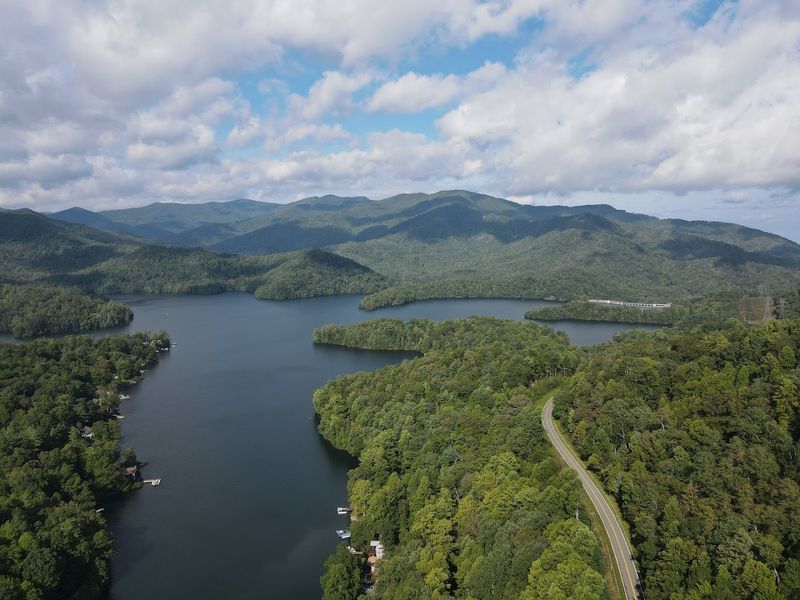
Few lakes in the state carry the same sense of deep wilderness as Lake Santeetlah. Nestled in Graham County within the Nantahala National Forest, this 2,900-acre lake is surrounded by ridgelines that seem to fold in on themselves.
The result is an almost enclosed, private feeling that’s genuinely rare.
The water is clean, calm, and consistently beautiful. Santeetlah was created in the early 20th century to generate hydroelectric power.
Today it’s known more for its recreational appeal and stunning scenery. Boating and fishing dominate the activity list, with smallmouth bass and muskie among the top catches.
The nearby Cherohala Skyway crosses the Unicoi Mountains and pairs perfectly with a lake day. Joyce Kilmer Memorial Forest is just minutes away.
The old-growth trees there look like they’ve been standing since before this country existed. That combination of a remote lake and ancient forest creates a day that feels genuinely otherworldly.
Accommodations in Robbinsville, serve as the closest base. If you want a lake that rewards the effort of finding it, Santeetlah delivers every single time.
7. Lake Mattamuskeet
Nothing quite prepares you for the sight of thousands of tundra swans descending on a lake at once. Lake Mattamuskeet, located in Hyde County on the eastern coastal plain, is the state’s largest natural lake, covering about 40,000 acres.
It’s also one of the most important migratory bird stops on the entire Atlantic Flyway.
The lake sits within the Mattamuskeet National Wildlife Refuge and draws massive flocks of snow geese, Canada geese, ducks, and swans from late fall through early spring. Wildlife photographers travel from across the country just to capture a single morning here.
The shallow water, averaging only about 2 feet deep, creates ideal feeding conditions for waterfowl.
Fishing is permitted in season, and the lake produces impressive catches of largemouth bass and yellow perch.
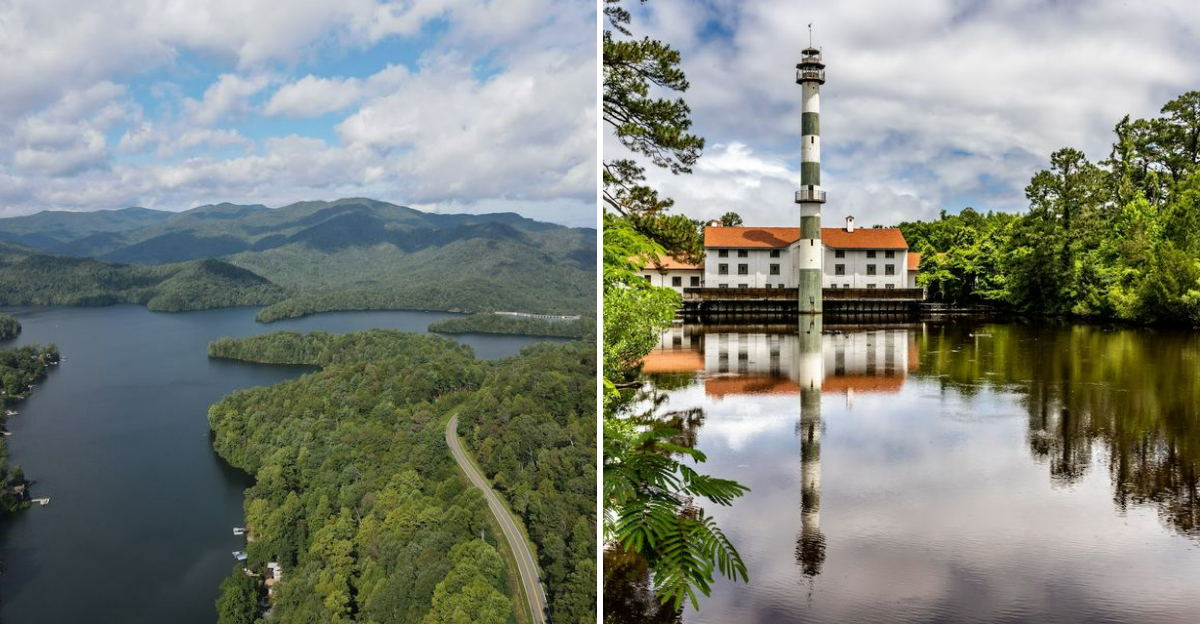
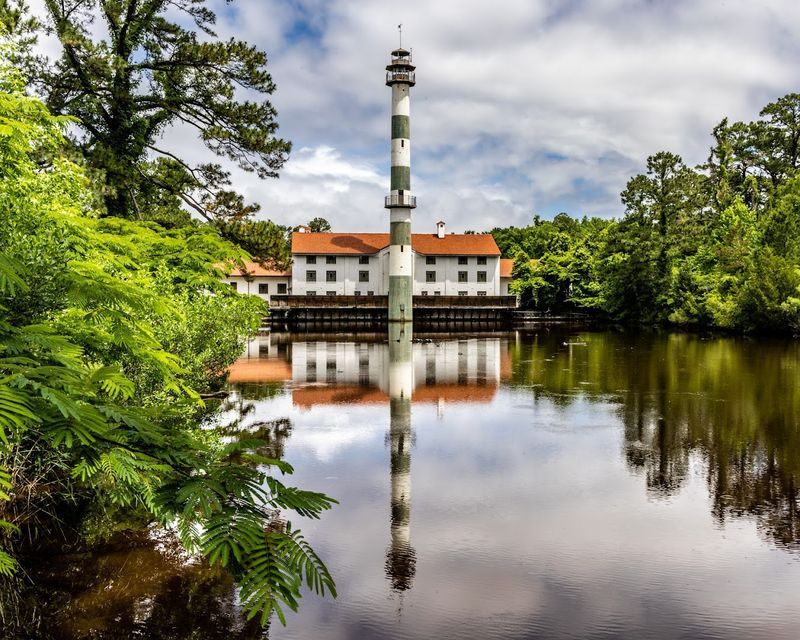
The historic Mattamuskeet Lodge, built in 1915 as a pumping station and later converted into a hunting lodge, stands near the refuge entrance and adds a fascinating historical layer to the visit.
The refuge address is 38 Mattamuskeet Road, Swan Quarter. Visiting in November or December during peak migration is an experience that rewires your sense of what nature is capable of doing on a grand scale.
8. Lake James
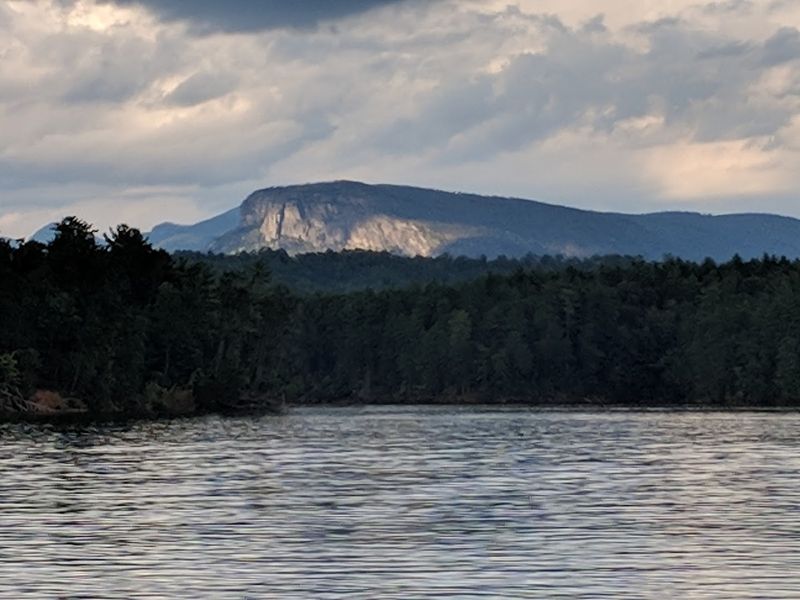
Few reservoirs in the state shift personality the way Lake James does. Some shores feel wild and remote, while others open up to wide mountain panoramas that are hard to beat anywhere in the state.
At 6,812 acres, sitting at the foot of the Blue Ridge Mountains, it’s a lake that genuinely keeps you guessing.
Duke Energy created the lake in the early 1920s, making it one of the older reservoirs in the region. Lake James State Park manages two separate access areas, Catawba River and Paddy’s Creek, each offering camping, swimming, and paddling opportunities.
The Paddy’s Creek area has one of the most popular sandy swimming beaches in western North Carolina.
Hiking trails wind through the park’s forested terrain, with some routes offering elevated views over the water that make the effort entirely worthwhile. Fishing produces good results for smallmouth bass, catfish, and bream throughout the warmer months.
The camping facilities book up quickly during summer, so planning ahead is necessary. Lake James State Park is located at 2229 Lake James State Park Rd, Nebo.
Mountain scenery, clear water, and accessible trails make this a destination worth coming back to more than once.
9. Falls Lake
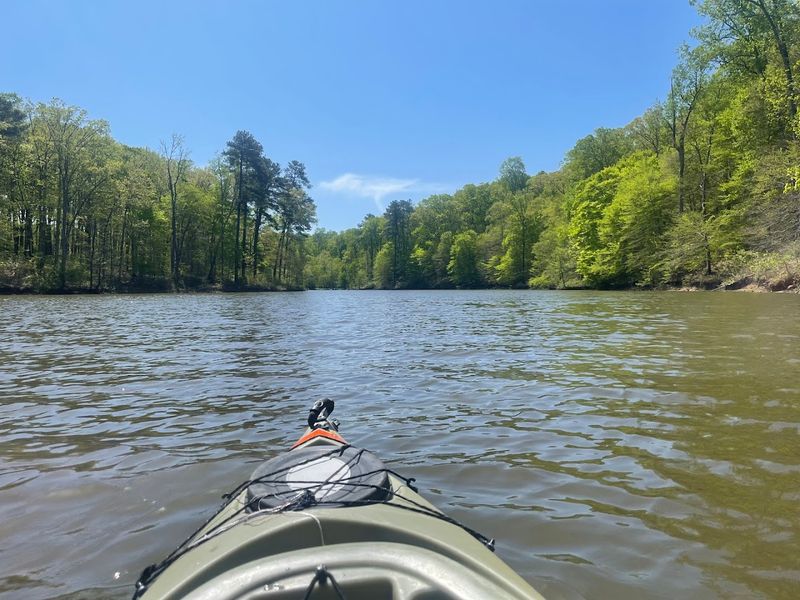
Most lakes this close to a major city feel like it. Falls Lake doesn’t.
This 12,000-acre reservoir sits inside one of the state’s most densely populated regions, yet somehow holds onto a spacious, natural feel that surprises most first-time visitors. It was built by the U.S.
Army Corps of Engineers in the early 1980s and quickly became a go-to escape for residents of Raleigh, Durham, and Wake Forest.
The Falls Lake State Recreation Area spans multiple sections along the shoreline.
Swimming beaches, boat launches, hiking and biking trails, and campgrounds are all part of the package. The Mountains-to-Sea Trail passes through the area, which adds serious appeal for long-distance hikers.
Cyclists love the dedicated trail systems that run through the forest near the water.
Fishing is a major draw year-round. Striped bass, largemouth bass, and crappie keep anglers busy across all seasons.
The forested buffer around the shoreline does a solid job of creating a natural atmosphere despite the urban surroundings. Beaverdam access area at 14600 Creedmoor Rd is one of the most popular entry points.
Paddlers especially love the quieter coves off the main channel, where the water stays calm and wildlife activity stays high throughout the day.
10. Lake Waccamaw
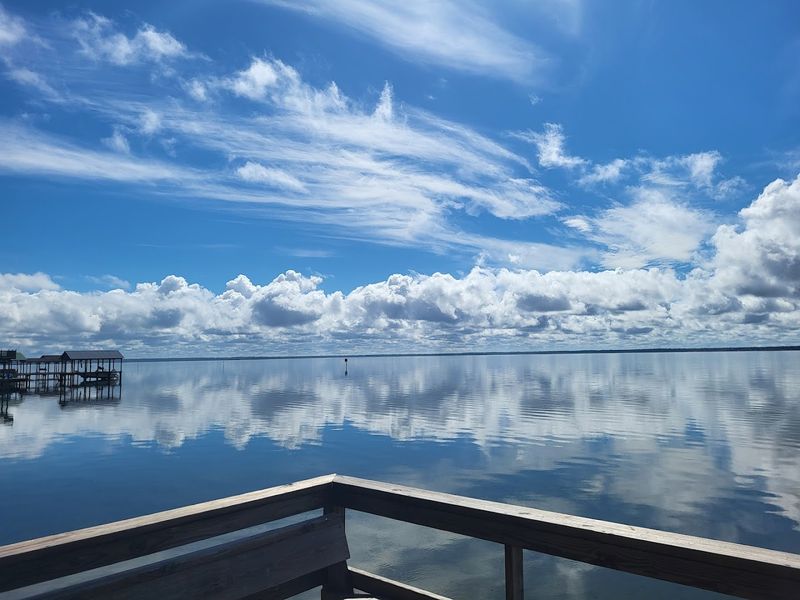
Not many lakes can claim species of fish, birds, and mollusks found nowhere else on Earth. Lake Waccamaw can.
Sitting in Columbus County, it’s one of the state’s largest natural freshwater lakes at roughly 9,000 acres. The water has unusually high pH levels, shaped by a nearby limestone outcropping called Waccamaw Rim.
That chemistry created something the rest of the world simply doesn’t have.
Lake Waccamaw State Park protects the shoreline and offers boat ramps, fishing piers, and a visitor center focused on the lake’s remarkable ecology. Kayaking along the cypress-lined edges in the early morning is something that stays with you long after the paddle is back on the rack.
The town of Lake Waccamaw runs along the northern shore with a relaxed, small-town feel that suits the setting well. Largemouth bass fishing is popular, and the lake is large enough that you can always find a quiet corner.
The park address is 1866 State Park Dr, Lake Waccamaw. What makes this lake unforgettable isn’t just the scenery.
It’s knowing you’re floating above an ecosystem that exists nowhere else on the planet. That’s a pretty extraordinary thing to sit with.