10 North Carolina Mountain Towns That Look Like A Scene From A Movie
Some places make you pull over without planning to. You are driving, minding your own business, and then the road curves and everything changes at once.
The light, the mountains, the rooftops, all of it lands at the same moment and suddenly you are standing outside your car with your phone out like everyone else who stopped here before you.
North Carolina has an unfair number of towns like this. The kind where the main street looks like a production designer got there first.
Where the fog does something cinematic in the morning and the storefronts glow warm against the ridgeline at dusk.
You show up expecting a quick stop and leave two hours later having eaten something excellent and bought something you did not need.
I have driven through more of these towns than I can count. The one consistent thought is always the same: why did nobody warn me it would look like this.
1. Blowing Rock
There is a moment when you first see Blowing Rock that feels genuinely unfair. The town sits at nearly 4,000 feet, and the views just casually spill out behind every rooftop like they forgot to be modest about it.
Main Street is lined with brick storefronts, flower baskets, and the kind of boutiques that make you slow your pace without realizing it.
Named after a rocky outcrop where the winds are strong enough to send light objects back upward, this place has been drawing visitors since the late 1800s.
The Blowing Rock attraction itself, located at 432 Rock Road, is one of North Carolina’s oldest tourist sites and still delivers a solid wow. Standing there with the gorge below you and the wind pushing back, it never gets old.
Fall is almost absurdly beautiful here. The hardwood forests turn every shade of orange and red, and the elevation means cooler temps that make hiking feel like a reward rather than a chore.
Tweetsie Railroad nearby adds a fun, nostalgic layer if you have kids in tow. Blowing Rock is one of those towns that earns its reputation every single visit.
2. Bryson City
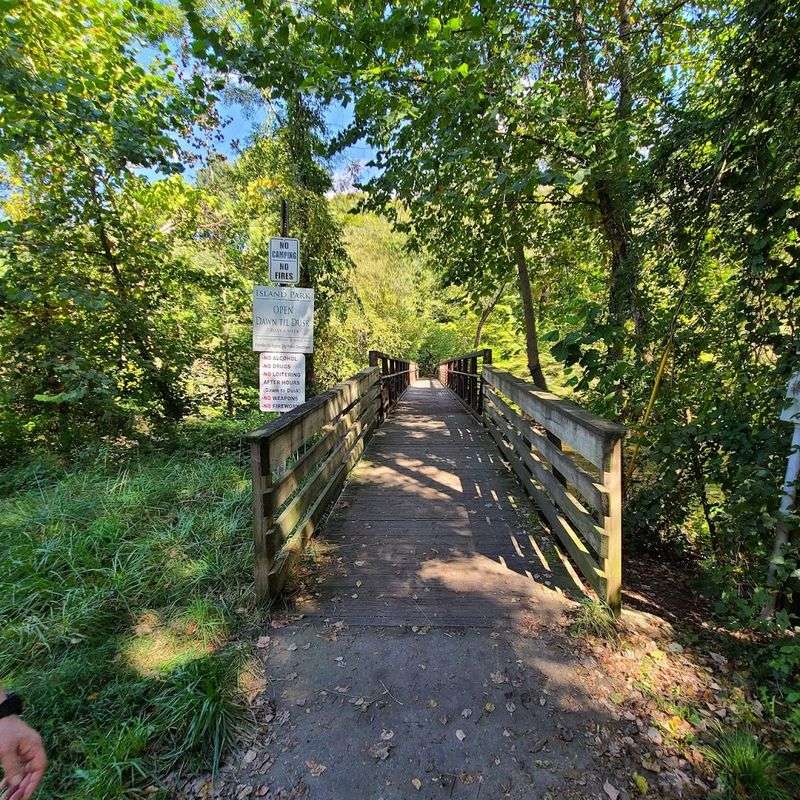
Bryson City earned its cinematic reputation honestly.
Surrounded on nearly all sides by the Great Smoky Mountains National Park and the Nantahala National Forest, the town sits in a bowl of green hills that almost feels theatrical.
The Great Smoky Mountains Railroad depot sits right downtown and looks like a prop from a Western, except it is completely real and still running.
The Nantahala River cuts through the area, drawing rafters and kayakers from spring through fall. Even if you never touch the water, watching the river from the banks is its own kind of entertainment.
The town itself is small, maybe 1,400 residents, but it punches well above its weight in charm and character.
Shops and restaurants line Everett Street, the main drag, where you can grab a locally made pastry and plan your next hike without feeling rushed.
The Smoky Mountain Host Visitors Center is a good starting point for first-timers. What makes Bryson City stick with you is that it feels genuinely lived-in.
It is not performing for tourists.
It just happens to be wonderful, and the mountains behind it make every photo look professionally composed.
3. Burnsville
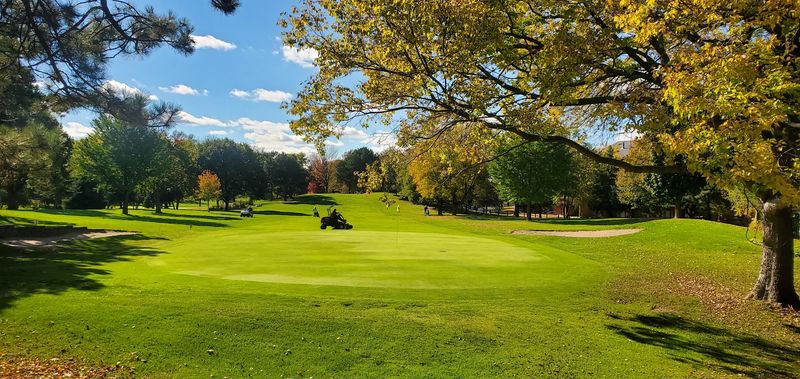
This is the kind of town that rewards people who are actually paying attention.
The town square, centered around the old Nu-Wray Inn on Town Square, has a quiet, timeless quality that feels more like a film location scout’s dream than a real working mountain community.
But Burnsville is absolutely real, and the locals are proud of it.
Yancey County, where Burnsville sits, has one of the highest concentrations of working artists per capita in the entire country. That fact alone changes how you look at the storefronts and galleries lining the square.
There is genuine creative energy here, not the manufactured kind you find in tourist traps. Pottery studios, fine art galleries, and craft shops fill the downtown blocks with actual substance.
Mount Mitchell, the tallest peak east of the Mississippi at 6,684 feet, is just a short drive away. On clear days, the views from the summit are the kind that make your brain temporarily stop working.
Burnsville also hosts the Mayland Arts and Crafts show each summer, which draws craftspeople from across the region. If you want a mountain town that has depth beyond its good looks, Burnsville is the one to visit first.
4. Black Mountain
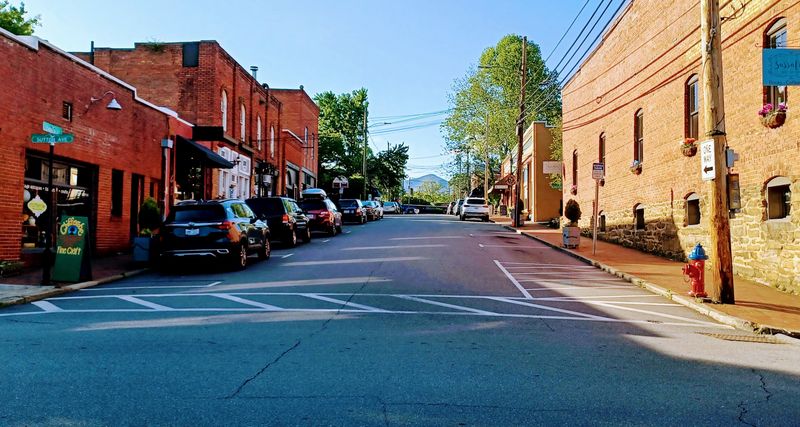
It operates at a frequency that is hard to explain until you are standing on State Street watching a street musician play bluegrass while someone buys handmade pottery from a sidewalk vendor.
Black Mountain is lively and calm at the same time, which sounds impossible but somehow works perfectly here. The town has been attracting artists and free thinkers for decades.
Black Mountain College, which operated here from 1933 to 1957, put this town on the cultural map in a serious way. Alumni included Buckminster Fuller, Robert Rauschenberg, and Merce Cunningham.
The college is gone, but that creative legacy still hums through the town in ways you can feel. The Black Mountain College Museum and Arts Center in Asheville keeps the history alive with rotating exhibits.
Downtown Black Mountain itself is walkable, friendly, and genuinely fun. Cherry Street and State Street are lined with independent shops, good food spots, and galleries that actually have interesting work on the walls.
The surrounding mountains are close enough that you can hike in the morning and be back for lunch without breaking a sweat on logistics. This is a town that makes you rethink your travel priorities in the best possible way.
5. Waynesville
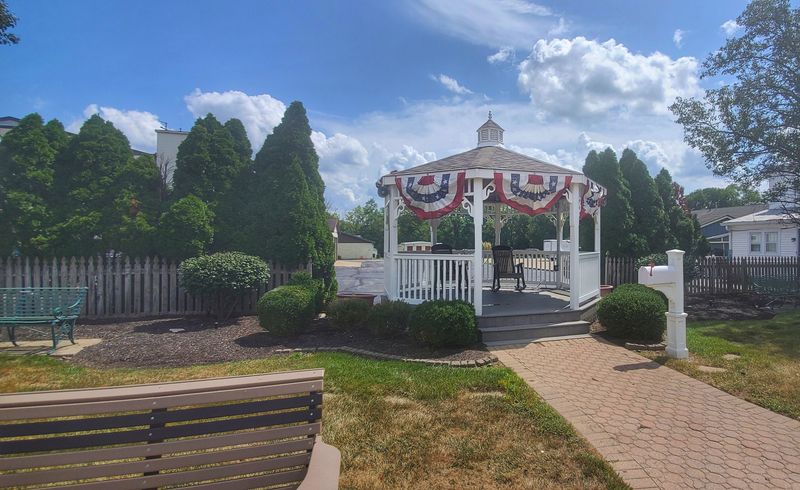
Waynesville has one of the best main streets in the entire state, and I will stand behind that claim.
Main Street runs through the heart of town with a lineup of galleries, shops, and restaurants that feel curated without being precious.
The surrounding Plott Balsam Mountains frame everything in a way that makes even a quick errand feel scenic.
The town has a population of around 10,000, which gives it just enough energy to feel alive without losing its small-town ease.
Waynesville is the seat of Haywood County and has been a destination for summer visitors since the 1800s, when folks from the lowlands came up to escape the heat. That tradition of welcoming people in has never really left.
The annual Folkmoot USA festival, held each July, brings performers from countries around the world to dance and perform right here on these mountain streets.
It is one of the most genuinely surprising events in North Carolina, and the contrast of international folk costumes against the Appalachian backdrop is something you do not forget.
The historic Shelton House at 49 Shelton Street is worth a stop for anyone interested in the craft traditions of Western North Carolina. Waynesville earns every compliment it gets.
6. Brevard
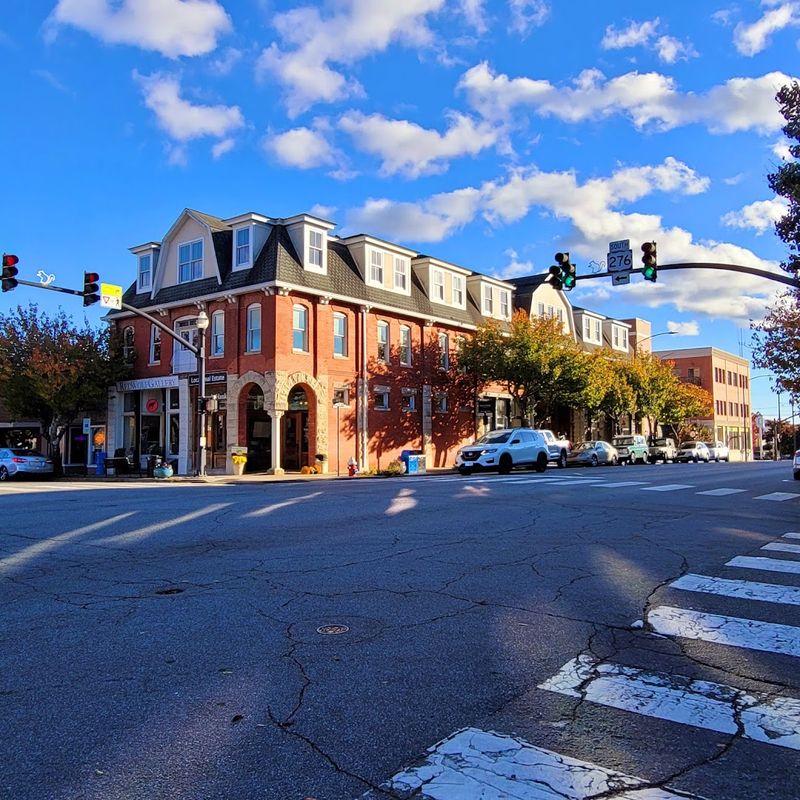
It is the kind of town that became famous for its squirrels, which should tell you everything you need to know about its personality before you even arrive.
There is a local legend that the white squirrels descend from a carnival animal that escaped decades ago, and whether or not that is fully accurate, the town has committed to the story completely.
You will find them on murals, in shop logos, and if timing is on your side, darting across the courthouse lawn in person.
Beyond the squirrels, Brevard is the gateway to Pisgah National Forest, one of the most spectacular stretches of public land in the eastern United States.
Sliding Rock, a natural waterslide on US-276, draws thousands of visitors each summer for good reason. Looking Glass Falls, just a short drive from downtown, is one of the most photographed waterfalls in the state.
Main Street in Brevard is exactly what you want from a mountain town. Independently owned shops, live music venues, and a genuinely warm community vibe make it easy to spend a full afternoon just wandering.
The Brevard Music Center, at 349 Andante Lane, hosts world-class performances each summer against a mountain backdrop that no concert hall can replicate. Brevard is cheerful, a little quirky, and completely worth the drive.
7. West Jefferson
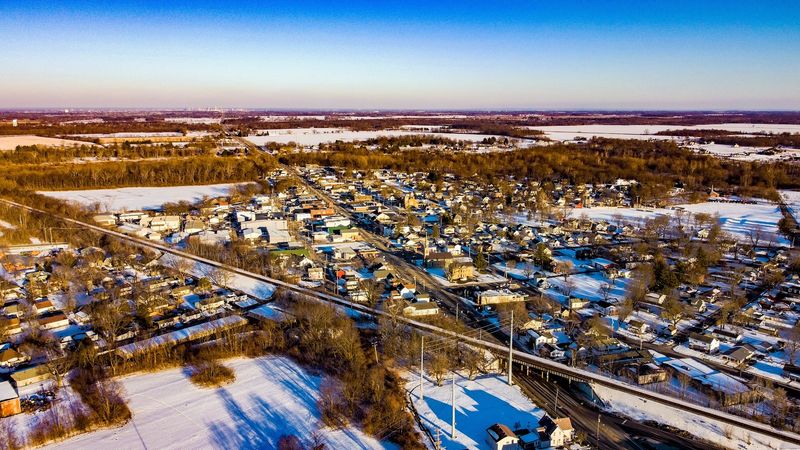
West Jefferson is the kind of place that makes you feel like you stumbled onto a film set for a small-town drama, except everyone is genuinely friendly and no one is acting.
The downtown is compact and walkable, with brick buildings painted in murals that tell local stories in bold, vivid color. Ashe County, where the town sits, is one of the least-visited corners of the North Carolina mountains, which only adds to its appeal.
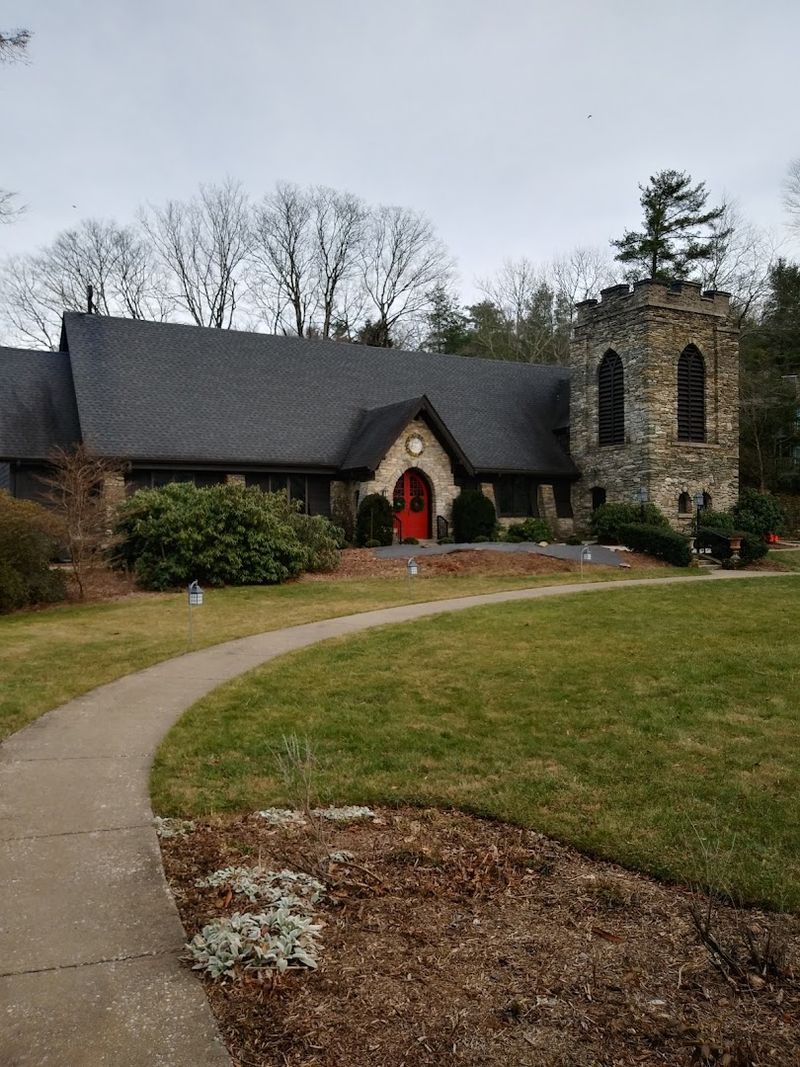
The town is home to two 1970s frescoes painted by artist Ben Long inside Saint Mary’s Episcopal Church on Beaver Creek School Road.
These are serious works of art in a tiny mountain church, and the experience of seeing them is quietly stunning.
Long also painted frescoes in Holy Trinity Episcopal Church nearby, making Ashe County an unexpected pilgrimage for art lovers.
The New River, which flows through the area, is one of the oldest rivers in North America and one of the few that flows north.
Canoeing it on a clear morning is a genuinely peaceful experience. Farmers markets, local cheese operations, and a thriving arts scene give West Jefferson a texture that surprises most first-time visitors.
This town rewards the curious traveler who is willing to go a little off the beaten path.
8. Hendersonville
Every September, one corner of North Carolina starts to smell like a farmers market and fresh-pressed cider all at once, and that is not an accident.
Henderson County produces more apples than any other county in the state. When harvest season arrives, the whole area carries that crisp, sweet scent that makes you want to slow down and stay longer than planned.
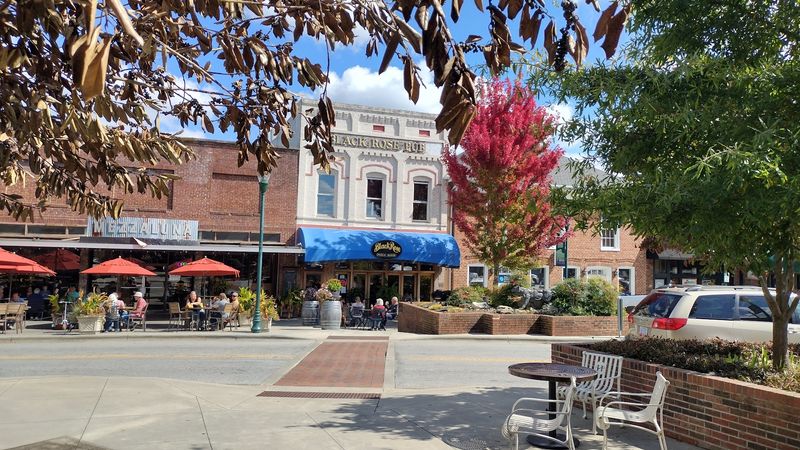
The town at the center of all of it is Hendersonville, and it earns its apple reputation every single year. The Apple Festival held each Labor Day weekend on Main Street draws some of the largest crowds in western North Carolina.
Main Street itself is a genuinely lovely stretch of Victorian-era architecture, independent shops, and sidewalk cafes that invite you to slow down and stay awhile.
The street has been recognized multiple times as one of the best main streets in America. Walking it on a clear fall afternoon makes that easy to believe.
Historic Flat Rock, just three miles south, adds another layer of cultural depth with the Carl Sandburg Home National Historic Site at 81 Carl Sandburg Lane.
Tours of the property include the farmhouse, barn, and goat pastures his wife maintained. Hendersonville balances small-town warmth with genuine cultural substance, making it one of the most complete destinations in the NC mountains.
It is a town that keeps giving the more time you spend in it.
9. Little Switzerland
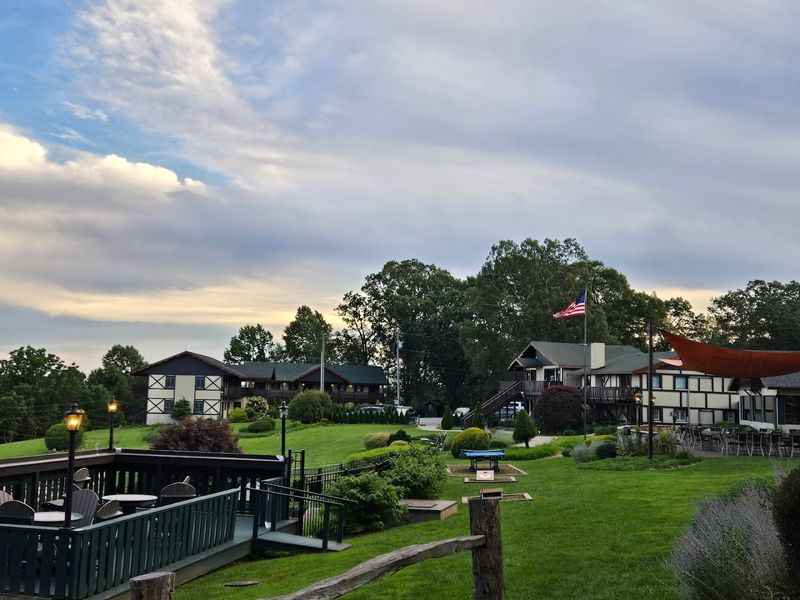
This place is not a town in the traditional sense. Little Switzerland is more of a mountain community perched along the Blue Ridge Parkway that seems to exist slightly outside of normal time.
Named for its resemblance to the Swiss Alps, the area sits at around 3,500 feet and offers some of the most sweeping ridge-top views in all of Western North Carolina.
The comparison to Switzerland is not as far-fetched as it sounds.
The Switzerland Inn at 86 High Ridge Road has been welcoming guests since 1910 and remains the social and scenic heart of the community.
The wraparound porch looks out over multiple mountain ridges, and on a clear morning with a cup of coffee in hand, it is genuinely hard to think of a better place to be.
The inn hosts live music on weekends during the season, which adds a warm, social energy to an already beautiful setting.
Emerald Village, a gem mining attraction at 331 McKinney Mine Road, lets visitors sift for real minerals and gemstones from the area’s mining history.
North Carolina has a surprisingly rich gemstone heritage, and Emerald Village makes it interactive and fun for all ages. Little Switzerland is proof that some of the best destinations do not need a stoplight to be unforgettable.
10. Saluda
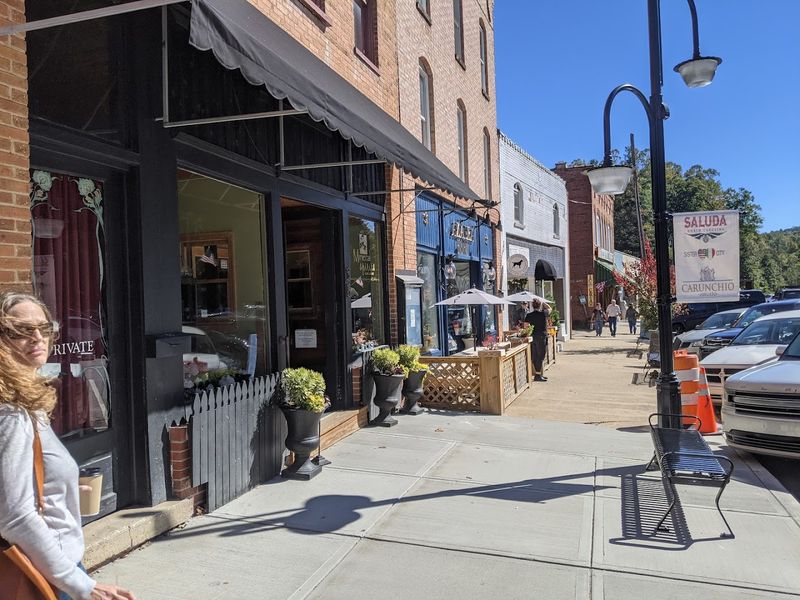
Saluda might be the smallest town on this list, but it has the kind of presence that makes you stop scrolling and start paying attention. The entire downtown is essentially one street, but what a street it is.
Historic storefronts house pottery studios, a general store, and a train depot that still sees Amtrak service on the Carolinian route, making Saluda one of the few tiny mountain towns you can actually arrive at by train.
The Saluda Grade, the steepest standard-gauge mainline railroad grade in the eastern United States, runs right through town.
Train history enthusiasts know this fact well, and the old depot at 38 West Main Street has a quiet pride about it that reflects the town’s connection to that legacy.
Even if trains are not your thing, the depot building is charming enough to photograph from every angle.
The surrounding Polk County landscape is gentle compared to the higher peaks further west, with rolling hills, waterfalls, and quiet back roads that reward slow driving.
Pearson’s Falls, a privately owned nature preserve just a few miles from town, features a stunning 90-foot waterfall at the end of an easy trail. Saluda is the kind of place you find by accident and then tell everyone about deliberately.