10 North Carolina Natural Wonders That Are Worth Planning A Road Trip Around
I did not expect North Carolina to wreck my travel plans, in the best possible way. I showed up thinking I knew what the state had to offer.
I left completely humbled. One road trip here will take you past ancient mountain peaks, jaw-dropping waterfalls, and sand dunes tall enough to make you question your GPS.
The state holds natural wonders so different from each other they barely seem to belong to the same map. North Carolina does not ease you in gently.
It hits hard from the first mile. Whether you have a weekend or a full week, this state will fill every hour with something worth pulling over for.
Start the engine. The road ahead earns its place on any serious bucket list.
1. Great Smoky Mountains National Park
Most people arrive at Great Smoky Mountains National Park with a camera and leave with something harder to explain.
The most visited national park in the entire country sits right on the North Carolina side near Cherokee, and the view alone will tell you everything you need to know.
The park straddles the border between the state and Tennessee. The NC entrance opens up through Cherokee via Newfound Gap Road.
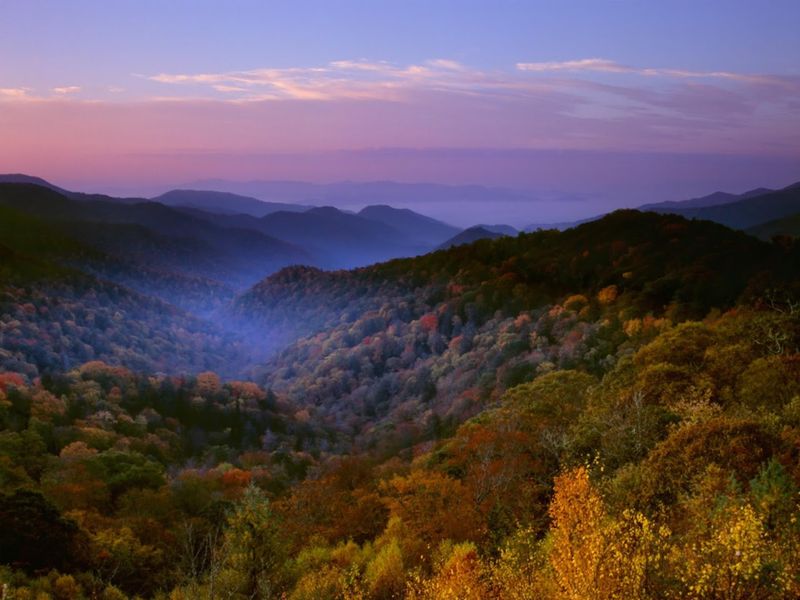
That drive earns its reputation fast. Dense hardwood forest gives way to tunnels, then suddenly breaks open into sweeping views across multiple states.
Wildlife shows up without warning here. Black bears, white-tailed deer, wild turkeys, and over 200 bird species call this place home.
Kuwohi, formerly Clingmans Dome, stands at 6,643 feet and rewards clear-day visitors with a full 360-degree view from its observation tower.
The park is free to enter, which still feels unreal. Trails cover everything from easy riverside walks to serious backcountry routes that will humble experienced hikers.
Spring wildflowers and fall foliage hit differently here than anywhere else.
2. Jockey’s Ridge State Park
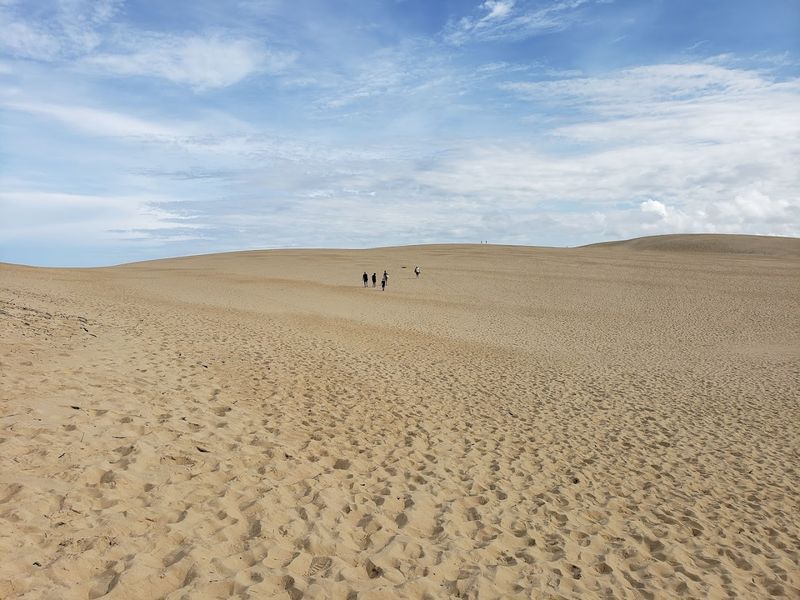
Sand dunes do not belong on the East Coast. At least, that is what you think until you are standing on top of a 60-foot ridge with the Atlantic Ocean on one side and the Roanoke Sound on the other.
Jockey’s Ridge State Park in Nags Head holds the tallest natural dune system on the entire Atlantic Coast, and it earns that title without trying.
The dunes shift constantly with the wind. The landscape literally looks different every single visit.
Kids sprint down the steep sandy slopes and tumble at the bottom. Adults pretend they are not tempted to do the same thing.
Hang gliding lessons run right on the dunes, thanks to the reliable coastal winds. Sandboarding is popular too, though you bring your own board.
Sunset from the top of the ridge is the kind of moment that stops conversation completely.
The park sits at 300 W Carolista Dr in Nags Head, right in the heart of the Outer Banks. Admission is free, but the parking lot fills fast on summer weekends.
Go early, bring water, and wear shoes you do not mind losing to the sand. The climb is surprisingly tiring, and that is exactly the point.
3. Linville Gorge Wilderness Area
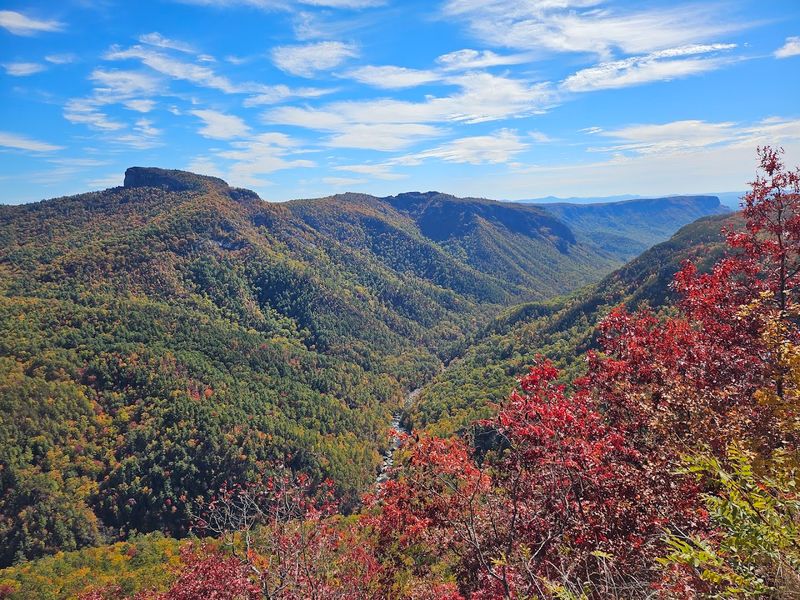
Some places earn a nickname so well that you never question it. Linville Gorge carries the title of the Grand Canyon of the East, and after one look down into its 2,000-foot drop, the comparison feels completely fair.
Stretching over 11,786 acres near Nebo, NC, this wilderness area is one of the most rugged and rewarding places in the entire state. The Linville River cuts through the canyon floor, and the surrounding cliffs are made of ancient quartzite that glows warm orange in afternoon light.
It is genuinely stunning in a way that photos struggle to capture.
Trails here are not messing around. Most routes are unmaintained and require solid navigation skills, so bring a map and know how to read it.
The Linville Gorge Trail runs along the eastern rim and offers repeated jaw-dropping overlooks. Table Rock and Hawksbill Mountain are two of the most popular summit destinations in the area, both offering sweeping views of the gorge below.
The wilderness is accessible via Kistler Memorial Hwy, Nebo, NC 28761, and a camping permit is required on weekends and holidays from May through October. Permits are free and available through the Forest Service.
Camping inside the gorge is a serious undertaking, but those who do it consistently describe it as one of the best outdoor experiences of their lives. Pack light, start early, and respect the terrain.
4. Whitewater Falls
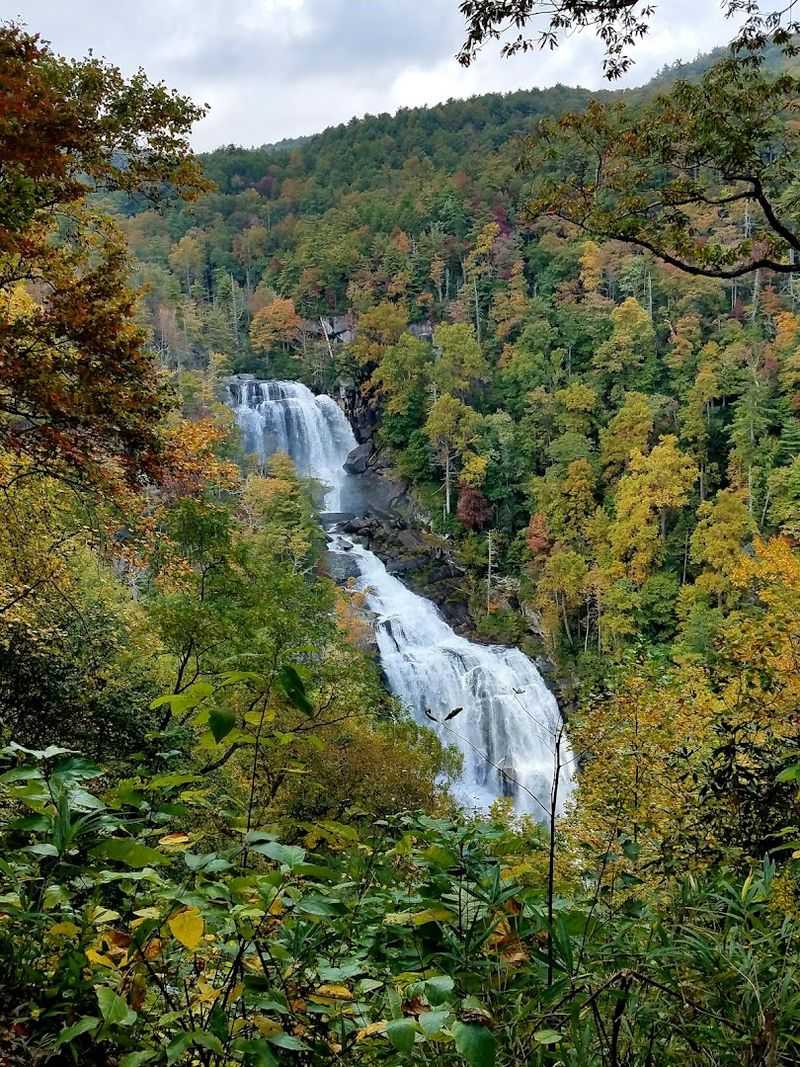
You hear Whitewater Falls before you see it. Then the mist hits your face.
Then 411 feet of roaring water drops through a granite gorge and every other waterfall you have ever seen quietly steps aside.
Located off NC-281 near Cashiers in the Nantahala National Forest, the falls rank among the tallest waterfall drops in the eastern United States. The hike from the parking area to the upper observation deck is short and paved, open to most visitors.
The view from up top is strong enough that plenty of people never go further.
Those who do will find a steep trail down to the lower observation area. The footing is rough and demands attention.
But the perspective from below is completely different, and the sound at that distance stays with you long after you leave.
The surrounding forest sits inside the Blue Ridge Escarpment, one of the most biodiverse regions in the eastern US. Spring brings wildflowers along the trail.
Fall turns the gorge into something almost unreasonable. A small day-use fee applies at the parking area.
Weekdays are your best bet, because weekends and October foliage season pack this place hard.
5. Mount Mitchell State Park
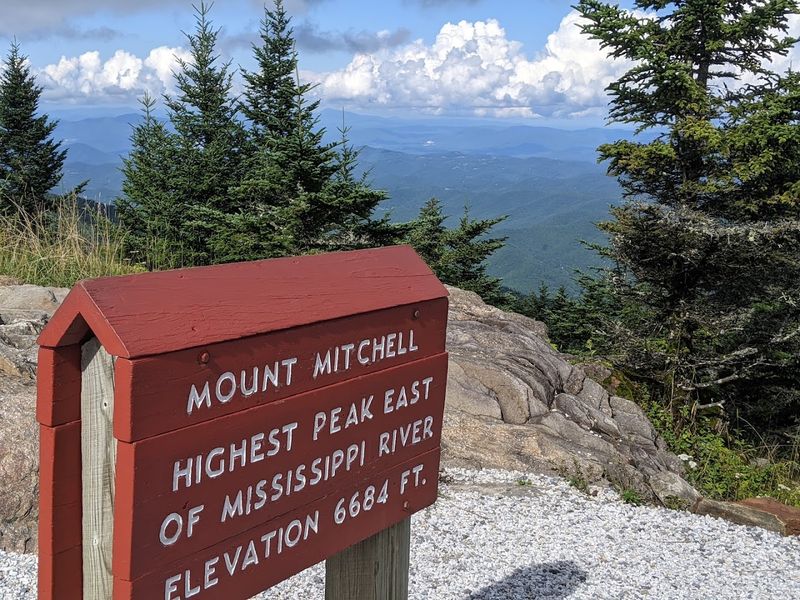
There is a moment near the summit of Mount Mitchell when the air changes and you realize you are standing at the highest point east of the Mississippi River. At 6,684 feet, that fact stops being a statistic and starts feeling very real.
Mount Mitchell State Park is also the oldest state park in North Carolina, established in 1915. It sits along the Blue Ridge Parkway, accessible via NC-128 from Burnsville.
The drive up is steep and winding but paved and manageable. You pass through a dense spruce-fir forest that feels nothing like the American South.
The summit observation tower delivers 360-degree views on clear days, stretching across multiple states. A small museum, camp store, and tent camping round out the facilities.
Trails run from easy summit walks to longer backcountry routes connecting with the Mountains-to-Sea Trail.
Pack a jacket regardless of how warm it feels at the base. Temperatures at the top run 10 to 15 degrees cooler than the surrounding valleys.
The spruce-fir ecosystem up here is rare, fragile, and home to species found nowhere else at lower elevations. The park address is 2388 NC-128, Burnsville, and it stays open year-round, weather permitting.
Check conditions before you go.
6. Chimney Rock State Park
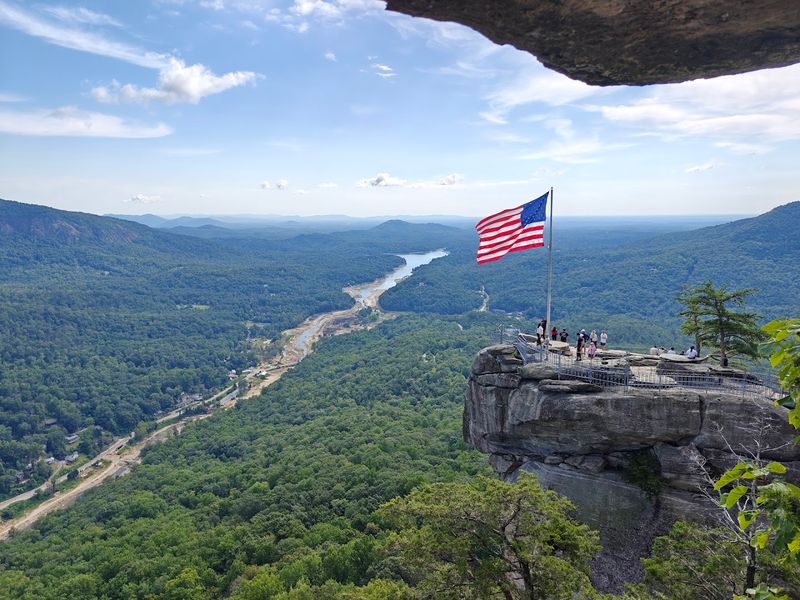
Someone planted an American flag on top of a granite monolith rising out of the Blue Ridge Mountains, and the only logical response is to climb up and see it yourself.
Chimney Rock is one of the most distinctive natural landmarks in the state, shooting up to 2,880 feet above sea level and looking like it was designed specifically to stop traffic.
The park at 431 Main St in Chimney Rock gives you options for reaching the top. Take the elevator carved directly into the mountain, hike the trail, or mix both.
The view of Lake Lure and the surrounding valley from the summit is the kind of thing that makes people go quiet for a moment.
Hickory Nut Falls sits inside the same park, dropping 404 feet and ranking among the tallest waterfalls in the eastern United States. The trail to the base runs through forest and past interesting rock formations worth slowing down for.
Admission requires a fee and timed-entry reservations. Trails cover everything from easy paved paths to exposed rock scrambles.
Dogs are welcome on most trails with a leash. Get there early in the morning to beat the crowds and catch the soft light hitting that rock face at its best.
7. Grandfather Mountain
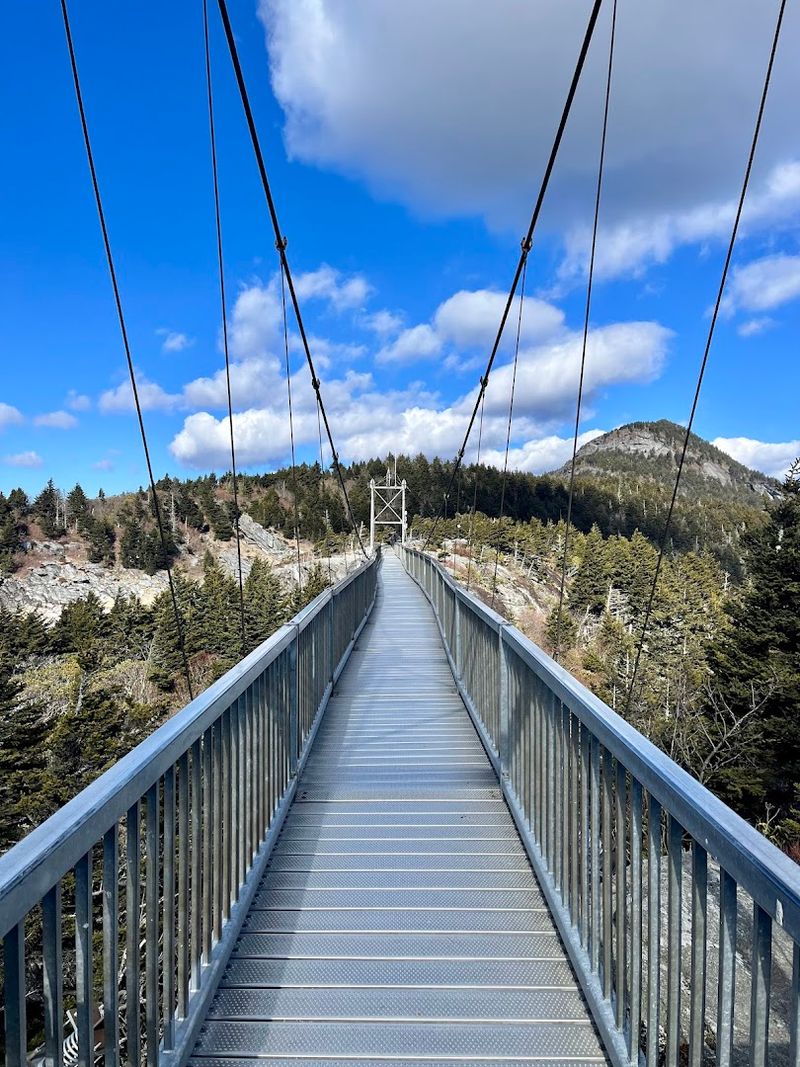
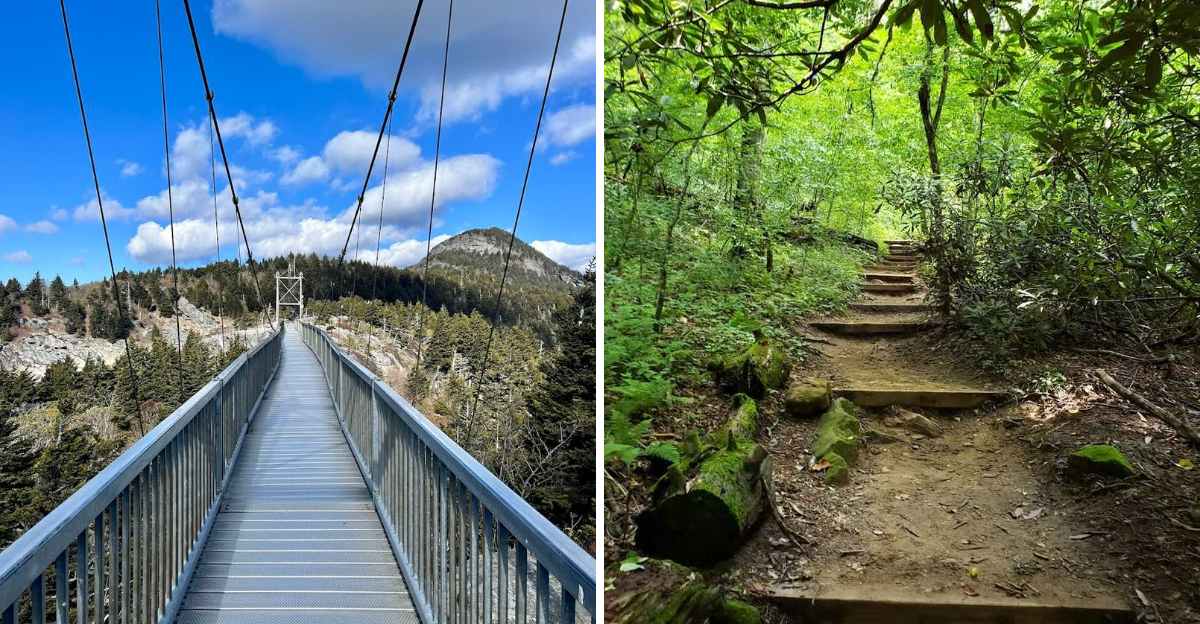
A swinging bridge connects two mountain peaks at exactly 5,280 feet above sea level, with open air and Appalachian ridgelines stretching out in every direction. That is not a description from a brochure.
That is just what Grandfather Mountain actually is.
The Mile High Swinging Bridge is the centerpiece, and it genuinely sways in the wind. Not everyone expects that part.
The mountain itself ranks among the most ecologically diverse spots in the entire Appalachian chain, running from hardwood forest up to spruce-fir peaks. UNESCO designated the area an International Biosphere Reserve.
The on-site nature museum is better than it sounds, with wildlife and geology exhibits that hold attention at any age. Animal habitats feature black bears, river otters, white-tailed deer, and bald eagles in naturalistic enclosures.
It is thoughtful and worth the extra time.
Grandfather Mountain sits at 2050 Blowing Rock Hwy in Linville and charges an admission fee as a privately owned attraction. The road to the top is steep with tight switchbacks, so stay focused on the drive.
Hiking trails range from moderate to seriously demanding, including a route to the true summit at 5,946 feet. Fall foliage here ranks among the best in the state, and the Highland Games each July are worth building a trip around.
8. Linville Caverns
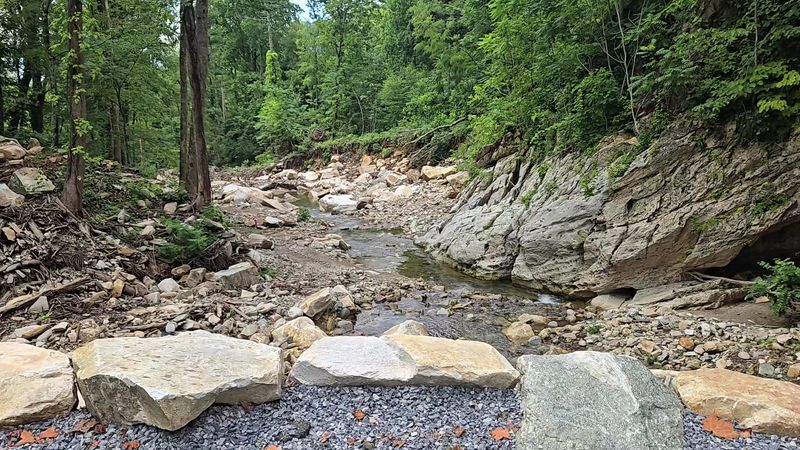
For millions of years, a stream has been carving through limestone underneath the Blue Ridge Mountains. The result is one of the most quietly spectacular underground spaces in the entire Southeast.
Linville Caverns does not need to oversell itself.
Guided tours move through chambers packed with stalactites, stalagmites, and flowstone formations that look like frozen waterfalls. The cave holds a steady 52 degrees Fahrenheit year-round, making it a genuine escape in summer and a surprisingly welcome warmth on a cold fall day.
Bring an extra layer regardless of what the weather is doing outside.
The underground stream running through the cavern is crystal clear and home to blind trout, fish that have spent generations adapting to life without light. Watching them drift through the water under cave lights is one of those small moments that lands harder than the bigger spectacles.
Tours run throughout the day and wrap up in 30 to 45 minutes, making this an easy fit for any road trip schedule. The caverns sit at 19929 US Highway 221 N between Linville and Marion, and have welcomed visitors since 1937.
Admission is affordable, the staff knows their stuff, and the whole experience feels refreshingly real compared to more commercialized cave attractions.
9. Craggy Gardens (Blue Ridge Parkway)
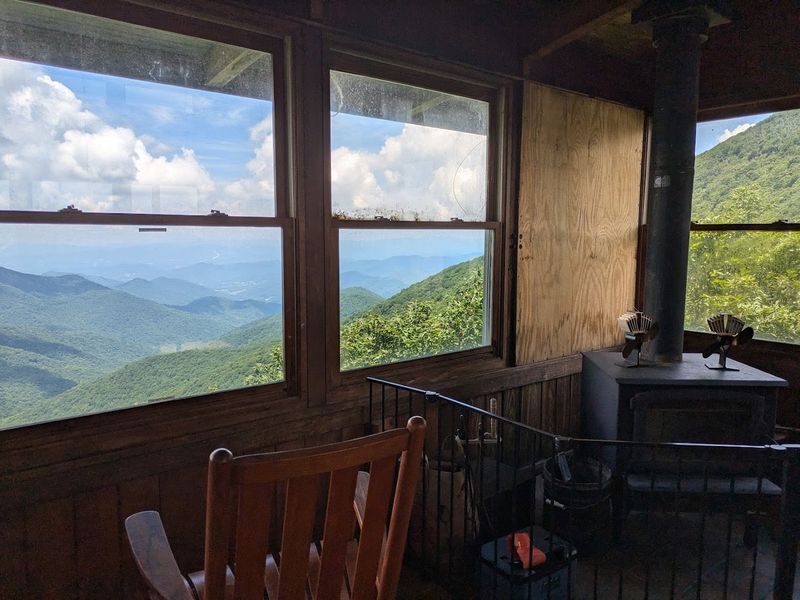
The trees at Craggy Gardens do not grow straight. Wind and time have twisted them into shapes that belong in a fantasy novel, and that is before the flowers even show up.
This stretch of the Blue Ridge Parkway at Milepost 364 near Asheville rewards the people who arrive without expecting much.
Every June, Catawba rhododendrons take over the mountain heath balds and turn the entire ridgeline purple and pink. The contrast against the blue mountain sky is the kind of scene that stops you mid-step.
It ranks among the most striking natural displays in the eastern United States, and the bloom window is only a few weeks long.
Outside of bloom season, the place still delivers. The Craggy Gardens Trail runs about 1.4 miles round trip to the summit shelter, with views across the Black Mountain range and on clear days all the way to Mount Mitchell.
The picnic area below the gardens makes a solid lunch stop, with tables tucked among the trees and mountain air that genuinely improves the food. The Blue Ridge Parkway is free to drive and Craggy Gardens charges no admission.
The address is Blue Ridge Pkwy, Milepost 364, Asheville. Arrive early during rhododendron season because the small parking areas fill fast.
Check current conditions before visiting, as access and facilities can be seasonal.
10. Looking Glass Rock
At sunrise, the granite face of Looking Glass Rock catches the light and glows like something polished and deliberately placed in the middle of Pisgah National Forest. The name is not poetic license.
It is an accurate description of what happens every single morning.
The reflective quality comes from water and ice seeping over the rock face through the seasons, leaving a sheen that feels almost artificial.
Rock climbers come from across the region specifically for this face, with routes covering everything from beginner-friendly slabs to serious technical lines on the steeper sections. It holds genuine respect in the climbing community.
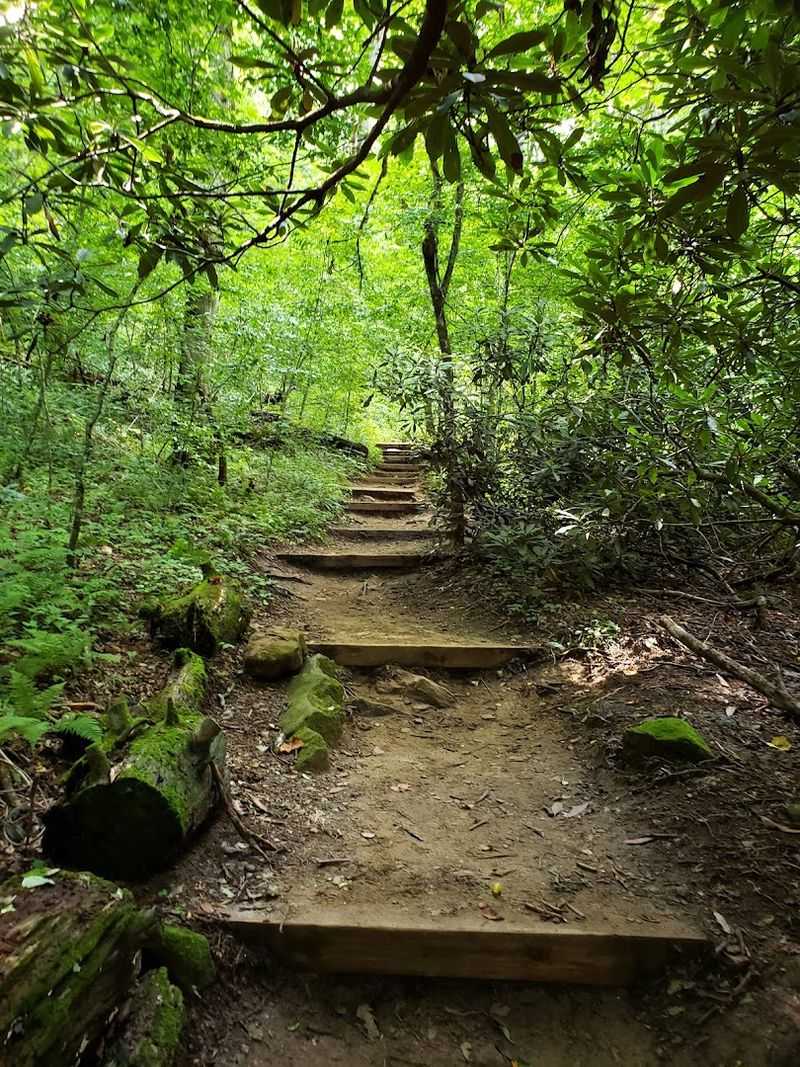
Hikers have the Looking Glass Rock Trail, a 6.4-mile round trip climbing through hardwood and pine forest before opening onto the granite summit. Views from the top cover the Davidson River valley and surrounding ridgelines in every direction.
The final push involves some scrambling over bare rock, which gives the whole thing a satisfying edge.
The trailhead sits off US-276 via Forest Rd 475 in the Davidson River area of Pisgah National Forest. Parking is free but limited, and the lot fills fast on weekends.
Brevard is right down the road and worth an hour or two before or after the hike, with solid food options and a lively arts scene close to the forest entrance.