10 North Carolina Outdoor Spots Where Summer Hikers Should Stay Tick-Aware
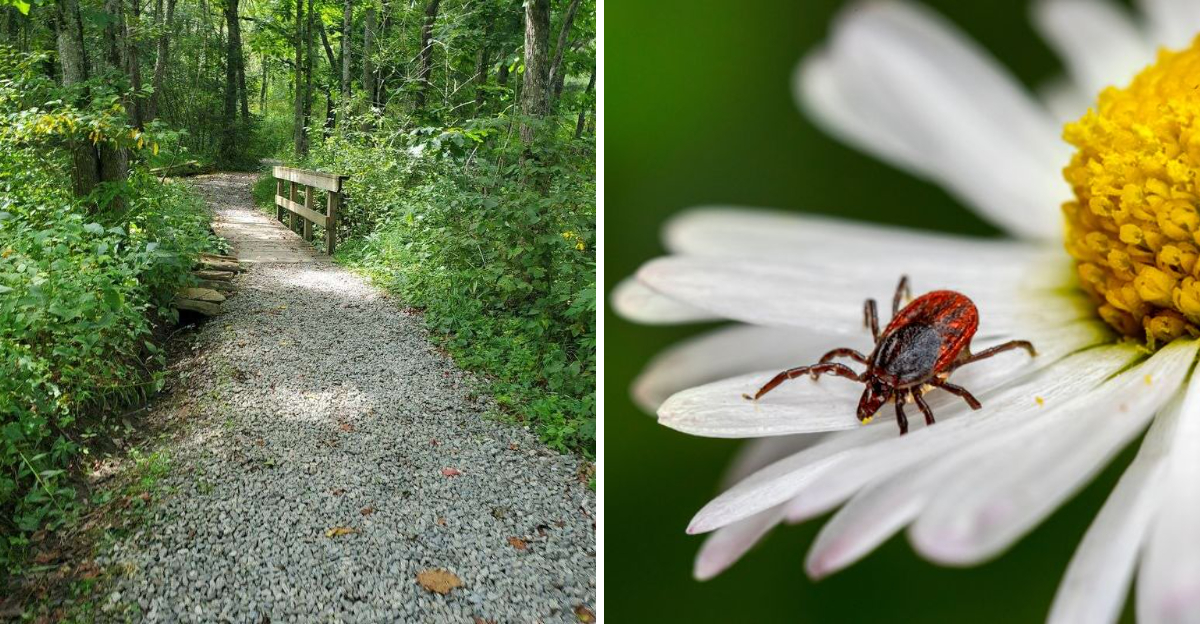
Summer scenery can make people forget that the smallest trail companion may be the one nobody invited.
North Carolina’s outdoor spaces create plenty of chances to brush against tall grass, leafy edges, and low vegetation. Those are the places where ticks are more likely to wait for a passing hiker, camper, pet, or picnic blanket.
This is not a real-time ranking of tick numbers. It is also not a reason to avoid the outdoors.
Think of it as a reminder to enjoy the view without switching off common sense.
Research suggests blacklegged ticks are becoming more established in parts of western North Carolina. Other species already appear across much of the state.
A few simple habits can make summer outings easier. Use repellent as directed.
Check clothing after returning. Look over pets, gear, and skin before calling the day finished.
The goal is awareness, not alarm. Nobody needs to cancel the hike.
Just make sure the souvenirs coming home are photographs, not tiny unwanted passengers.
1. Sparta / Doughton Park Blue Ridge Parkway Corridor
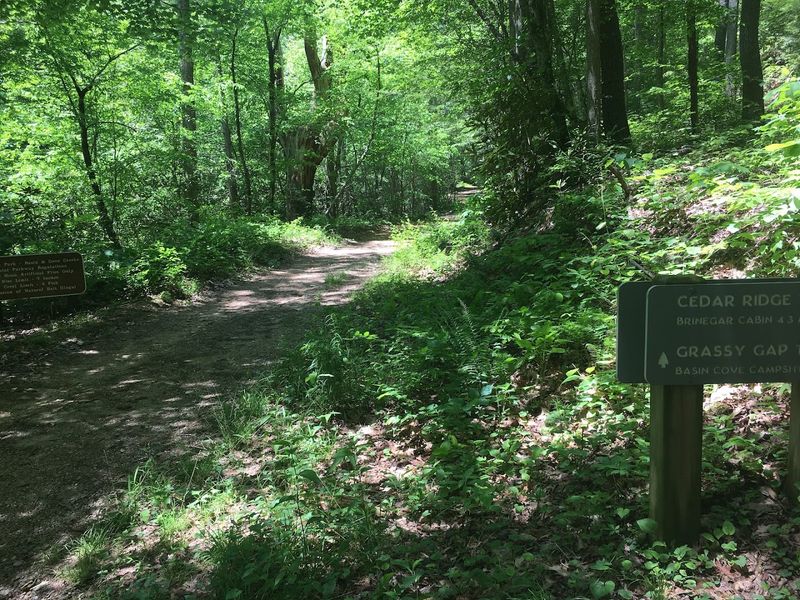
Mountain scenery can distract you from the vegetation brushing your calves along a narrow trail. Doughton Park covers thousands of acres beside the Blue Ridge Parkway and includes wooded slopes, grassy meadows, creeks, wildlife habitat, and more than 30 miles of hiking routes.
Those surroundings create frequent opportunities for people to pass through the humid ground-level vegetation where ticks wait for an animal or person to brush past.
Alleghany County also sits within northwestern North Carolina, part of a broader northwestern mountain region where blacklegged tick awareness has become more important in recent research.
That does not mean every trail carries the same risk or that a visitor will inevitably find a tick. Exposure becomes more likely around tall grass, brush, leaf litter, campsite edges, and places used by deer or smaller mammals.
Stay near the center of maintained paths instead of stepping into meadow borders for a photograph. Light-colored trousers make moving ticks easier to notice, while repellent adds another useful layer of protection.
Basin Cove and other longer routes deserve especially careful checks because hikers spend more time moving through varied habitats. Inspect ankles, waistlines, hair, and behind the knees before leaving the parkway corridor.
2. West Jefferson / Mount Jefferson Area
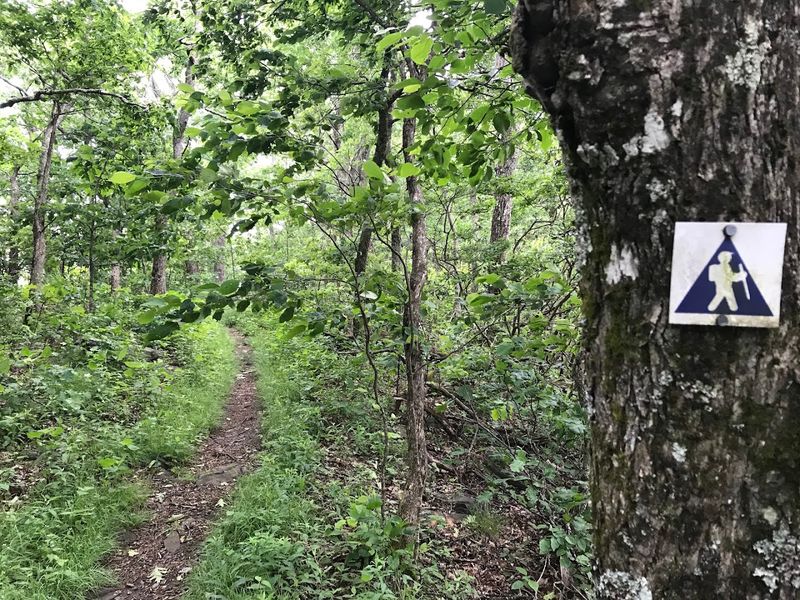
Cooler mountain air does not switch off tick activity. Mount Jefferson State Natural Area rises above West Jefferson with forested trails, overlooks, rock outcrops, and shaded sections where moisture can remain beneath leaves and low plants.
Ashe County forms part of the northwestern corner of the state where recent research has pointed to expanding blacklegged tick activity in parts of the Blue Ridge Mountains and western Piedmont.
Blacklegged ticks deserve awareness here, although lone star ticks, American dog ticks, and other species may also occur across suitable habitat.
Treat the entire outing as a chance for prevention rather than trying to identify one supposedly higher-contact vegetation. Keep arms and legs away from brush along trail margins, particularly when stopping to let another group pass.
Sitting directly on leaf litter creates another unnecessary opportunity for contact. Your post-hike plans can include West Jefferson’s galleries, murals, shops, and restaurants, but complete a careful check before changing locations.
Ticks can remain unnoticed on socks, backpacks, hats, and outer layers. Drying clothing on high heat after returning home can help deal with ticks carried indoors.
Anyone who later develops fever, rash, headache, unusual fatigue, or other concerning symptoms should contact a healthcare professional and mention the possible exposure.
3. Boone / Howard Knob Area

Busy overlooks and familiar local paths still require summer awareness. Howard Knob County Park places visitors above Boone amid mixed forest, grassy openings, picnic areas, and slopes visited by wildlife.
Those features offer the edge habitat that several tick species use, especially where maintained spaces meet taller vegetation. Watauga County sits in the High Country, where wooded recreation areas make tick checks a smart habit after summer outings.
Disease reports based on a person’s residence do not reveal exactly where every bite occurred, so they should not be treated as a trail-by-trail tick count. They do show why High Country visitors should take prevention seriously.
Stay out of unmanaged grass around parking and picnic areas when a clearer route is available. Check your shoes and lower legs before getting into the car because tiny nymphs can be difficult to spot against dark fabric.
Boone’s elevation may create pleasant summer temperatures, but ticks respond to habitat and host availability rather than the comfort level of human visitors. A quick inspection after enjoying the overlook takes little time.
Repeating the check later at home provides another chance to catch anything missed during the first look.
4. Lansing / New River Area
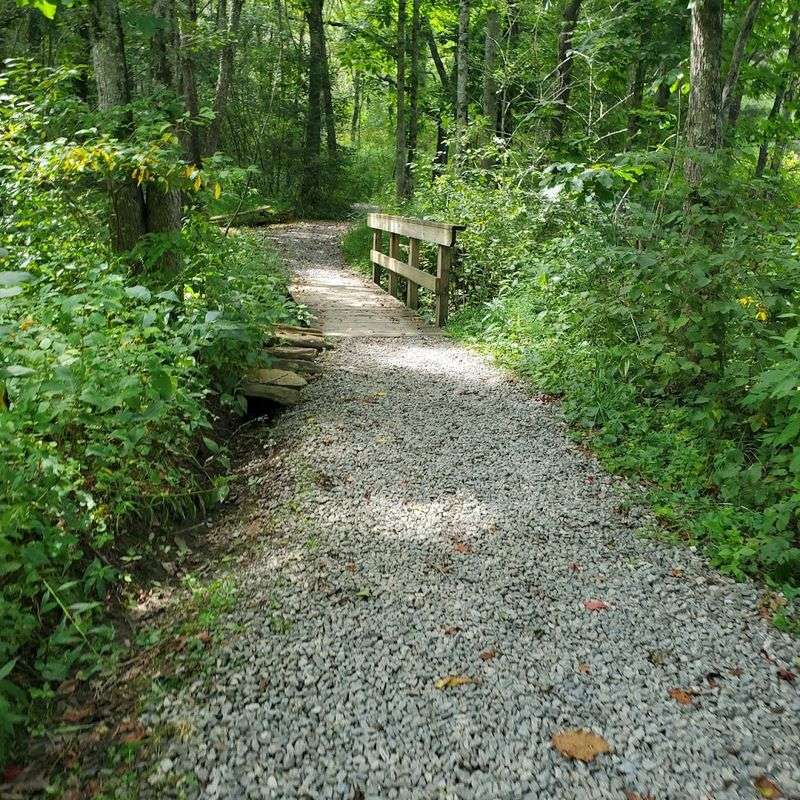
River outings can involve far more vegetation than the time spent on open water suggests. New River State Park protects a scenic waterway bordered by forests, campgrounds, riverbanks, meadows, and hiking paths.
Launching a canoe or kayak may require walking through damp shoreline growth, while anglers often stand near brush for extended periods.
Campers add exposure by moving repeatedly between tents, picnic areas, woodland edges, and river access points.
Ashe County’s mountain setting includes the kind of wooded, grassy, and river-edge habitat where tick checks make sense after outdoor activity.
Repellent should be applied before unloading gear rather than after everyone has entered the vegetation.
Permethrin-treated clothing and equipment can offer additional protection when used according to product directions, but permethrin should not be applied directly to skin.
Once the outing ends, inspect life jackets, blankets, dry bags, and pets instead of checking only bare arms and legs.
Ticks can travel home on equipment and attach later. Showering after the trip creates another opportunity to find them.
New River scenery remains a rewarding summer draw, and ordinary preparation is usually enough to keep concern from dominating the day. Focus on reducing contact rather than assuming every shaded riverbank contains an unusually large concentration.
5. Blowing Rock / Price Lake Area
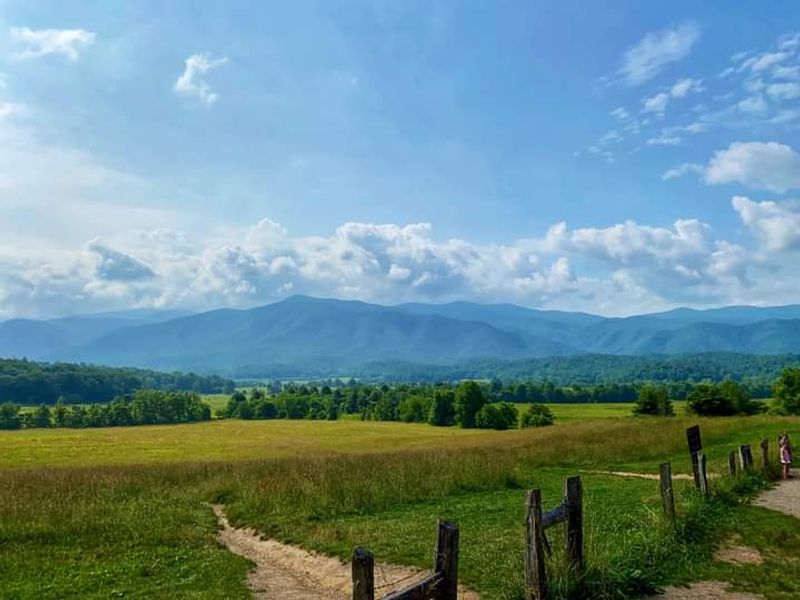
Lakeside paths bring hikers close to precisely the ground cover that deserves attention during summer. Price Lake sits within Julian Price Memorial Park along the Blue Ridge Parkway, surrounded by forest, campgrounds, picnic spaces, and trails.
Ferns, shrubs, leaf litter, and grassy edges may touch clothing when the route narrows or visitors step aside. Wildlife moving between the water and woods can also support local tick populations.
Because the area combines woods, campground edges, lake access, and popular trails, tick awareness belongs in the planning notes.
Think of it as a popular outdoor setting with several recognizable exposure conditions.
Paddlers should check themselves too because carrying boats between vehicles and shorelines often involves brushy ground.
Keep picnic blankets on trimmed areas rather than woodland edges, and avoid placing backpacks directly in leaves.
After circling the lake or visiting nearby trails, inspect waistbands, sock lines, armpits, and the scalp. Children may need adult help completing a thorough check.
Blowing Rock offers plenty of comfortable places to continue the day, but dealing with outdoor clothing first reduces the chance of carrying an unnoticed passenger into the car, lodging, or restaurant.
6. Valle Crucis / Watauga River Valley
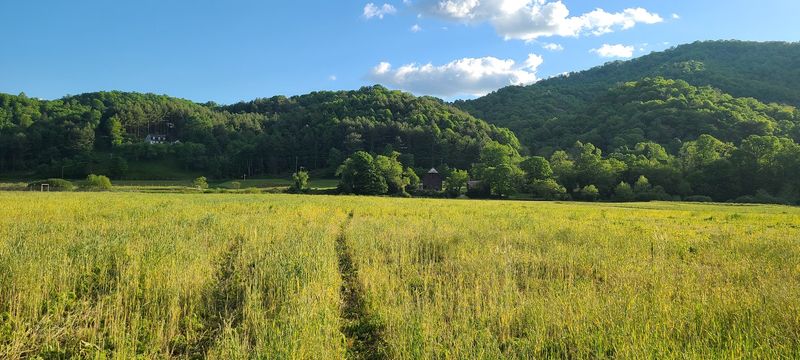
Open farmland can look safer than deep forest, yet river valleys often combine several tick-friendly habitats within a small area. Valle Crucis includes grassy fields, wooded slopes, riverbanks, community recreation spaces, and paths used by walkers, anglers, and families.
Moisture near the Watauga River supports dense plant growth, while deer and smaller animals move readily between meadows and tree cover.
Human exposure becomes more likely when people cross tall grass, sit beside unmanaged vegetation, or follow informal routes to reach the water.
The mix of riverbanks, fields, wooded edges, and family recreation areas makes basic tick prevention worth mentioning.
No current evidence proves that the village itself has a specific seasonal tick awareness this summer, so caution should remain grounded rather than alarming.
Wear closed shoes and consider long trousers when exploring beyond trimmed public areas. Anglers should check around wader openings and sock lines after leaving the river.
Families visiting parks can keep play and picnic activities on maintained grass. Once outdoor time ends, place worn clothing somewhere separate until it can be examined or dried.
Valle Crucis remains inviting; preparation simply helps the valley’s beauty stay at the center of the visit.
7. Banner Elk / Beech Mountain Area

Higher elevation provides relief from summer heat without removing the need for tick precautions. Beech Mountain and the Banner Elk area offer forest trails, mountain-bike routes, grassy recreation zones, lakeshores, and wildlife-rich slopes.
Emerald Outback paths pass through wooded terrain where riders and hikers may brush against plants beside the trail. Buckeye Recreation Area adds shoreline vegetation and forest edges to the list of possible exposure settings.
Avery County’s wooded slopes, trail systems, and recreation zones fit the kind of habitat where hikers and riders should check for ticks afterward. Lone star ticks and American dog ticks may also be encountered when habitat conditions suit them.
Avoid leaning bicycles or daypacks against brush while resting. Mountain bikers should examine shoes, socks, helmets, and clothing because ticks can be picked up while walking around trailheads or navigating overgrown sections.
Cool temperatures may tempt visitors to wear shorts for strenuous activity, but lightweight trousers can reduce exposed skin. Repellent remains useful even when the air feels crisp.
Complete the first check before heading into Banner Elk for a meal, then repeat it later under stronger lighting. Elevation shapes the scenery, yet vegetation, wildlife, and time spent outdoors still determine much of a visitor’s practical exposure risk.
8. Burnsville / Mount Mitchell Foothills
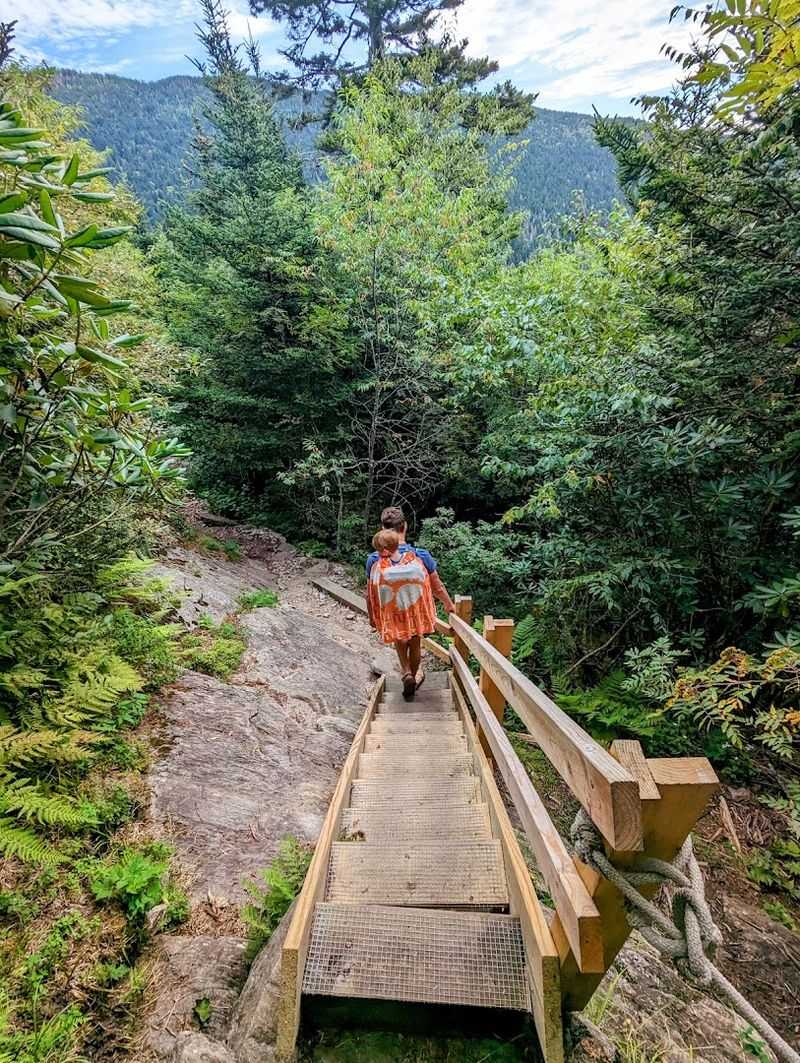
Dense mountain forests create beautiful shade and plenty of places for ticks to remain unnoticed. Trails around the Mount Mitchell foothills move through hardwood forest, conifer stands, damp ground cover, grassy clearings, and corridors used by wildlife.
Yancey County’s outdoor recreation areas attract hikers for extended outings, increasing exposure simply because people remain in suitable habitat longer. Elevation does not produce one uniform level of tick activity.
Conditions can change between a windy summit, a wooded lower trail, and a brushy parking edge. North Carolina does not currently provide evidence showing that Burnsville or Mount Mitchell has experienced one of the state’s ten largest measured seasonal tick awarenesses in 2026.
Inclusion here reflects habitat and recreation patterns rather than a precise count. Apply repellent before beginning the drive into the mountains so you are protected when stepping out at overlooks or trailheads.
Stay on maintained surfaces whenever possible and avoid pushing through plants to create a shortcut. Long-haired hikers may benefit from wearing hair tied up beneath a hat, followed by a careful scalp check.
Burnsville can provide a relaxed stop after the hike, but examine clothing first. Removing footwear outside your lodging also helps prevent a tick from dropping indoors and attaching later.
9. Bakersville / Roan Mountain Foothills
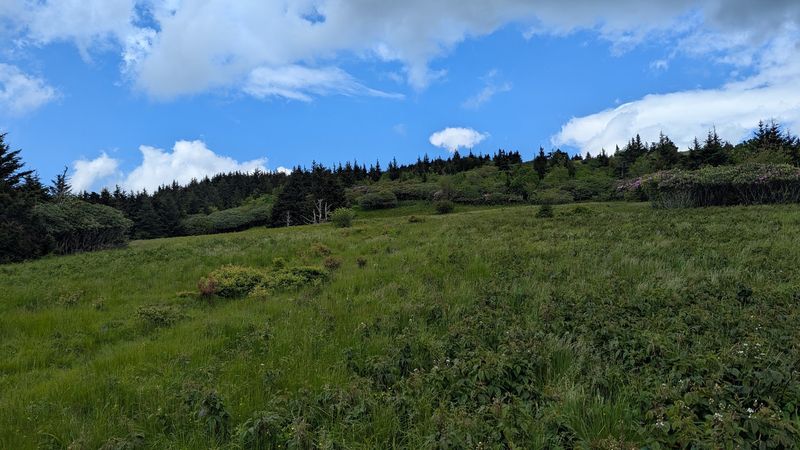
Grassy balds create postcard views while placing hikers directly beside knee-high vegetation. Routes near Roan Mountain and Carvers Gap cross open ridgelines, wooded sections, and transitional edges where ticks may seek passing hosts.
Mitchell County sits near the Tennessee border within the broader northwestern zone where recent regional research supports more awareness around blacklegged ticks, without proving every trail has high tick density.
Warm-season hikers should also remain aware of lone star and American dog ticks, which have broad ranges across the eastern United States.
Claims that a particular species is abundant on every high-elevation trail would go beyond available evidence. Risk depends on the exact vegetation, weather, wildlife movement, and route used that day.
Remain on the established tread instead of walking through grass to avoid mud or obtain a clearer photograph. Check trekking-pole straps, boots, and the lower portion of your pack after returning to the trailhead.
Tiny ticks can resemble a freckle or speck of dirt, so good lighting helps. Permethrin-treated footwear and trousers can be useful for frequent hikers when product instructions are followed carefully.
Rhododendron season and summer ridge walks draw large crowds here, but popularity does not make prevention complicated. A repellent application and full-body check fit easily around the adventure.
10. Pittsboro / Jordan Lake Wooded Areas
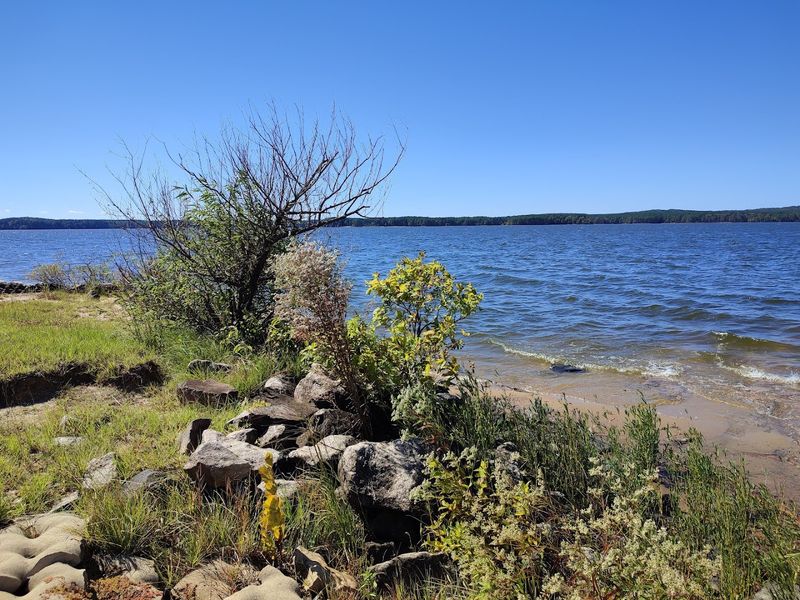
Piedmont heat, abundant wildlife, and miles of wooded shoreline make Jordan Lake a sensible place for strong tick awareness. Recreation areas around the reservoir include campgrounds, trails, picnic sites, boat ramps, grassy clearings, and hardwood-pine forest.
Campers and anglers repeatedly cross boundaries between maintained spaces and thicker vegetation, creating more opportunities for lone star ticks and American dog ticks to make contact. Lone star ticks are well established across much of North Carolina and are aggressive human biters.
They can transmit ehrlichiosis and are associated with Southern Tick-Associated Rash Illness, although not every bite results in disease.
Chatham County has appeared in field research involving substantial lone star tick collection, but those studies do not support claiming that every Jordan Lake access point currently has the state’s highest concentration.
Keep tents and chairs away from brushy campsite borders when possible. Children should be checked after playing near woods, while dogs need inspection around ears, toes, collars, and legs.
Jordan Lake State Recreation Area includes multiple access points rather than one compact park, so conditions vary widely.
Wherever you enter, repellent, protective clothing, and a careful check afterward provide more useful protection than trying to identify one supposedly tick-free shoreline.
Disclaimer: This article is for general outdoor-awareness and travel-planning purposes only.
It does not rank confirmed tick populations, diagnose illness risk, or replace guidance from a healthcare professional, CDC, NCDHHS, park staff, or local public-health officials.