11 North Carolina Quaker And Moravian Communities In The Piedmont With Food Traditions Rooted In Colonial-Era Kitchens
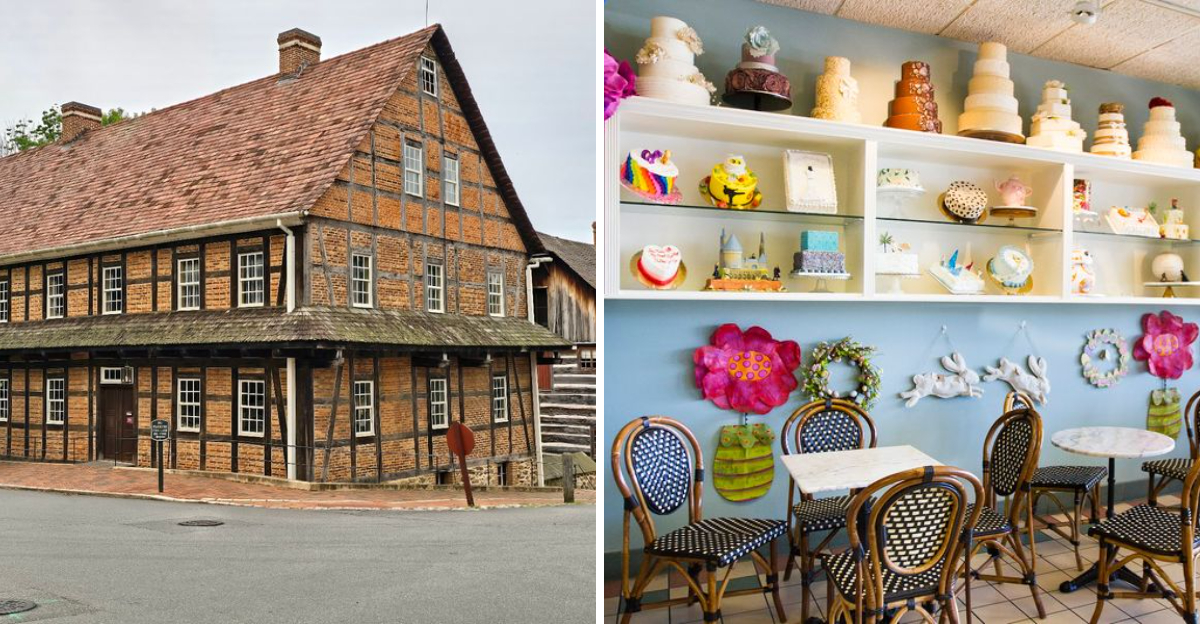
History gets much harder to ignore when spice cookies show up instead of dusty timelines.
Long before the country had its current name, Piedmont kitchens were already turning old-world recipes into local traditions people still talk about with serious loyalty.
That is the charm of North Carolina’s baking heritage.
It does not feel frozen behind glass.
It feels warm, familiar, and slightly dangerous to anyone who thinks they can eat just one cookie.
Moravian and Quaker traditions carried through generations because good recipes have a way of refusing to retire.
Bakers helped, of course.
They are famously stubborn when sugar, spice, and family pride are involved.
One bite can feel like a tiny time machine with better lighting and much better snacks.
Some history asks to be studied.
This kind asks for a napkin.
1. Old Salem, Winston-Salem North Carolina
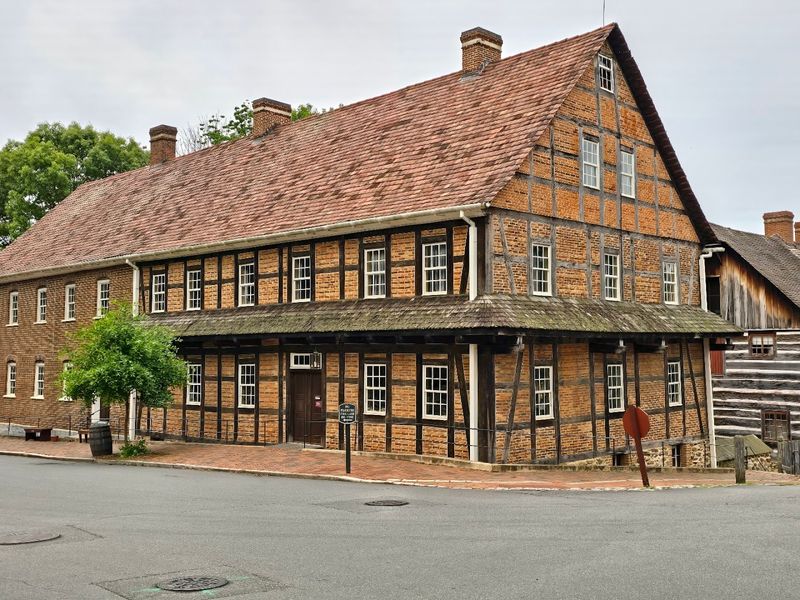
Few places in North Carolina make old baking traditions feel as immediate as Old Salem. Moravians founded Salem in 1766, and the historic district still preserves the rhythms, architecture, and food heritage that grew out of that settlement.
Winkler Bakery remains the star attraction for anyone interested in Moravian baking, and Old Salem’s official site still lists it at 521 South Main Street within the larger museum district centered at 900 Old Salem Road. What draws people in first is usually the smell.
What keeps them paying attention is the continuity. Official material notes that the bakery oven is still heated with wood, and Winkler’s own history traces the site back to the church bakery of 1799 and to Christian Winkler’s purchase in 1807.
Moravian sugar cake, lovefeast buns, and spice cookies have become the foods most visitors associate with this baking tradition, but the larger appeal lies in how naturally the past remains folded into the present.
Walking through the district never feels like looking at food history from a polite distance.
Fresh dough, warm spices, and historic technique keep it active. Among Piedmont communities with baking traditions older than America, Old Salem is the clearest place to see those traditions still carrying real public life.
2. Bethabara, Winston-Salem North Carolina
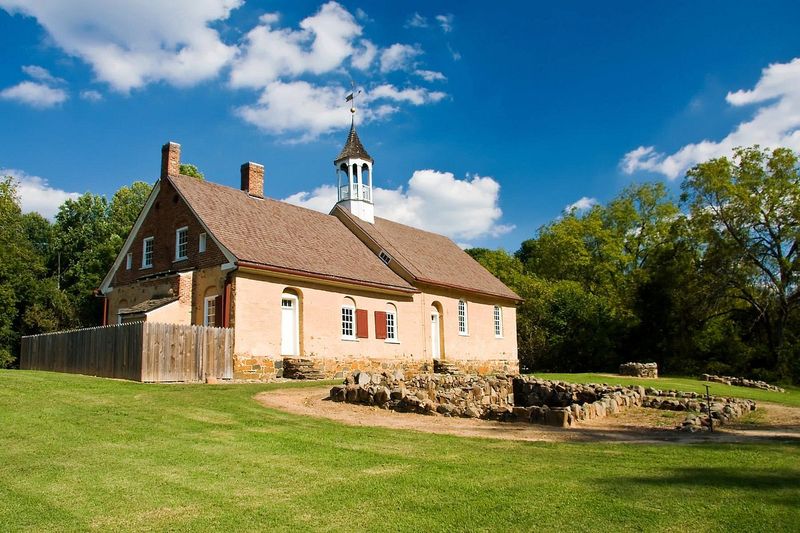
Before Salem became the better-known Moravian destination, Bethabara was already functioning as the first Moravian settlement in the North Carolina Piedmont.
Historic Bethabara Park states clearly that the community was founded in 1753, which means its food traditions reached local soil more than two decades before American independence.
Bread was immediately essential there, as early Moravian records and Bethabara interpretations show it as a daily survival need rather than a luxury. It was one of the first practical priorities for the frontier community.
Even the historic marker for the site highlights the early bake oven, underscoring how central bread production was to the life of the settlement.
Present-day visitors will not find a bustling public bakery in the same style as Old Salem, but they will find something deeper in one sense: a landscape where baking history can still be understood in its original communal setting.
Guided interpretation, historic structures, archaeological work, and reconstructed features help explain how bread, ovens, and shared labor were woven into Moravian daily life from the start. Bethabara remains at 2147 Bethabara Road, and its quieter tone works in its favor.
Anyone interested in the oldest layer of Piedmont baking heritage needs this stop because it shows where the Moravian story in North Carolina truly began.
3. Bethania North Carolina
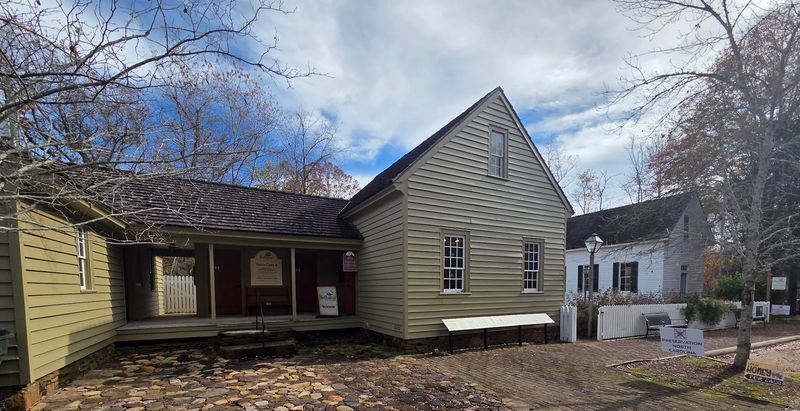
Calm streets and deep roots give Bethania a different kind of historical force. Town and visitor materials identify it as North Carolina’s first planned Moravian town, founded in 1759, and its visitor center remains at 5393 Ham Horton Lane.
Unlike Old Salem, Bethania does not rely on a famous bakery storefront to express its link to old baking traditions.
Its significance comes from the town’s layout and its place within the original Wachovia Moravian settlement network. Communal meals, shared ovens, religious gatherings, and family baking all shaped daily life.
Moravian food culture was never limited to one signature sweet. Sugar cake and spice cookies get most of the modern attention, but the larger baking tradition included breads, buns, cakes, and seasonal church foods that moved between domestic kitchens and congregational life.
Bethania helps visitors understand that broader context.
Because the town remains remarkably intact, it still offers a sense of how baking customs would have traveled through a small Moravian settlement long before the American Revolution.
Original lots, surviving structures, and the measured pace of the place all reinforce that impression. Rather than presenting history as spectacle, Bethania lets it settle slowly.
For anyone tracing baking traditions older than America, that quiet authenticity makes the town one of the Piedmont’s most meaningful stops.
4. Friedberg Community North Carolina
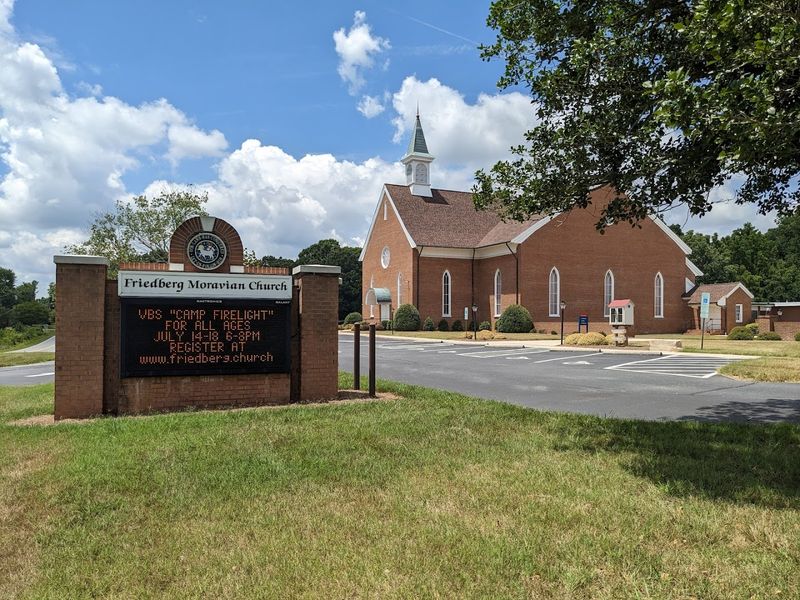
Faithfulness rather than fame is what gives Friedberg its importance. Friedberg’s roots reach back to the early 1770s, with the community formally recognized as a Moravian congregation in 1773.
It still stands at 2178 Friedberg Church Road, and it reflects how Moravian food traditions extended beyond Salem into nearby communities.
Lovefeasts, recipe sharing, and church gatherings kept baked goods central to both religious fellowship and everyday family life.
Friedberg matters because it represents the lived network behind the famous foods. Without communities like this one, Moravian baking would not have survived as a regional tradition with such depth.
Churchyards, roads, and surrounding landscape still carry much of that older texture, making the place feel less like a tourist stop and more like a living thread.
Any honest baking trail through Moravian Piedmont country should include Friedberg for exactly that reason.
5. Friedland Community North Carolina
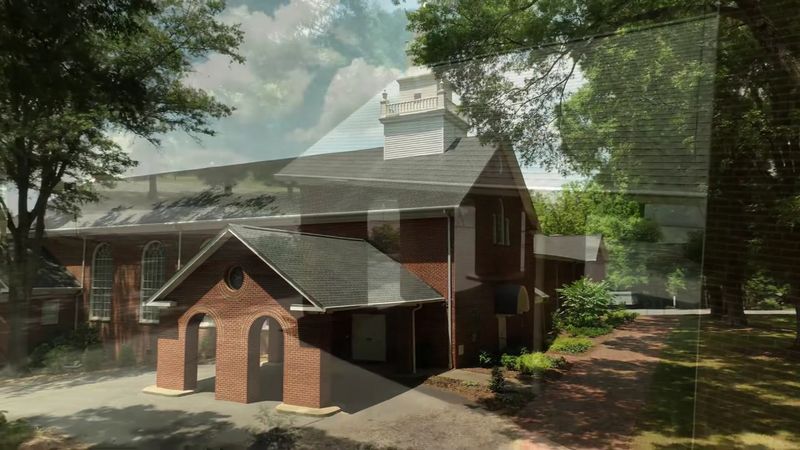
Colonial-era continuity gives Friedland its place on this list, even though modern readers often know less about it than about Salem or Bethabara.
Friedland Moravian Church traces its local story to the later eighteenth century, and the congregation today remains at 2750 Friedland Church Road in the southern Winston-Salem area.
Lovefeast tradition is the clearest lens through which to understand Friedland’s older baking inheritance.
Moravian lovefeasts, which began in Europe in the eighteenth century, depended on sweet buns and warm drink service as expressions of fellowship rather than display.
Communities like Friedland kept those practices rooted in everyday religious life, which meant baking was tied to ritual, preparation, and shared memory as much as to taste.
Even where precise modern bakery output is not the public face of the community, the historical baking tradition is still real because the church setting carried it across generations.
Friedland helps illustrate an important truth about older foodways in North Carolina: many survived not through commercial branding but through repeated use in congregational life. Quiet roads and church-centered history make that easier to imagine here than in a busier setting.
For visitors trying to understand how Moravian baking traditions spread through the Piedmont before and after the Revolution, Friedland provides another essential piece of the larger Wachovia pattern.
6. Clemmons North Carolina
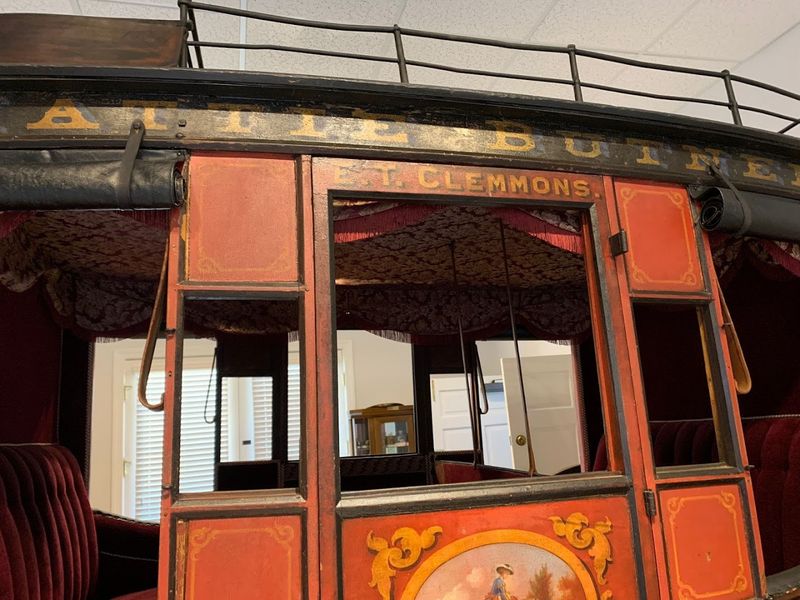
Modern production and old technique meet most clearly in Clemmons. Mrs. Hanes’ Moravian Cookies still operates at 4643 Friedberg Church Road, and both the bakery’s site and North Carolina tourism listings continue to describe it as a hand-made cookie business rooted in Moravian tradition.
What makes the stop especially important is that it connects a very old baking form to an active present-day business rather than to a museum setting alone.
Moravian cookies trace back to the eighteenth-century baking culture brought by settlers into Wachovia. Mrs. Hanes has built its reputation on preserving their hand-rolled texture and distinctive spice balance.
Ginger, cloves, cinnamon, molasses, and extreme thinness are part of the signature, but the deeper appeal lies in continuity.
Visitors are not seeing a vague tribute to Moravian flavor; they are encountering a business that still treats the cookie as a specific inherited craft.
Clemmons fits the list because it shows how a pre-American baking tradition can remain commercially alive without becoming generic.
Walking into the store means walking into one of the Piedmont’s clearest modern expressions of old Moravian taste.
For anyone mapping baking traditions older than America, Clemmons offers proof that inheritance can stay practical, busy, and delicious all at once.
7. Winston-Salem North Carolina
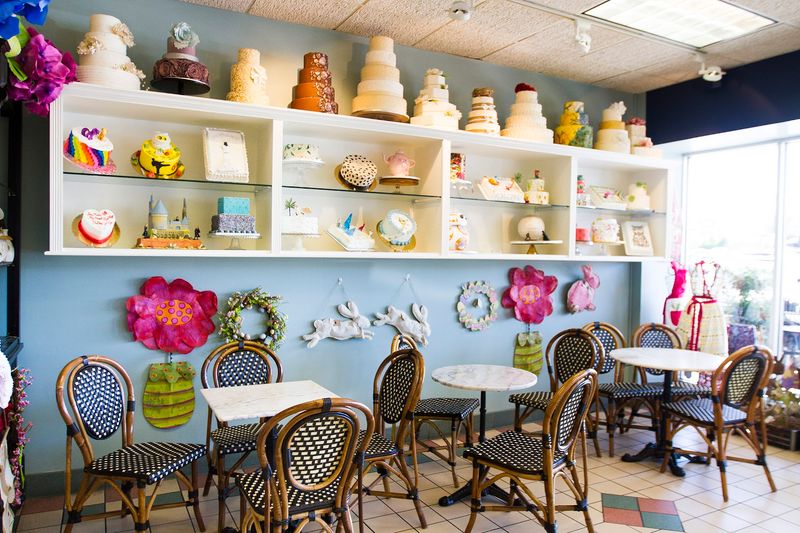
Citywide identity is what earns Winston-Salem its own place apart from Old Salem. Moravian baking here has long since moved beyond one preserved district and into the broader public culture of the city.
Dewey’s Bakery remains one of the most visible examples, with current listings confirming its South Stratford Road location at 262 South Stratford Road.
Moravian cookies and sugar cake have become so closely associated with Winston-Salem that even people who know little of the eighteenth-century Wachovia story often recognize the flavors themselves.
That wider recognition matters because it shows how deeply the tradition has stayed embedded in local life. Holiday cookie tins, sugar cake breakfasts, church events, and seasonal sales all keep Moravian baking from becoming a sealed-off historical curiosity.
At the same time, the city’s cultural draw still rests on the fact that the baking heritage is genuinely old. Salem dates to 1766, Bethabara to 1753, and the entire Moravian imprint on the area predates the nation.
Winston-Salem therefore works as both origin point and living distribution center for the tradition. A visitor can study the history in Old Salem, then see its flavors continue in contemporary storefront form elsewhere in the city.
Few places in North Carolina blend historical depth and ongoing baking visibility as effectively as Winston-Salem does.
8. Greensboro, New Garden North Carolina
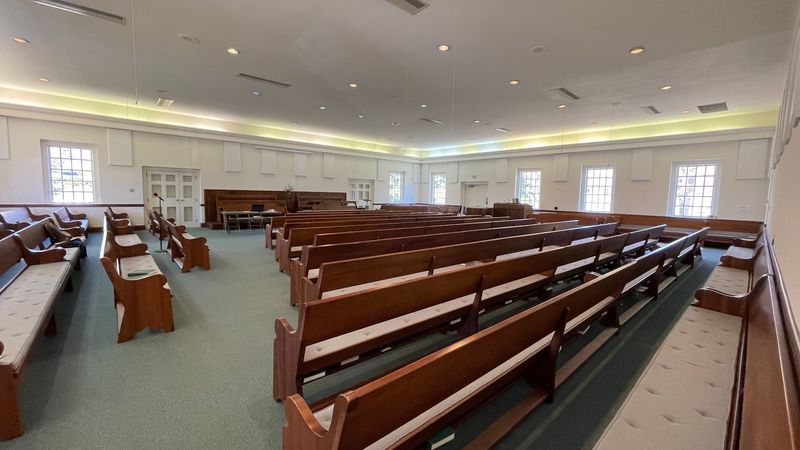
Quaker baking culture in the Piedmont is quieter in tone than the Moravian version, but it reaches just as far back. New Garden Friends Meeting states that it has been welcoming Friends since 1754, and the North Carolina historical marker notes that meeting for worship began in 1751.
Its address remains 801 New Garden Road in Greensboro.
Unlike Moravian communities, Quaker settlements did not develop a single widely recognized signature baked good. New Garden’s value instead lies in the everyday domestic baking traditions rooted in Quaker household life.
Bread, pies, seasonal cakes, and plain but carefully made staples would have formed part of the nourishment culture surrounding a meeting community built on simplicity, thrift, and daily discipline. That kind of food history often hides more easily because it was never meant to be performative.
New Garden makes it tangible by preserving the setting where those rhythms took shape. Grounds, meetinghouse life, and long continuity all offer a sense of what colonial Quaker domestic culture looked like in practice.
For a baking trail, the stop matters because it broadens the story beyond Moravian sugar cake and cookies. Piedmont baking older than America was not one tradition.
New Garden helps prove the Quaker strand belongs in the same conversation.
9. Jamestown North Carolina
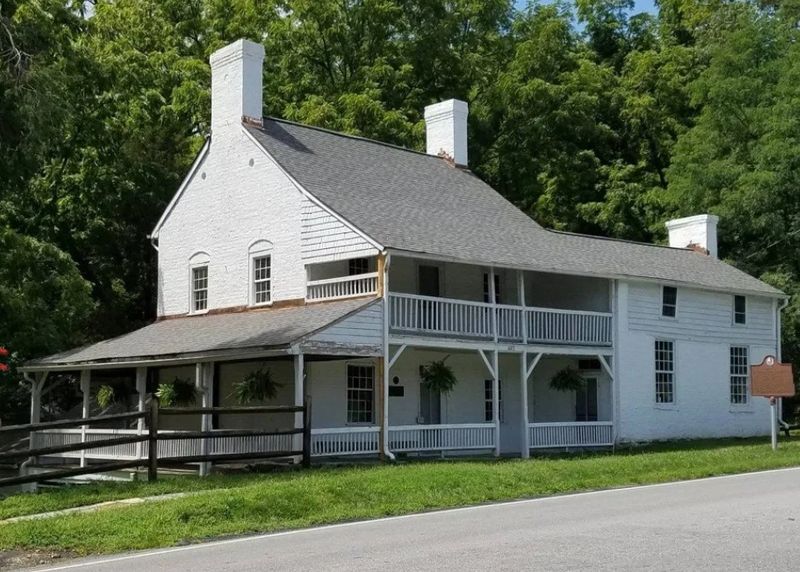
Land, labor, and household routine come into unusually sharp focus at the Mendenhall Homeplace in Jamestown. The site preserves the legacy of a Quaker farming and trades community, and current information continues to present it as a historic homestead connected to generations of local Quaker life.
The visitor site remains at 603 West Main Street. Jamestown’s larger claim in this story reaches back to James Mendenhall’s 1752 settlement in the area, which places the roots of the community firmly before independence.
Baking mattered in precisely the practical ways one would expect from a Quaker farmstead. Grain became flour, flour became bread and other basic baked foods, and kitchen labor was inseparable from larger household survival.
Open-hearth cooking and domestic work were not side notes to Quaker life; they were part of its structure. What makes Jamestown valuable is that the homeplace gives those ideas a physical setting with real texture.
Buildings, grounds, and interpretation help visitors imagine how baking fit into self-sufficient colonial life, without needing to invent a showier culinary legend than the place can honestly support.
For anyone tracing older Piedmont baking traditions, Jamestown offers one of the strongest Quaker examples because the food story is still anchored to land, labor, and home.
10. High Point North Carolina
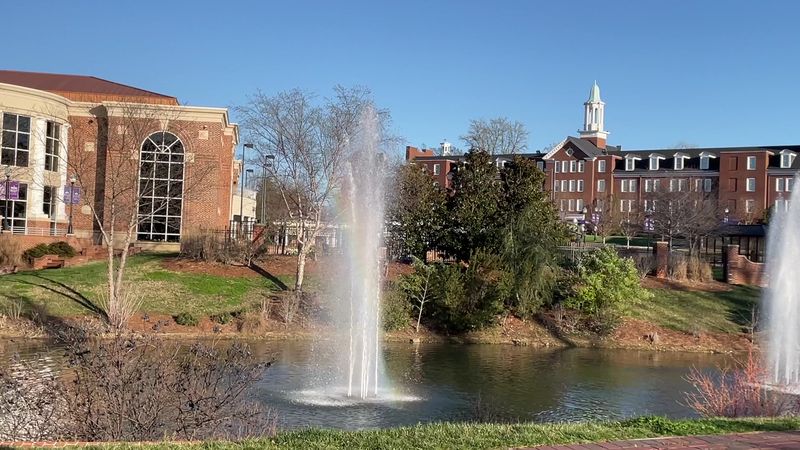
Early Quaker influence reaches into High Point through Springfield Friends Meeting, and that connection is strong enough to justify the city’s place in a broader baking history trail.
Springfield Friends remains at 555 East Springfield Road, and Quaker directories note not only the meeting but also the Museum of Old Domestic Life at the same address.
That museum connection matters. While High Point is better known nationally for furniture, the city’s older Quaker story survives through exactly the kinds of domestic interpretation that help visitors understand hearth-based foodways.
Baking in early Quaker homes was not ornamental. It was careful, practical, ingredient-driven work, usually done with whatever grain, tools, and fuel the household could manage.
Museum interpretation of old domestic life helps bring that reality closer than an abstract historical claim ever could.
Springfield therefore becomes relevant not because it has a famous signature pastry, but because it preserves access to the everyday world where Quaker baking traditions once lived.
That is an important distinction. Not every stop on a baking trail should look like a bakery counter.
Some should explain the kitchens, tools, and habits that made the food possible in the first place. High Point earns its place by helping tell that quieter, household-centered side of Piedmont baking before America became a nation.
11. Snow Camp North Carolina
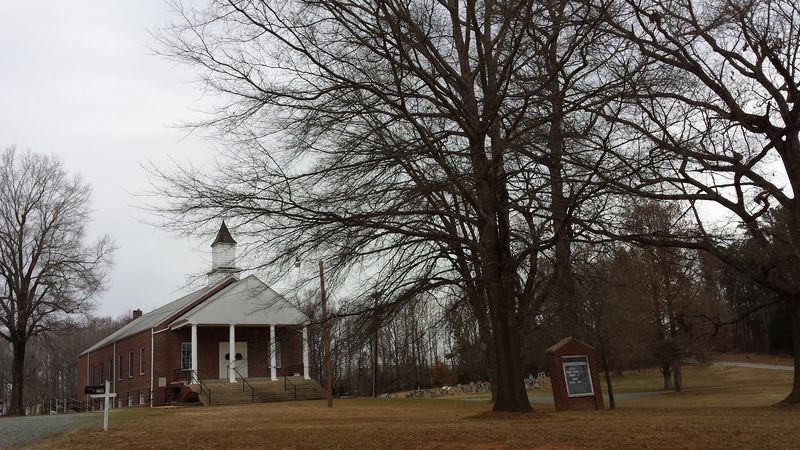
Quaker history carries unusual authority in Snow Camp. Cane Creek Friends Meeting is widely recognized as the first established Quaker community in the North Carolina Piedmont, with roots dating to 1751, and the meeting remains at 2287 Cane Creek Road.
That founding date alone makes the community essential to any list about baking traditions older than America. Foodways here were shaped by farming life, meeting life, and the practical demands of a rural settlement long before the Revolution.
Wheat, rye, corn, milling, storage, and repeated household baking would all have been part of the everyday system that sustained families and gatherings.
Cane Creek’s importance is therefore foundational rather than commercial.
Visitors are not coming for a branded cookie or a bakery gift shop. They are coming to stand in one of the places where Quaker life in the Piedmont began, and where domestic food traditions necessarily formed part of that beginning.
Snow Camp still feels rural enough for that history to land clearly. Landscape, meetinghouse, and community memory all reinforce the sense that bread and baking belonged to a larger pattern of modest, disciplined living.
Among Quaker stops in North Carolina, Snow Camp may be the most important place to start because it represents the earliest layer of that tradition in the region.