10 North Carolina River Towns That Feel Like They Were Left Off The Map On Purpose
The Appalachian Trail runs straight down the main street of one tiny mountain town in this story. Hikers walking from Georgia to Maine stroll past the shops, then cross a river bridge and climb back into the woods.
That alone got me hooked. Then I learned another town on this list was incorporated in 1705, before most of the colony had roads worth naming.
Another one helped spark the push for American independence, and its big date now sits on the North Carolina state flag.
I love that these places stayed small while carrying stories that big. Rivers built them, fed them, and moved their goods long before highways showed up.
Then the highways mostly passed them by.
So what’s left today? Quiet docks, old courthouses, paddling routes, and main streets you can cross in a few minutes.
I can’t think of a better reason to take the long way.
10. Bath
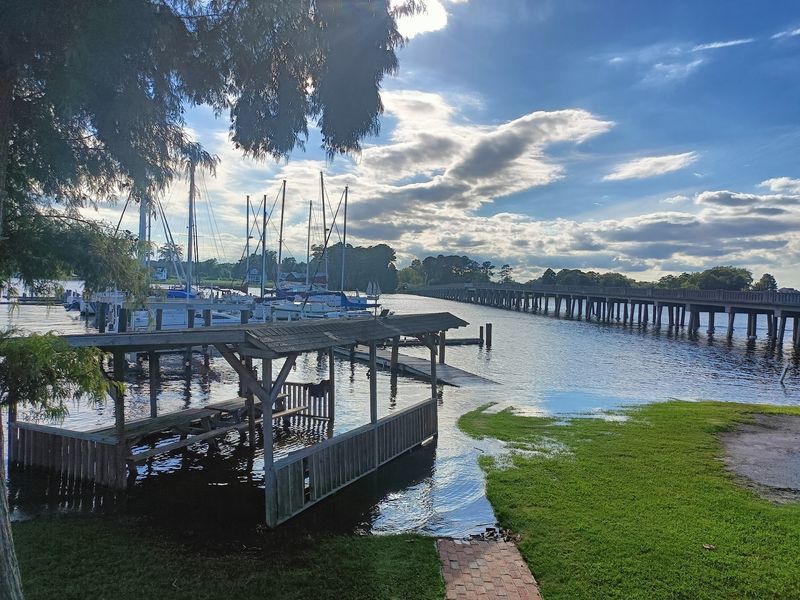
Bath was a town before North Carolina had much of anything else. It was incorporated in 1705, which makes it the oldest town in the state.
Today the population hovers around 250 people. That’s smaller than plenty of middle schools, and honestly, that’s part of the charm.
The town sits where Bath Creek meets the wide Pamlico River. Water frames almost every view, so you’re never far from a quiet shoreline.
History here isn’t tucked behind glass in a far-off city. It’s right on the streets, in old homes and buildings that survived centuries of storms and change.
St. Thomas Church is the big headliner. Built in 1734, it’s known as the oldest existing church in North Carolina.
Historic Bath State Historic Site helps you make sense of it all. It preserves several historic buildings and tells the story of the colonial town.
Then there’s the pirate part. Blackbeard spent time in Bath in the early 1700s, and the town still enjoys that link to his legend.
So how should you spend a day here? Walk slowly, read the markers, and give yourself time to sit by the water.
Bath works best for curious travelers who like stories more than shopping sprees. Bring good shoes, a camera, and a few questions about colonial life.
You won’t find crowds or neon signs. You’ll find a riverfront town that seems to have decided, long ago, that slow suits it just fine.
9. Marshall
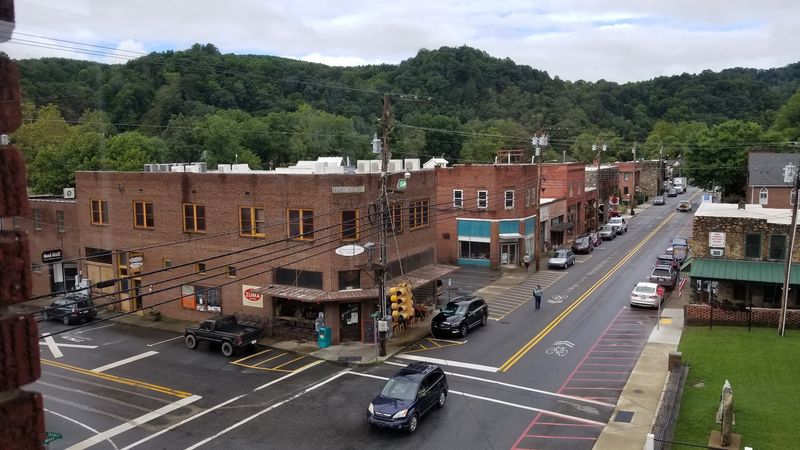
Squeezed between a rock cliff and the French Broad River, Marshall barely has room to stretch. The town simply made peace with that and built a main street in the gap.
Fewer than 1,000 people live here. Yet as the seat of Madison County, Marshall carries more importance than its size suggests.
The French Broad is the star of the show. It’s often called one of the oldest rivers in the world, and it rolls right past downtown.
Paddlers, anglers, and tubers all find reasons to linger. On a summer day, the river practically begs you to get your feet wet.
Out in the water sits Blannahassett Island, linked to downtown by a bridge. The island’s public park is undergoing restoration following Hurricane Helene, while the historic Marshall High Studios has reopened to visitors.
The island also holds Marshall High Studios. A former high school building there now serves as studio space for local artists.
Main Street itself feels like a set from an older movie. Historic brick storefronts line the road, and the county courthouse anchors the view.
Railroad tracks run along the river too. That mix of rails, rock, and rushing water gives the town a look you won’t forget.
Plan to wander more than you drive. Marshall is small enough to explore on foot, and you’ll want to stop often anyway.
It’s about a half hour from Asheville, but it feels much farther. That’s exactly why this mountain town is worth the detour.
8. Halifax
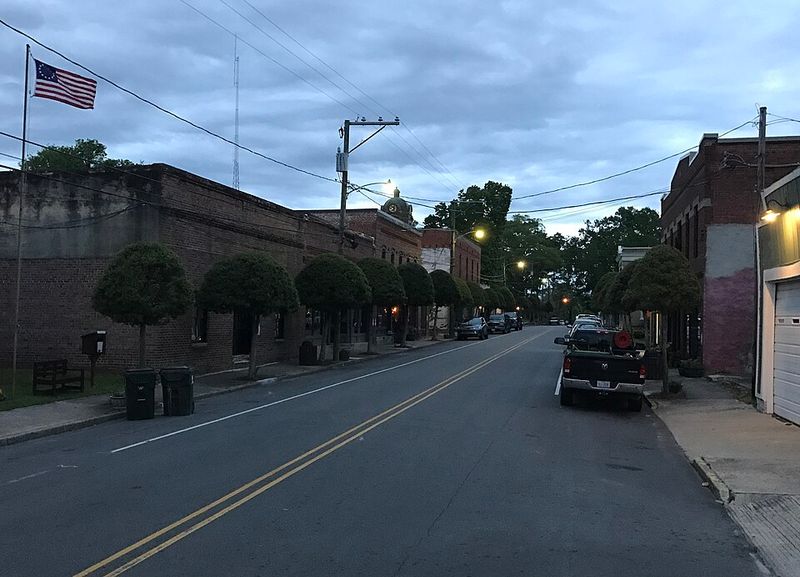
Look closely at the North Carolina flag and you’ll spot April 12, 1776. That date belongs to a tiny Roanoke River town most people have never visited.
On that day, leaders meeting in Halifax approved the Halifax Resolves. The document is widely recognized as the first official call by a colony for independence from Britain.
Pretty bold for a town that now has around 200 residents. Halifax went from political hot spot to peaceful village, and it kept the old buildings.
Historic Halifax State Historic Site preserves that colonial past. You can explore restored structures and learn how the riverside town once buzzed with trade and politics.
The Roanoke River was the reason Halifax mattered. Boats and goods moved through here, linking farms to wider markets.
Today the river runs quieter, and so does the town. That calm makes it easier to picture the busy colonial streets that once stood here.
History fans will feel right at home. So will anyone who enjoys walking through old places without fighting for elbow room.
Give yourself time to read, wander, and ask questions. The stories here hit harder when you slow down enough to absorb them.
Halifax also makes a smart stop on a road trip through northeastern North Carolina. It’s a short visit that leaves you with a long list of facts to share.
Just don’t be surprised when you start checking flags everywhere. Once you know the date, you can’t unsee it.
7. Todd
Blink on the drive and you might miss Todd entirely. That would be a shame, because this mountain crossroads packs a lot of charm into very little space.
Todd isn’t even an incorporated town. It’s a small community in the Blue Ridge Mountains, centered around historic general stores and friendly rural roads.
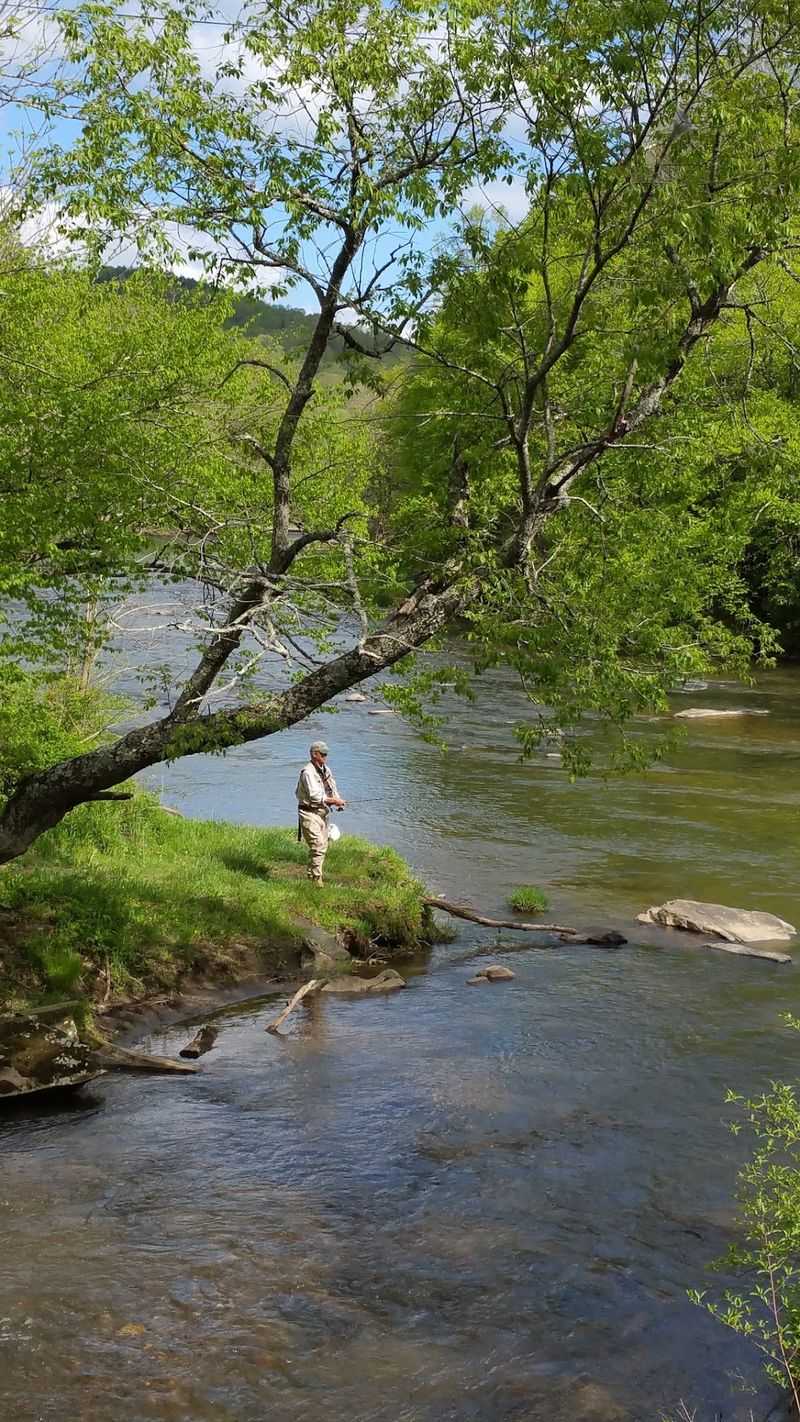
The South Fork of the New River flows right through the area. Here’s a fun bit of trivia: the New River is considered one of the oldest rivers on the continent.
Calm stretches make it a favorite for paddling and floating. If you enjoy slow water and green mountain views, this river delivers both.
Back on land, the old general stores give Todd its heart. They’re the kind of buildings that remind you how small mountain towns once gathered and traded.
Railroad Grade Road follows the river nearby. Cyclists and drivers like it for its gentle, scenic curves along the water.
So what’s the best way to enjoy Todd? Keep your plans loose and your schedule light.
Pack a picnic, find a spot by the river, and let the afternoon drift. This is not a place for checking boxes off a busy list.
Todd sits within easy reach of Boone and West Jefferson. That makes it a perfect side trip when the bigger mountain towns feel crowded.
Some places shout for attention. Todd just hums along by the river, waiting for you to notice.
6. Hot Springs
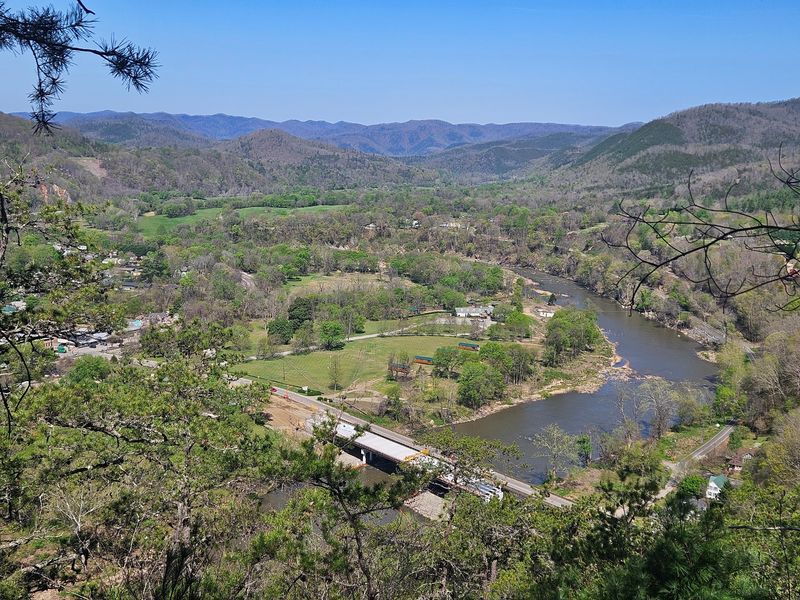
Few towns can say a famous long-distance trail runs down their main street. Hot Springs can, and hikers on the Appalachian Trail stroll right through it.
The trail crosses the French Broad River here. For thru-hikers, it’s a welcome chance to rest, refuel, and see actual buildings for a change.
About 550 people call Hot Springs home. It’s small, secluded, and surrounded by the mountains of Madison County.
The name isn’t just for show. Natural mineral springs gave the town its identity, and people have come to soak in the warm water for generations.
Hot Springs Resort and Spa offers mineral water soaks today. After a long hike or a long drive, that sounds like a reward you’ve earned.
The French Broad River adds even more to do. Rafting, paddling, and fishing are popular ways to spend time on the water.
You don’t need to hike from Georgia to enjoy the trail. Short walks from town let you get a taste of the Appalachian Trail without a heavy pack.
Spring and fall are lovely times to visit. You’ll likely spot hikers passing through in spring, which adds to the town’s friendly trail-stop feel.
Plan for a slow, outdoorsy day. Walk the trail a bit, watch the river, and end with a relaxing soak.
Hot Springs proves a tiny town can welcome travelers from all over. It just does it quietly, one hiker at a time.
5. Bryson City
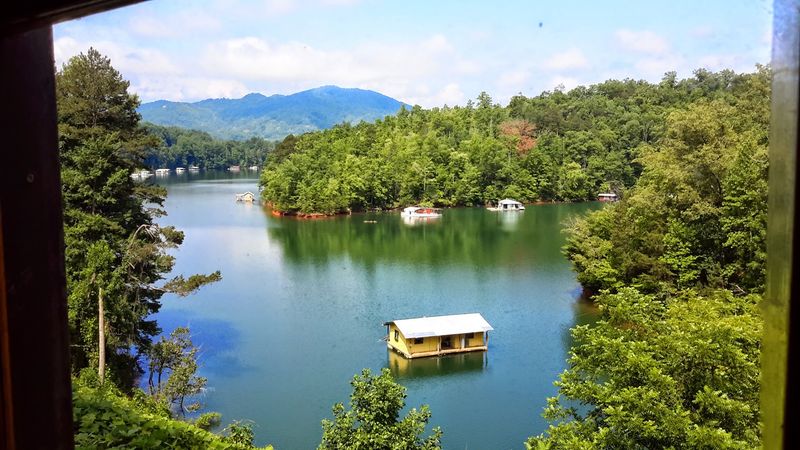
A river splits Bryson City right down the middle, and the town seems pleased about it. The Tuckasegee River flows straight through downtown, so water views come standard.
Around 1,500 people live here, and the main street is easy to walk. Mountains rise on every side, framing the town like a postcard.
Trains are a big part of the fun. The Great Smoky Mountains Railroad runs excursions from its depot in Bryson City.
Riding the rails lets you see river valleys and mountain scenery without touching a steering wheel. Kids and grown-ups both tend to love that kind of trip.
Bryson City also sits close to Great Smoky Mountains National Park. The Deep Creek area, known for waterfalls and tubing, is just outside town.
If you like whitewater, the Nantahala River is nearby too. Rafting outfitters in the region make it easy to get out on the rapids.
Back downtown, take your time wandering. Shops and restaurants line the streets near the river, perfect for a slow afternoon.
Swain County is mostly forest and parkland. That means Bryson City feels like a little island of town in a big sea of green.
Pack layers, since mountain weather can shift fast. Also leave room in your schedule for unplanned stops at overlooks.
Bryson City gives you trains, trails, and a river through the middle. Not bad for a town you can cross in a few minutes.
4. Swansboro
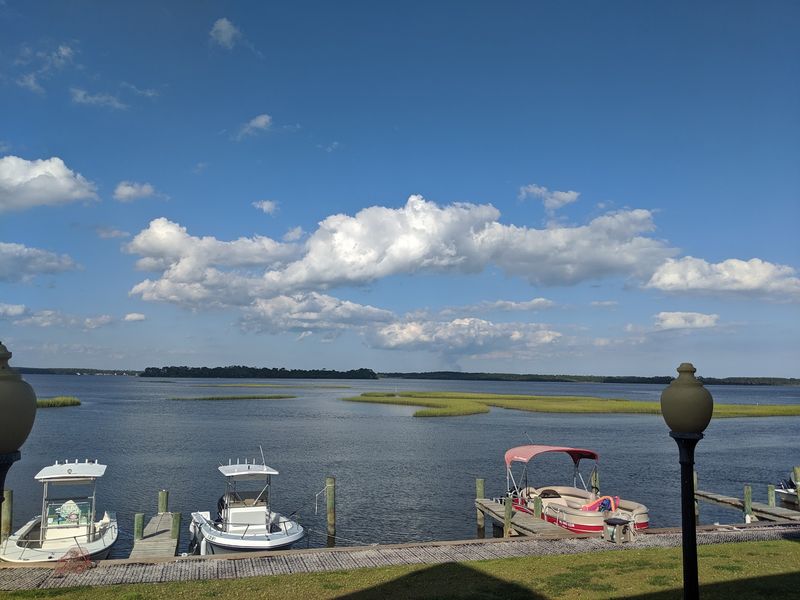
Swansboro calls itself the Friendly City by the Sea, and it has the waterfront to back that up. The town sits where the White Oak River meets the Intracoastal Waterway.
About 4,300 people live here. That makes it the biggest town on this list, though it still feels small and easygoing.
Swansboro’s historic downtown hugs the water. Old buildings, docks, and shops line the streets near the river.
Here’s a fun history nugget. Otway Burns, a famous privateer from the War of 1812, has strong ties to Swansboro, and a statue honors him in town.
Boating is a natural fit for this spot. With river and waterway meeting here, you’ll see plenty of boats coming and going.
Hammocks Beach State Park is just nearby. It’s known for Bear Island, an undeveloped barrier island reached by ferry or by paddling.
That combo is hard to beat. You can stroll a historic downtown in the morning and dig your toes into quiet sand by afternoon.
Bring a light jacket for breezy evenings on the water. Sunset over the river is reason enough to hang around.
Swansboro works well for families and couples alike. It’s laid-back without feeling empty.
Many coastal towns in North Carolina got big and busy. Swansboro kept its small-harbor charm, and that’s the best souvenir it offers.
3. Columbia
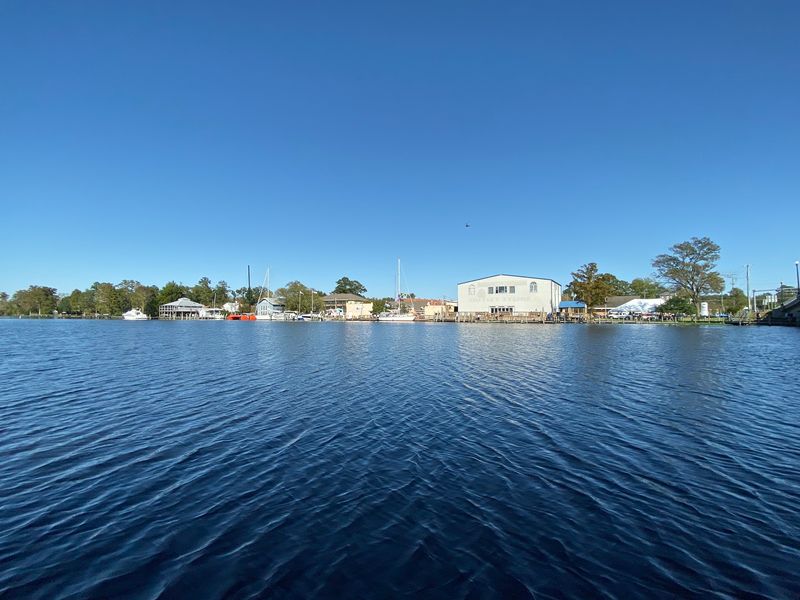
Cypress trees stand knee-deep in dark water right at the edge of Columbia. Few town centers can claim a swamp forest as their next-door neighbor.
This remote town in Tyrrell County has about 600 residents. It centers on the Scuppernong River, and the river sets the pace.
Riverfront boardwalks are the main attraction. The Scuppernong River boardwalk winds through cypress waterways, giving you a close look without getting your shoes muddy.
Keep your eyes open as you walk. Turtles and birds often make appearances in these quiet wetlands.
The Walter B. Jones Sr. Center for the Sounds is a great first stop.
It shares the story of the region’s sounds, wildlife, and natural areas.
Art has a home here too. Pocosin Arts School of Fine Craft sits by the river and offers classes in crafts like ceramics and metalwork.
Columbia makes a handy stop on the drive toward the Outer Banks. Many travelers zoom past, but a short break here pays off.
Bring bug spray in warmer months. Wetlands are beautiful, but the insects know it too.
A camera with a zoom lens is also a smart idea. Birds and reflections on the water make for great photos.
Columbia doesn’t try to impress you with crowds or big attractions. It wins you over with still water, tall trees, and a pace you’ll wish you could take home.
2. Danbury
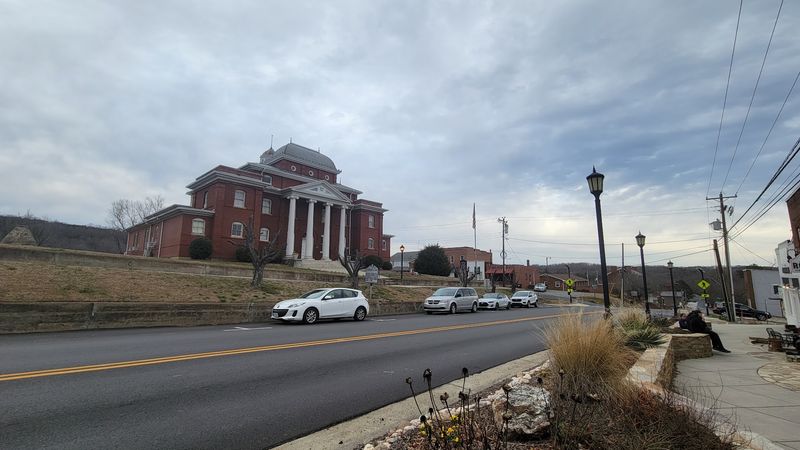
With fewer than 200 residents, Danbury might be the smallest county seat you’ll ever visit. It runs Stokes County business from a town smaller than many neighborhoods.
Danbury sits along the upper Dan River in the Piedmont foothills. Rolling hills and rocky ridges surround it on all sides.
Historic rural buildings give the town its character. Walking the short main road feels like stepping back a few decades.
The real neighbor worth knowing is Hanging Rock State Park. It’s just outside town and famous for its rocky peaks, waterfalls, and hiking trails.
That makes Danbury a great home base for outdoor fans. Spend the morning hiking, then wander back into town to slow down.
The Dan River adds even more options. Paddling and tubing are popular ways to enjoy the river in warmer months.
Fall is an especially pretty time to visit. Leaves turn the foothills into a patchwork of red, orange, and gold.
Wear sturdy shoes if you plan to hike. Some trails at Hanging Rock climb steeply, and the views at the top are your prize.
Don’t expect big crowds or flashy attractions in town. Danbury’s appeal comes from its quiet streets and its river-and-mountain setting.
It’s the kind of place where an afternoon stretches out nicely. Honestly, a town this tiny with views this big feels like a secret worth keeping.
1. Belhaven
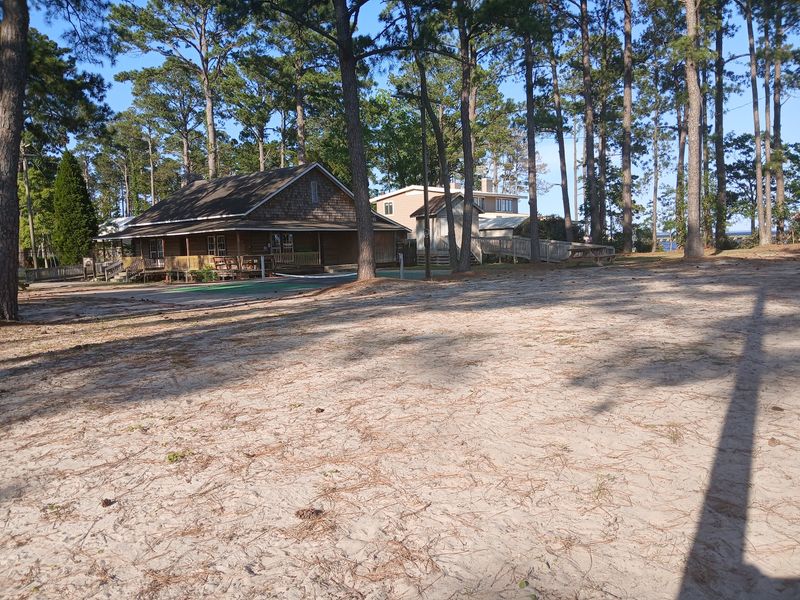
Thousands of buttons fill one museum in Belhaven, and that’s only the start of its odd collection. The Belhaven Memorial Museum is famous for its quirky mix of curiosities.
Founder Eva Blount Way gathered the items over many years. Today the collection sits inside the historic town hall, ready to surprise you.
Belhaven itself is a quiet boating town on the Pungo River in Beaufort County. Around 1,500 people live here.
The town’s name means beautiful harbor, and the setting fits. Boats rest at the docks, and the water stretches wide beyond town.
Belhaven sits near the Intracoastal Waterway. That makes it a popular stop for boaters cruising up and down the East Coast.
Even if you’re traveling by car, the harbor is worth your time. Stroll the waterfront and watch the boats drift in and out.
Belhaven sits in North Carolina’s flat coastal plain. Big skies and open water give sunsets plenty of room to show off.
Pack binoculars if you like birds. Waterfront towns like this often reward patient eyes.
Plan a day exploring the harbor, and check the Belhaven Memorial Museum’s visiting dates before adding its unusual collection to your itinerary.
Belhaven doesn’t try to be a busy beach town. It’s a harbor that likes its peace and quiet, and it shares that peace with anyone who drops anchor for a while.