10 North Carolina Small Towns Along The Blue Ridge Parkway Most Drivers Pass Right By
Most drivers keep their eyes on the curves and overlooks, never realizing the real surprise is waiting just off the road.
Quiet towns beside the Blue Ridge Parkway hold the kind of places that make a trip feel fuller, with old railroad stories, local flavor, and mountain character no scenic pull-off can replace.
Just beyond the guardrails, North Carolina has communities that trade postcard views for main streets, hidden charm, and stops worth remembering.
Some feel rooted in another era, others lean into food, history, or small-town warmth, but all of them give the drive something more than scenery alone.
Cruising past them is easy, but slowing down is where the Parkway starts getting much more interesting.
1. Little Switzerland
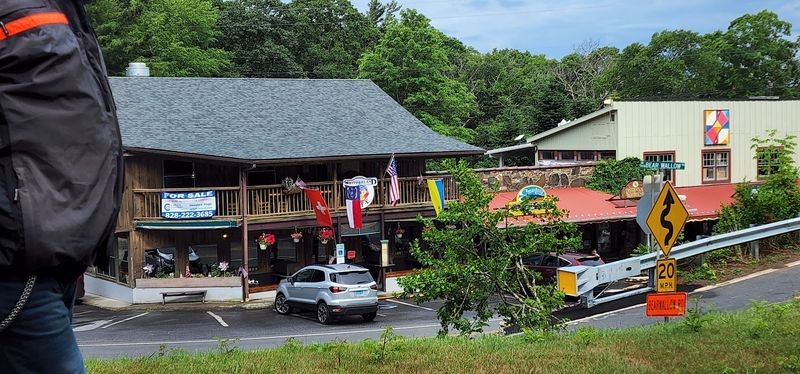
High on the mountain near Milepost 334, a stop in Little Switzerland feels different right away. Cool air, ridge views, and chalet-style buildings give the place a personality that stands apart from other Parkway communities in North Carolina.
Summer is one of the best times to pull off here because temperatures often feel noticeably lower than they do down the mountain, which makes even a short walk more pleasant.
Small shops sell regional crafts, gemstones, jewelry, and keepsakes that feel more personal than the usual souvenir mix.
Time at the Switzerland Inn is part of the experience for many visitors, even if they are not staying overnight. Porch views there are some of the best in the area, and the inn has served as a familiar stop for travelers for generations.
Nothing about the village feels hurried, which is part of the appeal after a long stretch of driving. Access is simple too, since NC-226A connects easily back to the Parkway.
People who treat this place as just another scenic pull-off usually miss one of the Parkway’s more recognizable small stops. The Switzerland Inn is at 86 High Ridge Road, Little Switzerland, NC 28749.
2. Sparta
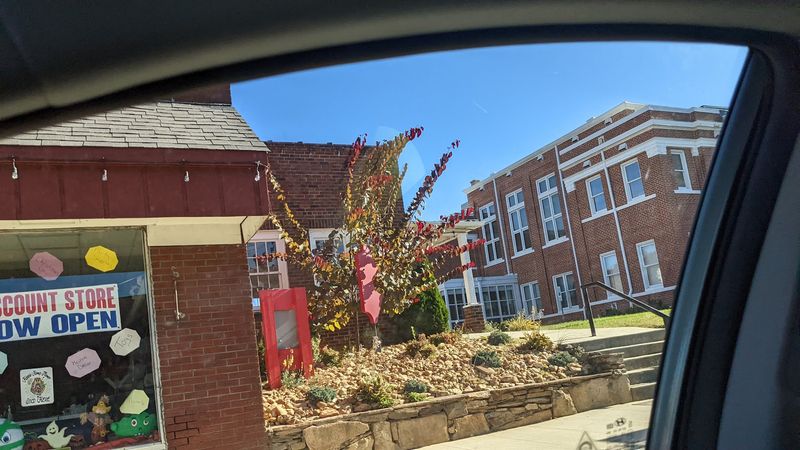
Just off the Parkway, accessible from the Parkway via Milepost 229.7, Sparta gives travelers a downtown that feels lived in rather than staged for visitors. Walkable blocks, local businesses, and a slower pace help set the tone right away.
County-seat history matters here too, and that sense of continuity gives the place more weight than a quick roadside glance would suggest.
Mountain music, handmade crafts, and local pride still shape daily life without turning the town into a performance of itself.
Nearby access to the New River adds another reason to leave the Parkway, especially for travelers interested in paddling, fishing, or spending time near the water before moving on. Good local food helps as well.
After several hours on a scenic road, a solid meal in a place with real community character can be more memorable than another overlook. What makes Sparta work is its balance.
Outdoor access is easy, but downtown still feels like the center of things. Visitors looking for a town with actual local rhythm instead of polished tourism energy should not pass it by.
For maps and recommendations, stop at 58 South Main Street, Sparta, NC 28675.
3. West Jefferson
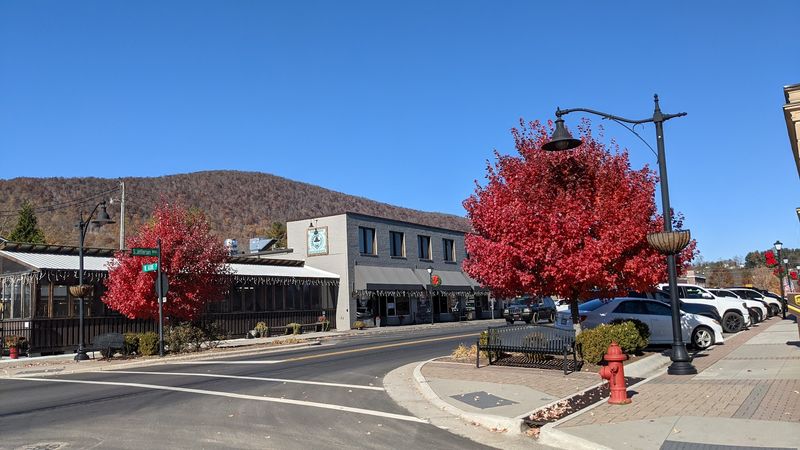
Roughly twenty minutes from the Parkway, West Jefferson has built one of the most interesting downtown scenes in the North Carolina mountains. Arts are a major part of that identity, but the place never feels overworked or overly precious.
Painted murals across brick walls give the streets a strong visual personality, turning an ordinary walk into something much more engaging. Food adds another layer.
Ashe County Cheese remains one of the town’s signature stops and gives the area a flavor connection that goes beyond scenery alone.
Bakeries, breweries, boutiques, and live music venues fill out the rest of downtown without making it feel crowded.
What started as a modest railroad town now draws visitors for reasons tied as much to creativity and community as to mountain views. Farmers markets and seasonal festivals keep the calendar active throughout much of the year, so repeat visits rarely feel repetitive.
Parkway travelers who want more than a scenic detour usually find a lot to like here. Hours can disappear easily between shopping, eating, and walking the center of town.
Start around Jefferson Avenue, West Jefferson, NC 28694.
4. Jefferson
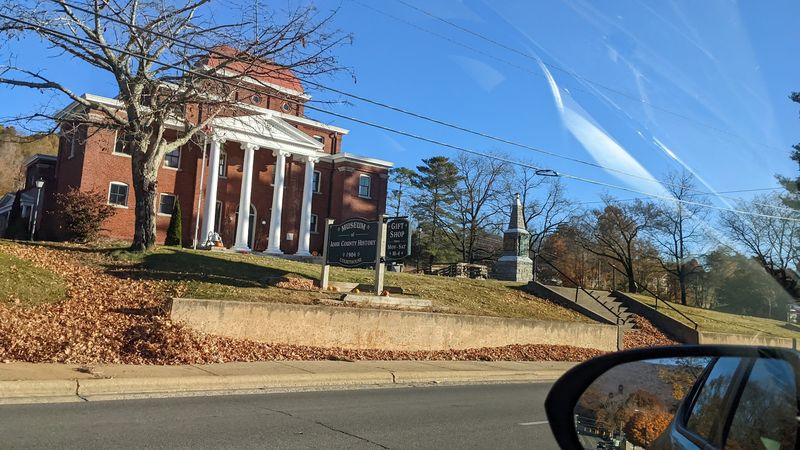
Below Mount Jefferson, Jefferson has a natural setting that gives it a stronger visual connection to the Parkway than many nearby towns.
Drivers near Mileposts 266 and 267 can look out and actually spot the community below, which makes it memorable before they even arrive.
Much of the appeal comes from the mountain itself. Trails in Mount Jefferson State Natural Area lead to broad views across Ashe County and beyond, while the town below offers a quieter change of pace.
Small restaurants, shops, produce stands, and craft sellers create a downtown that feels modest and grounded rather than heavily shaped by tourism.
Pairing a stop here with nearby West Jefferson makes especially good sense because the two places complement each other well.
One leans more creative and busy, while this one feels calmer and more closely tied to the land around it. Travelers looking for scenery without large crowds often connect with Jefferson quickly.
Time moves a little slower here, and that works in its favor. Getting oriented is easy once you reach downtown.
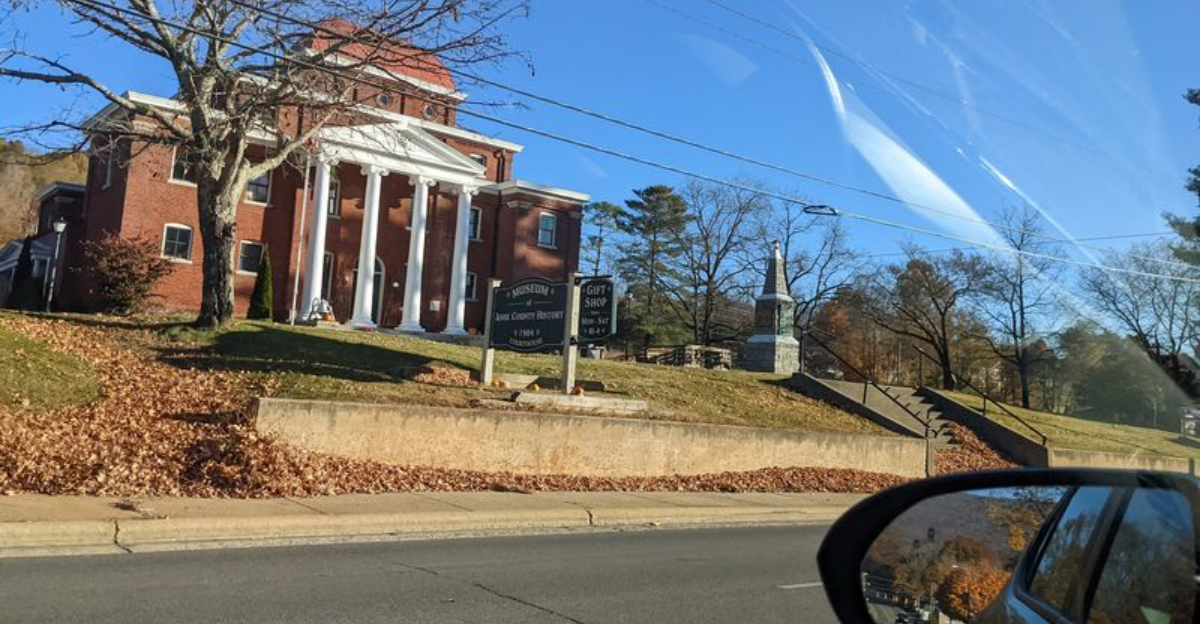
Use the Ashe County Courthouse, 150 Government Circle, Jefferson, NC 28640, as a landmark.
5. Blowing Rock
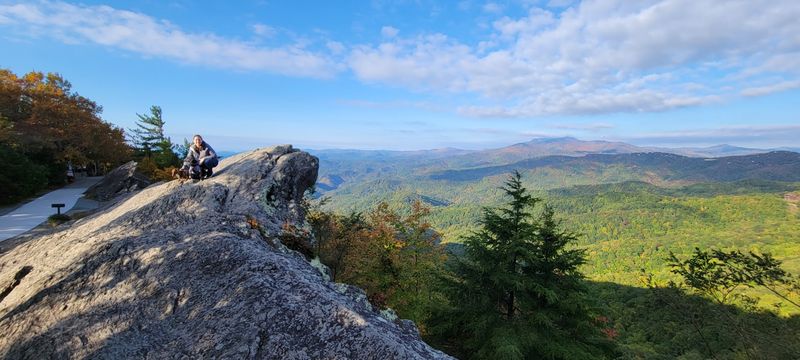
Between Mileposts 293 and 298, Blowing Rock holds a distinction no other town on this list can claim. Direct access from the Blue Ridge Parkway makes it the only full-service town actually found on the route in North Carolina.
Even with that advantage, plenty of drivers still move through the area without giving the town much attention. Missing it means skipping one of the most complete mountain stops in the state.
Most visitors know The Blowing Rock first, where air currents move upward through the gorge in a way that still surprises people. Downtown adds the reason to stay longer.
Shops, restaurants, inns, and galleries line Main Street, and nearly everything is easy to reach once the car is parked. Seasonal events keep the place active, while changing mountain scenery gives each visit a slightly different mood.
Fall may be the most popular time, but the town has enough going on in every season to reward a stop. Walkability is one of its biggest strengths, especially for travelers who want a break from driving without losing access to good food and mountain views.
Begin around Main Street, Blowing Rock, NC 28605.
6. Banner Elk
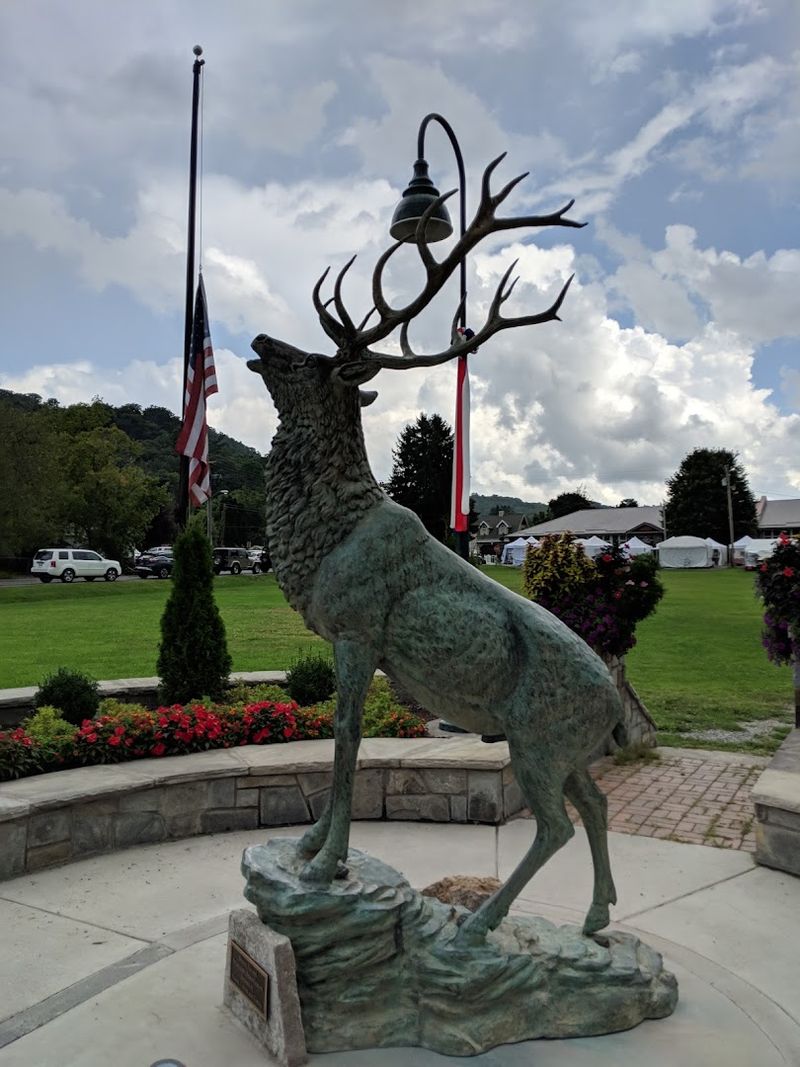
Banner Elk is a short High Country detour from the Parkway, it rewards anyone willing to leave the Parkway for a short detour. Many drivers in this part of the High Country focus on Grandfather Mountain and never see what is waiting nearby.
That means missing a town with much more going on than its size suggests. Winter brings skiers and snowboarders, while warmer months draw hikers, cyclists, and people escaping the heat of lower elevations.
Dining is one reason the town stands out. Some spots keep things simple and mountain casual, while others lean into local ingredients and more inventive menus.
Lees-McRae College helps keep the area lively too, adding energy to arts and entertainment throughout the year.
October gives the town even more personality thanks to the Wooly Worm Festival, one of those odd but memorable local traditions that makes a place feel specific instead of interchangeable.
Nothing about Banner Elk feels overly polished. Real activity, good food, and year-round appeal do most of the work.
Travelers who want a Parkway side trip with both scenery and substance usually end up glad they stopped. Head toward Shawneehaw Avenue, Banner Elk, NC 28604, to reach the center of town.
7. Linville
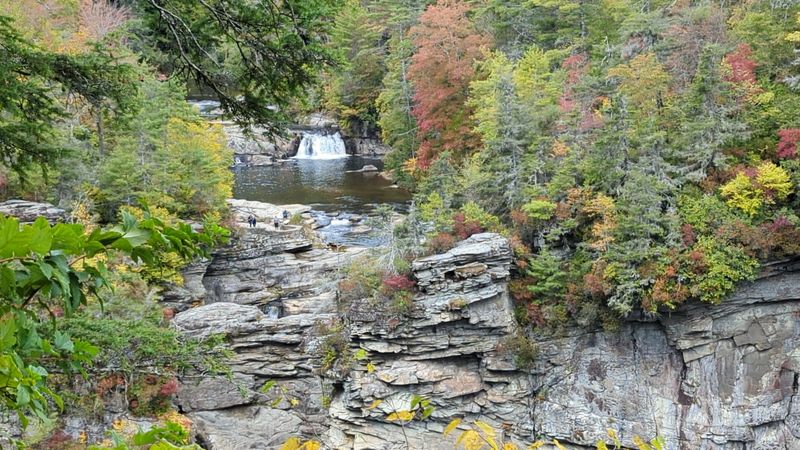
For many Parkway travelers, Linville is simply the name attached to nearby attractions, but that narrow view misses what makes the area worthwhile.
Some of the best-known natural landmarks in this section of North Carolina sit within reach, including Linville Falls, the Linn Cove Viaduct, and access points tied to Grandfather Mountain.
That alone makes it useful. What gives the place more staying power is the surrounding landscape.
Linville Gorge has some of the roughest terrain in the eastern United States, and the area attracts hikers, climbers, and visitors who want a mountain experience that feels less polished than many other Parkway stops.
Lodges, cabins, and roadside accommodations make it easy to spend more than one day here, especially if the goal is to mix driving, trails, and scenic stops without feeling rushed.
Early morning is usually the smartest time to arrive, especially for the falls, when parking is easier and overlooks are quieter.
Travelers who do not need a busy downtown and care more about scenery, trail access, and a stronger connection to the landscape tend to understand the appeal fast.
A practical entry point is the Linville Falls Recreation Area off NC-181 near Linville Falls, NC 28647. Some Linville Falls trails remain affected by Hurricane Helene closures.
8. Old Fort
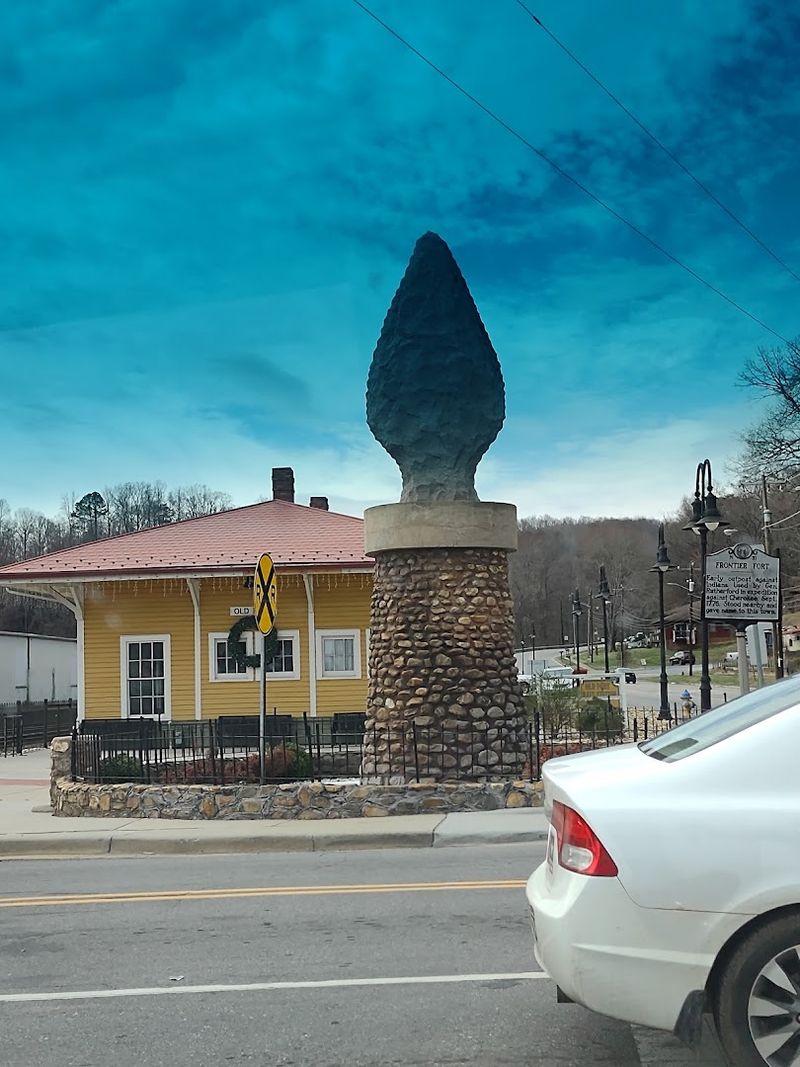
Where the mountains begin rising from the Piedmont, Old Fort sits in a landscape that has shaped local history for generations.
Drivers heading toward bigger mountain names often pass it without thinking twice, which leaves one of the more grounded stops in this part of North Carolina overlooked.
Railroad history runs deep here. Andrews Geyser, built to mark the completion of the Western North Carolina Railroad, still surprises first-time visitors who come across it.
Historical context gets even stronger at Mountain Gateway Museum, where exhibits explain how settlers, travelers, and communities moved through this corridor long before modern highways changed the region. Current-day Old Fort is not only about the past, though.
Trailheads, mountain biking routes, local restaurants, and smaller businesses have helped give the town new energy in recent years.
That mix makes it especially appealing for travelers who want a stop with more substance than a quick photo and a coffee.
Honest is probably the best word for the place. Nothing feels overly packaged, and that works in its favor.
For anyone wanting history and outdoor access in the same stop, it is a strong choice. Start with Mountain Gateway Museum or Andrews Geyser when planning a stop in Old Fort.
9. Marion
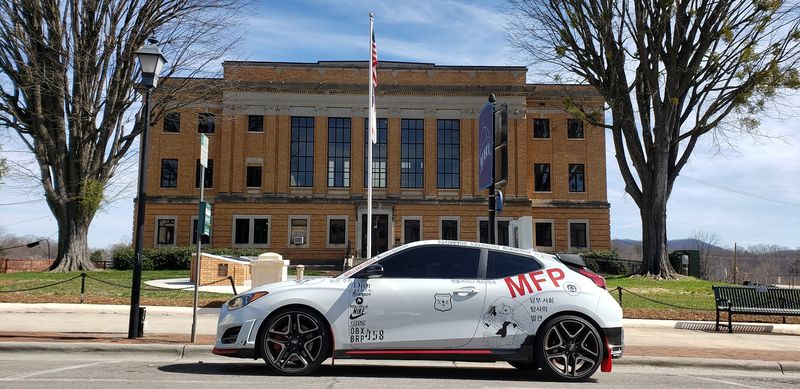
Nearby Marion works well with Old Fort, but it has enough going on to justify its own stop. In McDowell County, the town blends older mountain character with a downtown that has clearly been gaining momentum.
Murals, cafes, small shops, and a stronger arts presence give the center a fresh feel without stripping away its roots. River access adds another reason to linger.
Close by, the Catawba River offers fishing and paddling for travelers who want some water added to the mountain setting. Back in town, early 20th-century buildings frame streets that are easy to walk and easy to spend time on without much planning.
Farmers markets and community events help keep the place tied to local life rather than shaped mostly for visitors. Food is another quiet strength.
Like many North Carolina mountain towns, Marion tends to serve better meals than first-time visitors expect. Travelers who want a town that feels active without becoming crowded usually settle in here pretty quickly.
Local energy is visible, but it never feels forced. For maps, ideas, and a practical first stop, head to the McDowell County Tourism Development Authority at 50 South Garden Street, Marion, NC 28752.
10. Brevard
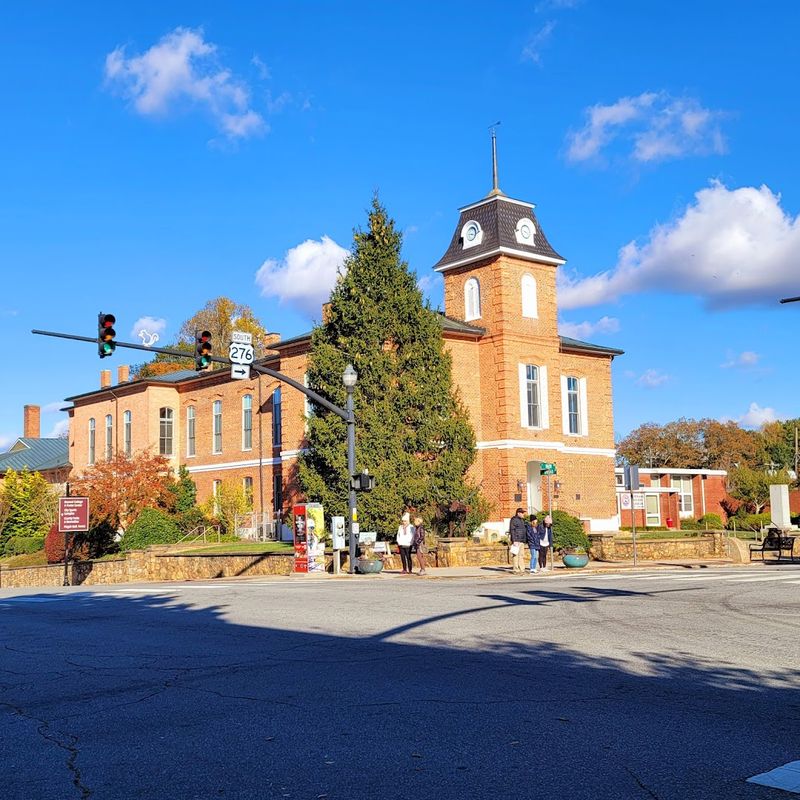
South of many of the better-known northern Parkway stops, Brevard is one of the easiest and most rewarding detours to make. Access from Highway 276 or Highway 215 keeps it simple to work into a Blue Ridge Parkway day, but convenience is only part of the appeal.
Personality matters here. Most first-time visitors hear about the white squirrels before anything else, and the town leans into that local detail in a way that feels charming rather than forced.
Outdoor access is the bigger draw for many people. Pisgah National Forest surrounds the area, putting waterfalls, trails, bike routes, and swimming holes close to downtown.
Looking Glass Falls and Sliding Rock are two of the best-known nearby stops, and both fit easily into the same outing. Back in town, coffee shops, restaurants, and a strong arts-and-music culture give the place enough life once trail time is over.
What makes Brevard work so well is the balance. Adventure is close, but so is a comfortable downtown where it is easy to slow down.
Travelers who want both in the same stop should make time for it. Start around West Main Street, Brevard, NC 28712.