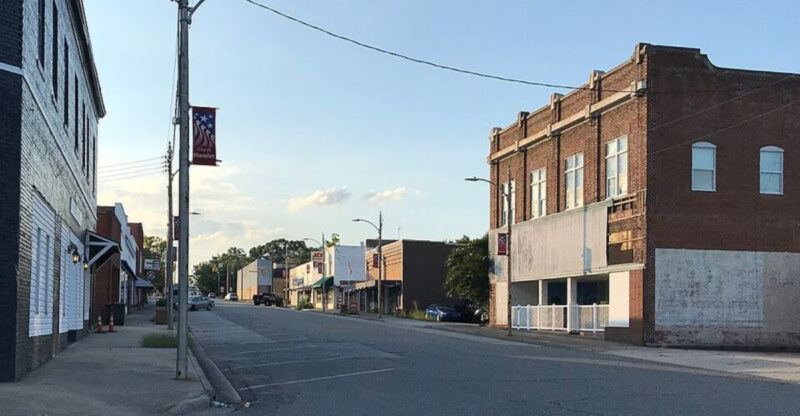
12 North Carolina Towns People Are Quietly Moving Away From
Numbers can shrink while a town’s personality stays stubbornly intact.
That is happening in several corners of North Carolina, where fewer residents now share places that still know how to keep an afternoon interesting.
The Census figures may point downward, but the streets tell a more complicated story.
A quieter downtown can mean less waiting, more breathing room, and the strange luxury of actually hearing yourself think.
None of that makes these communities frozen in time. It simply changes the pace.
For travelers, that slower rhythm can make local character much easier to notice.
These towns may be losing people on paper, but they have not misplaced their charm.
12. Roanoke Rapids
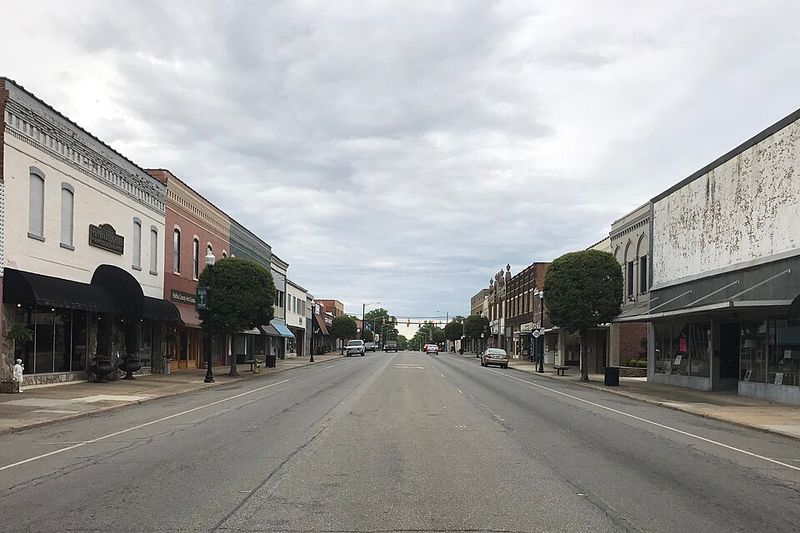
Down about 5.6 percent, from 15,237 residents to 14,386, Halifax County’s mill town has quietly thinned out. What it has not lost is its appetite.
Roanoke Avenue runs like a spine through the heart of things, lined with places that still cook from scratch.
Morning belongs to Oscar’s Restaurant, where country fried steak, thick pork chops, and pancakes arrive in a room styled after the 1950s.
By evening, Carini’s Italian Cafe at 948 Roanoke Ave. shifts from daytime coffee stop to candlelit bistro serving handmade pizza, pasta, and tiramisu.
Walk it off along the Roanoke Canal Museum and Trail, where the original tow path stretches more than seven miles between Roanoke Lake and Weldon.
Nearly two centuries of engineering history sit beside the water.
Back downtown, hand-painted murals by artist Napolean Hill brighten brick walls, turning an ordinary block into an open-air gallery worth slowing down for.
11. Ahoskie
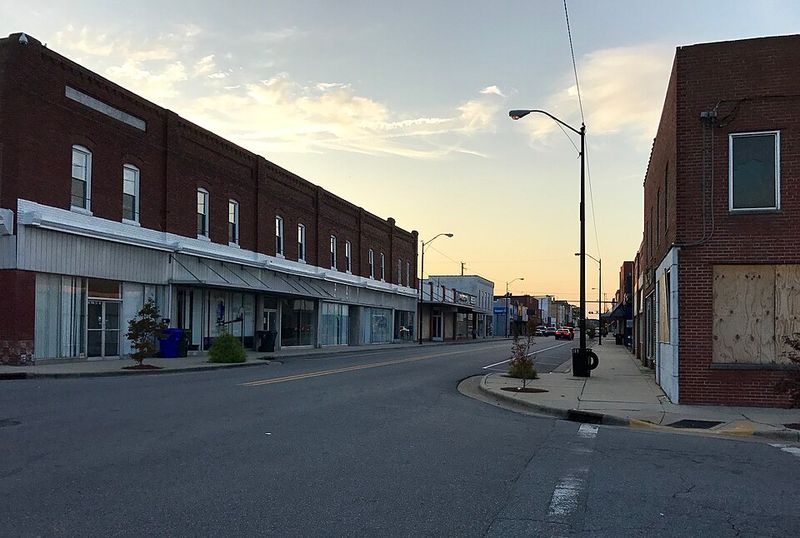
Picture a Saturday morning where the smell of jerk chicken drifts across a parking lot and a canoe waits under cypress trees an easy drive away.
That is Ahoskie, a northeastern town that slipped from 4,874 residents to 4,608, a decline near 5.5 percent.
Fried chicken and trout dinners keep the tables full at Golden Skillet, a longtime favorite for classic family meals.
You will find it at 706 S. Catherine Creek Rd. Otto BBQ & Grill serves barbecue and other grill favorites, while EZ YUMMY at 1438 E Memorial Dr currently highlights dishes such as BBQ wings, teriyaki beef and shrimp, and chicken lo mein.
The food truck scene punches above its weight.
Taste Jamaica Fi Real sets up at Tractor Supply on Saturdays with spicy jerk chicken, oxtails, and curry goat, and The Ole Man Gang serves ribs and its famous OMG Mac and Cheese at 123 Dr MLK Dr.
Nearby Merchants Millpond State Park offers paddling through tea-dark water, hiking, and bass fishing, at its prettiest in spring and fall.
The Gallery Theatre rounds things out with live performances and a working art gallery.
10. Rockingham
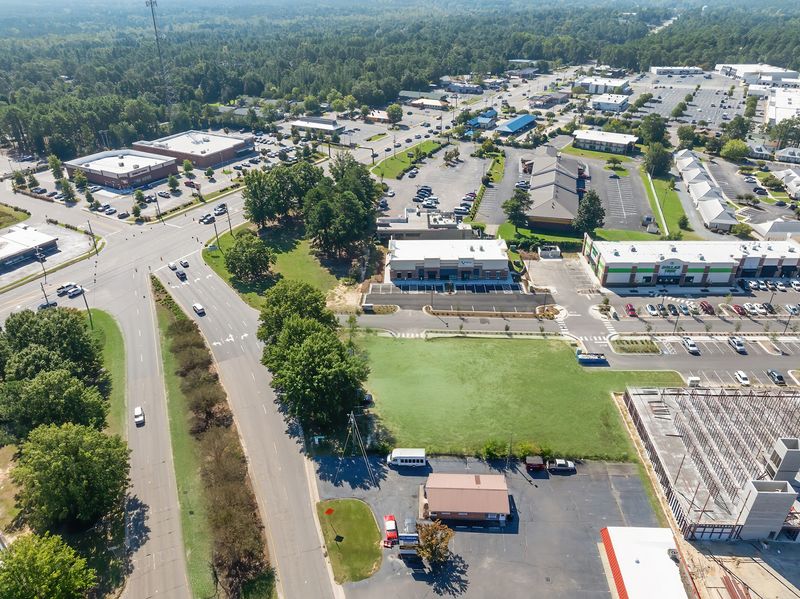
Engines once roared here, and the motorsports legacy still colors local pride.
Rockingham’s population has drifted from 9,246 to 8,815, a dip of roughly 4.7 percent, yet the town keeps handing visitors reasons to linger.
Hinson Lake anchors quiet mornings with a 1.6-mile walking loop, shaded picnic tables, and calm water for small boats and fishing lines.
Paddlers get the better prize.
The Hitchcock Creek Blue Trail runs 14 miles and was shaped specifically for kayaks, canoes, and stand-up paddleboards, carrying you past floodplain forest and the weathered remains of old mills.
Families with restless kids head to Discovery Place Kids, where hands-on exhibits mix science, art, and plenty of permission to touch things.
History fans should make the short trip to Hamlet Depot and Museums, housed in North Carolina’s only Victorian Queen Anne-style station and filled with railroad exhibits.
Dining runs broader than you might guess, with North American plates, Italian dishes, and Latin American cooking all within reach.
Evenings can end at Richmond Community Theatre, which has staged community productions since 1977.
9. Blowing Rock
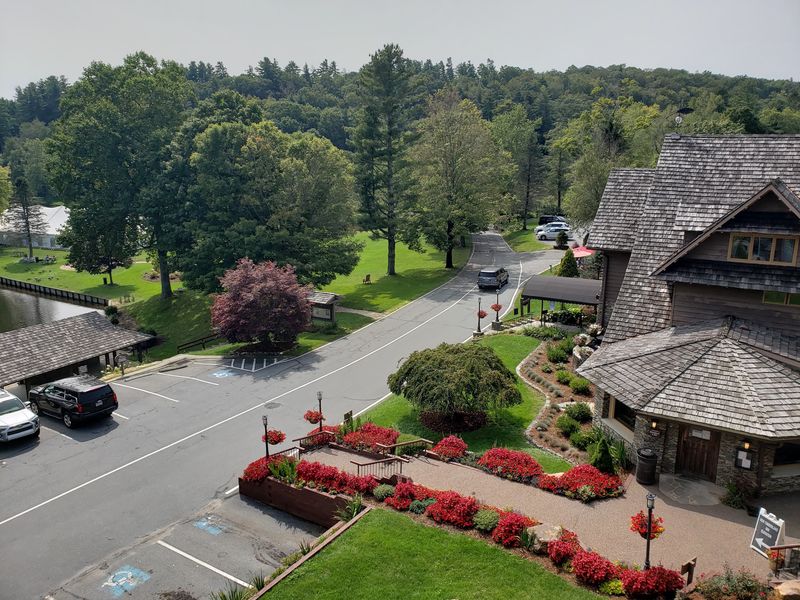
A village of barely 1,300 people sitting high in the Blue Ridge, Blowing Rock has trimmed from 1,374 residents to 1,324, about 3.6 percent.
Scarcity of residents has never meant scarcity of views.
Bistro Roca is operating in 2026 from a temporary home inside sister restaurant Hellbender Bed & Beverage at 239 Sunset Dr. while its Wonderland Trail location is rebuilt.
Just up the road, The Speckled Trout builds creative Appalachian plates in a snug, timber-warmed space.
The Blue Ridge Parkway threads past town, feeding into overlooks and family-paced hikes such as the gentle Bass Lake Trail.
Grandfather Mountain adds the Mile High Swinging Bridge and rugged summit paths, while Price Lake stays glassy enough for canoes and shoreline picnics.
The Restaurant at Gideon Ridge pairs refined cooking with sweeping ridgeline scenery.
Kids campaign hard for Tweetsie Railroad, the Wild West theme park with its coal-fired steam train.
The Blowing Rock Art and History Museum offers a cool, quiet counterpoint, tracing mountain culture through rotating exhibitions and regional artwork.
8. Marion
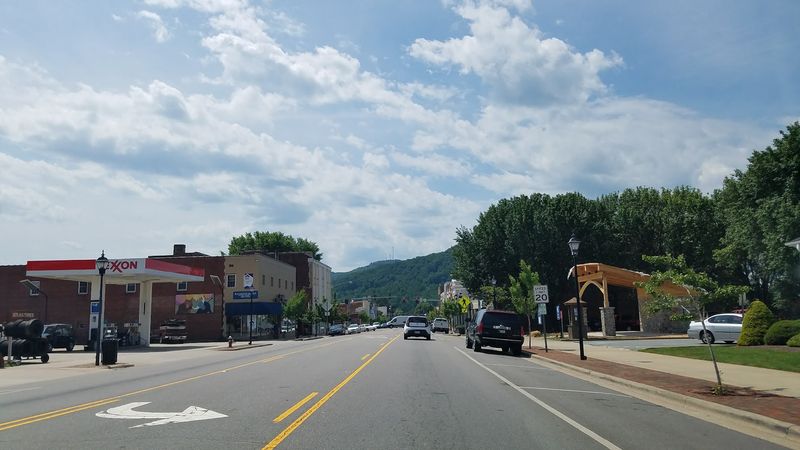
Foothill towns often get passed over on the way to somewhere taller, and Marion knows the feeling.
Its count fell from 7,681 to 7,440, close to 3.1 percent, while the mountains around it kept getting more popular.
Fine dining arrives in an unexpected package at the Blanton House Restaurant, set inside a restored Greek Revival mansion.
Executive Chef Jeremy Salig builds Southern comfort dishes with Caribbean accents, leaning on seasonal produce, and you will find the dining room at 239 S. Main St.
For something less formal, Hook and Anchor Steakhouse and Seafood Restaurant at 950 Rutherford Road has fed families for decades with steaks and fried platters.
Smoke lovers split their loyalty between Smokey Que’s slow-cooked meats and the generous barbecue trays at Countryside BBQ.
Outdoors, the Joseph McDowell Historic Catawba River Greenway offers a paved, easygoing path beside moving water, ideal for a stroll or an unhurried bike ride.
Lake James spreads out nearby for fishing and boating, and two giants sit within striking distance: Mount Mitchell, the highest peak east of the Mississippi, and Linville Gorge, often nicknamed the Grand Canyon of the region.
7. Williamston
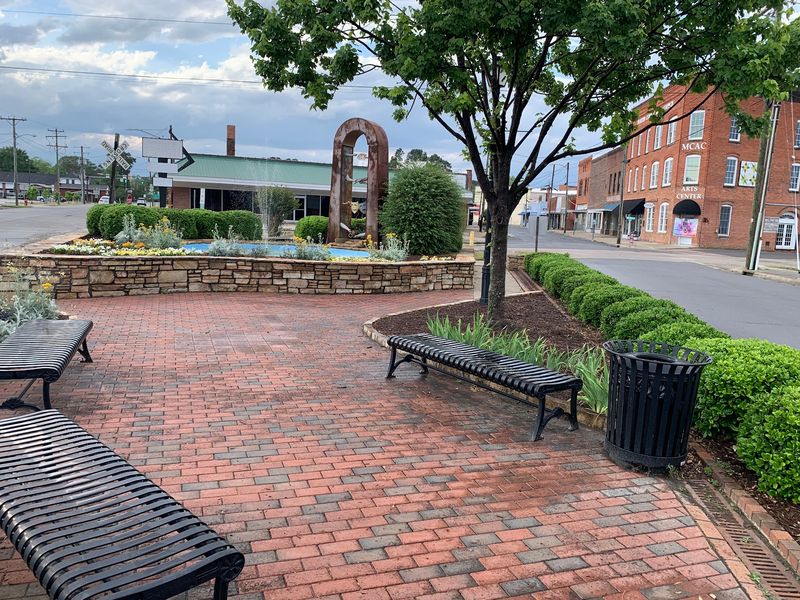
The town has eased from 5,243 residents to 5,086, a drop near 3 percent.
Shamrock Restaurant keeps the lunch rush lively with American classics and down-home Southern plates in big portions, and the door sits at 101 West Blvd.
Barbecue purists head to Shaw’s BBQ for chopped eastern-style pork, then veer into newer territory with pimento cheese and collard egg rolls.
The Roanoke River shapes daily life here, offering boating, paddling, riverside camping, and birdwatching under thick hardwood canopy.
Walking is easy on the Skewarkee Rail Trail, nearly a mile of paved path linking historic downtown to a river boardwalk and Moratoc Park, an 18-acre county space with an overlook and fishing pier.
Younger travelers gravitate toward Deadwood Theme Park, a Wild West setup complete with train rides, a mini amusement area, and a family restaurant.
Quiet streets and slow water make this a town built for lingering.
6. Laurinburg
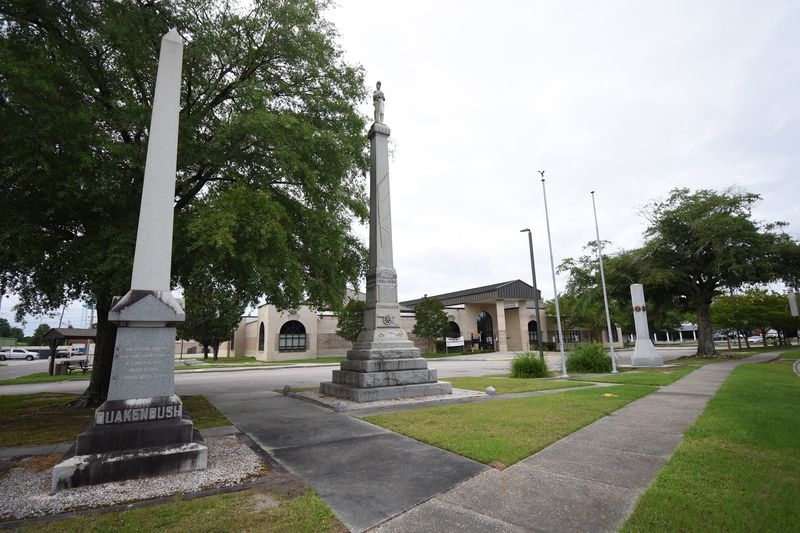
Scotland County’s seat wears its friendliness plainly, and the food map is more varied than a town of 14,582 usually manages.
Population here slid from 14,970, roughly 2.6 percent.
Comfort plates and an easy atmosphere define Railroad Bar and Grill, which sits at 102 S. Main Street in the older commercial district.
Tea Time Cafe at 110A East Church St. serves baked goods, coffee, boba tea, sandwiches, and acai bowls.
Azotea Cafe y Cocina at 215 S Main St. serves breakfast and lunch Tuesday through Sunday in downtown Laurinburg.
Between meals, the James L.
Morgan Recreation Complex, known around town as Dragon Park, spreads out fields and green space, while the North Carolina Rural Heritage Center explains the farming traditions that built this corner of the state.
5. Hamlet
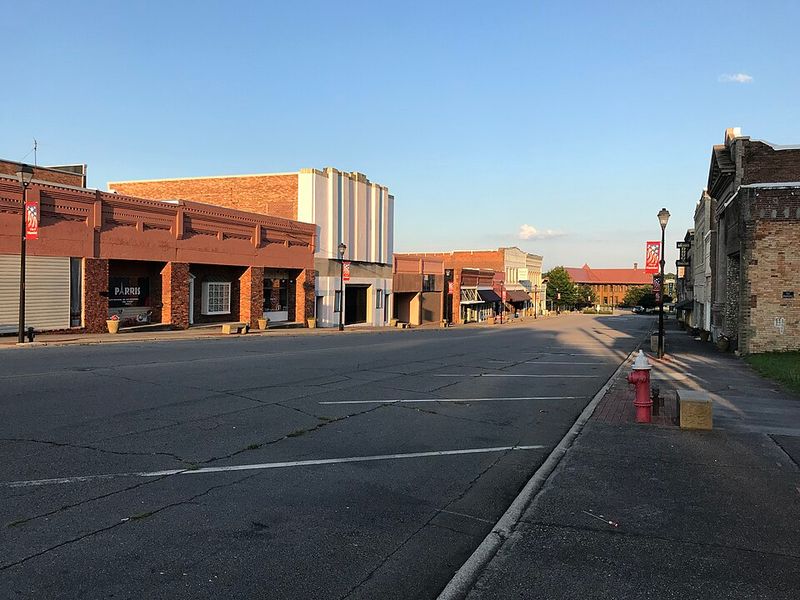
Few small towns can claim a depot as photogenic as Hamlet’s.
Built in 1900 in Queen Anne style, the station now anchors the Hamlet Depot and Museums, complete with interactive exhibits and an HO scale model layout recreating the town as it looked in the 1950s.
Residents number 5,870, down from 6,024, a decrease around 2.6 percent.
Fried chicken and a Southern buffet keep Seaboard Station Restaurant busy with regulars who treat it like a second kitchen, and the building stands at 12 Charlotte St.
DINE 82, at 38 W Main St., rewrites its menu daily inside a handsome dining room decorated with jazz memorabilia, giving dinner a soundtrack feel.
The Tornado Locomotive Building houses a full-size replica of the historic Tornado steam locomotive, along with other railroad-era displays.
Hamlet City Lake handles the outdoor side of a visit with walking trails, picnic shelters, fishing spots, and calm water suited to kayaks.
Trains still rumble through, and the sound feels less like noise and more like the town’s heartbeat keeping steady time.
4. Lumberton
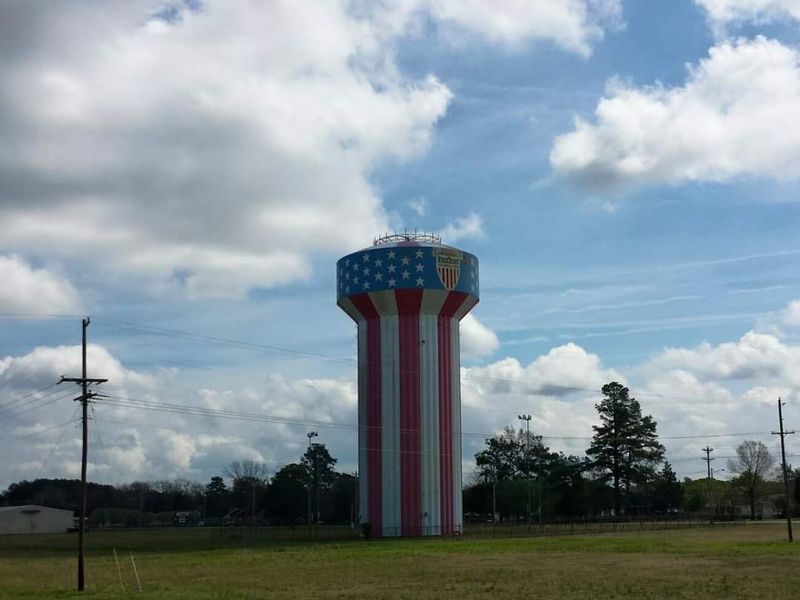
Tea-colored water winding under cypress trees gives Lumberton its distinct look.
The city’s population eased from 19,310 to 18,955, a decline of about 1.8 percent, and the riverfront has only grown more inviting.
Luther Britt Park stretches across 142 acres with a scenic lake, an 18-hole disc golf course, playgrounds, and the StoryWalk Interactive Trail that turns a walk into a read-aloud.
The park entrance is at 671 Branch St.
Linking it to the historic center, the Downtown Riverwalk runs 3.2 miles beside the Lumber River, passing murals, art spaces, and long open views of moving water.
Serious paddlers continue to Lumber River State Park, gliding beneath towering trees on a waterway stained dark by tannins.
Culture has a home in the Carolina Civic Center Historic Theater, a 1928 vaudeville house restored for films, concerts, and stage productions.
Dining leans local and unpretentious, with kitchens turning out Southern plates that mirror the region’s farming roots rather than chasing trends.
Morning light on the river, a quiet trail, and a plate of something fried and familiar make for a satisfying day here.
3. Washington
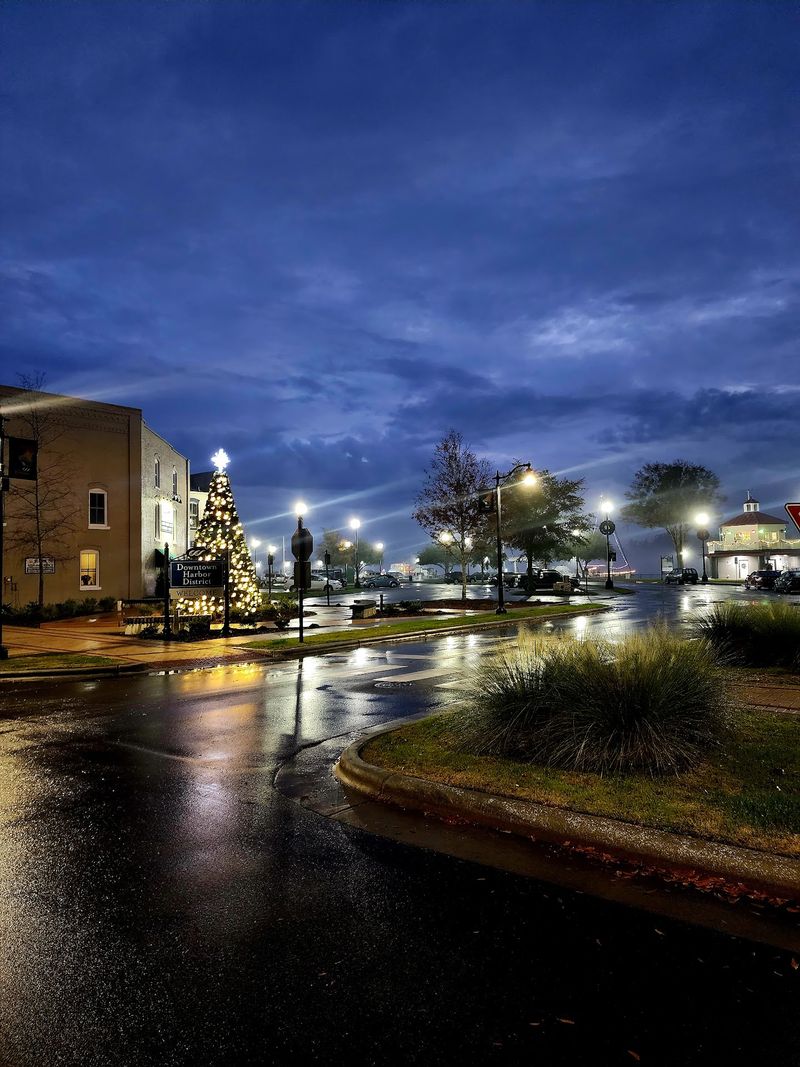
Locals call it Little Washington, and the nickname fits a waterfront city of 9,910, down from 10,057, a dip of roughly 1.5 percent.
The Pamlico River does the heavy lifting on scenery.
Fine dining reached a new level when The Hackney Restaurant opened inside a restored 1922 bank building.
Chef Jamie’s shrimp and grits headline a menu built on nearby farms and waters, and the entrance is at 192 W Main St Suite A.
Blu Farm to Table occupies another lovingly revived historic structure, pairing city views with a globally inspired menu drawn from eastern fields and sounds.
The Mulberry House, at 189 W Main St., blends relaxed coastal ease with careful cooking meant to be savored slowly.
Waterfront casual belongs to Backwater Jacks, where burgers and fresh seafood come with a view of passing boats.
Science gets its due at the North Carolina Estuarium, the first facility of its kind anywhere, with interactive displays about coastal rivers and a large crab sculpture guarding the entrance.
Fossil hunters make the short trip to the Aurora Fossil Museum to sift spoil piles for prehistoric shark teeth.
2. Asheville
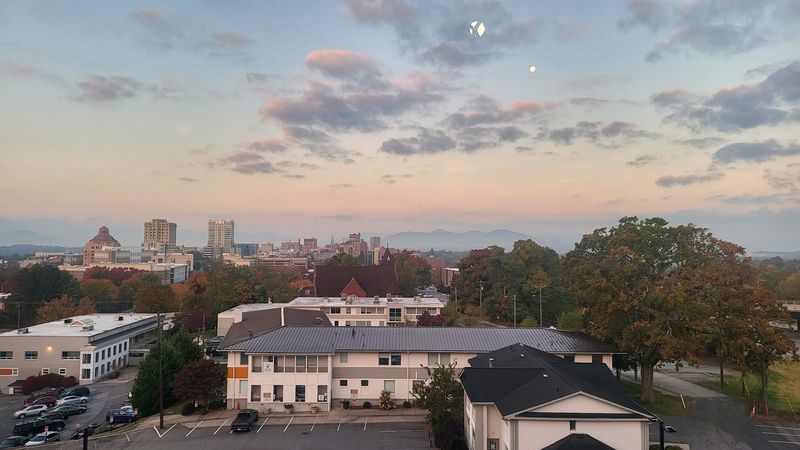
Surprised to see a mountain favorite on this list?
Asheville’s headcount slipped from 94,738 to 93,523, about 1.3 percent, even as its kitchens kept earning national attention.
Indian street food gets a joyful treatment at Chai Pani, where the okra fries are impossible to stop eating.
Neng Jr.’s counters with an intimate Filipino menu, and the S and W Market, the city’s first food hall, gathers affordable options around an outdoor patio.
Pastry lovers should find Old Europe Pastries, the longest-running cafe in town, stacked with macarons, napoleons, and eclairs under glass.
Slow mornings suit Liberty House Cafe in a quiet neighborhood north of downtown, with fresh-baked pastries and seasonal lattes, while High Five Coffee looks out toward the French Broad River.
Sunny Point Cafe in West Asheville builds comfort dishes around produce from its own garden beds.
Outside the city, the Blue Ridge Parkway opens onto waterfalls, overlooks, and family-friendly trails.
Craggy Gardens bursts with rhododendron blooms in early summer, and Chimney Rock State Park offers rock-framed views that stretch for miles.
Fewer neighbors, same mountain magic.
1. Kinston
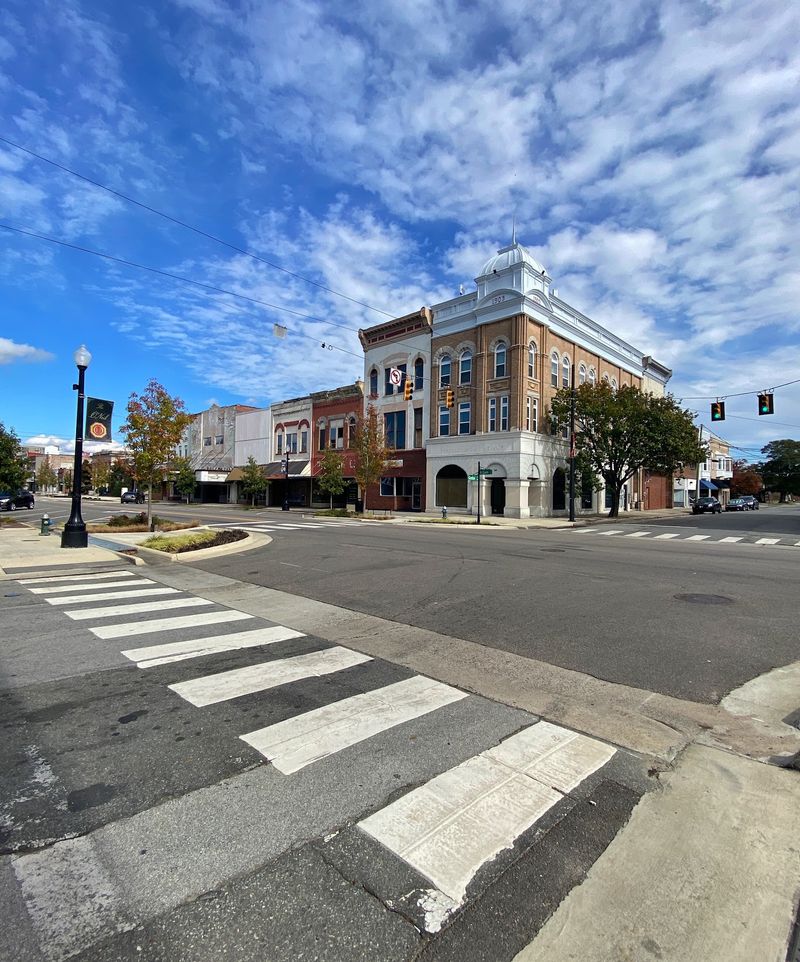
Barely a blip on the population chart, Kinston dropped from 19,808 to 19,705, only about 0.5 percent, yet this eastern city carries a food reputation far larger than its size.
Chef and the Farmer, led by Chef Vivian Howard, changes its menu constantly to follow whatever the surrounding farms are harvesting.
Since 1941, Lovick’s Cafe has fed the neighborhood its unusual Doughburger, an affordable classic that refuses to change.
In summer, families cool off at Lions Water Adventure with a 32-foot slide tower, three water slides, a 550-foot lazy river, and a 5,000-square-foot kiddie pool.
Neuseway Nature Park adds a science museum and the Ellis Planetarium, and Pearson Park hides a 14-foot Loch Neuse Dragon playground that kids climb without hesitation.