11 North Carolina Towns That Look Very Different Than They Did 20 Years Ago
Twenty years can do strange things to a main street.
The coffee shop you remember may be gone, the empty lot may have grown apartments, and somehow the old brick building is still refusing to budge.
That mix of familiar and brand-new is playing out in towns all over North Carolina.
Return after a long absence and the first reaction may be, “Wait, was this always here?”
Growth has changed skylines, routines, and even where people spend Saturday afternoon.
Still, pieces of the old personality keep peeking through. The fun is spotting what survived.
These towns did not simply get bigger.
They learned a few new tricks.
11. Wendell
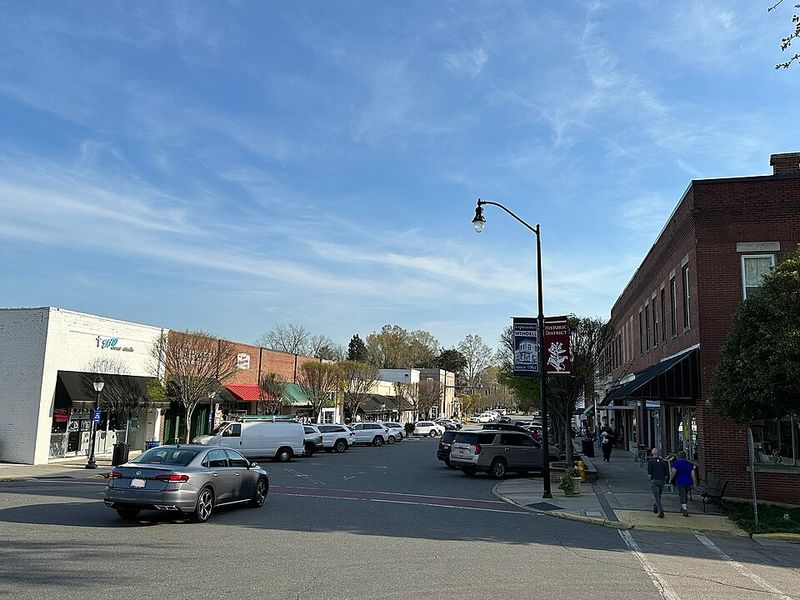
Fresh rooftops now spread across land that once gave this eastern Wake County community a much quieter outline.
Over the past two decades, large residential projects, including Wendell Falls, have brought new streets, gathering spaces, and daily shopping needs to the area.
Downtown Wendell offers a useful contrast, with older storefronts and a street pattern that still invites a slow walk.
The change is easiest to understand when you compare the historic center with the newer neighborhoods beyond it.
Rather than treating growth as one single story, notice how housing, traffic, and places to meet have developed together.
For a relaxed visit, pair browsing downtown shops with lunch at a local restaurant, then leave time for Wendell Park. Its recreation areas and trails offer a different pace from the construction and busy roads elsewhere.
Comfortable shoes help, but a car remains useful for moving between the old center and newer development.
Check restaurant hours before setting out, especially on quieter weekdays, and let the contrast between familiar brick buildings and fresh construction guide your afternoon rather than rushing through every stop.
Start around Main Street, with 15 E Fourth St serving as a convenient reference point for your walk.
10. Leland
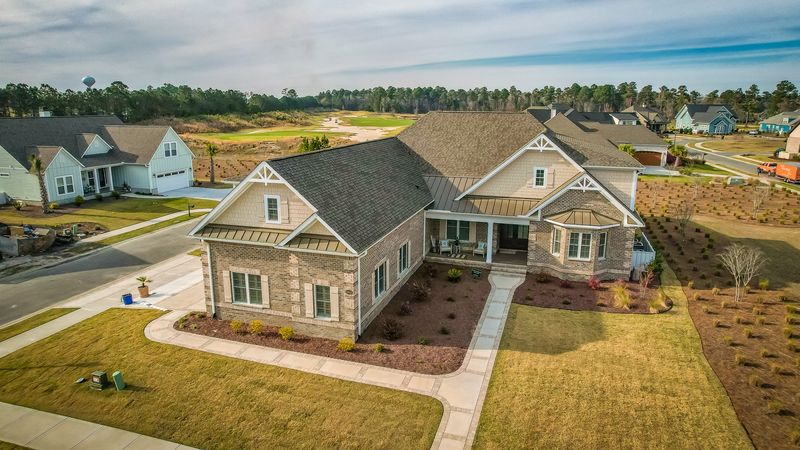
Crossing the Cape Fear River from Wilmington brings you into a landscape increasingly shaped by new homes, shopping centers, and busy intersections.
What was once a smaller community has become a major suburban destination, with its population rising from 13,527 in 2010 to 22,908 in 2020. Give Leland more than a quick drive through its commercial corridors, because its public spaces reveal another side of that expansion.
A useful civic reference for planning your route is 102 Town Hall Dr.
Founders Park belongs on your checklist, with its renovated playground, splash pad, walking paths, and new amphitheater now open.
Nearby Belville offers the Brunswick Riverwalk, a separate destination where river views and walking paths provide a welcome break from traffic.
Lunch can be simple and satisfying: a grilled burger, crisp fries, or a sandwich before an afternoon outdoors.
Choose a restaurant near your next stop rather than crossing several busy roads just to follow a crowded itinerary.
The biggest visual change lies in the distance between destinations, not just the buildings themselves.
Allow extra driving time, particularly around commuter hours, and remember that a waterfront outing nearby complements Leland without being inside its town limits, a distinction worth keeping clear when planning.
9. Kannapolis
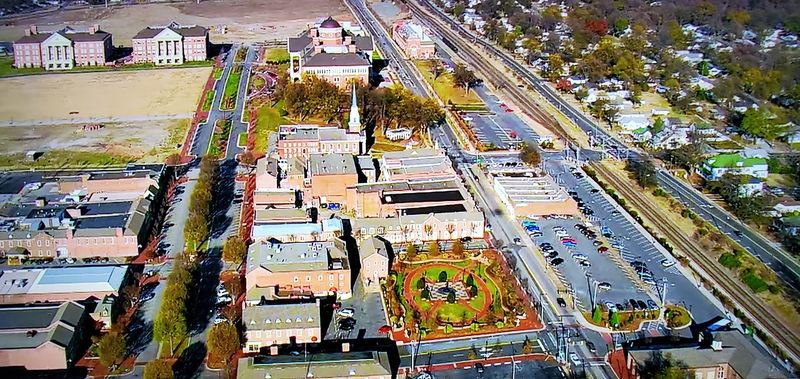
A baseball park now anchors streets that tell a much larger story about rebuilding a former textile center.
After the closure of Cannon Mills’ successor operation in 2003, the community faced a major change, followed by years of redevelopment.
Today’s Kannapolis pairs its research campus with a downtown designed for strolling, dining, and gathering before a game.
For a central civic map reference, use 401 Laureate Way.
Atrium Health Ballpark opened in 2020, bringing a striking new landmark to the center.
Around it, apartments, restaurant spaces, and refreshed sidewalks make the district feel very different from its appearance twenty years earlier. Among North Carolina towns, this makeover stands out because visitors can see several layers of change within a short walk.
Older buildings remain part of the experience, including the historic Gem Theatre, while newer construction adds homes and activity beside them.
Plan lunch before exploring West Avenue, where dining choices let you build a visit around something more relaxed than a packed schedule.
On game days, check parking guidance and opening times ahead of arrival.
If baseball is not your priority, choose another afternoon and focus on architecture, public spaces, and the contrast between the town’s industrial past and its present streets.
8. Waxhaw
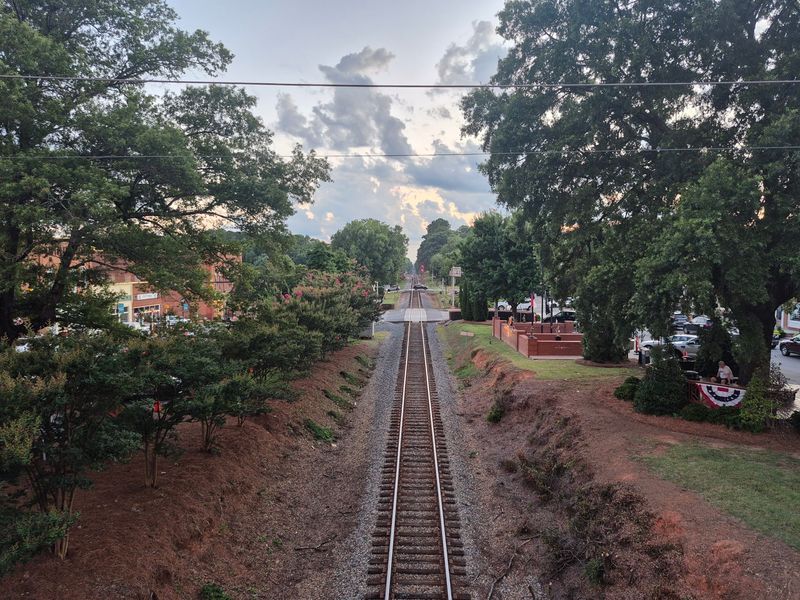
The railroad still gives the old downtown its unmistakable shape, even as subdivisions spread well beyond the center.
Population growth since 2000 has changed the surrounding landscape, but the familiar storefronts and pedestrian bridge keep the town’s history visible.
Spend part of your Waxhaw visit around the central shopping streets, then compare that compact setting with the newer development outside them.
From the downtown bridge, the tracks provide a clear view of how transportation helped shape the community.
Stay on designated walkways, supervise children closely, and enjoy the scene without approaching the rails. A meal here works best as part of an unhurried outing rather than a stop squeezed between errands.
Look for a downtown restaurant serving sandwiches, salads, or a warm lunch, then browse nearby shops while the afternoon unfolds.
David G. Barnes Children’s Park offers another family stop close to the historic district.
Before promising a particular activity, check current park information and allow for weather.
What makes the transformation interesting is the tension between scale and character: much more housing surrounds a center still built for slower exploration.
Visit outside peak commuting periods if you want easier driving between downtown and outlying destinations.
7. Apex
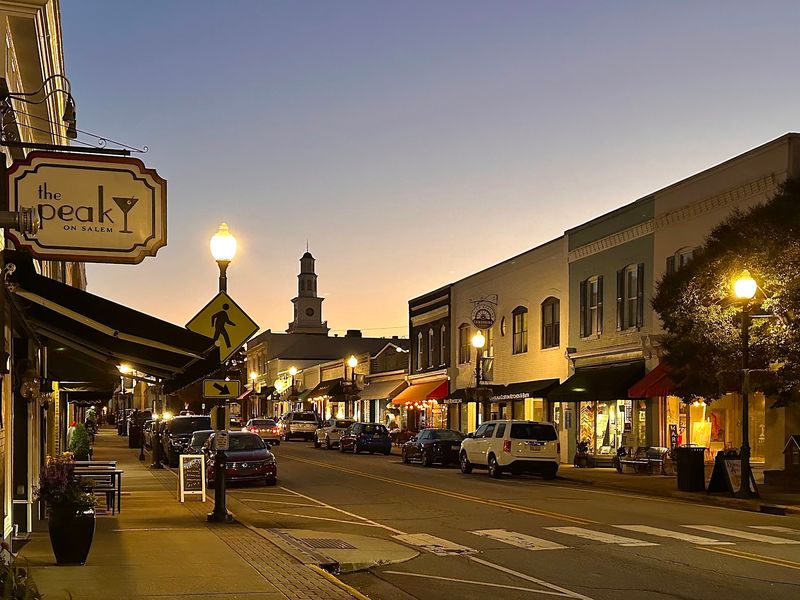
Salem Street still rewards anyone who likes a downtown with readable details: brickwork, shop windows, and buildings that invite a closer look.
Beyond that historic corridor, rapid Triangle growth has added neighborhoods, businesses, and roads on a very different scale. For Apex, the contrast is not a vanished downtown but a familiar center surrounded by a much larger community.
The town had fewer than 40,000 residents in 2010, and its subsequent expansion helps explain the busier approaches you see today.
Housing growth is especially noticeable once you leave the older blocks and head toward newer residential areas.
Build your visit around a short downtown walk, followed by a bakery stop or lunch.
A flaky pastry, warm coffee, or an Indian meal elsewhere in town can turn a simple sightseeing trip into an easy food outing. Do not assume every dining destination sits along Salem Street; confirm the address before parking.
That small step prevents an unnecessary drive when you would rather be browsing storefronts.
For the clearest sense of change, compare the historic buildings with development on the journey in.
The older center remains a useful anchor, even when surrounding traffic feels distinctly suburban.
6. Holly Springs
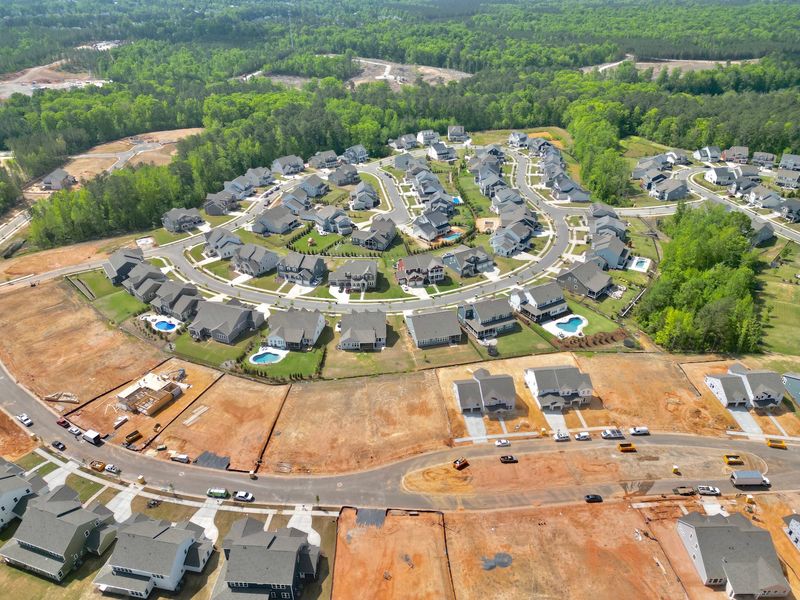
A weekend morning can reveal more than a drive past new housing: market stalls, families heading outdoors, and a downtown with growing reasons to linger.
Over twenty years, expanding neighborhoods and employment sites have changed both the town’s appearance and its daily rhythm.
Holly Springs had fewer than 25,000 residents in 2010, before another strong period of growth.
Its farmers market offers a useful way to connect with the area through seasonal produce and prepared foods.
Check the current schedule before arriving, since dates, vendors, and available ingredients can change throughout the year.
For a different angle, look at the Holly Springs Cultural Center’s calendar for performances and exhibits. Cultural spaces help explain why this is more than a collection of new subdivisions.
Food can shape the day without taking over it: consider Thai dishes, sushi, or a lighter lunch before heading to a park.
Bass Lake Park supplies trails and water views that soften the impression of busy roads and construction.
Keep travel between stops realistic, especially during rush hour.
The strongest impression comes from seeing older buildings, public recreation, and newer business areas together, rather than judging the town from one intersection.
5. Wake Forest
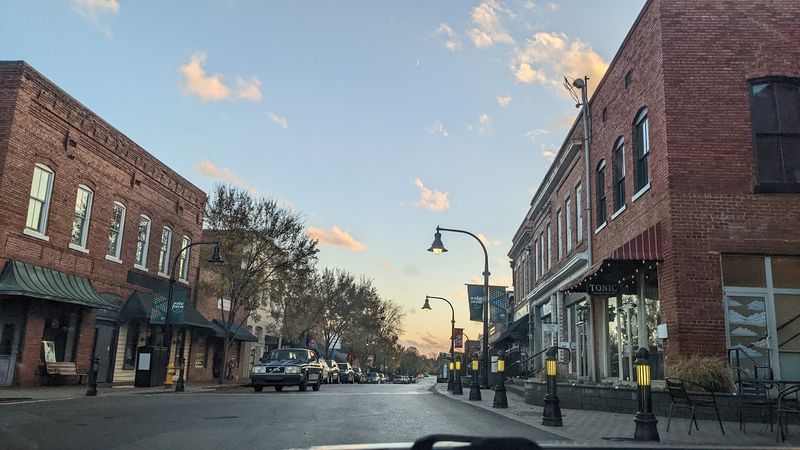
Older brick storefronts give the center a steady sense of place, while the roads leading toward it tell a story of expansion.
New neighborhoods and commercial areas now extend far beyond the compact core that once defined most visitors’ impressions.
Wake Forest remains rewarding on foot once you reach its downtown streets, particularly around South White Street. The town’s college history adds an unusual layer: Wake Forest College moved to Winston-Salem in 1956, but the original campus remains part of the local landscape.
That history predates recent growth and helps distinguish the community from neighboring suburbs.
Allow time for a bakery counter, a sandwich lunch, or browsing independent shops rather than making the visit only about architecture.
Food stops provide natural pauses between the older buildings and public spaces.
At E. Carroll Joyner Park, open lawns, trails, and preserved farm buildings offer a broader view of local heritage.
Bring water on warm days and check park guidance before planning a picnic.
A drive between downtown and the surrounding shopping corridors makes the twenty-year contrast especially clear.
Keep the walkable core and car-oriented outskirts as separate parts of your itinerary, with enough time to enjoy both.
4. Fuquay-Varina
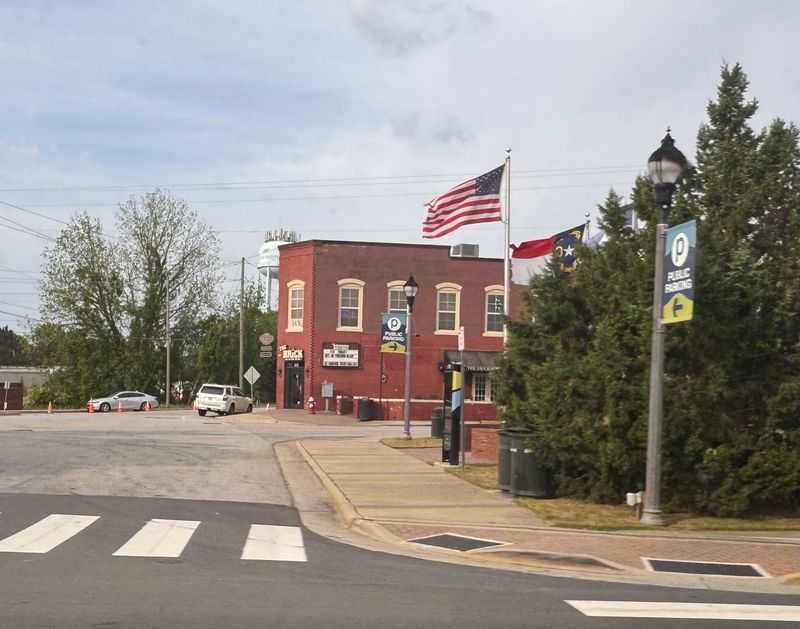
Two downtown districts give this growing community a character that a single main street could never quite capture.
The Fuquay and Varina centers reflect separate roots, while newer neighborhoods now surround them within a much larger suburban landscape.
Fuquay-Varina’s population rose from 17,937 in 2010 to 34,152 in 2020, alongside substantial housing and commercial development.
Explore each downtown as its own stop rather than expecting every shop and restaurant to sit on one continuous block. Check the route between them, and decide whether walking suits your group’s energy and the day’s weather.
Lunch might mean pizza with a crisp crust, a plate of barbecue, or a sandwich followed by something sweet.
Confirm current menus instead of building the entire visit around a dish that may have changed.
Fuquay Mineral Spring Park provides a connection to the spring that helped draw visitors long before modern subdivisions arrived.
Its historical role gives the town’s growth story a starting point beyond recent construction. The most useful comparison is between those older gathering places and the newer roads on the way in.
Leave room for both downtowns, because skipping one misses a defining feature of the town’s identity and makes its history harder to understand.
3. Clayton
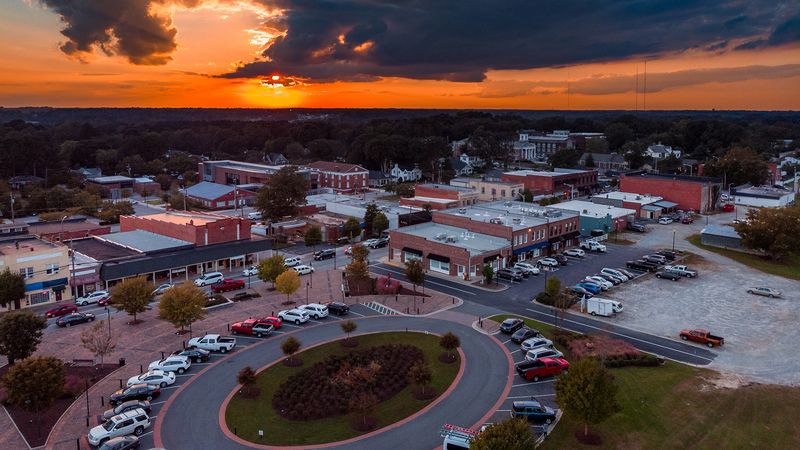
Commuter traffic gives one clue to the change, but the downtown offers a more enjoyable way to understand it.
Since 2000, housing growth and expanding employment have helped turn a smaller Johnston County community into a busier Raleigh-area destination.
Clayton combines that growth with older streets where restaurants, shops, and cultural spaces encourage visitors to stay awhile. Within North Carolina, its story shows how a commuter town can also develop reasons for a day trip.
The Clayton Center brings performances into historic school buildings, linking present activity with an earlier chapter of community life.
Choose lunch downtown, where options include Southern-inspired cooking and casual meals, then leave time to browse nearby businesses.
A rooftop dining setting at Manning’s offers a different view, though availability and weather should guide your plans.
For outdoor time, the Clayton River Walk on the Neuse follows the river along a paved greenway.
Bring water, check access information, and choose a comfortable distance rather than trying to cover every mile. The shift feels clearest when you pair the historic center with the expanding residential areas beyond it.
Together, they explain a town growing outward while giving travelers reasons to pause downtown.
2. Huntersville
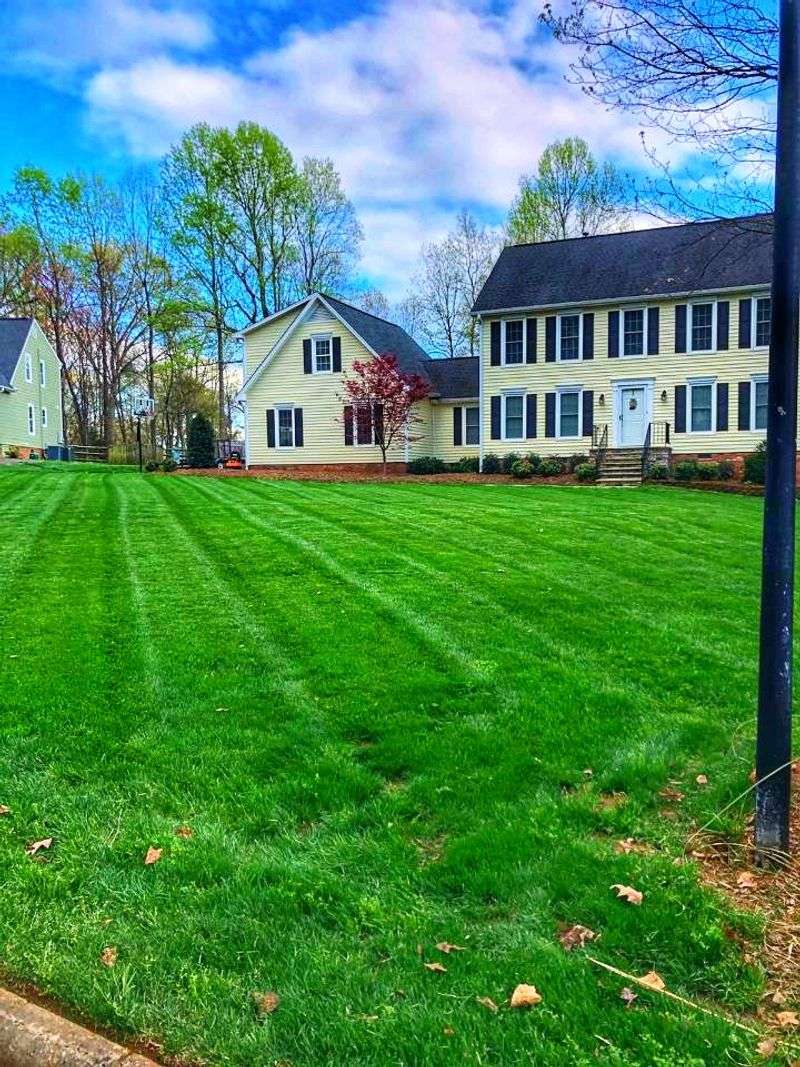
Shopping streets, lake-bound traffic, and broad residential areas now shape the first impression of a town with a much older center.
Growth around Lake Norman has expanded the landscape far beyond the original downtown, creating several distinct places to spend a day.
Huntersville works best when you choose one area at a time instead of treating everything as a single walkable destination. Discovery Place Kids gives families a clear reason to begin near the historic center.
Check tickets, hours, and age suitability before visiting, then plan a nearby meal so the day does not become a series of long drives.
Birkdale Village offers another version of the town, with shops, restaurants, and homes arranged around pedestrian-friendly streets.
It opened in 2003, so its recent changes reflect an established development evolving rather than a district appearing entirely within the last twenty years.
A bakery snack or casual lunch fits naturally between browsing stops.
Comfortable seating and a manageable route matter more than squeezing every shopping area into one afternoon. Allow extra time near major roads, especially around commuting periods.
The transformation becomes clear through the contrast between the older civic center and the larger residential and retail districts surrounding it.
1. Mooresville
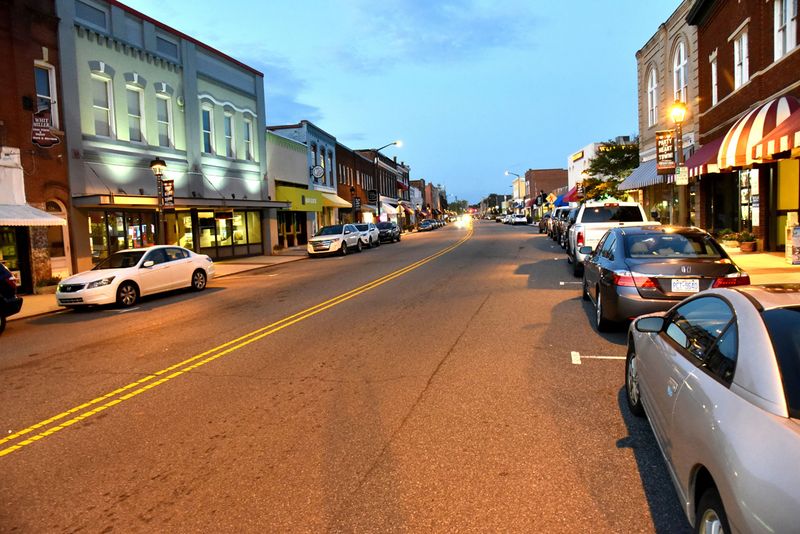
Lake access and motorsports helped push this community well beyond the boundaries suggested by its traditional Main Street.
Over the past two decades, residential development, commercial areas, and employment growth have made the wider landscape feel much more suburban.
Mooresville still rewards a downtown visit, where older storefronts offer a calmer counterpoint to the busier roads outside the center.
D.E. Turner Hardware is a longstanding downtown business that connects present shopping with the town’s earlier everyday life.
Independent book browsing and a meal nearby can fill an afternoon without a complicated schedule.
For lunch, consider a burger with browned edges and simple toppings, or choose a restaurant where you can settle in longer.
Check current menus and hours, since new openings and changing businesses are part of the growth story. Lake Norman adds another dimension, but waterfront destinations are spread across several communities.
Lake Norman State Park is near Troutman, not downtown, so treat it as a separate outing rather than a quick walk from Main Street.
Visitors interested in racing history can also plan a museum stop after confirming access. The clearest picture comes from combining the historic center with the wider lake and employment corridors.