10 North Carolina Waterfalls That Will Leave You Completely Amazed
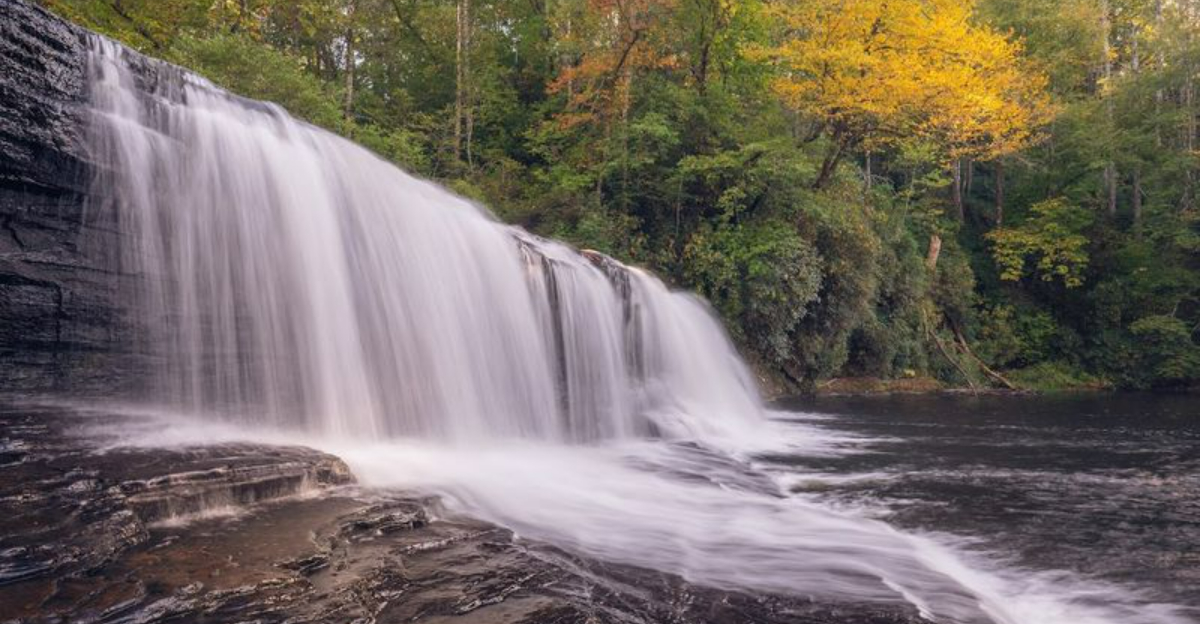
Most people think they know what a waterfall looks like until they actually stand in front of one that takes their breath away.
North Carolina has some of the most jaw-dropping cascades in the eastern United States, and many visitors never expect the power and beauty waiting in these mountains. Some drop hundreds of feet, while others form gentle curtains of water you can actually walk behind.
The variety across the state is remarkable. A few tumble through ancient gorges carved over millions of years, while others spill across broad rock faces surrounded by old-growth forest.
A few sit right off the road, easy for families with young kids. I have visited many of these waterfalls over the years, and no two experiences ever felt the same.
You might end up planning more than one trip after reading this list.
1. Whitewater Falls, Near Cashiers
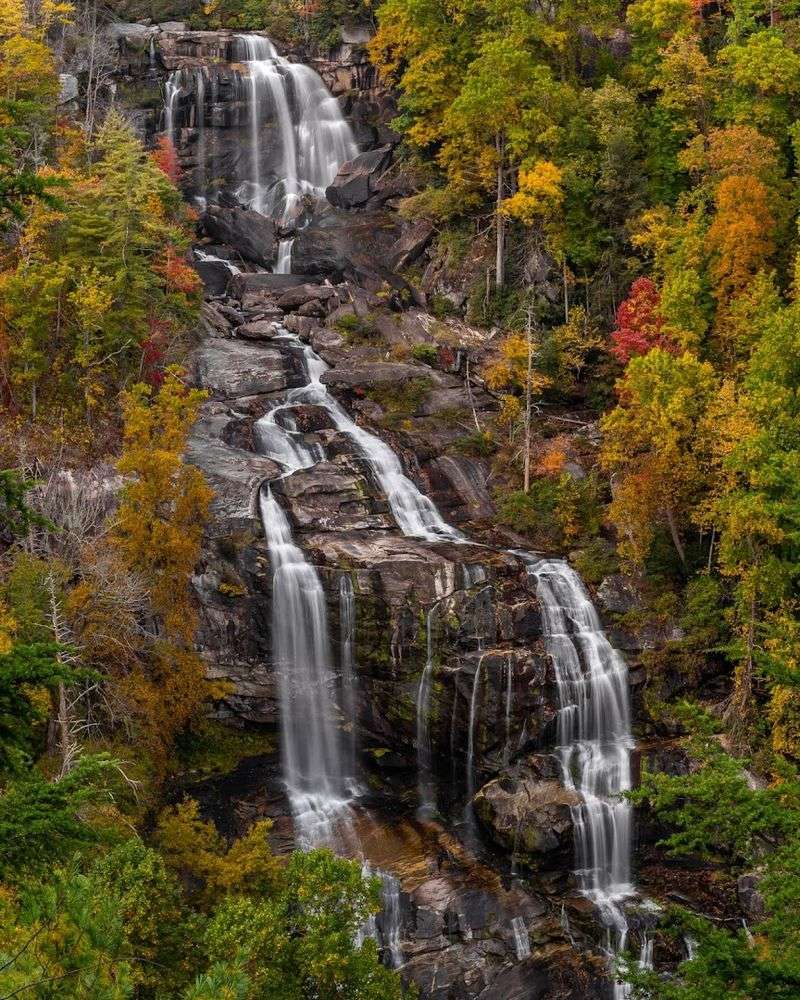
There are waterfalls, and then there is Whitewater Falls. At 411 feet, one of the tallest east of the Rocky Mountains, it has a way of putting everything else into perspective the moment you step up to the overlook.
The sound reaches you first, a low, steady roar rising up from the gorge, and by the time the view opens up, you’re already speechless. Nestled near Cashiers in the heart of Nantahala National Forest, this is one of those rare places that earns every word ever written about it.
The main overlook is a short walk from the parking area, making it accessible for most visitors. If you want a closer view, a longer trail descends toward the base, but be aware the terrain gets steep and rocky.
Proper footwear makes a real difference here.
What makes Whitewater Falls stand out is how wild it feels even on a busy weekend. The sheer volume of water crashing down the granite face creates a mist that cools the air around you.
North Carolina has many impressive cascades, but this one consistently leaves people speechless. Try visiting after periods of heavy rain, when the water flow is often at its most impressive.
Photography is incredible from the upper platform, especially in the golden hour before sunset.
2. Linville Falls, Linville Gorge
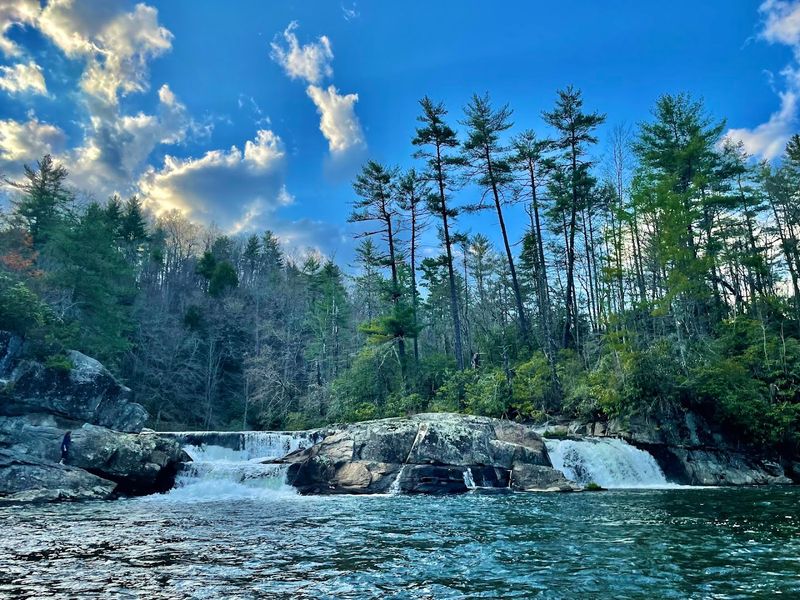
There are places in North Carolina that simply feel older than everything around them, and Linville Gorge is one of them.
The falls descend in two stages through one of the deepest gorges in the eastern United States, with overlooks that stop you mid-step and remind you why you came. Come ready to linger, this is not a quick stop, and the people who treat it like one always leave having missed the point.
The trail system here offers several different perspectives of the falls. The Erwin’s View trail gives you a panoramic look at both tiers and the gorge below.
Another path leads closer to the upper cascade, where you can feel the spray and hear the roar up close.
Linville Falls sits along the Blue Ridge Parkway near the town of Linville, making it convenient to combine with a scenic drive. The surrounding forest is thick with old hemlocks, ferns, and wildflowers depending on the season.
Fall is especially magical here when the foliage turns and frames the white water in shades of red and orange. Bring water, wear sturdy shoes, and plan at least two hours to do the experience justice.
This one is absolutely worth the effort. Access conditions along the Blue Ridge Parkway can change throughout the year, so it is always a good idea to check the latest road and trail updates before visiting.
3. Looking Glass Falls, Pisgah National Forest
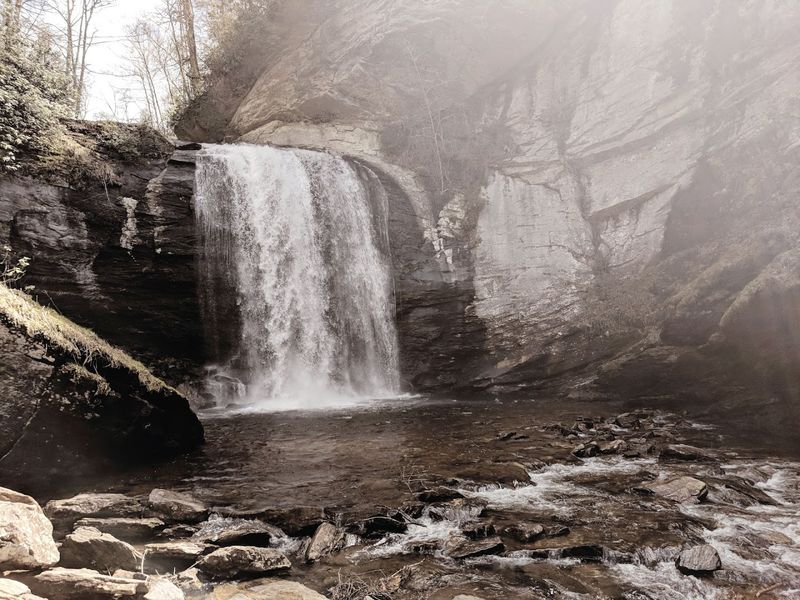
Some waterfalls demand a long hike. Looking Glass Falls in Pisgah National Forest is not one of them, and that is exactly what makes it special for so many people.
You can pull off the road, walk down a short set of stone steps, and find yourself standing in front of a breathtaking 60-foot curtain of water within minutes.
The waterfall pours over a wide, curved rock face and drops into a clear, inviting pool at the bottom. On warm days, visitors sometimes wade in the water near the edges, though the current near the base of the falls can be stronger than it appears.
Located directly along US-276 near Brevard, this is one of the most photographed waterfalls in all of North Carolina. The curved rock gives it an almost theatrical shape that photographs beautifully in any season.
Winter visits reveal a completely different scene when ice forms along the edges. Parking can fill up fast on weekends, so arriving early is a smart move.
This waterfall proves that accessibility and beauty are not mutually exclusive.
4. Dry Falls, Highlands
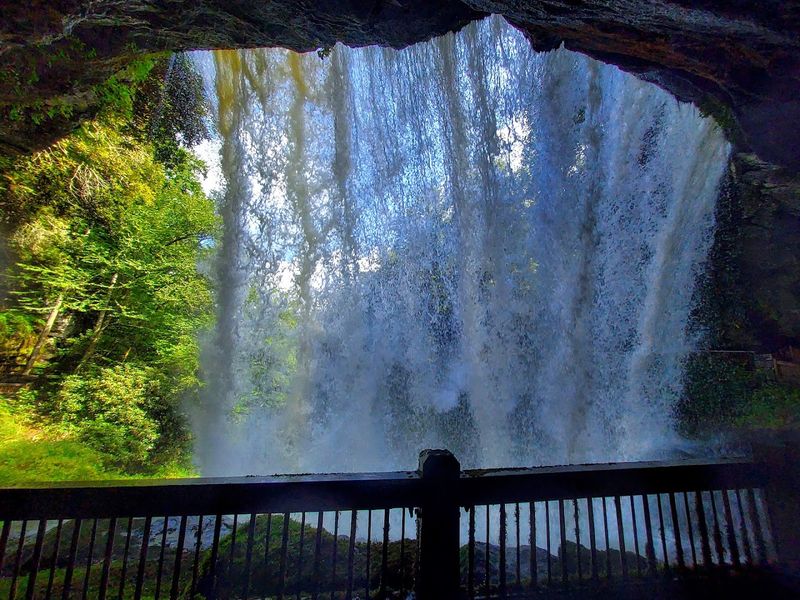
The name sounds like a contradiction, but Dry Falls near Highlands is anything but dry. What makes this waterfall genuinely unique is that you can walk behind the entire cascade on a paved path while staying surprisingly dry.
The rock overhang creates a natural shelter that keeps most of the spray away from visitors.
Standing behind the falls and looking out through the curtain of water is one of those experiences that feels almost surreal. The sound is amplified inside the rocky alcove, and the light filtering through the water creates a soft, shifting glow.
Kids absolutely love this spot for obvious reasons.
Dry Falls sits along US-64 between Highlands and Franklin, making it easy to reach by car. The walk from the parking area to the falls is short and paved, which is great for visitors with limited mobility.
At 75 feet tall, the waterfall is impressive in height, but the behind-the-falls experience is what truly sets it apart. Plan to spend at least 30 minutes here soaking in the atmosphere.
North Carolina does not have another waterfall experience quite like this one anywhere else in the state.
5. Triple Falls, DuPont State Forest
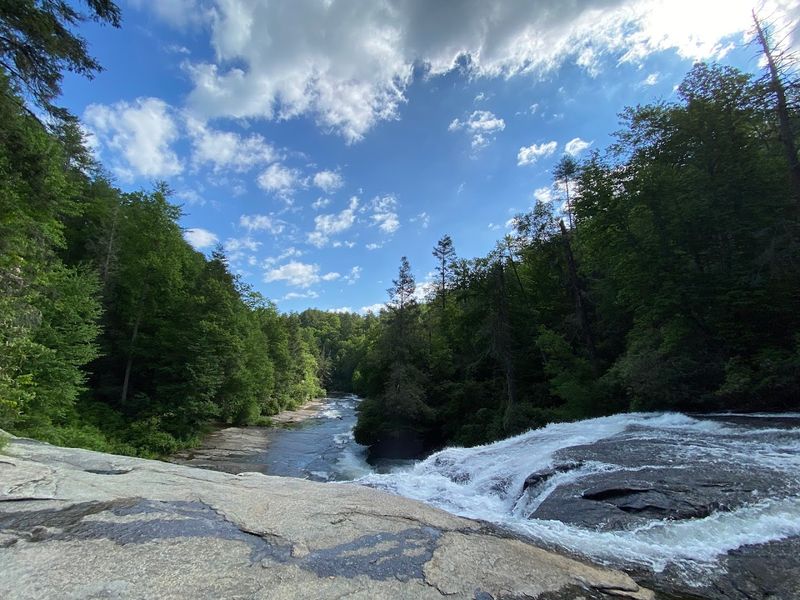
There are waterfalls worth seeing, and then there are waterfalls worth staying for. Triple Falls in DuPont State Forest belongs to the second category, three cascades descending one after another across broad, flat rock shelves that look almost too perfectly arranged to be natural.
Some things simply have to be seen in person, and this is one of them.
Triple Falls gained wider recognition after appearing in the Hunger Games films, which were partly shot in DuPont. That Hollywood connection brought more visitors, but the forest is large enough that it rarely feels overcrowded.
The trail to the falls is a moderate walk through the forest and is manageable for most hikers.
DuPont State Forest near Brevard is a playground for outdoor lovers, with over 80 miles of trails connecting multiple waterfalls. Triple Falls is one of the crown jewels of the system.
The flat rocks along the river make ideal spots to sit, eat lunch, and just listen to the water move. Fall colors reflect beautifully off the cascades between October and early November.
North Carolina outdoor enthusiasts consistently rank this among the top waterfall hikes in the region for good reason. Bring a picnic and make a full day of it.
6. High Falls, DuPont State Forest
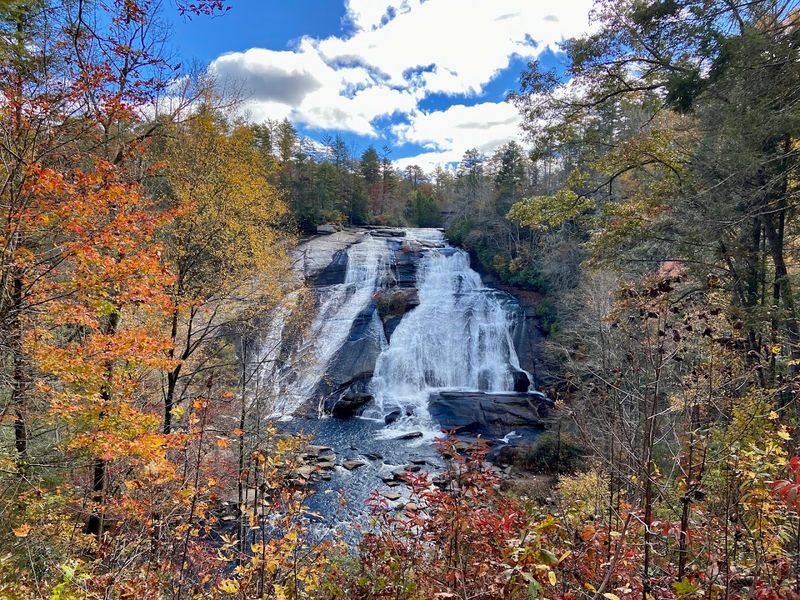
Right in the heart of DuPont State Forest stands the tallest and most powerful waterfall in the entire forest system. High Falls drops roughly 120 feet over a broad granite face, sending a tremendous amount of water crashing into the river below.
The scale of it genuinely surprises first-time visitors who were not expecting something so dramatic.
The trail from the parking area is well-maintained and passes through beautiful hardwood forest before delivering you to an elevated viewing platform. From there, the full height of the falls is visible, along with the swirling pool at its base.
There is also a lower trail that brings you closer to the water itself.
High Falls pairs perfectly with a visit to Triple Falls and Hooker Falls since all three are connected by the same trail network in DuPont. Many hikers tackle all three in a single outing, which takes roughly three to four hours at a comfortable pace.
The forest floor around the falls is covered in wildflowers in spring, adding color to the already dramatic scenery. Parking fills quickly on weekends, especially in summer.
Arriving early in the morning often helps avoid the busiest crowds and parking challenges.
7. Mingo Falls, Cherokee
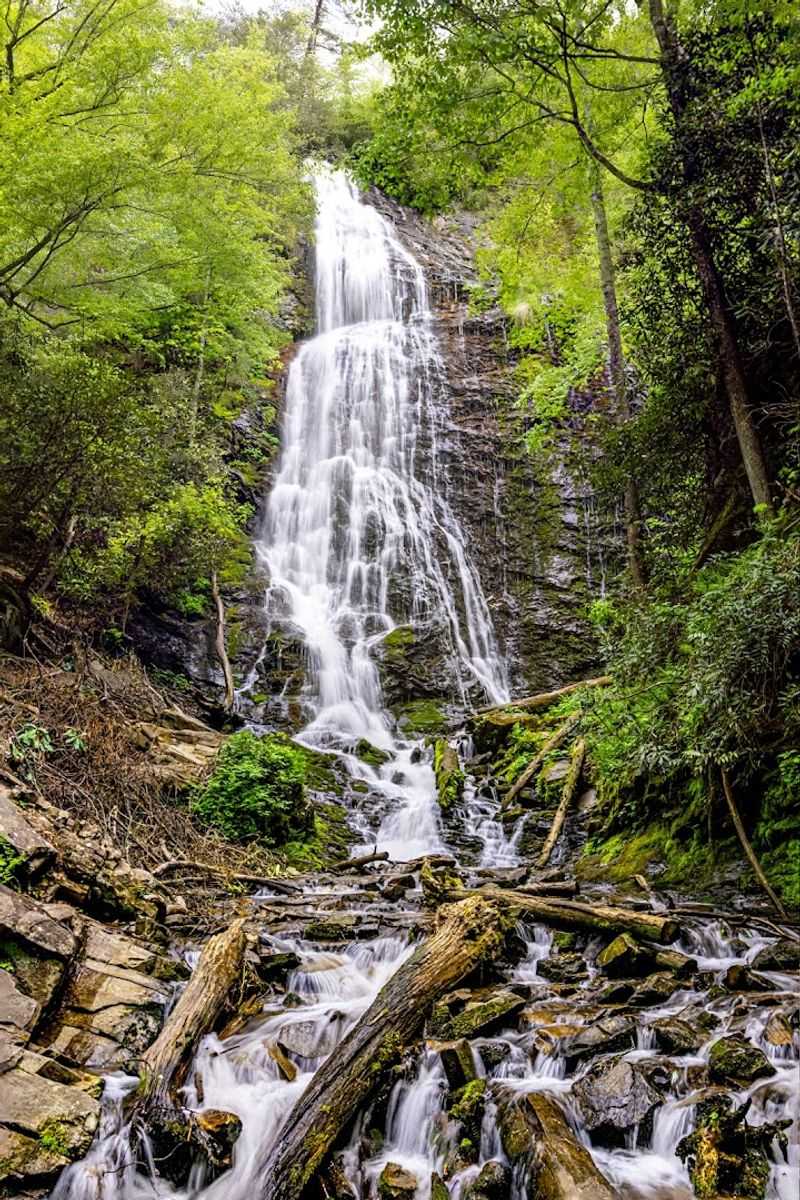
A short drive from Cherokee on the Qualla Boundary, Mingo Falls drops 120 feet down a moss-draped rock wall so lush and green it barely looks real.
It is widely considered one of the most beautiful waterfalls in the southern Appalachians and lies within the homeland of the Eastern Band of Cherokee Indians, adding a cultural depth that many waterfall hikes lack.
The trail to the falls is short, about 0.4 miles, but it climbs steeply along a series of wooden steps built into the hillside. The effort is well worth it.
When you round the final bend and the falls come into full view, the reaction is almost always the same: a quiet moment of genuine awe.
Visiting Mingo Falls while in Cherokee also gives you the chance to explore the Museum of the Cherokee Indian and other cultural sites nearby. The combination makes for a rich full-day experience in western North Carolina.
The falls are most dramatic after heavy rain when the volume of water increases significantly. Early morning visits reward you with soft light filtering through the trees and far fewer people on the trail.
This waterfall carries a quiet power that stays with you long after you leave.
8. Crabtree Falls, Blue Ridge Parkway
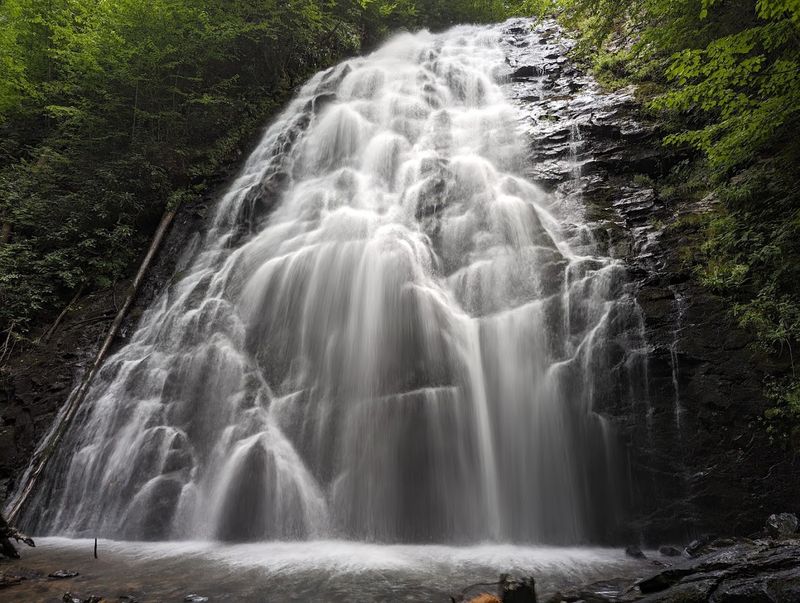
The Blue Ridge Parkway is already one of the most beautiful drives in America, but Crabtree Falls makes a strong case for pulling over. A loop trail winds through gorgeous forest before delivering you to the falls, and every step of the walk feels like part of the reward.
The falls themselves drop about 60 feet over dark, mossy rocks into a quiet pool below. The setting feels almost impossibly green in summer.
The trail begins at the Crabtree Falls Campground near milepost 339.5 on the Parkway. The loop is approximately 2.5 miles and involves some elevation change, but the path is well-marked and manageable for most hikers with a moderate fitness level.
A wooden footbridge near the base of the falls offers a perfect vantage point.
What makes this spot feel different from other waterfall hikes is the sense of true solitude you can find here. Even during peak season, the trail sees fewer visitors than the big-name falls in the region.
The surrounding forest is rich with wildflowers, especially in May and June when trillium and rhododendron bloom along the path.
North Carolina’s Blue Ridge Parkway corridor offers countless beautiful stops, but Crabtree Falls has a quiet, unhurried character all its own. Camping nearby and catching the falls at sunrise is something worth planning for.
Trail access in this section of the Blue Ridge Parkway can occasionally close for maintenance or storm damage, so checking current conditions before visiting is recommended.
9. Hickory Nut Falls, Chimney Rock State Park
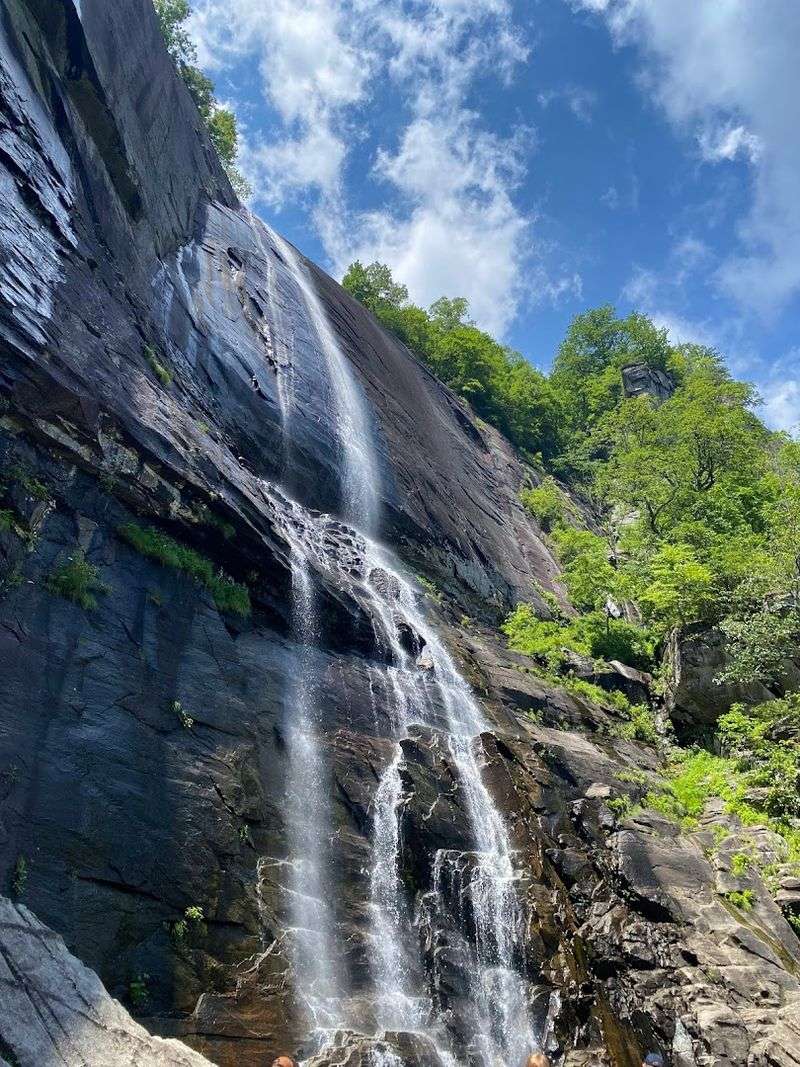
At 404 feet tall, Hickory Nut Falls is one of the highest waterfalls in the eastern United States and the dramatic centerpiece of Chimney Rock State Park.
The falls plunge down a sheer granite cliff that towers over the valley below, and the sight of them from the trail is genuinely jaw-dropping. If you have seen the movie Last of the Mohicans, you have already glimpsed this waterfall on screen.
Reaching the base of the falls requires a hike of about 1.5 miles along the Hickory Nut Falls Trail, which gains elevation steadily through rocky terrain. The trail can be challenging in spots, but the payoff at the end of the trail is extraordinary.
You end up standing at the foot of a nearly vertical cliff with water thundering down from far above.
Chimney Rock State Park charges an admission fee, which also gives you access to the famous Chimney Rock formation and its panoramic views. Combining both attractions makes for an exceptional full-day outing in the North Carolina mountains.
The park near the town of Chimney Rock is open year-round, though spring and fall offer the most dramatic conditions. After heavy rain, the falls run with incredible force, creating a constant mist that drifts down the trail toward you.
10. Hooker Falls, DuPont State Forest
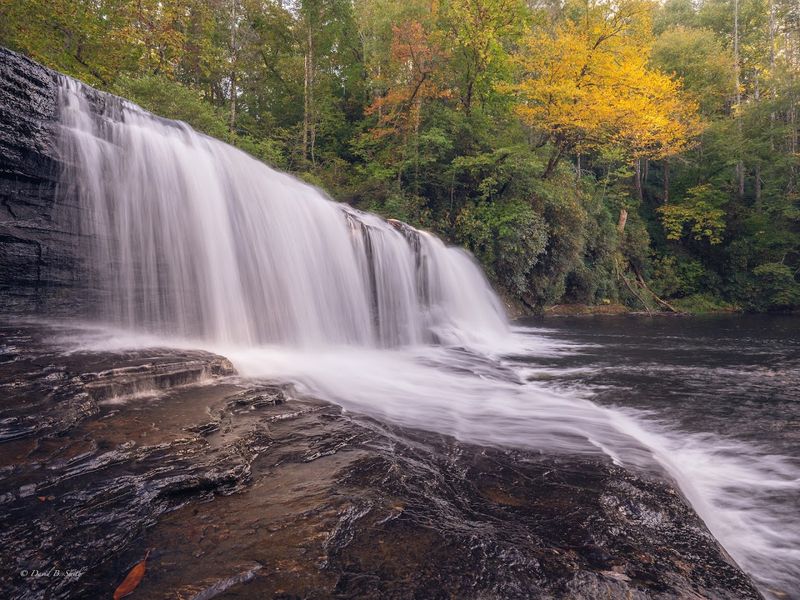
Some waterfalls demand your awe. Hooker Falls in DuPont State Forest simply asks you to sit down and stay awhile.
At just 12 feet high, its wide, easy flow across a broad rock shelf makes it one of the most purely enjoyable spots in the forest. The kind of place that feels made for bare feet, warm sun, and absolutely nothing on the agenda.
The trail from the Hooker Falls parking area is less than half a mile and nearly flat, making it one of the easiest waterfall walks in the region. Families with young children and visitors looking for a gentler outing often rank this as a favorite stop.
The calm pool at the base draws people who relax near the water or wade along the edges.
Hooker Falls sits at the beginning of the DuPont waterfall trail system, making it a natural starting point before continuing upstream to Triple Falls and High Falls. Dogs are welcome on the trails, and you will often see happy pups splashing in the shallows.
The smooth river rock surrounding the falls creates natural seating where visitors can relax and take in the scenery.
North Carolina has both dramatic waterfalls and quiet ones, and Hooker Falls is a reminder that sometimes the most relaxed experience is exactly what you need.