9 North Carolina Wildlife Sanctuaries And Rescue Centers Where You Can Meet Animals Face-To-Face
Wildlife centers have a funny way of making regular weekend plans feel a little embarrassed for not trying harder.
North Carolina sanctuaries and rescue centers give animals a safer next chapter while giving visitors stories better than “we drove around and bought snacks.”
Rescued owls can look wiser than the whole group, which feels unfair but completely believable. Sea turtles steal the emotional spotlight without even trying, because shells apparently come with natural star power.
Raptors show up with better posture than everyone’s spine combined, and nobody is ready for that level of confidence. Cute moments happen here, but these places are not just camera stops with feathers and whiskers.
Real rescue work, rehabilitation, and education give each visit a purpose bigger than a normal day out.
Families get a meaningful outing, road-trippers get a better reason to wander, and animal lovers get stops that make the weekend feel wonderfully alive.
1. Carolina Raptor Center
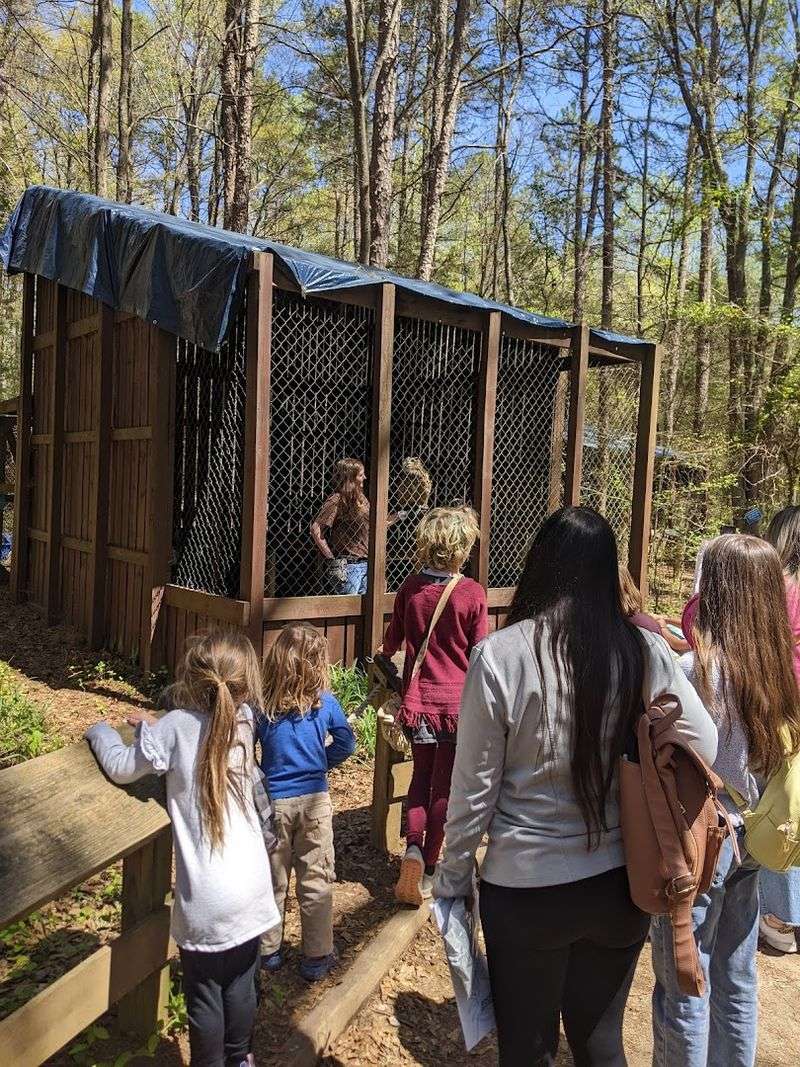
Sharp-eyed birds have a way of making even the busiest visitor stop talking for a moment. Carolina Raptor Center turns that pause into a full wooded experience, with owls, hawks, vultures, falcons, eagles, and other birds of prey placed along a trail designed for education and respect.
Instead of rushing guests past cages, the path encourages slow looking, careful reading, and a better understanding of how these birds survive in the wild. Injured raptors are treated through the center’s hospital, and birds able to return safely to their natural habitats are released after recovery.
Permanent residents help teach visitors what happens when an injury or condition makes release impossible. Children often arrive ready to see the biggest birds, then become fascinated by smaller details, such as an owl’s silent focus or a hawk’s intense posture.
Adults may leave thinking about habitat loss, vehicle strikes, fishing line, and the many everyday dangers birds face near people. Programs and special events can add extra depth, yet even a regular trail visit feels memorable because the animals hold attention without needing theatrics.
Every close view feels powerful because it is grounded in care, rehabilitation, and education. Begin the raptor-focused outing at 6000 Sample Road in Huntersville, North Carolina.
2. Carolina Tiger Rescue
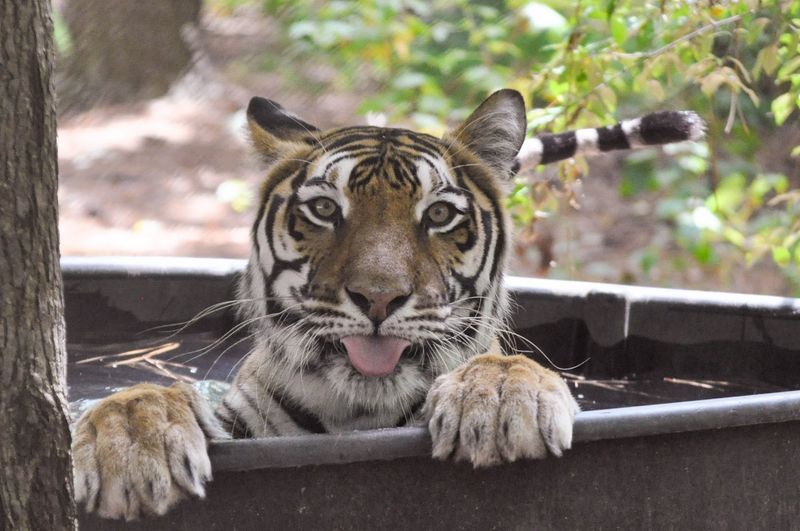
Deep tiger rumbles can make the air feel alive before anyone fully understands where the sound began.
Carolina Tiger Rescue builds its entire visitor experience around that kind of respectful awareness, using guided tours to explain the lives of rescued wild cats without turning them into entertainment props.
Tigers may be the headline draw, but the sanctuary’s deeper value comes from the stories behind each resident. Guides explain how private ownership, unsafe breeding, and the exotic animal trade can place wild animals in situations they never should have faced.
Walking the grounds feels serious in the best way, because every habitat introduces both beauty and consequence. A tiger resting in the shade can feel just as memorable as one moving across the enclosure, especially when the guide connects that quiet moment to the animal’s past.
Older children can learn why wild cats do not belong in homes or roadside novelty settings. Adults often find the visit emotional because the sanctuary makes each animal’s story feel specific rather than abstract.
Reservations matter because tours are required, and popular dates can fill quickly. Nothing about the experience feels careless or flashy.
Respect, education, and lifelong care shape the whole visit, creating a big-cat encounter with real purpose. Reserve ahead and head to 1940 Hanks Chapel Road in Pittsboro, North Carolina.
3. Animal Park At The Conservators Center
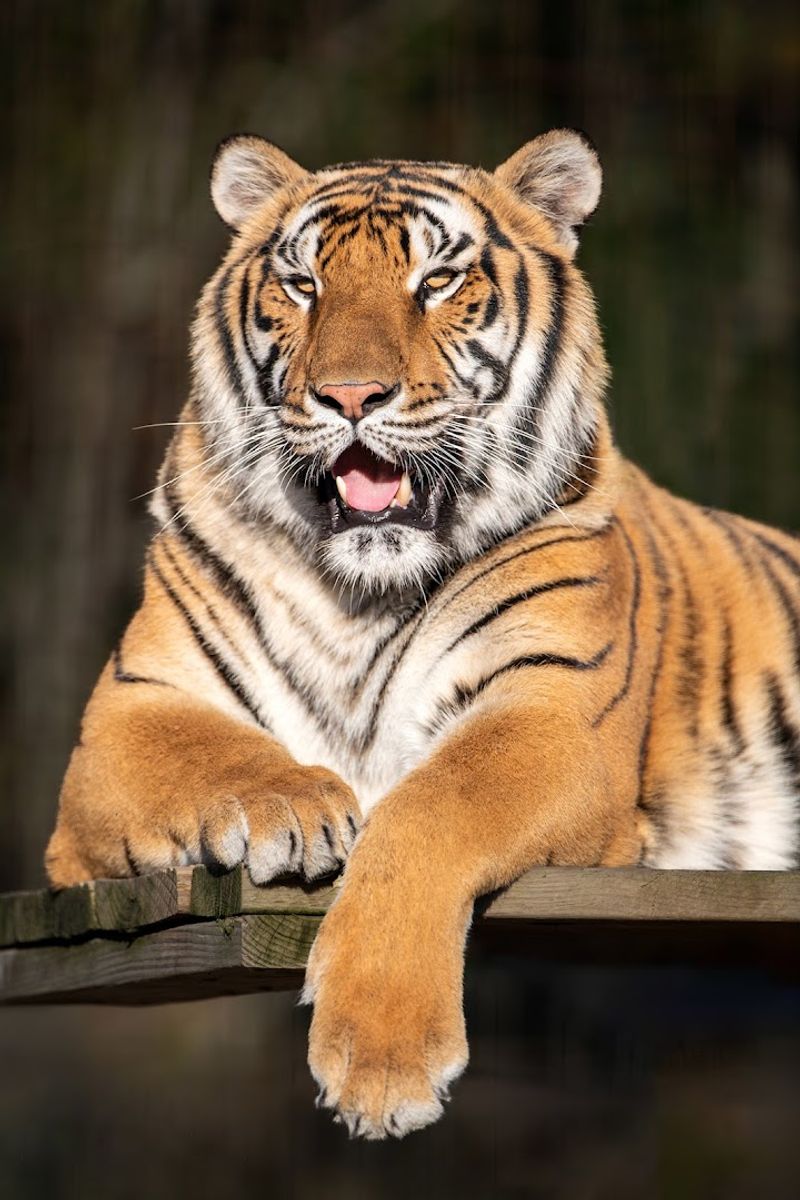
Roaring in the distance can turn a guided walk into something unforgettable before the group reaches the next stop.
Animal Park at the Conservators Center gives visitors a structured wildlife experience where guides explain not only who the animals are, but why their care and conservation stories matter.
Lions, wolves, servals, binturongs, and other residents all bring different personalities to the tour, yet the strongest part of the visit comes from the context shared along the way. Guests are not left to wander past habitats without understanding what they are seeing.
Instead, each stop becomes a chance to learn about behavior, background, habitat needs, and the broader responsibilities involved in caring for exotic species.
Children may be pulled in first by the size and sound of the animals, while adults often appreciate the careful storytelling that keeps the tour thoughtful.
Comfortable shoes are useful because the guided route covers real ground, and warm-weather schedules can shift for safety. Reservations are important since the format depends on guided access rather than casual drop-in wandering.
Some of the most memorable moments may be surprisingly quiet: a wolf watching from its space, a binturong moving slowly, or a guide sharing a rescue detail that changes the whole mood.
For a wildlife outing with structure, surprise, and strong educational value, visit 676 E. Hughes Mill Road in Burlington, North Carolina.
4. Tiger World Endangered Wildlife Preserve
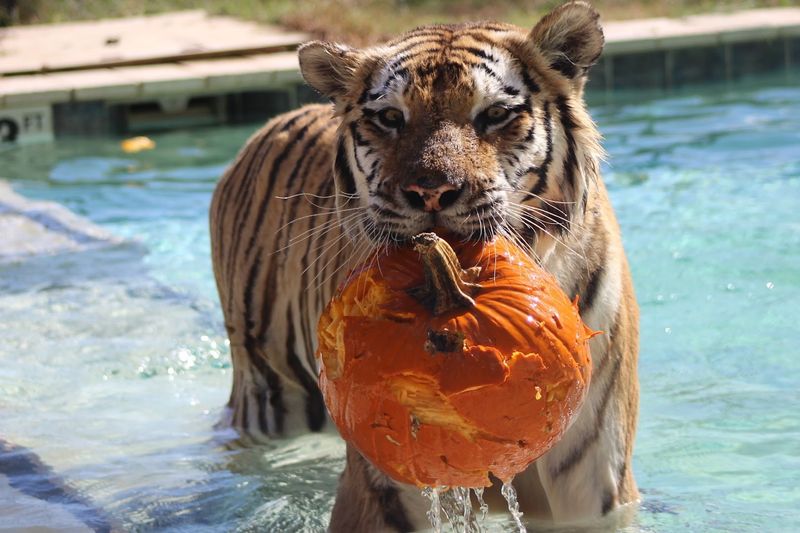
Flexible pacing makes Tiger World Endangered Wildlife Preserve especially helpful for families who want rare animal encounters without locking the whole day into one narrow tour slot.
Guests can explore through self-guided walkabout visits or choose guided options for added background, which lets different groups shape the experience around their own energy level.
Rockwell may not be the first place people expect to find big cats and other exotic animals, and that surprise gives the preserve an extra sense of discovery. Tigers and lions naturally draw attention, but the more meaningful visit comes from paying attention to the work behind their care.
Rescue, rehabilitation, education, and preservation all shape the preserve’s mission, so the animals should be viewed with respect rather than treated as photo props.
Slower movement through the grounds allows guests to notice behavior, habitat design, and the quiet routines needed for long-term care.
Children often focus on the size and beauty of the animals, while adults may begin asking harder questions about captivity, conservation, and responsible stewardship. Current hours should always be checked before driving, especially around closures or weather changes.
Camera moments come easily, but the best takeaway is a deeper sense of why specialized animal care matters. Plan a Rowan County outing at 4400 Cook Road in Rockwell, North Carolina.
5. Piedmont Farm Animal Refuge
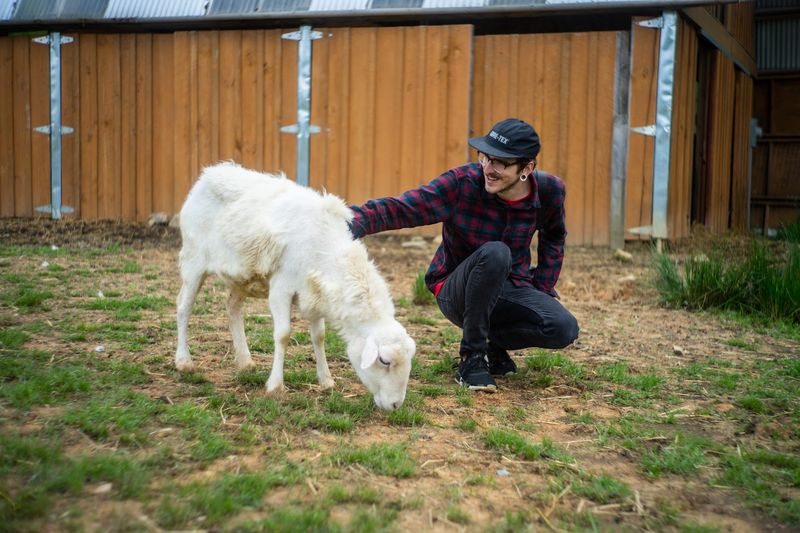
Rescued farm animals can disarm visitors faster than any dramatic wildlife encounter, especially when a goat trots over like it has been expecting company all morning.
Piedmont Farm Animal Refuge offers a gentler kind of animal experience, where the emotional power comes from trust, safety, and the personalities of animals who now have lifelong care.
Goats, sheep, cows, chickens, turkeys, ducks, pigs, and other residents live on the property after difficult pasts, and the refuge helps visitors see them as individuals rather than background barnyard figures.
Scheduled events are usually the best way to visit, so planning ahead matters more here than at daily attractions.
Once guests arrive, the pace feels calm, grounded, and personal. Staff and volunteers share rescue stories with warmth, helping children and adults understand why sanctuary care matters.
Kids may laugh first at a turkey’s attitude or a goat’s confidence, then slowly begin asking why these animals needed protection. Adults often feel the message more quietly, especially as the visit connects compassion with everyday choices.
Nothing here needs loud entertainment to work. Its strength comes from stillness, patience, and the simple act of meeting animals who are finally safe.
Families who value peaceful, purpose-driven outings will find this refuge especially meaningful. Spend time with the rescued residents at 7236 US Highway 87 N in Pittsboro, North Carolina.
6. Rescue Ranch
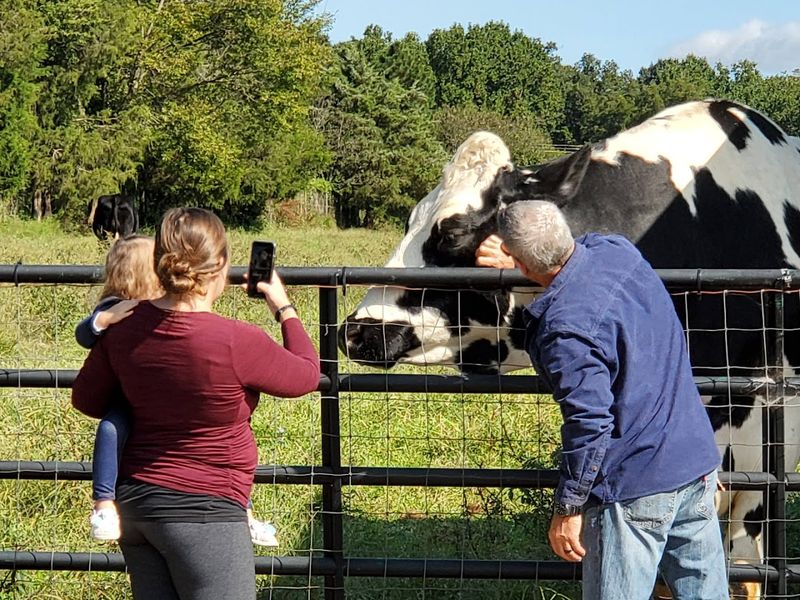
Hands-on learning keeps Rescue Ranch lively without making the educational mission feel stiff.
This Statesville nonprofit uses rescued animals, guided encounters, outdoor space, and family programming to teach compassion, responsibility, agriculture, conservation, and environmental awareness. Children learn through direct experience.
Feeding a barnyard animal or hearing a rescue story can make kindness seem far more real than any classroom explanation. Programs often include opportunities for children to interact, move around, ask questions, and connect animal care with daily responsibility.
Parents appreciate the organized feel because the visit stays active without becoming overwhelming. Rescued animals remain central to the mission, not decorative extras added to a playground.
Every encounter points back to trust, care, and the role humans play in protecting other living things. Space around the ranch also helps families breathe a little, which can be a relief compared with crowded indoor attractions.
School groups, community programs, birthday visits, and family outings all fit naturally into the property’s rhythm. A child may leave talking about one favorite animal, while the larger lesson quietly follows them home.
Experiences here can feel lighthearted in the moment and surprisingly lasting afterward. For a humane-education stop where children stay engaged and adults still find meaning, make your way to 1424 Turnersburg Highway in Statesville, North Carolina.
7. Beautiful Together Animal Sanctuary
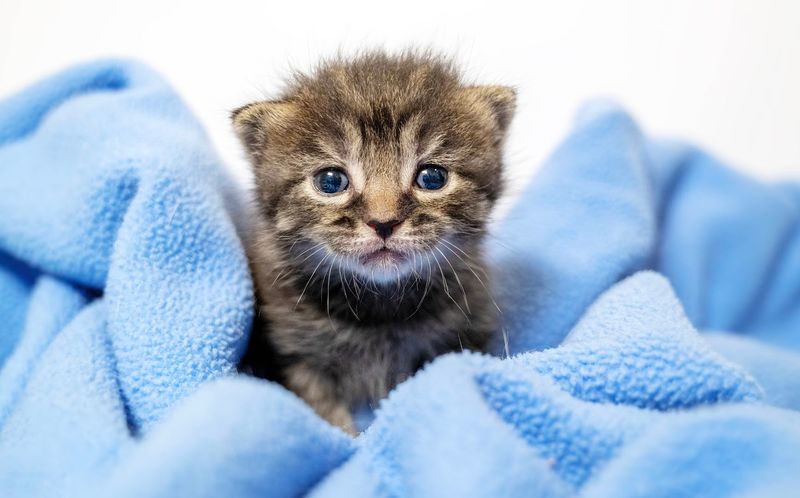
Kindness sits at the center of Beautiful Together Animal Sanctuary, shaping the visit before any animal interaction begins.
This Chapel Hill sanctuary focuses on animals who have been neglected, abandoned, or left without safe care, creating a place where rescue feels personal rather than performative.
Public options can vary, so checking the current schedule before arrival is important. Depending on what is available, guests may connect with rescued companion animals, farm residents, sanctuary events, or the organization’s cat-focused adoption space.
The atmosphere feels calmer than a typical attraction, which works well for visitors who want connection over spectacle. Children can learn that rescue is not just one dramatic happy ending.
It involves patience, daily care, trust, and the slow work of helping animals feel secure again. Adults may appreciate how the sanctuary connects animal welfare with broader community compassion, especially through programs that bring rescued animals and people together.
Every resident represents someone stepping in when help was needed, giving even small encounters emotional weight. Guests should arrive gently, listen closely, and respect the comfort levels of animals who may carry difficult histories.
The reward is not a loud thrill. It is a visit centered on empathy, recovery, and second chances.
Find this Chapel Hill sanctuary setting at 161 Sanctuary Lane in Chapel Hill, North Carolina.
8. The Karen Beasley Sea Turtle Rescue and Rehabilitation Center
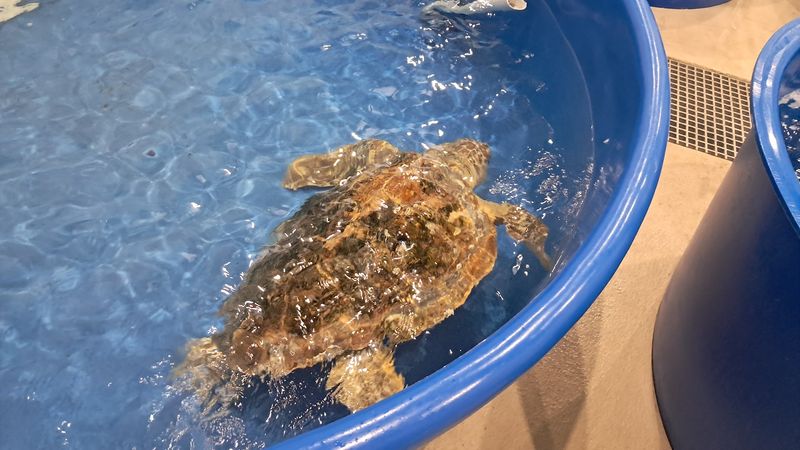
Sea turtle recovery can make a beach trip feel more personal than expected. At The Karen Beasley Sea Turtle Rescue and Rehabilitation Center, visitors meet turtle patients receiving care after injuries, illness, cold-stunning, entanglement, or other threats faced in the wild.
This Surf City stop functions more like a working hospital than a standard aquarium, which gives every tour a stronger sense of purpose. Each turtle has a name, a diagnosis, and a recovery plan, allowing guests to understand the difference between display and rehabilitation.
Guided public tours are seasonal and reservations are required, especially during busy beach months when Topsail-area visitors fill dates quickly. Staff and volunteers explain how turtles are rescued, treated, monitored, and prepared for release whenever recovery allows.
Children often connect quickly with individual patients because the stories are specific and easy to follow. Adults may leave thinking about boat safety, fishing gear, plastic waste, beach lighting, and nesting protection in a more immediate way.
Surf City adds useful context because the ocean these turtles may return to is close by. Quiet observation, careful explanations, and visible medical work all keep the experience respectful.
Families can pair the visit with a coastal day while adding something deeper than sand and sun. Reserve ahead for the turtle hospital at 302 Tortuga Lane in Surf City, North Carolina.
9. WNC Nature Center
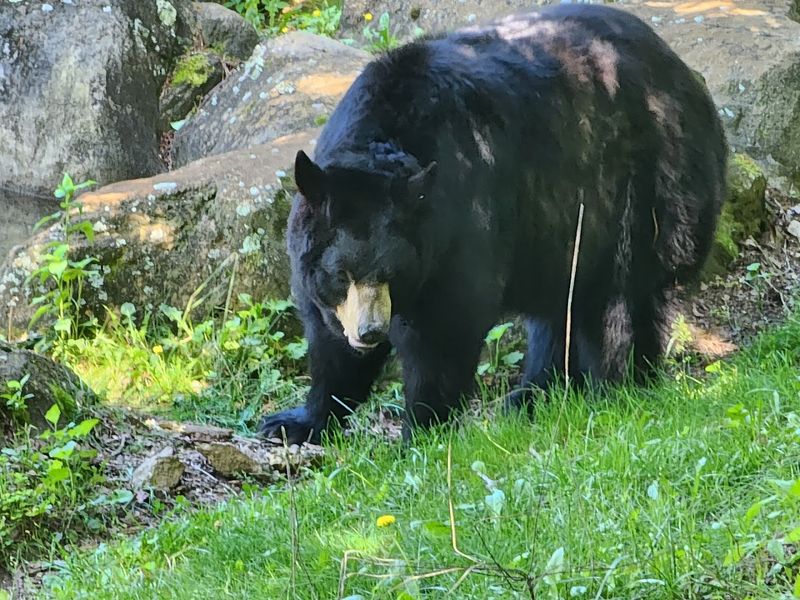
Mountain wildlife feels especially rooted in place at WNC Nature Center, where the focus stays close to Southern Appalachia instead of scattering attention across unrelated species.
This Asheville center highlights animals connected to the region, giving visitors a better sense of the habitats, challenges, and ecosystems that shape western North Carolina.
Red wolves, river otters, black bears, cougars, reptiles, farm animals, and other residents help tell that regional story. Many animals serve as ambassadors because injury, human imprinting, or other circumstances mean they cannot safely survive in the wild.
That detail gives the visit a humane purpose and helps families understand why managed care exists. Wooded paths and naturalistic habitats make the center feel connected to Asheville’s landscape rather than separated from it.
Children often gravitate toward playful otters or the farmyard area, while adults may spend more time with conservation displays, wolf information, and quieter habitats that reward patience.
Daily hours make planning easier than at many reservation-only sanctuaries, although current updates should still be checked before visiting.
The pace can be quick or slow depending on the family, and the grounds offer enough variety for different ages to stay engaged. Asheville has plenty of creative and scenic attractions, yet this one gives visitors direct access to the animals and environments that help define the mountains.
Find the center at 75 Gashes Creek Road in Asheville, North Carolina.