North Carolina’s Hidden Museum Of Tiny Wonders Makes The Perfect March Escape
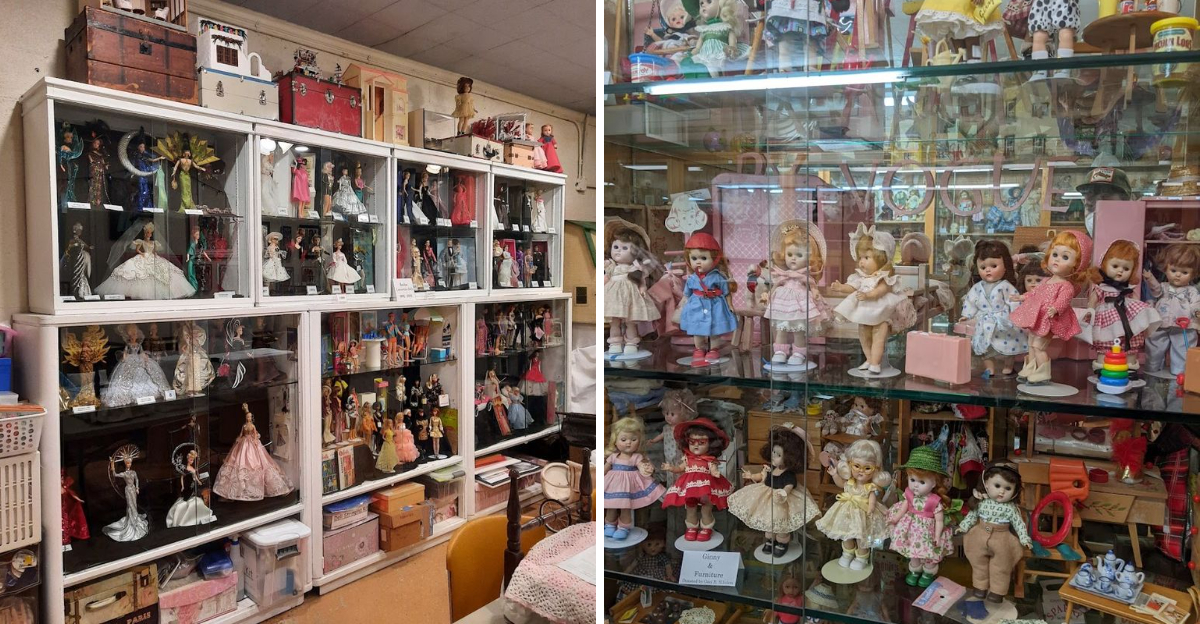
Tucked away in a charming corner of Spencer sits a place where childhood memories come alive in miniature form and full-sized nostalgia fills every corner. The NC Museum of Dolls, Toys & Miniatures offers visitors a chance to step back in time and rediscover the simple joy of playthings from generations past.
From intricate dollhouses no bigger than a breadbox to life-sized train layouts that chug along with impressive detail, this spot brings together collectors and families alike. North Carolina has a treasure worth discovering any time of year.
Founded in 2012 to honor the passion of collector Amy Dawn Morris, the museum recently moved to a larger space at 440 S Salisbury Ave, Spencer, allowing even more exhibits to shine. March makes an ideal time to visit when spring starts to warm the air and a quieter pace lets you truly appreciate each tiny detail without feeling rushed.
1. A Collection Born From Love And Memory
The museum exists because of one woman’s lifelong passion for collecting dolls, toys, and miniatures. Amy Dawn Morris spent years building an impressive collection that reflected her deep appreciation for craftsmanship and childhood wonder.
When she passed away in 2010, her family wanted to honor her memory in a meaningful way.
The Morris and Nance families joined forces to create a non-profit museum that opened its doors in 2012. Every exhibit tells part of Amy’s story and celebrates the joy she found in these tiny treasures.
Visitors often comment on the care taken to display each piece with respect and context.
The museum serves as both a memorial and an educational space where new generations can discover the same magic Amy experienced. Her legacy continues to grow as the collection expands and more people walk through the doors.
Knowing the heartfelt origin adds depth to every display case you pass.
2. Shirley Temple Dolls Take Center Stage
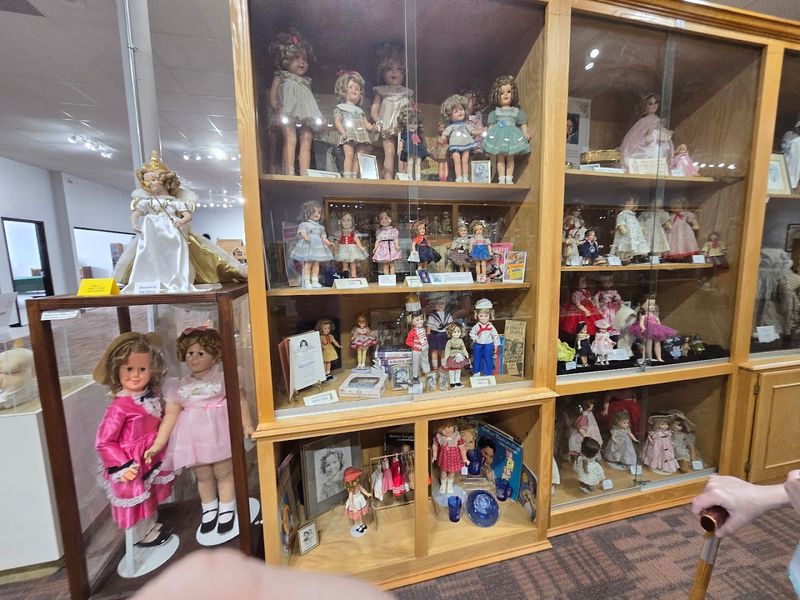
Among the most impressive sections stands one of the largest Shirley Temple doll collections on the East Coast. These dolls capture the iconic child star in various outfits and poses from her famous films.
The attention to detail in each doll’s costume and facial features brings the golden age of Hollywood right into the present.
Shirley Temple dolls became wildly popular during the 1930s when the actress charmed audiences worldwide. Collectors prize these dolls for their historical significance and craftsmanship.
The museum’s collection includes rare versions that even seasoned collectors rarely encounter.
Standing before these displays feels like stepping into a time machine aimed straight at Depression-era America. The dolls represent more than toys; they symbolize hope and joy during difficult times.
Whether you grew up watching Shirley Temple films or discovered her later, seeing these dolls in person creates a tangible connection to entertainment history.
3. Schoenhut Circus Brings Rare Whimsy
One of the museum’s crown jewels is a rare Schoenhut Humpty Dumpty Circus set that dates back over a century. These wooden toys were manufactured in Philadelphia starting in 1903 and became beloved playthings for children across America.
The circus theme allowed kids to create their own shows with jointed wooden animals and performers.
Finding a complete set in good condition proves extremely difficult today. The museum’s example includes multiple animals, acrobats, and circus equipment that would have delighted children in the early 1900s.
Each piece demonstrates the quality craftsmanship that made Schoenhut toys treasured possessions.
The painted details on the wooden figures still show vibrant colors despite their age. Visitors often spend extra time examining how the joints work and imagining the stories children created with these pieces.
This exhibit perfectly illustrates how toys from different eras can still capture imagination and wonder across generations.
4. Lionel Trains Roll Through Miniature Towns
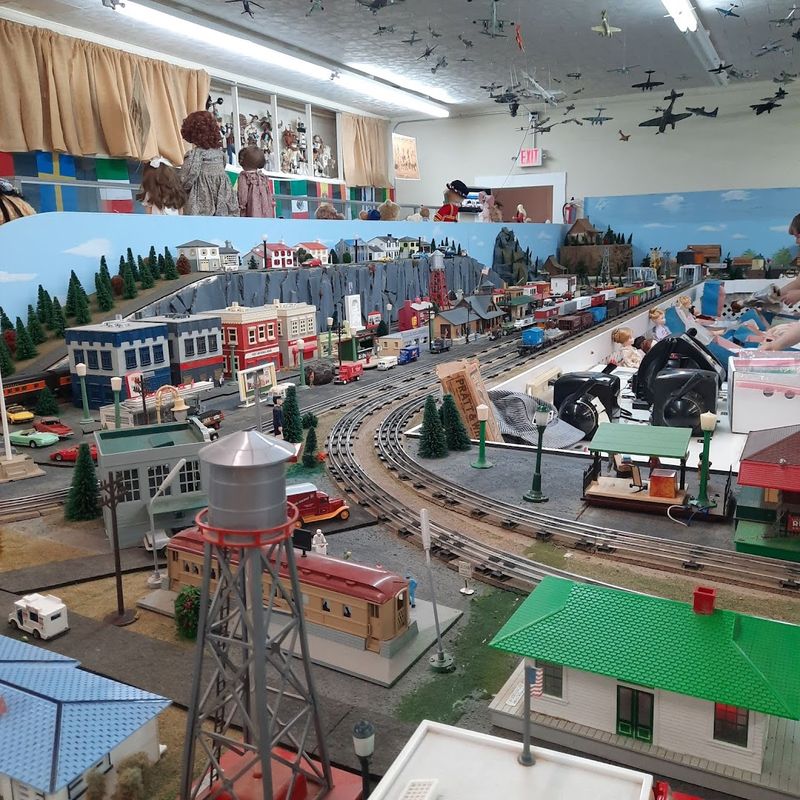
The working train display draws visitors of all ages to the back of the museum where Lionel trains circle through carefully crafted miniature landscapes. Multiple trains run simultaneously on different tracks, creating a bustling scene that mirrors real railroad operations.
The level of detail in the buildings, trees, and tiny figures populating the towns makes you want to shrink down and explore.
Staff members happily start the trains for visitors who want to see them in motion. The sound of the engines and the sight of trains rounding curves brings smiles to faces young and old.
Some visitors recognize models they owned as children or remember similar setups under Christmas trees.
The layout includes various eras of train design and different types of locomotives. Buildings range from small-town stations to industrial complexes, each placed with purpose.
Watching the trains navigate switches and tunnels provides a peaceful, almost meditative experience that contrasts nicely with the stillness of other exhibits.
5. Dollhouses Showcase Incredible Craftsmanship
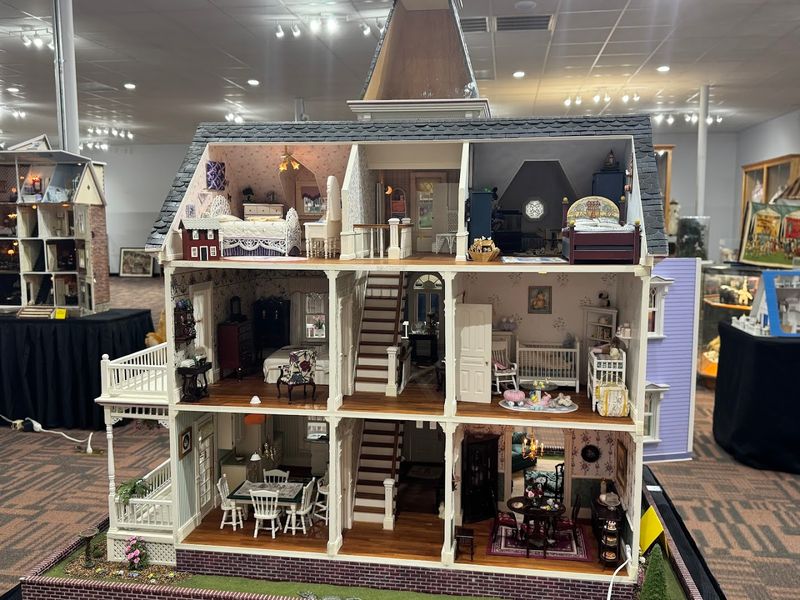
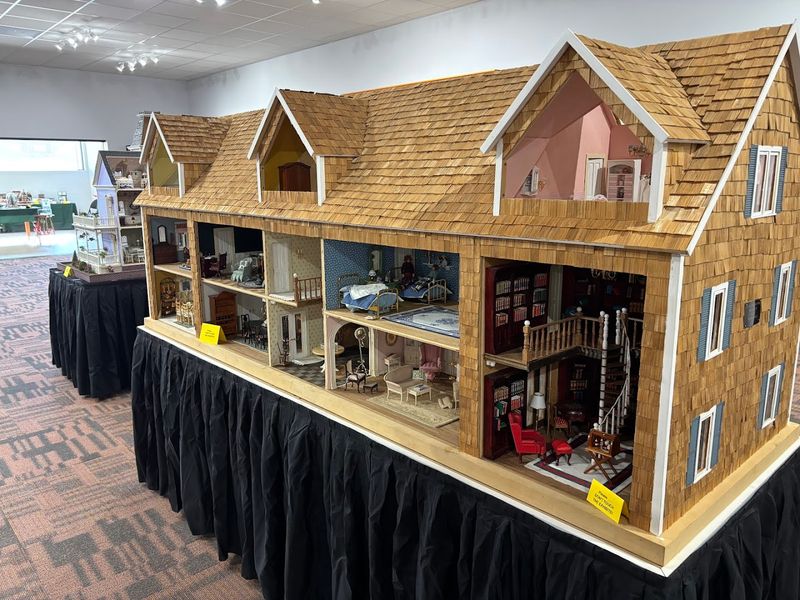
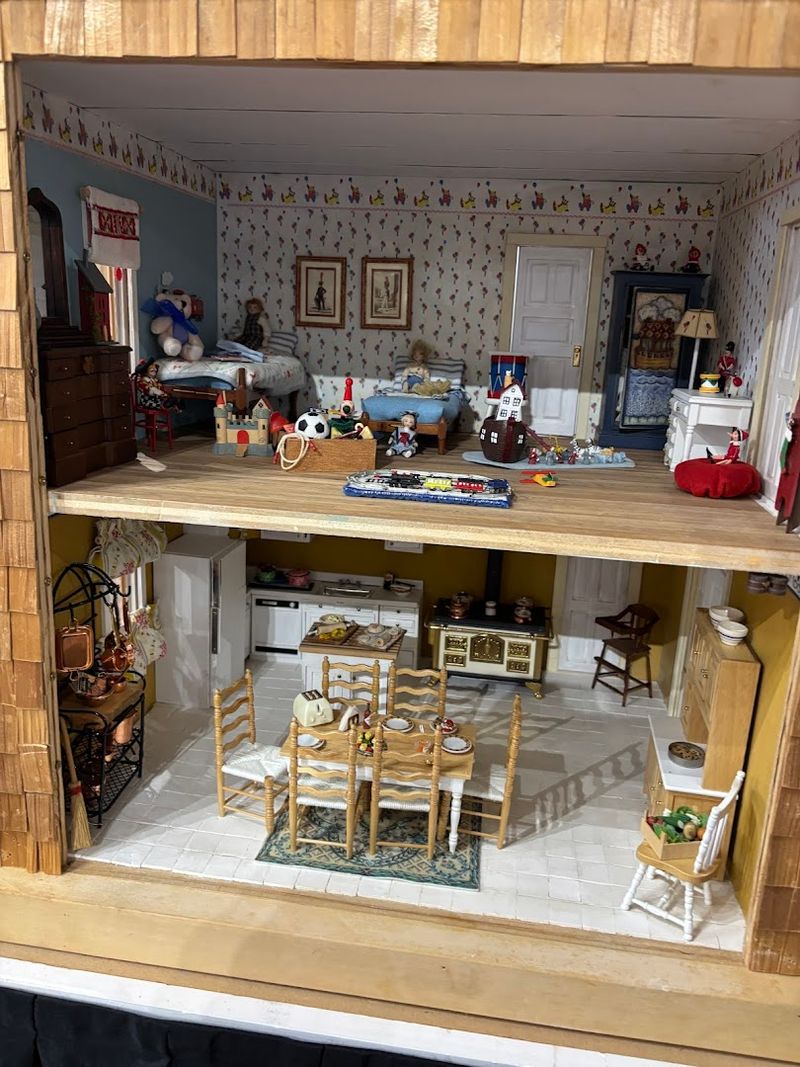
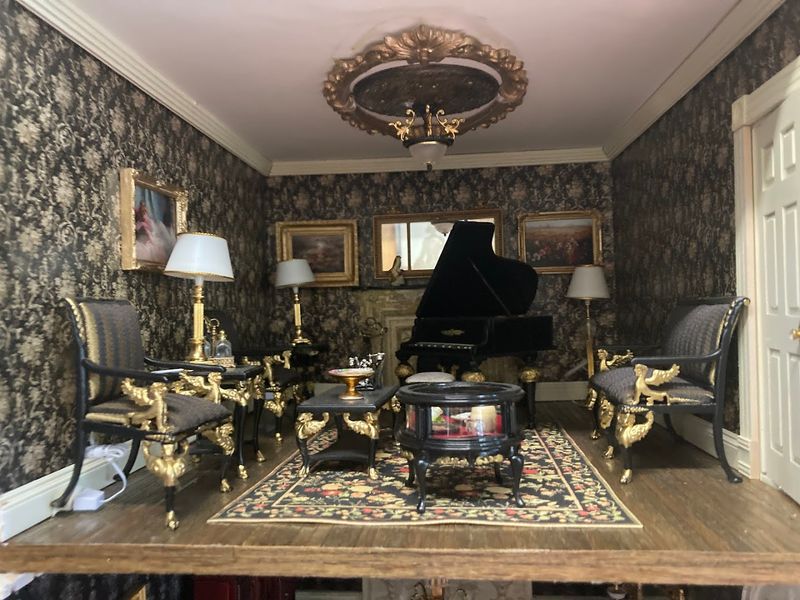
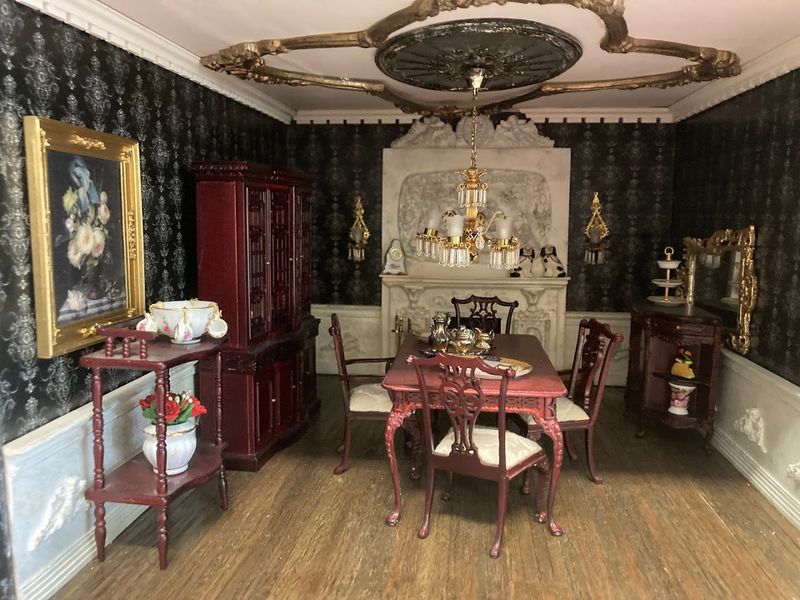
The dollhouse collection represents some of the most painstaking work in the entire museum. Each miniature home contains fully furnished rooms where every piece of furniture, every painting on the walls, and every dish in the kitchen has been carefully selected and placed.
The scale accuracy makes these tiny worlds feel remarkably real.
Some dollhouses replicate specific architectural styles from different time periods. Others showcase the work of individual artists who specialize in miniature creation.
Visitors often find themselves bending down to peer into windows and doorways, discovering new details with each glance.
The craftsmanship extends to working lights, opening doors, and removable roof sections that reveal upper floors. These aren’t simple toys but rather works of art that required hundreds of hours to complete.
Many visitors who create miniatures themselves find inspiration and ideas in these displays, while others simply marvel at the dedication required to build such tiny perfection.
6. Practical Visit Information And Hours
The museum welcomes visitors Thursday through Saturday from 10 a.m. to 4 p.m., giving you a six-hour window to plan your visit. The museum is located at 440 South Salisbury Ave, Spencer, NC 28159, in a space that opened in December 2024 after relocating from a smaller building.
Arriving earlier in the day often means fewer crowds and more personal interaction with staff.
Admission costs $5 for adults and $3 for children aged 3 to 15, with children under 3 entering free. Discounts apply for seniors and military personnel, making this an affordable outing for families.
Most visitors spend between one and three hours exploring the exhibits, though true enthusiasts sometimes stay longer.
The museum sits near the North Carolina Transportation Museum, making it easy to visit both attractions in one day. Parking availability tends to be good since the area doesn’t typically experience heavy traffic.
Calling ahead at 704-762-9359 confirms the museum will be open, especially if you’re traveling from a distance.
7. Nostalgic Toy Collection Sparks Memories
Beyond dolls and trains, the museum houses an extensive collection of toys that span multiple decades of childhood play. Cap guns, toy cars, board games, and action figures fill display cases with familiar brands and forgotten favorites.
Walking past these exhibits often triggers sudden memories of birthday mornings and holiday surprises.
The western section features cowboy-themed toys that were wildly popular in the 1950s and 1960s. Cap guns with detailed engravings and holster sets remind visitors of Saturday morning television shows.
The audio tour adds entertaining context about how these toys reflected popular culture of their time.
Toy trucks and model planes occupy their own spaces, showing the evolution of design and manufacturing. Some visitors recognize exact toys they once owned, while younger guests discover playthings their parents or grandparents enjoyed.
This mix of personal history and cultural artifacts makes the collection feel both intimate and educational, bridging generations through shared experiences of play and imagination.
8. Barbie And Fashion Doll Displays
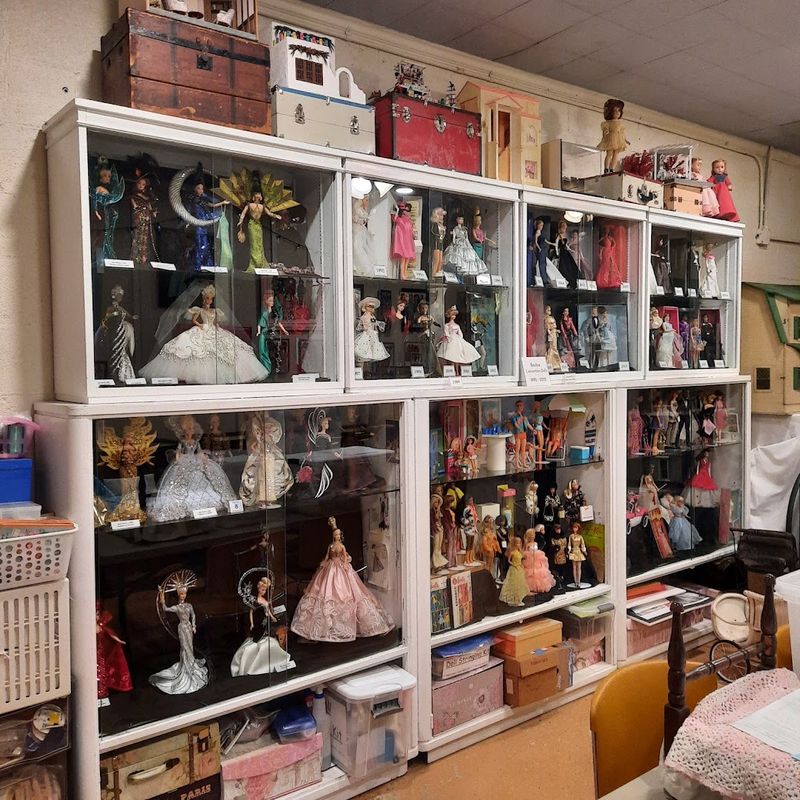
Fashion doll enthusiasts find plenty to admire in the museum’s Barbie and Madame Alexander collections. These displays showcase how fashion dolls evolved from the 1950s through recent decades.
Original Barbie dolls from 1959 share space with later editions, each representing changing fashion trends and cultural shifts.
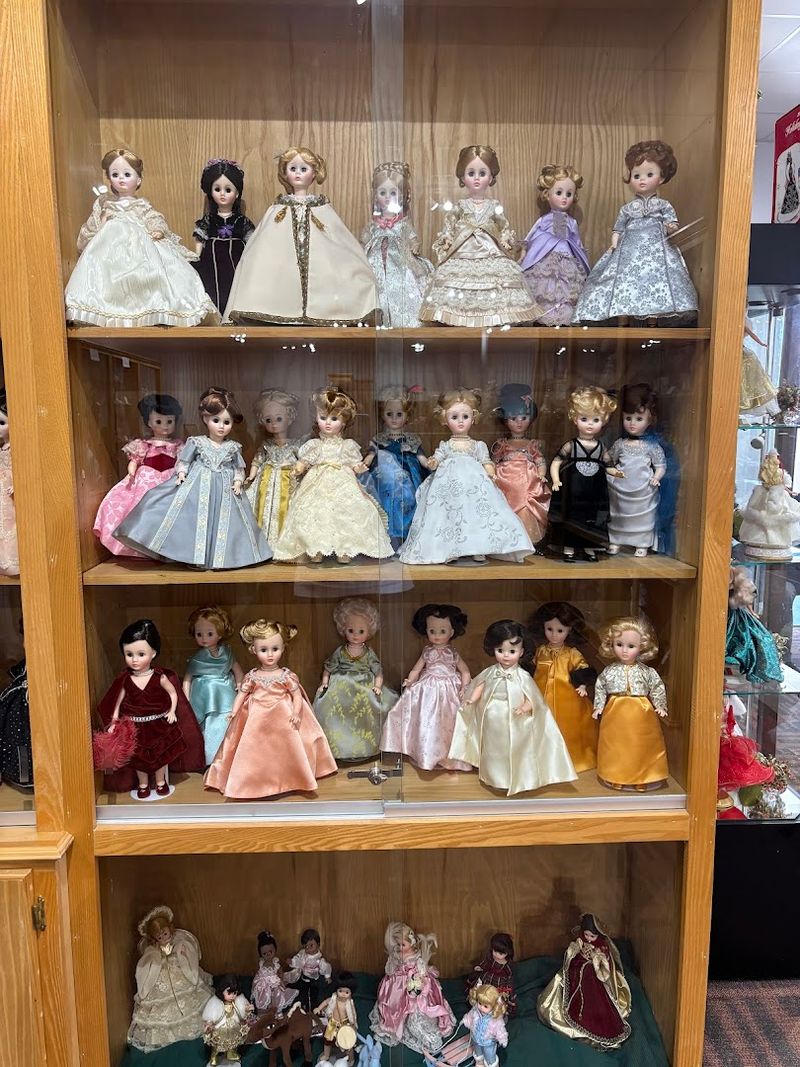
Madame Alexander dolls bring a different aesthetic with their focus on historical costumes and literary characters. The craftsmanship in their clothing and accessories demonstrates a level of detail that made these dolls collectible items rather than just toys.
Seeing them grouped together reveals the artistry involved in their creation.
The variety of outfits, hairstyles, and accessories on display could keep fashion history buffs engaged for quite a while. Some dolls wear reproductions of haute couture designs, while others sport everyday clothing from their respective eras.
These collections appeal to both serious collectors and casual visitors who simply enjoy seeing how these iconic dolls have changed over time.
9. Knowledgeable Staff Enhance The Experience
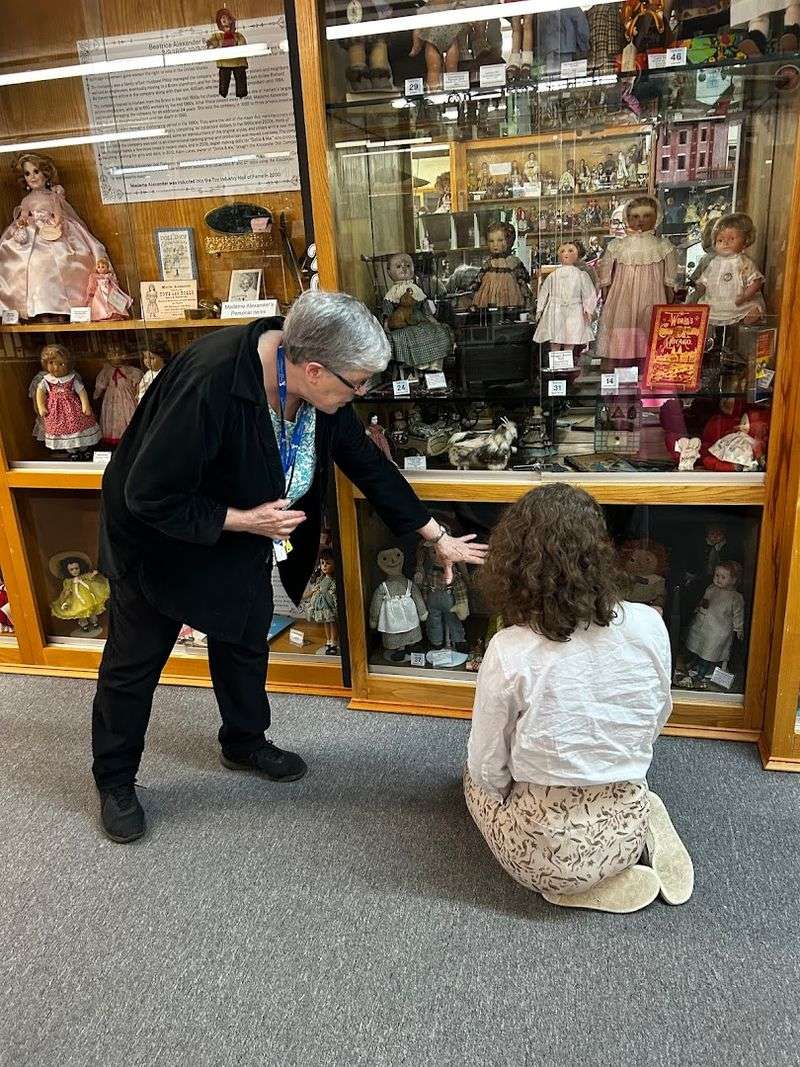
Visitors consistently praise the museum staff for their friendliness and deep knowledge of the collections. These aren’t just employees watching the door; they’re enthusiasts who can share stories about specific dolls, explain the history of toy manufacturers, and point out details you might otherwise miss.
Their passion for the subject matter shows in every interaction.
Staff members willingly answer questions and often share anecdotes about how certain pieces came to the museum. They’ll run the train display on request and help younger visitors understand what they’re seeing.
This personal touch transforms a simple museum visit into an educational conversation.
The team’s enthusiasm proves particularly valuable for visitors who arrive without much background knowledge about dolls or toys. They make everyone feel welcome regardless of age or interest level.
Many reviews mention specific staff interactions that made visits memorable, highlighting how the right guide can completely change your appreciation of a collection.
10. Gift Shop Offers Miniature Treasures
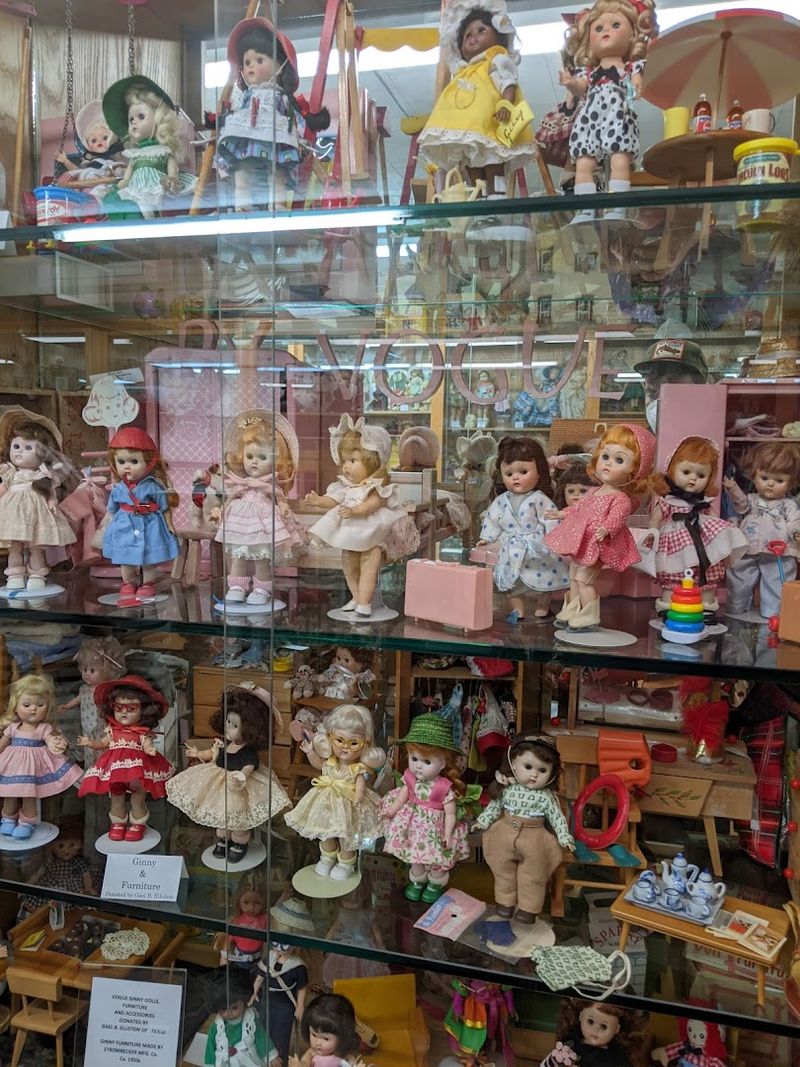
Before leaving, the gift shop provides a chance to take home a small reminder of your visit. Miniature dolls, stuffed animals, postcards, and other memorabilia line the shelves at various price points.
The selection focuses on items that connect to the museum’s themes rather than generic souvenirs.
Collectors might find small additions to their own displays, while children can choose affordable toys that match what they saw in the exhibits. The postcards feature images of notable pieces from the collection, making them perfect for scrapbooks or correspondence.
Prices remain reasonable, keeping with the museum’s accessible approach.
The shop also carries books about doll collecting, toy history, and miniature crafting for those who want to learn more. Staff can offer recommendations based on what exhibits you enjoyed most.
Whether you’re looking for a gift or a personal keepsake, the shop provides options that feel meaningful rather than mass-produced.
11. Membership Benefits For Regular Visitors
Frequent visitors or serious enthusiasts should consider museum membership, which starts at $35 for individuals and $70 for families. Members enjoy free year-round admission, meaning the membership pays for itself after just a few visits.
Additional perks include invitations to special events and early access to new exhibits.
The museum hosts monthly doll club meetings and occasional workshops that members can attend. These gatherings create opportunities to meet other collectors and learn new skills related to doll restoration or miniature creation.
The social aspect adds another dimension to membership beyond just free admission.
Members also receive sneak peeks when new pieces join the collection or when displays get rearranged. This insider access makes you feel more connected to the museum’s ongoing story.
For families planning multiple visits throughout the year or collectors who want to support the institution, membership represents good value while helping sustain this non-profit museum for future generations.
12. Educational Programs And Special Events
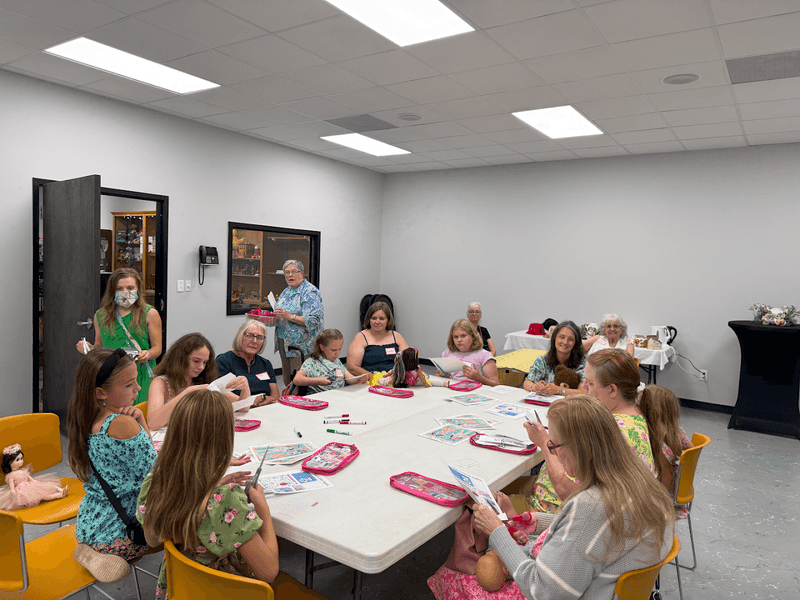
The museum extends beyond static displays by offering educational programs and special events throughout the year. Workshops on miniature artistry teach techniques for creating tiny furniture, accessories, and architectural details.
The “New Beginnings” Miniature Luncheon brings together enthusiasts to celebrate historical miniatures and share knowledge.
Private tea parties can be arranged for groups wanting a unique celebration venue surrounded by charming displays. The Rowan Doll Society meets regularly at the museum, providing a gathering space for local collectors.
These events transform the museum from a place you visit once into a community hub.
School groups and community organizations can arrange visits that connect to lessons about history, craftsmanship, or cultural studies. The museum actively works with local educators to create meaningful experiences for students.
These programs demonstrate the institution’s commitment to education and preservation, ensuring that appreciation for these crafts continues into future generations while making the museum a living, active space rather than just a repository.
13. Recent Expansion Brings More Display Space
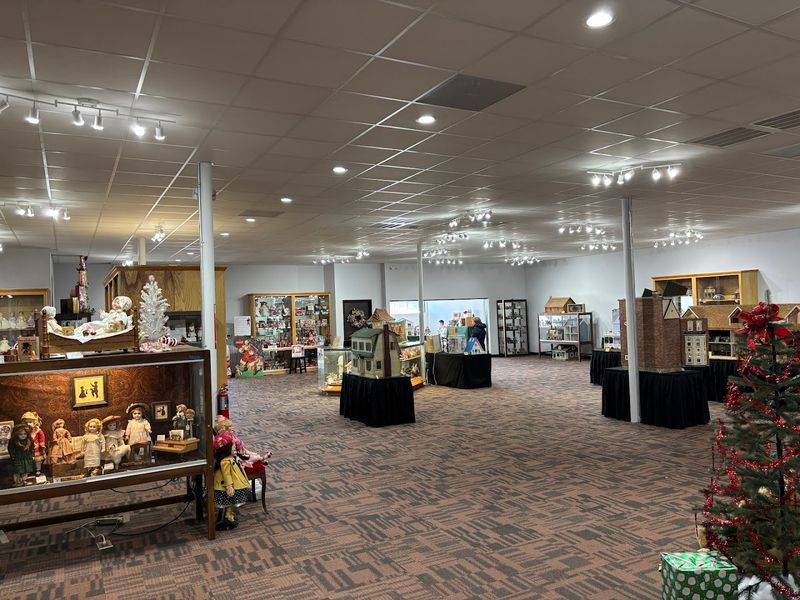
December 2024 marked an exciting milestone when the museum moved to its current larger location. The expanded space allows more items from the collection to be displayed simultaneously and provides room for the museum to grow.
Previously stored pieces now have proper homes where visitors can appreciate them.
The new building offers improved lighting and climate control, protecting delicate items while making them easier to see. More square footage means exhibits can spread out, reducing the cramped feeling that sometimes occurred in the previous space.
Visitors benefit from wider aisles and better viewing angles.
The relocation represents the museum’s commitment to long-term sustainability and improved visitor experience. Staff have bigger dreams for future exhibits and programs now that physical constraints have eased.
The move also signals confidence in the museum’s mission and community support. As the collection continues to grow through donations and acquisitions, the additional space ensures that more treasures can be shared with the public rather than remaining in storage.