North Carolina’s Must-Visit Museums You Can Get Into For Free
There is a specific kind of satisfaction that comes from spending a genuinely great afternoon without spending a single dollar.
North Carolina has quietly become one of the best places in the country to experience exactly that. The state is home to a collection of free museums that would embarrass cities twice its size.
They cover everything from four-story natural science exhibits and world-class fine art to Appalachian folk crafts, basketball history, and the kind of deep regional storytelling that most states charge good money to access.
None of these places feel like consolation prizes for people who could not afford the paid version. They feel like the real thing, because they are.
I have walked out of several of them slightly stunned by how much was packed inside, and slightly annoyed that nobody had told me sooner.
Consider this your official notification, and consider your weekend plans at least partially sorted.
1. North Carolina Museum Of Natural Sciences
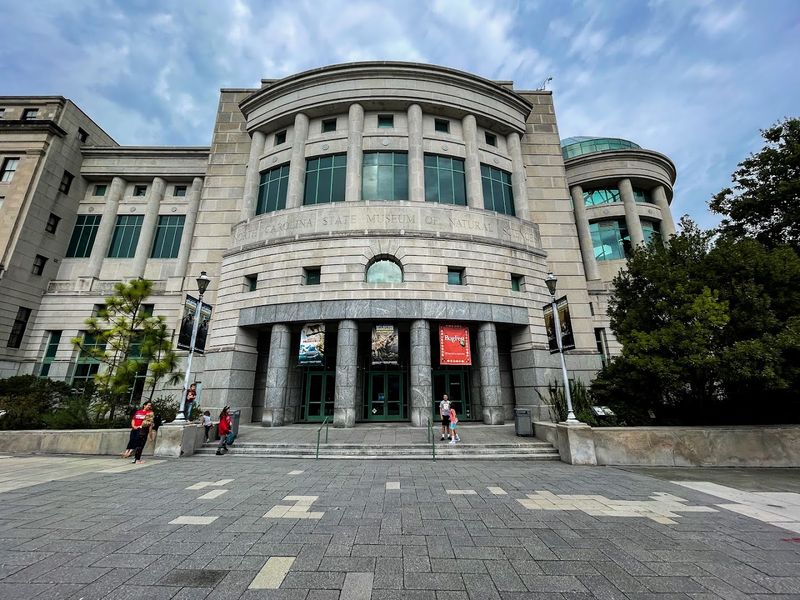
Standing face-to-face with a Acrocanthosaurus skeleton is not something I expected to do on a Tuesday afternoon for free.
The North Carolina Museum of Natural Sciences in Raleigh is the largest natural history museum in the Southeast, and it earns that title without breaking a sweat.
The museum spans two buildings connected by a skybridge. One side focuses on the natural world of North Carolina, from mountain habitats to coastal ecosystems.
The other, called the Nature Research Center, feels more like a live science lab with working researchers you can actually watch through glass windows.
Kids go absolutely wide-eyed in the paleontology hall. Adults tend to linger longer than expected in the biodiversity exhibits.
There is a rooftop terrace with views of downtown Raleigh that most visitors somehow miss.
Located at 11 W Jones St, Raleigh, the museum is open Tuesday through Sunday and draws over one million visitors a year. That number alone tells you something real about what is waiting inside.
2. North Carolina Museum Of Art
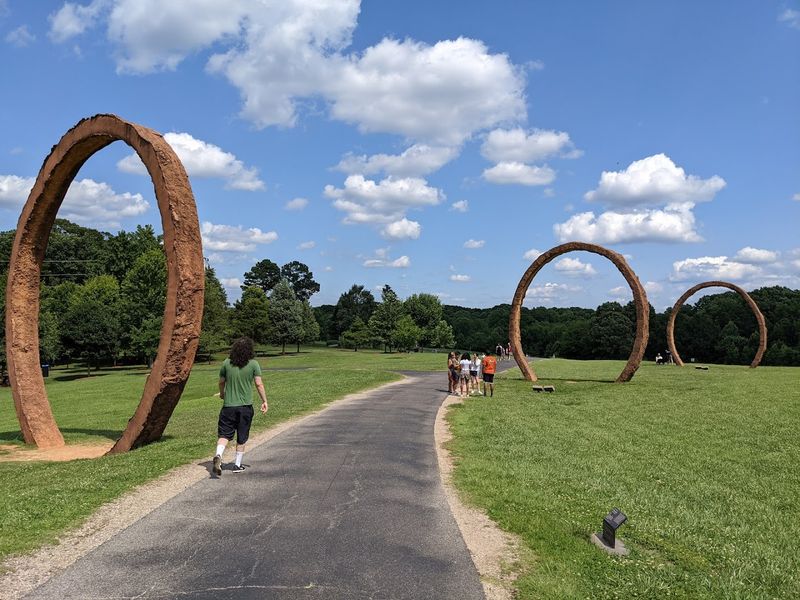
Most art museums make you feel like you need a degree just to walk through the door. The North Carolina Museum of Art on Blue Ridge Road in Raleigh does the opposite.
It welcomes you like an old friend who happens to own some seriously impressive things.
The permanent collection spans five thousand years of art history. Ancient Egyptian pieces sit a few rooms away from European masters and contemporary American works.
The range is genuinely surprising for a state-funded museum, and admission to the permanent galleries is always free.
What sets this place apart from other art museums is the 164-acre park surrounding it. Massive outdoor sculptures are scattered across walking trails that feel more like a nature stroll than a gallery visit.
I spent two hours outside before I even went in. The museum at 2110 Blue Ridge Rd also hosts film screenings and outdoor concerts, many of which are free.
Special exhibitions do carry a fee, but the permanent collection alone is worth a dedicated afternoon. Bring comfortable shoes because you will want to explore every corner of that park.
3. City Of Raleigh Museum
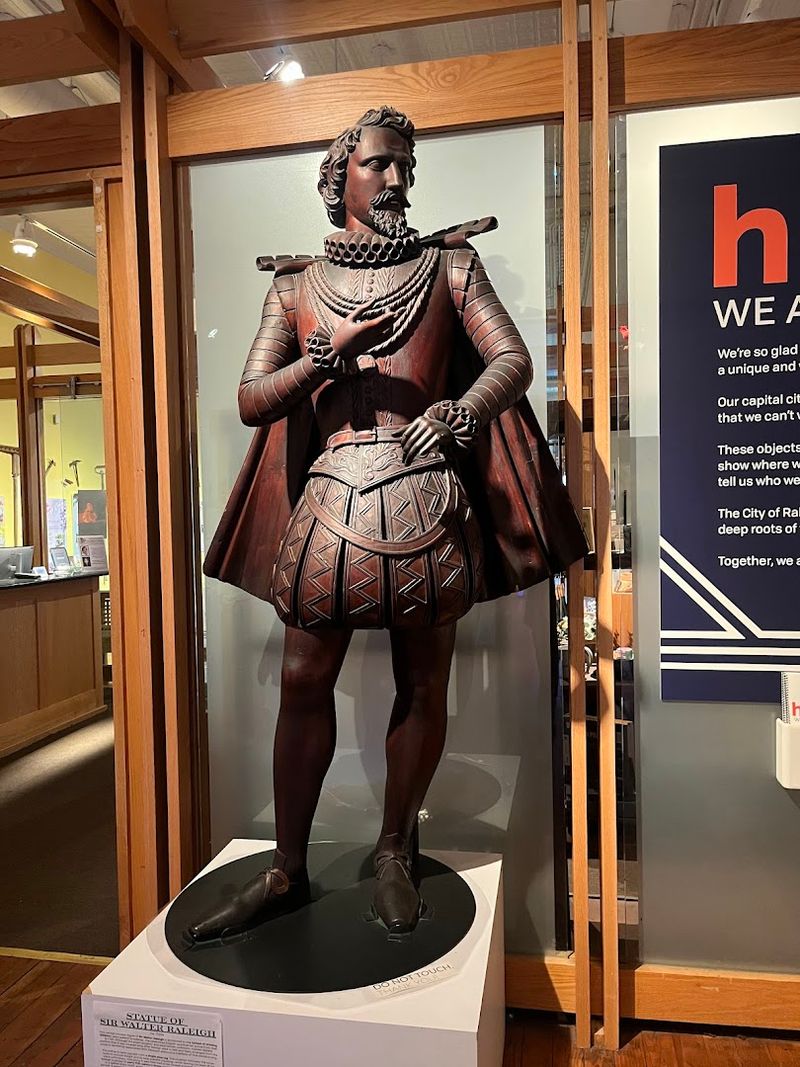
Raleigh was literally planned on paper before a single building existed.
That fact alone makes the City of Raleigh Museum one of the more fascinating stops in downtown, and it fits neatly into a lunch break if you are short on time.
Located at 220 Fayetteville St in the heart of downtown, this small but sharp museum tells the full story of how a planned capital city grew into a modern urban center.
The exhibits move through time in a way that feels personal rather than textbook-dry. Old photographs, city maps, and local artifacts make the history feel close and real.
What I appreciate most is how the museum connects the past to present-day Raleigh.
You walk out understanding why certain neighborhoods look the way they do and why the city developed along specific corridors.
It is free to enter, easy to find, and rarely crowded, which means you can actually take your time with each display. The staff are knowledgeable and genuinely enthusiastic about local history.
For anyone visiting Raleigh for the first time, this is an honest and engaging way to understand the city before exploring it on foot.
4. Carolina Basketball Museum
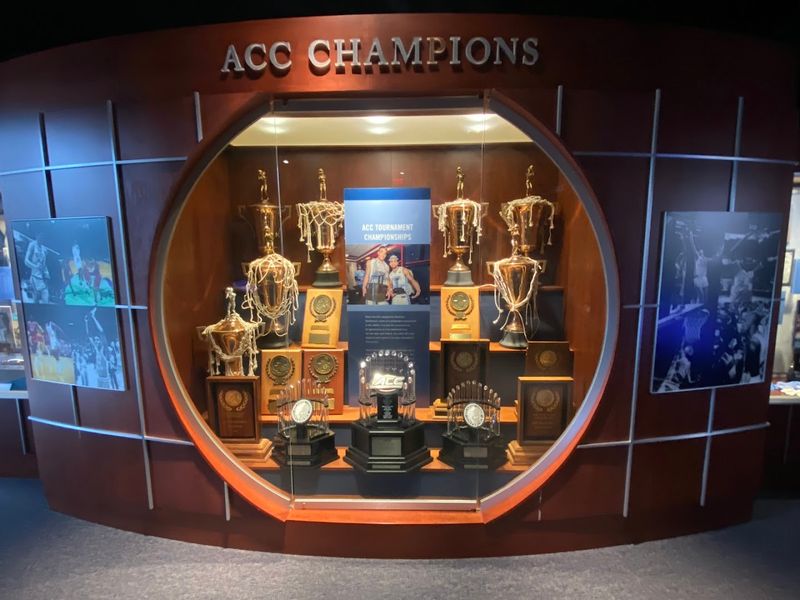
If you have ever argued about college basketball at a dinner table, you already understand why this museum exists.
The Carolina Basketball Museum at 450 Skipper Bowles Dr on the UNC Chapel Hill campus is a shrine to one of the most storied programs in the history of the sport.
The museum opened in 2008 and covers over a century of Tar Heel basketball. Championship trophies, game-worn jerseys, and interactive displays fill the space with a kind of electric nostalgia.
The exhibit design is clean and modern, which makes the history feel current rather than dusty.
Admission is free, which feels almost too good given how much content is packed inside.
The museum sits right next to the Dean E. Smith Center, so the whole experience carries extra weight when you realize where you are standing.
I went in expecting a quick look and stayed for nearly ninety minutes. There is a whole section dedicated to legendary coaches that is worth slowing down for.
Basketball fans from any program will find something here that earns genuine respect.
5. Ackland Art Museum
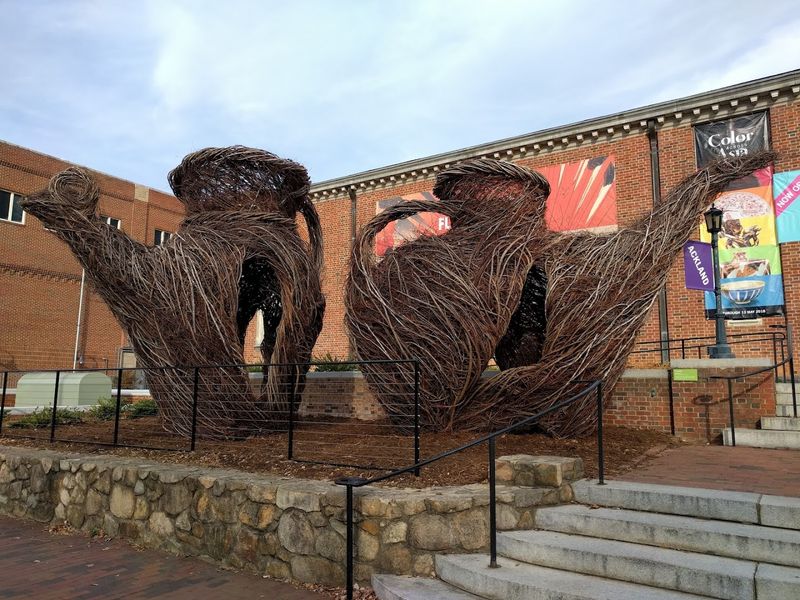
University art museums have a reputation for being overlooked, and the Ackland Art Museum at UNC Chapel Hill is one of the most underrated cultural spaces in the entire state.
That reputation is completely undeserved once you step inside.
Located at 101 S Columbia St in Chapel Hill, the Ackland holds a permanent collection of over seventeen thousand works. That number is staggering for a university museum.
The collection ranges from ancient Asian ceramics to European prints to modern American paintings, and the curation is thoughtful enough to make each room feel like a considered conversation rather than a storage dump.
What I love about the Ackland is the scale. It is large enough to feel serious but small enough to absorb in a single visit without exhaustion.
The building itself is handsome and the lighting in the galleries is genuinely excellent.
Students from the university frequently use the space for research, which gives it an active, lived-in energy that some bigger museums lack.
Admission is always free. If you are visiting Chapel Hill for the day, this is a smart stop before or after exploring Franklin Street.
Plan on at least an hour to do it justice.
6. Greensboro History Museum
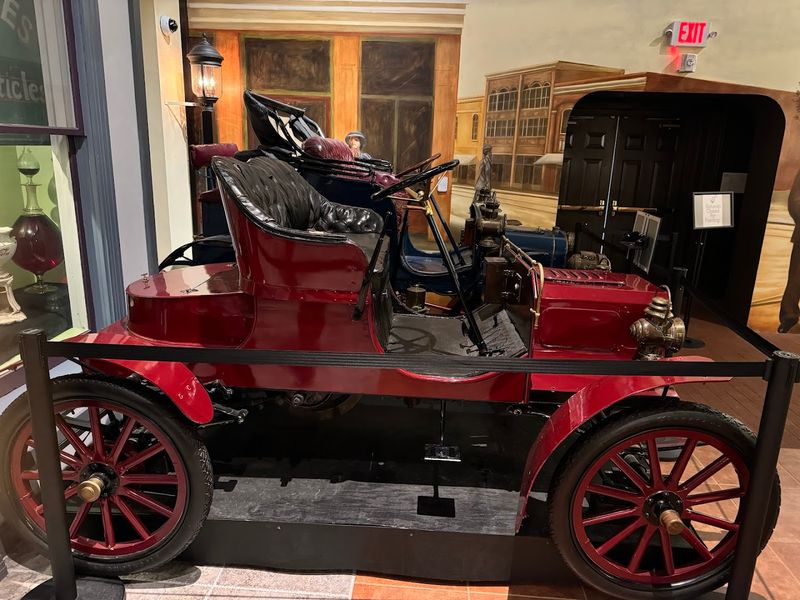
Greensboro, North Carolina has a history that punches well above its weight, and the Greensboro History Museum at 130 Summit Ave captures that story with real depth and honesty.
This is not a museum that glosses over the complicated parts.
The exhibits cover everything from the early settlement of the Piedmont region to the Woolworth sit-in of 1960, which is one of the most significant moments in American civil rights history.
The way the museum handles that chapter is measured and respectful, giving visitors room to sit with the weight of what happened. Artifacts from that period are displayed with care and context.
Beyond the civil rights history, there are exhibits on Greensboro’s industrial past, local military contributions, and the cultural evolution of the city over centuries.
The variety keeps the visit moving without feeling scattered. Admission is free, parking nearby is manageable, and the museum is open Tuesday through Saturday.
I found myself reading nearly every label in the civil rights section, which is not something I can say about every museum I visit.
For anyone passing through Greensboro, this is a stop that rewards curiosity and leaves you thinking long after you walk back out into the afternoon sun.
7. Folk Art Center
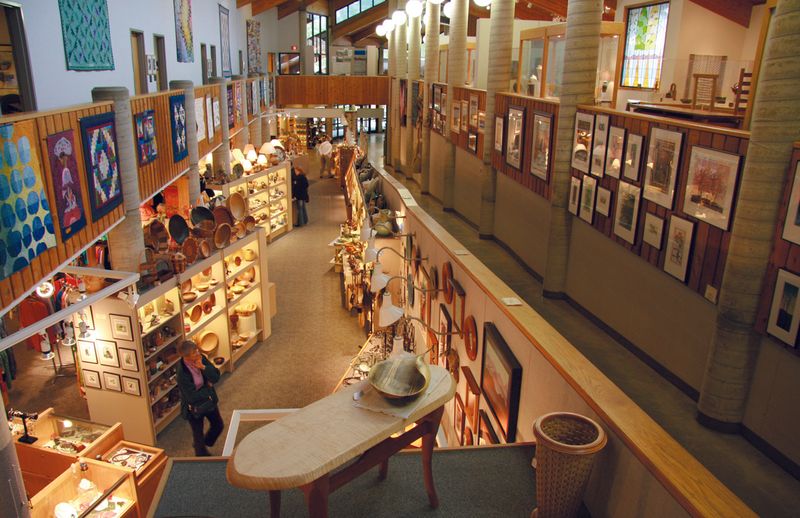
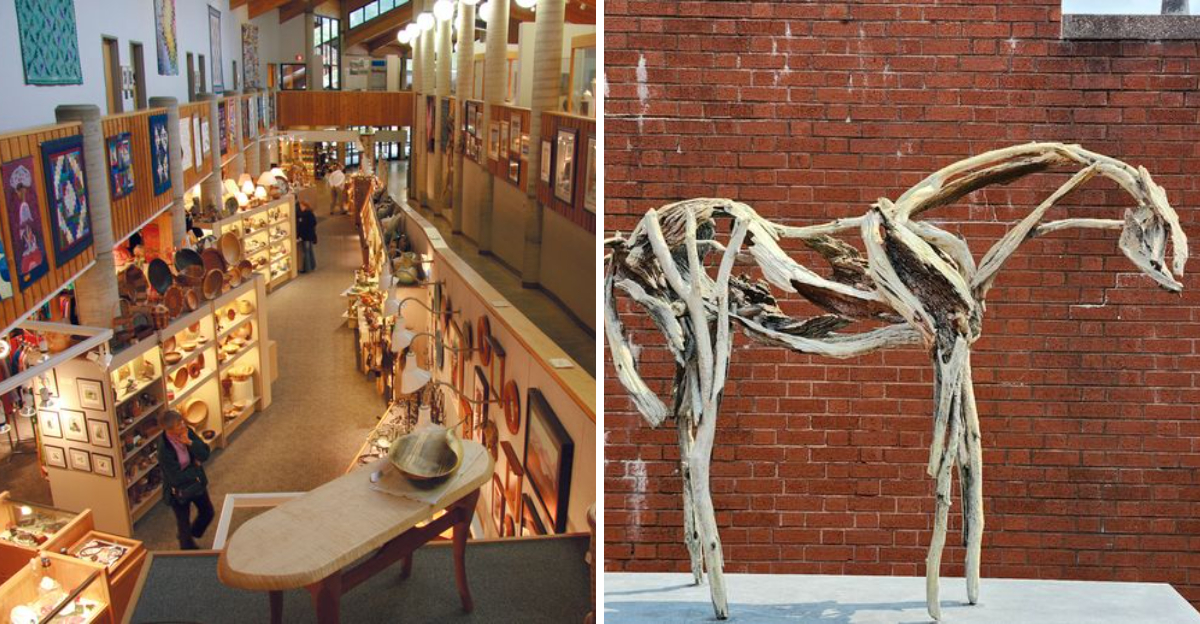
There is a craft tradition in the Appalachian Mountains that stretches back centuries, and the Folk Art Center on the Blue Ridge Parkway keeps it very much alive.
Sitting at 382 Blue Ridge Pkwy in Asheville, this is one of those places that feels genuinely rooted in where it is.
The center is operated by the Southern Highland Craft Guild and features rotating galleries of handmade work by regional artists.
Quilts, baskets, pottery, woodwork, jewelry, and fiber arts fill the space with color and texture that photographs honestly cannot capture.
Everything on display is made by hand, and the skill level is remarkable. The gallery is free to enter and open seven days a week, which makes it one of the most accessible cultural stops in the Asheville area.
There is also a shop where you can purchase work directly from guild members, which means your money goes straight to the artist.
I picked up a small ceramic piece on my last visit and still think about it every morning. The building itself is beautiful, designed to reflect mountain craftsmanship in its architecture.
The surrounding Blue Ridge Parkway views add something extra to the whole experience. This one is worth a dedicated stop, not just a quick peek.
8. Black Mountain College Museum + Arts Center
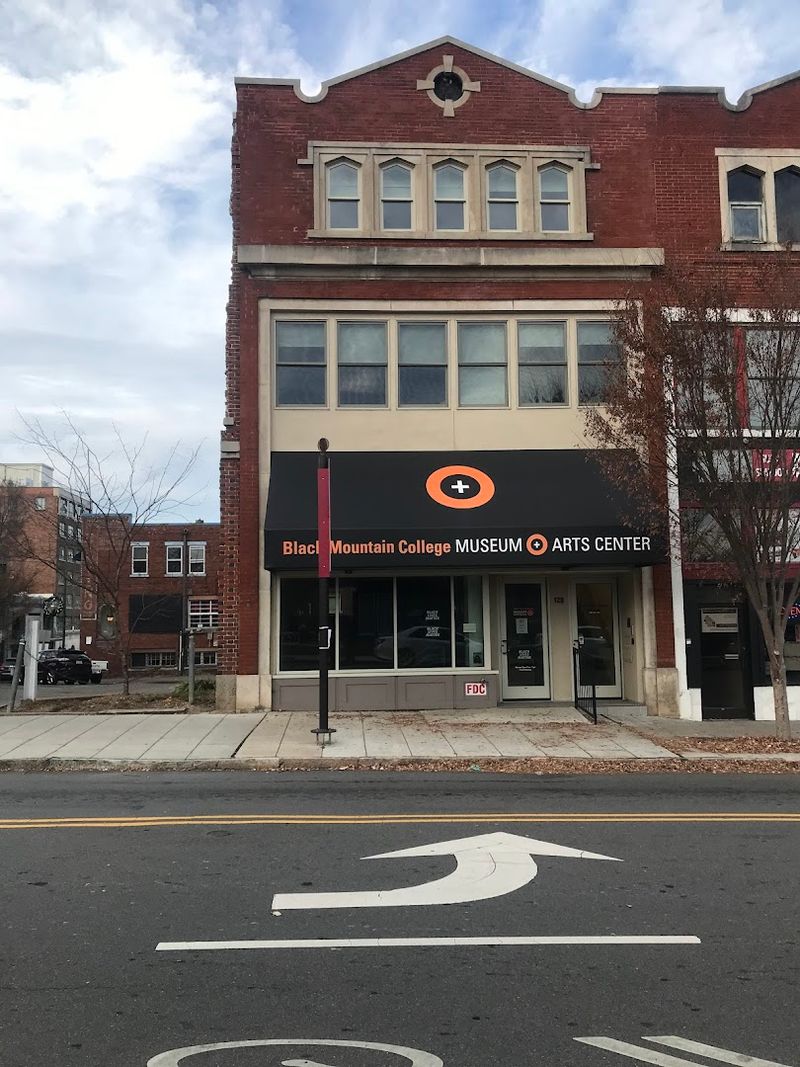
Few educational institutions have had a bigger impact on American art than Black Mountain College, and most people have never heard of it.
That is exactly the kind of story the Black Mountain College Museum and Arts Center in Asheville exists to tell.
Located at 120 College St in downtown Asheville, the museum documents the legacy of an experimental college that operated in the North Carolina mountains from 1933 to 1957.
During those years, it attracted figures like Buckminster Fuller, John Cage, Robert Rauschenberg, and Merce Cunningham.
The list of people who passed through that campus reads like a who’s who of twentieth-century American creativity.
The museum is small but dense with meaning. Archival photographs, original artwork, and thoughtful interpretive text fill the galleries with a sense of genuine intellectual excitement.
Admission is free, though donations are warmly encouraged and clearly well used. The staff here are passionate about the subject in a way that is contagious.
I walked in knowing very little about Black Mountain College and left genuinely fascinated by what happened in those mountains decades ago.
If you are visiting Asheville for its arts scene, this museum explains a big part of why that scene exists in the first place.
9. Museum Of The Cape Fear
Fayetteville sits at a crossroads of North Carolina history, and the Museum of the Cape Fear at 801 Arsenal Ave does a thorough job of explaining why this city matters well beyond its military connections.
The campus itself is part of the story.
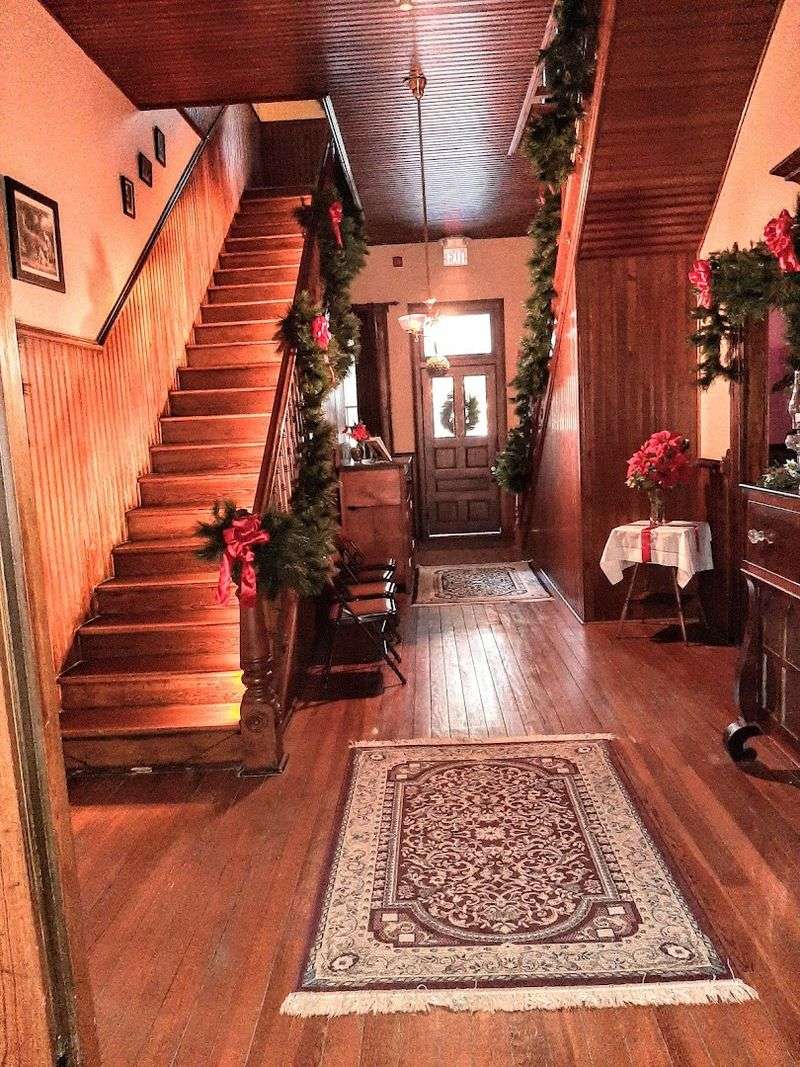
The museum complex includes an 1897 historic house museum, an outdoor history park, and an interpretive center covering the Cape Fear River Valley from prehistoric times through the twentieth century.
The breadth of the collection is impressive for a regional museum, and the outdoor space makes it feel more like an experience than a traditional exhibit hall visit.
I especially appreciated the honest treatment of the region’s Indigenous history, which is covered with more depth here than at many comparable museums.
The restored Poe House gives visitors a tangible sense of daily life in late nineteenth-century Fayetteville. Everything is free to visit, which feels like a genuine gift given how much ground the museum covers.
The grounds are peaceful and easy to walk around even with young kids in tow. If you are driving through Fayetteville on I-95 and looking for a reason to stop, this is a legitimate one that will hold your attention for a solid two hours.
10. Weatherspoon Art Museum, Greensboro
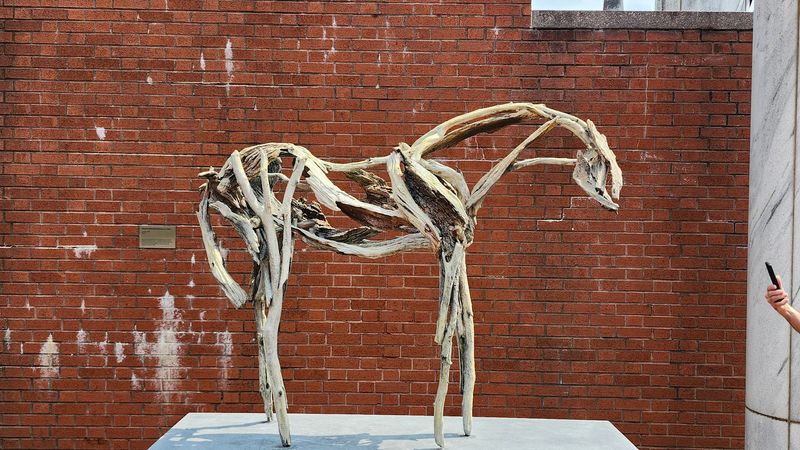
There is a specific kind of quiet that settles over a well-run art museum on a Tuesday morning, and the Weatherspoon Art Museum in Greensboro has perfected it. No crowds pressing in from every side.
Just you, the work, and enough space to actually think about what you are looking at.
What makes the Weatherspoon genuinely surprising is the caliber of what it holds.
The collection includes works by Willem de Kooning, Andy Warhol, Joan Mitchell, and Sol LeWitt, names that belong on the walls of institutions twice this size.
North Carolina is not the first place most people expect to find this level of modern and contemporary art, which is exactly what makes a visit feel like a genuine discovery.
Located at 1005 Spring Garden St, Greensboro, on the UNC Greensboro campus, the museum has been building its permanent collection since 1941 and now holds over 6,000 works.
Admission is completely free, parking behind the building is free, and extended Thursday hours until 8 PM make it one of the more accommodating cultural stops in North Carolina. Closed Mondays and Sundays.