North Carolina’s Remote Island That Feels Like A Dream
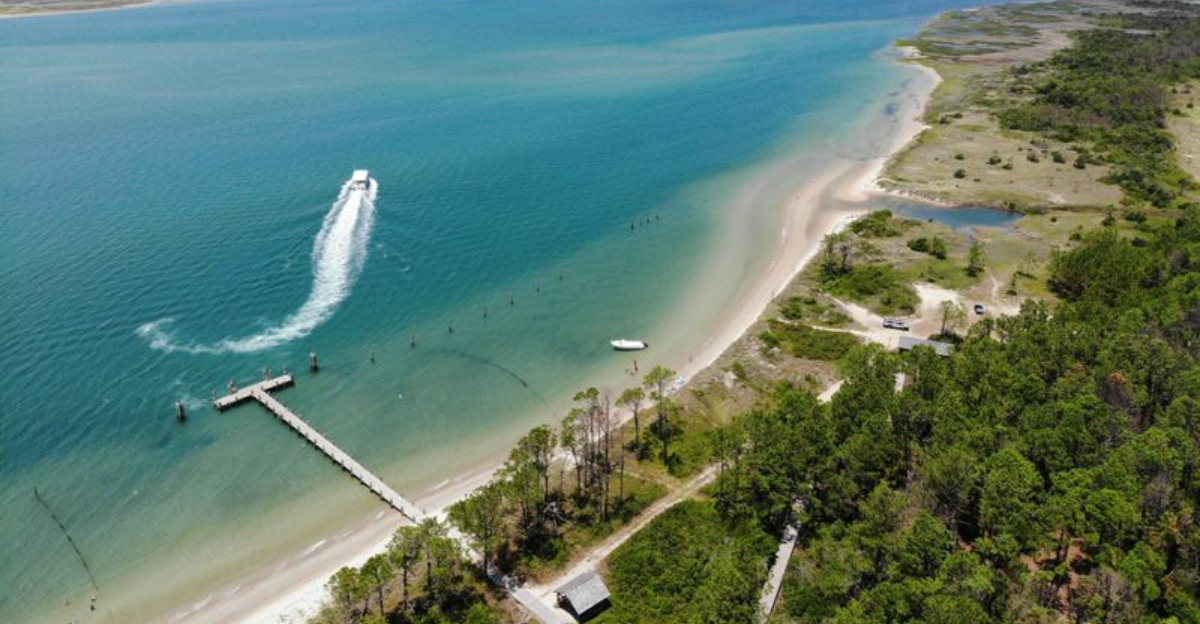
Picture a place where wild horses roam free, untouched beaches stretch endlessly, and the only sounds come from crashing waves and seabirds calling overhead. Cape Lookout National Seashore offers exactly that kind of escape, with 56 miles of pristine barrier islands accessible only by ferry.
Wild horses, empty beaches, and pure coastal magic…Cape Lookout feels like North Carolina’s best-kept island secret.
This remarkable sanctuary along North Carolina’s Crystal Coast preserves a slice of coastal wilderness that feels worlds away from everyday life, inviting adventurers to experience nature at its most authentic.
The Iconic Diamond-Patterned Lighthouse
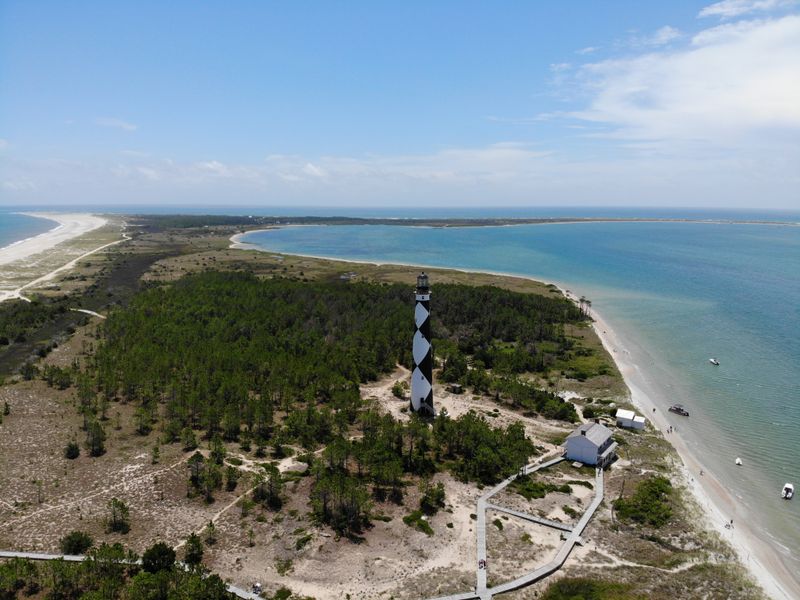
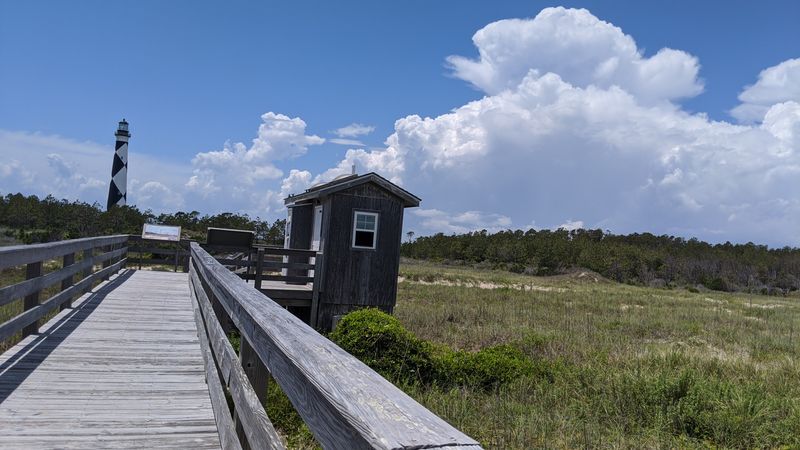
Standing tall since 1859, this striking beacon rises 163 feet above the shoreline with its unmistakable black-and-white diamond checkerboard design. Sailors have relied on this distinctive pattern for generations to navigate the treacherous waters known as the Graveyard of the Atlantic.
Climbing all 207 steps to the top rewards visitors with breathtaking panoramic views that stretch across both ocean and sound.
Rangers stationed throughout the tower offer helpful guidance and fascinating historical tidbits during your ascent. The three different staircase styles keep the climb interesting, though your legs might protest a bit.
Once you reach the gallery deck, the sweeping coastal vistas make every step worthwhile.
During open season, typically from mid-May through mid-September, visitors can experience this architectural marvel up close. The lighthouse keeper’s quarters nearby house exhibits detailing the structure’s rich maritime history and the families who tended its light.
Photography enthusiasts find endless inspiration in the geometric patterns against the blue Carolina skies.
Located at Cape Lookout Rd, Harkers Island, this landmark serves as the seashore’s most recognizable symbol. The contrast between its bold design and the surrounding natural landscape creates truly memorable vacation photos.
Wild Spanish Mustangs of Shackleford Banks
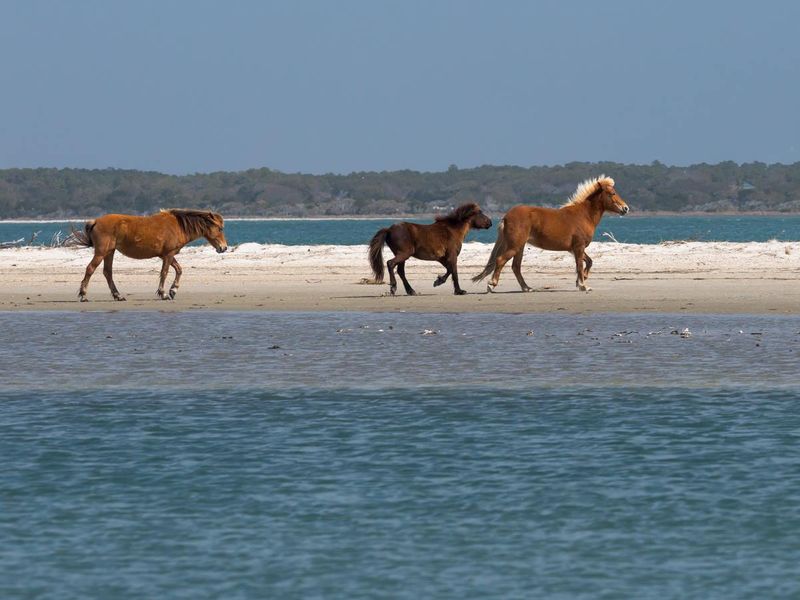
Descendants of shipwrecked Spanish horses from the 1500s still gallop freely across Shackleford Banks today, their bloodlines tracing back centuries. These magnificent creatures have adapted remarkably to island life, grazing on marsh grasses and thriving without human intervention.
Watching them move across the dunes creates an almost mystical experience that transports visitors back in time.
The herd maintains itself naturally, with foals born each spring adding new energy to the group. Scientists and volunteers monitor their health and genetics to ensure this living piece of history continues for future generations.
Observing from a respectful distance allows you to witness their authentic behaviors without disturbing their natural routines.
Ferry rides often include stops at Shackleford Banks specifically for horse viewing opportunities. The animals show no fear of people but maintain their wild independence, creating perfect photo opportunities.
Their sturdy build and sure-footedness demonstrate centuries of adaptation to coastal island conditions.
Park regulations require maintaining at least 50 feet distance from these protected animals for everyone’s safety. Their gentle appearance shouldn’t fool you, these remain wild creatures deserving respect and space.
Early morning or late afternoon visits often provide the best chances for memorable encounters.
Pristine Undeveloped Beaches
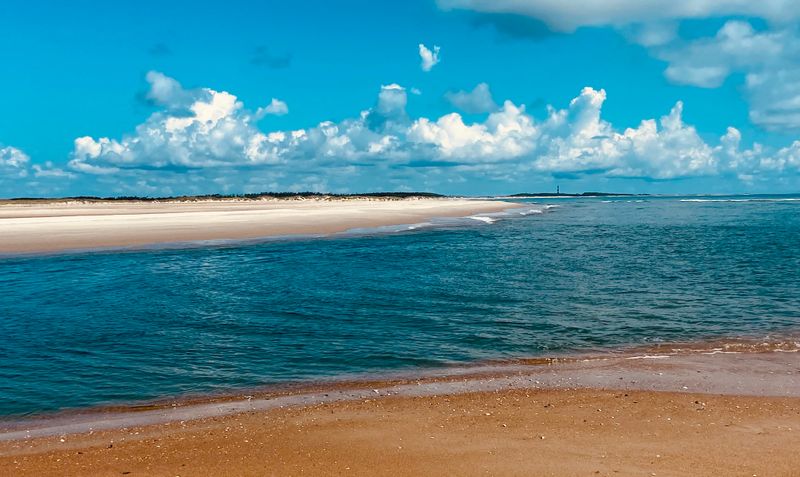
Without a single road or bridge connecting these barrier islands to the mainland, the beaches remain gloriously untouched by development. Soft sand stretches for miles in both directions, interrupted only by scattered shells and the occasional driftwood sculpture.
The absence of boardwalks, pavilions, and commercial structures creates an authentic wilderness beach experience increasingly rare along developed coastlines.
Swimming in the clear Atlantic waters feels refreshing and invigorating, especially during summer months. The gentle slope of the shoreline makes wading safe for families, though always respect the ocean’s power.
Beachcombers discover treasures with every stroll, from colorful shells to smooth sea glass polished by endless waves.
The solitude here stands in stark contrast to crowded tourist beaches just miles away. You might walk for hours seeing only a handful of other visitors, giving you space to truly unwind.
Bringing your own shade via umbrella or tent proves essential since natural cover remains nonexistent.
Ferry access from Cape Lookout Rd, Harkers Island, ensures these beaches stay pristine and crowd-free. Pack out everything you bring in to help preserve this remarkable natural sanctuary.
The untouched quality makes every visit feel like discovering a secret coastal paradise.
Primitive Camping Under The Stars
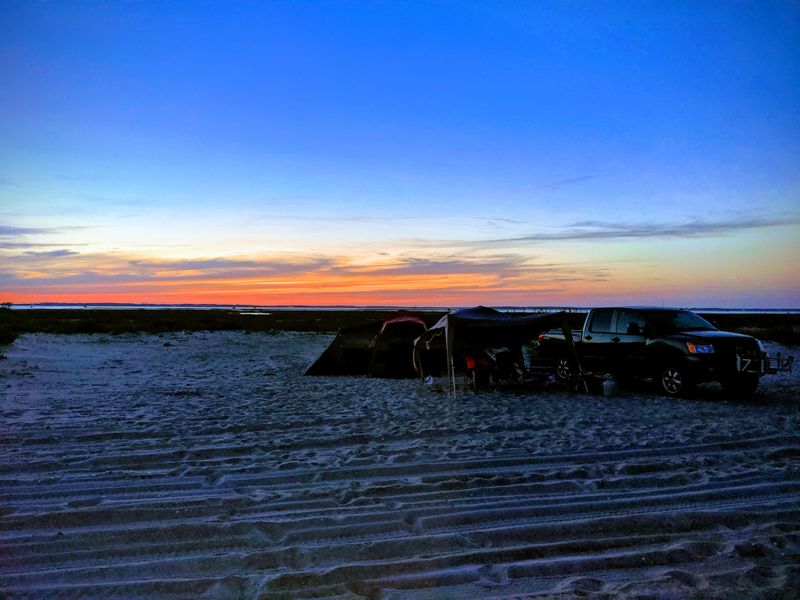
Falling asleep to the rhythmic sound of crashing waves while camping directly on the beach creates unforgettable memories. Primitive camping here means no hookups, no designated sites, and complete freedom to pitch your tent wherever the landscape appeals to you.
The experience connects you with nature in ways hotel stays simply cannot match.
Rustic cabins on North and South Core Banks offer slightly more shelter while maintaining that wilderness atmosphere. These basic structures provide roof and walls but limited amenities, encouraging visitors to embrace simpler living.
Reservations fill quickly during peak season, so planning ahead becomes essential for cabin stays.
Strong winds constantly sweep across these exposed islands, so securing your tent properly prevents overnight disasters. Burying tent stakes deep and using extra guy lines keeps everything grounded even during breezy nights.
Smaller tents generally fare better than large family-sized models in these conditions.
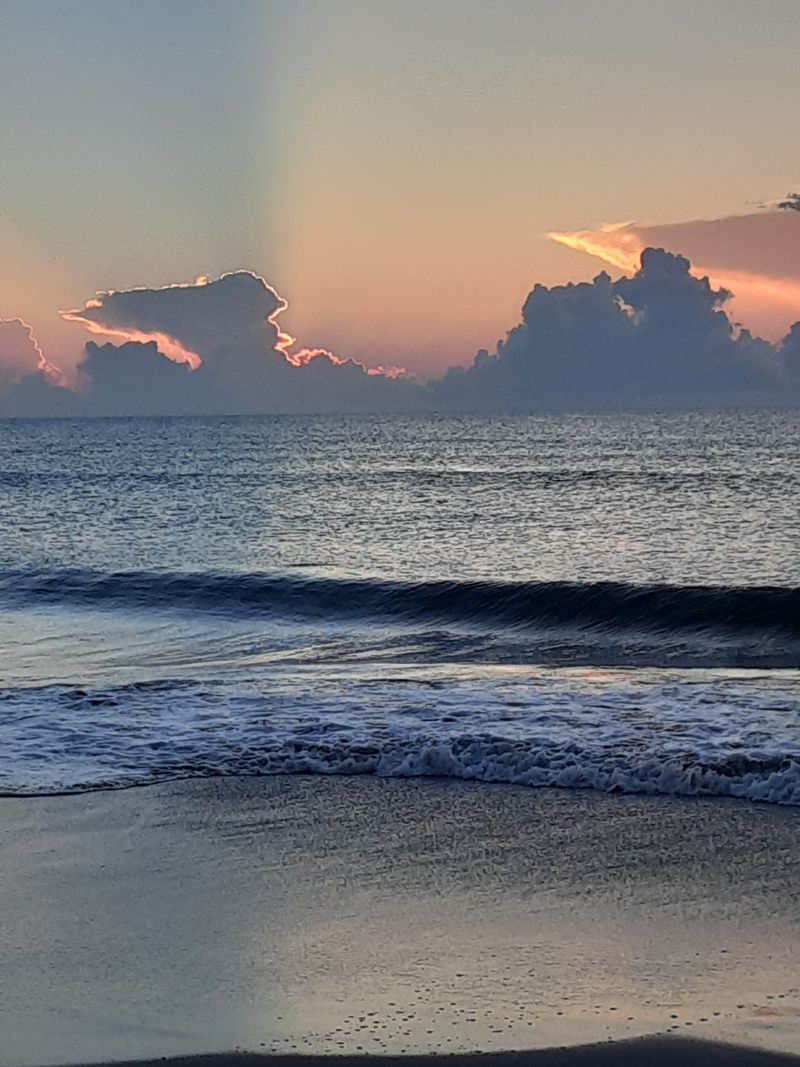
Sunrise from your beachside campsite paints the sky in brilliant oranges and pinks worth waking early to witness. Campfires on the beach add warmth and ambiance to evening gatherings with family and friends.
The National Park Service maintains basic facilities including bathrooms and rinse stations near the dock at Cape Lookout Rd, Harkers Island.
World-Class Fishing Opportunities
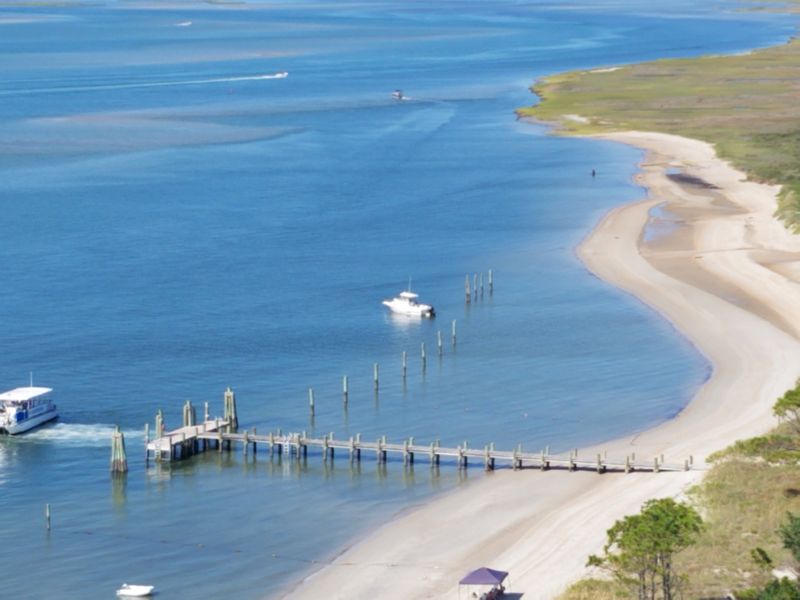
Anglers travel from across the country to cast lines in these productive waters teeming with diverse species. Pompano, red drum, flounder, and Spanish mackerel regularly take bait along the surf and in the sound.
The absence of fishing pressure found at more accessible beaches means fish populations remain healthy and abundant.
Surf fishing from the beach requires minimal equipment but delivers maximum excitement when something big hits your line. Wading into the waves at dawn or dusk often produces the best results as fish feed actively.
Local bait shops on the mainland provide advice on what’s biting and which lures work best currently.
Sound-side fishing offers calmer conditions perfect for families introducing children to the sport. The protected waters host different species than the ocean side, adding variety to your fishing adventure.
Kayak anglers paddle to remote spots inaccessible from shore, discovering hidden honey holes.
A valid North Carolina fishing license covers both recreational and saltwater fishing throughout the seashore. Regulations protect certain species and sizes, so familiarize yourself with current rules before keeping your catch.
One visitor even caught a fresh pompano that became a delicious appetizer before dinner at their beachside campsite near Cape Lookout Rd, Harkers Island.
Shell Collector’s Paradise
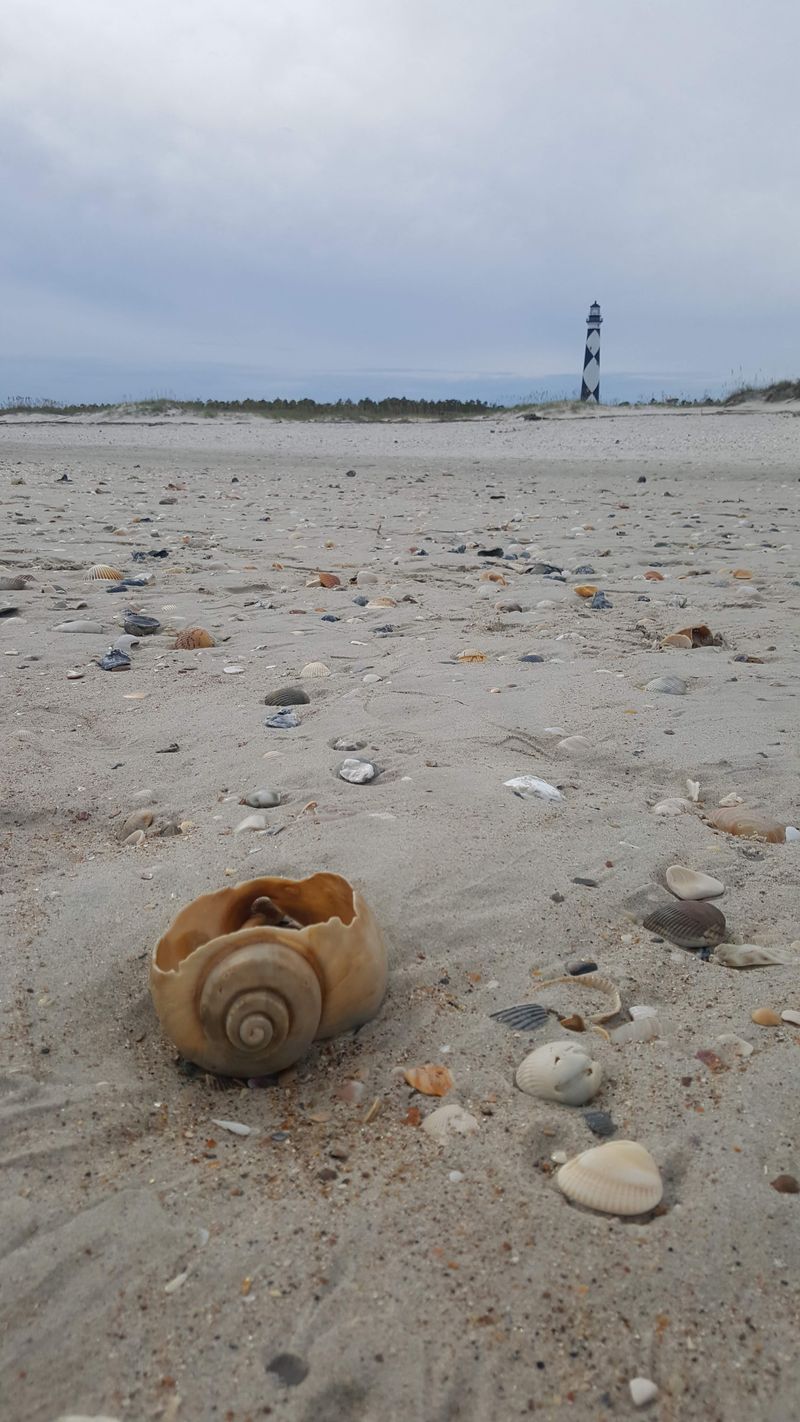
Few places along the Atlantic coast rival Cape Lookout for shelling opportunities that delight collectors of all ages. The Scotch Bonnet, North Carolina’s official state shell, washes ashore here with surprising regularity alongside countless other varieties.
Each tide brings fresh treasures, making every beach walk an exciting treasure hunt.
Walking toward the point where currents converge yields the most impressive finds. Olive shells, whelks, moon snails, and colorful coquinas scatter across the sand in abundance.
Serious collectors arrive with mesh bags and keen eyes, scanning the wrack line for special specimens.
Timing your visit around low tide exposes more beach and increases your chances of discovering rare shells. Morning walks often prove most productive before other visitors claim the best finds.
Even casual strollers leave with pockets full of beautiful souvenirs to remember their island adventure.
The remote location means shells remain more intact than those on heavily trafficked beaches where foot traffic crushes them. Children squeal with delight, discovering their first perfect sand dollar or complete conch shell.
One enthusiastic visitor found a massive shell they still treasure as a reminder of their ferry trip from Cape Lookout Rd, Harkers Island.
Birdwatcher’s Haven With 250 Species
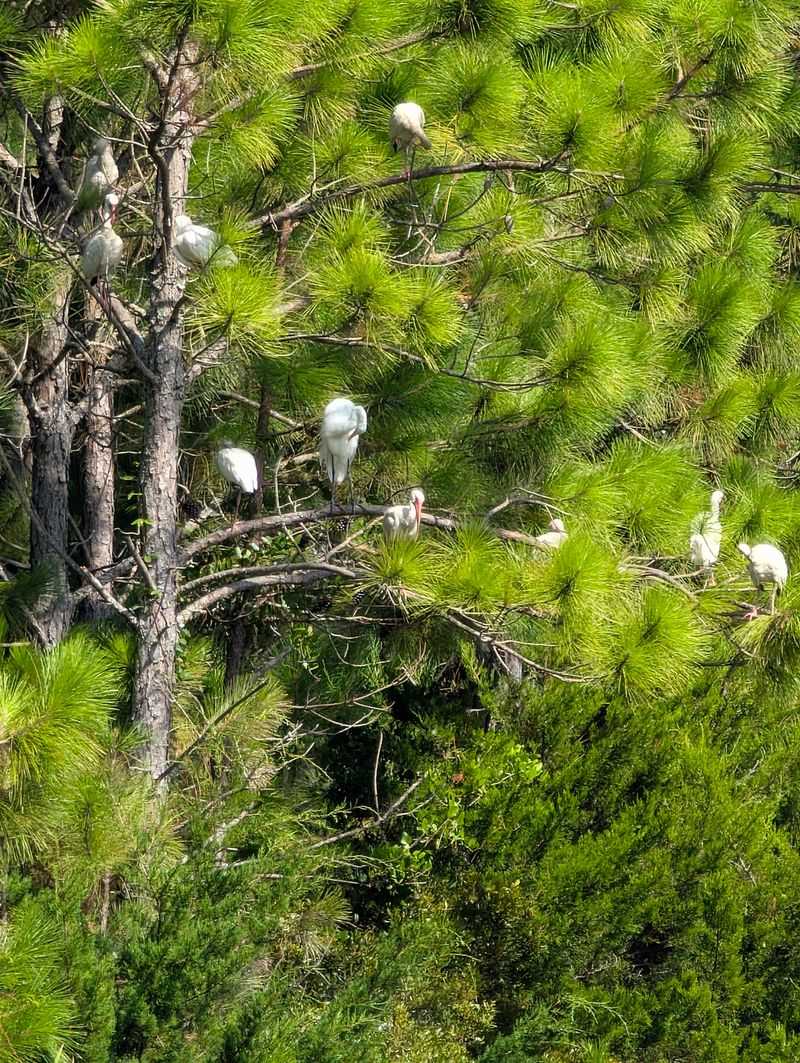
Over 250 documented bird species make Cape Lookout a premier destination for ornithologists and casual bird enthusiasts alike. The barrier islands provide crucial stopover habitat for migratory birds traveling the Atlantic Flyway each spring and fall.
Binoculars reveal an ever-changing cast of feathered characters depending on season and weather patterns.
Nesting shorebirds claim sections of beach during breeding season, with protective areas roped off for their safety. Piping plovers, least terns, and American oystercatchers raise their young in the dunes and along the shoreline.
Respecting these closures helps ensure these vulnerable species continue thriving for future generations to enjoy.
Wading birds stalk the shallow waters, hunting for small fish and crustaceans in the marshes. Great blue herons, snowy egrets, and ibis create living sculptures against the coastal landscape.
Raptors, including ospreys and peregrine falcons, patrol overhead searching for prey below.
Early morning hours bring peak activity as birds feed and vocalize throughout the islands. Bringing a field guide helps identify unfamiliar species and adds educational value to your observations.
Photography enthusiasts capture stunning images of birds in their natural habitat without the crowds found at mainland locations accessible from Cape Lookout Rd, Harkers Island.
Kayaking Through Coastal Marshes
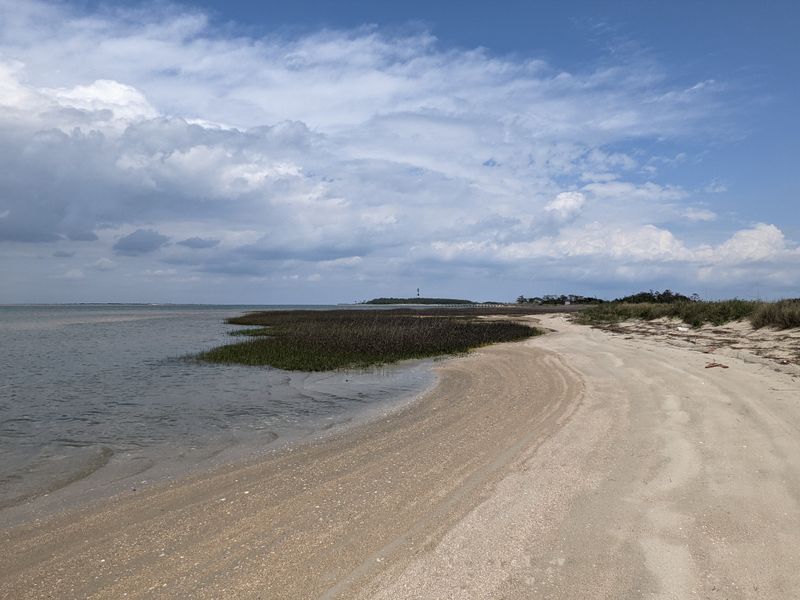
Paddling through the seashore’s 100-plus miles of shoreline reveals hidden corners impossible to reach by land or vehicle. Calm sound-side waters provide ideal conditions for beginners and families with children learning to kayak.
Experienced paddlers challenge themselves with longer expeditions exploring remote marshes and tidal creeks.
Gliding silently through narrow channels brings you face-to-face with wildlife undisturbed by your presence. Dolphins surface nearby, their dorsal fins cutting through the water as they hunt for fish.
Wading birds allow surprisingly close approaches when you move quietly and respect their space.
Tidal currents require attention and planning to avoid exhausting battles against water flow. Launching during the incoming tide assists your journey into the marshes, while the outgoing tide helps your return trip.
Local outfitters provide rental equipment and valuable advice about routes and timing.
The maze of islands, sandbars, and channels creates endless exploration possibilities for multi-day kayak camping trips. Carrying camping gear in waterproof bags allows you to establish base camps on remote beaches.
Navigation skills and charts become essential for safely finding your way through this watery wilderness.
Sunset paddles paint the sky and water in brilliant colors that photographers dream about capturing. The peaceful rhythm of paddling provides meditation in motion, washing away stress with each stroke toward Cape Lookout Rd, Harkers Island.
Historic Portsmouth Village
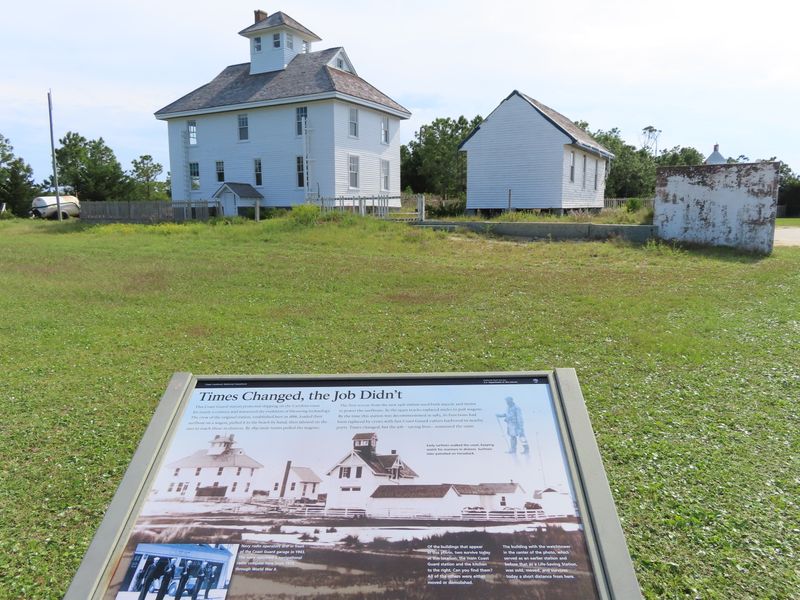
Stepping into Portsmouth Village feels like traveling backward through time to the mid-1700s when this thriving community bustled with activity. Established as a vital port town, it once served as a lightering station where cargo transferred from ocean-going vessels to smaller boats.
Preserved buildings and churches stand as silent witnesses to centuries of coastal history and human resilience.
At its peak, Portsmouth housed hundreds of residents who made their living from maritime trades and fishing. The village gradually declined as shipping patterns changed and deeper-draft vessels bypassed the shallow inlet.
By 1971, the last two residents departed, leaving behind a remarkably intact ghost town.
Self-guided walking tours lead visitors through homes, the post office, church, and Coast Guard station. Interpretive signs explain each structure’s purpose and the daily lives of families who called this remote island home.
The eerie quiet amplifies your imagination as you picture children playing in yards and merchants conducting business.
The National Park Service maintains these structures, preventing nature from reclaiming what generations built with their hands. Shaded porches and weathered clapboard siding evoke nostalgia for simpler times despite the harsh realities of isolated island living.
History buffs spend hours exploring and photographing this unique preservation accessible from Cape Lookout Rd, Harkers Island.
International Dark Sky Park Stargazing
Earning designation as an International Dark Sky Park recognizes Cape Lookout’s exceptional nighttime viewing conditions free from light pollution. The Milky Way stretches overhead in a brilliant band of stars visible to the naked eye on clear nights.
Planets, constellations, and meteor showers reveal themselves with stunning clarity, impossible to see from urban or suburban locations.
Lying on the beach after dark transforms your perspective as billions of stars wheel overhead throughout the night. Shooting stars streak across the sky regularly, especially during annual meteor shower peaks.
The combination of crashing waves and celestial displays creates a multisensory experience that feels almost spiritual.
Astronomy enthusiasts bring telescopes to explore deep-sky objects and planetary details in remarkable resolution. Even smartphone cameras can capture impressive star photos with long exposures and steady tripods.
The absence of artificial light allows your eyes to fully adapt, revealing fainter stars and nebulae.
New moon periods provide the darkest skies and most dramatic stargazing opportunities. Bringing red-filtered flashlights preserves your night vision while providing necessary illumination around camp.
Educational programs led by rangers occasionally include guided night sky tours explaining constellations and astronomical phenomena.
The experience humbles visitors with a perspective about Earth’s place in the vast cosmos above Cape Lookout Rd, Harkers Islands. This celestial show performs nightly, free for anyone willing to stay after sunset.
Climbing The Lighthouse For Panoramic Views
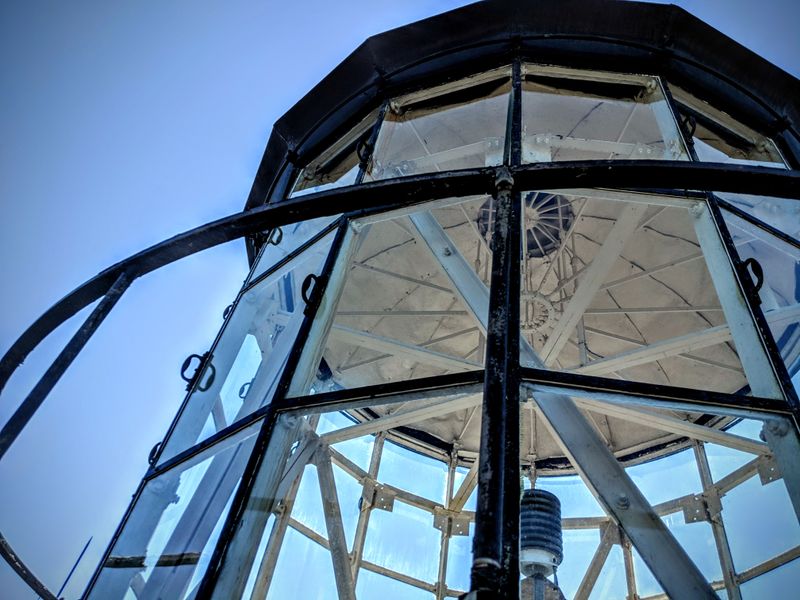
Ascending the 207 iron steps inside the lighthouse tests your leg strength but rewards determination with incredible 360-degree coastal vistas. Three distinct staircase styles keep the climb interesting, from the initial straight runs to spiral sections near the top.
Rangers positioned at intervals offer encouragement and share fascinating facts about the structure’s construction and operation.
Reaching the gallery deck brings immediate relief as ocean breezes cool your flushed face and racing heart. The view encompasses miles of undeveloped coastline, revealing the barrier islands’ true geography from this elevated perspective.
Shackleford Banks, the point, and endless ocean stretch to the horizon in every direction.
Photography from this height captures unique angles impossible from ground level. The geometric patterns of the lighthouse’s diamond design frame foreground shots beautifully.
On exceptionally clear days, you can spot boats miles offshore and identify landmarks on the mainland.
Safety remains the top priority, with railings and rules ensuring all visitors enjoy the experience without incident. The narrow gallery allows only a limited numbers at the top simultaneously, preventing overcrowding.
Volunteers stationed in the lantern room explain the original Fresnel lens and how lighthouse keepers maintained the beacon.
The descent requires careful attention as your tired legs navigate the same 207 steps downward to Cape Lookout Rd, Harkers Island. Every climber agrees that the breathtaking views justify the effort required.
Marine Wildlife Viewing Adventures
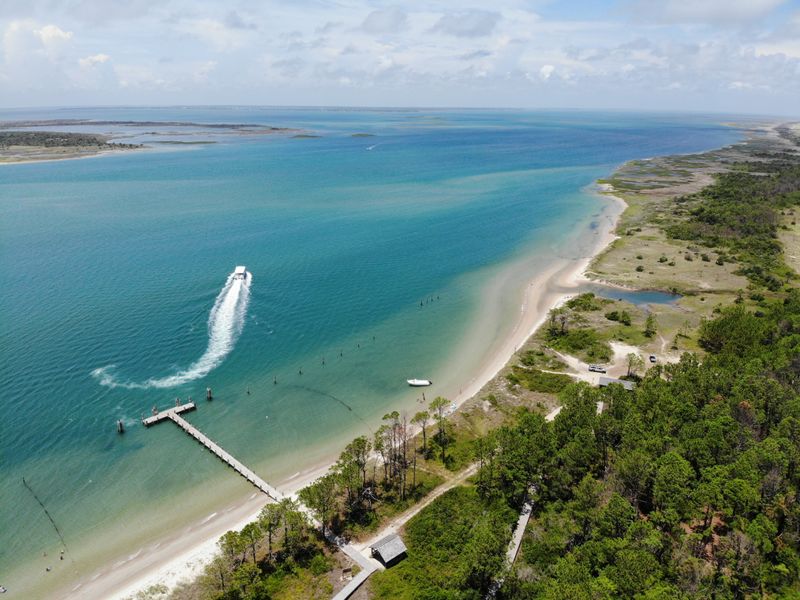
Beyond the famous wild horses, Cape Lookout teems with marine life that delights nature enthusiasts of all ages. Bottlenose dolphins frequently cruise near shore, sometimes putting on acrobatic displays as they hunt schools of fish.
Their playful nature and intelligence shine through as they surf waves and interact with each other.
Sea turtles nest on these beaches during the summer months, with loggerheads being the most common species. Volunteers monitor nests and protect them from disturbance until hatchlings emerge and scramble toward the ocean.
Witnessing a release event creates memories that last a lifetime and inspires conservation awareness.
Stingrays glide through shallow waters, their graceful movements mesmerizing to observe from above. Ghost crabs scurry across the sand at dusk, excavating burrows and hunting for food along the tide line.
Hermit crabs inhabit abandoned shells, providing endless entertainment for curious children.
Offshore, seasonal visitors include migrating whales and various shark species cruising the productive waters. The diversity of habitats from ocean to sound to marsh supports an incredible variety of creatures.
Each ecosystem contributes to the seashore’s biological richness and ecological importance.
Respectful observation means maintaining distance and never attempting to touch or feed wild animals. Binoculars and telephoto lenses allow close views without causing stress or altering natural behaviors near Cape Lookout Rd, Harkers Island.
Every encounter reminds us why protecting these habitats matters so much.
Four-Wheel Beach Driving Experience
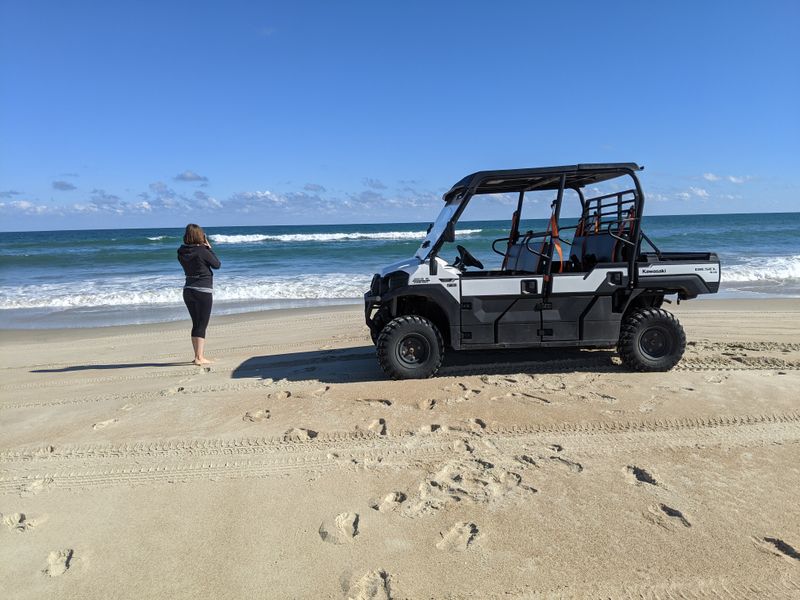
Obtaining a vehicle permit unlocks access to remote sections of the beach impossible to reach on foot. Four-wheel-drive vehicles equipped with aired-down tires navigate the soft sand successfully, opening up miles of pristine coastline.
The freedom to explore at your own pace and carry camping gear, coolers, and fishing equipment transforms your island adventure.
Proper preparation prevents getting stuck and ensures safe beach driving for everyone. Lowering tire pressure to 15-20 PSI increases your tire’s footprint and improves traction on sand.
A compressor station at Cape Lookout Rd, Harkers Island, allows you to reinflate before returning to paved roads.
Driving along the beach with ocean waves on one side creates an exhilarating sensation of freedom. You can stop anywhere that appeals to you, claiming your own private stretch of paradise.
Families spread out with plenty of space between groups, maintaining the peaceful atmosphere everyone seeks.
Vehicle ferries charge around seventy-five dollars roundtrip but accommodate stays up to two weeks. The investment pays dividends in convenience and access to the seashore’s most secluded areas.
Fuel, ice, and fresh water are available on the island, accepting debit and credit cards only.
Respecting protected areas and wildlife closures ensures this privilege continues for future visitors. Following established tracks minimizes environmental impact on fragile dune systems.
The experience of beach camping with your vehicle nearby combines adventure with comfort perfectly.
Ranger-Led Educational Programs
The National Park Service offers guided tours and educational talks that deepen your understanding of the seashore’s natural and cultural significance. Rangers share their extensive knowledge about maritime history, coastal ecology, and ongoing conservation efforts with genuine enthusiasm.
These programs transform a simple beach visit into an enriching learning experience for all ages.
Lighthouse tours led by knowledgeable volunteers reveal fascinating details about the structure’s construction and the lighthouse keepers’ demanding duties. Hearing stories about families who lived in isolation, tending the beacon brings history to life.
The dedication required to maintain this vital navigation aid year-round commands respect and admiration.
Ecology programs explain the barrier islands’ formation, the importance of dune systems, and threats facing coastal environments. Children especially enjoy interactive activities that teach while entertaining.
Junior Ranger programs engage young visitors in hands-on learning about protecting natural resources.
Special events throughout the year celebrate the seashore’s heritage and natural wonders with festivals and demonstrations. Checking the schedule before your visit helps you plan around programs that match your interests.
Rangers prove incredibly helpful in answering questions and providing tips for maximizing your experience.
The staff’s commitment to safety, education, and preservation shines through in every interaction. Their friendly guidance helps first-time visitors navigate the unique challenges of this remote destination near Cape Lookout Rd, Harkers Island.
Taking advantage of these free programs adds tremendous value to your trip.