North Carolina’s Reservoir And The Ghost Towns Beneath Its Surface
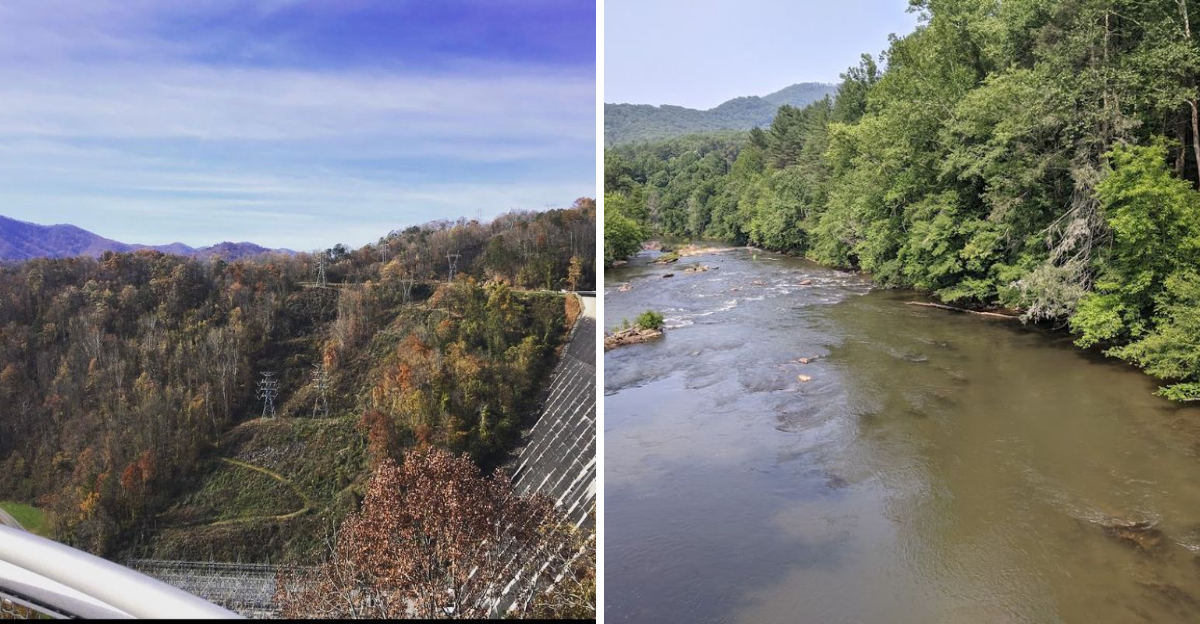
Deep in the mountains lies a body of water that holds more than just fish and clear reflections. Fontana Lake stretches across more than 10,000 acres of wilderness, surrounded by peaks that seem to touch the clouds and forests that stay green year-round.
Beneath the surface rests something unusual: entire communities that once thrived with homes, schools, and churches before the water arrived. North Carolina hides history beneath the waves.
Families lived in these valleys for generations before the dam was built in the 1940s, and their stories still echo through the area today. The lake draws visitors who come to boat, fish, and hike, but many also arrive curious about the towns that disappeared when the reservoir filled.
Learning about this place means understanding both natural beauty and the cost of progress during wartime.
1. Fontana Dam Created The Lake During World War II
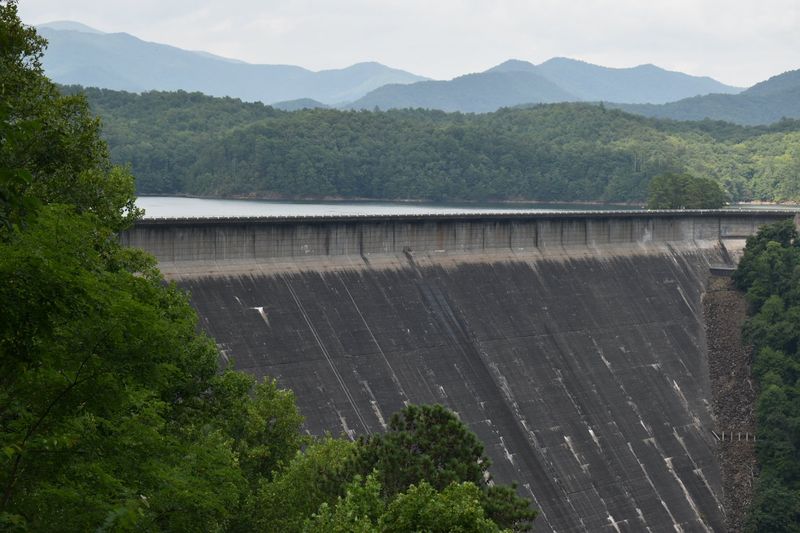
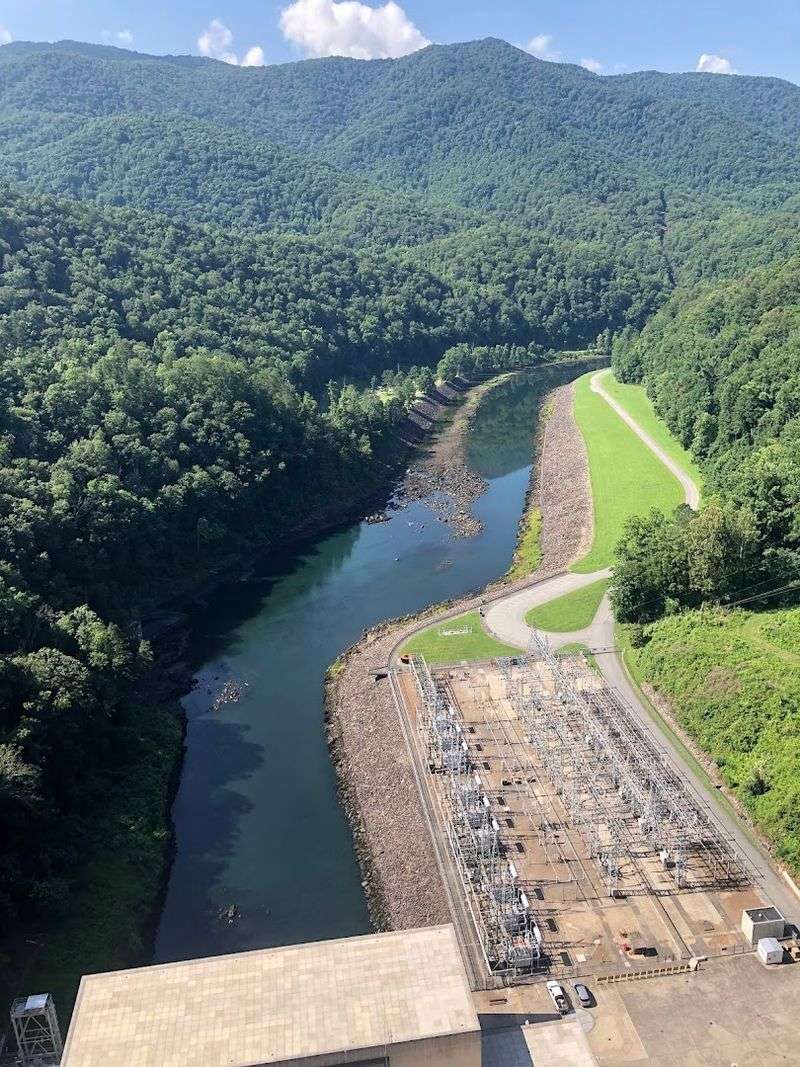
The Tennessee Valley Authority built Fontana Dam between 1942 and 1944 to generate electricity for aluminum production during World War II. Standing 480 feet tall, it became the tallest dam in the Eastern United States.
The project required thousands of workers who lived in temporary housing near the construction site.
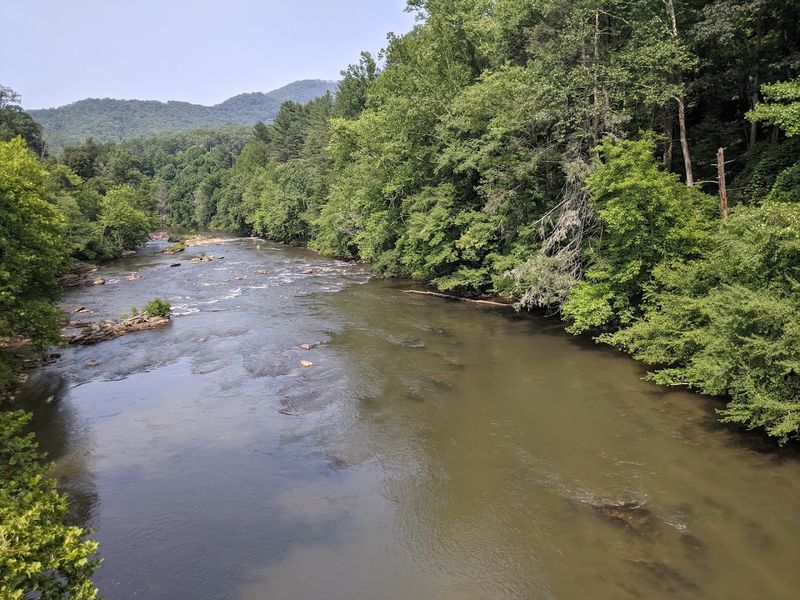
When the dam was completed, water from the Little Tennessee River began filling the valley behind it. The reservoir took time to reach its full capacity, eventually stretching approximately 17 miles upstream.
Engineers designed the dam to control flooding and provide hydroelectric power for the war effort.
Today, the structure remains fully operational and generates electricity for the region. Visitors can walk across the top of the dam and look down at the basin below.
The height becomes clear when standing at the edge and seeing how far the water drops.
2. Judson Was A Thriving Town Before Submersion
Around 600 people called Judson home before the lake covered it completely. Families had built lives there over many years, with a post office, stores, and community gathering spaces.
The town sat in a valley that became the perfect location for a reservoir.
Residents received notice that they would need to relocate before the water arrived. Most families moved to nearby areas, taking what belongings they could carry.
The government purchased the land and structures, but the emotional cost of leaving proved harder to measure.
During periods when water levels drop significantly, remnants of Judson become visible again. Foundation stones, old roads, and cemetery markers appear above the surface.
These glimpses into the past draw curious visitors who want to see what remains of the submerged community.
3. Proctor Started As A Lumber Town In 1886
W.M. Ritter established Proctor as a lumber operation in the late 1800s.
Workers harvested timber from the surrounding forests, and families settled in the valley to support the industry. The town grew to include homes, a company store, and other essential buildings.
Logging continued for decades until the forests were depleted and the operation closed. By the time the dam project began, Proctor had already declined from its peak population.
The remaining residents faced the same displacement as those in nearby communities.
The area where Proctor once stood is now part of the Great Smoky Mountains National Park. Backcountry hikers can reach the former town site via trails that wind through the wilderness.
The location serves as a peaceful campsite for those exploring the park’s remote sections.
4. The Road To Nowhere Remains Unfinished
Federal officials promised displaced families that a road would be built along the north shore of Fontana Lake. This highway would provide access to old family cemeteries and homesites.
Construction began in the 1960s, creating a seven-mile stretch of pavement.
Environmental concerns and budget issues eventually halted the project. The road ends abruptly at a tunnel, leading nowhere beyond that point.
Local residents felt betrayed by the broken promise, and the nickname stuck.
Hikers and cyclists now use the abandoned road as a recreational trail. The smooth pavement makes for easy walking, and the tunnel adds an element of intrigue.
The route offers views of the lake and serves as a reminder of the communities that once existed in the area.
5. Mount Carmel Cemetery Lies Beneath The Water
Families buried their loved ones in Mount Carmel Cemetery near Judson for generations. The graveyard held the remains of ancestors who had lived in the valley since the 1800s.
When the lake filled, the cemetery disappeared beneath the surface.
During dry seasons when water levels drop significantly, tombstones and grave markers emerge from the lake. These moments allow descendants to visit their family burial sites temporarily.
The sight of partially submerged gravestones creates a haunting connection to the past.
Some families chose to relocate graves before the flooding began. Others left them in place, either by choice or necessity.
The cemetery represents one of the most visible and emotional reminders of the communities lost to the reservoir.
6. The Lake Covers More Than 10,000 Acres
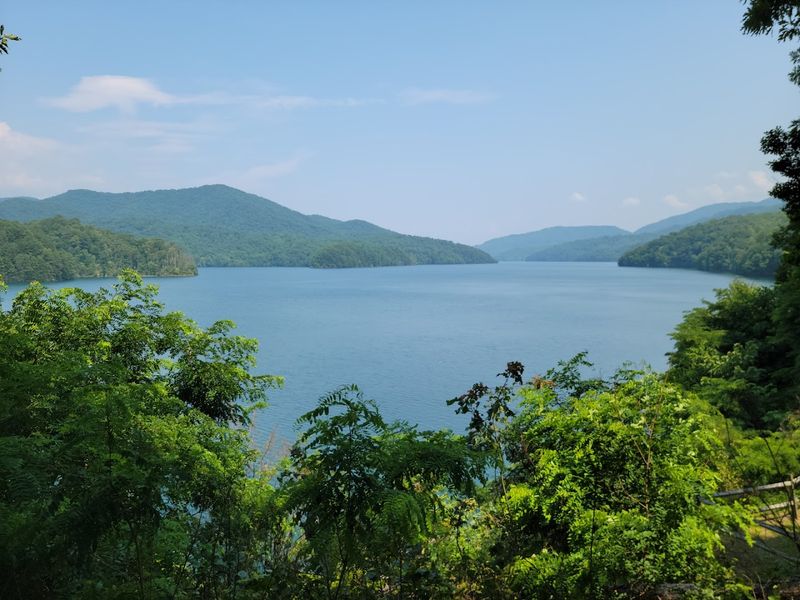
Fontana Lake spreads across 10,670 acres of mountain terrain. The reservoir extends approximately 17 miles in length, with 238 miles of shoreline winding through valleys and coves.
The size makes it one of the larger bodies of water in the region.
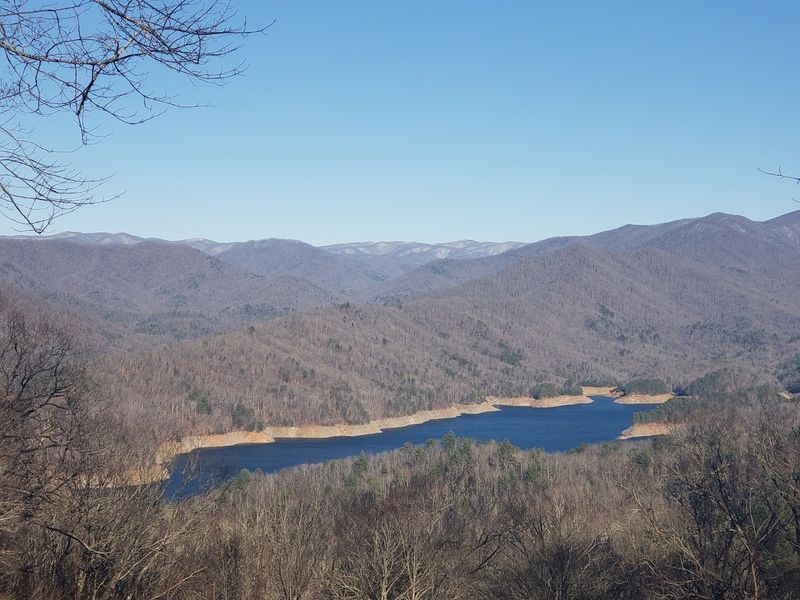
Mountain ridges surround the lake on all sides, creating dramatic scenery from every angle. The water depth varies considerably depending on location and season.
Some areas reach significant depths, while others become shallow during low water periods.
The sheer size means boaters can explore for hours without covering the entire lake. Different sections offer varied experiences, from wide open waters to narrow fingers extending into side valleys.
The scale of the reservoir becomes clear when viewing it from overlooks along nearby roads.
7. Fishing Attracts Anglers Year-Round
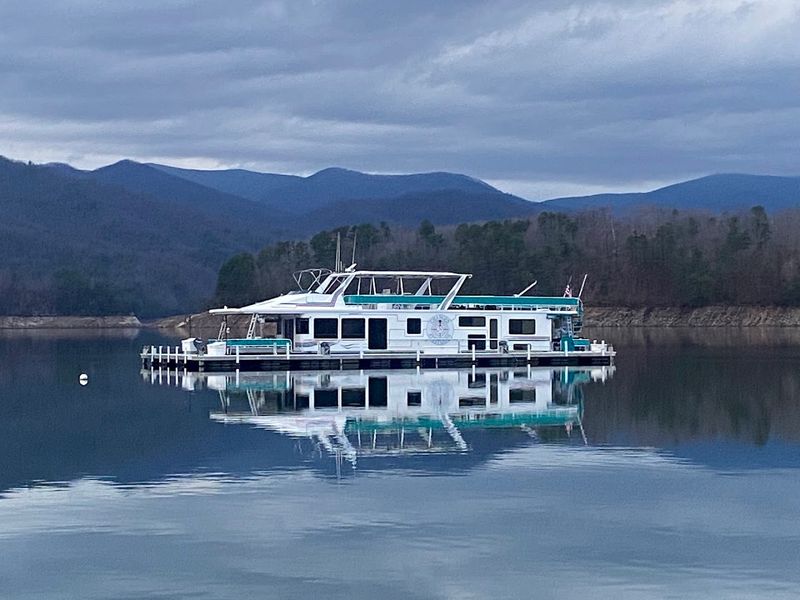
Multiple fish species thrive in Fontana Lake’s waters. Anglers target smallmouth bass, largemouth bass, and walleye throughout the year.
The lake also supports populations of muskellunge, lake trout, and various panfish species.
Different seasons bring different fishing opportunities. Spring and fall typically offer the most active feeding periods for bass.
Cold weather anglers pursue trout in deeper sections of the reservoir.
Boat access makes reaching productive fishing spots easier than shore fishing alone. Several marinas around the lake provide boat rentals and launching facilities.
Local regulations apply to all fishing activities, and appropriate licenses are required before casting a line.
8. Boat Rentals Provide Access To The Water
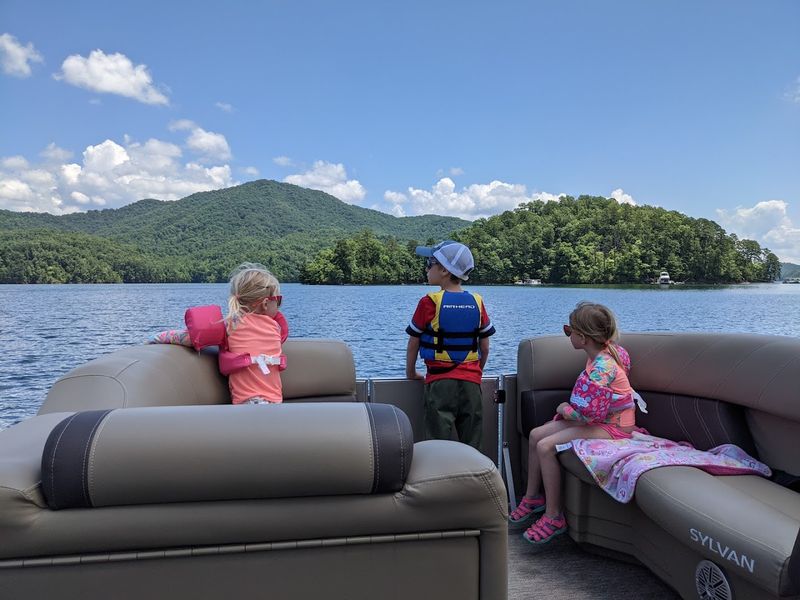
Marinas around Fontana Lake offer various watercraft for rent. Pontoon boats provide stable platforms for families wanting to cruise the lake leisurely.
Kayaks and canoes appeal to those seeking a quieter, more intimate experience on the water.
Rental periods typically range from a few hours to full days. Morning rentals often provide calmer water conditions before afternoon winds pick up.
Reservation availability varies by season, with summer weekends being the busiest times.
First-time visitors benefit from asking marina staff about navigation tips and interesting areas to explore. Some sections of the lake remain more sheltered than others.
Fuel is available at marinas for boats that need refueling during longer outings.
9. Hiking Trails Circle Portions Of The Shore
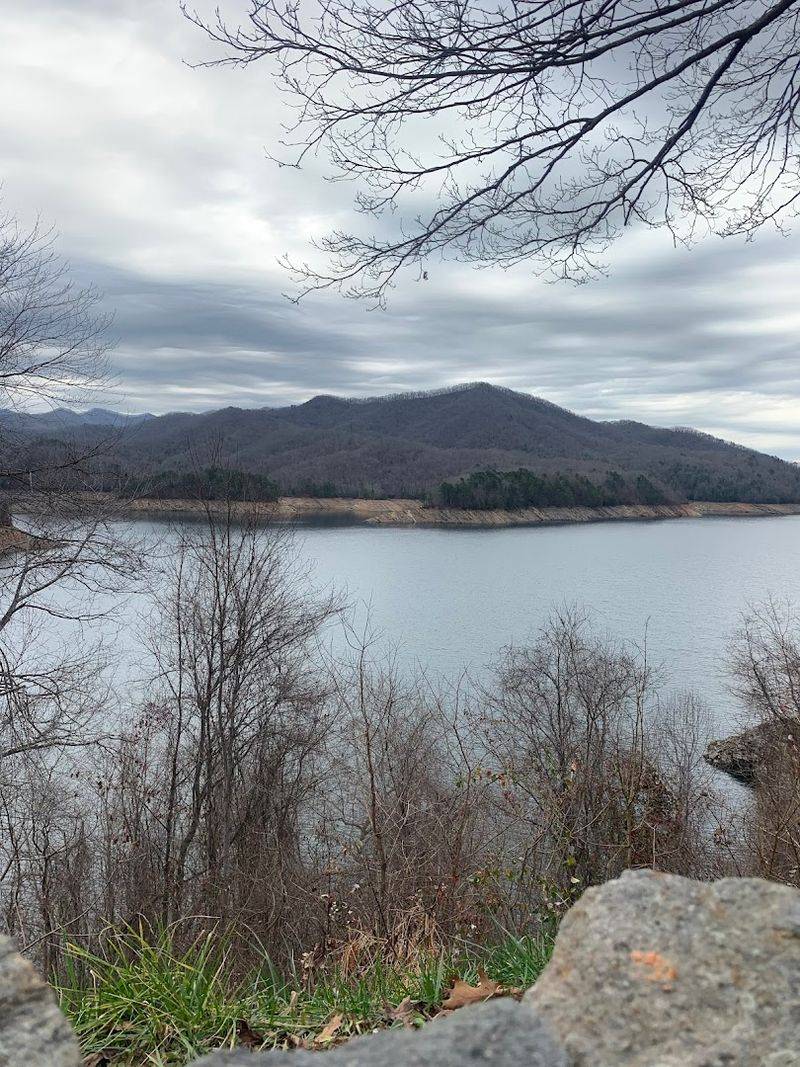
The Lakeshore Trail follows sections of the Fontana Lake shoreline within Great Smoky Mountains National Park. This backcountry route extends for miles through wilderness areas.
Hikers encounter varying terrain from easy stretches to more challenging sections.
Several backcountry campsites sit along the trail, allowing multi-day hiking trips. These primitive sites require permits obtained through the park service.
Water from the lake needs proper treatment before drinking.
Day hikers can access portions of the trail without committing to overnight trips. The path offers lake views intermixed with dense forest sections.
Wildlife sightings occur regularly, including deer, wild turkeys, and various bird species.
10. The Dam Visitor Center Explains The History
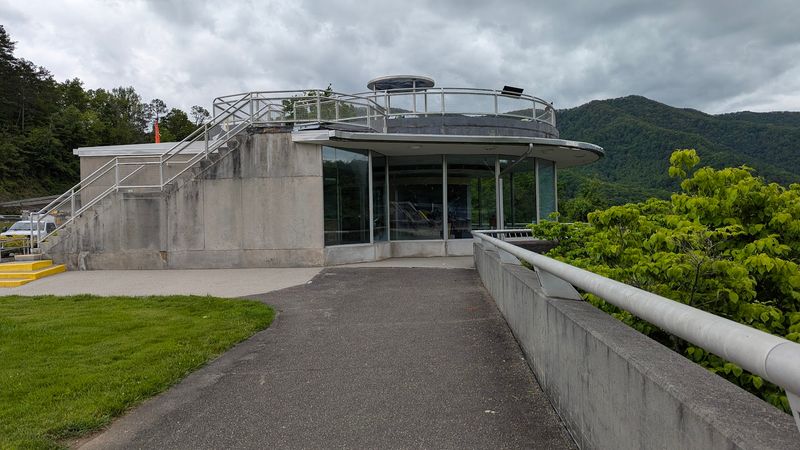
A visitor center near Fontana Dam provides historical context about the dam’s construction and the communities it displaced. Exhibits include photographs, artifacts, and written accounts from former residents.
The displays help visitors understand the human impact of the project.
Staff members can answer questions about the dam’s operation and the lake’s formation. Informational panels explain the engineering challenges faced during construction.
The center also covers the role the dam played in supporting the war effort.
The facility serves as a starting point for those wanting to explore the area. Maps showing the lake and surrounding trails are available.
Viewing areas near the center provide perspectives on the dam’s massive scale.
11. Swimming Areas Offer Summer Recreation
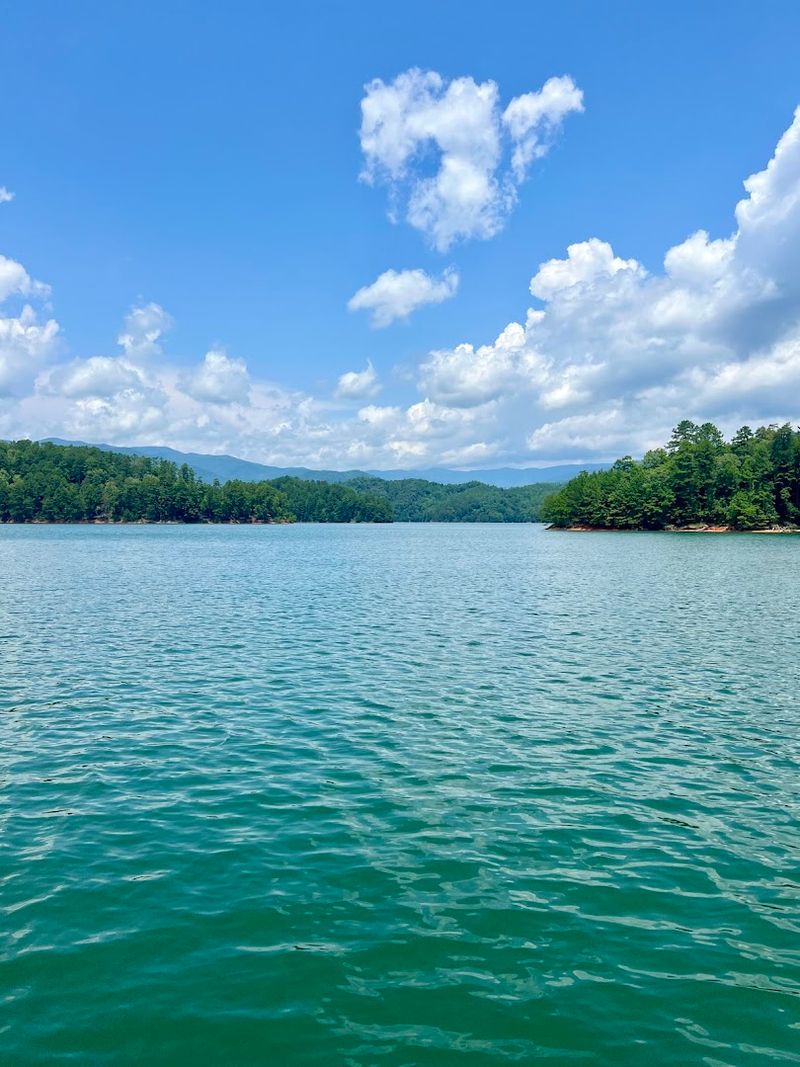
Several locations around Fontana Lake allow swimming during warm months. The water temperature rises to comfortable levels by mid-summer.
Swimmers should note that no lifeguards are present at most swimming areas.
Families often bring floats and water toys for extended sessions on the lake. Boaters frequently anchor in coves to swim away from their vessels.
The clean mountain water provides refreshing relief from summer heat.
Water levels can affect swimming conditions significantly. Lower levels may expose rocky areas that are submerged during high water periods.
Checking current conditions before planning a swimming outing helps ensure a better experience.
12. Fall Colors Transform The Surrounding Mountains
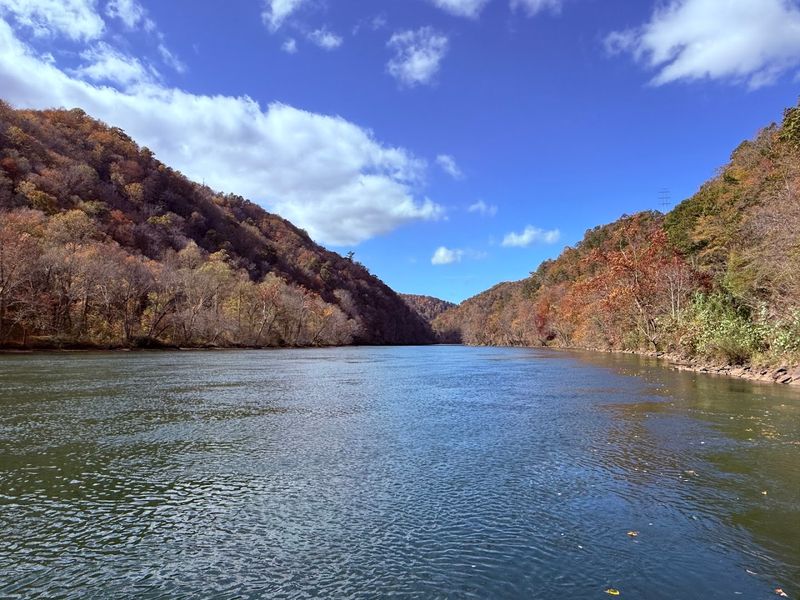
Autumn brings spectacular color changes to the forests surrounding Fontana Lake. Maples, oaks, and other deciduous trees turn shades of red, orange, and gold.
The transformation typically peaks in mid to late October.
The lake reflects the colorful hillsides, doubling the visual impact. Photographers find endless compositions combining water and foliage.
Clear days with blue skies create the most vibrant contrasts.
Boat tours during fall offer unique perspectives on the changing landscape. Overlooks along nearby roads provide elevated views of the entire scene.
The combination of mountain elevations means colors change at different rates, extending the viewing season.
13. The Area Remains Relatively Undeveloped
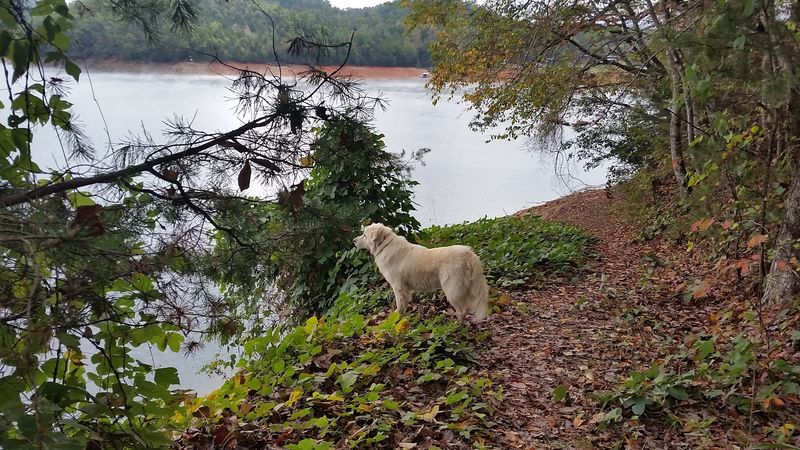
Unlike many reservoirs, Fontana Lake has minimal development along its shores. Most of the shoreline falls within national park or national forest boundaries.
This protection has preserved the natural character of the area.
The lack of private docks and homes creates an unspoiled appearance. Visitors experience the lake much as it looked decades ago.
The quiet atmosphere appeals to those seeking escape from crowded recreational areas.
This undeveloped status means fewer amenities but also fewer crowds. Boaters can often find secluded coves without encountering other people.
The wilderness setting provides habitat for wildlife and maintains the scenic quality that draws visitors to the region.