12 Off-Grid Campgrounds In Idaho That Belong On Your Bucket List
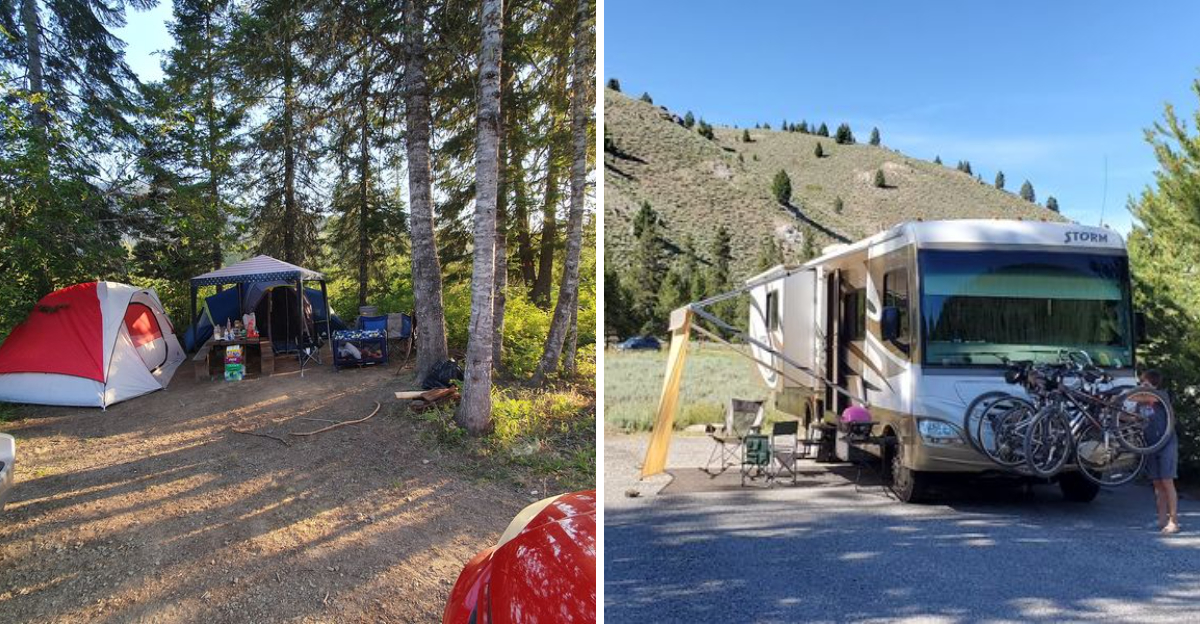
Twelve campgrounds. Very few excuses to check your phone. That is the deal.
Once the pavement thins out and the signal bars disappear, Idaho starts feeling much bigger. Night gets darker.
Mornings get quieter. Even a simple cup of coffee tastes suspiciously better when nobody nearby is starting a leaf blower.
These are the places for people who want camping to actually feel like camping.
You may end up beside a creek. You may wake near a lake.
You may spend half the night staring upward because the stars suddenly look like they have been showing off behind your back for years.
Comfort levels vary, which is part of the point. Bring what you need. Expect fewer conveniences.
Let the scenery handle the entertainment.
These 12 off-grid campgrounds trade hookups for breathing room, and honestly, that can feel like a very good bargain.
12. Bonneville Campground
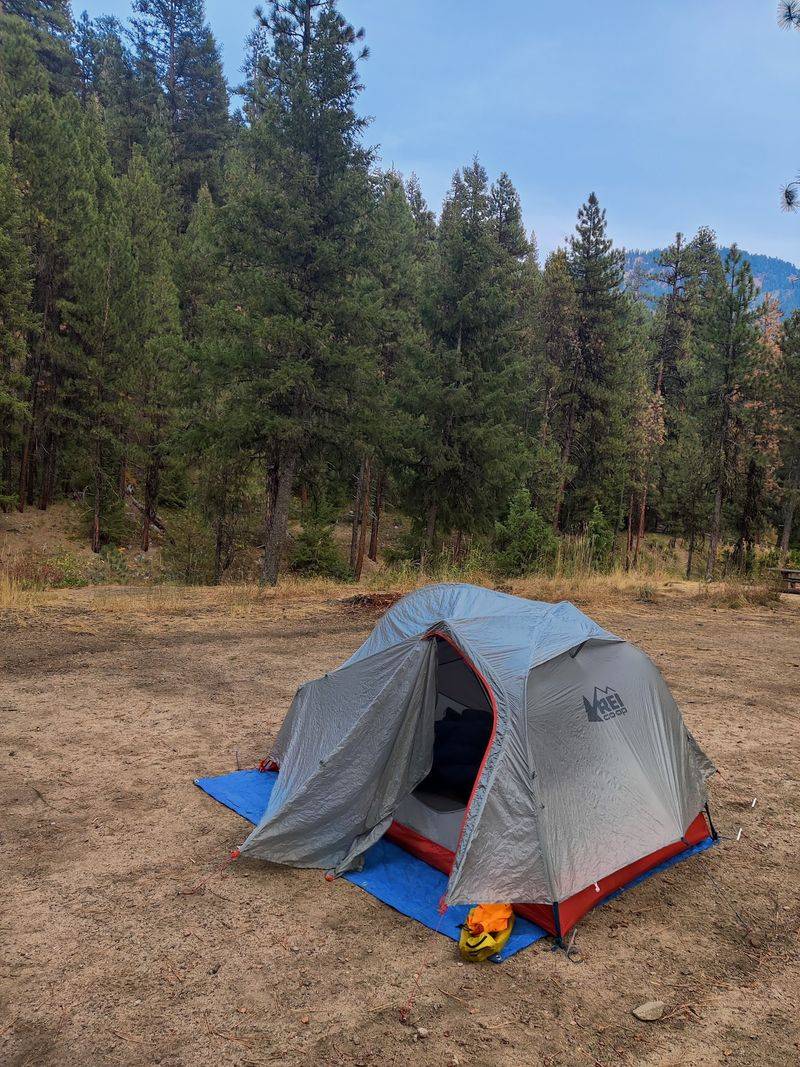
Steam rising through pine shadows marks the quarter-mile path from camp to Bonneville Hot Springs, where geothermal pools invite a long soak. Ponderosa pine and Douglas fir shade most of the 22 sites, and Warm Springs Creek murmurs just below the campground.
The setting sits 19 miles east of Lowman along Highway 21 at an elevation of 4,700 feet. Each site comes with a picnic table and a campfire ring with a grill, plus vault toilets, drinking water, and trash collection nearby.
A campground host is usually on hand for questions about trail conditions.
Hookups are nonexistent here, which is the whole point. Most sites are reservable from May through September, though a few open up first come, first served, and dispersed spots wait on surrounding National Forest land.
Anglers cast for trout in the creek and in the South Fork Payette River across the highway, a stretch also loved by rafters and kayakers. Summer brings wildflowers along the road shoulders, and deer and elk wander through at dusk.
11. Silver Creek Campground
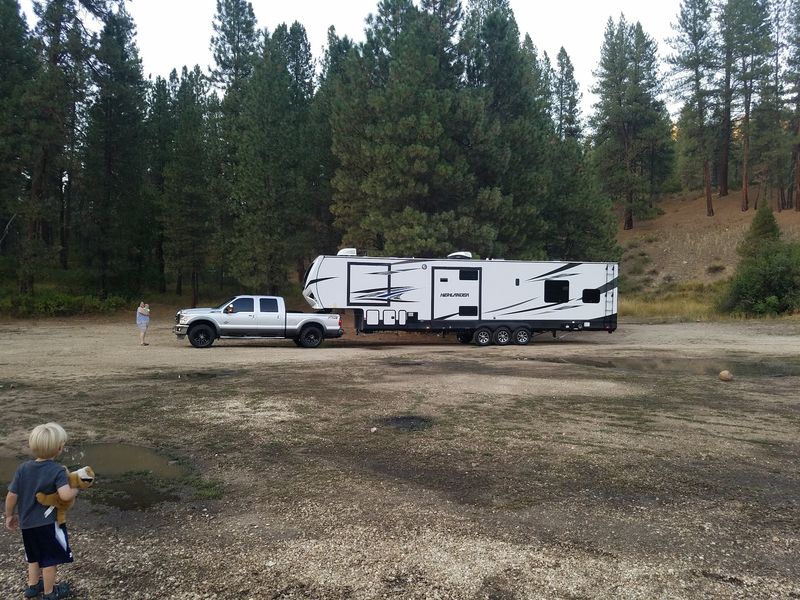
A hot springs pool sits within a quarter mile of your tent, which is not something most primitive campgrounds can claim. Silver Creek Plunge, privately run, adds a general store and a playground to the mix.
The campground spreads through Peace Valley, 25 miles north of Garden Valley, at an elevation of 4,490 feet. Mixed lodgepole pine gives partial shade, and paved roads and parking spurs keep arrivals simple.
Water comes from a hand pump, and the vault toilets are accessible.
Single and double sites include a tent pad, a fire ring, and both picnic and utility tables. Two accessible group areas handle bigger crowds: Lodgepole Springs for up to 100 people and Cabin Creek for up to 80, each with picnic shelters, extra tables, and grills.
Full RV hookups are not part of the deal.
Silver Creek runs close enough for trout fishing and a quick swim, and the surrounding country is threaded with trails for hiking, mountain biking, horseback riding, and off-highway vehicles. Evenings smell of warm pine and campfire smoke.
10. Powell Campground
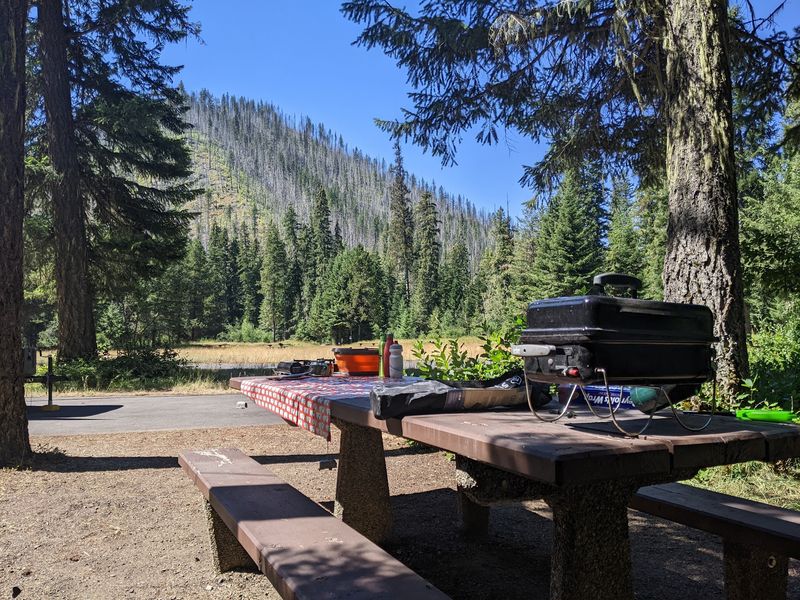
Lochsa means rough water in the Nez Perce language, and one listen to the current explains the name. The campground sits on the bank of that Wild and Scenic river inside the Nez Perce-Clearwater National Forests.
Drive time puts it roughly 60 miles southwest of Missoula, Montana, and 88 miles northeast of Kooskia. Thirty-four sites are spread across three paved loops, with Loop A wired for electricity and Loop B kept simple and unplugged.
Every site has a picnic table and a fire ring with a grill.
Potable water comes from five spigot locations, and there are accessible vault toilets plus a flush toilet near the day-use area. A host is usually on site in season, and the nearest dump station is 40 miles west at Wilderness Gateway Campground.
Anglers chase cutthroat and rainbow trout, Chinook salmon, and steelhead, while rafters read the whitewater. The 1.5-mile Powell Complex Trail starts near camp, and the historic Powell Ranger Station and Lochsa Lodge, with its restaurant, store, and fuel, are a short walk away.
9. Bumblebee Campground
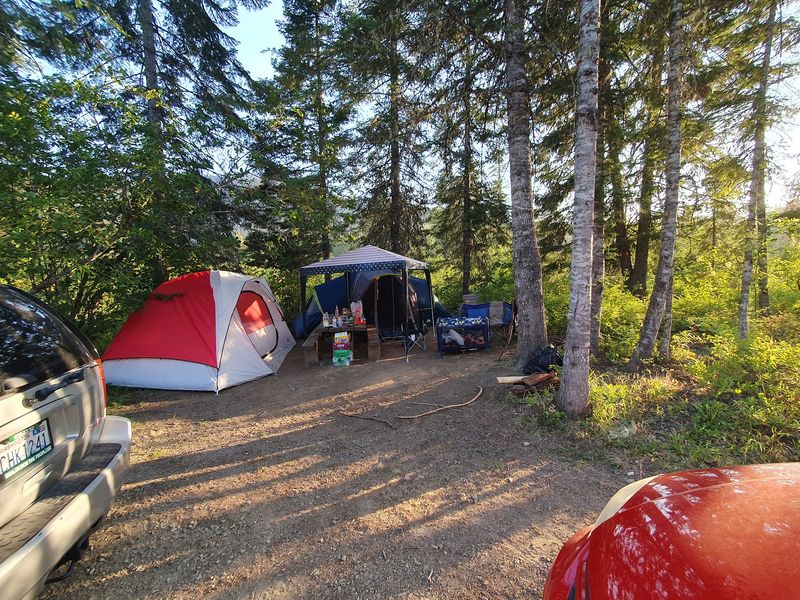
Two creeks meeting in a wide green meadow set the tone here, where Bumblebee Creek slides into the Little North Fork Coeur d’Alene River.
The meadow sits at 2,200 feet in the Idaho Panhandle National Forests, about 38 miles from Coeur d’Alene. Two loops hold the sites, each loop with vault toilets, and paved roads lead to sealed gravel parking spurs.
Drinking water comes from a single hand pump at the group site, shared by everyone.
Picnic tables and fire rings come standard, trash collection is provided, and the group site can host up to 100 people. Reservations generally run from late May through late September.
Summer days revolve around water: floating, wading, and swimming in both the creek and the river. Rainbow and cutthroat trout hold about half a mile away in the Little North Fork.
Riders looking for engine noise head to the 803 Motorized Trail System roughly 15 miles off. Closer in, moose step out of the willows at dawn and deer graze the meadow edges as the last light fades.
8. Osprey Campground
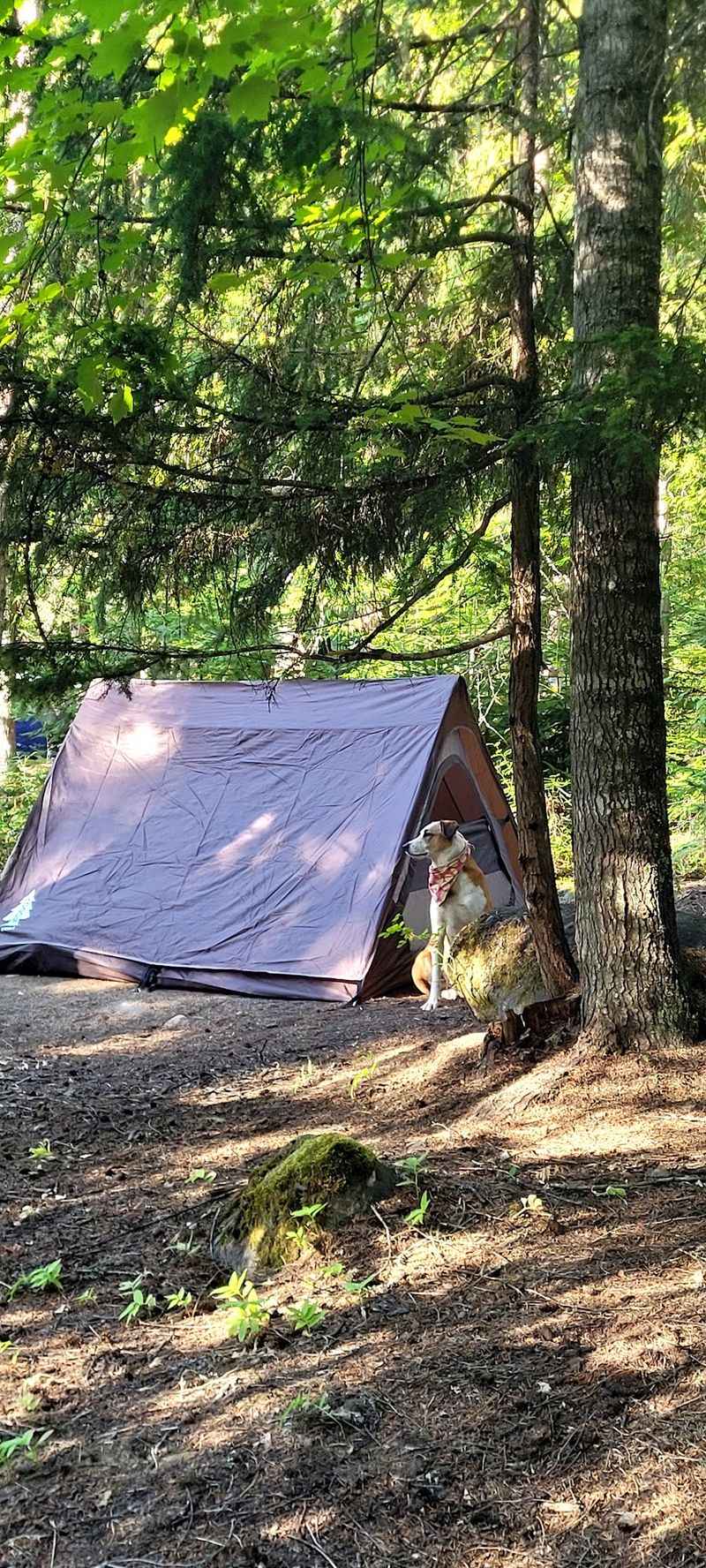
Wade in from this stretch of shoreline and your toes meet soft sand instead of rocks, thanks to the shallow, sandy lake bottom.
Osprey occupies the lower western shore of Priest Lake near Outlet Bay at 2,400 feet, with big trees throwing shade over the campsites. Springs off the Selkirk Mountains feed the lake, keeping the water clear and cool.
The shoreline itself is lined with alder and brush rather than groomed beach.
Sixteen standard sites, all without electricity, sit along paved roads and parking spurs. Flush toilets, drinking water, fire rings, picnic tables, and bear-resistant dumpsters cover the basics.
Paddlers launch canoes and kayaks close to camp, and boaters, wakeboarders, and anglers fan out across the water. Fish here include Dolly Varden, cutthroat trout, and kokanee salmon.
A short self-guided interpretive trail loops through the campground, good for stretching legs after a long drive. Beach Trail #48 and the Chipmunk Rapids Trail wait nearby for longer walks, and the lack of hookups keeps evenings genuinely quiet.
7. Outlet Campground
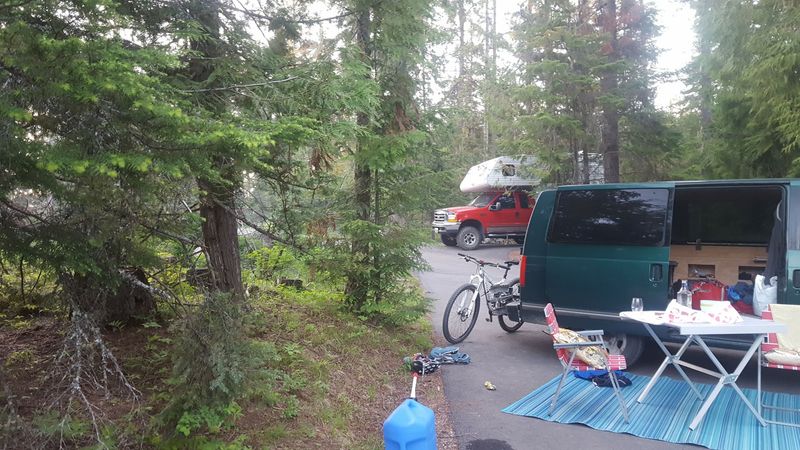
Priest River begins right here, at the lake’s southwest corner, and the campground rests at the headwaters at 2,500 feet.
Twenty-eight sites are arranged in three loops, some deep in timber, others open to Selkirk Mountain views, and a few sitting right at the water’s edge. Paved roadways and spurs make setup easy, and water hydrants, accessible flush toilets, and bear-proof garbage cans handle daily needs.
A steep trail drops to the swimming area, so plan footwear accordingly. No site has water, electric, or sewer connections, though a public dump station waits 5 miles north at Upper Luby Bay.
The lake covers 25,000 acres and plunges to 300 feet, giving paddlers, canoeists, and power boaters plenty of room. A 3.5-mile thoroughfare leads to the Upper Priest Lake Scenic Area, which no road reaches.
Beach Trail #48 runs through the campground and continues 8 miles along the shore. Off-highway vehicle riders can find authorized routes such as the Peewee, Steep Creek, and John Wayne trails.
6. McCroskey State Park Campgrounds
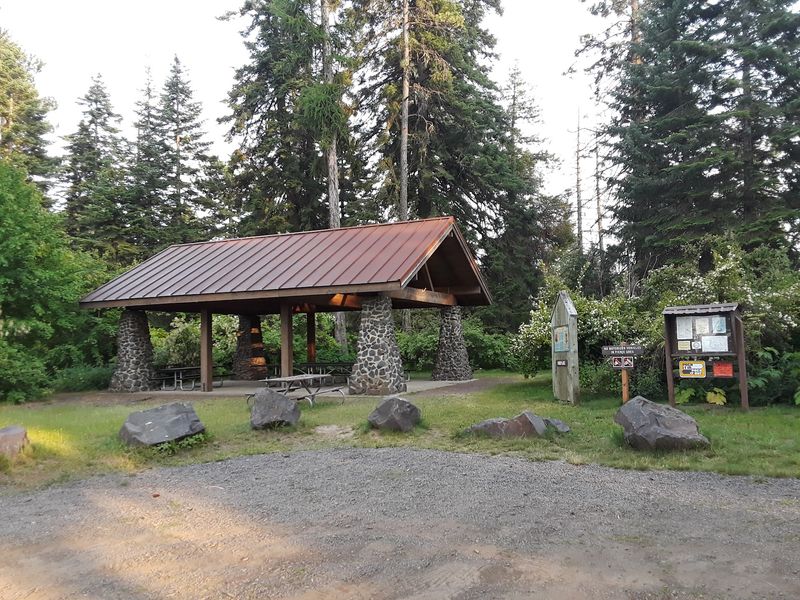
Rolling farm country on one side, mountains on the other: this ridge-top park straddles the line between Palouse prairie and Rocky Mountain forest.
Mary Minerva McCroskey State Park stretches along Skyline Ridge on Mineral Mountain in northern Idaho, in Latah and Benewah Counties near the Washington border. Potlatch is about ten miles south, and Moscow sits roughly 25 miles away.
Cedar and grand fir grow thick, broken by open stands of ponderosa pine and long views toward Moscow Mountain and the Palouse Divide.
Four primitive campgrounds serve visitors: Fireplace, Mission Mountain, Redtail, and Iron Mountain, each with vault toilets. Seasonal potable water is available at the base of Mission Mountain near mile nine of Skyline Drive and inside Redtail Campground.
Sites like those at Fireplace have picnic tables and fire rings, but there is no garbage service and no Wi-Fi, so pack out everything you carry in.
Skyline Drive, an 18-mile unimproved road, threads the ridge past interpretive signs and vista points, and 32 miles of multi-use trails welcome hikers, riders, and cyclists.
5. Castle Rocks State Park
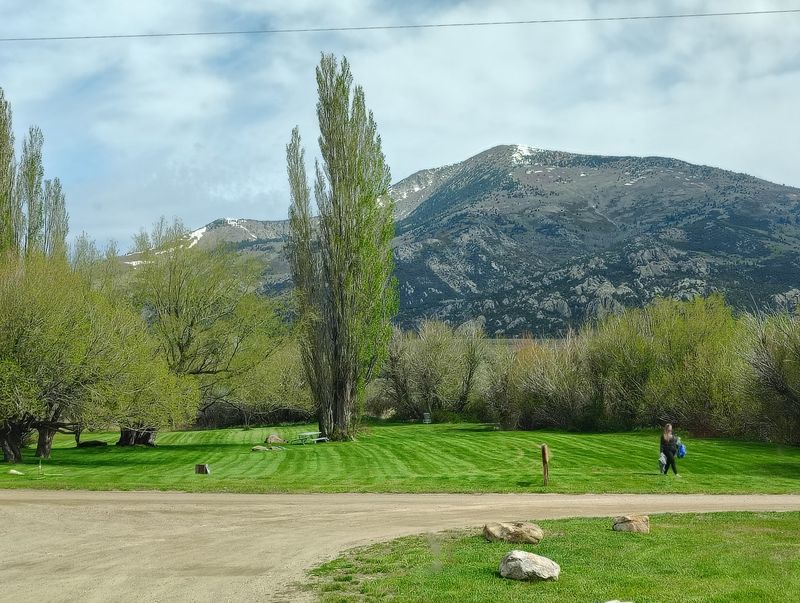
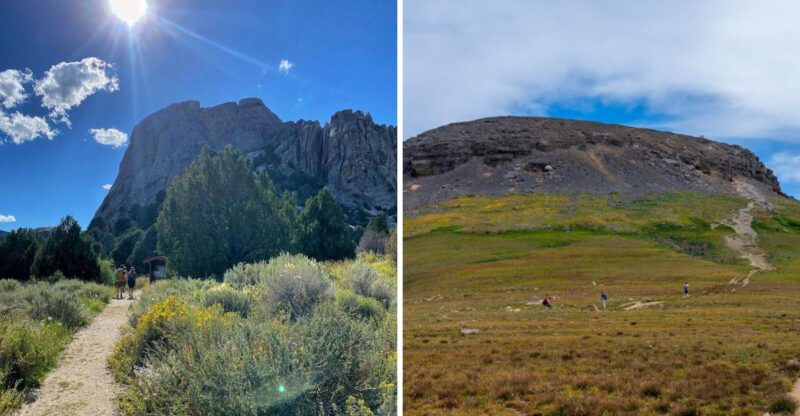
Climbers come for the granite. Everyone else comes for the strange, castle-like rock formations rising out of pinyon pine.
Smoky Mountain Campground, the park’s main base in Almo, offers 37 pet-friendly sites for tents and RVs, some with electric and water hookups. Sites sit on the east slope of 7,500-foot Smoky Mountain inside the state’s largest pinyon pine forest, ringed by boulders.
Restrooms, seasonal showers, Wi-Fi, an RV dump station, fire rings, and picnic tables round out the amenities.
An equestrian loop includes small corrals for traveling horses. The Almo Creek Cottage is a rustic, open one-room building, while The Retreat Juniper tent and van sites offer basic 15-amp power, potable water, and bathrooms without full hookups.
Winter camping continues once water is shut off, with vault toilets standing in. Cache Peak rises to 10,339 feet above the horizon, and days fill with rock climbing, hiking, mountain biking, fishing, and horseback riding.
Cold months bring ice climbing, snowshoeing, and cross-country skiing, while spring belongs to wildflowers and songbirds.
4. Lake Cascade Primitive Campsites
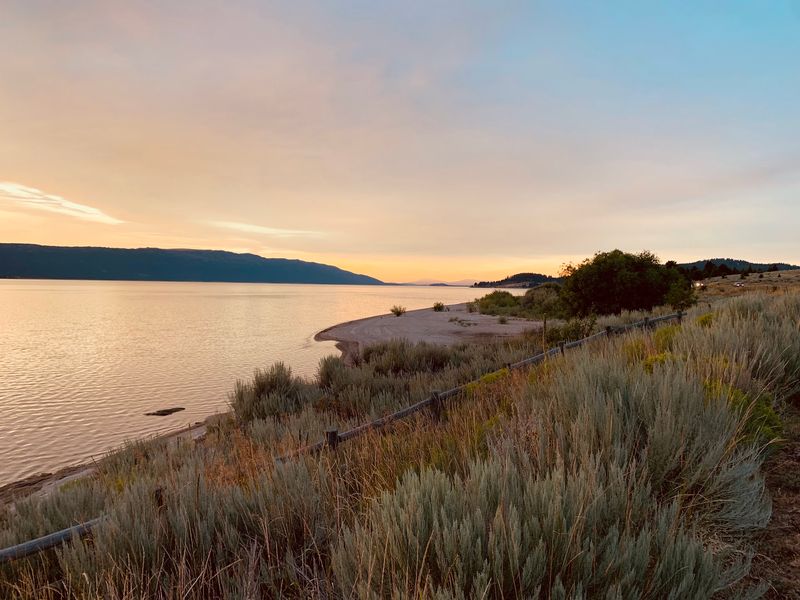
Eighty-six miles of shoreline gives you plenty of places to park a camp chair and watch the light change on the water.
Lake Cascade State Park surrounds the state’s fourth-largest lake at 4,828 feet in Valley County, with the North Fork Mountain Range filling the skyline. Curlew, Blue Heron, and Huckleberry campgrounds offer dry camping with central water stations and vault toilets instead of hookups.
The Snowbank Group Area is walk-in tent camping only, without electricity, though central water and vault toilets remain. Campfires are allowed in designated areas.
For deeper solitude, dispersed pullouts scattered through the nearby Boise National Forest come with no tables, no toilets, and no potable water, and many need a high-clearance vehicle.
Summer fills the reservoir with boats and anglers after rainbow trout, perch, coho salmon, and smallmouth bass, plus swimmers hunting shallow coves. Trails nearby suit hikers and mountain bikers.
When snow settles, the same shoreline turns into terrain for snowshoeing, skiing, and ice fishing, and the crowds thin to almost nothing.
3. Corral Creek Area
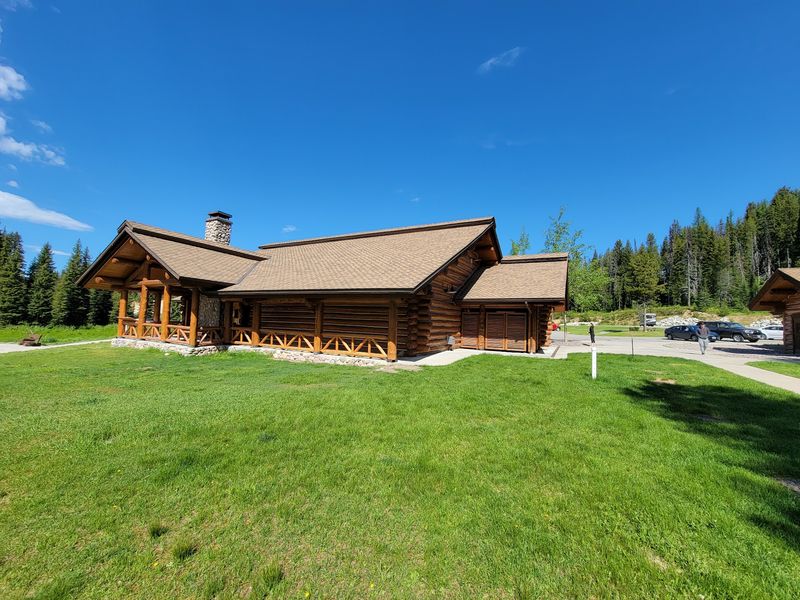
Horses first, everything else second. Corral Creek exists to launch riders and hikers into the 206,053-acre Gospel-Hump Wilderness.
The primitive stock facility and trailhead sit near Adams Ranger Station in the Nez Perce-Clearwater National Forests at roughly 5,150 feet. Hungry Ridge Road is the usual way in, so check road conditions before hauling a trailer.
Hitching rails serve pack animals, the camping areas are fully fenced, and vault toilets are provided. Potable water is not part of the setup, so haul your own supply for both people and stock.
Terrain inside the wilderness shifts dramatically, from damp, mossy forest in the north to dry, thinly vegetated slopes in the south. That mix supports mountain lions, moose, bighorn sheep, mountain goats, and wolves, which makes quiet mornings worth waking up for.
History runs through camp, too: part of the route follows the Milner Trail, blazed back in 1862. Trails leading out from Corral Creek stretch for days of walking, and wildlife watching often begins before you leave the fence line.
2. Salmon River Dispersed Campsites
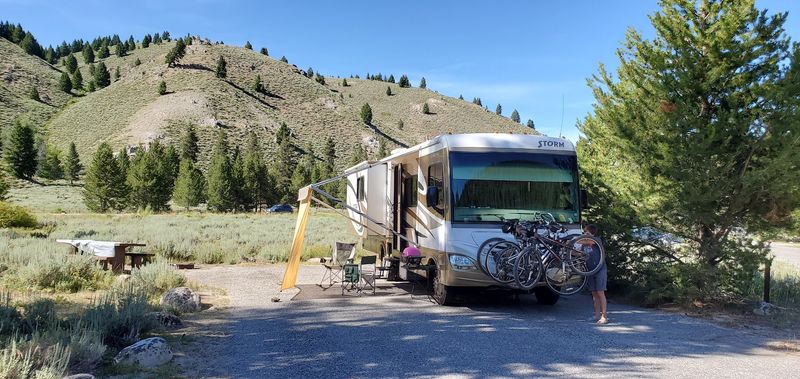
Free camping, no facilities, and one of the deepest canyons in the United States for scenery: that is the trade here.
Salmon River Dispersed Area #3, along the east side of Highway 75 near Stanley, offers unmarked pullouts that never appear on most forest service maps. Elevations near town run about 6,526 feet, so nights stay chilly even in July.
Expect nothing in the way of amenities. There are no toilets, tables, or drinking water, though some spots have a rock fire ring left behind.
Cell service comes and goes, and Leave No Trace practices are essential.
The river carves through central Idaho inside the Sawtooth National Recreation Area, with jagged peaks standing over camp and moving water audible all night.
Anglers work the current, paddlers run whitewater sections, and hikers climb into the surrounding high country. Come self-contained, with water jugs, a trash bag, and everything else you need, and the payoff is a camp where the nearest neighbor may be a mile downstream.
1. Bruneau Dunes Equestrian Campground
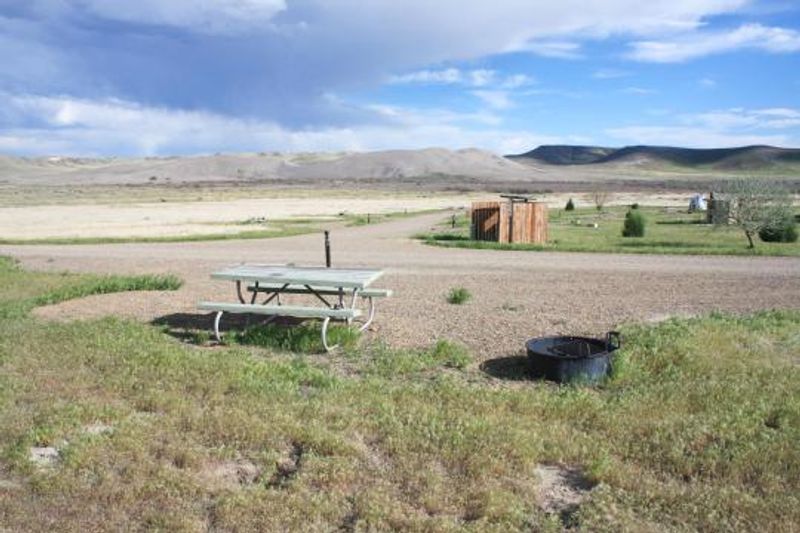
Sand as far as you can see, and above it a sky so dark the park carries International Dark Sky certification.
The equestrian campground sits inside Bruneau Dunes State Park near Bruneau, Idaho, roughly 20 miles from Mountain Home, at the base of North America’s largest single-structured sand dune. Nineteen dry sites are open year-round, first come, first served, with no hookups.
Riders get five horse corrals, water stations, and a shelter with picnic tables. Individual sites may include a gravel pull-thru, a metal fire ring, and a picnic table, while one vault toilet serves the whole loop.
A full dump station is available nearby at Broken Wheel Campground for a fee.
Days can be spent riding the equestrian trails, climbing the dunes on foot, or renting a sandboard or sled at the Visitor Center for a fast ride down.
After dark, observatory programs put deep-sky objects in view through a large telescope. Spring and fall are the smart seasons for horse camping, since summer heat in the high desert climbs fast.