Ohio Is Home To A Hike That Looks Almost Too Enchanting To Be Real
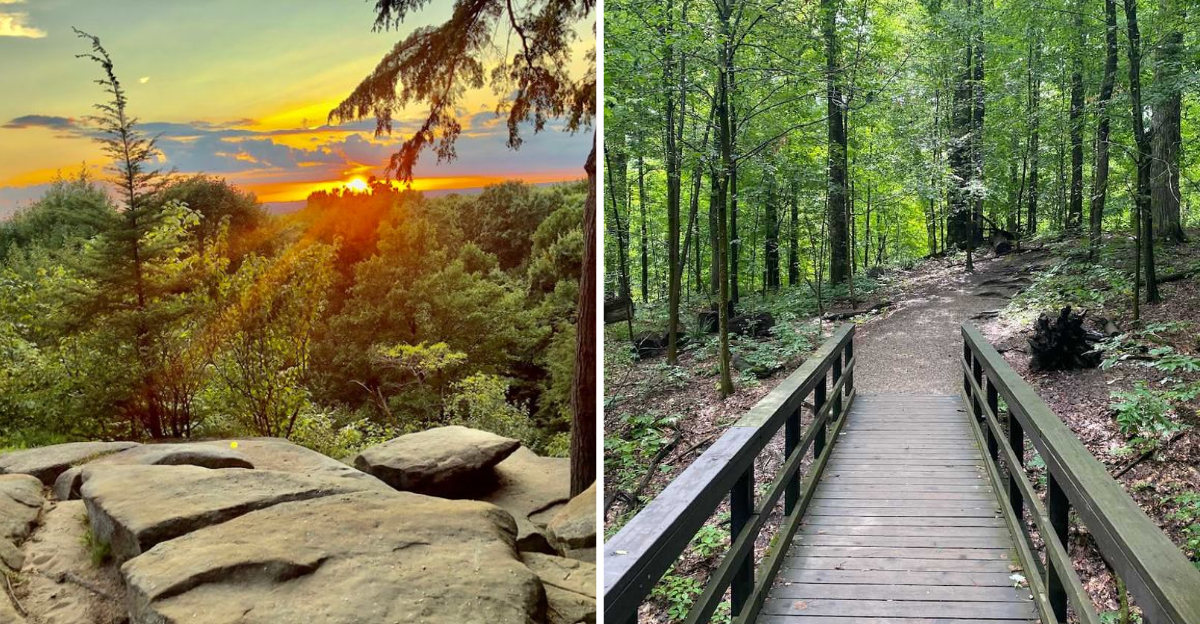
Some hikes look like they belong inside a fantasy film. Ohio has one where the scenery earns that description at every turn.
The trail winds through forest so lush it almost glows. Light filters through the canopy in a way that feels deliberate.
Honestly, the overlook is like being entirely in another world. I brought a friend and watched her shocked expression.
The path is manageable and the views reward every step. Moss, wildflowers, and still pools make every section feel like a painting.
Arrive early and you may have the enchanting route to yourself. This hike earns every superlative visitors use to describe it.
A Trail Born From Ancient Rock
Long before anyone carved a trail through these woods, nature was already building something extraordinary.
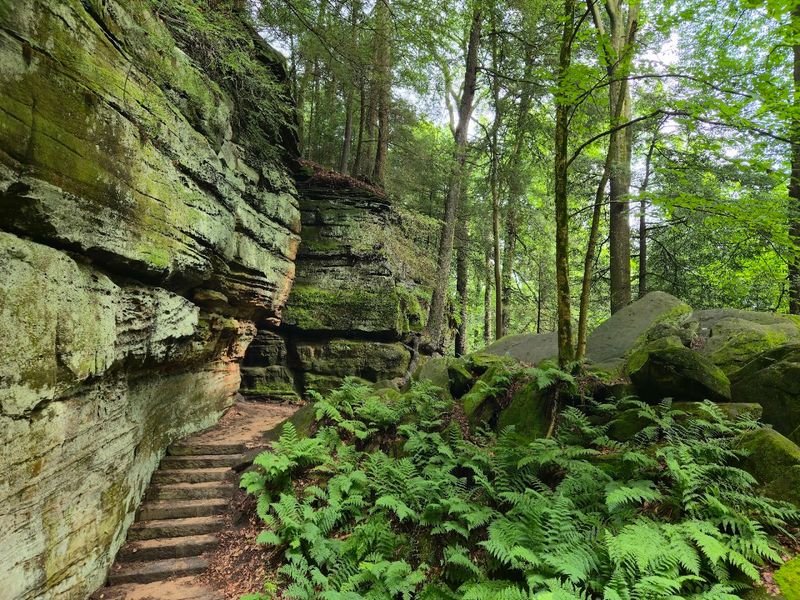
The towering rock walls at Ledges Trailhead in Cuyahoga Valley National Park were formed from Sharon conglomerate, a type of sandstone deposited over 320 million years ago.
Glaciers and erosion slowly shaped these formations into the dramatic cliffs and overhangs you see today.
Standing at the base of those walls, you can actually see the layers of history pressed into the stone. Rounded quartz pebbles are embedded throughout the rock, giving it a texture unlike anything you find on a typical trail.
It is geology you can reach out and touch, which makes the experience feel incredibly personal. The trailhead sits inside Cuyahoga Valley National Park.
Every crack, crevice, and overhang tells a chapter of a very long story, and walking here is less like a hike and more like reading that story one step at a time.
Ohio does not always get credit for its geological wonders, but this place in Peninsula challenges that oversight completely.
What The Trail Actually Looks Like
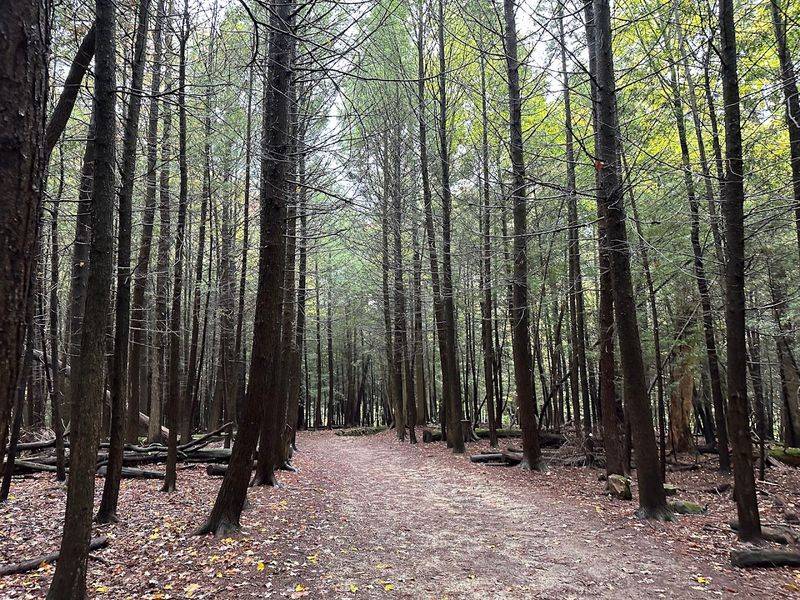
Picture a trail where boulders the size of small houses line your path on both sides.
That is not an exaggeration at Ledges Trailhead. The main loop runs roughly 2.2 miles and winds through a dense forest of hemlocks, oaks, and maples.
Rock formations appear constantly, and no two look exactly alike.
The trail shifts between flat stretches and short, steeper sections with stone steps built right into the hillside.
Some parts require a bit of careful footing, especially near tree roots and uneven rock surfaces. Proper hiking shoes or sturdy sneakers make a real difference here, so skip the flip-flops.
One of the most talked-about features is the microclimate you enter as you descend toward the lower sections of the loop.
The temperature drops noticeably, the air is damp and cool, and the light changes completely. Ferns carpet the ground, moss covers nearly every rock surface, and the whole scene has a quiet, almost otherworldly quality.
Icebox Cave, The Cool Surprise
Somewhere along the lower section of the loop, the trail leads you to one of the most memorable spots in all of Ohio.
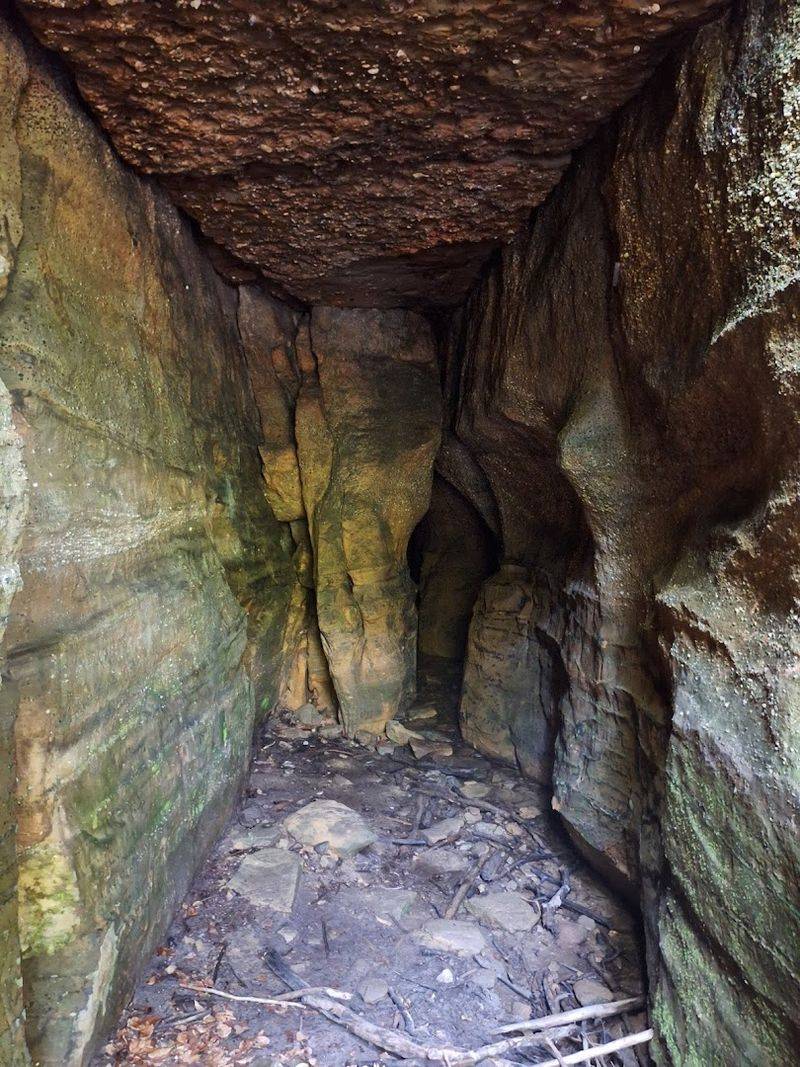
Icebox Cave is a narrow, shadowy passage cut between two massive rock walls. The name is not just clever branding.
Temperatures inside stay noticeably colder than the surrounding trail, even on warm summer days.
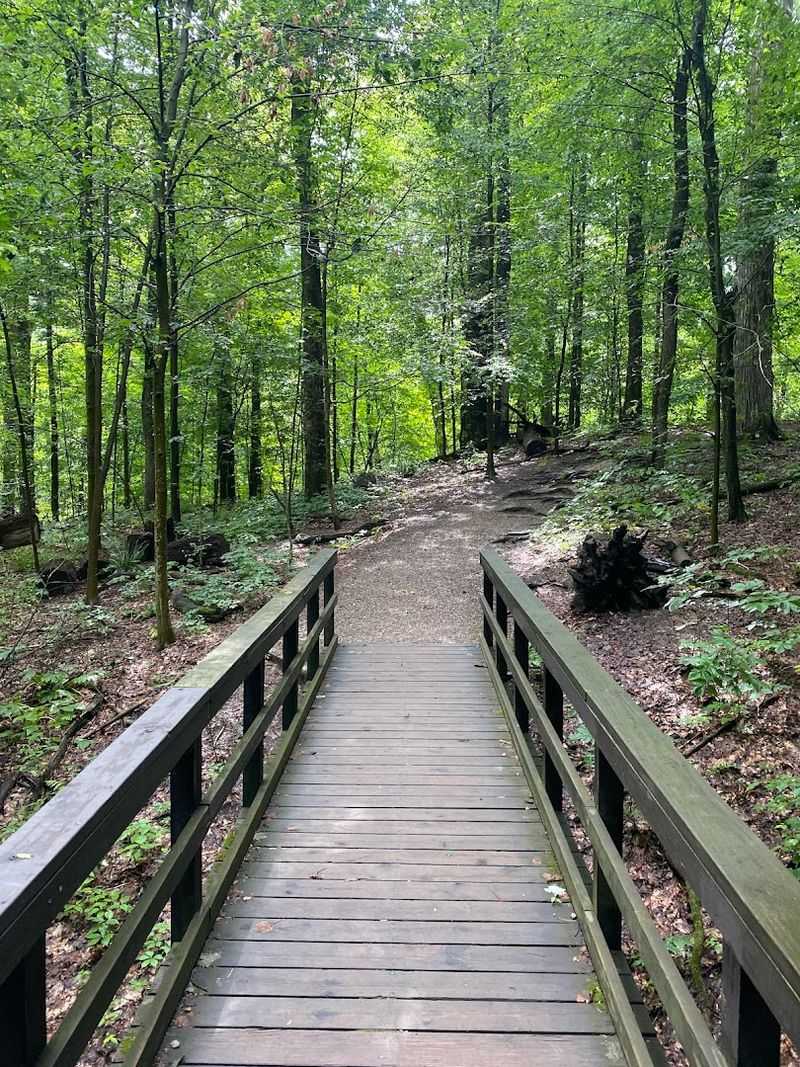
You cross a small wooden bridge before reaching the cave entrance, and the transition from open forest to tight rock corridor happens fast.
The passage is narrow enough that you need to turn sideways in some spots. It requires a bit of agility and a willingness to get a little close to cold, damp stone walls.
The cave is currently closed to foot traffic at its deepest point to protect the bat population that roosts inside. Signs are posted clearly, and the boundary is easy to respect.
Even from the entrance, the atmosphere is striking. Cold air drifts out, the rock walls drip quietly, and the whole space feels ancient and alive at the same time.
Seasons Change Everything Here
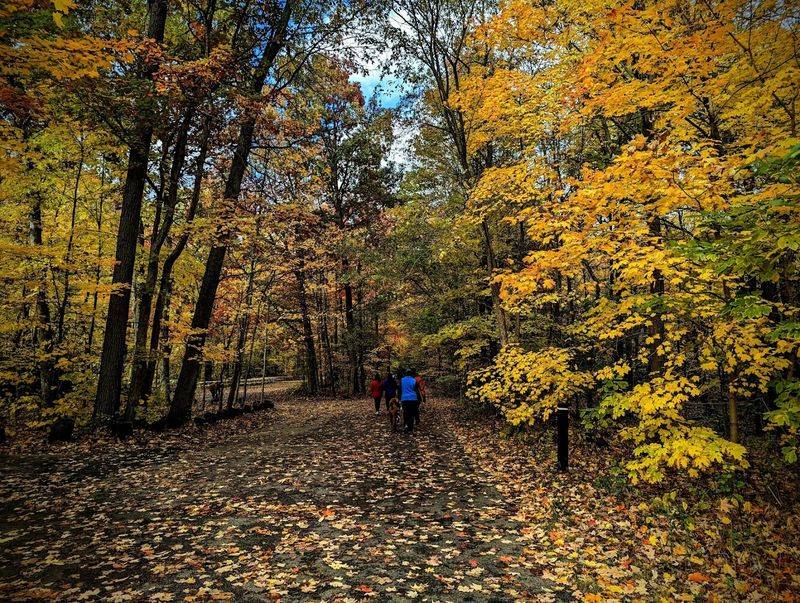
Few trails in Ohio transform as dramatically with the seasons as this one.
Spring brings a carpet of wildflowers and the fresh green of new leaves pushing through the canopy. The forest is almost electric with new growth, and the waterfalls and seeps along the rock faces flow with extra energy after winter thaws.
Summer turns the trail into a cool, shaded escape. The hemlock canopy blocks a significant amount of direct sun, and the microclimate near the cave section keeps temperatures several degrees lower than the surrounding area.
Fall is when things get truly spectacular. The combination of red maples, yellow birches, and orange oaks set against the gray stone ledges creates a color contrast that stops hikers in their tracks.
Winter visits offer their own reward, with ice formations clinging to the rock walls and a rare quiet that the trail does not always have during busier months.
Wildlife And Forest Life
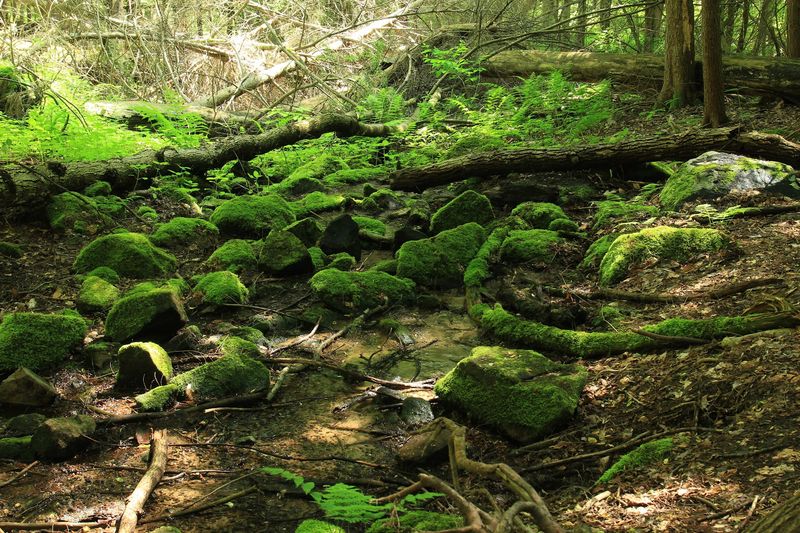
The forest surrounding the trail is alive in ways that reward patient, quiet hikers.
White-tailed deer move through the hemlock groves with surprising calm, especially during early morning hours when foot traffic is low. Wild turkeys are also spotted regularly along the lower sections of the loop, particularly in spring.
The dense canopy and varied terrain attract a wide range of species throughout the year. Warblers pass through during migration, and great horned owls are sometimes heard calling after dark for those adventurous enough to visit at night.
The forest structure, with its mix of mature trees and rocky outcroppings, creates excellent habitat diversity. The bats that roost inside Icebox Cave are another reminder of how much life this trail supports.
The cave closure protects a hibernating bat colony, and signage along the trail explains why this matters for the local ecosystem.
Mosses, lichens, and ferns fill every damp corner of the rock faces, creating a layered habitat that seems almost tropical in its density.
The Overlook That Earns Its Name
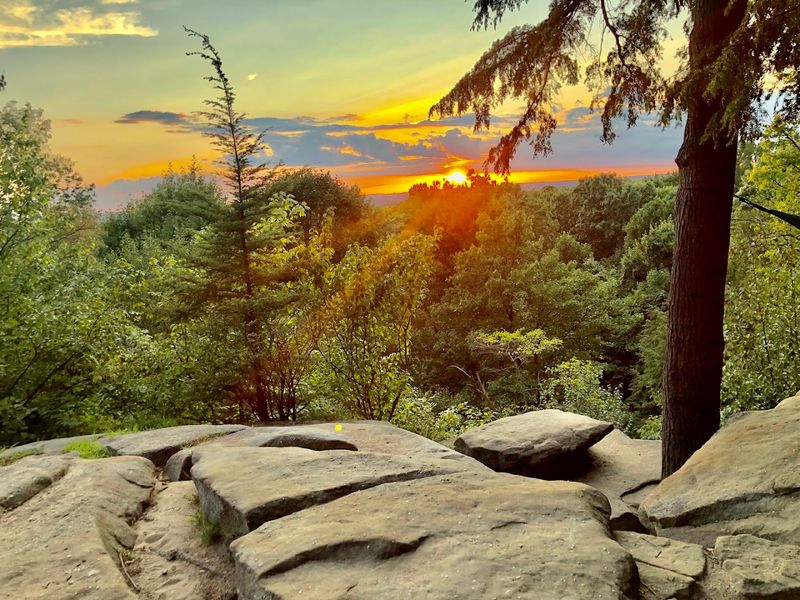
Not every overlook lives up to its reputation. This one absolutely does.
The Ledges Overlook sits at the end of a short, 200-yard walk from the trailhead parking area, making it accessible even for visitors who are not up for the full loop. From the rock promontory, you get a wide, sweeping view across the forested valley below.
On a clear day, the view stretches far enough to remind you just how green and expansive this part of Ohio really is.
Sunrise and sunset both produce stunning light here, and many photographers make the trip specifically for those golden-hour shots.
What makes this overlook feel special is the combination of the view and the setting. You are standing on ancient rock, surrounded by forest, looking out over a valley that has barely changed in decades.
The National Park Service has kept this area beautifully maintained, and the trail leading to the overlook is smooth enough for most visitors.
If you do the full loop or just walk out to this point, the overlook alone justifies the drive to Cuyahoga Valley National Park.
Practical Tips For Your Visit
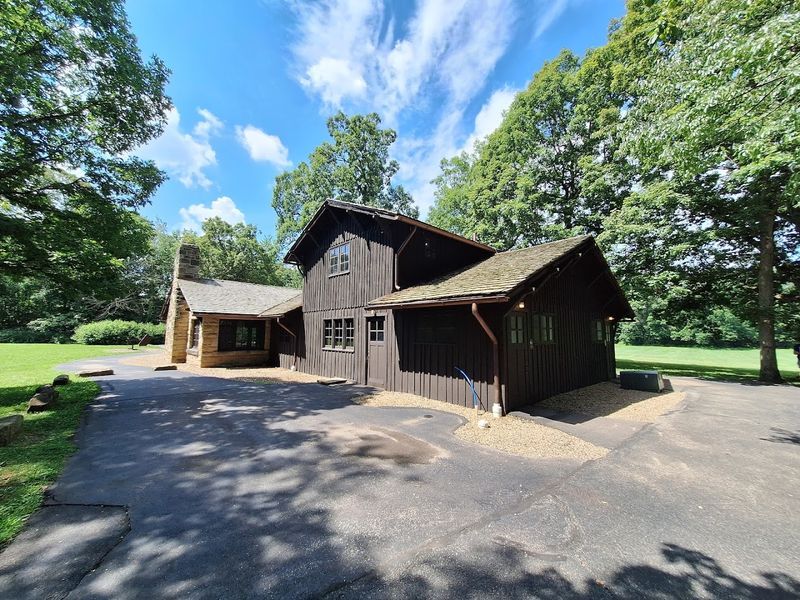
Getting here is straightforward, and the facilities at Ledges Trailhead are well set up.
The parking lot is large and paved, which is a relief on busy weekends when popular trails can turn into a parking nightmare. Restrooms are available near the trailhead, which is a detail that matters more than people admit when planning a day hike.
The trail is open 24 hours a day, seven days a week, every single day of the year. That kind of access is unusual for a national park trail, and it means early morning hikers can catch sunrise light on the ledges without any restrictions.
Weekday mornings tend to be noticeably quieter than weekend afternoons, so if crowds are not your thing, plan accordingly. Bringing water is always a smart call, especially if you plan to do the full loop or add any connector trails.
There are no water fountains on the trail itself. Bug spray is worth packing during warmer months, particularly in late spring and early summer when gnats can be persistent near the shaded lower sections.
The trail is dog-friendly, so four-legged companions are welcome as long as they stay leashed.
Why This Trail Stays Stuck In Your Memory
Some trails are pleasant and forgettable. This one is neither.
There is something about the combination of geological drama, forest atmosphere, and surprising variety packed into a relatively short distance that makes Ledges Trailhead hard to shake from your memory.
Part of what makes it stick is the sense of scale. The rock walls are tall enough to make you feel small in the best possible way.
The cave passage is tight enough to feel like a real adventure. The overlook is wide enough to make you exhale slowly and just stand there for a moment longer than planned.
Ohio does not always market itself as a hiking destination, and that works in the favor of anyone willing to show up here.
The crowds exist, but the trail absorbs them well, and there are always quiet pockets to find if you time your visit thoughtfully.
One walk through those ancient rock corridors, and the state earns a permanent spot on your list of places worth returning to again and again.