12 Ohio Kitchen Trends Homeowners Are Moving Away From In 2026
As the way we live and cook evolves, so too does the heart of our homes: the kitchen.
Once defined by cold, minimalist designs, many kitchens are now being reimagined with warmth, practicality, and timeless appeal in mind.
Ohio homeowners, in particular, are bidding farewell to trends that once dominated their spaces, seeking instead designs that reflect their lifestyles and growing needs.
The shift is clear – kitchens are becoming more functional, inviting, and personal, moving away from trends that no longer serve the way families gather and create.
Ohio’s kitchen design landscape is transforming into a space where comfort and creativity come together seamlessly, reflecting the ever-changing rhythm of daily life.
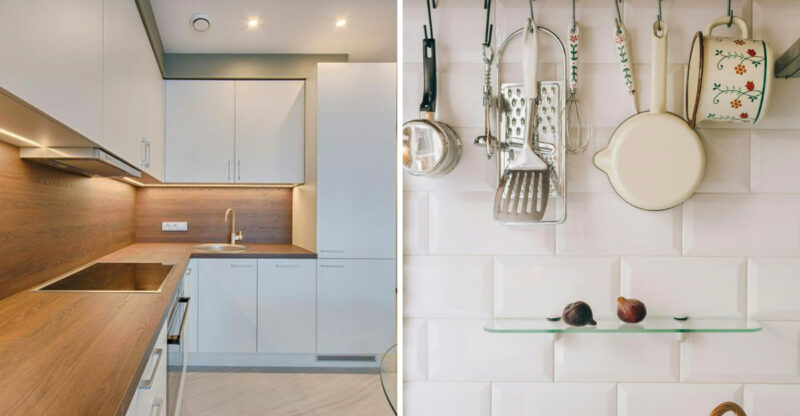
1. All-White Kitchens
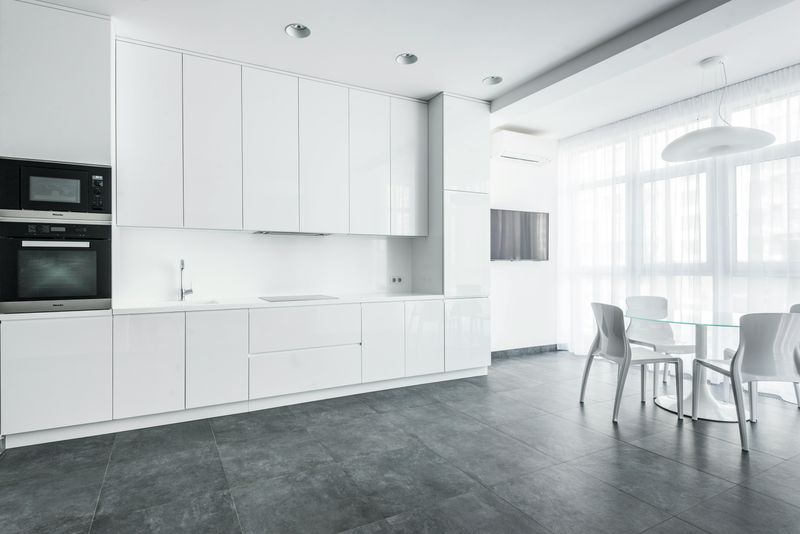
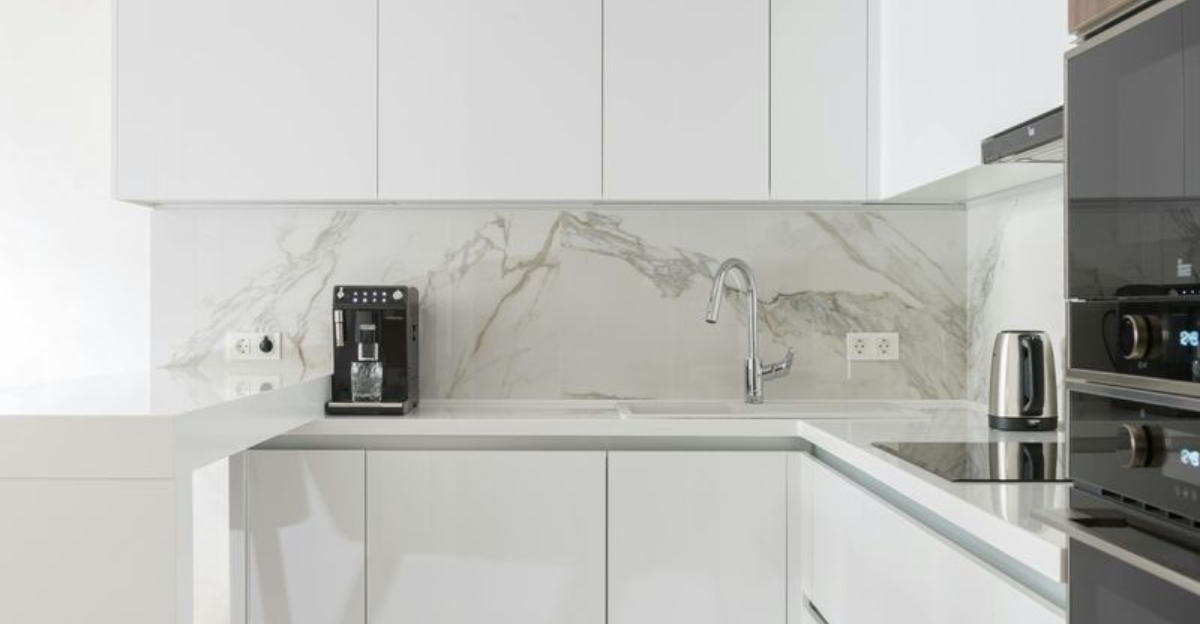
Stark white kitchens dominated design magazines and home tours for years, but their reign is ending as homeowners crave more personality and warmth.
The clinical, gallery-like feel that once symbolized modern elegance now strikes many as cold and uninviting, especially during Ohio’s long winter months when natural light already feels scarce.
Maintenance proves another major drawback since every smudge, splash, and scuff shows up instantly on white surfaces.
Families with kids or pets find themselves constantly wiping down cabinets and counters just to keep things looking presentable.
Instead, layered color palettes featuring deep greens, warm taupes, and soft blues are taking over, creating spaces that feel lived-in from day one.
These richer tones add depth and character while hiding everyday wear much better than their white predecessors.
The shift represents a broader move toward kitchens that feel like genuine gathering spaces rather than showrooms waiting for the perfect photoshoot.
2. Gray Tones Everywhere
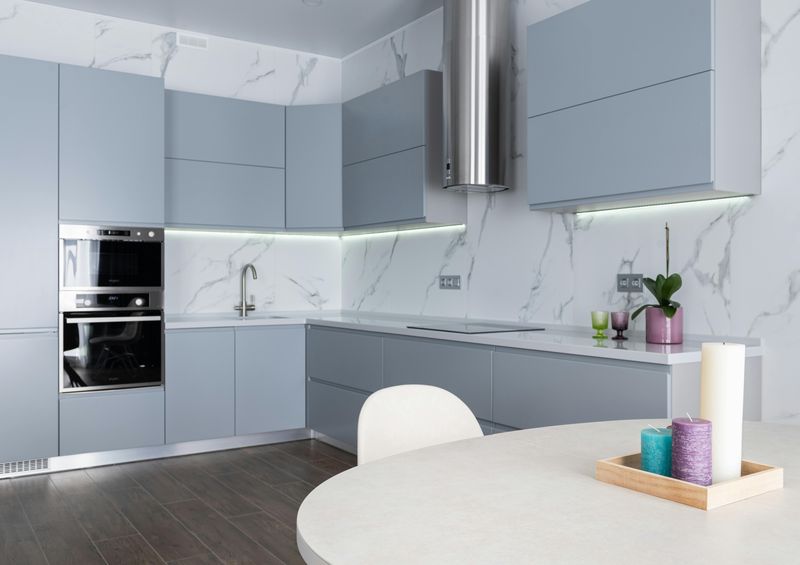
Gray swept through kitchens like wildfire over the past decade, appearing on cabinets, walls, countertops, and even appliances in countless Ohio homes.
What started as a sophisticated neutral quickly became overused, leaving spaces feeling flat and lifeless when every surface shared the same cool undertone.
Design professionals report a huge drop in gray’s popularity as homeowners recognize how the color can make rooms feel dreary, particularly in basements or north-facing kitchens with limited natural light.
The trend’s decline coincides with a renewed appreciation for materials that bring genuine warmth into the home.
Walnut and oak cabinetry are making strong comebacks, along with mixed metal finishes that add visual interest without relying on paint color alone.
These natural elements create contrast and texture that gray simply cannot match.
The movement away from gray reflects a desire for kitchens that feel cozy and welcoming rather than sterile and hotel-like, especially important in a state where people spend significant indoor time during colder months.
3. Subway Tiles

Subway tiles became the default backsplash choice for nearly every kitchen renovation, valued for their clean lines and timeless simplicity.
Their popularity made them feel safe and predictable, but that ubiquity is exactly what’s driving homeowners to seek alternatives that feel more distinctive and personal.
Maintenance issues also contribute to their declining appeal, particularly the grout lines that trap grease, food particles, and stains despite regular cleaning efforts.
Anyone who’s scrubbed between dozens of small tiles knows the frustration of keeping them looking fresh, especially around cooking areas where splatters are inevitable.
Larger-format tiles, slab backsplashes, and textured materials are stepping in to fill the void, offering easier maintenance and more visual impact with fewer seams.
Some homeowners are choosing natural stone, zellige tiles with irregular glazes, or even wallpaper designed for kitchen use.
The shift away from subway tiles signals a willingness to take creative risks rather than defaulting to what everyone else has done, creating kitchens with genuine character.
4. Waterfall Countertops
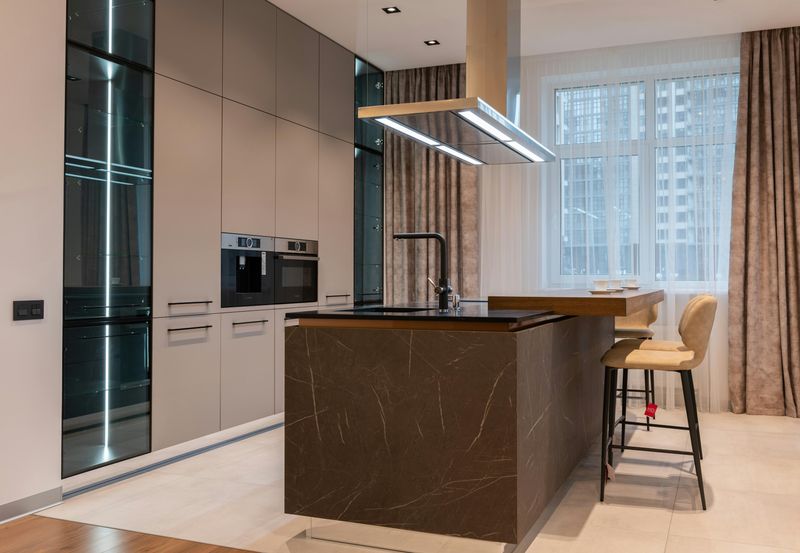
Waterfall countertops made a dramatic statement when they first appeared, with stone or quartz cascading down the sides of islands to create an unbroken vertical line.
The look suggested luxury and high-end design, catching attention in model homes and renovation shows across Ohio and beyond.
However, the reality of installing and living with waterfall edges has dampened enthusiasm considerably.
The fabrication requires exceptional skill and precision, driving up costs significantly compared to standard countertop installations, and any mistake in measurement becomes glaringly obvious.
Functionally, the design also creates challenges since the extended material on the sides limits legroom for anyone sitting at the island and makes it harder to tuck in bar stools.
The expense and impracticality are pushing homeowners toward simpler edge profiles that cost less and work better for actual daily use.
As budgets tighten and practicality wins out over showiness, waterfall countertops are becoming a relic of the more extravagant design era that preceded our current moment of intentional, functional choices.
5. Open Concept Layouts
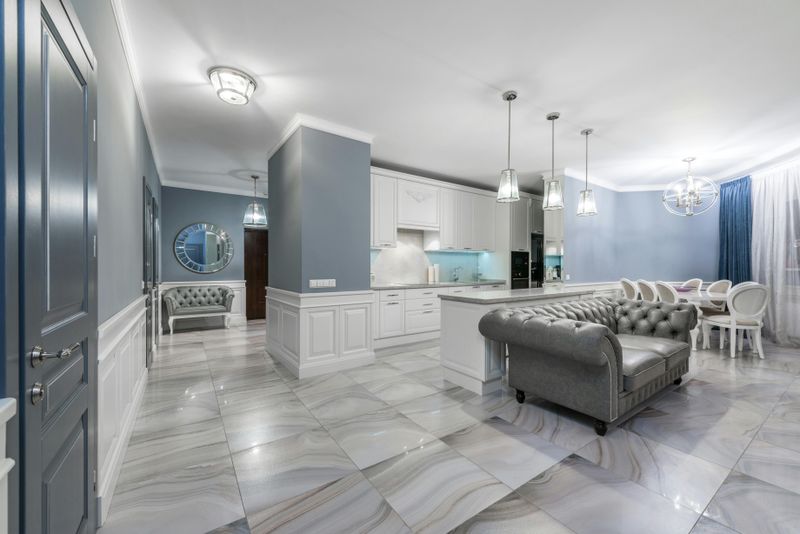
Open floor plans dominated new construction and renovations for years, with walls coming down to merge kitchens, dining areas, and living spaces into one continuous zone.
The concept promised better flow, more natural light, and easier interaction between family members and guests during gatherings.
Reality proved more complicated than the dream, especially for those working from home or managing households with different schedules and noise tolerance levels.
Cooking smells drift everywhere, dishwasher sounds interrupt television watching, and there’s no escaping the visual clutter of one space when you’re trying to relax in another.
Homeowners are now reinstalling partial walls, adding sliding doors, or using tall cabinetry to create subtle divisions that maintain some openness while providing necessary boundaries.
The shift reflects lessons learned during recent years when homes had to function as offices, classrooms, and entertainment spaces simultaneously.
Defined zones offer flexibility and privacy that completely open layouts simply cannot provide, allowing different activities to happen without constant interference from kitchen chaos or living room noise.
6. Vintage Features
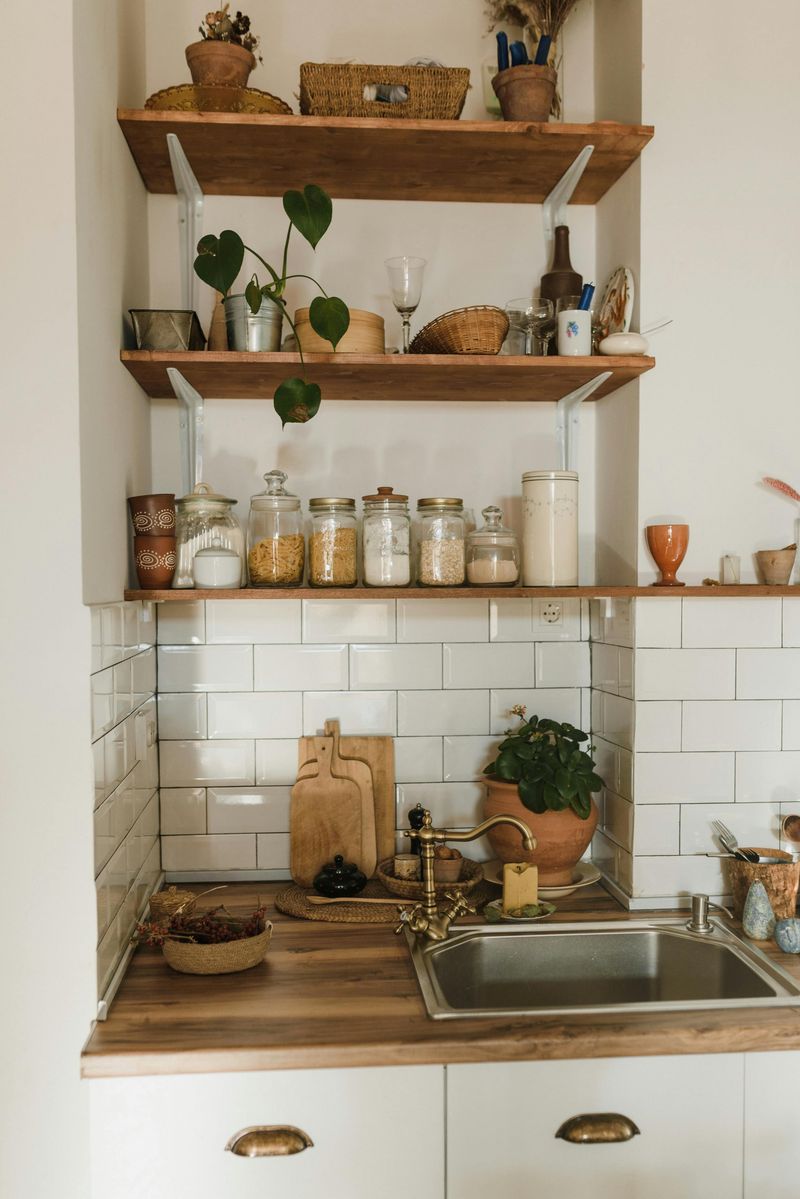
Vintage-inspired appliances and fixtures brought a nostalgic charm to kitchens, with retro refrigerators in pastel hues and farmhouse sinks evoking simpler times.
The aesthetic appealed to those wanting personality and a break from sleek, contemporary minimalism that felt too impersonal.
The trend’s decline stems partly from practicality concerns, as vintage-style appliances often cost more while offering fewer modern conveniences like energy efficiency or smart technology integration.
Maintaining an authentic vintage look also requires committing to a specific era, which can feel limiting when tastes evolve or when trying to sell a home to buyers with different preferences.
Contemporary designs are becoming more sophisticated, incorporating warmth and character without relying on throwback aesthetics that might date quickly.
Homeowners are discovering they can achieve personality through color, texture, and thoughtful details rather than appliances that look like they belong in a 1950s diner.
The movement away from vintage features reflects a maturing design sensibility that values timelessness over trend-chasing, creating kitchens that feel current without being overly styled or themed.
7. Large Kitchen Islands
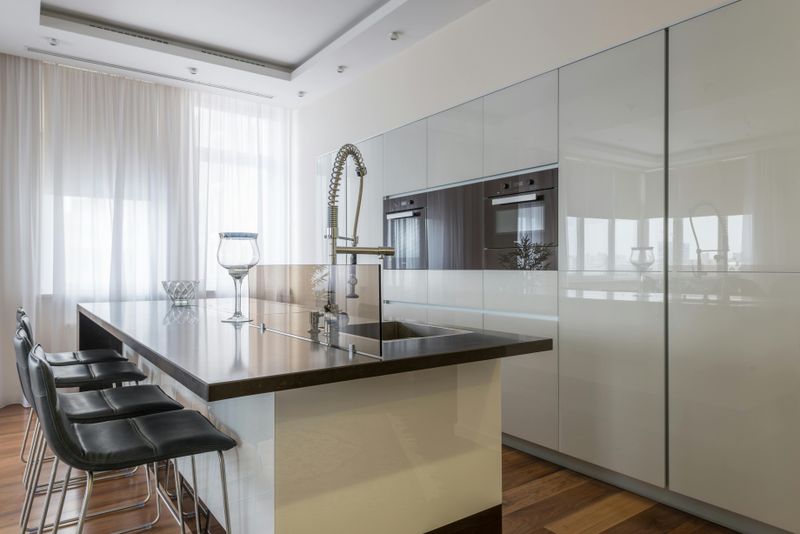
Massive islands became status symbols in kitchen design, often stretching eight feet or longer and featuring built-in cooktops, sinks, dishwashers, and seating for six or more people.
The bigger-is-better mentality suggested that sprawling islands were essential for serious cooking and entertaining.
Many Ohio homeowners discovered that oversized islands actually impede kitchen workflow by creating excessive distances between work zones and making it difficult for multiple cooks to move around efficiently.
The sheer square footage devoted to islands often comes at the expense of valuable cabinet and counter space along perimeter walls.
Right-sized islands proportional to the overall kitchen footprint are gaining favor, designed with specific purposes in mind rather than simply filling available floor space.
Some families are opting for smaller islands with wheels that can be moved as needed, or even eliminating islands entirely in favor of better-functioning galley or L-shaped layouts.
The shift prioritizes genuine usability over impressive size, recognizing that a well-planned kitchen of any dimension beats a poorly functioning large one every time.
8. Brass Fixtures

Brass fixtures made a comeback after years of being dismissed as dated, with warm golden tones appearing on faucets, cabinet pulls, and light fixtures throughout Ohio kitchens.
The metal’s rich patina offered a welcome alternative to the chrome and stainless steel that had dominated for so long.
The trend’s momentum is slowing as homeowners recognize that brass requires regular polishing to maintain its shine and can show water spots and fingerprints more readily than other finishes.
The warm tone also commits a kitchen to a specific color palette, making it harder to change other elements without the brass suddenly looking out of place.
Mixed metals and more versatile finishes like matte black, brushed nickel, or aged bronze are taking over, offering durability and flexibility that brass cannot match.
These alternatives work with a wider range of design styles and require less maintenance to keep looking their best.
The decline of brass fixtures represents a practical turn in design thinking, where longevity and adaptability matter more than following whatever metal happens to be trendy at the moment.
9. High-Gloss Finishes

High-gloss cabinets and countertops promised a sleek, modern aesthetic that reflected light beautifully and made kitchens feel larger and brighter.
The mirror-like surfaces appeared in showrooms and design magazines, suggesting sophistication and contemporary style that appealed to homeowners wanting their spaces to feel current.
Living with glossy surfaces proved less glamorous than anticipated, as every fingerprint, smudge, and water spot shows up immediately and requires constant wiping to maintain that showroom appearance.
The reflective quality that seemed so appealing initially can also feel harsh and cold, particularly under bright overhead lighting.
Matte and honed finishes are replacing glossy surfaces across kitchens, offering a more forgiving and sophisticated look that hides everyday wear while still feeling polished and intentional.
These softer finishes work better with natural materials like wood and stone, creating cohesive spaces that feel warm rather than sterile.
The trend away from high-gloss represents a broader shift toward livable design that accommodates real life instead of demanding constant maintenance to preserve an idealized appearance.
10. Flat Cabinet Doors
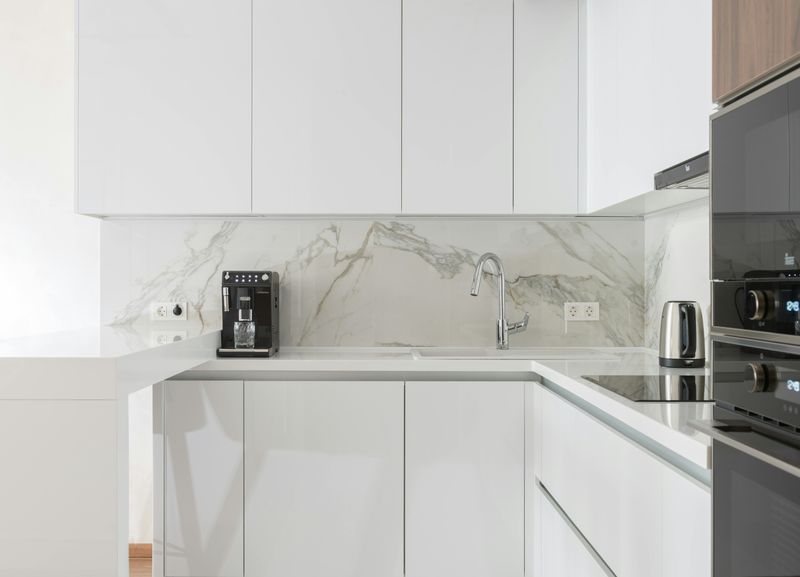
These cabinet doors epitomized minimalist design, with smooth, unadorned surfaces that created clean lines and an uncluttered appearance throughout the kitchen.
The style fit perfectly with contemporary and modern aesthetics that valued simplicity and rejected any hint of ornamentation or traditional detailing.
The stark simplicity that once felt refreshing now strikes many as bland and uninspiring, particularly as homeowners seek ways to add warmth and personality to their spaces.
Flat doors also tend to show imperfections, dents, and scratches more readily since there’s no detail or texture to distract the eye.
Textured cabinet fronts with subtle grooves, shaker-style frames, or even more decorative profiles are making strong returns, adding depth and visual interest without feeling overly traditional or fussy.
These details create shadow lines that make cabinets feel more dimensional and crafted rather than simply functional boxes.
The movement away from flat doors signals a rejection of extreme minimalism in favor of designs that feel more intentional, layered, and genuinely reflective of how people want their homes to feel rather than how design rules say they should look.
11. Speckled Granite Countertops
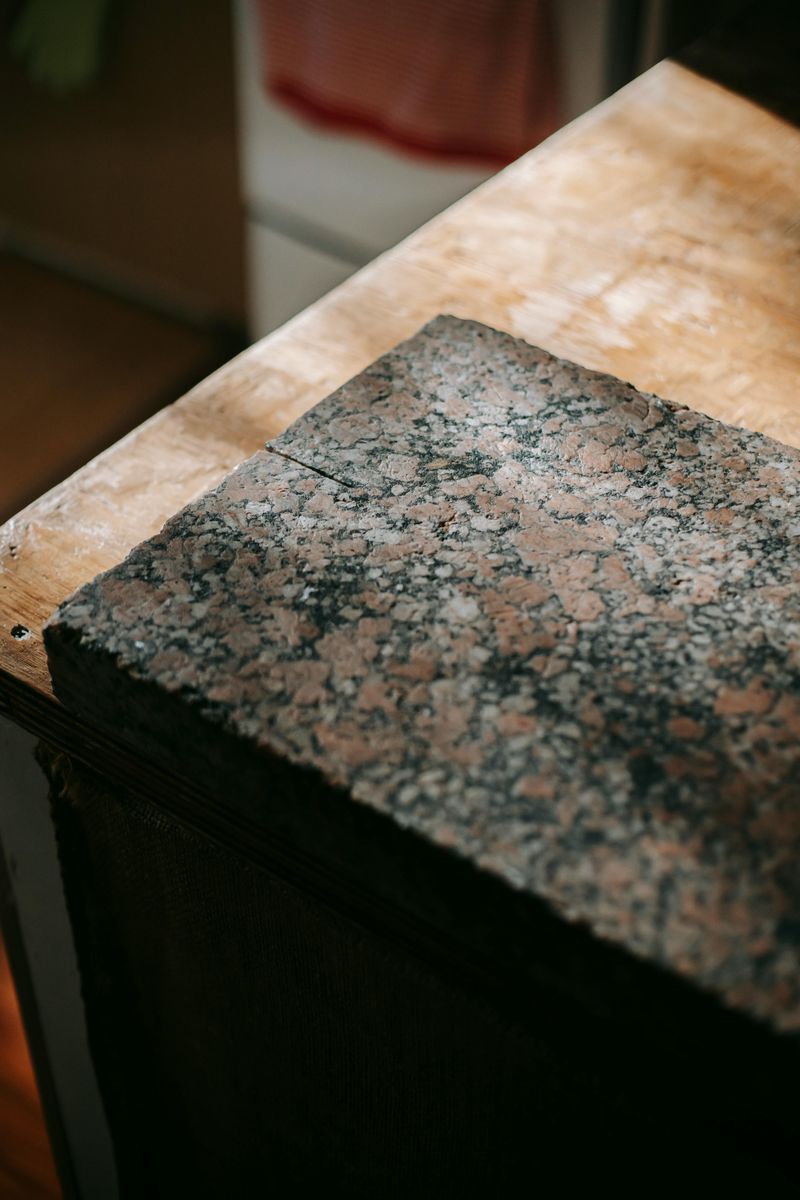
This type of granite dominated kitchen countertops for years, with busy patterns in browns, blacks, and tans that were practically standard issue in homes built during the 2000s and early 2010s.
The material’s durability and heat resistance made it a practical choice, while the varied pattern helped hide crumbs, stains, and imperfections.
Visual fatigue has set in as homeowners tire of the busy, chaotic appearance that now feels distinctly dated and reminiscent of a specific era in home design.
The multiple colors in speckled granite also limit cabinet and backsplash choices, as everything must coordinate with the dominant tones in the stone.
Cleaner stones with more consistent patterns, like quartzite, marble, or solid-color quartz, are replacing speckled granite in renovations across Ohio.
These materials create calmer visual foundations that let other design elements shine and make spaces feel larger and more serene.
The shift away from speckled granite represents a broader desire for simplicity and cohesion in kitchen design, where materials work together harmoniously rather than competing for attention with loud, busy patterns that quickly feel overwhelming.
12. Overly Industrial Designs
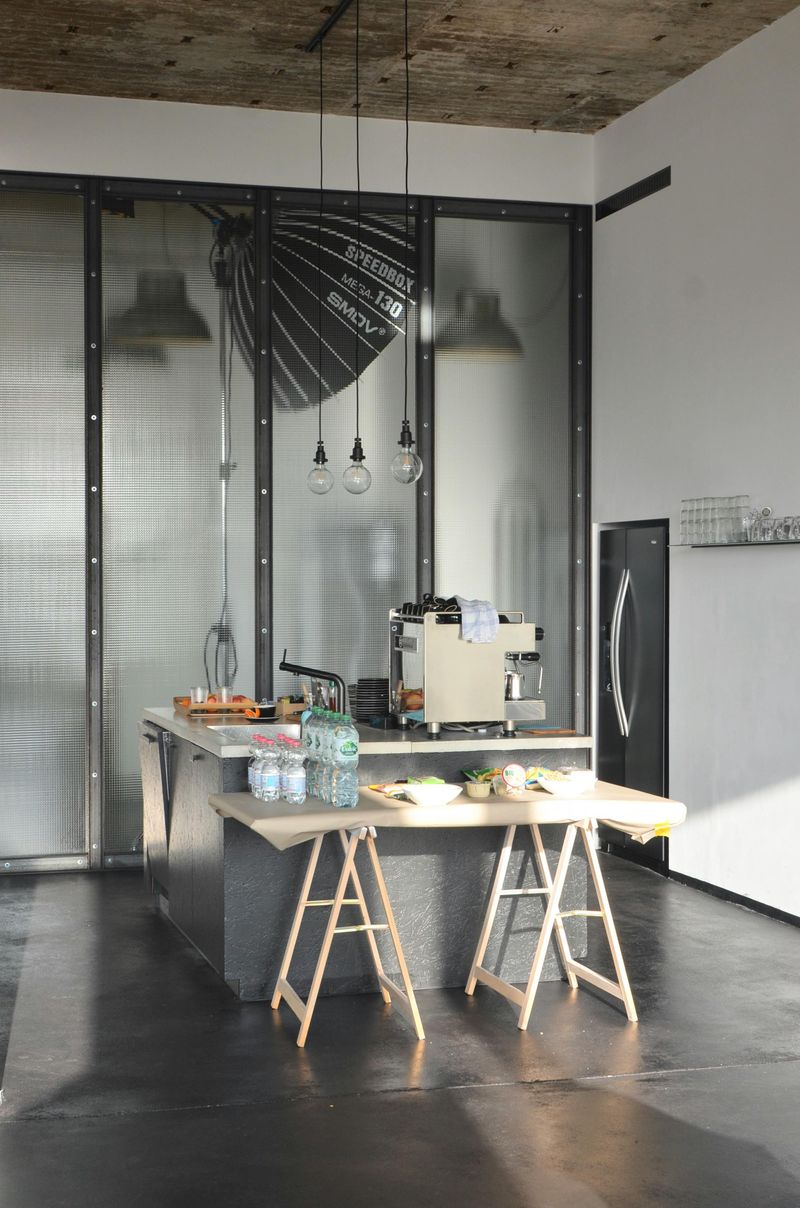
Industrial kitchens embraced raw materials like exposed brick, concrete countertops, open metal shelving, and visible ductwork to create spaces that felt urban and edgy.
The aesthetic borrowed heavily from converted lofts and commercial spaces, suggesting a cool, unfinished quality that rejected traditional residential polish.
The harsh, utilitarian look has lost appeal as homeowners recognize that kitchens need to feel welcoming and comfortable for daily family life, not like trendy restaurants or Brooklyn warehouses.
Concrete and metal surfaces can feel cold both visually and physically, particularly during Ohio winters, and the lack of concealed storage creates constant visual clutter.
Warmer, more inviting designs incorporating natural wood, softer lighting, and enclosed cabinetry are replacing stark industrial elements across renovations and new builds.
Homeowners are learning to balance interesting materials and textures with genuine comfort and livability.
The decline of overly industrial kitchens reflects a maturation in design thinking, where creating a pleasant daily environment matters more than achieving a specific aesthetic that might photograph well but feels unwelcoming to actually live with day after day.