Old Mining Storefronts Still Line The Streets Of This Historic Idaho Town Each Fall
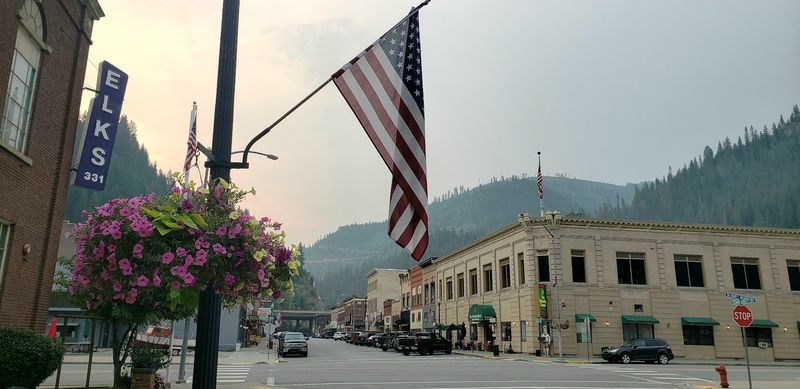
A manhole cover on one Idaho main street officially marks the center of the universe. A mayor declared it in 2004, and the town still stands proudly behind that claim.
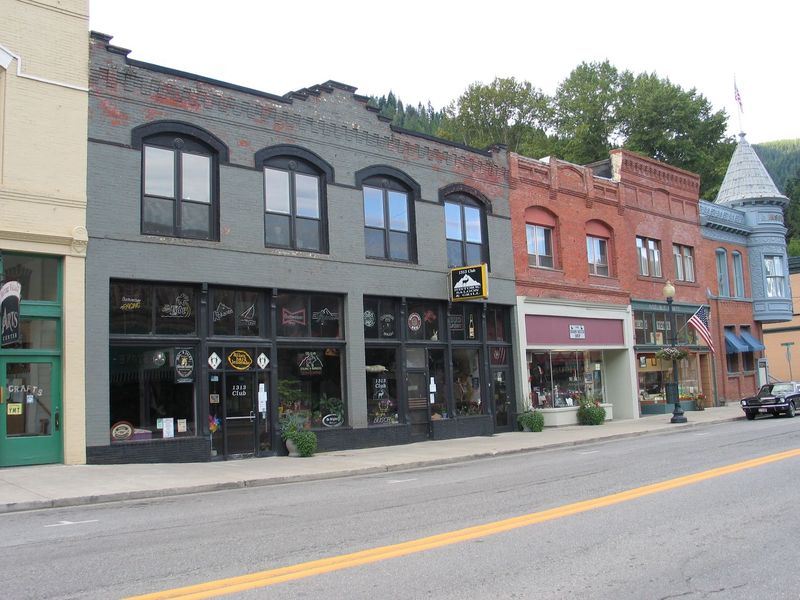
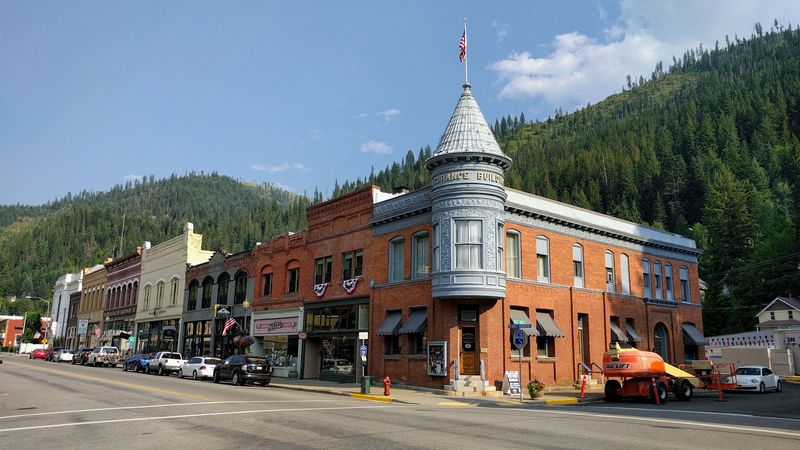
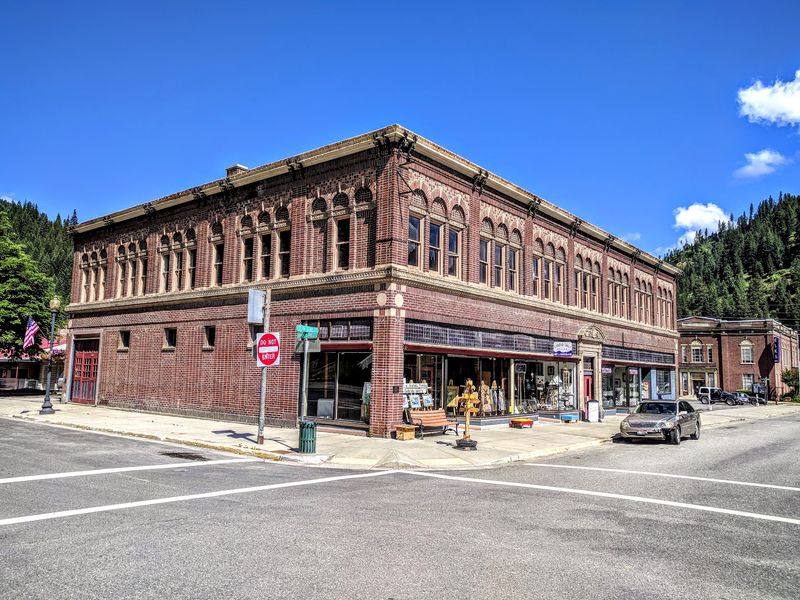
That cheeky title sits in a town listed in its entirety on the National Register of Historic Places. Brick storefronts from the early 1890s still hold shops, cafes, and museums along its streets.
I like how this place never bulldozed its past for something shinier. It kept the brick, the old cornices, and its silver-mining swagger.
Even the interstate had to bend around it.
Each October, a multi-day history festival opens doors that usually stay closed. So what happens when fall color frames an entire mining-era downtown?
I can’t imagine a better excuse for an autumn road trip through the Idaho Panhandle.
A Silver Valley Town That Wears Its Whole Story Out Front
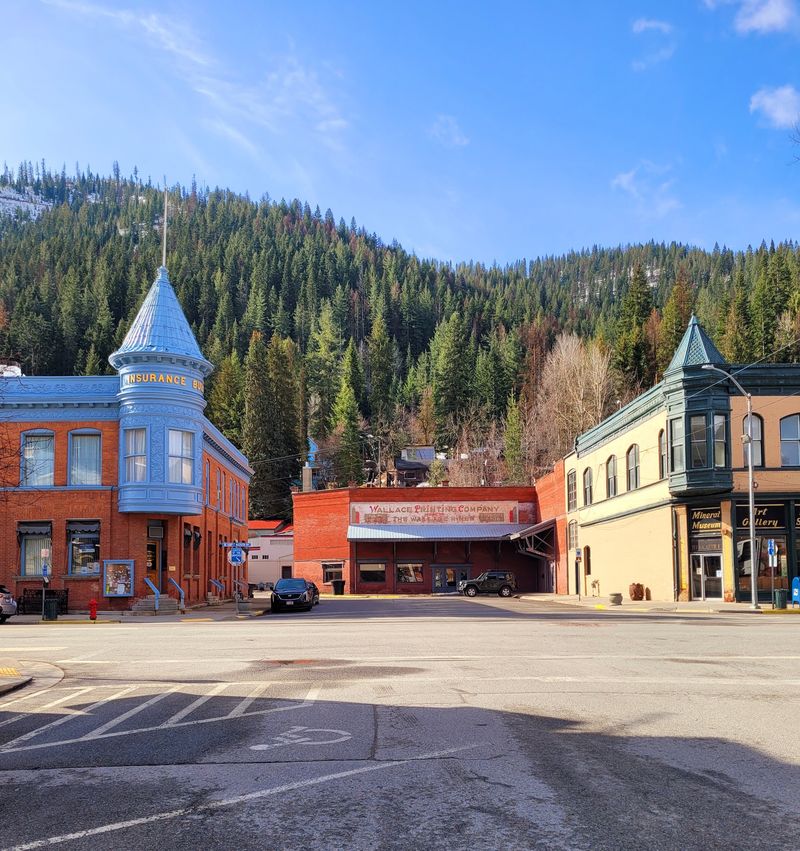
Most towns keep one or two old buildings around for nostalgia. Wallace kept the entire thing, and the whole town is listed on the National Register of Historic Places.
Wallace sits in the Silver Valley mining district of the Idaho Panhandle. It’s the county seat of Shoshone County, which surprises people once they see how compact it is.
The town was founded in 1884 alongside the South Fork of the Coeur d’Alene River. Steep, forested mountains rise on nearly every side, so the streets feel snug and walkable.
Size is part of the appeal here. The 2020 census counted just 791 residents, yet the downtown carries the weight of a much bigger story.
That story is silver. The surrounding Coeur d’Alene Mining District produced so much ore that Wallace earned the nickname Silver Capital of the World.
Fall adds a bonus layer to all that history. Changing leaves on the hillsides frame the brick storefronts, and the town hosts a history festival in early October.
Think of it as a small town with a very big scrapbook. Every block turns another page, and you don’t need a ticket to start reading.
How One Fire Gave Downtown Its Brick Backbone
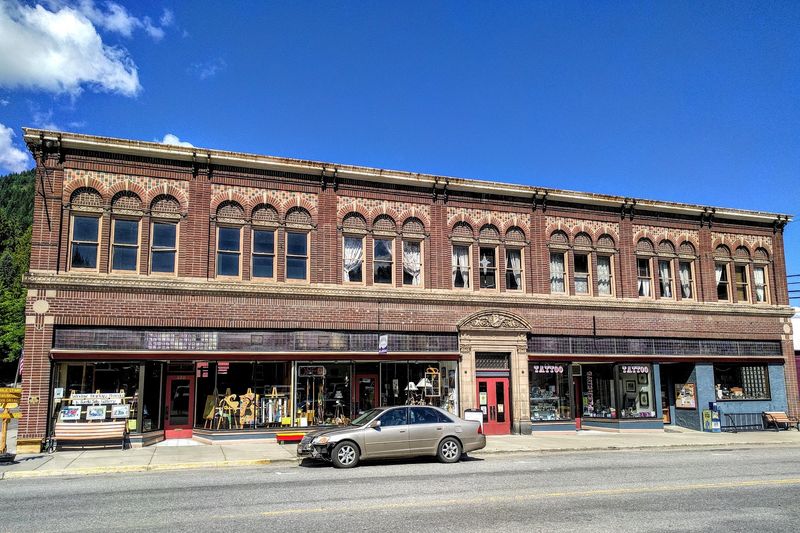
Disaster has a funny way of shaping architecture. After a fire swept through Wallace in 1890, builders went to work fast and leaned hard on brick.
Many of the downtown buildings you see today date to 1890 and 1891. They went up in a rush, which explains why so many share a similar look and scale.
The style leans late Victorian commercial. Think tall upper windows, decorative cornices, and storefronts built to show off goods at street level.
Some buildings still carry original cast iron elements. Those details survived more than a century of mining booms, quiet stretches, and Idaho winters.
What I appreciate most is the consistency. Walking a few blocks feels like moving through one era instead of a patchwork of decades.
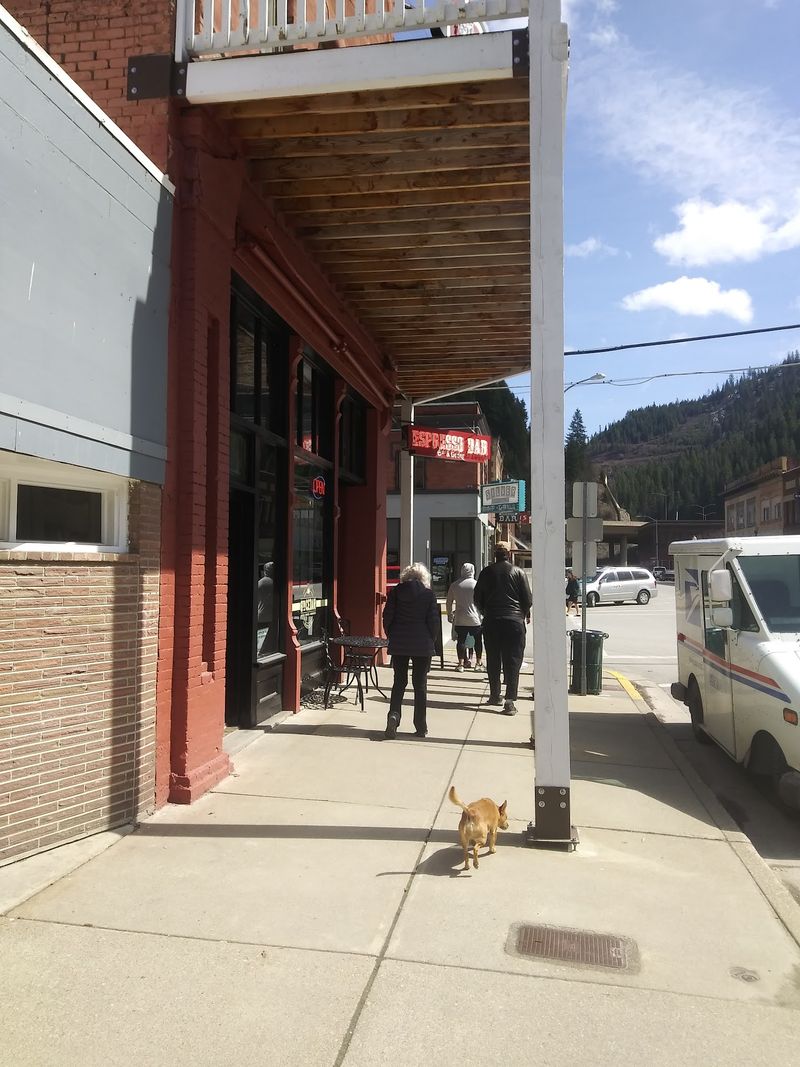
Look up as you stroll, because the best details often sit above the shop signs. Dates, names, and trim work tell you who built what and when.
It works like an open-air museum without velvet ropes. The difference is that people still run businesses inside these walls, so the history stays lived in rather than locked away.
An Interstate Had To Step Around These Old Buildings
Here’s a fun one for anyone who’s driven I-90 across the Panhandle. Wallace’s National Register listing changed how the interstate reached town.
Instead of plowing through downtown, the highway was routed onto an elevated viaduct along the edge of town. That choice spared the historic blocks below.
For years, Wallace was famous for holding the last stoplight on I-90 between Seattle and Boston. That light came down in 1991 when the bypass opened.
Plenty of small towns lost their main streets to highway projects. Wallace managed to keep its storefronts and still welcome travelers right off the exit.
I love that the town fought for its buildings instead of trading them for convenience. It’s the reason you can still stroll a mining-era downtown today.
From the viaduct, you get a quick peek at rooftops and brick walls. From the street, you get the full picture, which is why it pays to pull off.
So the next time you cruise past at highway speed, consider this your nudge. A few minutes off the exit puts you on streets that refused to be paved over.
Every Universe Needs A Center, And This One Has A Manhole Cover
Bold claims deserve bold proof. In Wallace, that proof is a manhole cover on a downtown street.
Back in 2004, the mayor declared Wallace the Center of the Universe. The logic was playful, and the town has happily kept the title ever since.
The marker sits right in the historic district. It’s an easy stop between shops, and it makes a great photo for anyone who likes a little whimsy with their history.
Honestly, I can’t argue with the confidence. A town of under 800 people calling itself the center of everything takes real Idaho grit.
The quirky title fits the place better than you might expect. Wallace has always seen itself as important, and in its silver heyday, plenty of the world agreed.
Kids tend to get the joke immediately. Grown-ups usually need a second, then they start posing for pictures too.
Treat it as a fun scavenger hunt during your walk. Finding the center of the universe takes about five minutes, which might be the best travel deal in the Silver Valley.
Silver Stories You Can Hear Straight From The Source
Reading about mining is one thing. Heading into an actual mine with a guide who knows the work is another level entirely.
The Sierra Silver Mine Tour takes visitors underground in Wallace. Guides with mining backgrounds share firsthand accounts of how the job was done.
That personal angle is what makes it stick. You hear about equipment, safety, and daily routines from people who understand them in a real way.
Prefer to stay above ground? The Wallace District Mining Museum covers the same proud legacy without the hard hat.
Its exhibits focus on mining equipment and local minerals. It’s a solid primer on why this corner of Idaho earned the Silver Capital of the World nickname.
Pairing both makes for a well-rounded afternoon. Start at the museum for context, then head underground to see how the stories play out in person.
Tour seasons and schedules can shift, especially as fall wears on. Check before driving, and dress in layers since underground air stays cool no matter how warm the street feels.
The Depot That Moved Rather Than Disappeared
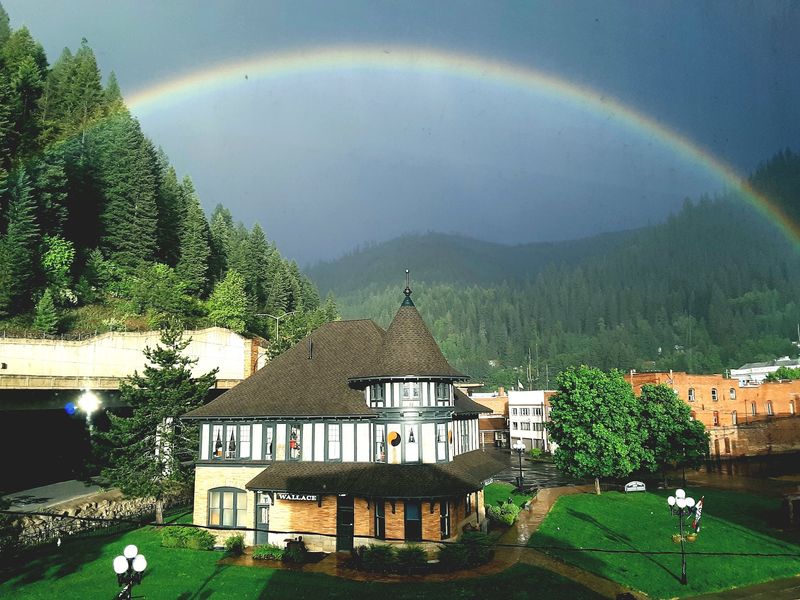
Some buildings stay put for a century. The Northern Pacific Railroad Depot in Wallace got relocated so it could stick around.
Built in 1901, the depot stood in the path of the I-90 project. Rather than lose it, the community moved the building to a new spot nearby.
Today it serves as the Northern Pacific Depot Museum. Exhibits focus on the railroad’s role in the Silver Valley and how trains connected remote mining camps to the wider world.
The building itself is worth the stop. Its distinctive design looks unlike anything else downtown, which makes it a favorite for photos.
Railroads and mining went hand in hand in this part of Idaho. Ore needed a way out, and supplies needed a way in.
Seeing the depot helps the whole town click into place. Suddenly those busy storefronts make sense, because rail brought customers, goods, and money right to the door.
Museum seasons are limited, so confirm it’s open before planning around it. Even from outside, the depot rewards a slow lap with a camera.
October Is When The Old Doors Swing Open
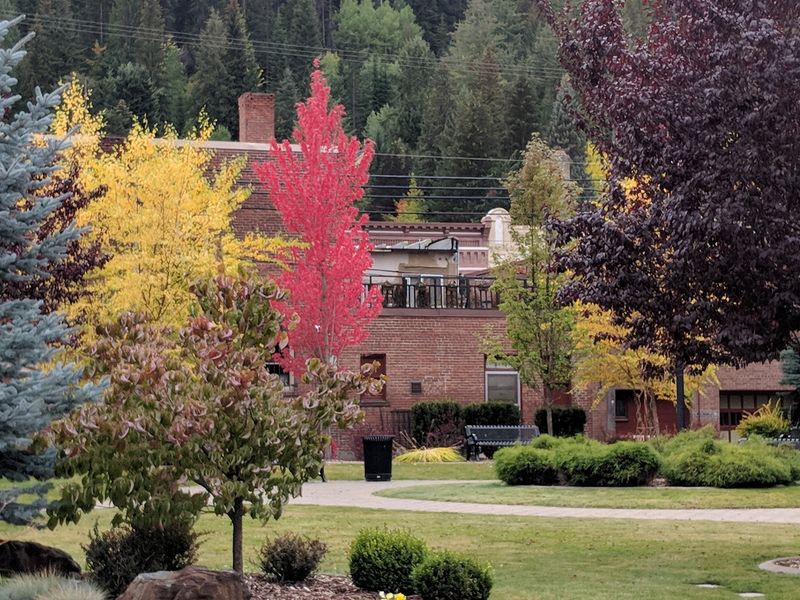
Fall in Wallace comes with a guest list. The Fall for History Festival runs over several days in early October, and it’s built around the town’s heritage.
Guided tours lead into historic homes and commercial buildings. Many of those spaces aren’t usually open to the public, which makes the timing special.
Local historians give presentations during the festival too. It’s a chance to hear the backstory behind the brick from people who’ve dug deep into it.
One offering, called Walk Through Time, guides visitors through the area’s past. It’s an easy way to connect the buildings you’ve been admiring with real names and events.
The 2026 festival is scheduled for October 1 through October 4. That window lines up nicely with fall color in the Silver Valley.
I believe this is the best time to see Wallace for the first time. The storefronts look their best, and the town is actively telling its own story.
Some tours may need advance tickets or sell out. Check festival details early, then plan the rest of your weekend around the events you want most.
Gemstones, Antiques, And Three Floors Of Happy Browsing
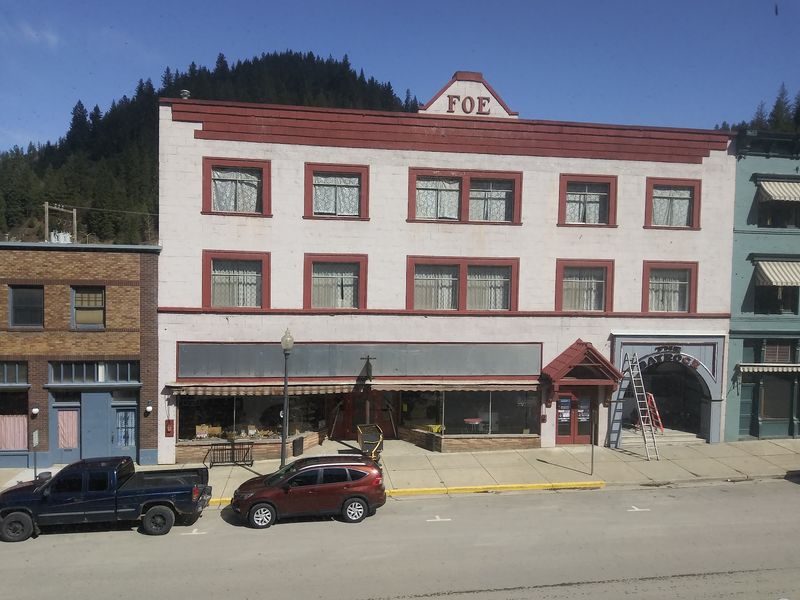
Old storefronts are only half the fun. What’s inside them in Wallace today is the other half.
Johnson’s Gems, Jewelry and Rare Collectibles sits at 524 Bank Street. It’s a natural fit for a mining town, with stones, jewelry, and antiques all under one roof.
Rockhounds will feel right at home there. So will anyone who simply likes shiny things with a story attached.
Then there’s the Past Present Shoppe, an antique mall spread across three stories. The century-old building keeps its original hardwood floors and a tin ceiling.
Three floors of vintage finds can swallow an afternoon. Budget your time accordingly, or at least warn whoever’s waiting in the car.
What I like here is how the shopping matches the setting. Browsing antiques inside a building that’s an antique itself just feels right.
Shop hours can vary by season, especially in small Idaho towns. Check before driving, and leave room in the trunk because souvenirs from Wallace tend to be more interesting than a keychain.
A Cafe That Also Moonlights As A Bookstore
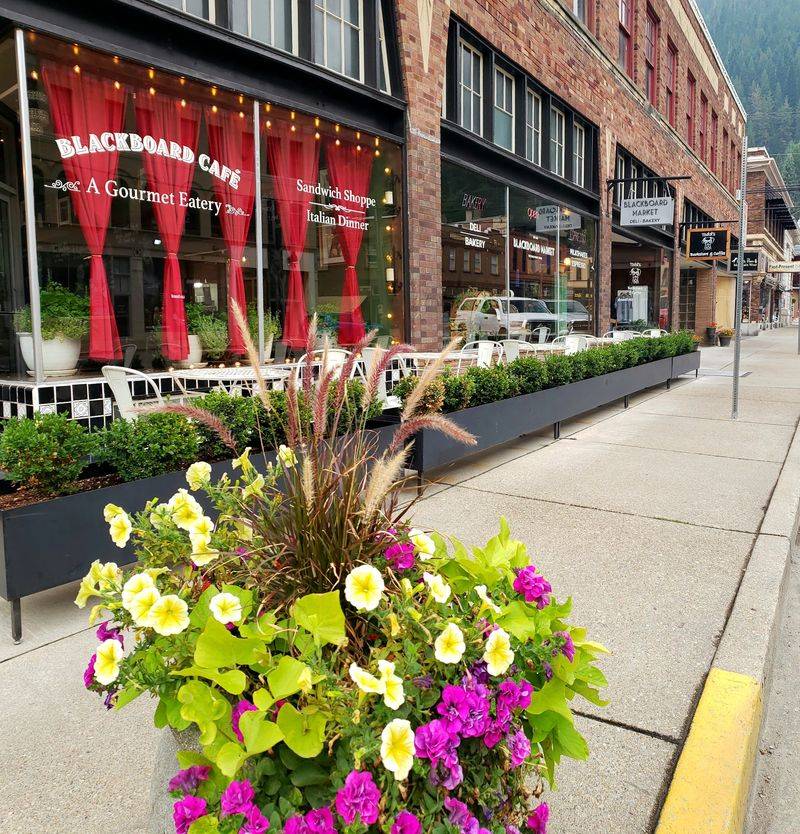
Multitasking is a small-town art form. The Blackboard Cafe in Wallace takes it seriously by serving meals while also running a bookstore and a mountain gear shop.
That combo makes it a handy stop between museums and shops. You can refuel, browse a shelf, and grab something for the trail in one visit.
It also fits Wallace perfectly. The town has always mixed hard work, outdoor living, and a love of a good story.
Picking a book in a mining town feels like a smart souvenir. It lasts longer than a snack and travels better than a rock collection.
Hungry walkers will appreciate having a sit-down option right downtown. Historic districts are best explored slowly, and slow exploring works up an appetite.
I like that eating here doesn’t pull you out of the experience. You stay inside the old storefront landscape while you rest your feet.
As with everything in Wallace, hours can change with the seasons. Confirm before you go, especially if your trip falls on a quieter weekday in late fall.
Bike Tunnels And Gondola Rides Are Just Down The Road
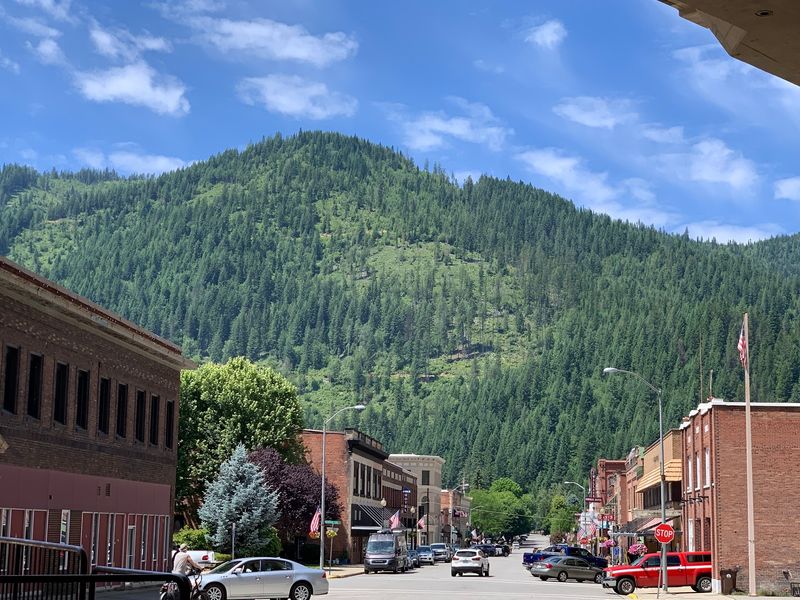
History buffs aren’t the only ones who leave Wallace happy. The Silver Valley and Bitterroot Mountains wrap the town in serious outdoor options.
The Route of the Hiawatha sits southeast of Wallace. It’s a bike trail on a former railway line, famous for tunnels and high trestles through the forest.
Riding it in early fall can be a treat, with changing leaves along the route. The trail has its own season, so confirm it’s still open before loading the bikes.
About 20 minutes west, Silver Mountain Resort adds more choices. It has a gondola up the mountain and an indoor waterpark for families.
That mix makes Wallace a great base camp. Spend the morning outside, then head back downtown for shops, museums, and dinner.
I can’t imagine a better balance for a fall weekend in Idaho. Fresh air in the daytime, brick and history in the evening.
Bring layers no matter the plan. Mountain weather in October changes quickly, and the valley floor can feel very different from the ridgetops.
Plan The Trip Before The Last Leaves Drop
Getting there is the easy part. Wallace, ID 83873 sits right off I-90 in the Idaho Panhandle, about an hour east of Coeur d’Alene.
Park once and explore on foot. The historic district is compact, and the best details reveal themselves at walking speed.
Early October is the sweet spot for most visitors. The Fall for History Festival and seasonal color tend to arrive together.
Many attractions run on seasonal schedules. Check before driving, especially for the mine tour, museums, and the Route of the Hiawatha.
So is Wallace worth the drive? I believe it’s one of the most rewarding small-town stops in Idaho, especially for anyone who loves old buildings with real stories.
The storefronts aren’t a stage set. They’re working businesses inside walls that survived a fire, a highway project, and more than a century of mining ups and downs.
Come for the brick and the silver history. Stay for the gem shops, the depot, the quirky manhole cover, and a downtown that still feels like the center of something, maybe even the universe.