Old Missouri Furniture Trends You’ll Be Seeing Everywhere Again
Missouri’s furniture history runs deep, woven through generations of craftsmanship, family heirlooms, and regional design sensibilities that once filled every farmhouse and city parlor.
Today, homeowners across the state are rediscovering these vintage styles, breathing new life into forgotten pieces and honoring the timeless appeal of classic Missouri design.
From bold retro statements to sturdy handcrafted treasures, these old trends are making a vibrant comeback in living rooms, dining areas, and bedrooms everywhere.
Bold Lacquered Cabinets From The 1970s
Glossy, brightly colored cabinets defined an era when Missouri homes embraced daring color palettes and high-shine finishes.
These pieces often came in vibrant hues like fire-engine red, electric orange, or deep teal, bringing instant energy to any room.
Lacquered furniture was prized for its smooth, reflective surface that seemed almost futuristic at the time.
Homeowners loved how easy these finishes were to wipe clean, making them practical for busy households.
Today’s designers are pairing these vintage cabinets with neutral walls and natural textures to let the bold color pop without overwhelming the space.
The high-gloss look adds a playful, nostalgic touch that feels both retro and refreshingly modern.
Finding an original piece in good condition can be a treasure hunt, but the payoff is a conversation-starting accent that anchors a room.
Restoration is often straightforward, requiring just a gentle polish to bring back that signature shine.
Postmodern Memphis-Style Chairs
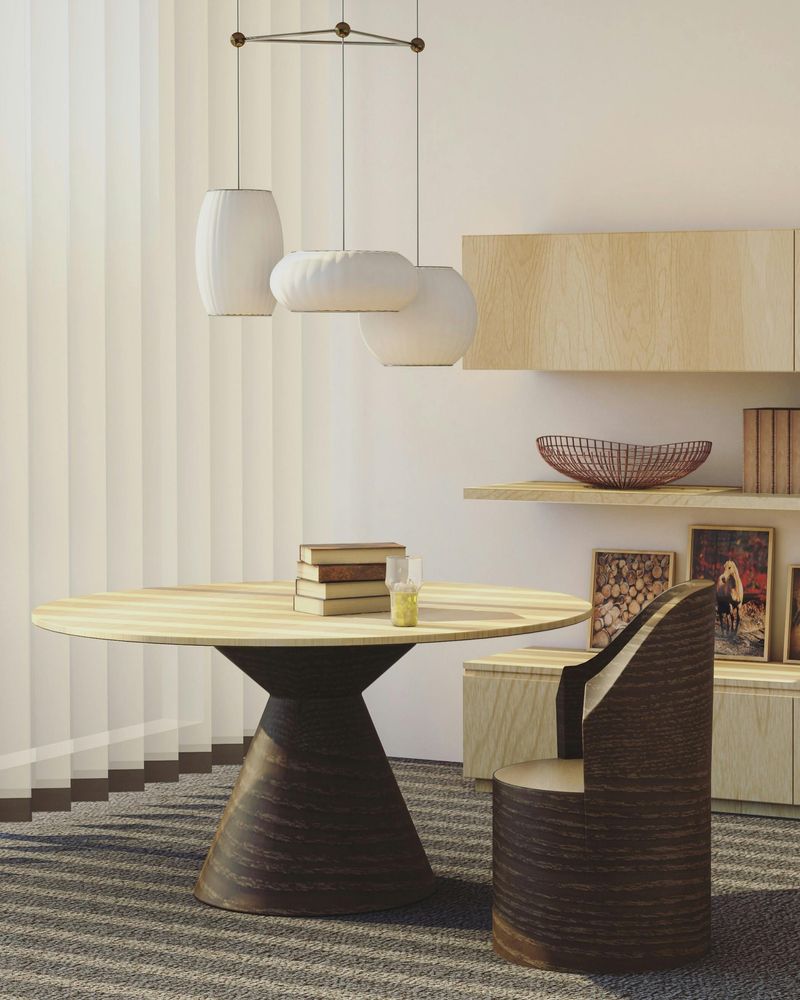
Asymmetrical shapes, clashing patterns, and unexpected color combinations made postmodern furniture a bold statement in Missouri homes during the 1980s.
These chairs often featured zigzag lines, squiggly motifs, and playful geometry that defied traditional design rules.
The Memphis movement celebrated individuality and artistic expression, turning everyday seating into sculptural art.
Missouri collectors appreciated the whimsy and creativity these pieces brought to otherwise predictable interiors.
Now, these chairs are reappearing in eclectic living spaces where homeowners want to showcase personality and flair.
They work beautifully as accent pieces, drawing the eye and sparking curiosity.
Pairing a Memphis chair with minimalist surroundings lets its wild design take center stage without creating visual chaos.
The trend reflects a broader shift toward celebrating unique, statement-making furniture that tells a story and breaks the mold of cookie-cutter décor.
Handcrafted 18th-Century Oak Tables
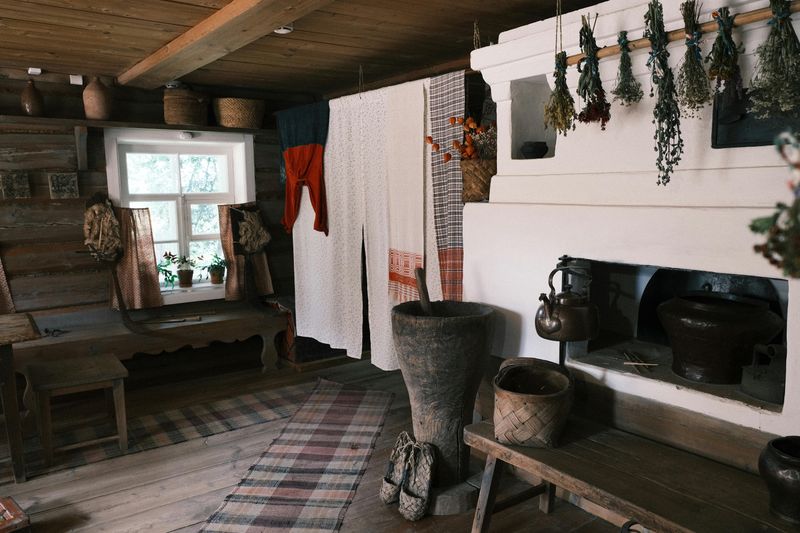
Solid oak tables built by Missouri craftsmen in the 1700s were designed to last for generations, and many still do.
These tables showcase visible wood grain, hand-carved details, and joinery techniques that modern mass production cannot replicate.
Families gathered around these sturdy surfaces for meals, celebrations, and everyday moments, creating layers of history in every scratch and patina mark.
The weight and presence of an 18th-century oak table bring a grounding, authentic feel to contemporary dining rooms.
Homeowners today value the sustainability of reusing heirloom furniture rather than buying new pieces that may not stand the test of time.
The warmth of aged oak pairs beautifully with both rustic and refined décor styles.
Refinishing is often unnecessary; many prefer to preserve the natural wear that tells the table’s story.
This trend honors Missouri’s artisan heritage while offering a functional, beautiful centerpiece for modern family life.
Victorian Carved Walnut Headboards
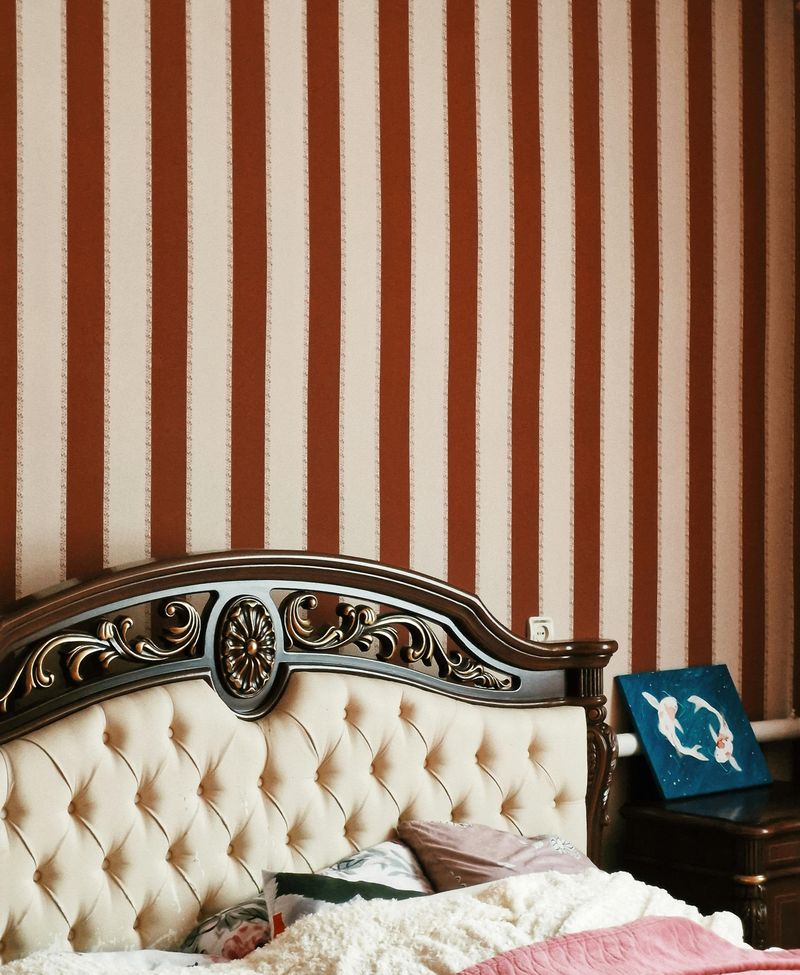
Intricate floral carvings and elaborate scrollwork defined Victorian walnut headboards, which graced Missouri bedrooms throughout the 19th century.
These pieces were symbols of craftsmanship and status, often custom-made by local woodworkers who took pride in every detail.
The rich, dark tones of walnut wood added elegance and warmth, creating a luxurious focal point in the bedroom.
Victorian furniture emphasized beauty and ornamentation, turning functional items into works of art.
Modern homeowners are rediscovering these headboards, drawn to their romantic, old-world charm and the sense of history they bring.
Pairing a carved walnut headboard with crisp white linens and simple décor creates a striking contrast that highlights the craftsmanship.
Restoring these pieces often involves gentle cleaning and conditioning rather than heavy refinishing, preserving the original patina.
This trend celebrates the artistry of Missouri’s Victorian era while adding a touch of timeless elegance to contemporary bedrooms.
Grandmillennial Floral Chintz Sofas

Floral chintz fabric, once a hallmark of traditional Missouri parlors, is making a stylish return among younger homeowners who love blending old and new.
These sofas feature bold, colorful blooms on crisp cotton backgrounds, creating a cheerful, lived-in atmosphere.
The grandmillennial aesthetic embraces the charm of grandmother’s house – think needlepoint pillows, antique silverware, and vintage china – but with a fresh, intentional twist.
Missouri residents are hunting estate sales and antique shops for original chintz pieces that add personality and warmth.
Mixing floral patterns with modern elements like sleek lighting or abstract art keeps the look from feeling dated or overly precious.
The key is confidence in combining textures, colors, and eras to create a space that feels collected over time.
Chintz sofas invite comfort and conversation, offering a soft, welcoming spot that feels both nostalgic and current.
This trend proves that classic patterns never truly go out of style – they just wait for the right moment to shine again.
Industrial Factory Carts As Coffee Tables
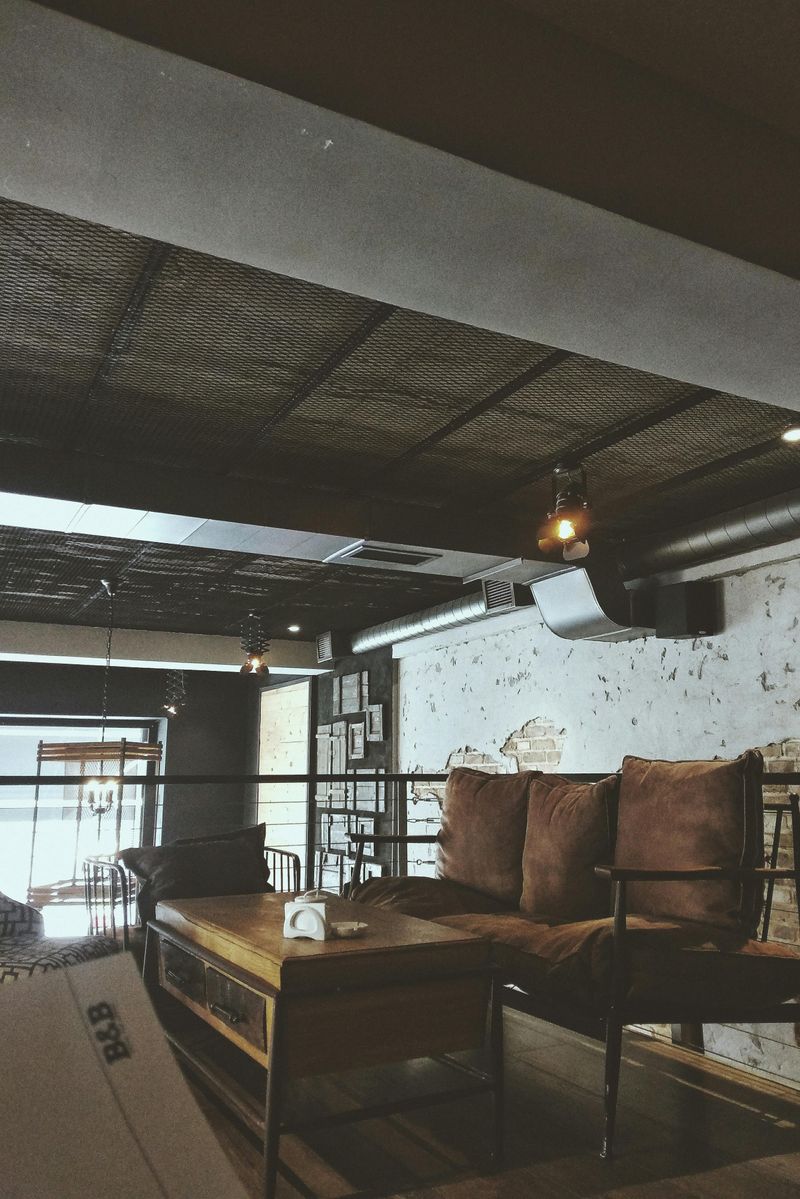
Weathered wood platforms mounted on heavy metal wheels once rolled through Missouri factories, carrying materials and finished goods across warehouse floors.
Now, these sturdy carts are being repurposed as unique coffee tables that add character and history to modern homes.
The industrial aesthetic celebrates raw materials, honest construction, and the beauty of functional design.
Missouri’s manufacturing heritage provides a rich source of these authentic pieces, which often bear the marks of decades of hard use.
Homeowners appreciate the mobility and practicality of wheeled coffee tables, which can be easily moved for cleaning or rearranging.
The contrast between rough metal and smooth wood creates visual interest and texture in living spaces.
Pairing an industrial cart with soft textiles, greenery, or vintage books softens the look and makes the space feel inviting rather than cold.
This trend honors Missouri’s working-class roots while offering a stylish, one-of-a-kind furniture solution that mass-produced pieces cannot match.
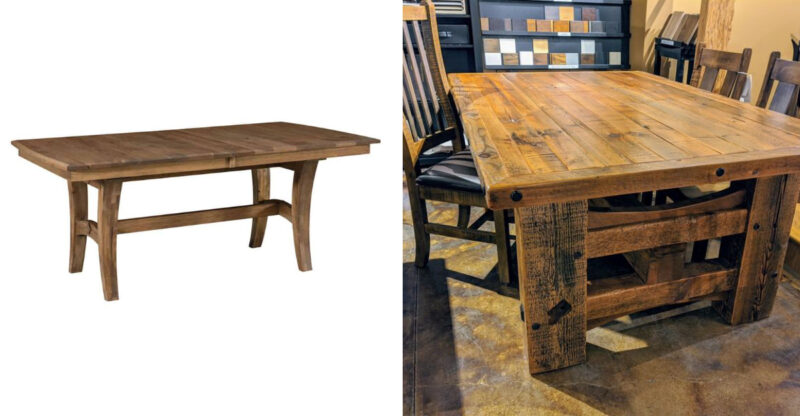
Reclaimed Barn Wood Dining Tables

Missouri’s countryside is dotted with aging barns, and their weathered wood is finding new life as stunning dining tables.
Reclaimed barn wood carries decades of character – nail holes, saw marks, and natural graying that tell stories of seasons and storms.
Craftsmen carefully dismantle old structures, selecting the best planks and milling them into tabletops that showcase the wood’s unique patina.
Each table is truly one-of-a-kind, with variations in color, grain, and texture that cannot be replicated.
The sustainability of reusing old wood appeals to environmentally conscious homeowners who want beautiful furniture without contributing to deforestation.
Barn wood tables pair beautifully with both rustic farmhouse décor and more refined, modern settings.
The substantial feel of a reclaimed wood table anchors a dining room, creating a warm gathering spot for family and friends.
This trend connects Missouri residents to their agricultural heritage while offering a practical, gorgeous centerpiece that will last for generations.
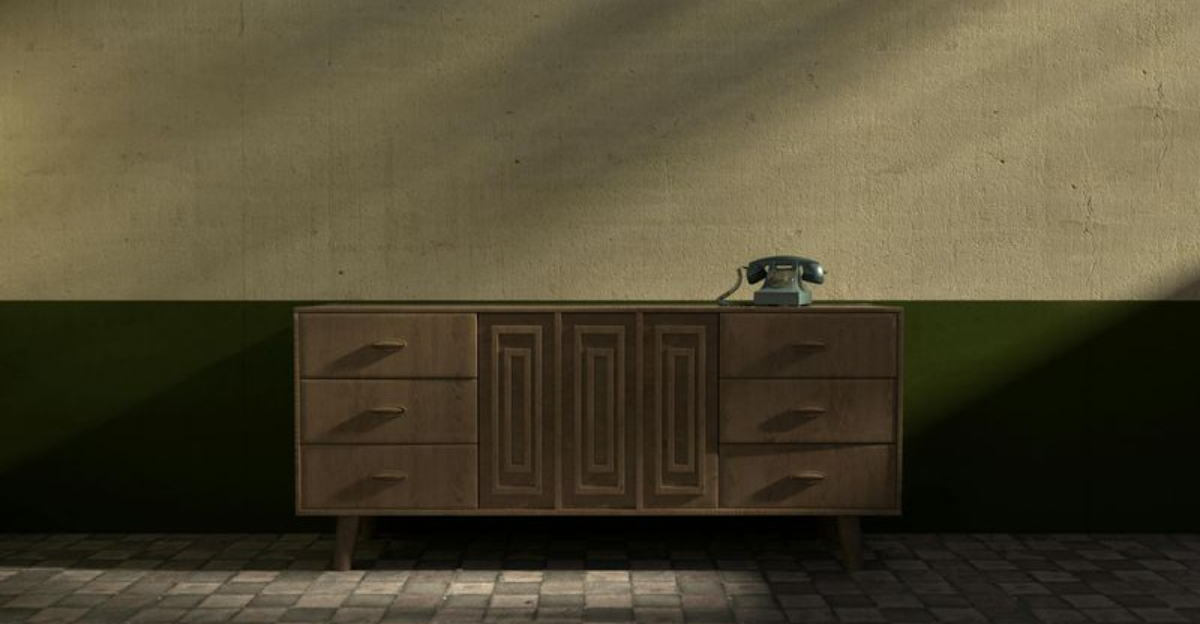
Mid-Century Teak Credenzas

Sleek lines, warm teak tones, and clever storage solutions made mid-century credenzas essential pieces in Missouri homes during the 1950s and 1960s.
These low-profile cabinets featured sliding doors, tapered legs, and minimalist brass hardware that epitomized modern sophistication.
Teak wood’s natural durability and rich color made it a premium choice for furniture makers, and pieces from this era have aged beautifully.
Missouri collectors are rediscovering these credenzas, appreciating their timeless design and versatility.
A mid-century credenza works equally well as a media console, dining room buffet, or home office storage piece.
The horizontal emphasis and clean aesthetic help open up smaller spaces while providing ample hidden storage.
Pairing teak furniture with plants, simple artwork, and neutral textiles creates a calm, curated look that feels both retro and contemporary.
This trend reflects a broader appreciation for quality craftsmanship and design that transcends fleeting fads, offering furniture that remains stylish decade after decade.
Needlepoint Footstools And Ottomans

Handstitched needlepoint adorned footstools and ottomans in Missouri homes for much of the 20th century, showcasing intricate floral designs, geometric patterns, or even family crests.
These pieces were often labors of love, created by skilled hands over many months.
The combination of sturdy wooden frames and soft, colorful embroidery made these stools both practical and decorative.
They provided a comfortable place to rest tired feet while adding a touch of handmade artistry to living rooms and bedrooms.
Today’s grandmillennial trend has brought renewed interest in needlepoint furniture, with younger homeowners seeking out vintage pieces at estate sales and antique shops.
The craftsmanship and personal touch of needlework stand in stark contrast to mass-produced furniture.
Displaying a needlepoint ottoman alongside modern furnishings creates an eclectic, layered look that feels collected and thoughtful.
This trend celebrates the patience and skill of traditional needlework while honoring Missouri’s tradition of making beautiful, functional home goods by hand.
Antique Pie Safes With Punched Tin Panels
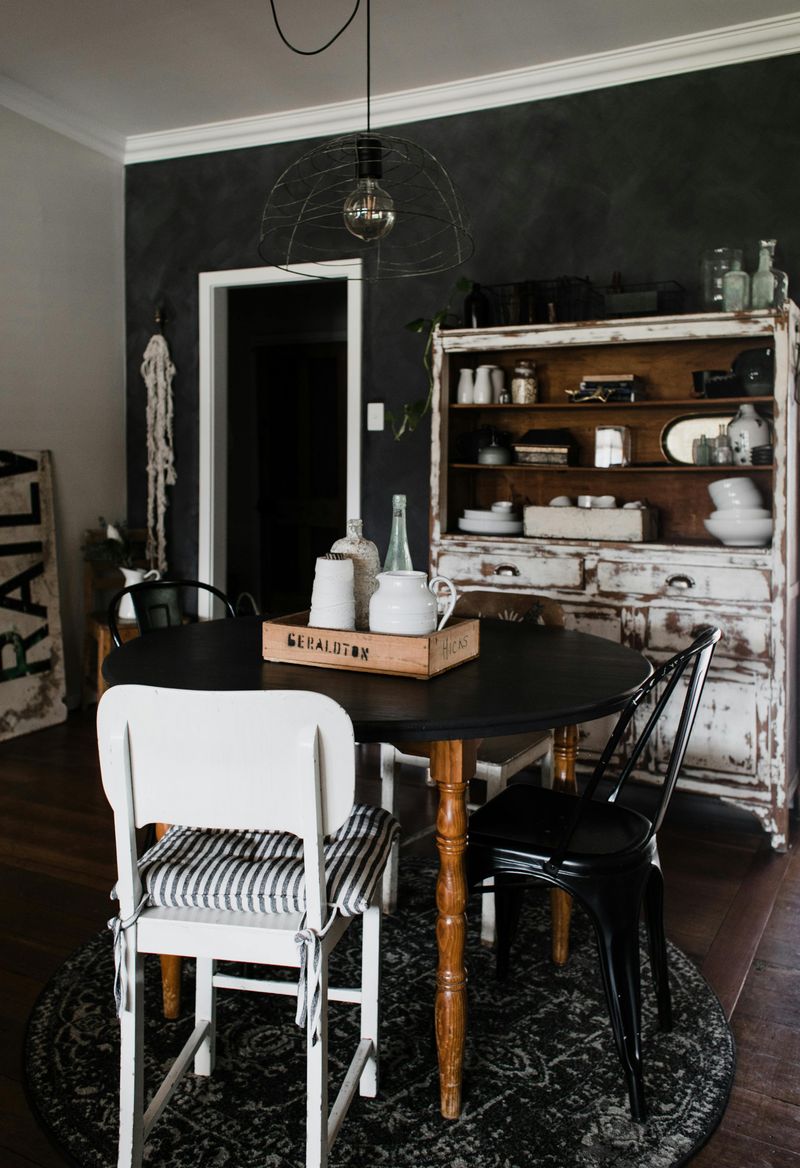
Before refrigeration, Missouri families stored freshly baked pies and other perishables in wooden cabinets with punched tin panels that allowed air circulation while keeping pests out.
These pie safes featured hand-punched designs – stars, hearts, or geometric patterns – that were both functional and decorative.
The craftsmanship of these pieces reflects rural ingenuity and the practical beauty of everyday objects.
Each safe was unique, with tin panels that showed the maker’s artistic touch and regional style preferences.
Modern homeowners are repurposing pie safes as charming storage for linens, dishes, or pantry items, appreciating their rustic appeal and historical significance.
The weathered wood and aged tin add texture and authenticity to farmhouse and country-style kitchens.
Placing a pie safe in a breakfast nook or dining area creates a focal point that sparks conversation and connects the home to Missouri’s agricultural past.
This trend honors the resourcefulness of earlier generations while offering practical, beautiful storage that fits seamlessly into contemporary country living.
Rotary Phones And Vintage Telephones
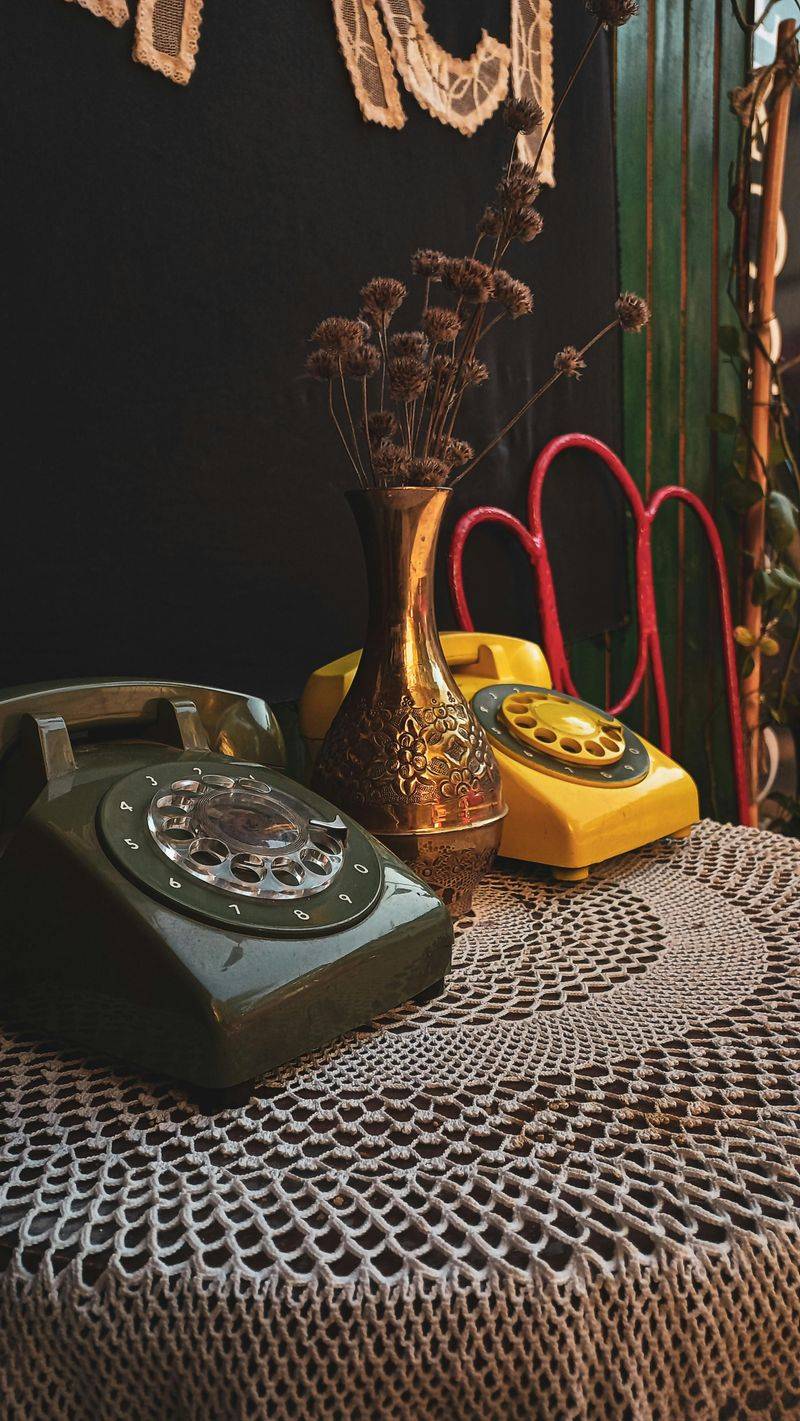
The satisfying click and whir of a rotary dial phone was once the soundtrack of Missouri households, and now these vintage telephones are returning as nostalgic décor pieces.
Whether in classic black, avocado green, or harvest gold, these phones evoke memories of simpler communication.
Collectors prize working models, which can still function on modern landlines with the right adapters, though many display them purely for their retro charm.
The solid construction and tactile experience of dialing make these phones feel more real and intentional than modern touchscreens.
Placing a vintage rotary phone on a side table, desk, or shelf adds a playful, nostalgic touch that guests always notice.
The trend reflects a broader interest in analog technology and the tangible objects that once filled our homes.
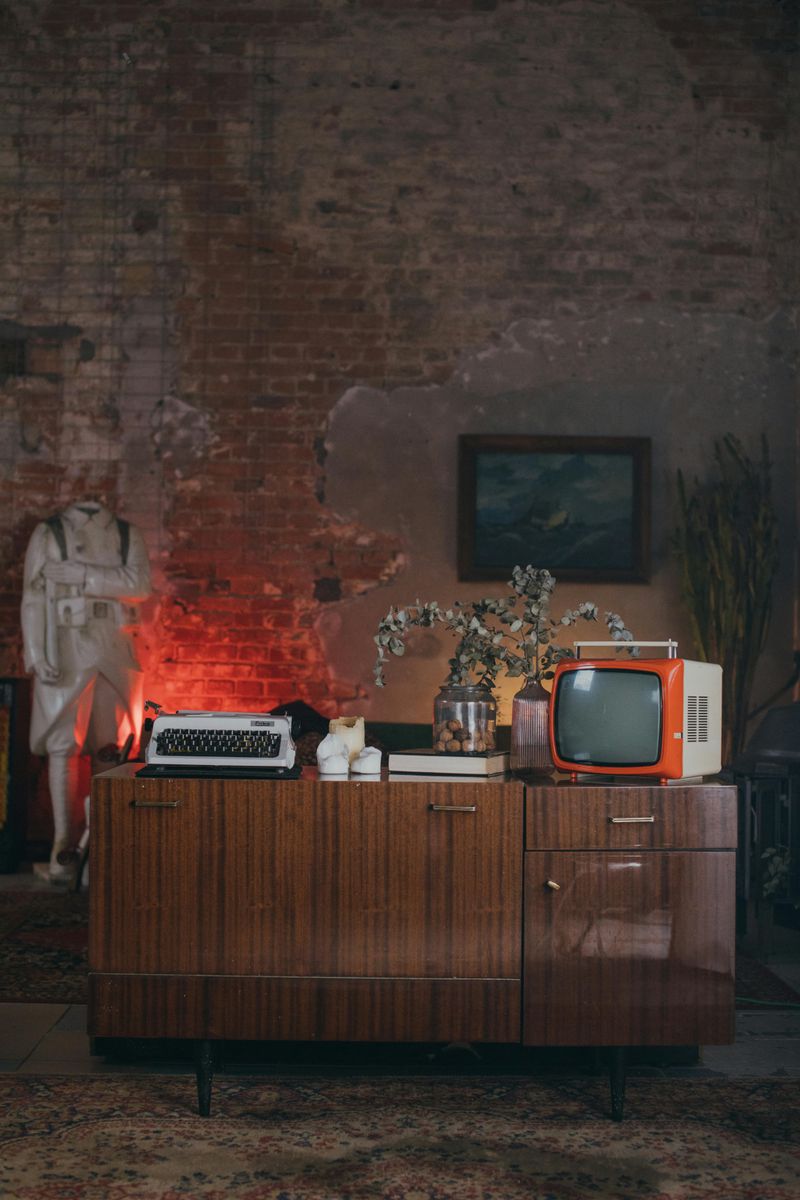
Pairing vintage phones with other old-school tech like typewriters or cassette players creates a cohesive retro vignette.
This trend celebrates Missouri’s technological history while offering a quirky, conversation-starting accent that bridges generations and memories.
Typewriters As Decorative Accents

Manual typewriters, once essential tools in Missouri offices and homes, are now prized as decorative accents that celebrate the romance of analog writing.
These machines feature satisfying mechanical keys, metal bodies, and often beautiful vintage typography on their frames.
Brands like Royal, Underwood, and Remington produced durable typewriters that still function today, though many are displayed purely for their aesthetic appeal.
The clatter of keys and the ding of the carriage return evoke a bygone era of deliberate, thoughtful communication.
Placing a typewriter on a desk, bookshelf, or console table adds instant character and a hint of intellectual nostalgia.
Writers and creatives particularly appreciate these machines as symbols of craft and the writing process.
Pairing a vintage typewriter with stacks of old books, fountain pens, or black-and-white photographs creates a cohesive vintage study aesthetic.
This trend honors Missouri’s literary and journalistic history while offering a tactile, visually interesting piece that sparks curiosity and conversation about the art of writing.
Early Gaming Consoles And Retro Electronics
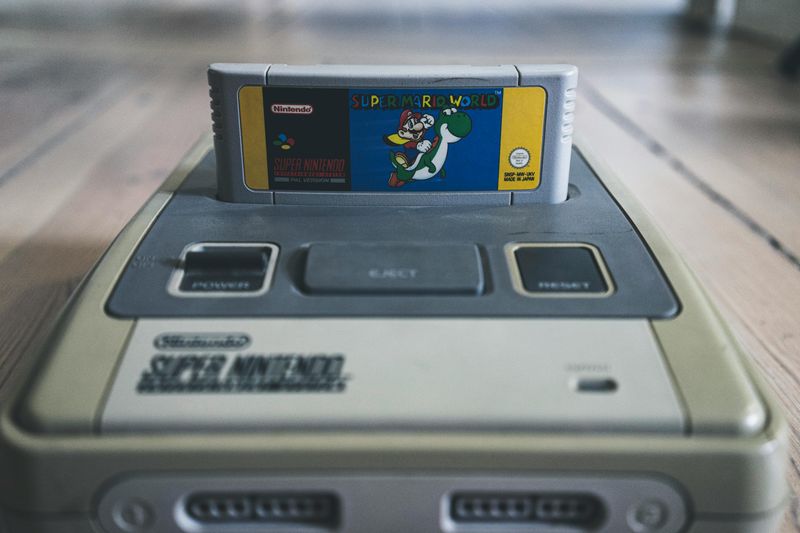
Atari, Nintendo, and Sega consoles that once entertained Missouri kids in the 1980s and 1990s are now collectible décor items that celebrate gaming history.
These boxy systems, with their simple graphics and iconic game cartridges, represent the birth of home video gaming.
Collectors display these consoles alongside vintage game cartridges, controllers, and even old CRT televisions to create authentic retro gaming setups.
The nostalgia factor is powerful, transporting adults back to childhood afternoons spent mastering pixelated adventures.
Many vintage consoles still work, offering a fun, interactive element to home décor that guests can actually play.
The simple, colorful designs of these systems fit surprisingly well into modern entertainment centers and game rooms.
Pairing retro gaming gear with neon signs, movie posters, or comic books creates a playful, nostalgic entertainment space.
This trend reflects Missouri’s participation in gaming culture and the broader appreciation for vintage technology that reminds us where today’s digital world began.
Aged Metal Filing Cabinets
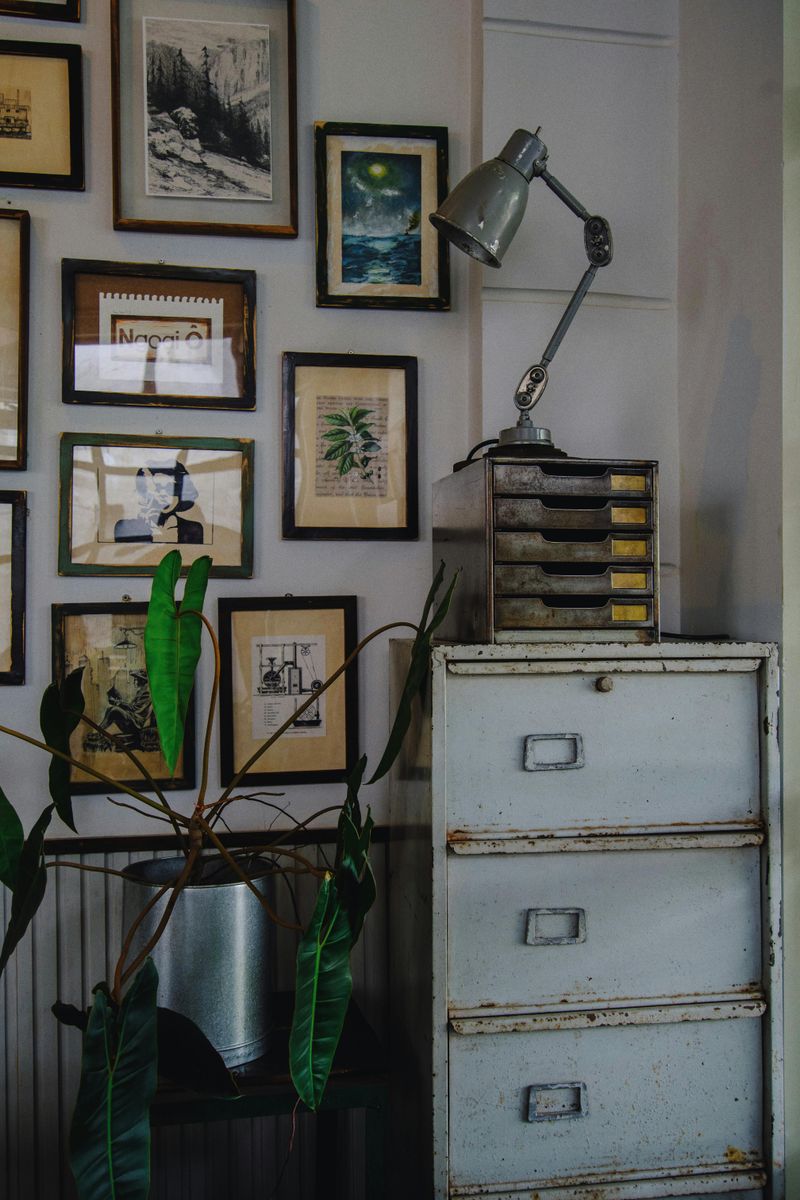
Heavy-duty metal filing cabinets once organized paperwork in Missouri offices, schools, and government buildings, and now they’re finding new life as stylish storage in homes.
These cabinets feature solid steel construction, smooth-gliding drawers, and a utilitarian beauty that fits industrial and modern aesthetics.
The aged patina, worn paint, and vintage label holders add character that new furniture cannot replicate.
Colors like olive green, battleship gray, and tan were standard issue, giving these cabinets a distinctly retro government-office vibe.
Homeowners repurpose filing cabinets to store craft supplies, tools, linens, or even as unique nightstands and side tables.
The sturdy construction ensures these pieces will last for decades more, making them both sustainable and practical choices.
Pairing a vintage filing cabinet with softer elements like plants, textiles, or warm lighting prevents the space from feeling too cold or institutional.
This trend celebrates Missouri’s office and industrial heritage while offering functional, affordable storage that adds authentic vintage character to contemporary homes.
Chinoiserie Cabinets And Lacquerware
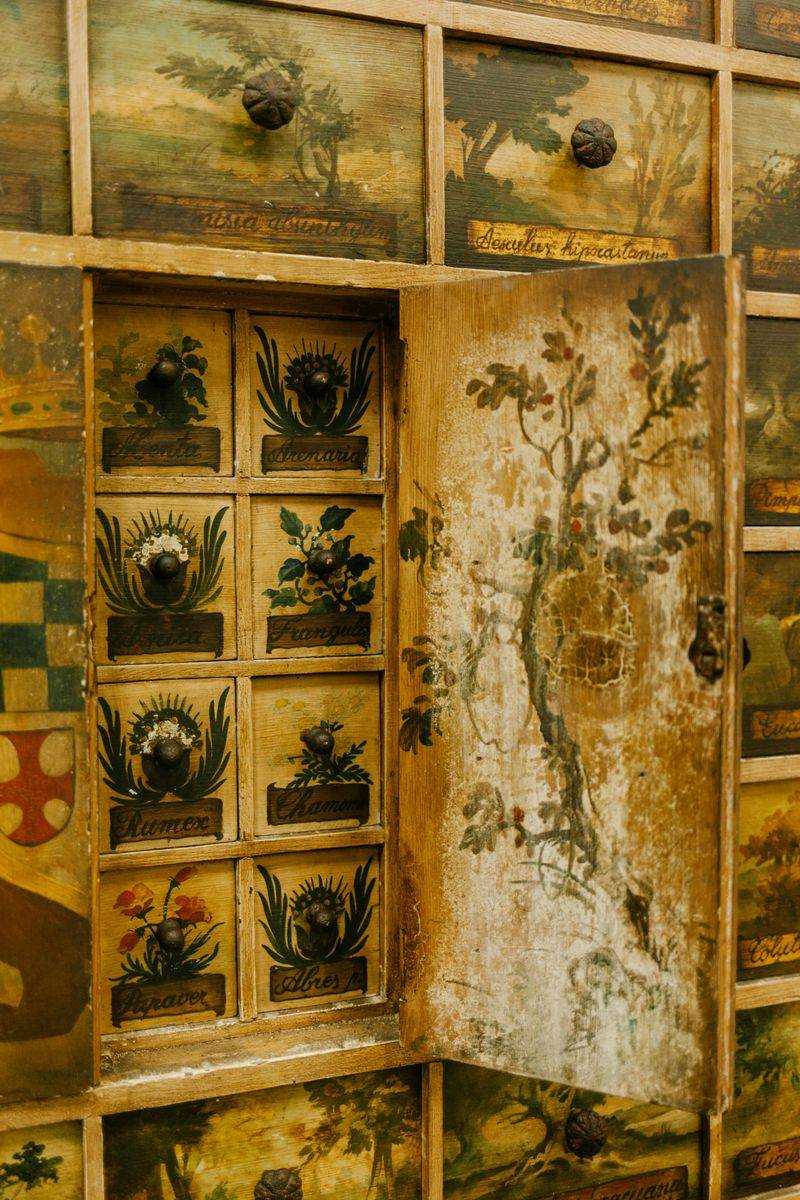
Hand-painted cabinets featuring Asian-inspired landscapes, birds, and floral motifs brought exotic elegance to Missouri homes throughout the 20th century.
Chinoiserie furniture combined Western forms with Eastern decorative techniques, creating pieces that felt both familiar and worldly.
The glossy lacquer finish and intricate artwork made these cabinets statement pieces in dining rooms, entryways, and living spaces.
Missouri collectors appreciated the craftsmanship and the touch of sophistication these pieces added to their homes.
Today’s grandmillennial and eclectic design trends have renewed interest in chinoiserie, with homeowners seeking authentic vintage pieces rather than modern reproductions.
The bold patterns and rich colors work beautifully as focal points in otherwise neutral rooms.
Pairing a chinoiserie cabinet with traditional or modern furnishings creates an unexpected, layered look that feels curated and well-traveled.
This trend celebrates the cross-cultural exchange of design ideas and Missouri’s long-standing appreciation for artful, decorative furniture that transforms a room into something special and memorable.