15 Old-School Des Moines Details That Keep Iowa Interiors Timeless
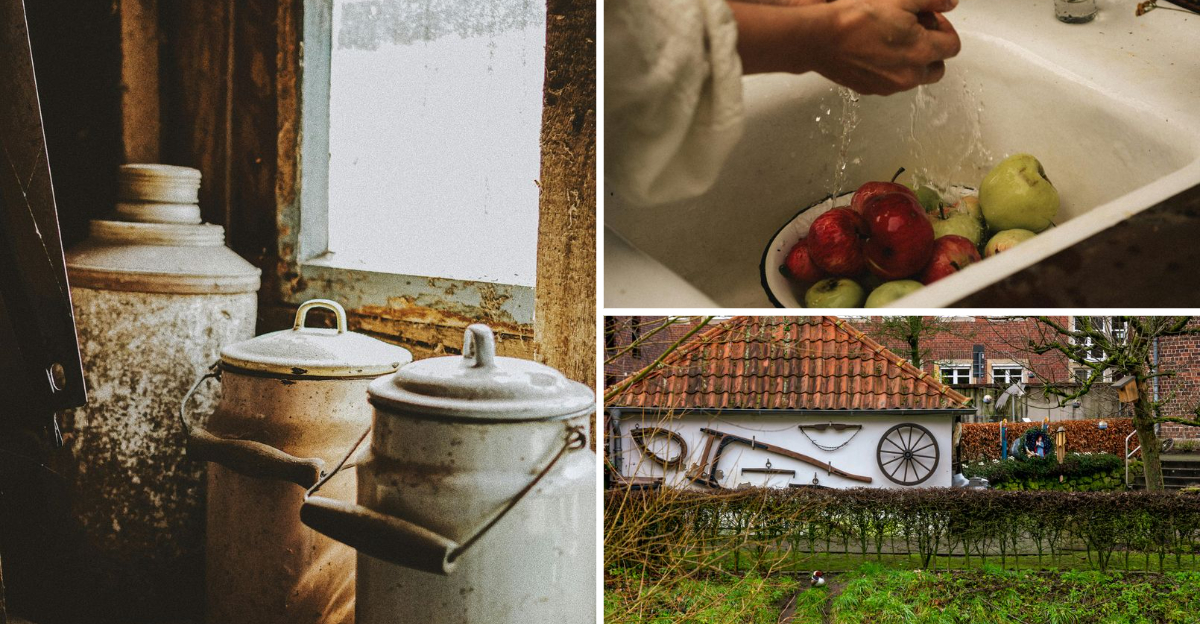
The most enduring interiors feel lived in, not styled for a moment.
They carry traces of daily life, quiet craftsmanship, and materials chosen to last rather than impress.
In Des Moines, that sensibility shows up in rooms shaped by time, patience, and practical beauty.
Sturdy woods, hand-finished details, and textiles made to be used bring warmth that polished trends struggle to match.
These spaces reflect Iowa’s agricultural roots and maker traditions without feeling stuck in the past.
The result is homes that feel grounded, welcoming, and deeply personal, where every surface seems to remember who came before.
1. Locally-Crafted Amish Furniture
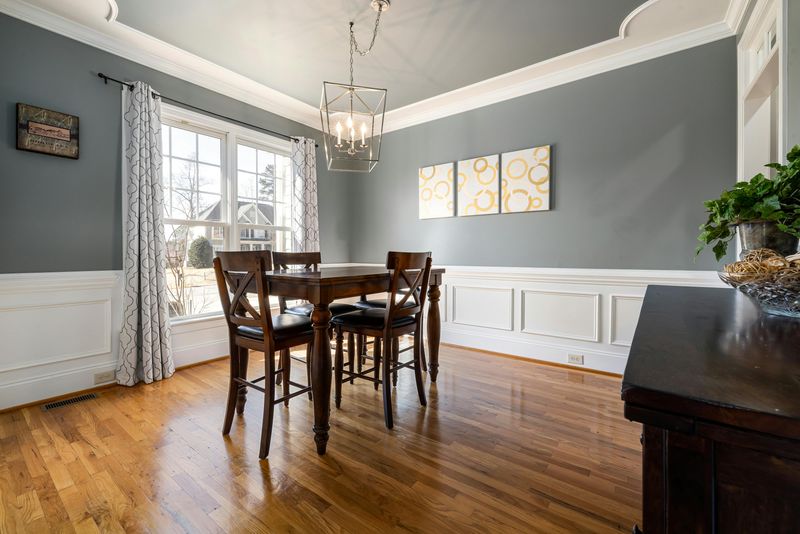
Solid oak dining tables built by Amish craftsmen are investment pieces that outlive trends and fads.
Each joint is carefully fitted, each surface hand-sanded to silky smoothness, and the result is furniture that feels substantial under your hands.
No particle board or flimsy hardware here – just honest wood and traditional joinery techniques passed down through generations.
Amish furniture makers in Iowa create everything from bedroom sets to rocking chairs, all with an attention to detail that’s rare in today’s fast-furniture world.
The natural grain patterns in oak, cherry, or walnut mean every piece is one-of-a-kind.
Finishes tend to be simple, letting the wood’s beauty speak for itself.
Buying locally crafted pieces also supports small workshops and keeps traditional skills alive.
Delivery times may be longer since each item is made to order, but the wait is worth it.
These tables, chairs, and cabinets become family heirlooms, gathering scratches and stories that only add to their charm over the years.
2. Heritage Quilts And Textile Art
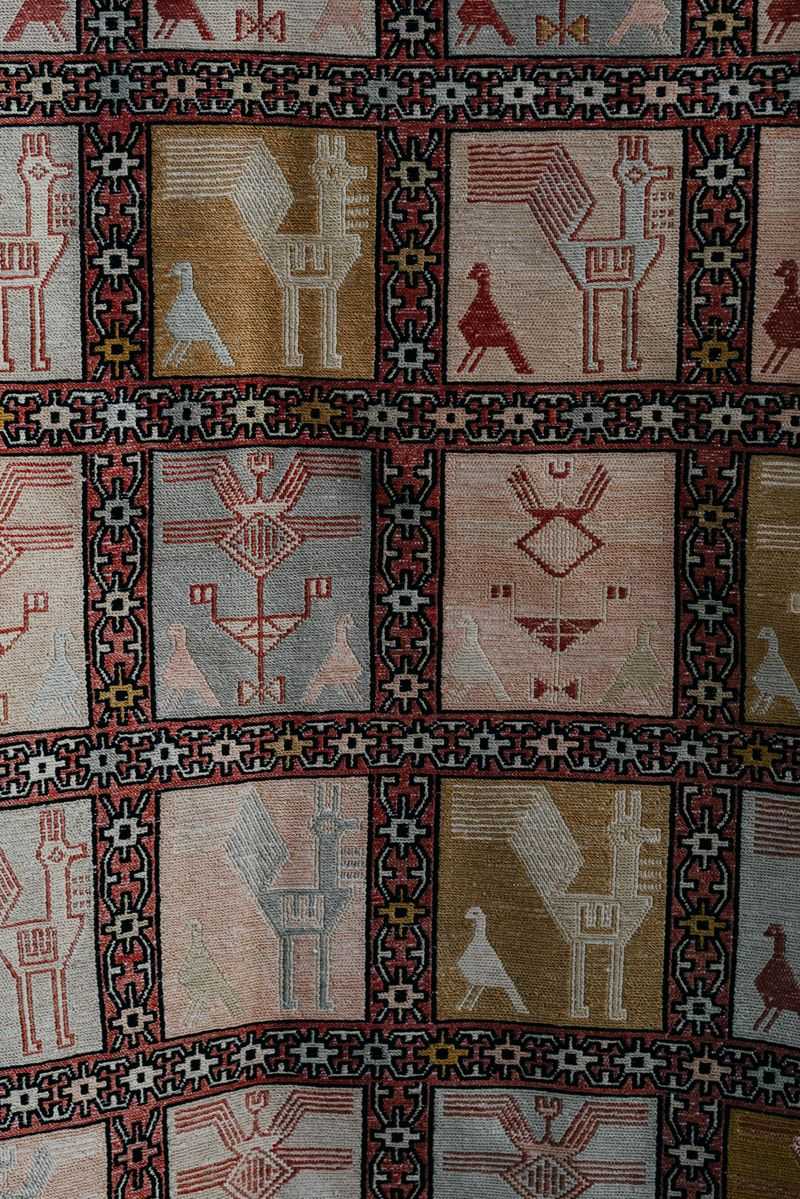
Handmade quilts stitched by Iowa grandmothers and great-grandmothers bring color and warmth to any room they touch.
Geometric patterns like log cabin, nine-patch, or flying geese showcase hours of careful piecing and quilting.
Fabrics range from cheerful calicos to rich solids, often chosen to match the maker’s favorite colors or scraps saved from family clothing.
Draping a heritage quilt over the back of a sofa or the foot of a bed instantly softens modern furniture and adds a layer of history.
Each stitch represents time spent by hand, often during long Iowa winters when indoor projects filled the evenings.
The quilts aren’t just pretty – they’re functional, offering cozy warmth on cold nights.
Caring for vintage quilts means gentle washing or even just airing them outside on sunny days.
Rotating their display prevents fading and wear in one spot.
Some families frame smaller quilts or quilt blocks as wall art, turning textile craftsmanship into a focal point that sparks conversations about family history and tradition.
3. Prairie School-Inspired Stained Glass Panels
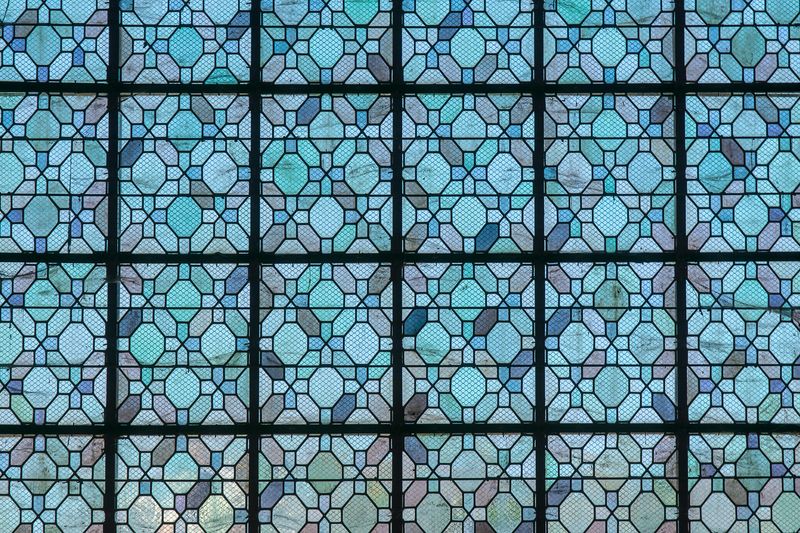
Frank Lloyd Wright’s influence reached Iowa, and stained glass panels inspired by his Prairie School style still grace many Des Moines homes.
These panels feature geometric shapes, stylized plants, and nature motifs rendered in amber, green, and ruby glass.
When sunlight streams through them, rooms fill with colored light that shifts throughout the day.
Installing stained glass in transom windows, cabinet doors, or even as standalone art pieces adds architectural interest without major renovation.
The clean lines and organic patterns complement both vintage and contemporary furniture.
Unlike overly ornate Victorian glass, Prairie School designs feel balanced and calm.
Local artisans still create custom stained glass pieces, allowing homeowners to choose colors and patterns that fit their space.
Maintenance is simple – occasional dusting and checking the leading for stability.
These panels become treasured features that future owners will appreciate, adding value and beauty that never goes out of style.
The interplay of light and color creates a peaceful atmosphere that feels uniquely Midwestern.
4. Reclaimed Barn Wood Accents
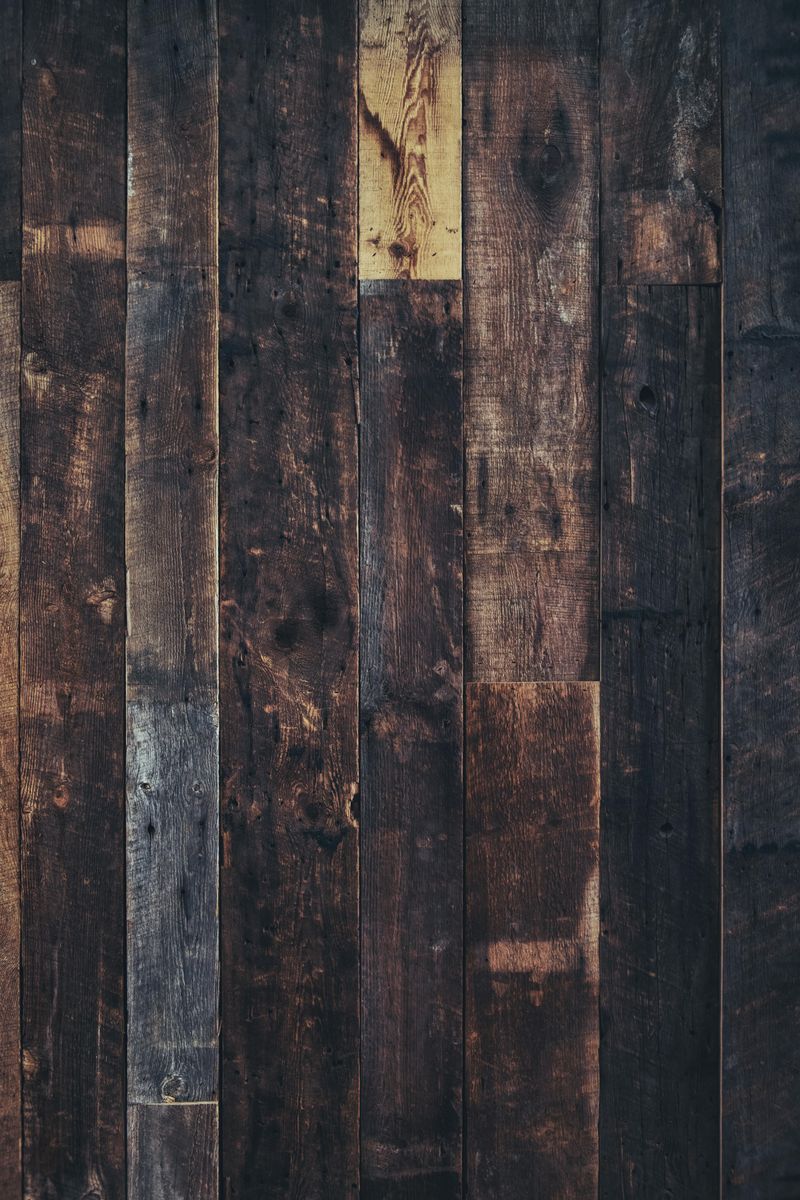
Weathered wood salvaged from century-old Iowa barns carries the soul of the countryside into modern kitchens and living rooms.
Gray, brown, and silvered planks show nail holes, saw marks, and the natural checking that comes from decades of sun and snow.
Using reclaimed wood for accent walls, kitchen islands, or floating shelves creates instant character and a connection to the state’s agricultural past.
Each board tells a story – some still bear faint paint from their original barn color, while others show the deep patina of age.
The wood is incredibly durable, having already survived generations of Iowa weather.
Installing it as a focal wall behind a bed or sofa adds warmth and texture that paint alone can’t achieve.
Sourcing reclaimed barn wood requires careful attention to ensure it’s properly dried, treated for insects, and safe for indoor use.
Many Iowa suppliers specialize in salvaging and preparing these materials.
The environmental benefit is real too – reusing old wood keeps it out of landfills and reduces demand for newly harvested lumber, all while giving homes a look that feels both rustic and refined.
5. Cast Iron Radiators With Decorative Details
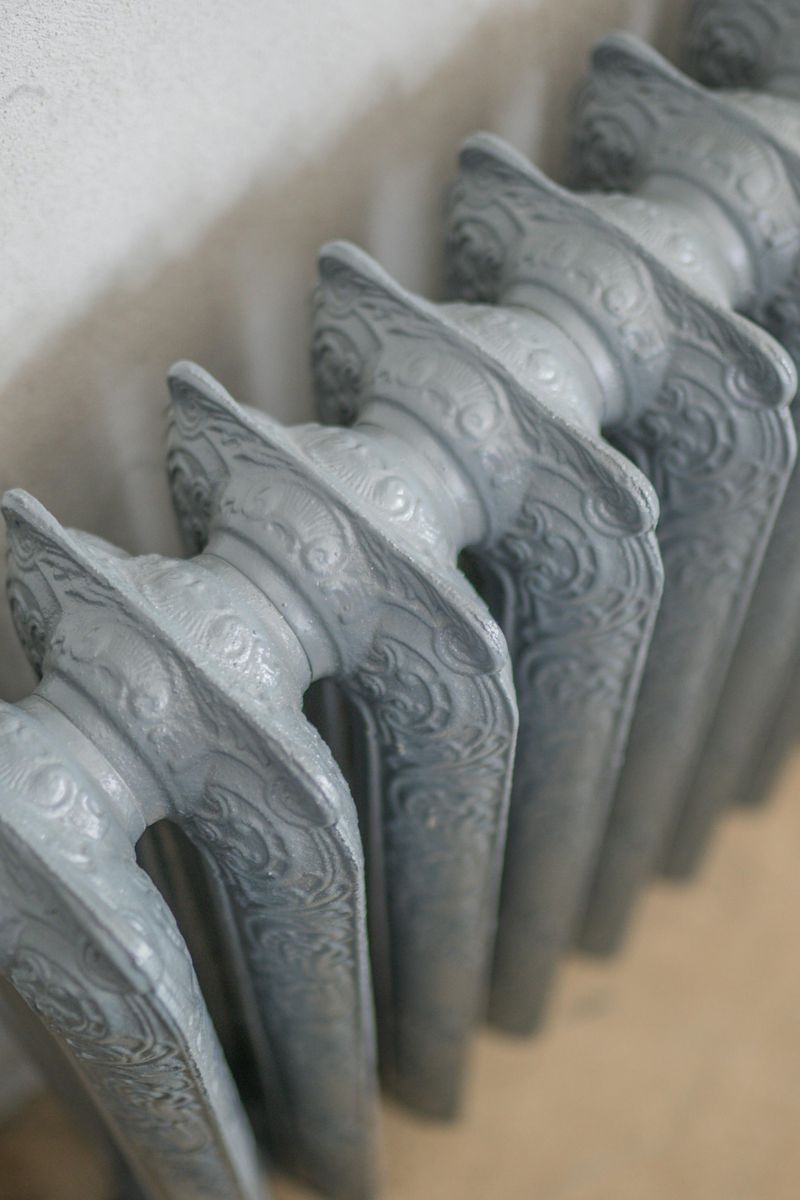
Old cast iron radiators aren’t just heating relics – they’re sculptural pieces with ornate scrollwork and sturdy presence.
Many Des Moines homes built in the early 1900s still feature these radiators, which warm rooms with a gentle, even heat that modern forced-air systems can’t replicate.
Their heft and detailing add visual weight and a sense of permanence.
Restoring vintage radiators often involves stripping old paint, checking for leaks, and repainting in colors that complement the room.
Some homeowners choose classic white or cream, while others go bold with deep charcoal or even metallic finishes.
The flat top surface becomes a handy shelf for books, plants, or a mug of tea on chilly mornings.
Keeping these radiators functional requires occasional bleeding to release trapped air and checking connections for drips.
Their energy efficiency surprises many people – cast iron holds heat well, radiating warmth long after the boiler cycles off.
In a world of bland HVAC vents, a beautifully maintained cast iron radiator becomes a conversation piece that also keeps toes warm all winter long.
6. Original Hardwood Floors With Aged Patina
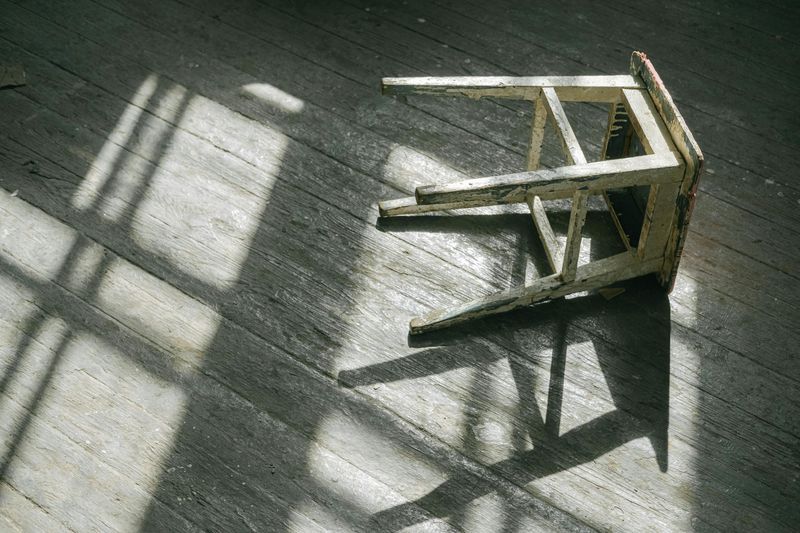
Nothing beats the feel of original oak or maple floors that have been walked on for nearly a century.
Scratches, dents, and wear patterns around doorways and high-traffic areas tell the story of families who lived there before.
The aged patina – a soft glow that develops over decades – can’t be faked, no matter how skilled the refinisher.
Many Des Moines homes built between 1900 and 1940 still have these floors hiding under carpet or linoleum.
Uncovering them is like opening a time capsule.
Narrow planks, tight grain, and old-growth wood quality far exceed what’s available in most modern flooring.
A light sanding and natural finish bring out the wood’s character without erasing its history.
Maintaining vintage hardwood means embracing imperfection as part of the charm.
Area rugs protect high-wear zones while letting the wood shine through.
Regular sweeping and occasional damp mopping keep them looking their best.
These floors ground a room, literally and figuratively, connecting today’s life to generations past through every creak and grain pattern.
7. Farmhouse Apron-Front Sinks
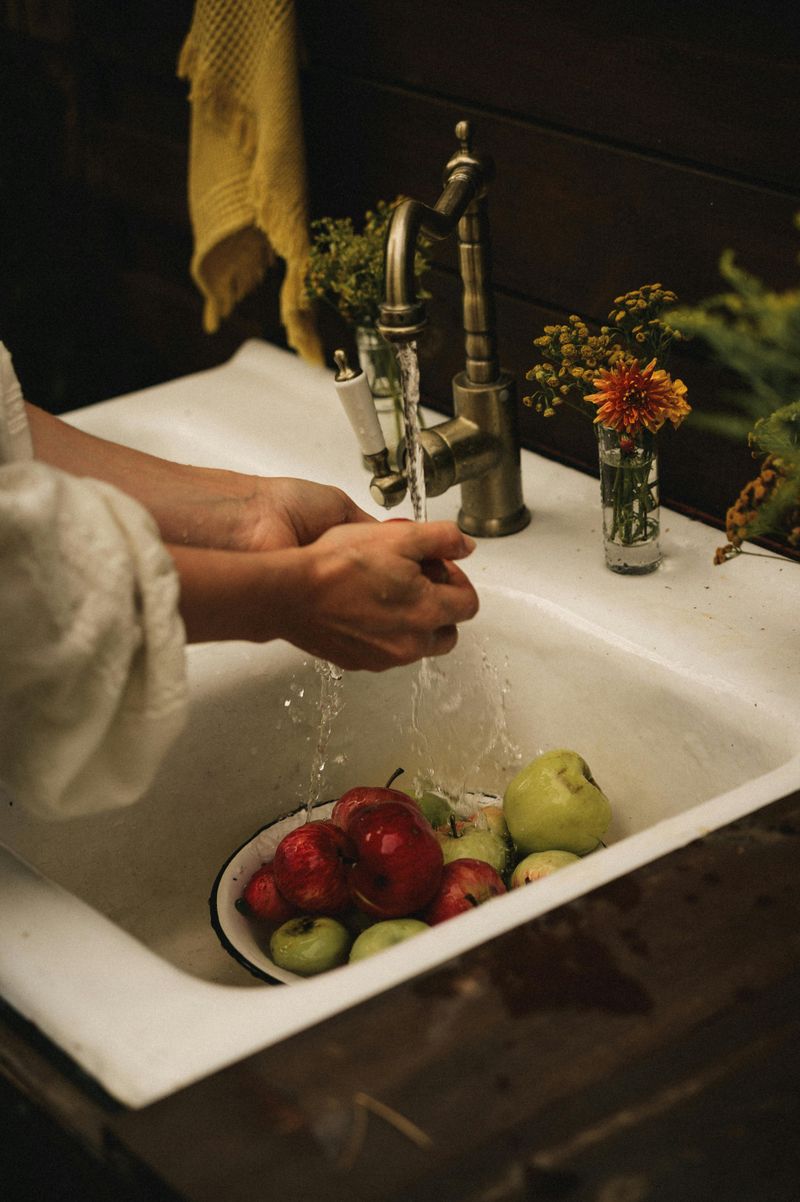
Deep, white apron-front sinks have been workhorses in Iowa kitchens for over a hundred years.
Their generous basin handles everything from washing vegetables fresh from the garden to soaking large pots after Sunday dinner.
The front edge extends past the counter, creating a signature look that’s both practical and charming.
Original porcelain-over-cast-iron sinks often show crazing (fine cracks in the glaze) and stains that won’t scrub out, but these imperfections prove authenticity.
Modern reproductions capture the style but lack the weight and feel of vintage models.
Either way, the apron-front design makes kitchen tasks easier by eliminating the counter edge that would otherwise dig into your waist.
Installing or restoring one of these sinks requires proper support – cast iron versions are heavy and need sturdy cabinetry underneath.
The exposed front becomes a design feature, sometimes left white, sometimes painted to match cabinetry.
Pairing a farmhouse sink with a vintage-style faucet completes the old-school look while keeping the kitchen fully functional for modern cooking and cleanup needs.
8. Built-In China Cabinets And Hutches
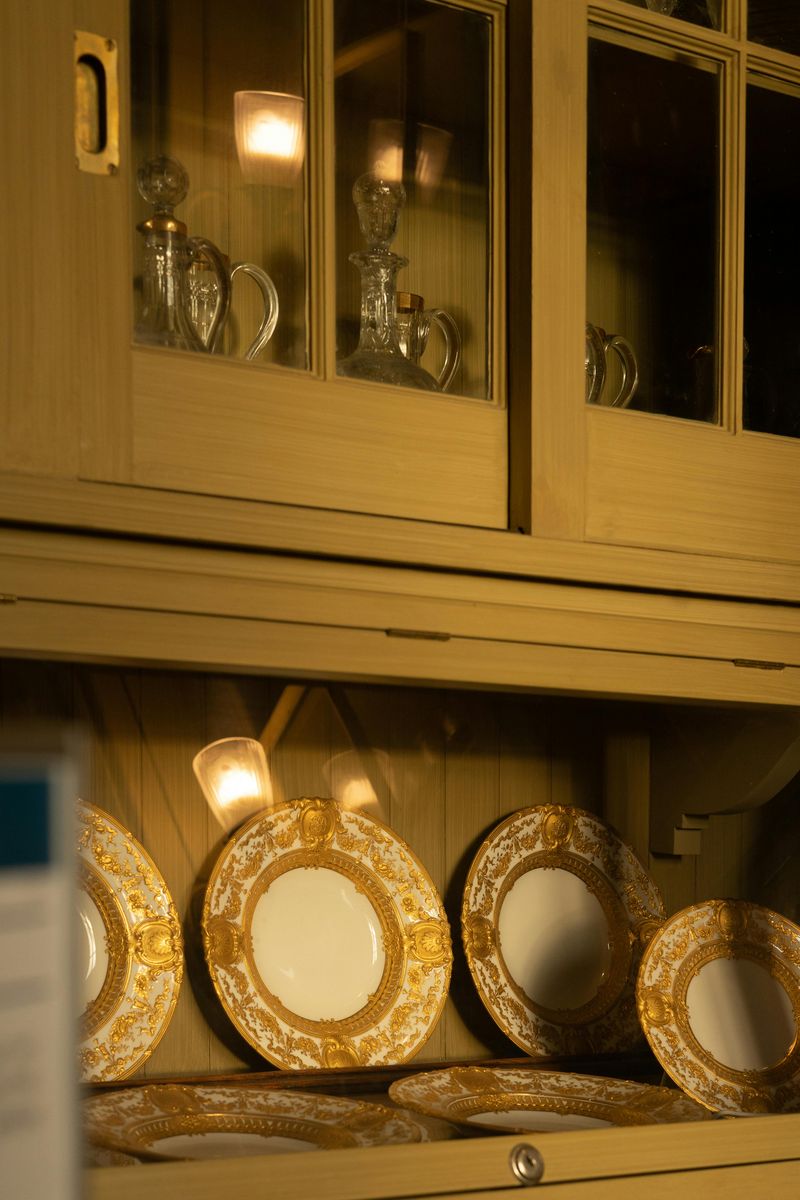
Built-in dining room hutches with glass-front upper cabinets and solid lower doors are treasures in older Des Moines homes.
These built-ins were crafted by skilled carpenters during construction, custom-fitted to the room’s dimensions.
They display dishes, glassware, and family heirlooms while providing hidden storage below for linens and serving pieces.
The woodwork often matches the home’s other trim and doors, creating a cohesive look throughout.
Glass panes may be original wavy glass, adding vintage charm and a slight distortion that’s oddly appealing.
Interior shelves are sometimes adjustable, and many hutches include plate rails or small drawers for silverware.
Restoring a built-in hutch might mean stripping layers of paint to reveal natural wood underneath or repainting in a fresh color that brightens the dining room.
Adding interior lighting – even simple LED strips – makes displayed dishes sparkle and turns the hutch into a glowing focal point during evening meals.
These built-ins save floor space compared to freestanding furniture and feel like permanent, elegant features rather than temporary additions.
9. Tin Ceiling Tiles With Pressed Patterns
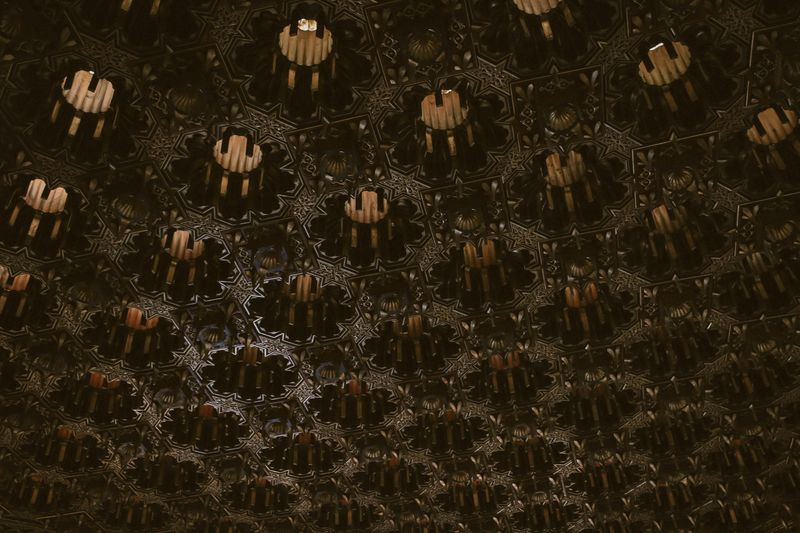
Pressed tin ceiling tiles, popular in the late 1800s and early 1900s, add texture and elegance overhead.
Intricate patterns – florals, geometric designs, or beadboard styles – catch light and shadow, creating visual interest on a surface that’s usually ignored.
Many Des Moines commercial buildings and upscale homes featured these tiles, and plenty still survive today.
Original tin tiles may be painted over multiple times, but careful stripping or simply painting them in a fresh color brings them back to life.
Some homeowners choose metallic finishes to emphasize the embossed patterns, while others prefer matte white for a subtle, refined look.
Reproduction tiles are available for filling in missing sections or creating the look in rooms that never had them.
Installing tin tiles is a manageable DIY project for those comfortable on ladders, though professional help ensures proper alignment and finish.
The tiles hide ceiling imperfections and add architectural detail that makes rooms feel more finished and thoughtfully designed.
Whether in a kitchen, bathroom, or entryway, tin ceilings signal that someone cared about beauty in every part of the home.
10. Wooden Screen Doors With Carved Details
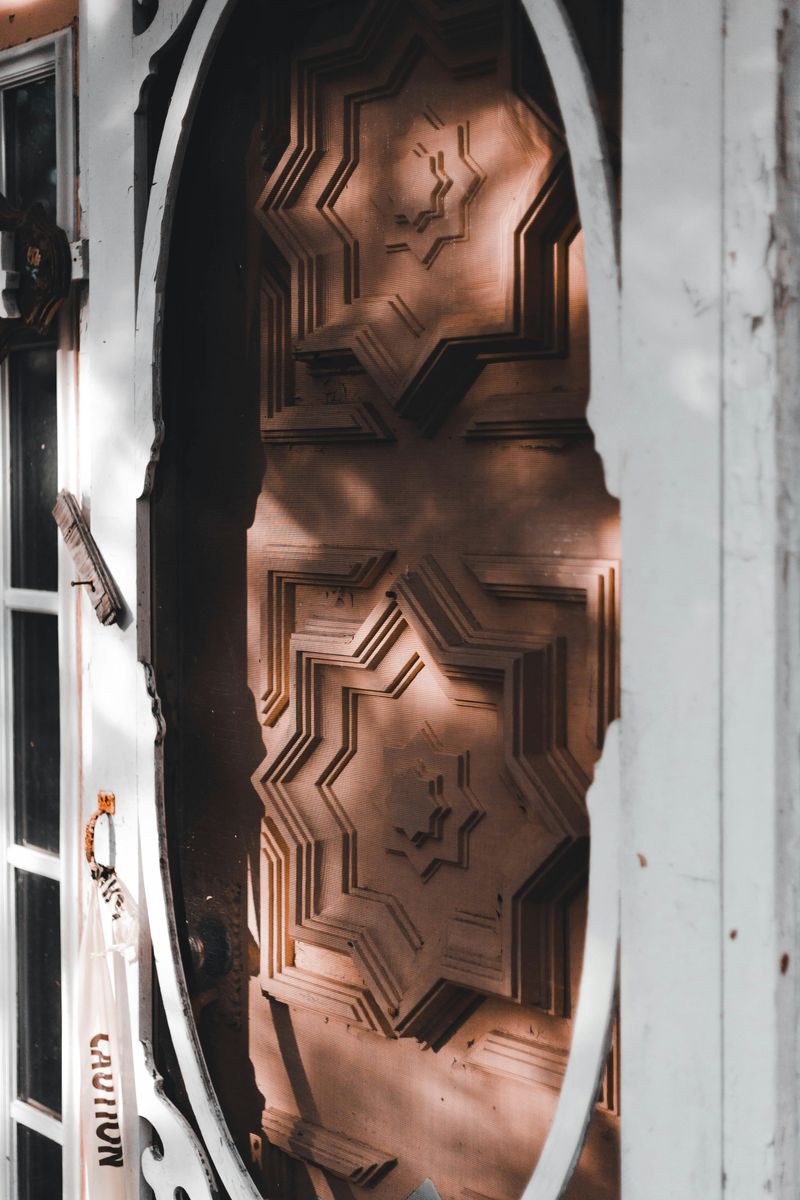
A classic wooden screen door with a carved or scrolled insert is a warm welcome that says “home” before you even step inside.
These doors let summer breezes flow through while keeping bugs out, and their gentle slam is a sound that brings back childhood memories for many Iowans.
The wood frame, often painted to match the house trim, adds charm that aluminum or vinyl versions never achieve.
Carved details range from simple geometric cutouts to elaborate Victorian scrollwork, depending on the home’s age and style.
The screen mesh itself is easy to replace when it tears or sags, making these doors practical as well as pretty.
A sturdy spring and latch keep the door closing properly, and the satisfying click of the latch is part of the experience.
Maintaining a wooden screen door means occasional repainting or staining to protect it from Iowa’s weather extremes – hot summers and cold, snowy winters.
Checking the hinges and tightening screws keeps it swinging smoothly.
In an era of steel security doors, a traditional wooden screen door feels friendly and approachable, inviting neighbors to knock and visit rather than just ring a doorbell.
11. Antique Door Hardware And Glass Knobs
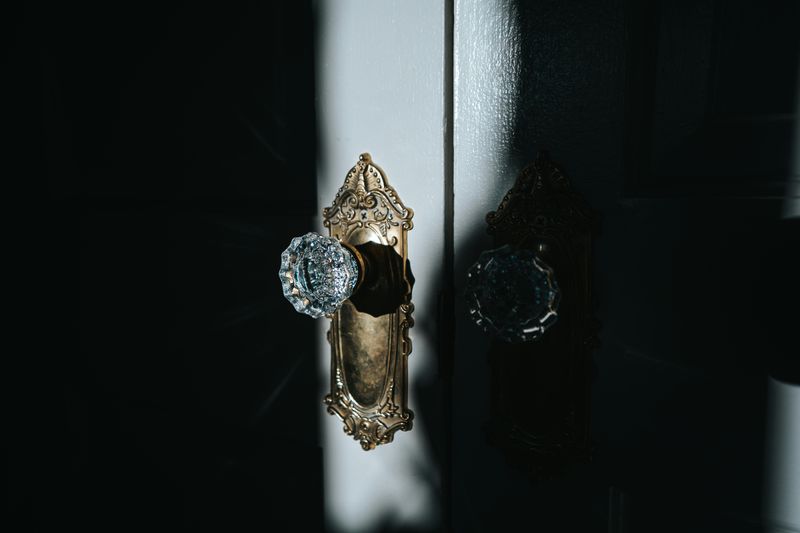
Crystal or pressed glass doorknobs catch light and feel substantial in your hand, unlike modern lightweight hardware.
Found throughout older Des Moines homes, these knobs come in clear, amber, purple, or green glass, often with faceted surfaces that sparkle.
The metal backplates and keyholes show decorative stamping or engraving that adds small moments of beauty to everyday actions like opening a door.
Original hardware often includes mortise locks – thick, mechanical locks set into the door edge rather than surface-mounted.
These locks are repairable and incredibly durable, still functioning smoothly after a century of use.
Skeleton keys and thumb-turn privacy locks add old-fashioned security with plenty of character.
Restoring antique hardware means cleaning off layers of paint, polishing metal components, and sometimes replacing worn springs or screws.
Reproduction hardware is available for rooms that need additional pieces, though hunting through architectural salvage shops for authentic vintage sets is half the fun.
Keeping or installing glass knobs and decorative hardware throughout a home creates continuity and honors the craftsmanship of the original builders and metalworkers.
12. Vintage Agricultural Implements As Decor
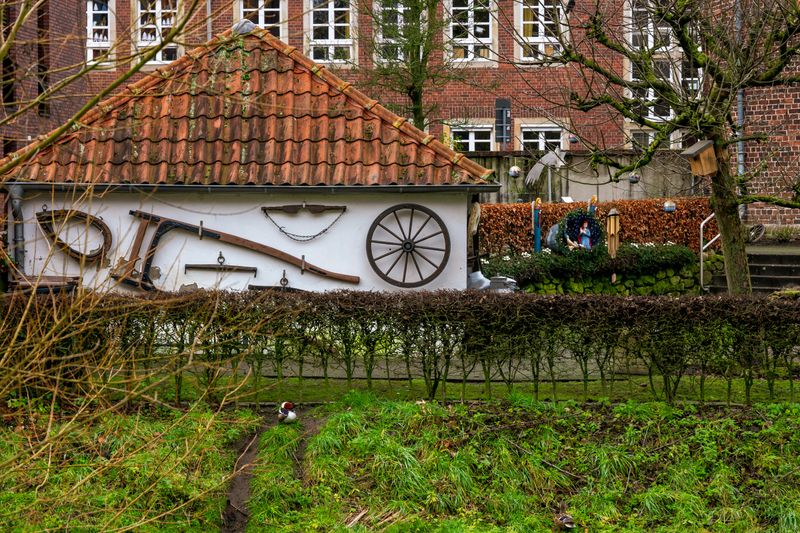
Old farming tools carry memories of Iowa’s fields right into the living room.
Antique corn planters, weathered grain scoops, and rusty milk cans make surprisingly striking decorative pieces when placed on mantels or tucked into entryway corners.
Their worn metal surfaces and hand-forged details add texture that mass-produced décor simply can’t match.
Repurposing these implements honors the hard work of past generations while giving modern spaces a grounded, authentic feel.
A vintage plow blade mounted on a wall becomes instant art, while an old seed spreader can hold firewood or magazines.
The rust and patina tell stories without saying a word.
Finding these treasures often means visiting local antique shops, estate sales, or even asking farming neighbors if they have pieces gathering dust in barns.
Cleaning them gently preserves their character, and their sturdy construction means they’ll last for decades more.
Pairing agricultural relics with softer textiles like linen or cotton keeps the look balanced and inviting rather than too industrial.
13. Wide Baseboards And Crown Molding
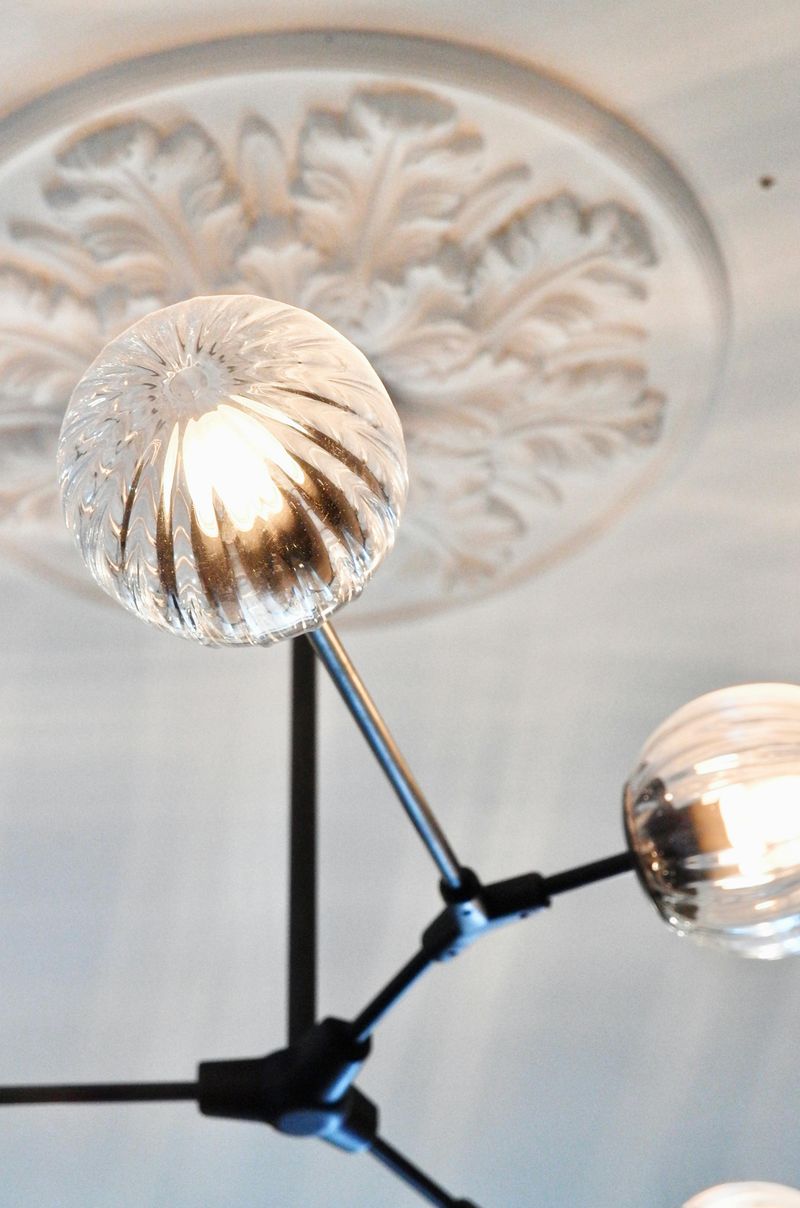
Tall baseboards and substantial crown molding frame rooms with elegance that modern thin trim can’t match.
In homes built during Des Moines’ early growth, baseboards often stand six to eight inches high, with detailed profiles that include multiple layers and curves.
Crown molding at the ceiling line softens the transition between wall and ceiling, adding visual height and sophistication.
These millwork details were standard in quality construction a century ago, when skilled carpenters took pride in their trim work.
The wood is usually pine or oak, either painted or stained to complement the room’s style.
Corners are mitered precisely, and the molding follows the walls’ imperfections, creating a handcrafted feel that machine-made trim lacks.
Restoring or adding wide trim means matching profiles to existing molding or choosing complementary styles if starting fresh.
Painting trim in crisp white or soft cream makes it pop against colored walls, while stained wood trim creates warmth and richness.
The investment in quality molding pays off in rooms that feel finished, intentional, and connected to the home’s architectural heritage rather than just boxes with drywall.
14. Enamelware And Graniteware Kitchen Pieces
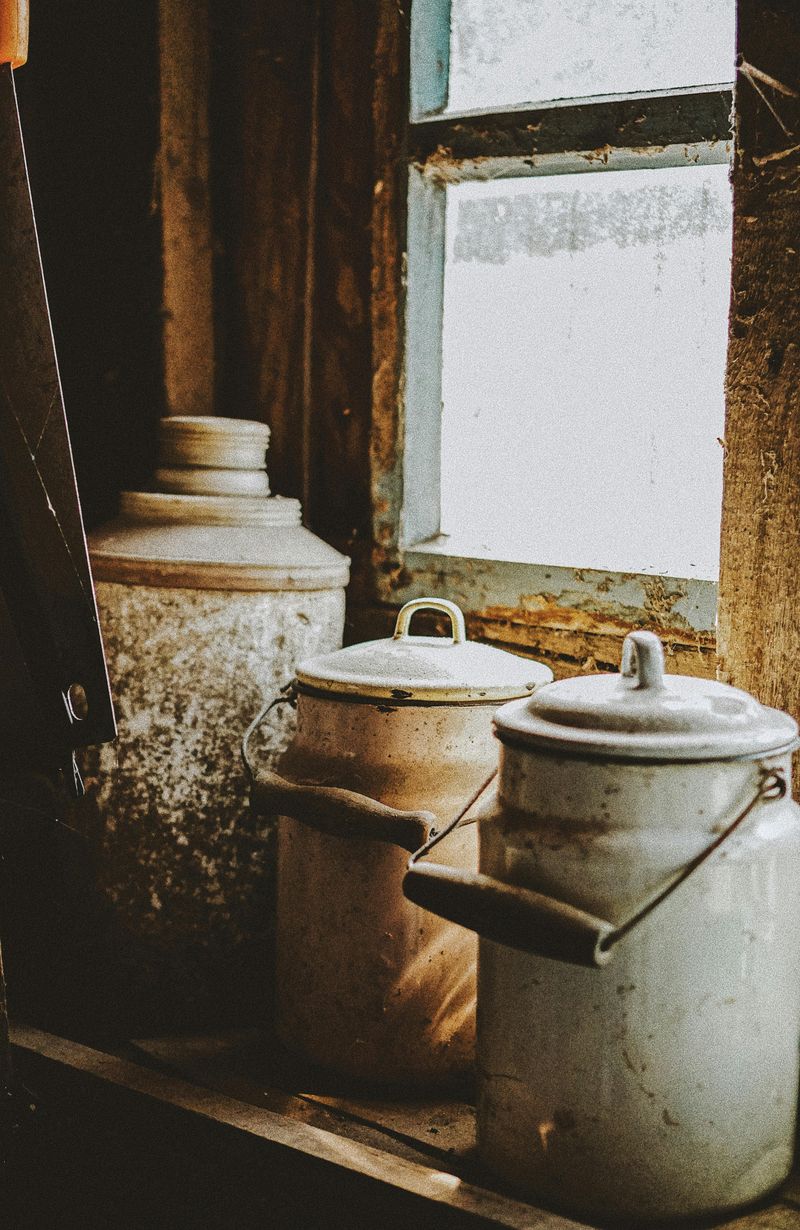
Speckled enamelware in shades of blue, gray, or red brings nostalgic charm to modern kitchens.
These metal pieces coated in baked-on enamel were workhorses in Iowa kitchens for generations, used for everything from coffee pots to dishpans.
Chips and worn spots reveal the dark metal underneath, proving these items were loved and used hard.
Displaying vintage enamelware on open shelves or hanging from hooks adds color and texture while keeping useful items within reach.
A graniteware pitcher filled with wooden spoons, a colander holding fresh fruit, or a coffee pot repurposed as a vase all celebrate practical beauty.
The lightweight metal and smooth enamel surface make these pieces easy to clean and handle.
Hunting for enamelware at flea markets, estate sales, and antique shops is part of the fun – each piece found feels like a small victory.
Mixing different colors and patterns creates an eclectic, collected-over-time look rather than a matchy-matchy display.
While vintage enamelware isn’t always safe for cooking anymore due to worn enamel or questionable materials, it’s perfect for display and light use, keeping Iowa kitchen history alive and visible.
15. Porch Swings And Gliders
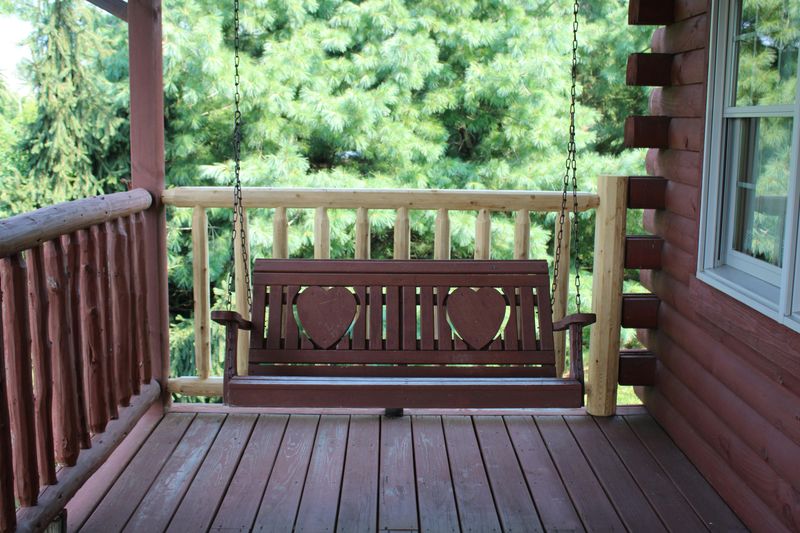
A wooden porch swing suspended from sturdy chains invites slow summer evenings and quiet conversations.
Iowa front porches have featured swings and gliders for generations, offering a comfortable perch to watch the neighborhood, sip lemonade, or read a book while catching the breeze.
The gentle back-and-forth motion is soothing in a way that stationary seating just isn’t.
Traditional swings are built from painted or stained wood, with slatted seats and backs that allow air circulation.
Gliders – which rock on a fixed frame rather than hanging – offer similar comfort with a different motion.
Both styles benefit from cushions in cheerful patterns or weather-resistant fabrics that add softness and color.
Installing a porch swing requires locating ceiling joists or adding reinforcement to support the weight of the swing and its occupants.
Chains should be checked annually for rust or wear, and wood should be repainted or resealed as needed to withstand Iowa’s weather.
The reward is a beloved spot that becomes the heart of the porch, where family and friends naturally gather to relax and enjoy the simple pleasure of swinging in the shade.