Once A Sugar Beet Factory Town, This Nebraska Museum Holds 12 Rooms Of Pioneer Machinery
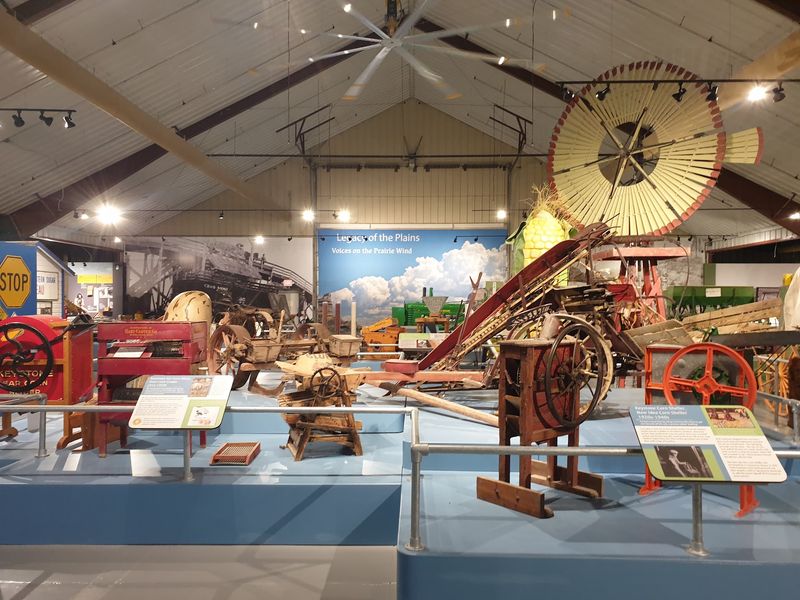
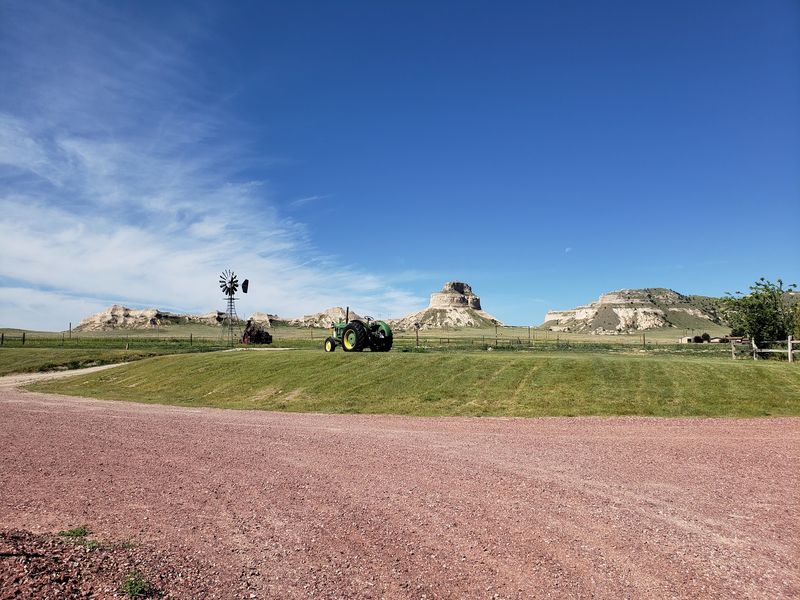
Longhorn cattle graze beside a museum lobby that looks straight out at one of the most famous bluffs in the West. Inside, hundreds of old farming tools wait, including rare sugar beet implements most people have never seen.
The whole place sits on an 80-acre working farm in western Nebraska. There’s a rural school, a church, a ranch hand bunkhouse, and goats you can pet.
Two full buildings hold nothing but farm machinery.
I like how this spot tells the story of a valley through the actual iron that built it. Sugar beets once ruled this ground, and the factory in town ran until the 1980s.
So what does it take to turn a dry prairie into farmland? The answer is parked in barns and spread across pastures, waiting for you to come take a look.
A Museum Parked Right On The Old Oregon Trail
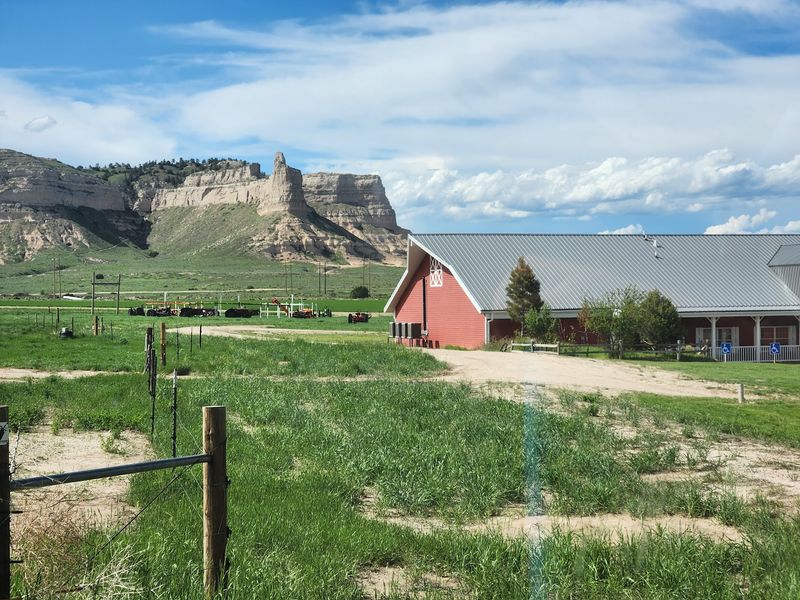
Few museums can claim a view this good from the front desk. Legacy of the Plains Museum sits on the historic Oregon Trail in Gering, just east of Scotts Bluff National Monument.
That spacious lobby frames the monument through its windows. You get a postcard scene before you even pay admission, which feels like a pretty generous welcome.
The museum focuses on people and farming in the North Platte Valley and the High Plains. It covers everything from early human inhabitants to the farmers and ranchers working this land today.
Think of it as the Nebraska Panhandle’s family photo album, only with tractors. The collection includes pioneer artifacts, early community items, antique tractors, and hundreds of farm tools.
Outside, the grounds stretch across an 80-acre working farm. Historic buildings, live animals, and walking paths turn a museum stop into a full outing.
Gering itself carries deep farming roots, especially when it comes to sugar beets. That makes this location feel less like a random choice and more like the obvious home for these stories.
Plenty of folks driving through western Nebraska pass right by. The ones who stop tend to understand the valley a whole lot better on the way out.
Two Hometown Museums That Decided To Join Forces
Mergers usually make headlines on Wall Street, not in the Panhandle. Still, one in 2013 gave western Nebraska something special.
That year, two separate institutions combined to form Legacy of the Plains Museum. One was the North Platte Valley Museum, founded way back in 1961.
The other was the Farm and Ranch Museum. It had already bought the current 100-acre site along the Oregon Trail in 1997.
Put those two together and you get the best of both worlds. One brought decades of valley history, while the other brought land, barns, and serious farm equipment.
The combined mission is simple and pretty heartfelt. It’s all about the bond between the North Platte Valley’s land and the people who have lived on it.
That idea runs through every exhibit. You’ll see how earlier generations shaped the present and how their ideas might inspire what comes next.
Honestly, it’s a nice reminder that small-town groups can build something big when they pool their treasures. A 1961 museum and a 1997 farm site turned into one of the most complete farming stories in the state.
Not bad for a couple of hometown museums with big dreams.
Sugar Beets Built More Of This Valley Than You’d Guess
Sugar in your kitchen might have a Nebraska backstory. The North Platte Valley has a long, rich history of growing sugar beets.
Things moved fast once the railroads arrived. Burlington tracks reached Scottsbluff in 1900, and Union Pacific extended to Gering by 1910.
The Standard Beet Sugar Co. contracted for beet acreage in 1904. Great Western Sugar built a factory in Scottsbluff the very next year.
More sugar factories popped up in nearby Nebraska towns between 1916 and 1927. Gering had its own sugar factory too, and it kept running until the 1980s.
Beet farming took a huge amount of hand labor. Growers recruited workers from far away, including Mexican laborers and Germans from Russia.
Those families helped shape the culture of the valley you see today. Their story is a big part of the High Plains diversity the museum highlights.
Legacy of the Plains Museum keeps that chapter alive with historic sugar beet farm implements. They rank among the most unusual pieces in the whole collection.
Most people have never seen these tools up close. After a visit, a simple sugar bowl might never look quite the same again.
Barns Full Of Iron That Tractor Lovers Will Circle Twice
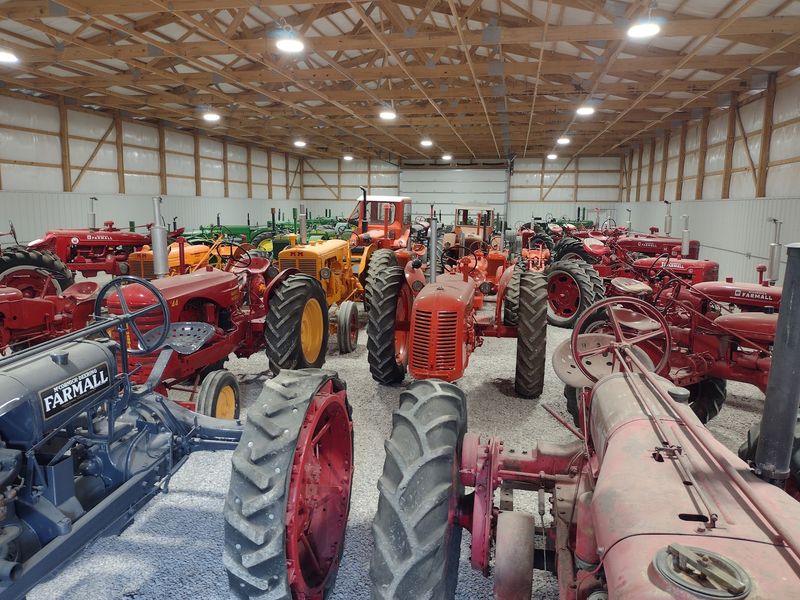
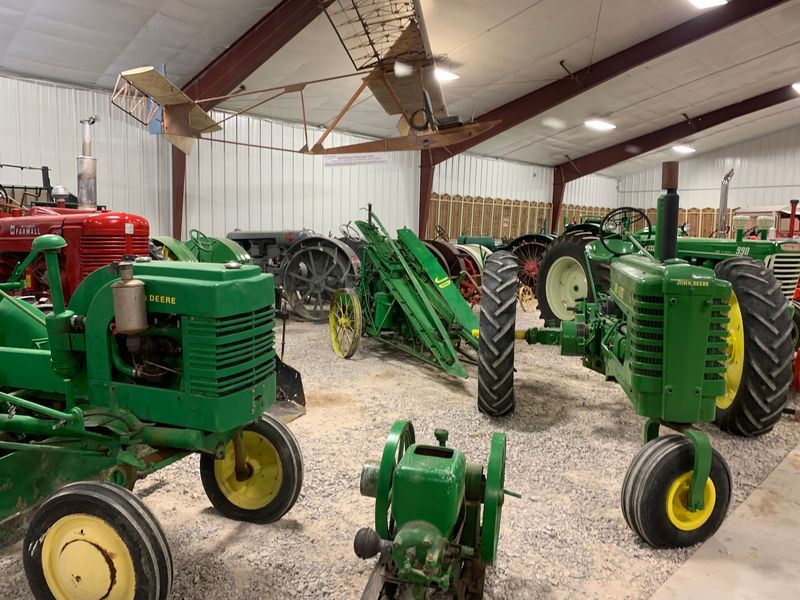
Two entire buildings at this museum belong to farm machinery. That’s not a corner display, that’s a commitment.
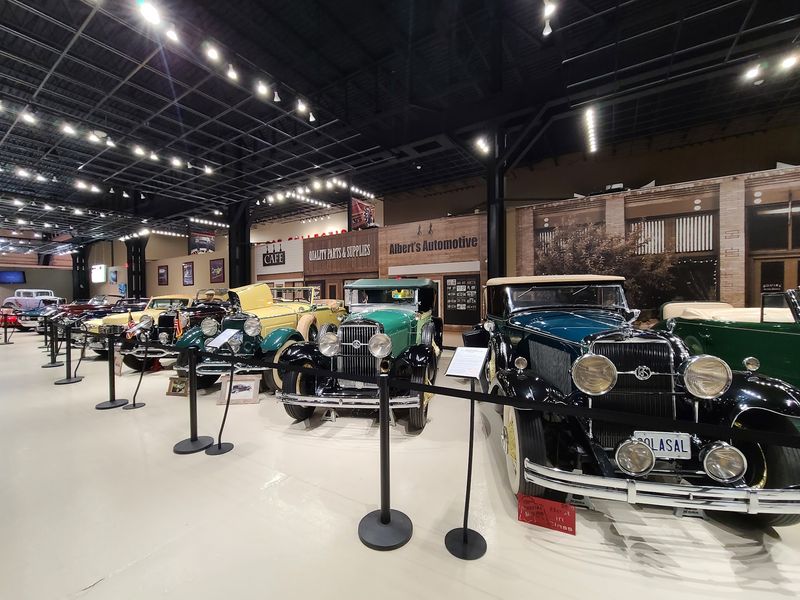
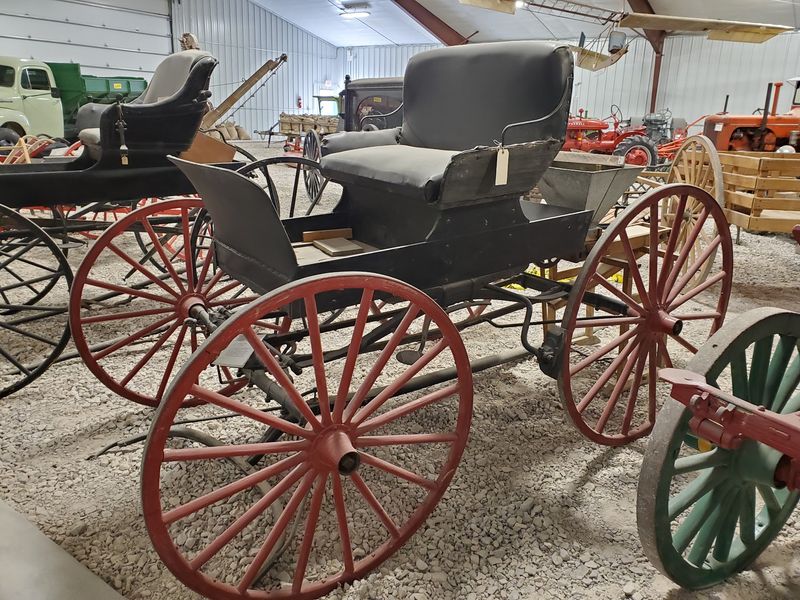
Antique tractors line up alongside implements from different eras of High Plains farming. A massive display hall adds even more agricultural heritage to explore.
Hundreds of farming tools fill the collection. You’ll spot equipment used for cattle, sheep, potatoes, sugar beets, beans, corn, and wheat.
Each machine tells a story about farming in a semi-arid place. Growers here had to get creative, and the inventions on display show just how clever they were.
Grandpa might point at a tractor and say he drove one just like it. Kids might simply stare at the giant wheels and wonder how anyone climbed aboard.
The displays span roughly the late 1800s through the mid-1900s. You can trace how farm work went from muscle and horses to engines and gears.
A blacksmith shop adds another layer to the story. It’s a reminder that somebody had to fix all this iron when it broke.
If you love machines, set aside extra time here. The barns at Legacy of the Plains Museum are easy to get lost in, in the best possible way.
Thirty-Seven Hands-On Stops For Curious Fingers
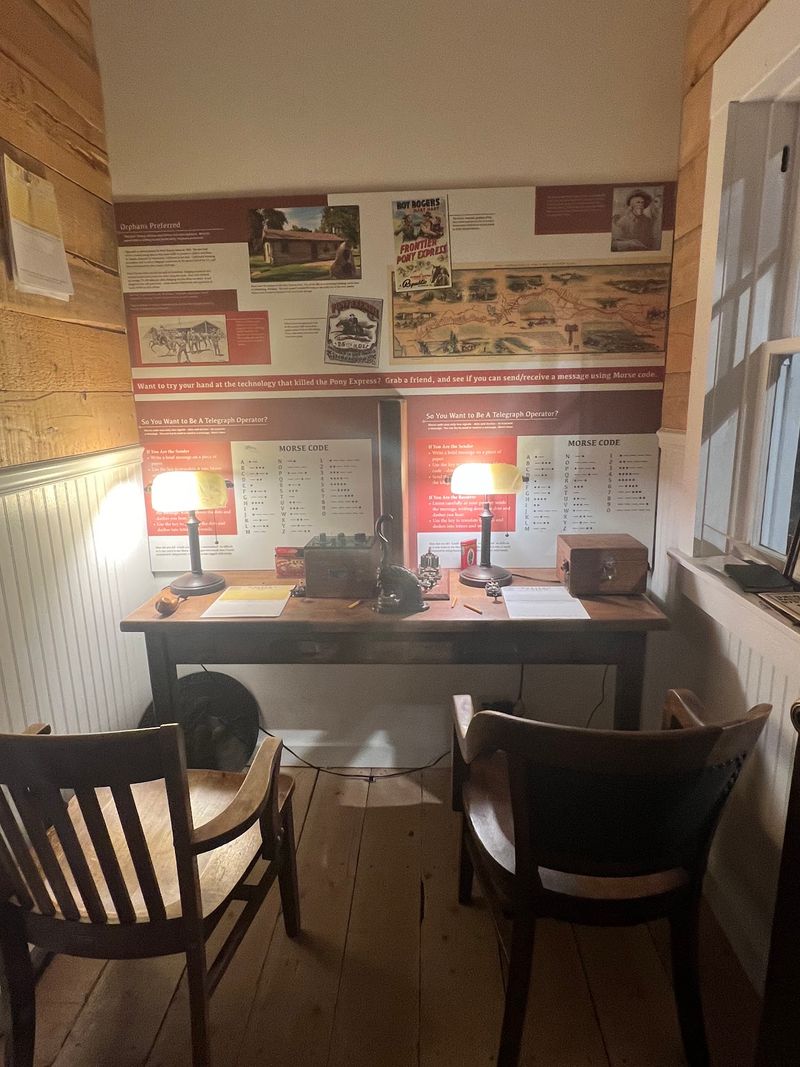
Good news for anyone who struggles with “please don’t touch” signs. The main exhibit hall packs in 37 hands-on activities.
The museum added new state-of-the-art interactive exhibits to bring the High Plains story to life. Short videos and audio pieces break up the reading, so nobody gets stuck on a giant wall of text.
Some displays let you walk right into the scene. A farmhouse exhibit even uses window projections showing family life inside, like someone cooking in the kitchen.
Kids get plenty to push, pull, and try. Adults get thoughtful timelines that explain how each era connects to the next.
The balance works nicely for mixed-age groups. Younger visitors stay busy while older ones soak up the details.
Very small toddlers may find less to grab onto. School-age kids, on the other hand, usually hit their stride here.
Plenty of benches and resting spots are scattered around the building. That matters when the exhibits keep going longer than you planned.
The interactive approach turns history into something you can feel in your hands. At Legacy of the Plains Museum, learning about the prairie comes with a lot less shushing.
Canals, Pioneers, And The People Who Made The Prairie Bloom
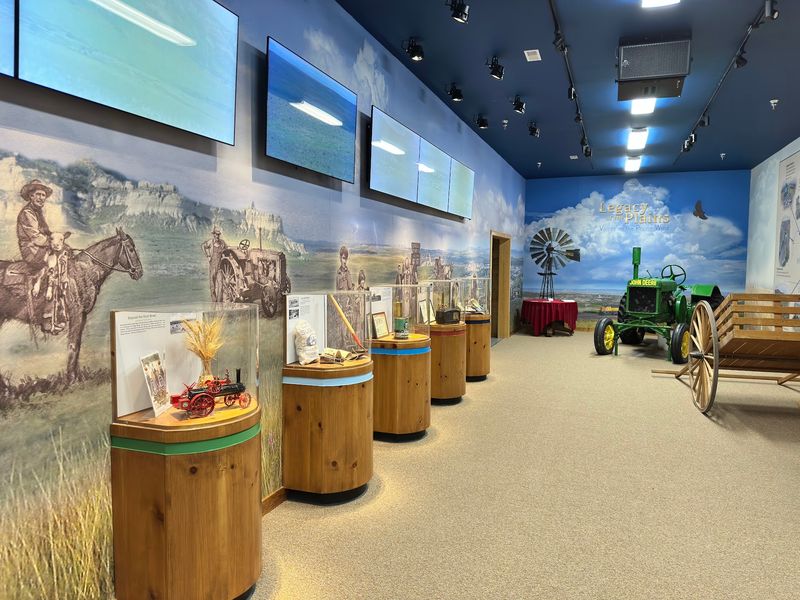
Water changed everything in this corner of Nebraska. Early local irrigation canals were dug in the late 1880s.
Work on the Pathfinder and Gering Ft. Laramie canals started in the early 1900s.
Those ditches helped turn dry ground into some of the most productive farmland around.
The museum tells that story with care. Irrigation sits right alongside exhibits on pioneer settlers and the growth of rural communities.
The timeline reaches back even further, too. Archaeology from Native American and Westward Expansion sites shows who walked this land long before tractors arrived.
Cultural diversity gets real attention here. The High Plains drew families from many backgrounds, and their traditions shaped the valley.
A Japanese Hall shares the history of Japanese Americans in the region. It opens when extra staff are on hand, so it’s worth asking about at the front desk.
Each section builds on the last in a clear, easy-to-follow way. You leave understanding why towns sprang up where they did.
It’s one thing to drive past green fields in the Panhandle. Knowing how much digging went into them makes the view feel a lot more impressive.
Longhorns, Goats, And A Schoolhouse Waiting Out Back
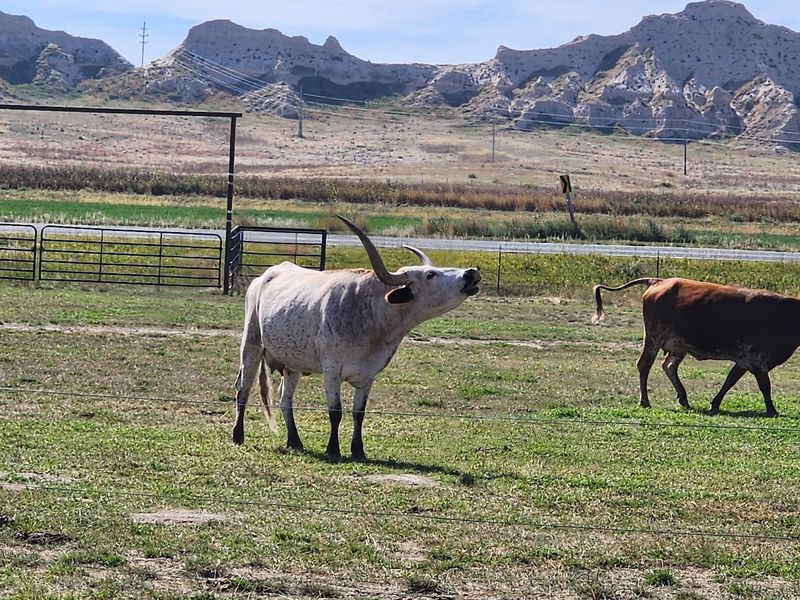
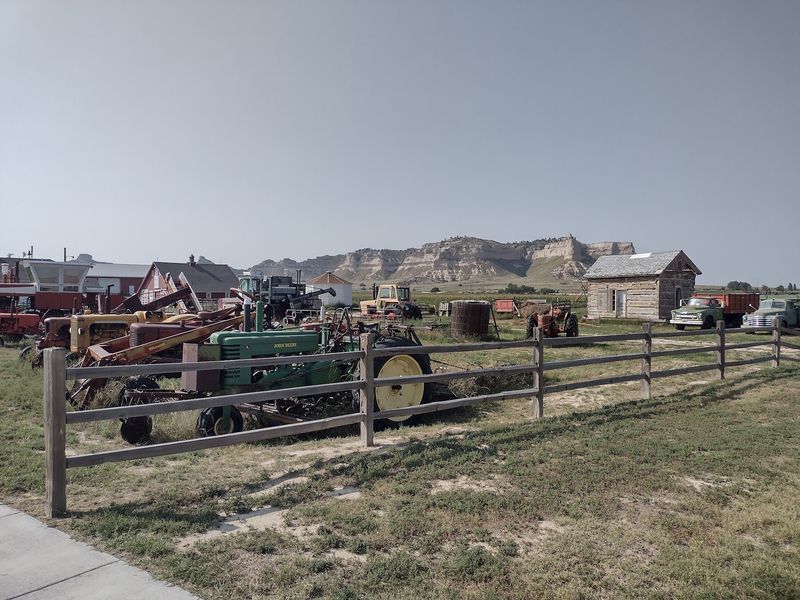
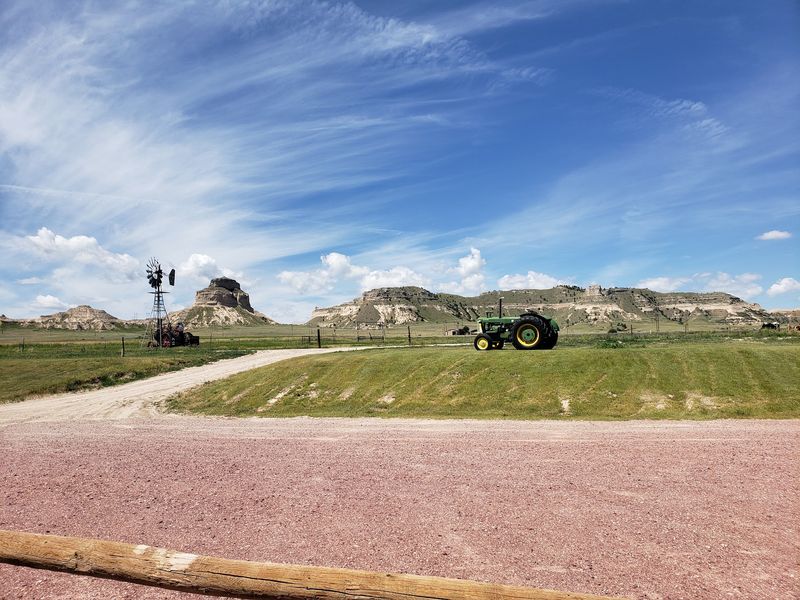
Step outside and the museum becomes a working farm. The grounds cover 80 acres with real crops, real animals, and real history.
A small herd of longhorns roams the pasture. Sometimes they wander close to the fence, which makes for some impressive horn photos.
Goats are on hand for petting too. Few museum exhibits will nibble at your sleeve, so enjoy the novelty.
Historic farmstead structures dot the property. You’ll find a rural school, a church, and a ranch hand bunkhouse to explore.
The Gentry Cabin Home also stands on the grounds. It’s another piece of local history that found a new home here.
A railroad display nods to the tracks that built the valley’s economy. Walking paths connect it all, so you can stretch your legs between buildings.
Kids get a playground of their own, plus pedal tractors to zoom around on. The playground is free, which is a nice bonus for families on a budget.
Admission covers the outbuildings, so don’t skip them. At Legacy of the Plains Museum, some of the best moments happen under that big Nebraska sky.
Harvest Weekend Brings The Old Machines Roaring Back
Static displays are great, but moving machines are better. That’s where the museum’s living history Harvest Festival comes in.
It happens every year on the third weekend of September. The event lines up perfectly with fall harvest season across the Panhandle.
During events, you can watch antique farm machinery working in action. Some visitors even get a chance to try their hand at using it.
Hearing an old engine sputter to life hits differently than reading a placard. Suddenly those barns full of iron make total sense.
The festival turns the 80-acre farm into a living classroom. It’s history with dust, noise, and plenty of smiles.
Winter brings a different kind of celebration. The museum also hosts a High Plains Christmas event that adds holiday cheer to the farmstead.
Both events give locals a reason to come back year after year. They also give travelers a great excuse to time their visit around something special.
If you can only make one trip, aim for harvest weekend. Watching Nebraska farm history actually run is a memory that sticks around long after the drive home.
Give Yourself More Time Than You Think You Need
Here’s a planning tip that saves heartache. Plan on at least two to three hours to see everything.
The museum sits at 2930 Old Oregon Trail, Gering, NE 69341. It’s an easy drive from downtown Gering and Scottsbluff.
Doors open seven days a week. Weekday and Saturday visits start in the morning, while Sunday hours run in the afternoon only.
Arriving late in the day can leave you rushing. The exhibits keep going long after you expect them to end.
Admission is reasonably priced, and it covers the outdoor buildings too. The playground outside is free for kids who need to burn off energy.
A gift shop offers a final stop before you head out. The community room is also available for private events, if you’re planning a gathering.
Pairing the museum with Scotts Bluff National Monument makes a natural day trip. The two sit close together along the old trail route.
It also works as a road trip break for travelers heading through western Nebraska. Just be warned that a quick stop at Legacy of the Plains Museum rarely stays quick.
Why This Panhandle Stop Deserves A Spot On Your Route
Some museums tell you about the past. This one parks it right in front of you, from rusted beet tools to grazing longhorns.
Legacy of the Plains Museum covers a huge stretch of time and topics. Archaeology, pioneers, irrigation, sugar beets, and machinery all fit under one roof, plus 80 acres outside.
Families get hands-on activities and a free playground. History buffs get careful timelines and a collection of farm tools that runs into the hundreds.
Tractor fans, of course, get two whole buildings to wander. That alone might justify the drive.
For Nebraskans, the place carries extra meaning. It honors the immigrant workers, farmers, and ranchers who turned a dry valley into home.
For travelers, it explains why the Panhandle looks the way it does. Those green fields and small towns suddenly have a backstory.
I believe the best museums leave you noticing things differently afterward. A canal, a beet field, or an old tractor along the highway starts to feel familiar.
That’s a pretty good reward for an afternoon in Gering. Bring curiosity, wear comfortable shoes, and maybe save a little patience for the goats.