14 Once-Beloved New Mexico Foods Locals Say Are Almost Gone For Good
Ask a longtime New Mexico local about food, and chances are the conversation will eventually turn a little bittersweet.
Not because the state has lost its love for cooking, but because so many dishes people grew up with have quietly slipped away.
Menus change. Restaurants close. Shortcuts replace traditions.
And suddenly, foods that once felt everywhere become something you only hear about in stories.
These are not trendy dishes or viral recipes.
These are the foods tied to family gatherings, roadside stops, church events, and small-town cafés that everyone seemed to know.
The kind of meals you never thought to photograph because they were simply part of life. Until one day, they were not.
Some of these New Mexico favorites disappeared as tastes shifted.
Others faded because they took too much time, too much skill, or too much care to keep making the old way.
A set still exists, but only if you know exactly where to look or who to ask.
If you grew up here, these dishes might hit close to home.
And if you did not, consider this a glimpse into flavors that once defined everyday life across the state!
1. Bolita Beans
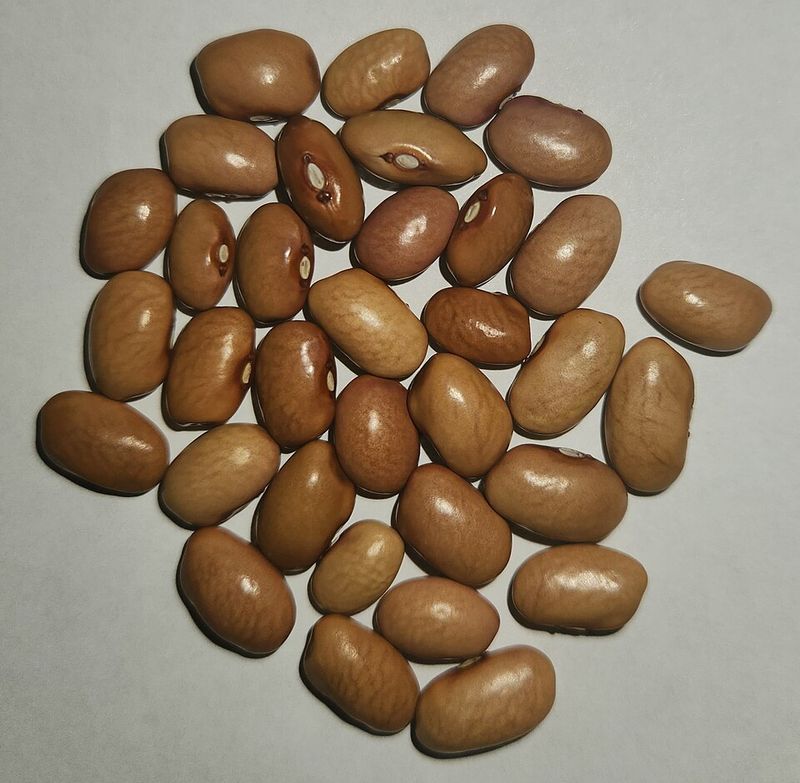
Ask around northern New Mexico, and you will hear about bolita beans with a kind of hush, like someone guarding the last jar in the pantry.
These little round beauties once simmered in nearly every mountain kitchen, known for cooking faster than pintos and keeping their silky skins intact.
Their flavor is subtly sweet, almost nutty, and they soak up red or green chile like they have a memory for it.
So why are they rare now?
Larger commercial markets favored pinto beans, and seed-saving slipped as families moved, seasons changed, and convenience took over.
Heirloom growers still tend bolitas in pockets of northern New Mexico and southern Colorado, and the beans are recognized by the Slow Food Ark of Taste as culturally significant.
If you find them at a farmers market or a small co-op, treat them like treasure.
Rinse gently, simmer low with garlic, maybe a bay leaf, and do not rush it.
You will notice how the broth becomes naturally creamy without excess fat, perfect for sopaipilla dipping or spooning over blue corn posole.
They freeze beautifully, so make extra.
When you taste that soft, buttery finish, you will understand why elders keep asking: Do you remember bolitas?
2. Chimayo Red Chile

Chimayo red chile carries a depth that sneaks up on you, earthy and warm without blasting heat for its own sake.
Grown from heirloom seeds in the Chimayo valley for centuries, it owes its character to the soil, snowmelt, and careful hands that tend it.
People swear they can taste the place in every spoonful, like a postcard written in chile.
The scarcity is real.
Small farms cannot meet demand, and climate swings make harvests unpredictable.
Some retailers run out quickly, and substitutes never quite fit, even when they are good in their own right.
You can spot authentic Chimayo flakes or powder by the aroma alone, complex and almost cocoa-like with a whisper of smoke and fruit.
Use it in chile colorado, enchiladas, or a simple red chile over eggs and potatoes.
Toast the powder gently in oil to wake the flavor, then add garlic and broth for a silky sauce.
If you find whole pods, you have struck gold.
Rinse, stem, seed, and soak before blending, keeping that gorgeous brick-red color intact.
It is not about heat bravado here.
It is about resonance, memory, and a taste that makes everything on the plate feel grounded.
3. Green Chile Sundae
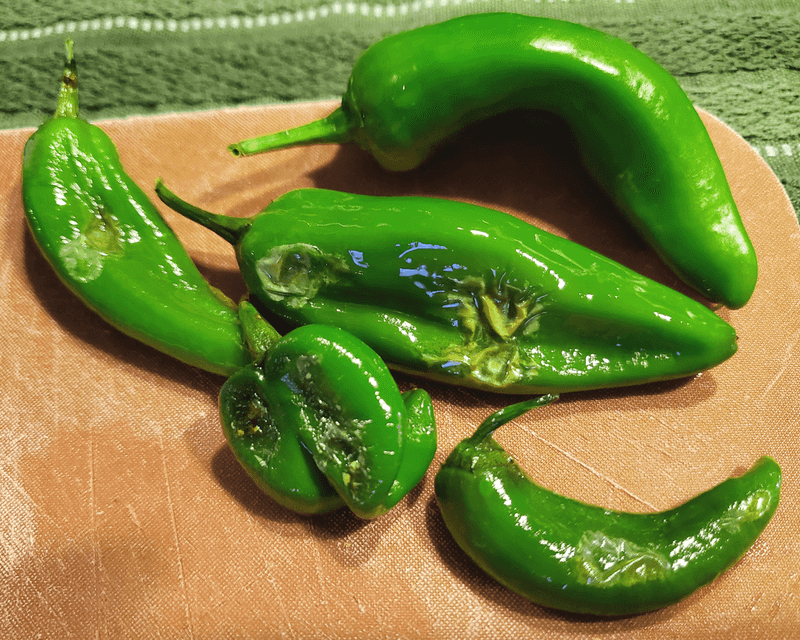
Sweet plus heat sounds gimmicky until you meet a true green chile sundae.
The magic is contrast: cool vanilla custard, roasted Hatch-style green chile warmed into a syrup or folded in diced, and salted pecans for crunch.
The first bite confuses your expectations, then clicks into place like a song you did not know you missed.
It exists in pockets, especially around Las Cruces where Caliche’s made it a calling card, but you will not see it on many menus outside southern New Mexico.
Maybe it is logistics, or maybe people just have to taste it to believe it works.
When you do, you realize the chile is not there to dominate, just to lift the sweetness and add a savory glow.
Try a homemade version if travel is not in the cards.
Roast mild to medium green chile, chop finely, and warm with a little sugar and lime to brighten.
Spoon over soft custard, add pecans, and resist the urge to overload the heat.
The goal is harmony, not a dare.
One spoonful in and you will be planning your next batch, promising friends, and quietly hoping they do not ask for seconds.
4. New Mexico-Style Frito Pie
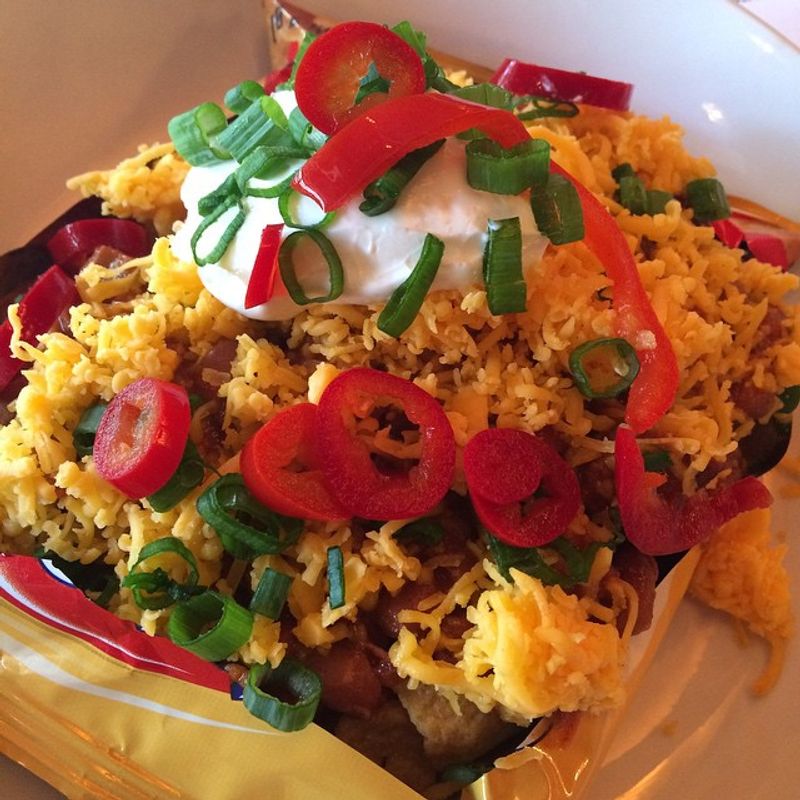
Frito pie is widespread, but the New Mexico version hits different.
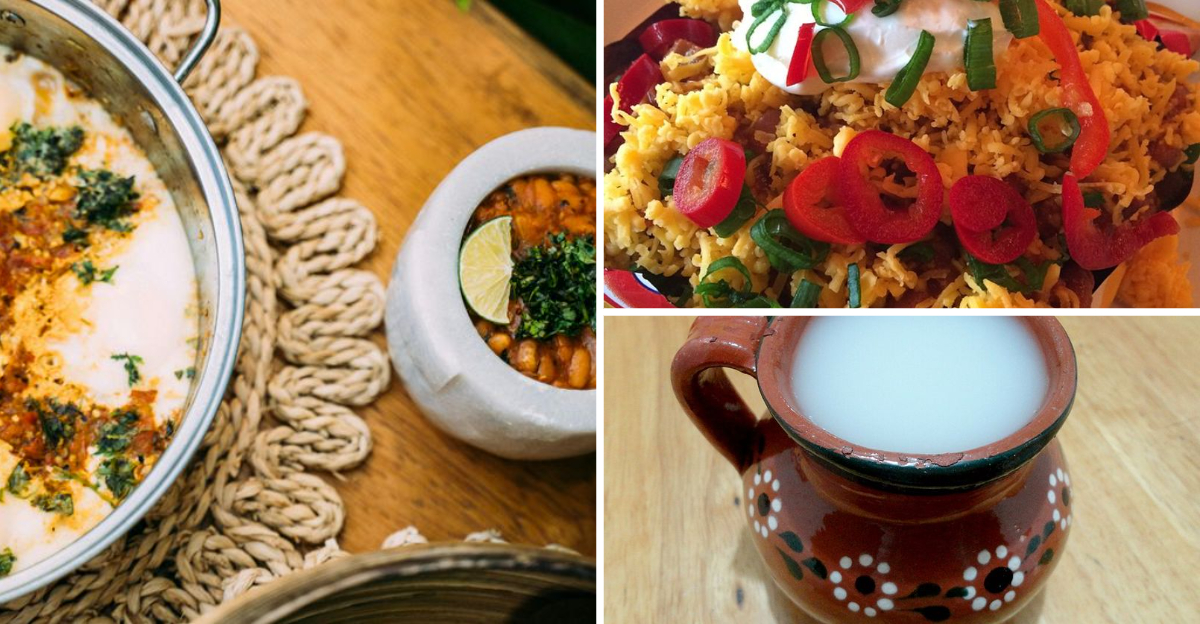
Picture a small Fritos bag split down the side, spooned full of red or green chile, melted cheese, and sharp diced onions.
It is portable, a little messy, and exactly right after a football game or a fall festival.
What makes it rare now is not the ingredients but the ritual.
Fewer spots serve it straight in the bag, and liability or packaging rules sometimes nudge vendors toward bowls.
The flavor leans on chile with backbone, not just chili powder and ground beef.
When you get a good one, the corn chips stay sturdy, the chile coats without drowning, and the cheese pulls in satisfying strings.
If you are chasing the taste, seek out older diners and community events.
At home, warm a robust New Mexico red chile sauce, add beans if you like, and finish with Monterey Jack or asadero.
A little crunch of raw onion is nonnegotiable.
The first crunch tells you you are close to the original.
You might not find the exact stand from childhood, but the spirit returns fast once that bag crinkles open.
5. Biscochitos (Traditional Style)

New Mexico’s state cookie feels simple until you bake them the old way.
Biscochitos are tender and fragrant with anise, cinnamon, and a delicate snap that comes from fat worked with a practiced hand.
During holidays they appear in tins and on church tables, each family guarding a recipe that measures spices by feel.
These days, authentic versions can be hard to spot.
Some bakeries swap ingredients, tone down the anise, or change the texture for shipping.
You will still find wonderful cookies, but the ones that taste like winter mornings and paper luminarias are rarer.
The aroma should bloom when you open the tin, and the crumb should dissolve without greasiness.
If you want that classic profile, chill the dough, roll gently, and dust with cinnamon sugar while still warm.
The star shape is iconic, but hearts and rounds appear too.
Paired with coffee, they are quietly perfect.
When you share them, you are passing along more than a cookie.
You are giving someone a door back to gatherings where everyone knew exactly when to pull the tray from the oven.
6. Blue Corn Atole
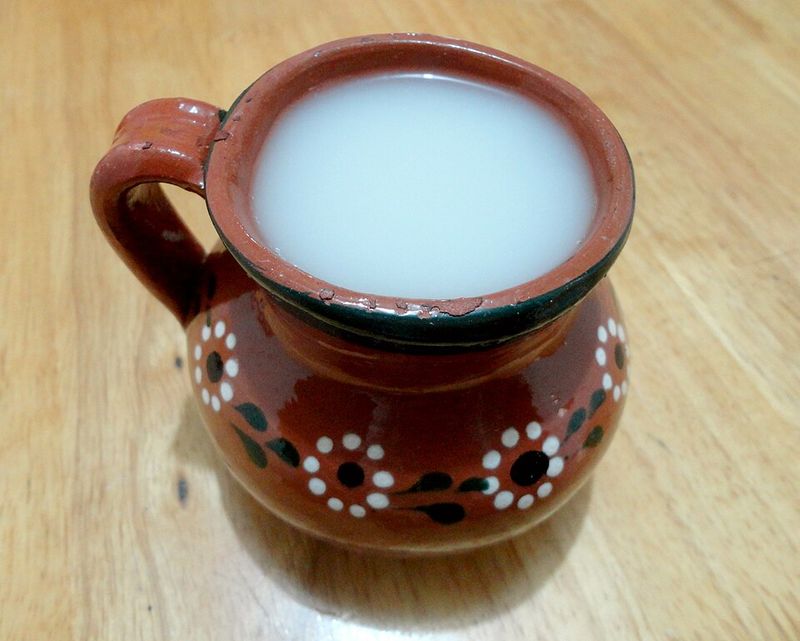
Blue corn atole tastes like comfort you can hold.
Ground roasted blue cornmeal simmers into a velvety drink, lightly sweetened and perfumed with cinnamon or vanilla.
It warms from the inside, a quiet breakfast or evening ritual that feels both old and completely current.
Finding it ready-made is increasingly tricky.
Cafes lean toward lattes and smoothies, and atole slips off menus.
You might catch it at Pueblo feast days or small community events, but daily availability has thinned.
The flavor depends on good blue cornmeal, preferably roasted, which gives a toasted aroma and deep color you cannot fake.
At home, whisk the cornmeal gradually into simmering water or milk, keep the heat gentle, and sweeten to taste with piloncillo or honey.
A pinch of salt matters more than you expect.
The texture should coat the spoon but still pour.
Add a dusting of canela and breathe in that nutty steam.
One sip and mornings slow down, the way they do when mountains are still pink and the air holds a chill.
7. Navajo-Churro Lamb Stew
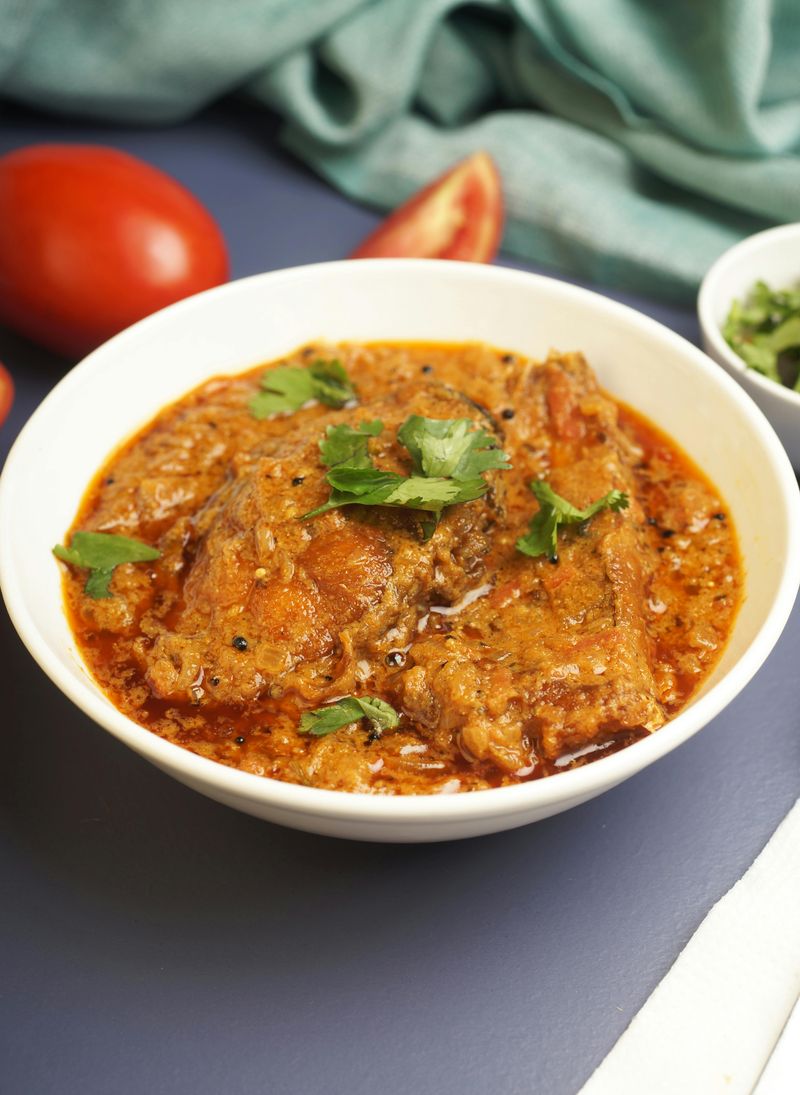
Navajo-Churro lamb carries a distinct terroir, lean and flavorful from a heritage breed revived through community care.
In stew, the meat turns tender without losing character, swimming in a red chile or savory broth with potatoes, carrots, and onions.
You taste the land, the wind, and the patience of slow cooking.
It has become a challenge to find on everyday menus.
Herd sizes are limited, and responsible sourcing keeps it special rather than ubiquitous.
Some fairgrounds and community gatherings still feature it, but you have to watch calendars and ask around.
When you do spot it, the aroma of lamb and chile together is unmistakable.
Cooking at home, brown the lamb well, scrape the fond, and layer flavors with garlic, oregano, and a measured chile base.
Simmer low until the meat relaxes.
Serve with frybread or tortillas and a wedge of lime for brightness.
The stew does not need much garnish because the ingredients shine.
It is a rare bowl that makes you slow your spoon and pay attention.
8. Blue Corn Tortillas (Hand-Pressed)
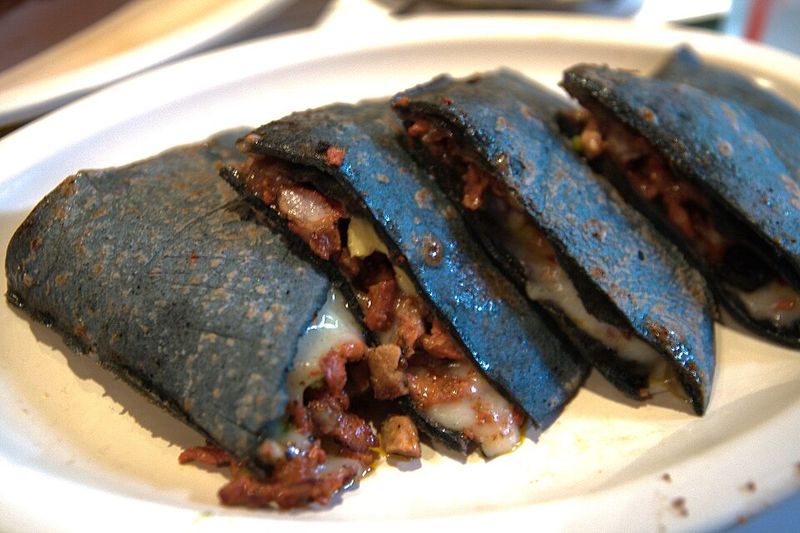
Hand-pressed blue corn tortillas are a different food from store tortillas altogether.
They carry a toasted aroma, a faint sweetness, and a sturdy texture that loves beans, squash, and chile.
The color alone feels celebratory, like a small sky on your plate.
They are hard to find because pressing and cooking them to order takes time and skill.
Many spots default to yellow or white corn, and blue corn becomes a weekend special or seasonal item.
When you do find them, edges show slight char from the comal, and the center stays pliable without breaking.
To make them, mix blue corn masa harina with warm water and a pinch of salt, rest the dough, and press gently.
Cook on a hot comal until they puff just a kiss.
Keep in a towel to steam and finish.
Pair with calabacitas, carne adovada, or simple beans and quelites.
Once you taste that nutty snap, regular tortillas feel a little less magical for a while.
9. Quelites (Wild Greens)
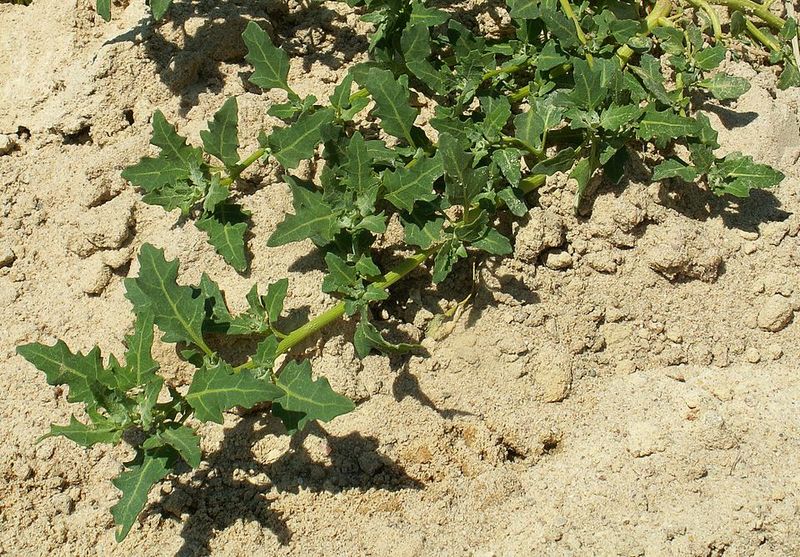
Quelites are wild or garden greens like lambsquarters and amaranth, sautéed simply with garlic and chile.
For generations, cooks gathered them in season, treating the first tender leaves like a gift.
The flavor is mineral-rich and bright, especially with a squeeze of lemon or a spoon of green chile.
They are scarce on menus because seasonality rules and foraging knowledge is fading.
Some farmers markets sell bunches in spring and early summer, but you have to arrive early and know what you are looking for.
When cooked just until glossy, quelites turn silky without losing life, perfect alongside beans, eggs, or blue corn tortillas.
At home, wash thoroughly, wilt in a hot pan with a little oil, and finish with salt and garlic.
Add a spoonful of chile for warmth.
The result tastes like fresh air and rain on soil.
Keep an eye out for local growers who label by variety, and ask how they like to cook them.
That conversation is half the recipe and half the fun.
10. Posole With Heirloom White Corn
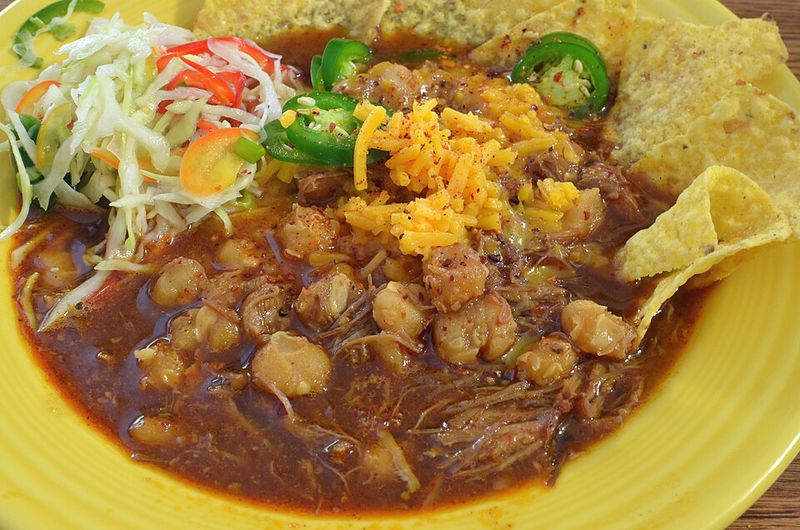
True New Mexico posole starts with great corn, and heirloom white kernels change everything.
They open like little flowers when simmered long, releasing aroma and chew that canned hominy cannot mimic.
The broth, whether red or green, becomes a conversation between chile and corn.
Finding heirloom posole corn can be tough outside specialty shops and growers.
Many restaurants rely on shortcuts for speed, and that distinct kernel pop fades.
When you do get the real thing, each spoonful carries history, from feast days to winter gatherings where steam fogs the windows.
For home cooking, soak overnight, then simmer with onion, garlic, and a bone if you have one.
Add chile only after the corn is tender, keeping the texture bouncy.
A handful of shredded cabbage, sliced radish, and oregano wakes the bowl up.
Lime at the end brightens everything.
The pot gets better day two, which is probably why leftovers mysteriously vanish before lunch.
11. Green Chile Stew With Hatch Heirlooms

Green chile stew is a standard, but versions made with heirloom Hatch strains feel rare now.
The chiles sing with roasted depth and a peppery brightness you can taste even through potatoes and tender pork.
The broth is lightly thickened by time, not shortcuts.
Why scarce?
Heirloom chiles cost more, and sourcing can be inconsistent.
Many kitchens lean on bulk roasted bags that vary in flavor.
When you land a bowl with genuine heirloom character, the aroma is grassy and warm, and the heat lingers kindly rather than shouting.
Cook it low and honest: brown the meat, sweat onions, add garlic, tumble in roasted chopped chile, and cover with stock.
Potatoes go in last so they hold their shape.
Finish with cilantro if you like and a squeeze of lime.
Serve with tortillas or a wedge of skillet cornbread.
Each spoonful tastes like crisp desert mornings and the promise of sunshine after frost.
12. Carne Adovada (Old-School)
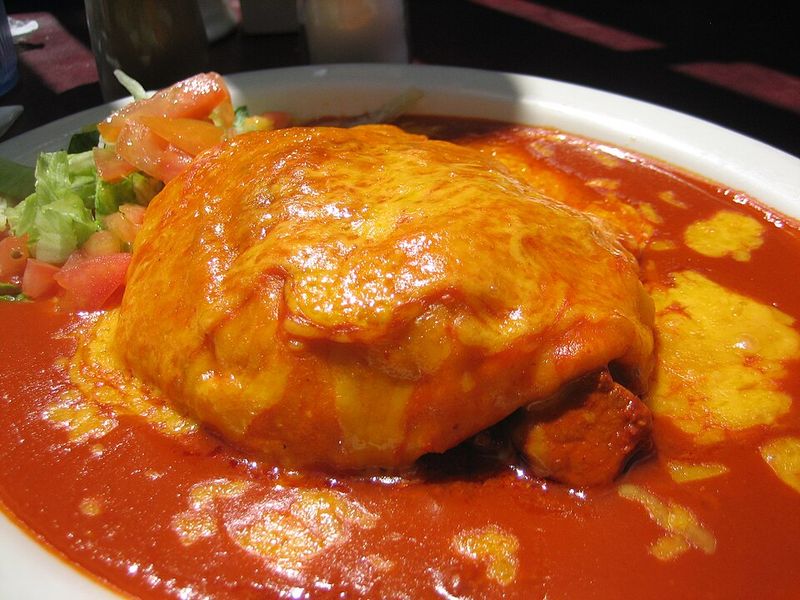
Old-school carne adovada is pork slow-bathed in a deep red chile marinade until it yields at a nudge.
The sauce is chile-forward, not sugary, layered with garlic, oregano, and a quiet tang.
When done right, the glaze shimmers and the meat tastes like it has absorbed sunlight.
It is tricky to find that classic version because shortcuts creep in.
Some places sweeten heavily or swap in generic chili powder, losing the earth and brightness of real New Mexico red.
The best plates still show up in family spots and occasional specials, but you have to ask and trust your nose.
At home, toast chile powder or blend rehydrated pods, bloom the spices, and let the pork marinate overnight.
Low heat and time do the rest. Serve in a warm tortilla or alongside calabacitas.
The leftovers make legendary breakfast hash with eggs.
One bite and you will understand why people still debate whose tia makes the best.
13. Sopaipillas With Local Honey
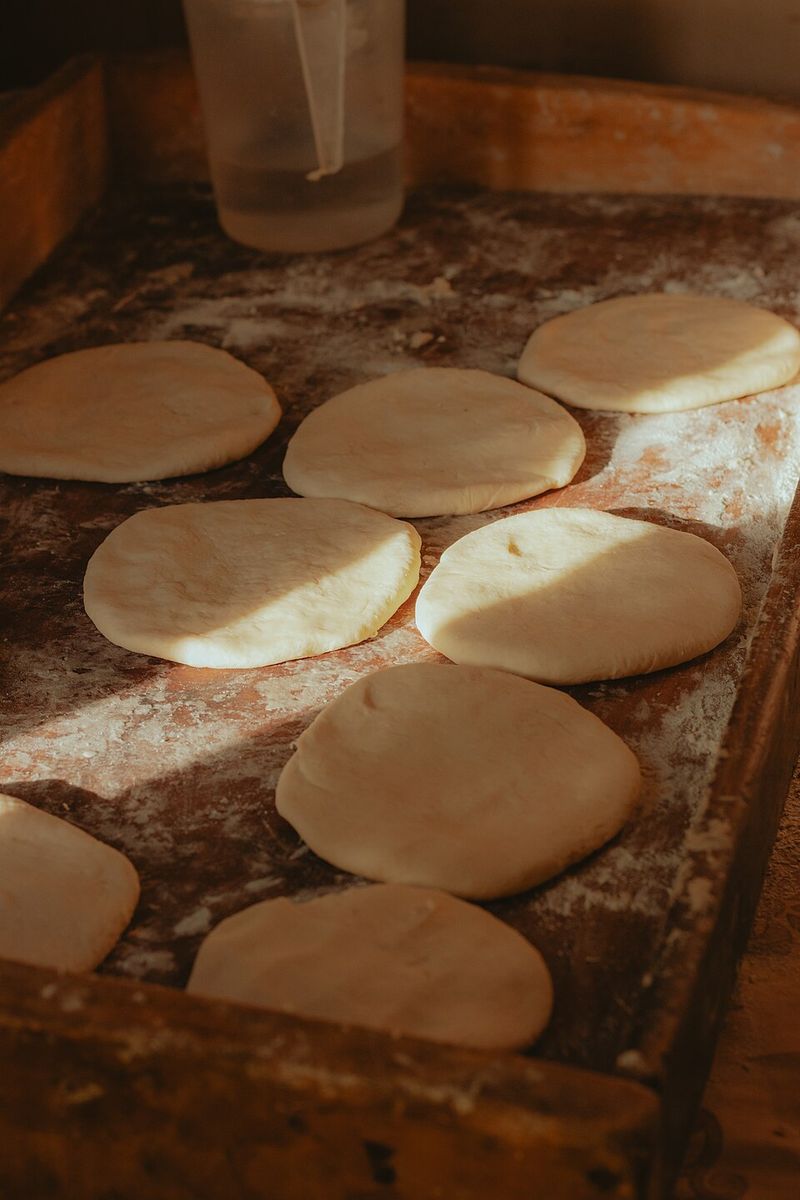
Pillowy sopaipillas used to show up as a given, not an upgrade.
Puffed and hollow, they land on the table hot enough to release a little steam when torn.
A drizzle of local honey turns them into dessert that is somehow still light on the palate.
They are harder to find perfectly executed because the timing is unforgiving.
Oil needs to be just right, dough rested, and service quick.
Some restaurants moved away from fresh frying during rushes, and the magic got rarer.
When you do get a perfect basket, the crust is delicate, and the inside is almost cloudlike.
At home, knead gently, rest the dough, and roll even.
Fry in small batches so each puff has room to balloon.
Serve immediately with honey and a sprinkle of cinnamon if you like.
Pair with beans and red chile for a salty-sweet bite that feels classic.
It is the kind of simple pleasure that makes you pause mid-conversation and grin.
14. Prickly Pear Nieve

Prickly pear nieve is summer in spoonable form, a sorbet that glows magenta and tastes like watermelon met citrus on a high desert trail.
You will spot it at festivals, paleterias, or small stands, but not as often as it deserves.
The fruit takes careful handling, and flavor swings with each harvest.
That irregularity is part of the charm!
When the balance hits, the sorbet is floral and crisp, leaving your tongue cool and your mood lifted.
Many places default to safer flavors, so prickly pear can vanish for stretches.
Ask around markets when the fruit comes in, and you might catch a small batch worth the chase.
To make it, blend peeled fruit with sugar and lime, strain carefully, and churn until soft.
The color alone feels like a celebration.
A sprinkle of chile-lime salt on top turns it into a memory you will chase again next year.
It is a gentle reminder that New Mexico sweets do not have to be heavy to carry real character.