12 Once-Popular Tennessee Homes Buyers Are Leaving Behind
Tennessee’s neighborhoods are changing fast, and the houses we once pointed to as timeless are quietly slipping out of the spotlight.
Many of these homes were built for a different pace of life.
Formal rooms, closed-off layouts, and features that once signaled comfort now feel limiting to buyers who value flexibility, efficiency, and modern design.
Maintenance demands and renovation costs also play a growing role, especially when newer options offer convenience right out of the box.
It’s obvious that buyers are now increasingly asking for quieter rooms, cleaner lines, smarter systems, and finishes that feel personal rather than copy pasted.
If you have ever swooned over clapboard charm or a big wraparound veranda, come take a closer look at the classics locals are retiring and what is nudging them off center stage!
1. Folk Victorian Farmhouse
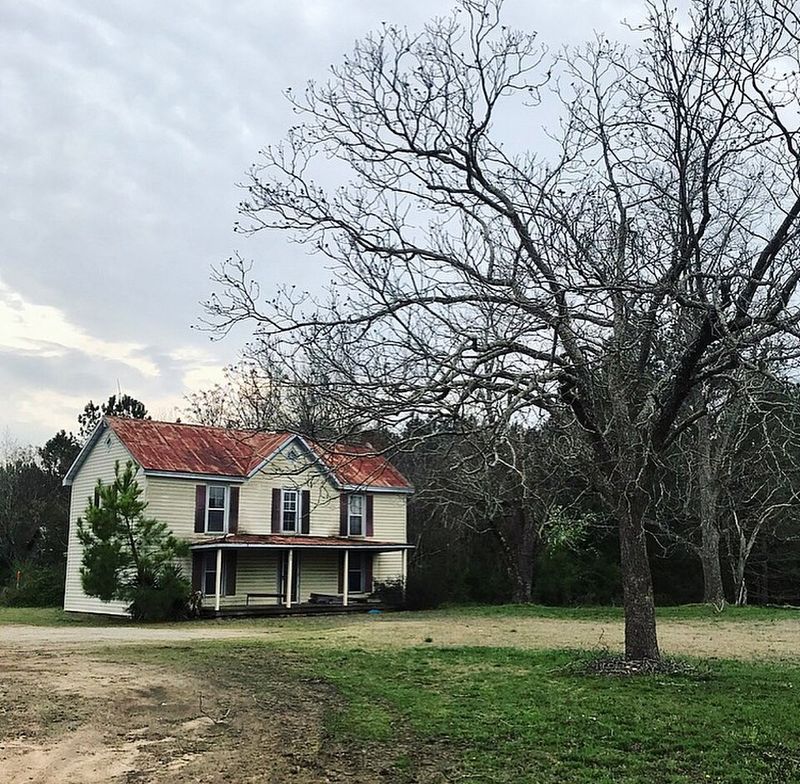
Across small towns from Columbia to Cookeville, Folk Victorian farmhouses once lined main roads with lace like trim and front gables.
The gingerbread brackets and turned spindles still photograph beautifully, but buyers are wincing at upkeep, lead paint mitigation, and drafty single pane windows.
Historic charm competes with high utility costs and the price of custom millwork repairs, which few contractors still specialize in.
Inside, chopped up parlors do not mesh with today’s need for flexible offices and play spaces.
Openings are narrow, ceilings vary in height, and retrofitting modern HVAC can mean soffits that disrupt the original rhythm.
Add in long commutes and the desire for low maintenance living, and you can see why many are choosing simpler cottage forms or new builds that mimic the look without the headaches.
Preservationists encourage weatherization, insulation under floors, and storm window inserts to help these homes breathe without losing character.
Still, the spreadsheet wins: insurance premiums, termite prevention, and porch structural work add up quickly.
If you love the silhouette, hunt for a farmhouse where big ticket items are handled and energy upgrades are sensitively done.
2. Greek-Revival Facades
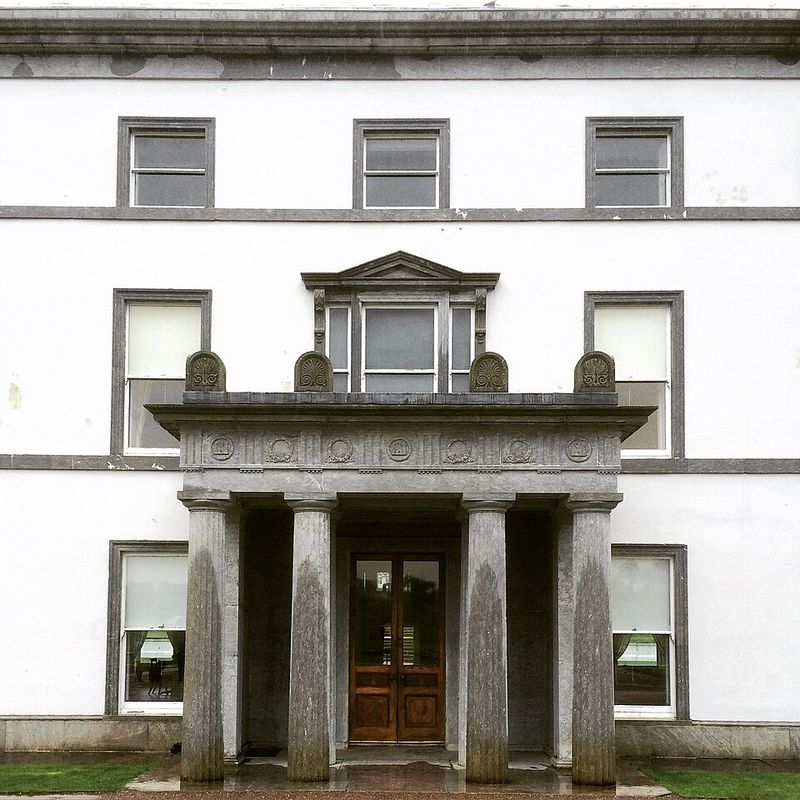
Columned Greek Revival facades once symbolized status across Middle Tennessee, echoing antebellum aesthetics and formal symmetry.
Today, those towering porticos and grand entries feel imposing and often impractical for daily living.
Heating and cooling cavernous rooms with high ceilings can strain budgets, while accessibility upgrades around monumental stairs are complicated.
There is also a cultural shift: many buyers seek homes that feel comfortable and inclusive rather than ceremonial.
Formal double parlors are difficult to repurpose, and restoring fluted columns or entablatures requires specialists.
Meanwhile, urban infill and smaller lots make such wide footprints awkward, nudging shoppers toward scaled down classics or transitional designs that borrow restraint without the pomp.
Some owners pursue adaptive reuse, turning wings into offices or short term rental suites, but zoning and structural reinforcement can be hurdles.
Energy retrofits for massive windows and stuccoed masonry drive costs higher than new construction.
If you still love the crisp pediments and symmetry, consider a modest Greek Revival inspired cottage that uses insulated materials and simplified trim.
3. Shotgun House Rows
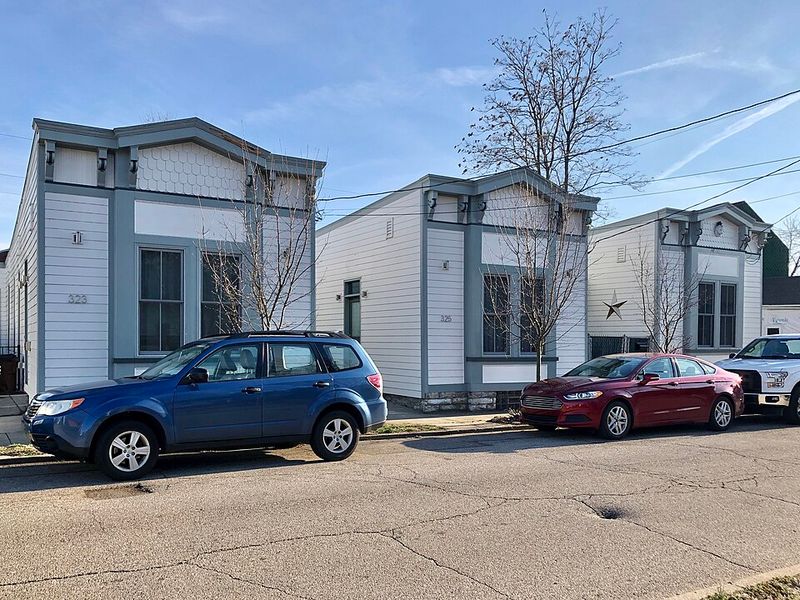
Shotgun houses, with rooms stacked in a straight line, show up in older Nashville and Memphis neighborhoods.
They tell a story of efficient footprints, but linear layouts do not suit modern privacy or acoustics.
When you can see front to back, noise and cooking smells travel, and adding hallways eats what little square footage exists.
Renovations often require re-framing to carve out bathrooms and closets, which can trigger full code upgrades.
Insulation, subfloor leveling, and foundation piers add surprise costs that exceed buyer expectations.
Many prefer small bungalows or town homes that offer separate zones and better storage without losing the cozy scale.
Developers sometimes replace clusters with duplexes that fit missing middle housing goals.
Preservation groups advocate for sensitive additions and back ells that respect rooflines, but not every lot allows it.
If you adore the porch to parlor flow, look for a shotgun with previous mechanical upgrades and a thoughtful rear expansion that preserves the street presence.
4. Craftsman Bungalow Overload
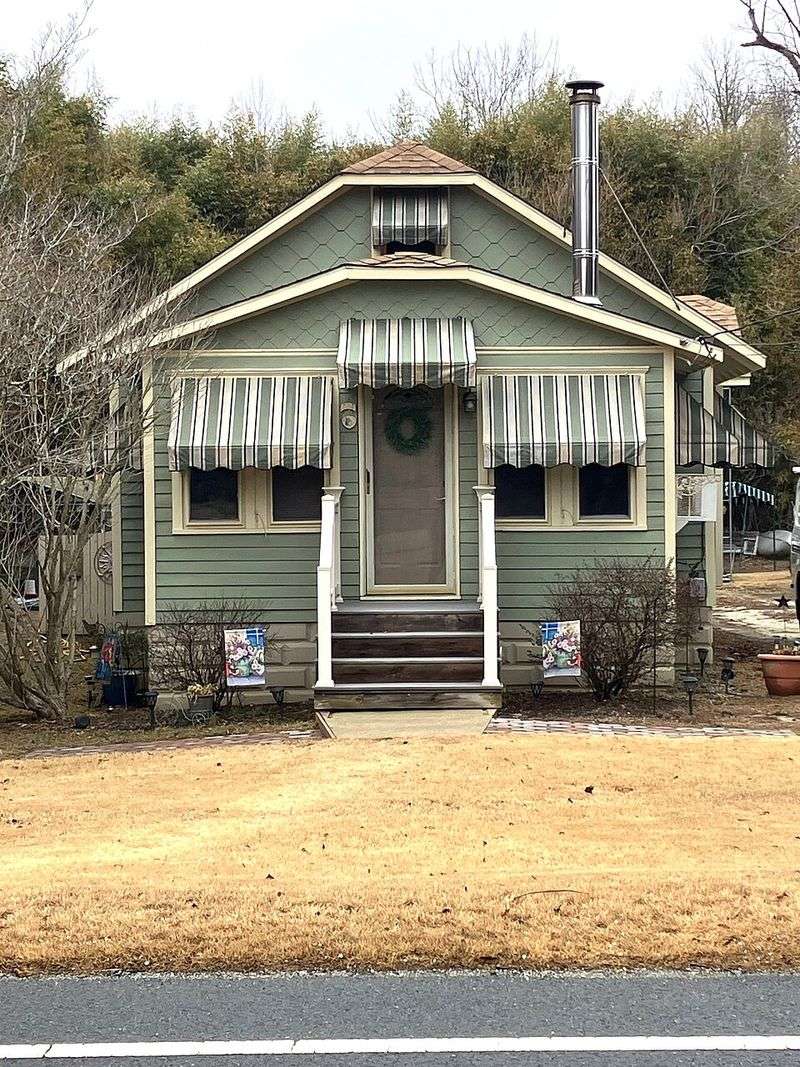
For a decade, Craftsman bungalows ruled Tennessee curb appeal with tapered columns and broad porches.
Now there is fatigue.
Many interiors have been flipped repeatedly, losing built in charm while keeping maintenance heavy exteriors.
Low sloped roofs invite debris, and exposed rafter tails demand vigilant painting and pest care.
Inside, original rooms can feel dim compared with brighter contemporary plans.
Knob and tube wiring and undersized closets push buyers toward newer builds that mimic bungalow warmth with better systems.
Even fans admit that box beam ceilings and heavy trim add dusting and repair duties, especially in humid summers.
That said, the best bungalows still shine when woodwork is intact and windows are restored with storms for efficiency.
But a wave of not quite historic renovations has made some shoppers wary of hidden issues.
Should this style speak to you, prioritize homes with documented electrical, roof, and drainage work.
Also, expect to invest in careful exterior maintenance to keep that porch magic alive.
5. Split-Level Suburban Classic
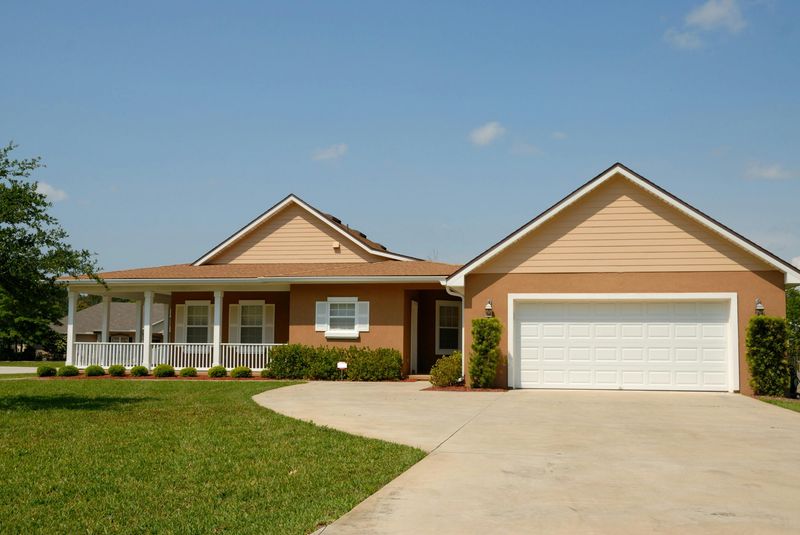
Split level homes boomed in the 1960s, fitting Tennessee’s rolling lots with short stair runs between living zones.
Family rooms down, bedrooms up, and kitchens mid level made sense once.
However, today the segmentation frustrates buyers chasing accessibility and flow.
Hosting across multiple half flights gets old, especially with strollers or mobility concerns.
Renovations require structural changes to open stair walls and unify ceilings, often revealing low duct runs and tight joist spacing.
That makes modern open concept dreams expensive, so shoppers detour toward ranches or new two stories with uninterrupted living spaces.
Exterior curb appeal can feel dated with mixed materials and small windows.
Still, location is a plus, since many sit on established streets with big trees.
If you love the mid-century bones, target versions with vaulted additions or reworked entries that create a single welcoming level.
Otherwise, the desire for seamless entertaining, home offices, and larger kitchens is sending split levels down the list for many Tennessee buyers.
6. Antebellum Italianate Townhouse
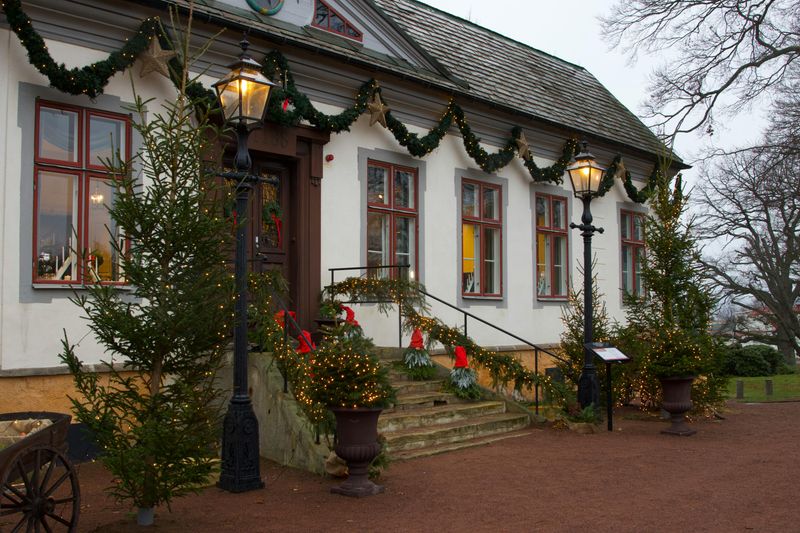
Italianate townhouses dot older Tennessee city centers with arched windows, tall proportions, and ornate brackets.
Their street presence is striking, yet buyers are shying away from the upkeep of intricate cornices and aging masonry.
Moisture intrusion around window hoods can demand specialized tuckpointing and plaster repair.
Floor plates are deep and narrow, limiting natural light in the center rooms.
Adapting these layouts for modern kitchens, laundry, and baths often means moving utilities through historic walls.
With parking at a premium downtown, lifestyle trade-offs become more pronounced compared with newer infill that includes garages.
Preservation incentives exist, but tax credits do not always offset schedule delays or material costs.
Some owners condo convert, which can compromise original staircases and trim.
If the romance of those brackets has your heart, look for properties with recent roof, gutter, and masonry work.
Don’t forget to budget for expert restoration that respects the facade while brightening interiors with strategic glass and lighter finishes.
7. Log Cabin Revival Homes
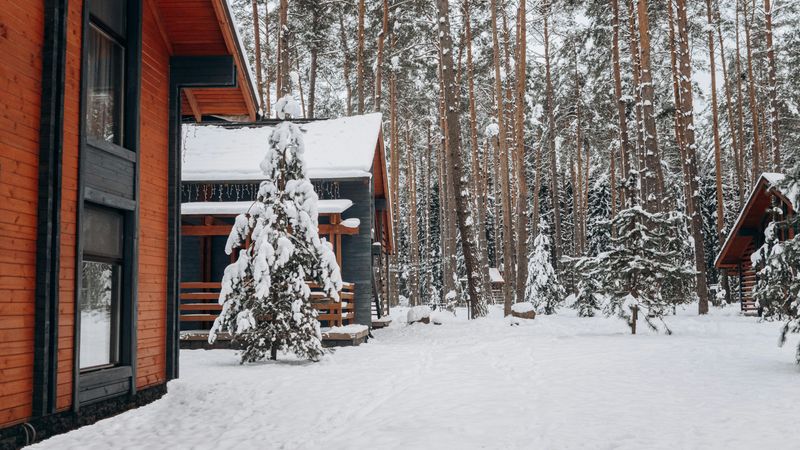
Log cabin revival homes surged with second home dreams in the Smokies, but full time buyers now hesitate.
Solid log walls are charismatic yet difficult to insulate to current standards, and chinking maintenance is ongoing.
Seasonal movement can cause gaps that challenge energy efficiency and window seals.
Interiors skew dark, with limited wall options for running new wiring or adding outlets.
Many communities enforce aesthetic rules that complicate exterior updates or color changes.
As flexible work grows, people want bright, durable finishes and robust internet, favoring hybrid construction that only nods to cabin looks.
There is still a market for rentals, but primary residence shoppers weigh fire insurance, pest treatment, and staining schedules heavily.
Composite siding and timber accents achieve similar moods for less effort.
When you crave the cabin vibe, consider a modern build with structural insulated panels and accent logs.
This will provide warmth, easier maintenance, and the mountain feel without the long list of chores.
8. Victorian Queen Anne Showpieces
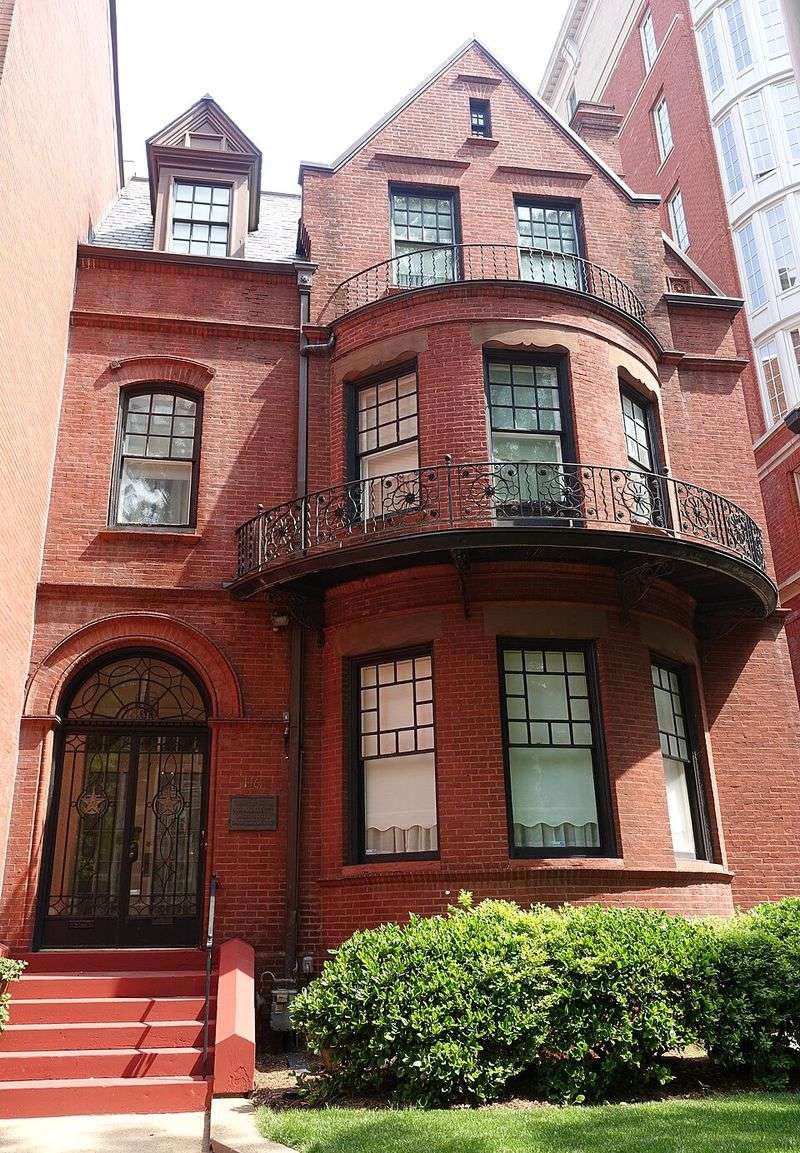
Queen Anne homes are Tennessee’s crown jewels, flaunting turrets, bays, and stained glass.
But complexity equals cost: multi plane roofs and decorative shingles require meticulous flashing and frequent replacement.
Original stained glass needs expert restoration, and curved porch sections complicate structural repairs.
Inside, room suites and ornamental screens charm visitors but fight modern furniture scale and open sightlines.
Older systems hide in odd chases, and adding central air can be invasive.
Insurance and appraisal gaps also spook lenders when restoration is midstream, slowing sales compared with move-in-ready contemporaries.
Enthusiasts still rescue these beauties, often as bed and breakfast alternatives or creative studios.
Yet the broader market gravitates to simpler forms with lower ownership risk.
9. Tudor Revival Cottages

Tudor Revival charm shows up in Chattanooga, Knoxville, and Nashville with steep gables and half timber accents.
Buyers love the curb appeal but balk at stucco repair, tricky roof lines, and small original kitchens.
Leaded glass and arched doors are gorgeous yet expensive to restore or weatherstrip.
As households prioritize pantry storage and multi-function spaces, these compact floor plans feel tight.
Opening walls risks sagging without steel due to point loads under gables.
The cost to expand sympathetically often exceeds the ceiling price of the neighborhood, making resale math tough.
Designers suggest keeping the storybook front while adding clean lined rear additions, but lot setbacks and historic overlays can block that move.
Energy retrofits for older masonry also require care to avoid trapping moisture.
Still, if you’re set on Tudor character, look for versions already updated with insulated sheathing.
Also consider a discreet kitchen expansion that preserves those charming shadows and textures.
10. Neoclassical Revival Mini-Mansions

In the early 2000s, neoclassical mini mansions sprouted with two story columns and dramatic foyers.
Tastes have shifted toward understated facades, high performance envelopes, and natural materials.
Maintaining double height spaces is expensive, and echoing foyers are poor for acoustics during remote work or schooling.
These homes often spread square footage into formal rooms that sit empty while kitchens feel isolated.
Re-configuring circulation to create connected living requires major structural changes.
Energy codes improved, exposing just how drafty some early builds were, and replacing oversized windows and doors is costly.
Buyers now gravitate to neutral toned transitional homes with human scale porches and better daylight modeling.
Appraisers sometimes penalize over personalization from the era, like ornate stair balusters and heavy tile.
You nevertheless love the grandeur?
Then focus on examples with upgraded insulation, sealed ducts, and a redesigned kitchen core!
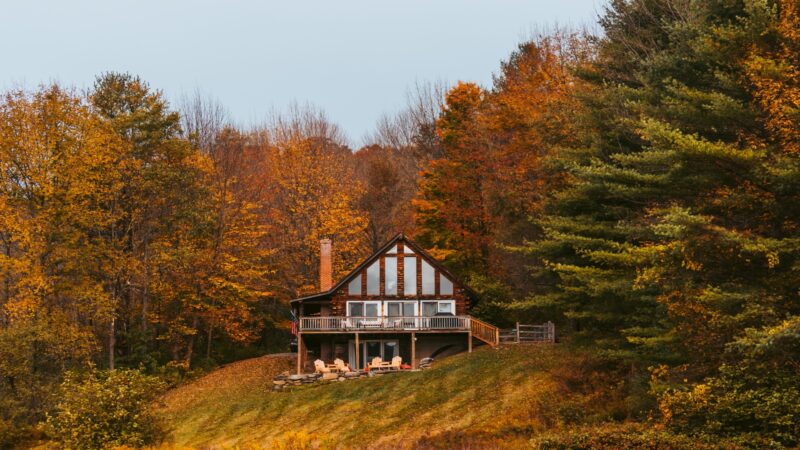
11. A-Frame Mountain Getaways

A-Frame silhouettes look dreamy against Smoky Mountain backdrops, but the steep triangles challenge daily life.
Slanted walls restrict furniture, and loft bedrooms lack acoustic privacy.
Oversized glass walls from older builds can roast in summer and leak heat in winter without costly high performance replacements.
Short term rental popularity pushed prices up, which combined with maintenance worries to push primary buyers away.
Storage is scarce, and adding dormers disrupts the clean geometry that made the house appealing.
Snow and leaf loads on long roof planes demand vigilant gutter and roof care.
Design forward buyers now choose cabins with modern insulation and boxy forms that allow flexible rooms.
If an A-Frame holds your heart, prioritize versions with newer glazing, mini split systems, and a smart mudroom addition that tames clutter.
Otherwise, expect compromises that feel cute on vacation but tiring for full-time living.
12. Brick Colonial Revival Two-Story
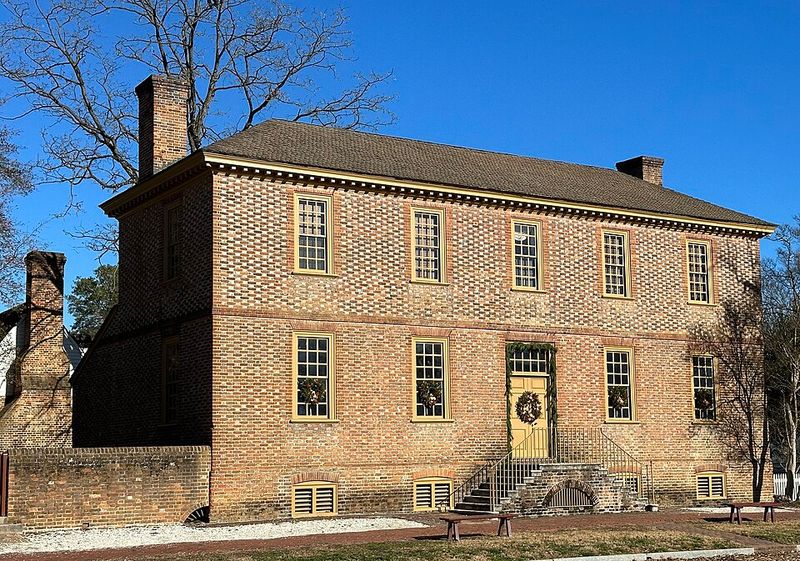
Symmetrical brick Colonials have anchored Tennessee subdivisions for generations, signaling order and tradition.
Lately, buyers crave softer lines, larger mudrooms, and open kitchens, while these plans hold tight dining rooms and narrow family rooms.
Moving structural walls under a central stair is complex and pricey.
Shuttered windows and heavy brick can read formal or dated next to airy contemporary neighbors.
Energy upgrades are needed, from rim joist sealing to better attic insulation, to tame utility bills.
Outdoor living trends also favor big covered patios, which clash with boxy rear elevations and small door openings.
Still, durability and resale strength remain, so the style is not disappearing, just cooling.
The best updates create wider kitchen openings, add a rear family room, and lighten interiors with painted trim.
Should you still want the classic look without the stiffness, hunt for a Colonial with a thoughtful addition and upgraded systems that make everyday life easy.