One Connecticut Ethiopian Restaurant Serves Injera, Doro Wot, And Generations-Old Family Recipes
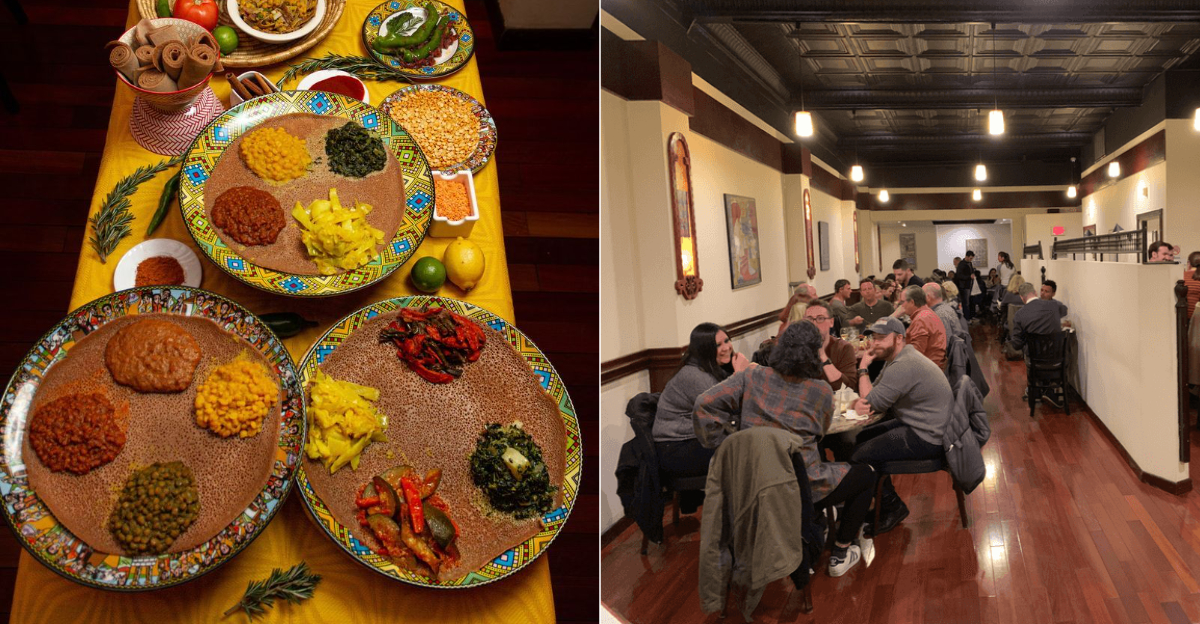
The first thing that gets you is the aroma. Warm spices hit the air, and suddenly waiting for dinner feels wildly unfair.
Soft injera arrives ready to scoop up rich stews and deeply seasoned bites. The textures play beautifully together, especially when the bread soaks up every bit of sauce.
This Connecticut restaurant serves Ethiopian comfort food with the kind of depth that makes one plate feel like a full experience.
Doro wot brings slow-cooked richness, while family recipes give the meal a sense of history without making it feel formal.
Eating with injera also makes dinner more fun. No fork required unless you really want one.
Each bite can taste a little different depending on what you scoop up next, which keeps the whole meal interesting from start to finish.
This is bold, cozy food made for sharing.
Honestly, that empty plate at the end may be the strongest review of all.
1. Ethiopian Tradition In The Heart Of New Haven
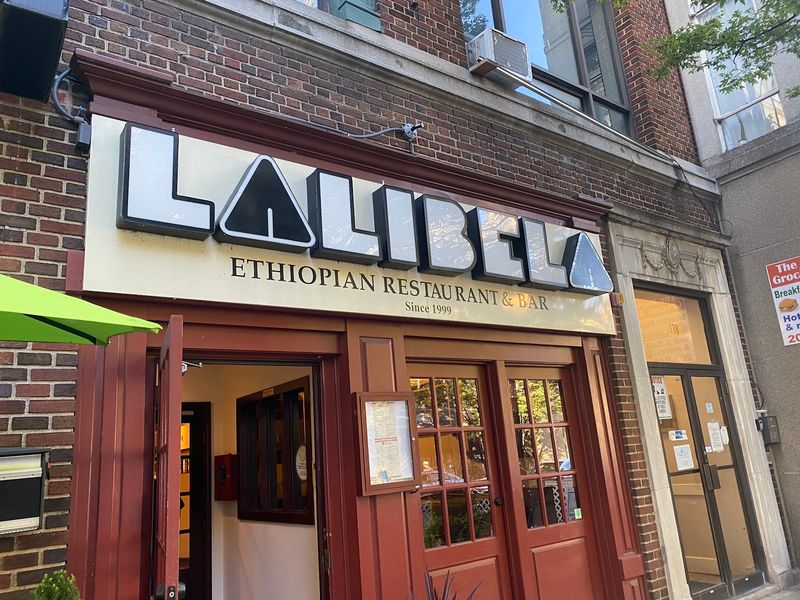
Forks can sit this one out. At this downtown favorite, dinner is meant to be shared, scooped with injera, and explored one flavorful bite at a time.
Since 1999, Lalibela Ethiopian Restaurant has introduced New Haven diners to traditional dishes built around spices such as berbere and the distinctive tang of teff-based injera. More than two decades later, that cultural connection still shapes the experience.
The dining room favors warmth over flash, with Ethiopian artwork, decorative details, and music creating a comfortable backdrop for smaller meals and larger gatherings.
Its downtown Connecticut setting also makes it easy to pair dinner with a show, a walk around the Green, or another evening stop nearby.
Shared platters are a natural choice, giving everyone at the table a chance to sample different stews, vegetables, and flavors without ordering separately. Eating with injera rather than utensils turns the meal into something interactive from the start.
In 2025, the City of New Haven honored Lalibela and the Tessema family for 25 years of service and contributions to the community. That recognition fits the restaurant well.
Its staying power comes from more than novelty, with the cooking, setting, and hospitality reflecting a long-running commitment to Ethiopian culture.
2. Generations Of Family Recipes Behind The Menu
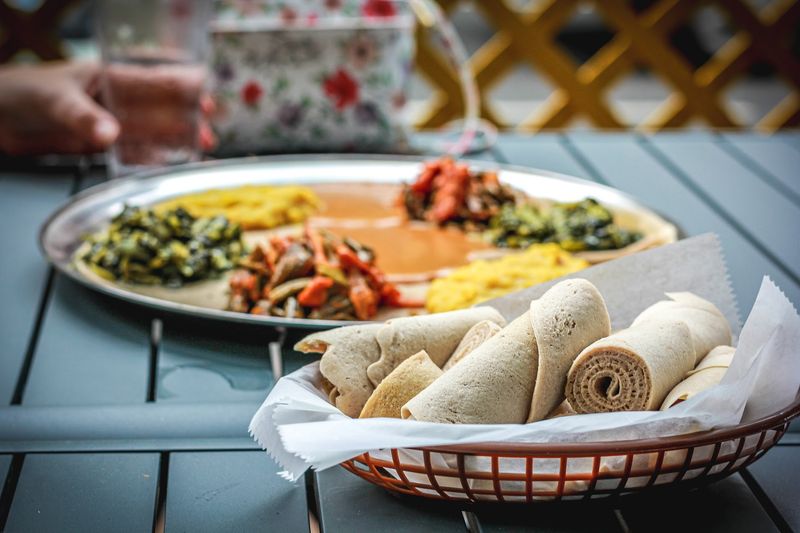
Recipes are the real inheritance here. Many of the dishes on the menu come from cooking knowledge passed down through generations of a family, the kind of instructions that live in memory and practice rather than in a printed book.
That matters more than it might sound. Ethiopian stews depend on layering, on knowing exactly how long onions should cook before anything else joins them, and on judging spice by smell as much as by measurement.
The kitchen leans on fresh ingredients and authentic Ethiopian spices, an approach that has held steady since 1999. Nothing about the food feels adjusted to be less itself.
You can taste that consistency across the menu. A yellow, turmeric-forward stew tastes gentle and rounded, while a berbere-based one carries heat and depth, and both come from the same careful hand.
Visitors frequently describe the cooking as generous and full of flavor, which fits a kitchen whose stated mission is wholesome food made with care.
For a first-time diner, that heritage translates into something practical. Ask the staff what a dish traditionally tastes like, and the answer usually comes with real context rather than a rehearsed script.
3. Injera At The Center Of The Table
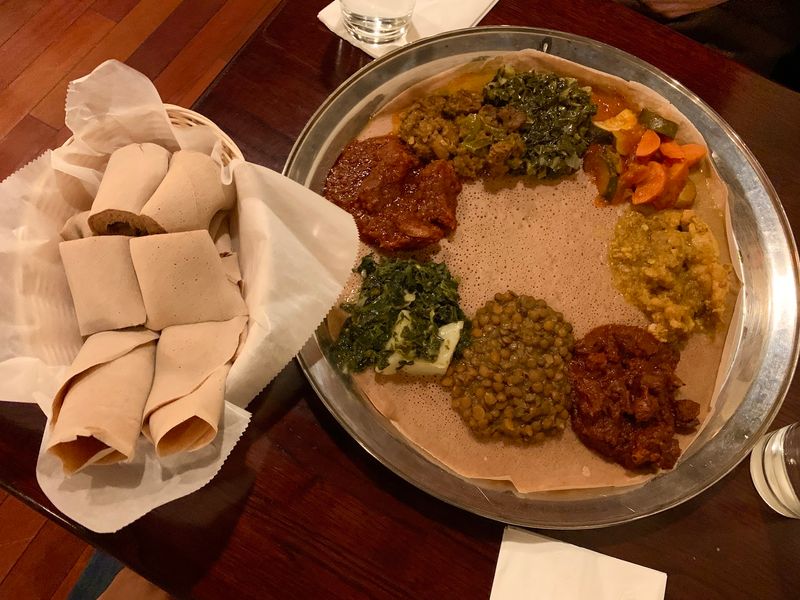
Forks are optional. Injera, the soft, slightly tangy flatbread made from teff, is both the plate and the utensil, and learning to tear a piece and scoop up stew is part of the fun of eating here.
Teff is a tiny grain with real nutritional credibility, and the fermentation that gives injera its sour edge also gives it that honeycomb of little holes across the surface.
Those holes do practical work. They soak up sauce, so the last bites of a platter taste just as rich as the first ones.
The kitchen keeps injera coming in generous supply, which means you rarely run out of bread before you run out of stew. Diners often comment on how fluffy and fresh it tastes.
For anyone avoiding gluten, a version made from one hundred percent teff is available, and gluten-free options come up often in guest feedback.
There is also a dish worth knowing about called fitfit, where shredded injera is soaked in spiced butter until it turns soft and deeply flavorful.
First-timers should relax about technique. Use your right hand, tear a small piece, pinch, and let the bread do the rest.
4. Doro Wot As One Of The Signature Favorites
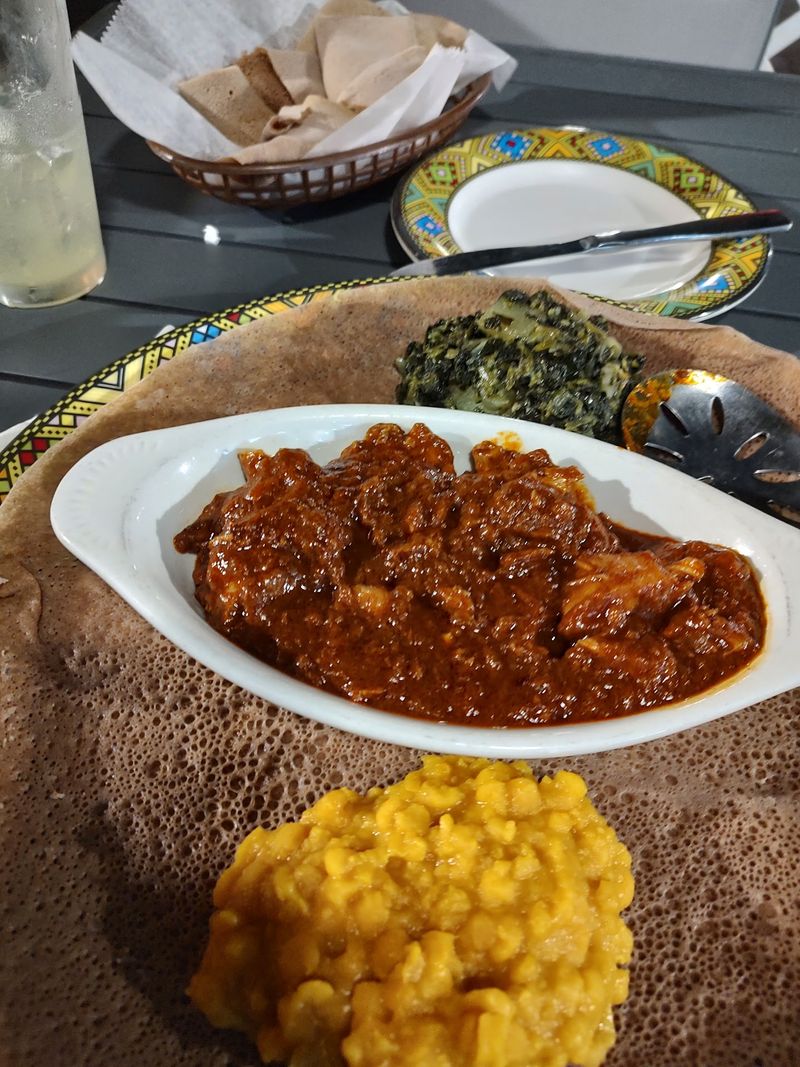
If one dish gets mentioned more than any other, it is doro wot. Chicken simmers slowly with clarified butter, fresh garlic, ginger, and berbere until the meat pulls apart with almost no effort.
Berbere is the heart of it. The spice blend brings a deep red color and a complex heat that builds gradually rather than hitting all at once.
Time does the rest of the work. A long, patient simmer thickens the sauce and lets the flavors settle into something rich, aromatic, and comforting.
Guests regularly single out the tenderness of the chicken and the lingering warmth of the sauce, describing it as the dish that convinced them Ethiopian food was worth exploring further.
In Ethiopian tradition, doro wot is celebration food, the sort of stew made for holidays and important gatherings, which is part of why it anchors so many menus.
Pair it with plenty of injera and something mild alongside, like a turmeric-based stew or sauteed green beans, so your palate gets a break between spoonfuls.
Order it if you want the full picture of what this cuisine can do with spice, patience, and a good piece of chicken.
5. Colorful Platters Made For Sharing
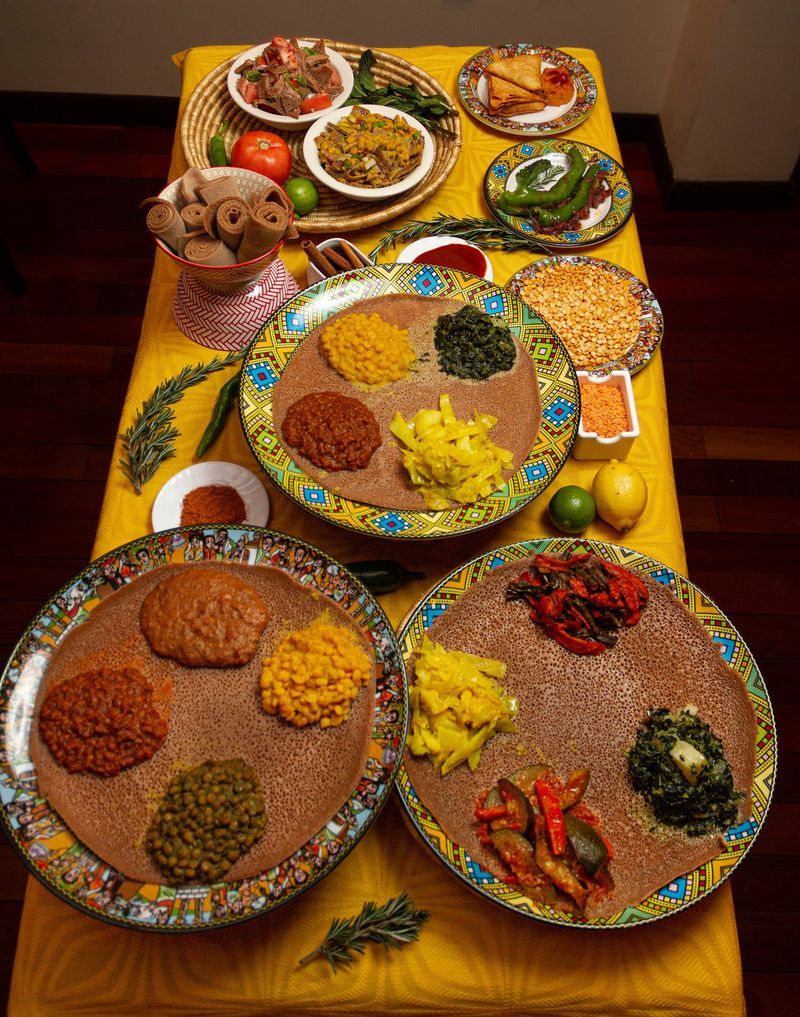
Picture a wide round of injera covered with small mounds of stew in red, gold, deep green, and magenta. Combination platters here get compared to a painter’s palette, and the description fits.
Sharing is built into Ethiopian dining. One platter sits in the middle, everyone reaches in, and the meal turns into a conversation instead of a set of separate plates.
Combination options let a table sample several dishes at once, which is exactly what you want when the menu is unfamiliar. Guests routinely recommend platters as the smartest way to order.
Portions tend to be filling. Groups often report having food left over, so a platter meant for two can comfortably stretch when paired with an appetizer.
Speaking of appetizers, sambusa comes up constantly in guest conversation, including a lentil version that makes a crisp, savory start to the meal.
Larger parties are welcome too, and the restaurant has handled family events and catering orders where staff helped build menus around dietary needs and budgets.
One practical tip: ask about combination sizes when you sit down, since options vary and staff can steer you toward the right amount of food for your group.
6. Plenty Of Choices For Meat-Free Diners
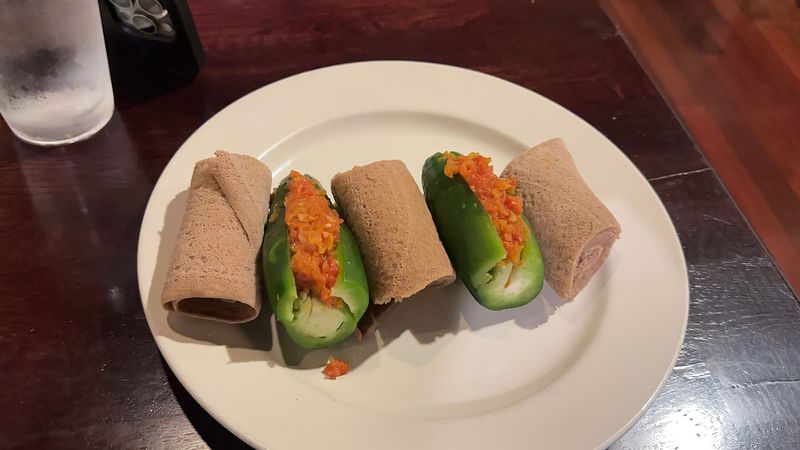
Vegetarians and vegans tend to have an easy time here, which is not an accident. Ethiopian cooking includes a long tradition of meat-free dishes, and the menu reflects that range rather than offering a token option or two.
Misir Wat brings medium-spicy red lentils cooked down in berbere until creamy and earthy. Tikil Gomen keeps things mellow with cabbage, potatoes, and carrots.
Shiro Wat is the smooth one, a chickpea flour stew that turns rich and satisfying without any dairy in sight.
Fosolia adds freshness to the table, with green beans sauteed alongside onions and tomatoes and light seasoning that lets the vegetables stay bright.
All vegetable dishes are prepared with non-GMO oil and sea salt, and staff can help adjust orders to fit specific dietary needs.
Special vegetarian combination platters make sampling simple, and they show up often in guest recommendations as the best value on the menu for plant-based eaters.
Even confirmed meat eaters order them. After a weekend of New Haven pizza, a platter of lentils, greens, and cabbage feels like exactly the right correction.
Ask about the Ethiopian-style hummus too, a creamy, gently spiced starter that shares the table well.
7. Warm Spices Without A Rushed Feel
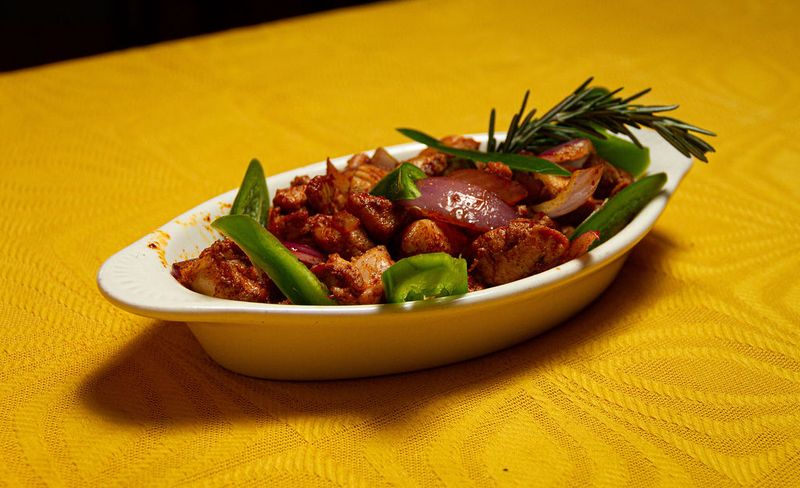
Spice is the personality of this cuisine, and it comes in several moods. Berbere delivers fiery red complexity, mitmita arrives hotter still and often as a condiment, and turmeric brings a warm, earthy softness to milder stews.
Heat is never the whole story. Garlic, ginger, and spiced butter round out the sharper edges, so even the bolder dishes taste layered rather than simply hot.
Pacing matters just as much as seasoning. Meals here unfold slowly, and nobody hurries you through a platter that is meant to be picked at and talked over.
Guests frequently describe the room as inviting and the music as pleasantly low, conditions that make lingering easy. Lunch service tends to move briskly, while dinner stretches out.
Coffee deserves a mention. Ethiopia is the birthplace of coffee, and diners often finish with a cup, or with tea, as a comforting close to the meal.
A practical note: allow yourself extra time, especially if you plan to order dessert or coffee after a large platter.
Doors open at 11:30 in the morning most days, with a later Sunday start and extended Friday and Saturday hours.
8. Decades Of Local Love Behind Every Visit
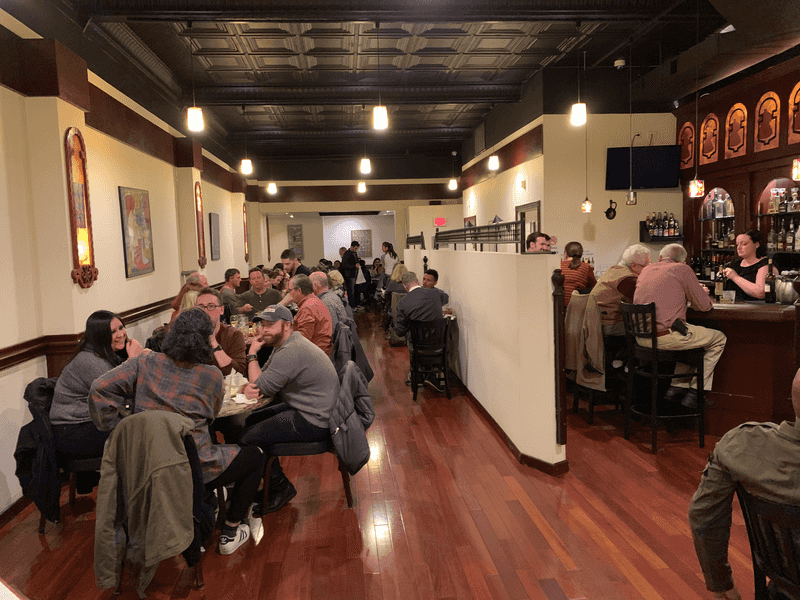
Bring friends and plan on sharing. Ethiopian dining naturally encourages everyone to gather around the same platter, tear pieces of injera, and explore the meal together instead of guarding individual plates.
That communal style has been part of Lalibela Ethiopian Restaurant since it opened in New Haven in 1999. The restaurant later received recognition from the City of New Haven for reaching its 25-year milestone and contributing to the community.
Vegetarian and vegan dishes have a substantial place on the menu, and the restaurant says certain selections can also be adjusted around dietary needs. Reservations are accepted, making advance planning useful when several people are coming together.
Catering is available for larger events as well.
The restaurant serves diners at 176 Temple St. in downtown New Haven, with street parking and nearby garages available. Its central position makes dinner easy to combine with another stop downtown without moving the car again.
What gives the experience its character is the shared approach to eating. Order across the menu, pass the injera around, and give the meal enough time to unfold at its own pace.