One Delaware Destination Makes History Feel Surprisingly Interesting And Peaceful
I almost skipped it. That split-second decision to pull over changed my entire afternoon, and honestly, my perspective on how history can feel.
This small corner of the First State holds something rare. It does not lecture you.
It pulls you in, sits you down, and makes you care about people who lived centuries ago. The Second State to ratify the Constitution knows how to carry that weight quietly, and this place proves it.
I left with a full heart and a camera roll I could not stop scrolling through. If you think history museums are dusty rooms with velvet ropes and zero personality, Delaware is about to prove you completely wrong.
The Black Powder Mills And Live Demonstrations
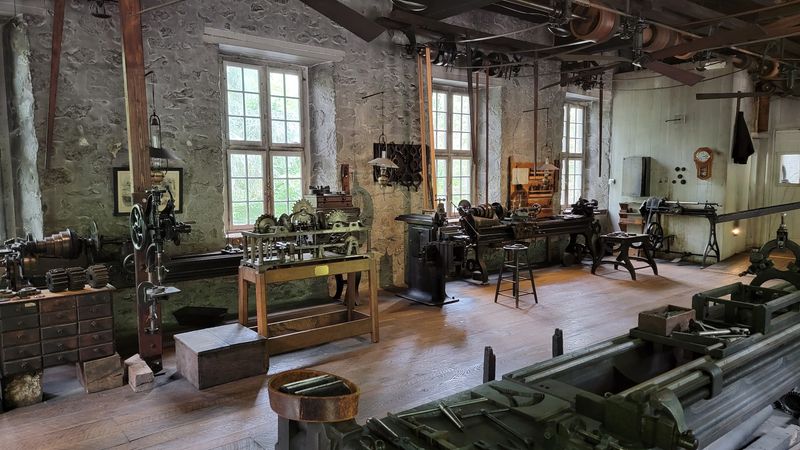
Picture a machine that has not run commercially in over a century, suddenly roaring back to life right in front of you. The black powder roll mill at Hagley Museum is the only operating one in all of America.
That fact alone made my jaw drop before the demonstration even started.
Founded in 1802 by Eleuthère Irénée du Pont, these mills once supplied gunpowder across a young nation. The machinery uses the Brandywine River to generate power, which feels almost magical to watch.
Water literally turns into industrial force before your eyes.
The demonstrators here know their craft deeply. They explain each step clearly, and the energy in the room is surprisingly electric.
You can also see a coal-fired steam engine and a 19th-century machine shop nearby. Gunpowder quality testing is shown too, which kids absolutely love.
Standing next to working mill equipment from 200 years ago feels surreal. It is loud, mechanical, and completely unforgettable.
This section alone is worth the entire trip out to 200 Hagley Creek Rd, Wilmington, DE 19807.
The Historic Home Where The Du Pont Story Began

Five generations of one family lived here, and you can feel every single one of them the moment you cross the threshold. Eleutherian Mills is the first du Pont family home built in America, and it carries that weight beautifully.
The rooms feel personal, not staged.
Original furnishings fill the space, and American folk art hangs on the walls exactly where it belonged. The house evolved over decades as each generation added their own touch.
A guided tour brings all of that layered history to life in about an hour.
The tour guides here are genuinely passionate, not just reciting facts. They share stories about how the family adapted the home over time, which makes remodeling feel like a tradition stretching back centuries.
The adjacent French-inspired E. I. du Pont Garden is stunningly calm.
Stepping outside into that garden after the indoor tour feels like a reward. Carriages and antique cars are also displayed nearby in a barn, adding a fun bonus stop.
The whole experience flows naturally from one discovery to the next. History stops feeling like homework and starts feeling like a really good story.
The Nation Of Inventors Patent Exhibition
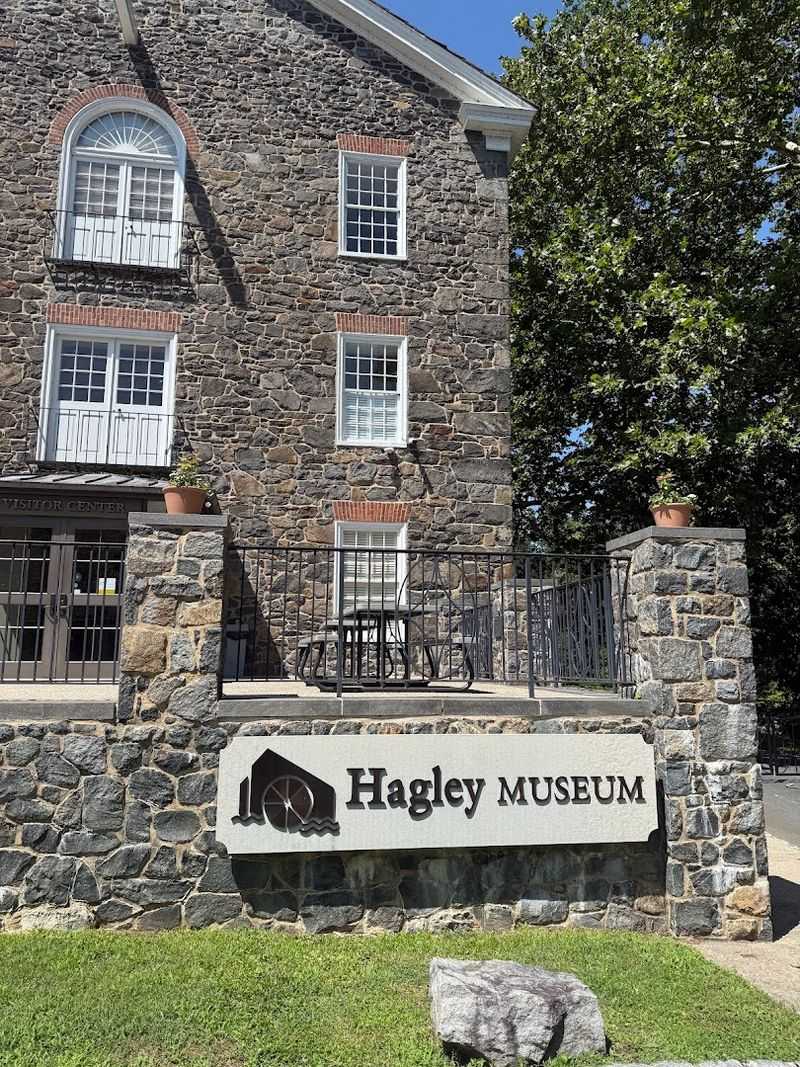
Over 120 real patent models from the golden age of American invention sit waiting inside the visitor center, and they are absolutely wild to look at. This exhibition covers inventions from the 1790s all the way through the late 1800s.
Mousetraps, hairbrushes, toilets, and things you never imagined needed improving are all here.
The layout is visually striking. Colors, lighting, and creative displays make the whole room feel like a celebration of human curiosity.
I spent way longer here than I expected, reading the story behind each model.
What makes this exhibit special is how diverse the inventors are. People from all kinds of backgrounds contributed to American innovation, and this exhibition makes sure their stories get told.
Each model comes with real historical context, not just a label. Kids gravitate toward this section naturally because the objects are quirky and tangible.
Adults stay because the history is genuinely fascinating. Hagley is a Smithsonian Affiliate and accredited by the American Alliance of Museums, so the quality of curation here is serious.
This exhibition proves that invention is not just about genius. It is about persistence, creativity, and a good idea at the right moment.
The Restored Workers Community And Daily Life Displays
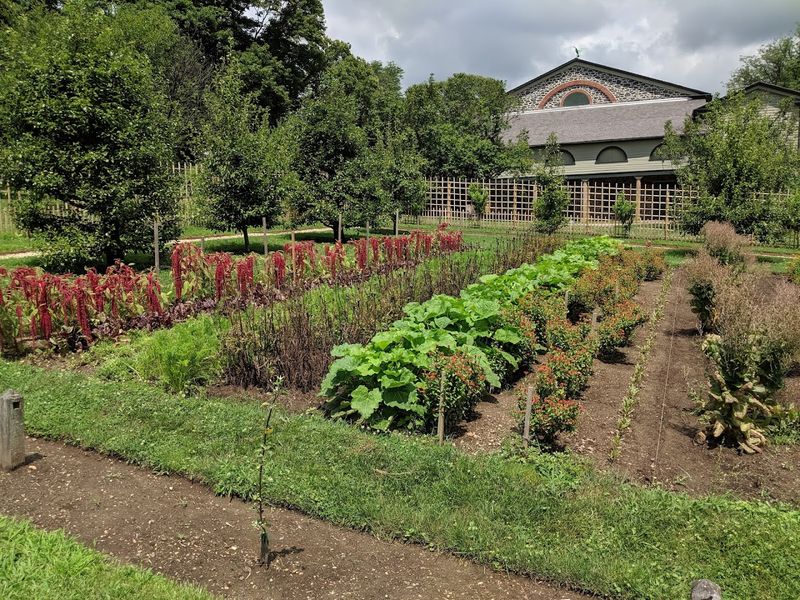
History books love to focus on the powerful and wealthy, but Hagley Museum tells a different kind of story too. The restored workers community on the grounds gives voice to the people who actually ran the mills every single day.
Their lives were full, complicated, and surprisingly rich in detail.
You can explore the spaces where workers lived, educated their children, and grew their gardens. The schoolhouse and workers cottages have been carefully restored.
Standing inside them makes you think about what daily life actually felt like in the 1800s.
The gardens here are not just decorative. They represent real food sources and community traditions that families depended on.
Seeing that context alongside the industrial machinery nearby creates a powerful contrast. It reminds you that behind every great factory was a whole community of real people.
The displays are thoughtful and never feel preachy. They simply let the history speak clearly.
This section of the museum tends to be quieter than others, which gives it an almost meditative quality. You slow down, look closely, and leave with a deeper respect for the people whose labor shaped early American industry.
The Brandywine River Setting And Scenic Grounds
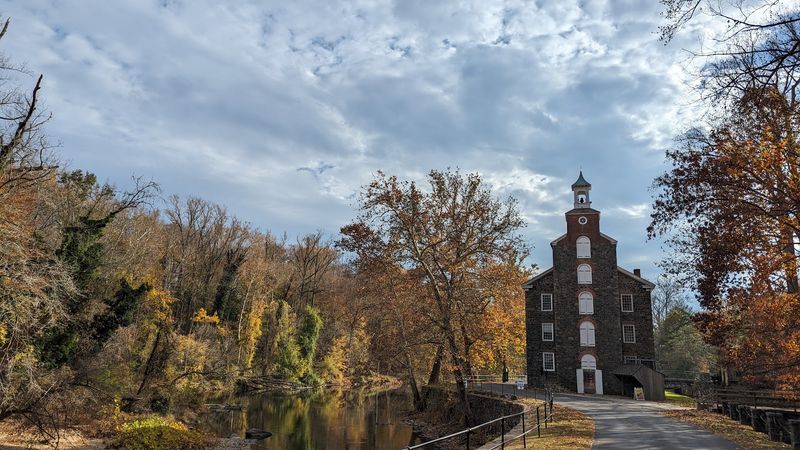
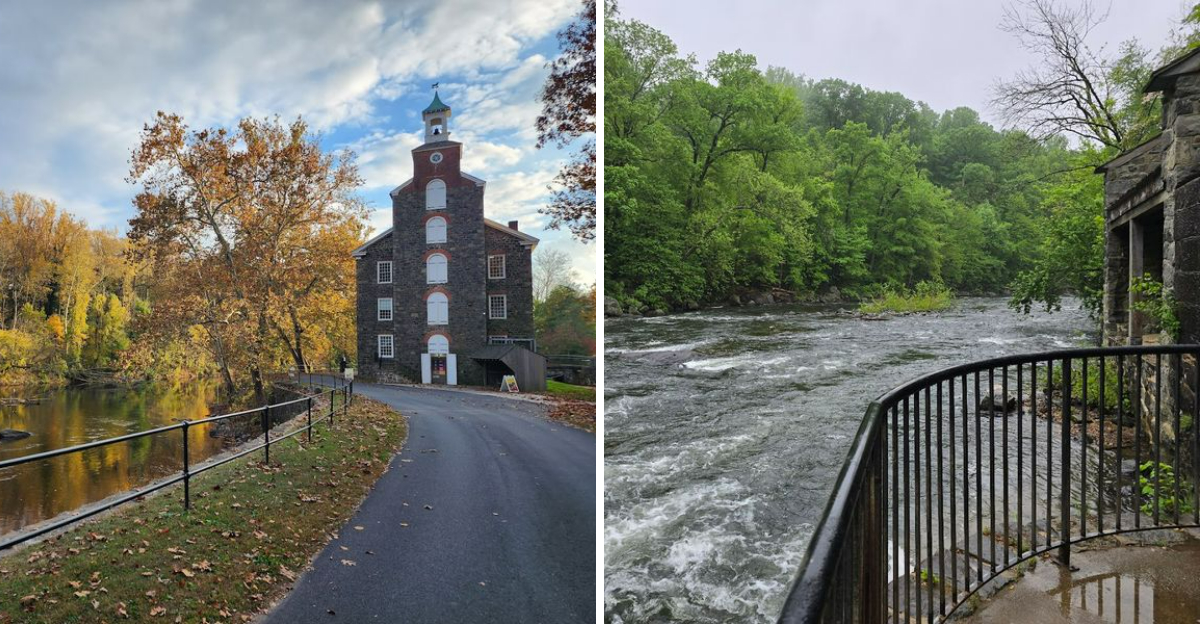
Some places earn their reputation purely through beauty, and the grounds at Hagley Museum do exactly that without trying too hard. The Brandywine River runs right alongside 235 acres of wooded rolling hills, riverside trails, and carefully kept open spaces.
It feels more like a nature preserve than a history site.
Walking the trails between exhibits is genuinely refreshing. The trees are tall and dense, and in autumn the foliage turns the whole property into something almost unreal.
Even on a quiet Tuesday afternoon, the scenery holds your attention completely.
The river itself played a crucial role in powering the mills historically, so the landscape is not just pretty. It is functional history you can see and hear.
Water rushing over rocks near the mill buildings adds a constant, soothing soundtrack to your visit. Picnic tables are scattered across the grounds, making it easy to bring lunch and settle in for a long afternoon.
The property feels generous with its space. Nothing feels crowded or rushed here.
History lover or not, the grounds at this Delaware destination deliver something genuinely worth the drive.
The Free Shuttle Service And Accessibility Features
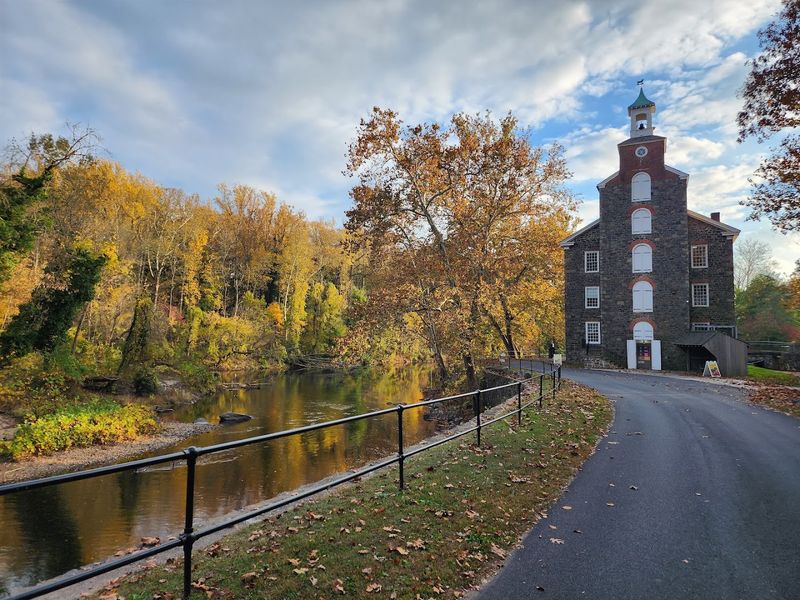
Getting around 235 acres without a shuttle would be a serious workout, and Hagley Museum thought of that already. A free shuttle connects the visitor center, the historic powder yard, and the du Pont home and garden.
It runs regularly and makes the whole property feel manageable for everyone.
The shuttle drivers are not just transportation. They share information about the site as you ride, turning the journey between stops into part of the experience.
I learned several interesting facts before even stepping off the bus.
Accessibility is taken seriously here. The property is largely wheelchair accessible, and strollers handle most of the terrain well too.
Families with young children can explore comfortably without worrying about difficult terrain. The shuttle also means you can pace your visit however feels right.
See the mills first, then ride over to the mansion, then loop back to the invention exhibition. There is no wrong order.
The flexibility makes a long visit feel relaxed rather than exhausting. For anyone visiting for the first time, taking the shuttle all the way around before deciding where to spend the most time is a smart strategy.
It gives you a great overview of everything available.
Science Saturdays And Kid-Friendly Activities
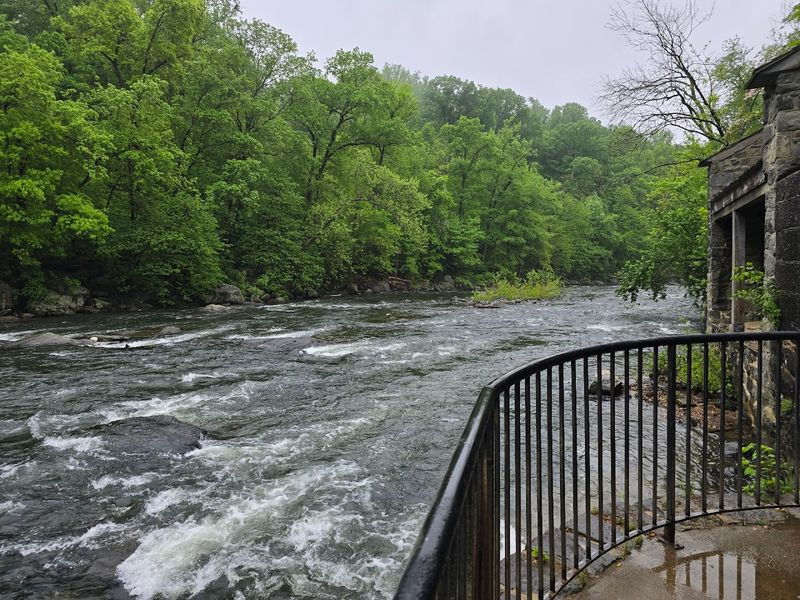
Bringing kids to a history museum can feel like a gamble, but Hagley Museum stacks the odds heavily in your favor. Science Saturdays are specifically designed to get younger visitors actively involved, not just watching.
Hands-on activities make the industrial history feel immediate and exciting for curious minds.
The whole property naturally engages children through variety. Live machinery demonstrations, interactive patent models, and outdoor trails all offer something different to explore.
Attention spans stay longer here than at most indoor-only museums.
Parents appreciate that the experience feels educational without being forced. Kids pick up real knowledge about the Industrial Revolution, invention, and American history without realizing they are learning.
That is genuinely impressive curriculum design. The grounds also allow for plenty of movement between exhibits, which keeps energy levels balanced.
There is room to run, explore, and breathe between the more focused indoor experiences. Even fishing is possible near the river on the property, which adds a completely unexpected bonus for younger visitors.
The museum earns its kid-friendly reputation through real thoughtfulness, not just a corner with coloring sheets. Families regularly spend five or more hours here, which says everything about how well the experience is designed for all ages.
The E.I. Du Pont Garden And Crowninshield Garden
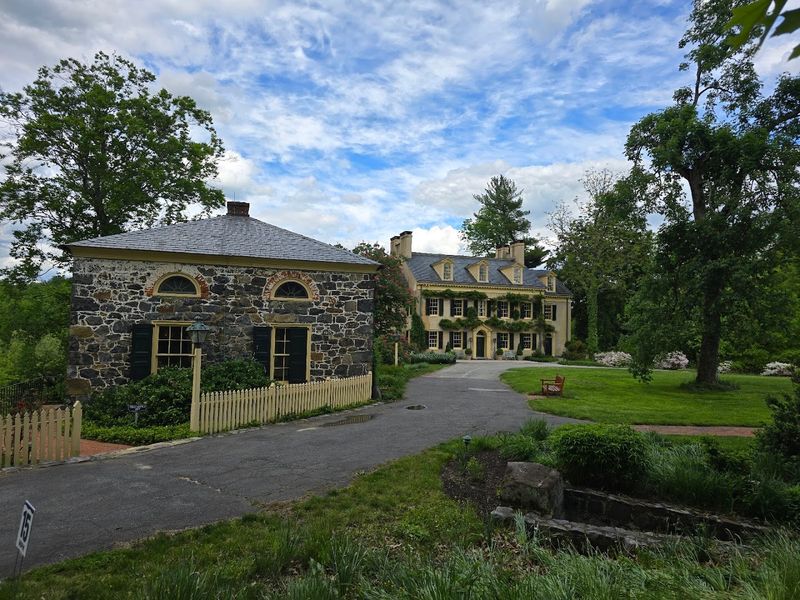
Gardens do not usually steal the show at industrial history museums, but these two absolutely do. The E.
I. du Pont Garden draws inspiration from French garden design, with structured beds and a sense of deliberate elegance. Walking through it feels genuinely calming after the noise and machinery of the mill demonstrations.
The Crowninshield Garden adds a different character nearby. Both spaces are carefully maintained and reflect the horticultural traditions of the du Pont family across generations.
Flowers, herbs, and ornamental plants fill the beds depending on the season.
Spring and summer visits reward you with the most color, but even in quieter months the structure of the gardens holds visual interest. The contrast between the industrial history of the mills and the refined beauty of these gardens is one of the things that makes Hagley Museum feel so layered.
You are never experiencing just one thing here. Every section of the property adds a new dimension to the overall story.
The gardens also offer a natural pause point during a long visit. Sitting quietly among the flowers for a few minutes resets your energy before heading back out to explore more of the 235 acres surrounding you.
The 19th-Century Machine Shop And Steam Engine
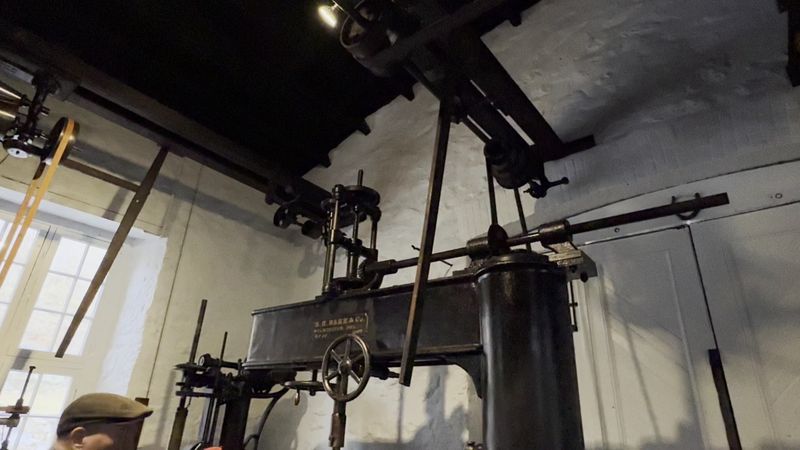
There is something deeply satisfying about watching century-old machinery actually move. The 19th-century machine shop at Hagley features water turbine-driven metalworking equipment that still operates during demonstrations.
Seeing those belts spin and metal tools engage is a visceral, unforgettable moment.
The coal-fired steam engine nearby adds another layer to the experience. Both pieces of equipment are explained clearly by staff who genuinely love what they do.
The knowledge level here is impressive, and the enthusiasm is completely real.
Understanding how these machines worked helps you appreciate how much physical ingenuity went into early American manufacturing. There were no computers, no digital controls.
Just clever engineering, raw materials, and hard-won expertise. The machine shop makes that reality tangible in a way that no textbook ever could.
The sounds and smells of working machinery add sensory detail that transforms a history lesson into a real experience. Kids and adults respond to it equally.
This section tends to draw longer stops from visitors who arrive thinking they are not particularly interested in industrial history. The machinery has a way of pulling people in and holding their attention naturally.
It is mechanical theater, and the show is genuinely impressive every single time.
Planning Your Visit To Hagley Museum
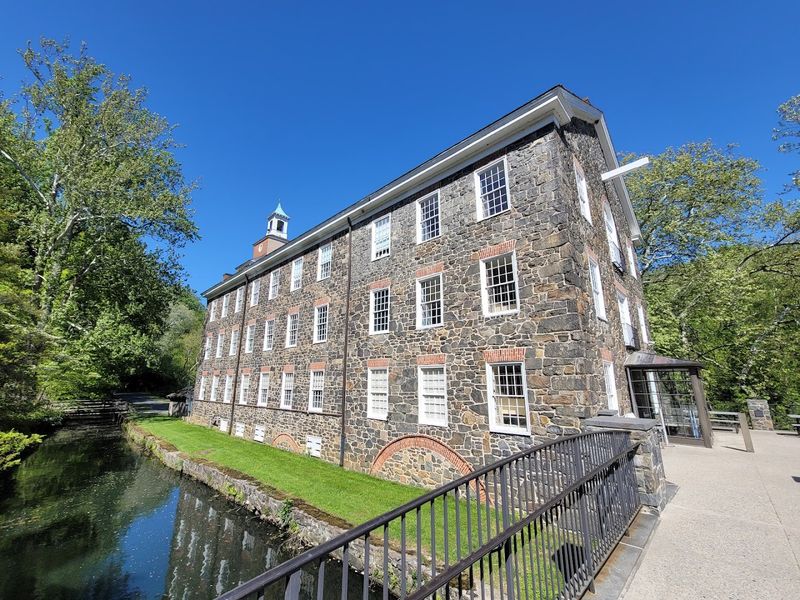
A visit here rewards preparation, and a little planning goes a long way toward getting the most out of the experience. Arriving early gives you the best shot at catching all the demonstrations before the afternoon winds down.
Hagley does not operate a full-service cafe, so bringing a picnic lunch is still a smart idea. Picnic tables are available across the grounds, and eating outside surrounded by river views and historic buildings is honestly better than any restaurant option anyway.
The admission fee is modest for everything included, and one ticket covers the full property. Budget at least four to five hours, because most visitors end up wishing they had more time.
Comfortable walking shoes matter here since the grounds are expansive.