One Man’s Massive Collection Of Racing Engines Fills Three Floors Of This Nebraska Museum
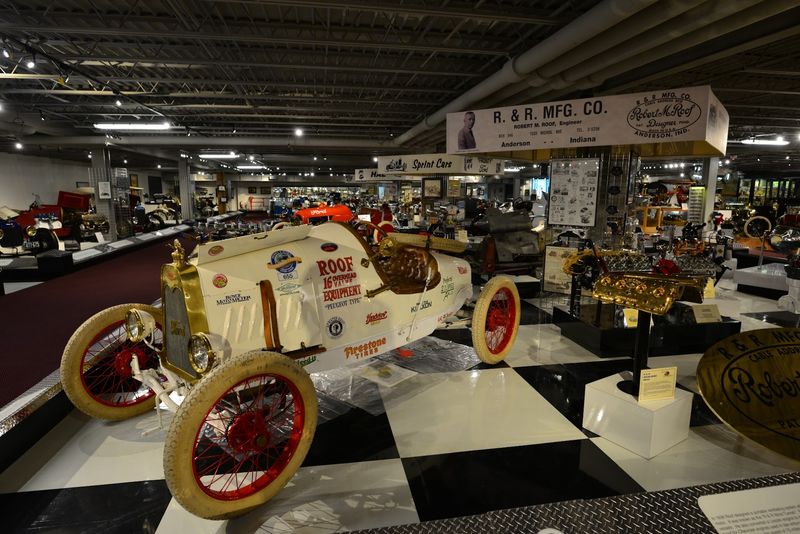
A beige industrial building on the west edge of a Nebraska city looks like a place that ships auto parts, and that’s exactly what it does. What nobody expects is the 800-odd racing engines waiting on the other side of the wall, polished and lined up like sculpture across three full floors.
Kids press their faces to glass cases of pedal cars while grandparents stop cold in front of an Offenhauser block they last saw at a dirt track decades ago. Plenty of people drive past it their whole lives without ever knowing what’s inside.
A Warehouse Door With 800 Engines Behind It
Oakcreek Drive on Lincoln’s west side runs past truck bays, contractor yards and the kind of low-slung commercial buildings nobody photographs. The Museum of American Speed sits right there among them, attached to the Speedway Motors operation, with an entrance that gives away almost nothing.
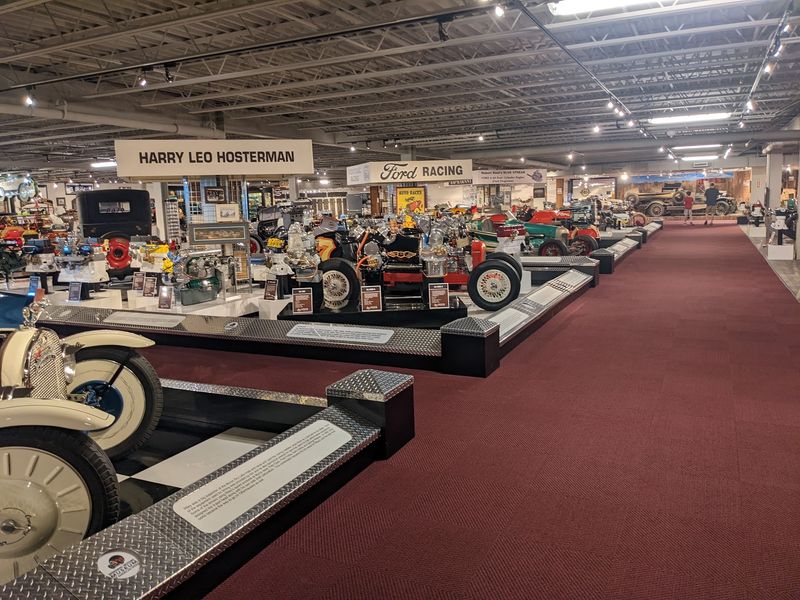
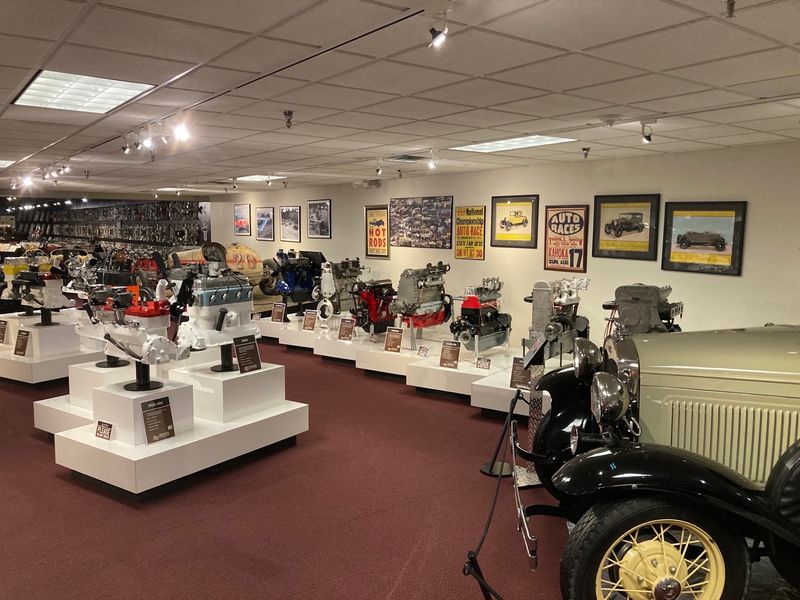
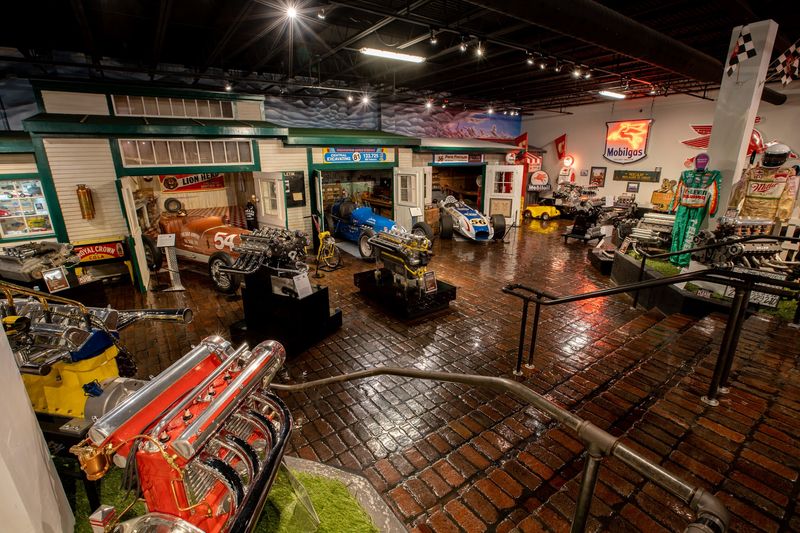
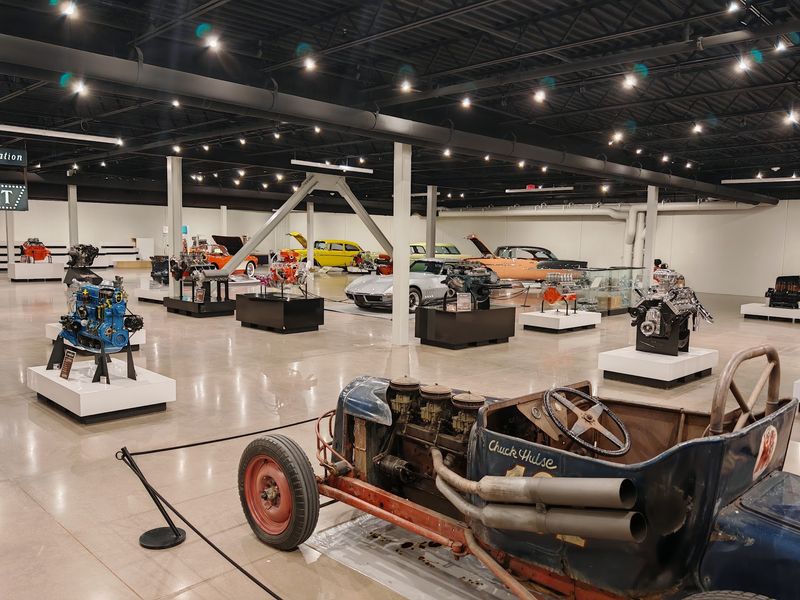
Push through the doors and the scale flips instantly. Ceilings climb, rooms open into other rooms, and engines appear in ranks, blocks and heads and crankshafts laid out on stands with placards explaining who built them and what they won.
The count sits somewhere north of 800 historically significant racing engines, which makes this the largest assembly of its kind anywhere. They trace a straight line from the early 1900s through the modern era, arranged so you can watch horsepower climb decade by decade.
Three floors hold it all, along with a quarter million square feet of display space that keeps growing. Nebraskans who have passed the building on their way to a hardware run have no idea a chunk of American motorsport history is stacked inside.
The building genuinely does not prepare you.
Speedy Bill Smith’s Lifelong Habit
Back in 1952, a Nebraska racer named Bill Smith started a mail-order speed parts business out of a small Lincoln shop. Everyone called him Speedy Bill, and he had spent the 1940s and 50s behind the wheel on tracks around the region before turning his attention to selling the parts that made cars faster.
Speedway Motors grew. So did something else.
That same year, Bill and his wife Joyce began collecting, and they never stopped, hauling in engines, cars, toys, signs and tools as fast as they could find them.
Collecting on that scale eventually demands architecture. What began as shelves and corners in the parts business turned into a dedicated 160,000-square-foot facility, then expanded past 250,000 square feet of exhibit floor.
The Smiths built the museum to be a public institution rather than a private hoard, which is why a family from Grand Island can walk in and see it. Speedy Bill has passed on, but the collection remains the clearest record of one man’s attention span.
Fifty-plus years of acquiring, all under one roof.
Where The Miller And Offenhauser Blocks Live
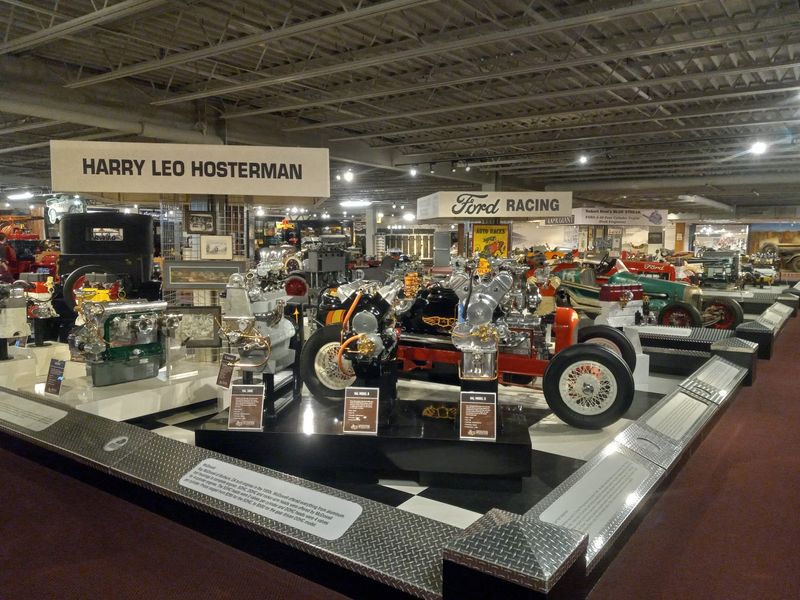
Aluminum gleams under the lights in rows that seem to run on forever. The Miller and Offenhauser engines get pride of place, and for good reason: Harry Miller is widely regarded as the father of American racing engine design, and his ideas powered the Indianapolis 500 for generations.
Offenhauser grew directly out of Miller’s shop. The four-cylinder Offy went on to dominate championship dirt tracks and Indy for decades, and here you can stand close enough to trace the cam covers with your eyes.
Elsewhere sit engines built by Smokey Yunick, the legendary mechanic whose name still starts arguments in NASCAR circles. IndyCar powerplants share space with midget and sprint car engines, the small, ferocious motors that ran bullring tracks across Nebraska and Iowa on summer nights.
What makes the engine halls work is the arrangement. Follow them in order and you watch American engineers chase speed through overhead cams, superchargers, fuel injection and exotic castings.
Nobody needs a mechanical background to feel the progression. The metal tells the story on its own, one stand at a time.
Race Cars From Dirt Tracks To Salt Flats
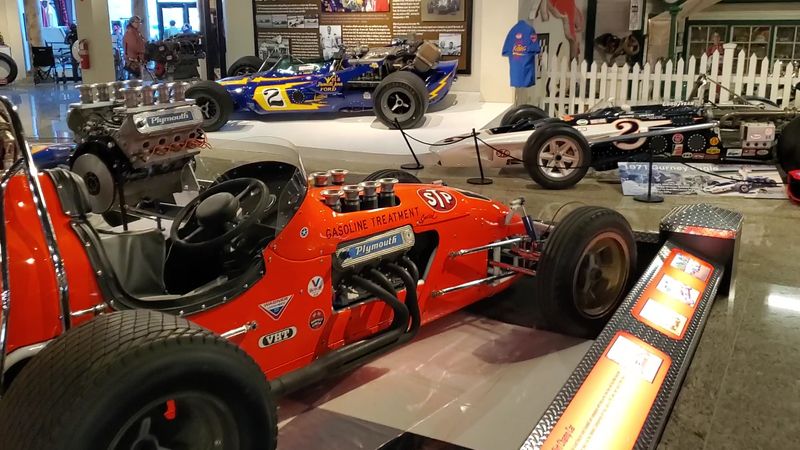
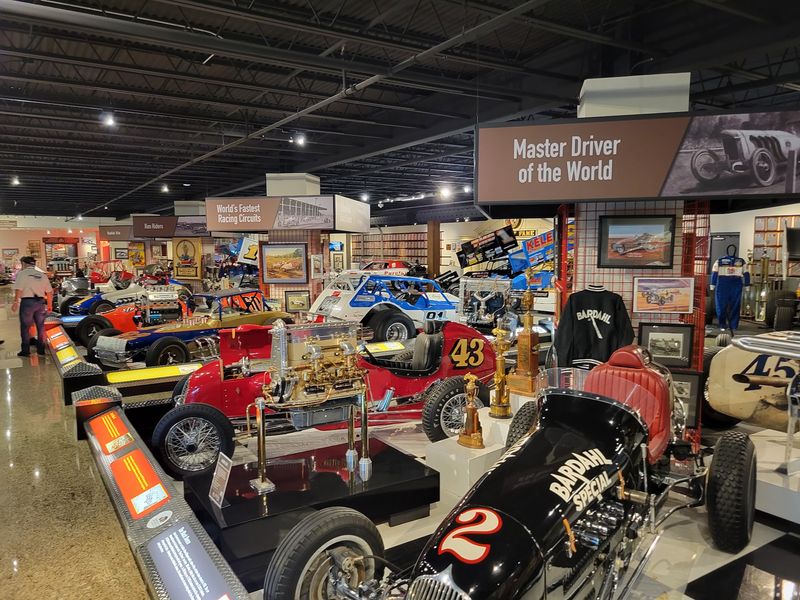
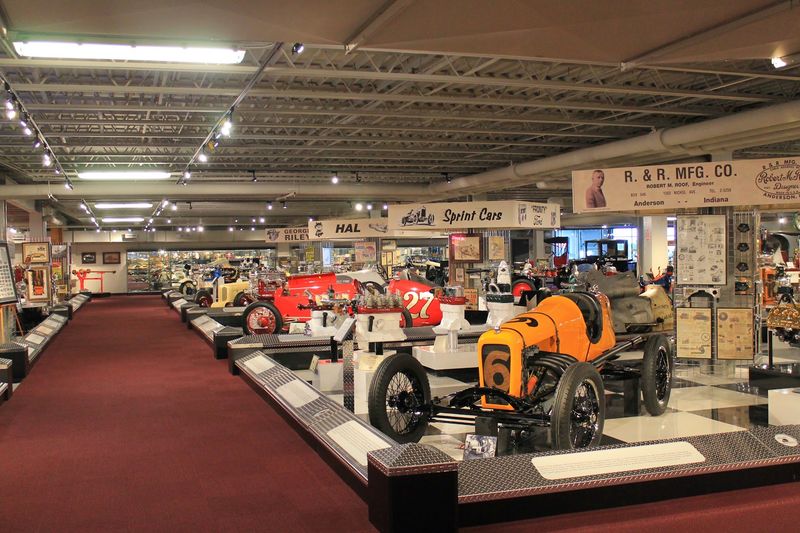
Turn a corner and a dragster stretches out in front of you, impossibly long and impossibly thin. The vehicle collection spans Indy roadsters, NASCAR stockers, off-road trucks, hot rods, muscle cars and land speed record machines, plus motorcycles and bicycles scattered through the halls.
Drag racing gets real estate here, which is uncommon. Cars, engines, parts and the stories behind them fill a section devoted to a discipline most museums mention in a single panel and move past.
The Unser family display draws people who grew up watching Indianapolis every May. Rocket-powered and streamlined land speed cars represent the other extreme, machines built for one straight run across a dry lakebed.
Video screens throughout play footage of the drivers and builders, which fills in what a static car can’t. Placards run long and specific, naming who turned the wrenches and where the thing raced.
Tether cars and Soap Box Derby racers round out the wheeled inventory. Essentially anything Americans strapped an engine to, or pushed downhill for a trophy, has a spot somewhere across these three levels.
Rooms Full Of Pedal Cars And Lunchboxes
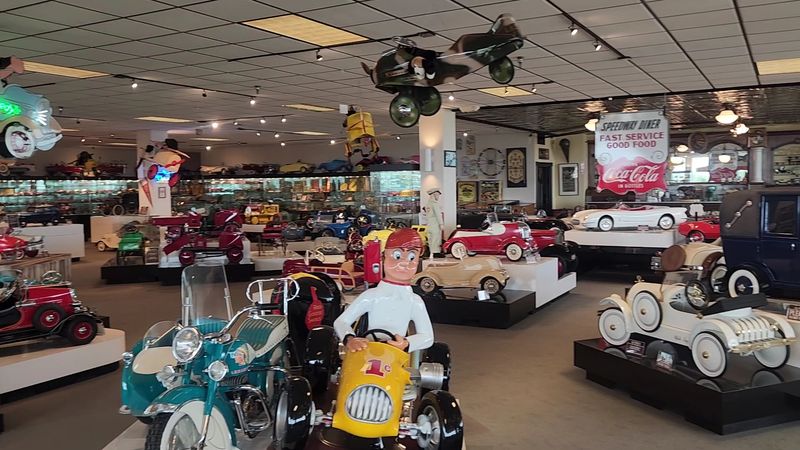
Over 300 vintage pedal cars, and every one of them shined. The pedal car rooms make up one of the largest such collections on earth, and they hit hardest for anyone who once had a metal car in the driveway with the paint worn off the nose.
Shelves hold tin wind-up toys, motorized models, and a wall of lunchboxes bright enough to stop a conversation. Antique gas pumps stand in a row, porcelain signs still readable.
Buck Rogers memorabilia occupies its own display, a reminder that Speedy Bill’s collecting instinct ranged well past camshafts. There’s a music room too, hung with autographed guitars, because why not.
Parents come in expecting to explain engines to bored children and discover the children are the ones pointing. Pinewood Derby builders find a decade’s worth of ideas in twenty minutes.
The toys do something the race cars can’t. They connect the machinery to ordinary Nebraska childhoods, to sidewalks and garages and Christmas mornings, which is exactly why so many adults linger longest in these rooms.
Volunteers Who Know Every Serial Number
Ask a simple question here and set aside ten minutes. The floor staff and volunteers carry the sort of knowledge that comes from having lived through the racing they’re describing, and they answer with obvious pride in what surrounds them.
Guided tours are available, though wandering works fine given how clearly the building is laid out. Either way, someone is usually nearby to explain why a particular engine mattered.
Cleanliness borders on the absurd. Not a speck of dust on the paint, no smell of oil or fuel anywhere in 250,000 square feet, which for a building packed with machinery takes serious effort.
Accessibility holds up well too. Elevators reach all three floors, loaner wheelchairs and a walker are available, and seating is spread throughout the exhibits, which matters on a visit that can easily run four hours.
Interactive touches break up the walking. A build-your-own race car Lego station keeps younger visitors busy, and a Model T driving experience has been offered for people who want to feel the era rather than read about it.
Who Actually Enjoys Three Floors Of This
Gearheads are the obvious audience, and they behave predictably: four hours in, still on the second floor, reading every card. But the crowd skews broader than the subject suggests.
People with zero interest in cars walk out impressed, largely because the collection is presented as history and craftsmanship rather than a parking lot of shiny objects. Grandparents recognize engines from tracks they attended.
Four-year-olds lose their minds over the dragsters.
School field trips fit the building well, with enough variety across the levels to hold a class’s attention and enough written detail to justify the ride. Retirees get elevators, benches and no weather to fight.
Rain makes it better. When a Nebraska road trip gets washed out, three indoor floors solve the afternoon completely, which is how a fair number of out-of-state travelers end up here by accident and leave calling it the highlight.
One visit rarely covers everything. Coming back a second and third time and still finding unseen rooms is a normal outcome, not an exaggeration.
Budget a few hours minimum.
Getting There And Planning The Stop
The address is 599 Oakcreek Drive in Lincoln, out in the northwest corner of the city near the Interstate 80 and West O Street area, which makes it an easy pull-off for anyone crossing Nebraska.
From Omaha it’s roughly an hour west. From Grand Island or Kearney, a straight shot east on the interstate.
Parking sits right outside the door, free and uncomplicated, with no downtown meters to feed.
Doors open at ten in the morning, and the museum is closed Sundays. Saturday hours have varied over the years, so a quick check before loading up the car saves disappointment.
Admission runs reasonably for the volume of collection behind it, the kind of price that surprises people on the way out rather than the way in. Family rates make it a workable weekend outing.
Arrive early. Showing up an hour before closing means seeing maybe one floor, and there is no version of this place that rewards rushing.
Rainy weekends fill up faster, so a weekday morning gives you the quietest walk through.
Nebraska’s Loudest Quiet Building
Few states can claim a collection like this, and fewer still would keep it behind a plain industrial facade on a side street. Yet that mismatch is half the appeal: no grand plaza, no ticket lines, just a door and then 800 engines.
Speedy Bill and Joyce Smith built something that outgrew hobby status long ago and now functions as the national record of American racing engineering. It happens to sit in Lincoln because that’s where he started selling parts in 1952.
Nebraskans looking for a day out that doesn’t require a hotel room will find this about as efficient as it gets. Three floors, a few hours, an afternoon that holds up for a nine-year-old and a seventy-nine-year-old at the same time.
Bring comfortable shoes and lower your expectations about seeing everything. You won’t, and that’s the point.
Drive out once and the building stops looking like a warehouse forever. Every trip past Oakcreek Drive afterward comes with the knowledge of what’s stacked inside those walls.