One Of America’s Oldest Monasteries Sits In Kentucky, And Its Monks Still Make Fudge By Hand
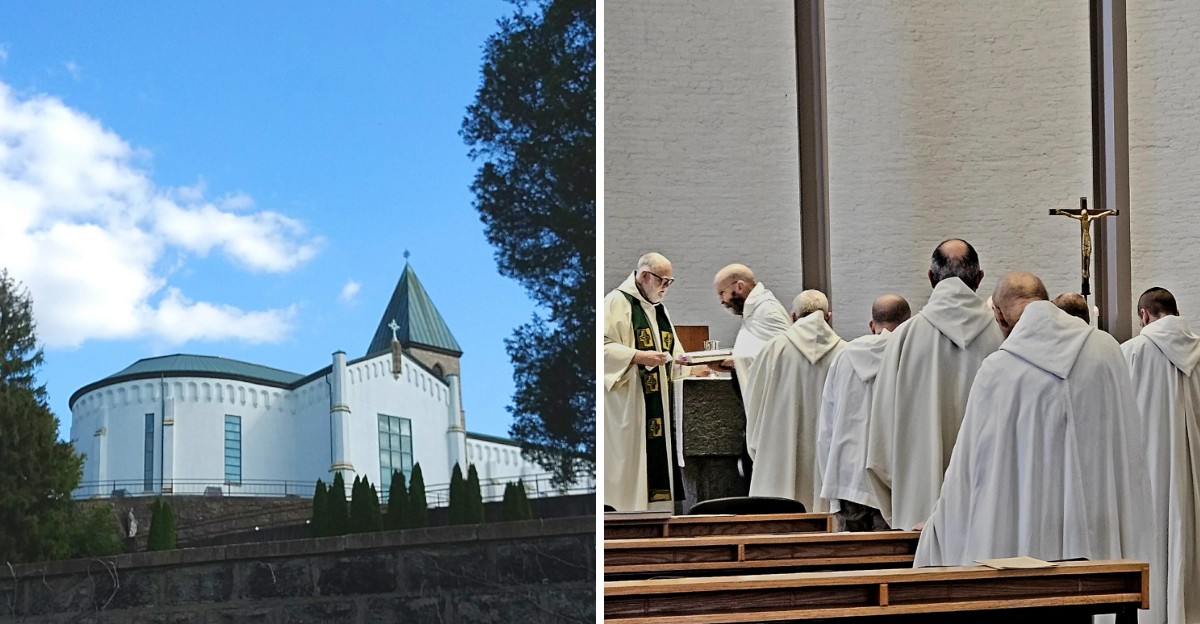
Monks who rise for prayer at 3:15 a.m. also run a fudge operation that once turned out 71,000 pounds in a single year. Yes, really, and that number stopped me cold.
These monks live by prayer, work, and a whole lot of silence. Their candy helps keep their quiet home running, and the fudge recipes go back to 1991.
I admire how something so peaceful also produces something so delicious. The same community has baked fruitcakes since 1955, so the sweet tooth clearly runs deep around here.
The monastery itself dates to 1848, deep in the rolling Kentucky countryside, and it still welcomes curious visitors every week. I can’t imagine a better excuse for a road trip than chocolate made by monks.
You Are Looking At The Oldest Trappist Home In America
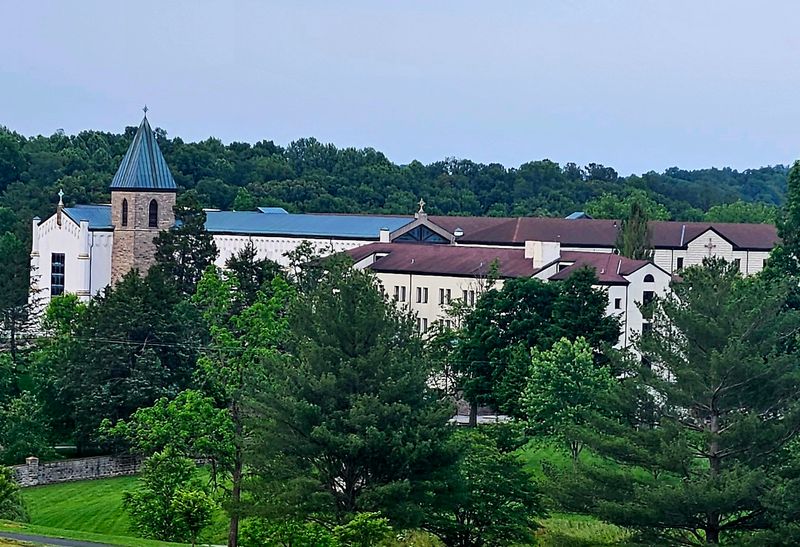
A group of Trappist monks traveled from Melleray Abbey in France to establish a new monastery in Kentucky.
They arrived in the Kentucky hills and founded the Abbey of Our Lady of Gethsemani on December 21, 1848.
That date matters more than you might expect. The Abbey of Gethsemani is the oldest continuously operating Trappist monastery in the United States.
It also carries a fancy title that sounds like something from a family reunion. Gethsemani is considered the motherhouse for every Trappist and Trappistine monastery in the country.
Think of it as the grandparent of American monastic life. Other communities trace their roots straight back to these Nelson County fields.
Today, the abbey remains home to a community of Trappist monks. They still follow a rhythm of prayer, work, sacred reading, silence, and simplicity.
The monks describe their community as a school of the Lord’s service. I love that phrase because it suggests everyone here is still learning, even after decades.
Nothing about this place feels like a museum frozen in time. It is a working, praying community that happens to have more than 175 years of history behind it.
That living quality makes a visit feel personal. You are stepping onto ground where the daily routine never really stopped.
You will find the Abbey of Gethsemani at 3642 Monks Road, Trappist, Kentucky. It sits in Nelson County, not far from Bardstown, Kentucky.
Fudge Is The Sweetest Way These Monks Pay The Bills
Seventy-one thousand pounds. That is how much fudge the monks produced in 2016, which is a mountain of chocolate for a community devoted to quiet.
The fudge is not a side hobby or a cute gimmick. It helps the monks support themselves and the abbey, which fits the Trappist tradition of living by the work of their hands.
Production started in 1991, and the lineup has grown since then. The original chocolate version comes with finely chopped pecans for a little crunch.
Fans of lighter flavors get a butter walnut option made with white chocolate and English walnuts. Purists can grab classic chocolate fudge with no nuts at all.
Then things get fruity. A chocolate red raspberry fudge joins the party, along with a mint fudge introduced in 2011 that uses dark chocolate, spearmint, and peppermint.
Here is a handy tip straight from the monks. Refrigerate the fudge when it arrives, then let it sit at room temperature before serving.
That small step helps the flavor shine and makes cutting much easier. Nobody wants to wrestle a brick of cold chocolate when dessert should be relaxing.
Fruitcake Fans Finally Get The Respect They Deserve Here
Fruitcake jokes have been around forever. The monks at Gethsemani have been quietly ignoring them since 1955.
That was the year this community started baking fruitcakes, decades before the fudge ever showed up. So if you think of the fudge as the star, the fruitcake is really the wise older sibling.
These cakes became a big part of how the abbey supports itself. They are sold through Gethsemani Farms, the monks’ own store, along with plenty of other treats.
Cheese once made the list too, but the monks eventually stopped producing it. Products change over time, even at a place built on steady routines.
The shelves still offer more than cake and candy. Preserves and jellies show up, and sometimes you might spot creamed honey, biscotti, handmade pottery, or fair-trade coffee.
Can’t make the drive? Gethsemani Farms also sells through mail order and online, so the goodies can travel to you.
Honestly, a box of monk-made fruitcake might be the gift that finally changes someone’s mind. It is hard to tease a dessert with this much history and care behind it.
Plan Your Trip Around The Welcome Center Hours
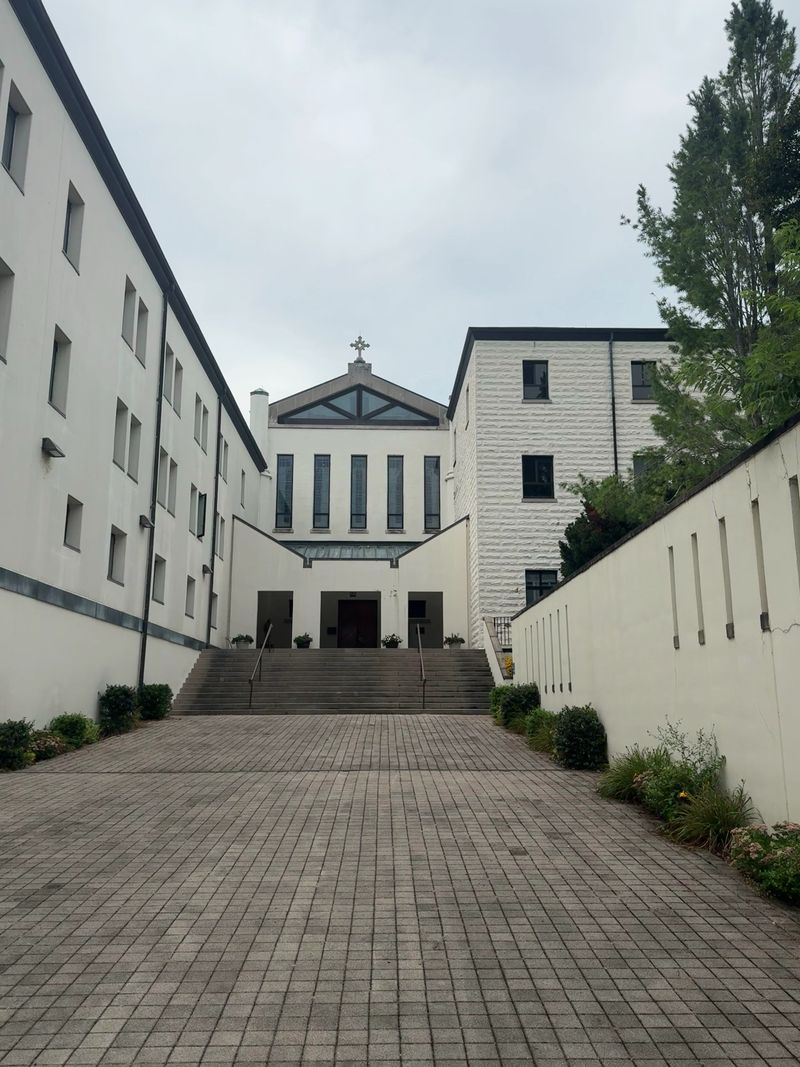
Sunday is the one day to skip if you want shopping. The Welcome Center and Gift Shop open Monday through Saturday, while Sunday stays closed.
Hours generally run from about 9 or 10 a.m. until 5 p.m. Saturday tends to open a little earlier, and seasonal changes can happen, so check before you go.
Inside the Welcome Center, a film and displays explain what monastic life at Gethsemani really looks like. It is a smart first stop before you wander anywhere else.
Why start there? The monks’ living areas are private and not open for tours, so the film gives you a respectful peek behind the walls.
Right next door, the gift shop holds the fudge, fruitcake, and other monk-made goods. It is also a great place to browse books on spiritual life.
Give yourself time to watch, browse, and breathe. Rushing through a monastery feels a bit like speed-reading a poem.
Those Brick Walls Were Made Right On The Property
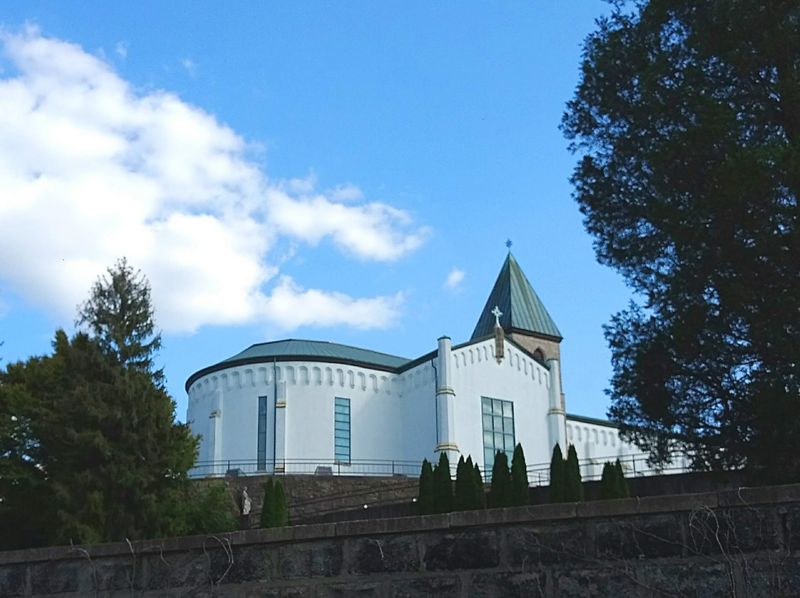
Building a monastery in the 1850s took serious muscle. Construction on the main building began in 1852, only a few years after the monks arrived.
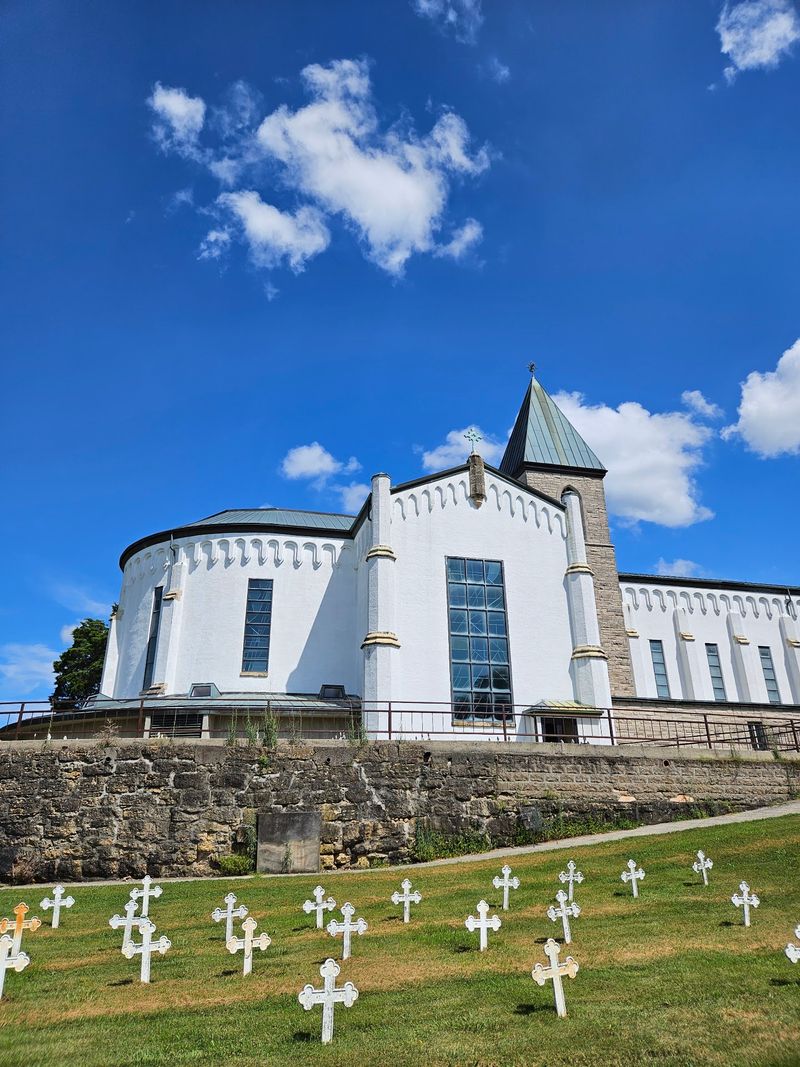
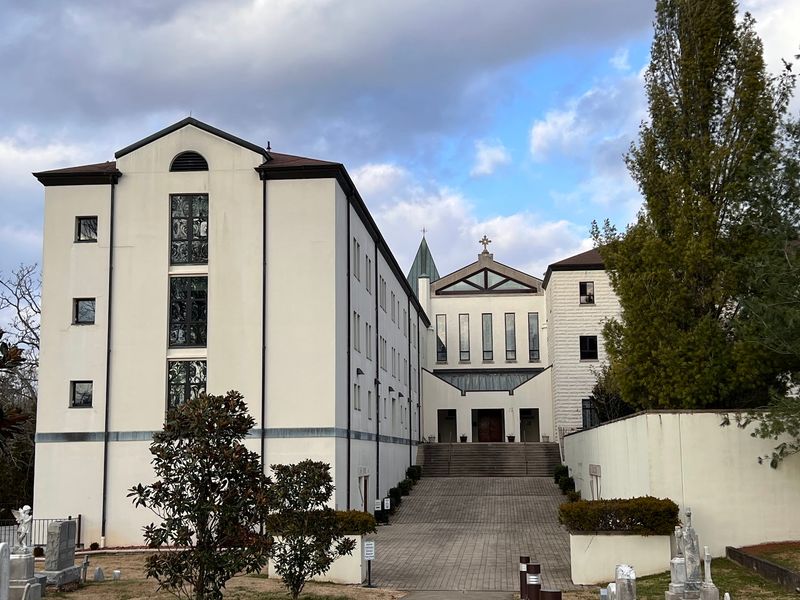
Architect William Keely designed it in a Neo-Gothic style. He took inspiration from Melleray Abbey, the French home the founding monks had left behind.
I find that detail kind of touching. The monks crossed an ocean, then built a reminder of where they came from.
The bricks were not shipped in from some faraway factory. They were produced right on site, which tells you a lot about the hands-on spirit of the place.
Limestone came from Indiana to help finish the job. Mixing local brick with neighboring stone gave the abbey a solid, lasting presence in the Kentucky landscape.
Neo-Gothic design usually means pointed arches and a sense of height. It draws your eyes upward, which seems fitting for a building centered on prayer.
Visitors can enter the church area for services and quiet reflection. The private monastic quarters stay off-limits, but the setting still speaks volumes from the outside.
Early Birds Can Pray With The Monks Before Sunrise
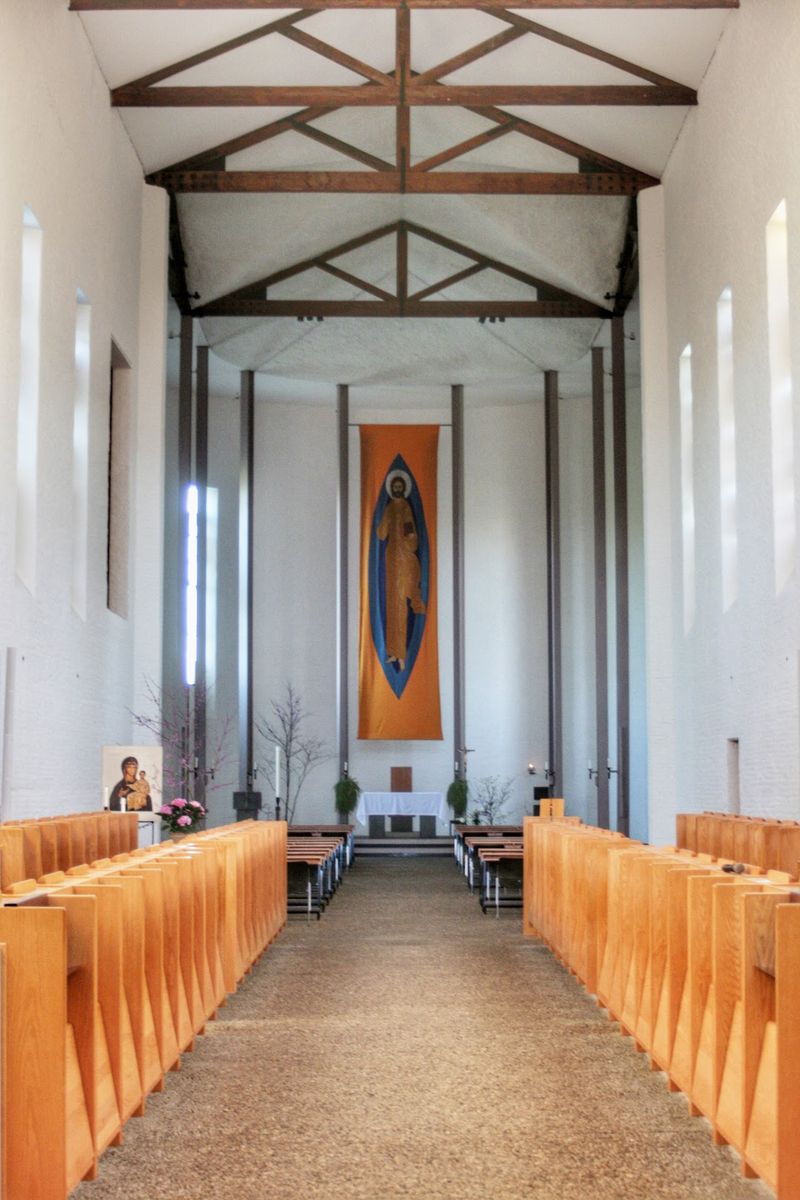
3:15 a.m. That is when the first prayers of the day begin, long before most of us have even hit snooze once.
Visitors are welcome to join the monks for church services. Options include daily Mass and the Liturgy of the Hours, which are prayers spread throughout the day and night.
You do not have to show up in the dark to take part. Services continue at set times, so a midday visit can still line up with prayer.
The monks chant during these hours, and the sound fits the calm of the place perfectly. It is simple, steady, and unhurried.
Silence is strongly encouraged, especially near the monastery buildings. Leave the loud phone calls in the car and let the quiet do its work.
Not Catholic? That is no problem for visiting or attending services as a respectful guest.
I think there is something brave about letting strangers into your daily prayer. The Abbey of Gethsemani does it every day, and that openness says plenty about this community.
Bring Good Shoes Because The Trails Go On For Acres
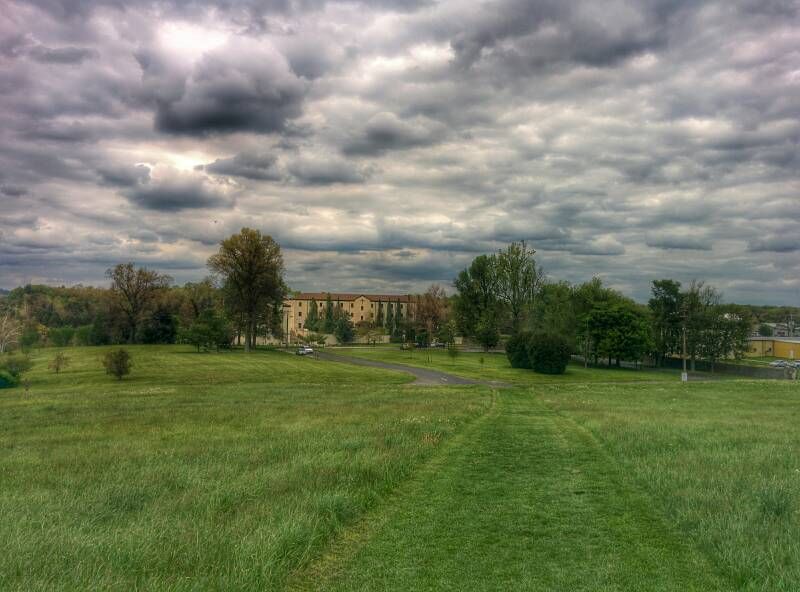
The abbey sits on a 2,000-acre working farm. That is a whole lot of room to roam for a place famous for staying put.
Across the road from the monastery, roughly 1,500 to 2,000 acres of woods and fields are open to the public. Nature trails wind through it all for walks and hikes.
Maps are available at the Welcome Center, so grab one before heading out. Getting lost in a monastery forest sounds poetic until dinner time arrives.
The land rolls with the knobs and hills typical of this part of Kentucky. Some paths feel easy, while others ask your legs for a little more effort.
Hiking here pairs nicely with the abbey’s quiet spirit. You can walk, think, and listen to nothing but birds and your own footsteps.
It is also a great way to balance out a fudge purchase. A few miles on the trail and that extra square feels completely earned.
Pack water, wear sturdy shoes, and keep voices low. The silence out here is part of the scenery.
A Famous Writer Called This Quiet Place Home For Decades
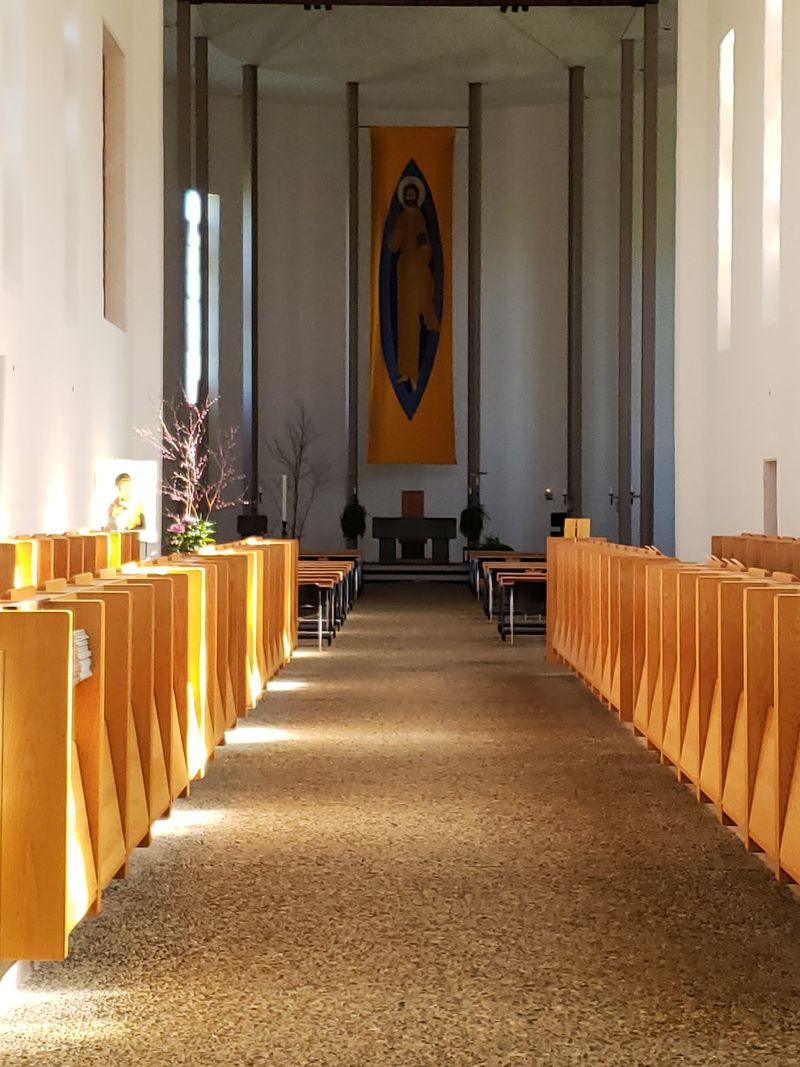
Thomas Merton arrived at Gethsemani in 1941. He went on to become one of the most influential spiritual writers of his time.
Merton was a monk, an author, and a social activist. His books reached readers far beyond monastery walls, and they still draw people to this corner of Kentucky.
He lived at the abbey until 1968. His resting place is right here on the grounds, which gives fans a meaningful reason to visit.
That mix of deep silence and big ideas is fascinating. A man who lived such a quiet life somehow spoke to millions.
The gift shop carries spiritual reading, so it is a natural spot to look for his work. Picking up a Merton book after visiting his home feels like reading with the lights on.
You do not need to be a scholar to appreciate his story. Knowing that a famous writer prayed in the same church adds weight to every quiet moment.
Treat the grounds with care and keep conversations soft. Many people come here simply to pay their respects.
Stay A Few Nights And Let The Silence Do Its Thing
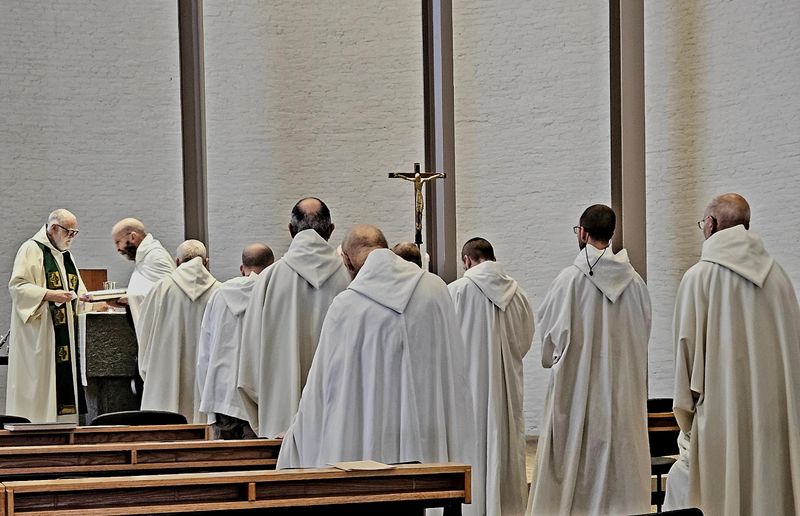
Some visitors want more than an afternoon. For them, the Retreat House offers silent, self-guided retreats all year long.
These retreats are open to men and women of all faiths. You do not need a church résumé to book a stay.
Lodging comes with three meals a day, so there is no need to plan dinner runs into town. The focus stays on rest, reflection, and stepping away from noise.
Self-guided means you set your own pace. You can join the monks for prayer, read, walk the trails, or simply sit and think.
Silence is the main feature here, and that might feel strange at first. Our world rarely gives us a full day without chatter or notifications.
I believe that kind of quiet can be a real gift. Even a short stay could reset a busy brain better than any vacation full of plans.
Reservations are needed, so plan ahead before you pack. Then leave room in your suitcase, because heading home from the Abbey of Gethsemani without fudge seems like a missed opportunity.