One Of Connecticut’s Largest Lakes Is Battling Invasive Plants That Threaten Its Waters
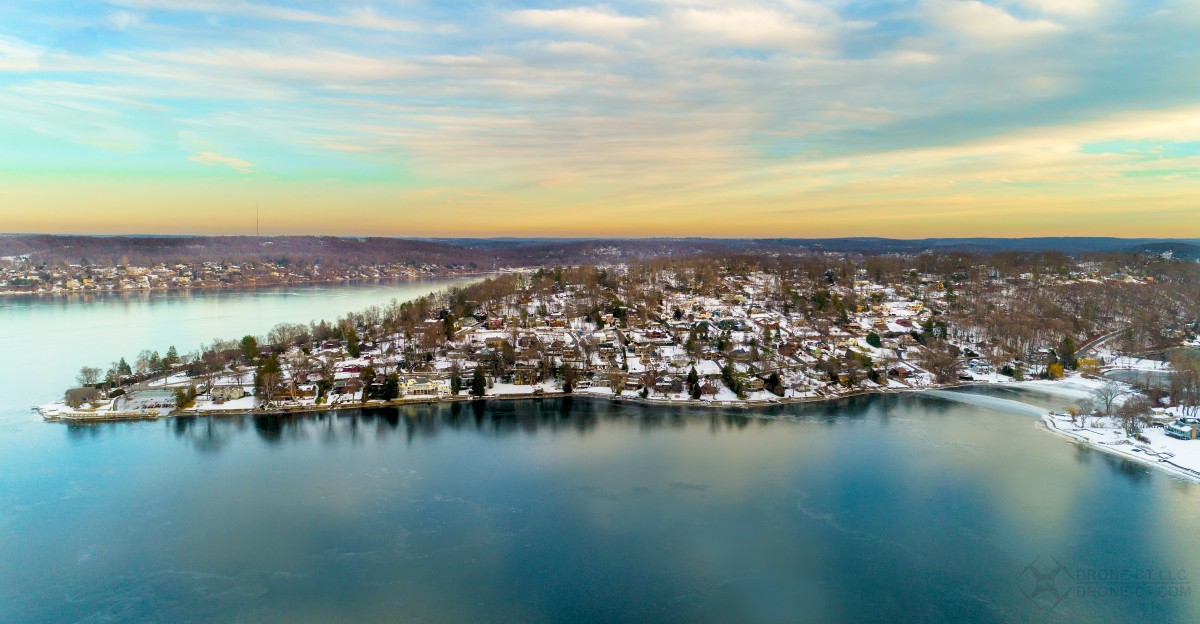
Everything looks lovely from the shore. The water sparkles, boats drift past, and people go about enjoying their day without giving much thought to what’s happening underneath.
But appearances can be a little sneaky.
Something troublesome has been spreading below the surface, and it’s causing quite a headache for those trying to protect this popular destination.
The strange thing about invasive plants is how harmless they can seem at first. They’re just plants, right? Well, not quite.
One of Connecticut’s largest lakes is dealing with a problem that could affect far more than its appearance, and managing it isn’t exactly a simple weekend gardening project.
Now here’s where it gets interesting. The work happening behind the scenes reveals just how much effort goes into keeping a beloved natural attraction healthy for everyone.
1. A Lake Built By A Power Company Has A Surprising Backstory
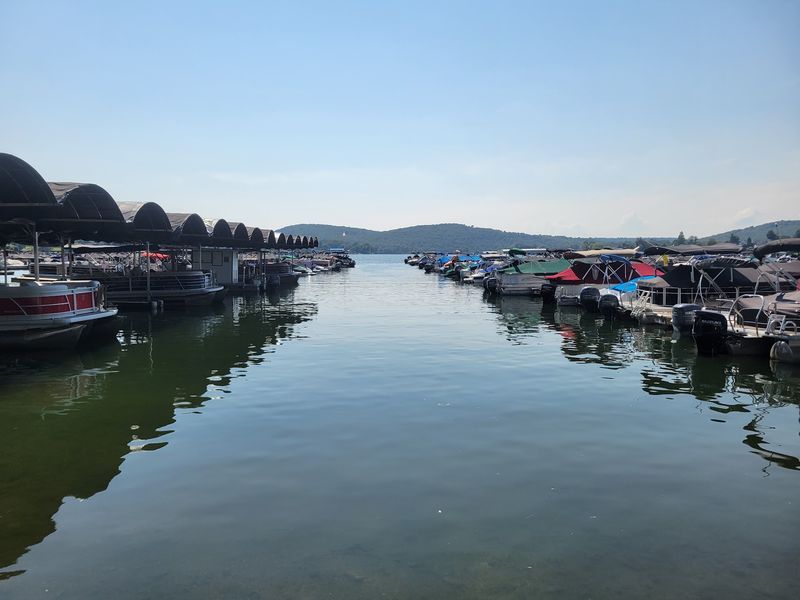
Believe it or not, this enormous lake is man-made! And its story began with electricity, not swimming or boating.
Candlewood Lake was created between 1926 and 1928 by the Connecticut Light and Power Company. The project transformed the landscape into a massive reservoir designed for producing hydroelectric power.
Its original purpose was pretty clever. Water could be pumped uphill into the reservoir, then released when electricity was needed.
Nearly a century later, Candlewood remains the state’s largest lake, covering approximately 5,420 acres.
That’s an impressive amount of water, especially considering how many communities share it.
Danbury, Brookfield, New Fairfield, New Milford, and Sherman all border the lake. Its winding shoreline stretches roughly 65 miles, creating countless places to explore.
Boaters also have 12 islands to discover, along with sheltered coves that give the lake its distinctive shape.
Beneath the surface, the water averages about 29 feet deep, with its deepest areas reaching approximately 85 feet.
But its artificial origins also bring unusual responsibilities.
Water levels are carefully managed for power generation, influencing conditions beneath the surface. That makes protecting the lake from invasive plants an ongoing challenge.
People created this remarkable landscape nearly a century ago. Now, keeping its waters healthy depends on them, too.
2. Meet The Weed That Moved In And Refused To Leave
Eurasian watermilfoil showed up at the lake in the 1970s. It was an uninvited guest with a serious appetite for space.
The plant has feathery leaves and grows in thick underwater mats. Those mats can crowd out native plants that fish and wildlife depend on.
At its peak, milfoil made up about 80 percent of the lake’s plant community. That’s like one kid hogging nearly the entire lunch table.
Thick weeds also cause headaches for people. They can tangle boat propellers and make swimming spots feel less inviting.
Milfoil spreads easily because small broken pieces can grow into new plants. A single stem fragment stuck on a boat can start trouble somewhere new.
That’s why the weed has been such a long fight for Candlewood Lake. The battle has stretched across decades, not just a few summers.
Still, the milfoil story teaches a useful lesson. Invasive plants rarely announce themselves, and they’re much easier to stop before they settle in.
Every boater who checks their gear helps keep the next milfoil-style surprise away. Small habits really do matter on a lake this size.
3. The Fish That Took Their Job A Little Too Seriously
Grass carp sounded like a clever answer to the milfoil mess. These fish love munching on plants, so officials stocked sterile grass carp in 2015 and 2017.
Being sterile meant the fish couldn’t reproduce. The plan was to keep their numbers controlled while they snacked on milfoil.
Then a June 2022 survey revealed a dramatic drop in overall aquatic plant life. The grass carp were named as a primary reason.
Turns out, the fish weren’t picky eaters. They chowed down on more than just their intended target.
Why does that matter? Native underwater plants give fish places to hide, feed, and grow.
Plants also help hold lake-bottom sediment in place. Fewer plants can mean a less balanced home for the creatures below.
Water level drawdowns also played a part in the plant shortage. Lowering the water can expose shallow areas where plants would normally grow.
The grass carp chapter is a great reminder that nature is complicated. Fixing one problem can open the door to another, so careful monitoring is key.
4. Anglers Can Actually Help With This Fishy Problem
Here’s a twist anglers will appreciate. Fishing has become one of the tools helping Candlewood Lake bounce back.
The Candlewood Lake Authority started a volunteer fishing program to reduce grass carp numbers. Regular people with rods and patience can pitch in.
This isn’t the only removal effort, either. Agencies have also worked on active grass carp removal across the lake.
Fewer carp means native plants get a real chance to regrow. It’s a lot like giving a garden a break from hungry rabbits.
Grass carp aren’t always easy to catch. They can be wary, so volunteers who join need to follow the program’s guidelines closely.
Plans call for further carp removals in the future. The goal isn’t to erase plant control but to find a healthy middle ground.
I love that this effort turns a hobby into conservation work. Spending a morning on the water suddenly feels like a public service.
If you fish, the lake authority is the place to learn how to get involved. Your next catch could make a small difference.
5. Underwater Cages Are Giving Native Plants A Safe Zone
Some of the coolest work at Candlewood Lake happens where you can’t see it. Researchers have been testing underwater enclosures to protect native plants.
Think of them as fenced gardens below the surface. Hungry grass carp can’t reach the plants growing inside.
The early results have looked promising. Native plants given protection have shown signs of growing back.
That’s exciting news for the whole lake. Healthy native plants support fish, improve habitat, and help keep the ecosystem steady.
Monitoring has increased too. Scientists keep closer tabs on what’s growing, where it grows, and how things change over time.
There’s even talk of possible reseeding with native plants down the road. That could help jump-start areas that have gone bare.
I like how hands-on this approach feels. Instead of just removing the bad stuff, it actively helps the good stuff return.
It also shows how science works in real life. Teams try ideas, measure results, and adjust before going bigger.
Next time you float over a quiet cove, remember what’s happening below. A small underwater garden might be quietly making a comeback.
6. New Invaders Are Knocking On The Door
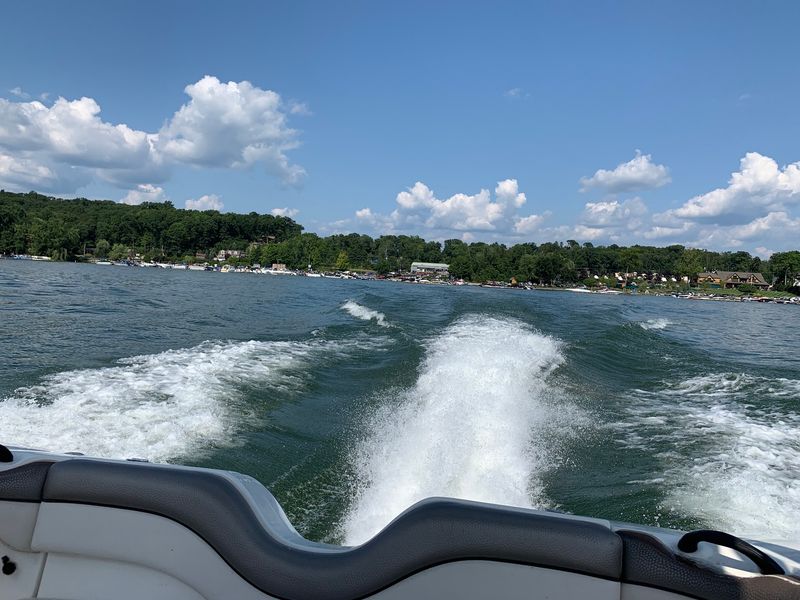
Milfoil and carp aren’t the only worries anymore. Several new invaders are already living in nearby waters.
Zebra mussels have shown up in the Housatonic River and in Lakes Zoar and Lillinonah. Those spots are close neighbors to Candlewood Lake.
These tiny striped mussels can attach to almost any hard surface. They can coat docks, rocks, and boat parts in crowded clusters.
Two invasive plants are on the watch list too. Hydrilla and water chestnut have recently been found in nearby water bodies.
Hydrilla can grow thick and fast beneath the surface. Water chestnut forms floating rosettes that can cover open water.
None of these would be welcome additions. Each one could make swimming, boating, and fishing tougher in this corner of the state.
The scary part is how they travel. Many hitch rides on boats, trailers, and gear moving from one lake to another.
Prevention beats cleanup every single time. Once an invader settles into a lake this large, getting rid of it becomes a huge, costly job.
7. Clean, Drain And Dry Is The Easiest Hero Move Ever
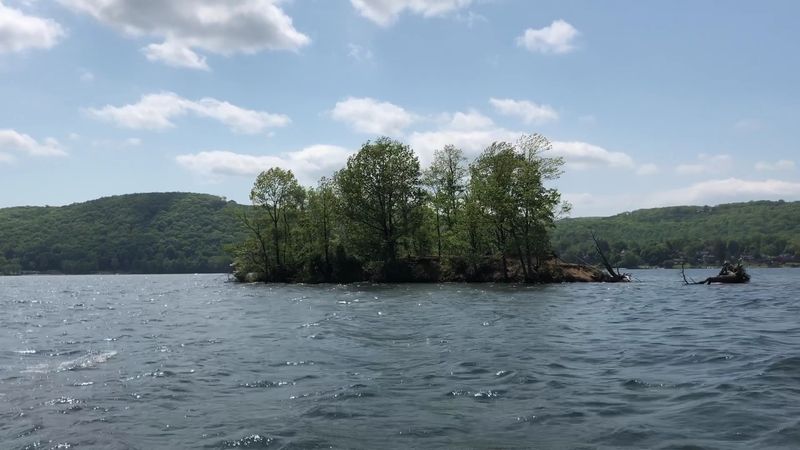
Three simple words can protect an entire lake. Clean, Drain and Dry is the rule authorities keep repeating for boaters.
Cleaning means removing plants, mud, and anything clinging to your boat or trailer. Check propellers, anchors, and ropes carefully.
Draining means letting out water from every spot that holds it. Livewells, bilges, and buckets can secretly carry tiny invaders.
Drying is where patience comes in. Boats that have been in infested waters may need up to 29 days to dry out properly.
That sounds like forever, I know. But zebra mussels and plant pieces can survive surprisingly long in damp places.
Paddlers need to follow the same steps. Kayaks, canoes, and paddleboards can carry hitchhikers just as easily as big motorboats.
Fishing gear counts too. Waders, nets, and tackle should get a good check before you head to Candlewood Lake.
The best part? This hero move costs you a little time and a towel.
If every visitor follows it, the lake stands a much better chance. Honestly, that’s a pretty great trade.
8. Summer Fun Is The Whole Reason This Fight Matters
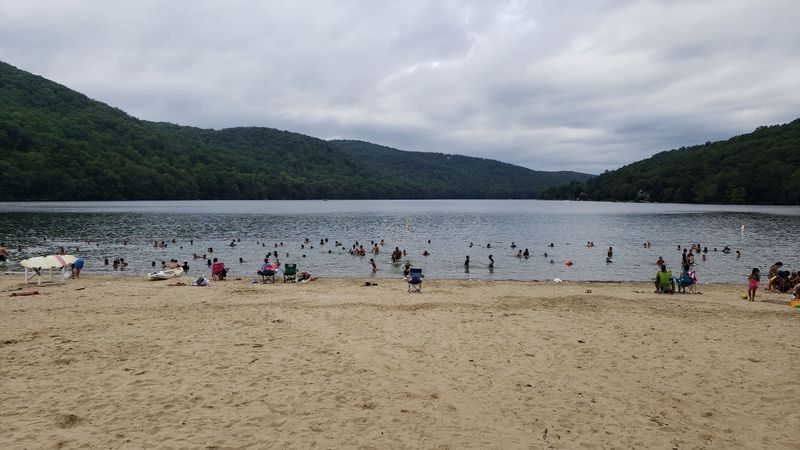
Boats, beaches, and big blue water make this lake a summer favorite. Protecting it isn’t just about plants and fish.
Candlewood Lake offers boating, water skiing, swimming, kayaking, canoeing, and fishing. The shoreline includes sandy beaches and marinas.
Squantz Pond State Park in New Fairfield sits beside Squantz Pond, a separate body of water connected to Candlewood Lake by a narrow channel. It’s a popular place for picnics and getting near the water.
Anglers chase species like largemouth and smallmouth bass, perch, crappie, and sunfish. Healthy plants help those fish find shelter and food.
Without balanced plant life, fishing could suffer. Too many weeds can also choke out boating fun, so balance really is the sweet spot.
Public access can take some planning. Some beaches and parking areas fill up or have rules, so checking ahead saves headaches.
Paddlers often prefer calmer hours. Busy summer afternoons bring plenty of motorboat traffic on popular stretches.
Every swim, cast, and paddle depends on clean, healthy water. That’s a pretty good reason to care about what’s growing below.
9. Winter Turns The Lake Into A Totally Different Playground
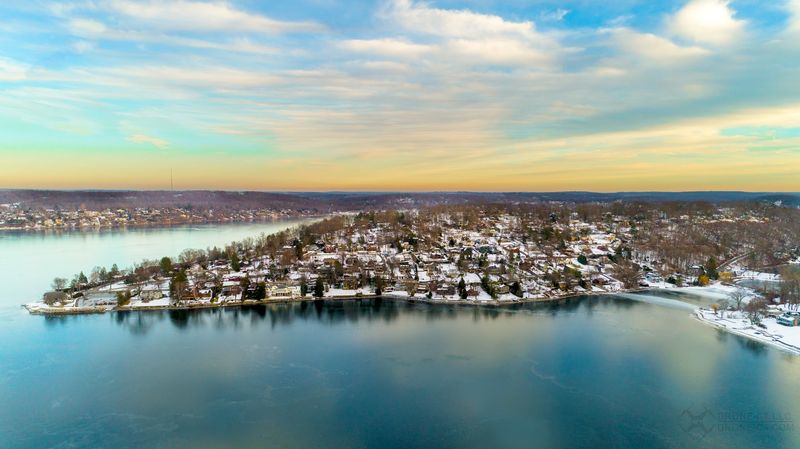
Cold weather doesn’t shut this lake down. Candlewood Lake shifts into winter mode with ice skating, cross-country skiing, and ice fishing.
It’s a whole new way to enjoy the same water. The busy summer scene gets replaced with quiet, frosty views.
Ice safety always comes first, of course. Conditions can change, so checking local guidance before stepping out is smart.
Winter is also a reminder that the lake’s story continues year-round. Water level drawdowns often happen in colder months.
Those drawdowns can affect shallow plant beds. That’s one reason scientists keep a close watch on the lake through every season.
Ice anglers should remember invasive species rules too. Gear moved between lakes can still carry unwanted passengers.
I can’t imagine a better way to appreciate the lake than seeing it in every season. Summer gets the attention, but winter has its own charm.
Caring for this treasure is a year-round job. The more people love it, the better its chances of staying healthy for generations.