One Of Florida’s Biggest Fall Fairs Returns With Rides, Livestock Shows, And Classic Fair Food
I went for a corn dog and stayed until my shoes were covered in sawdust. Florida does not do falling leaves, but it does a fall fair on the Gulf Coast that can swallow a whole evening.
The grounds fill with spinning lights, show cattle, blue ribbons, and the smell of funnel cake drifting over everything. Bring an appetite and comfortable shoes, and plan to lose track of time.
1. Where the Gates Swing Open
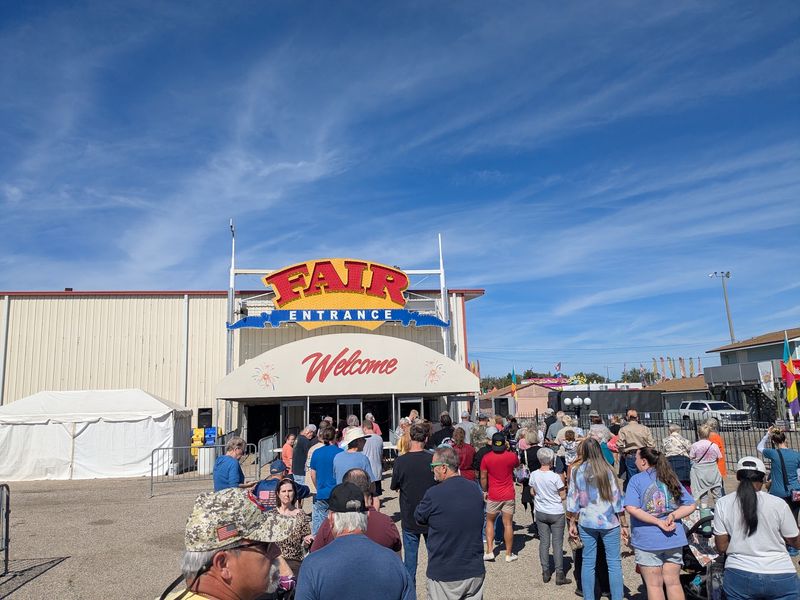
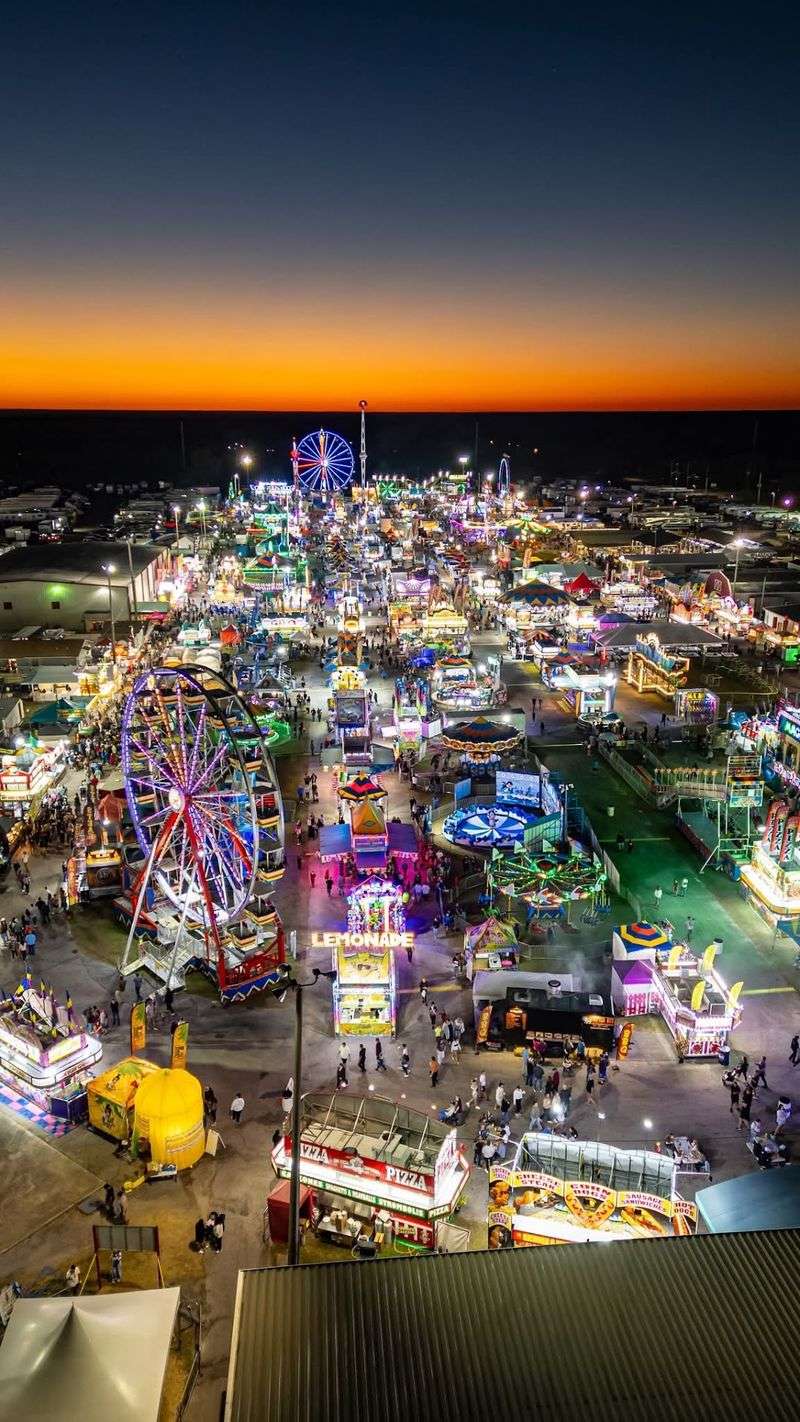
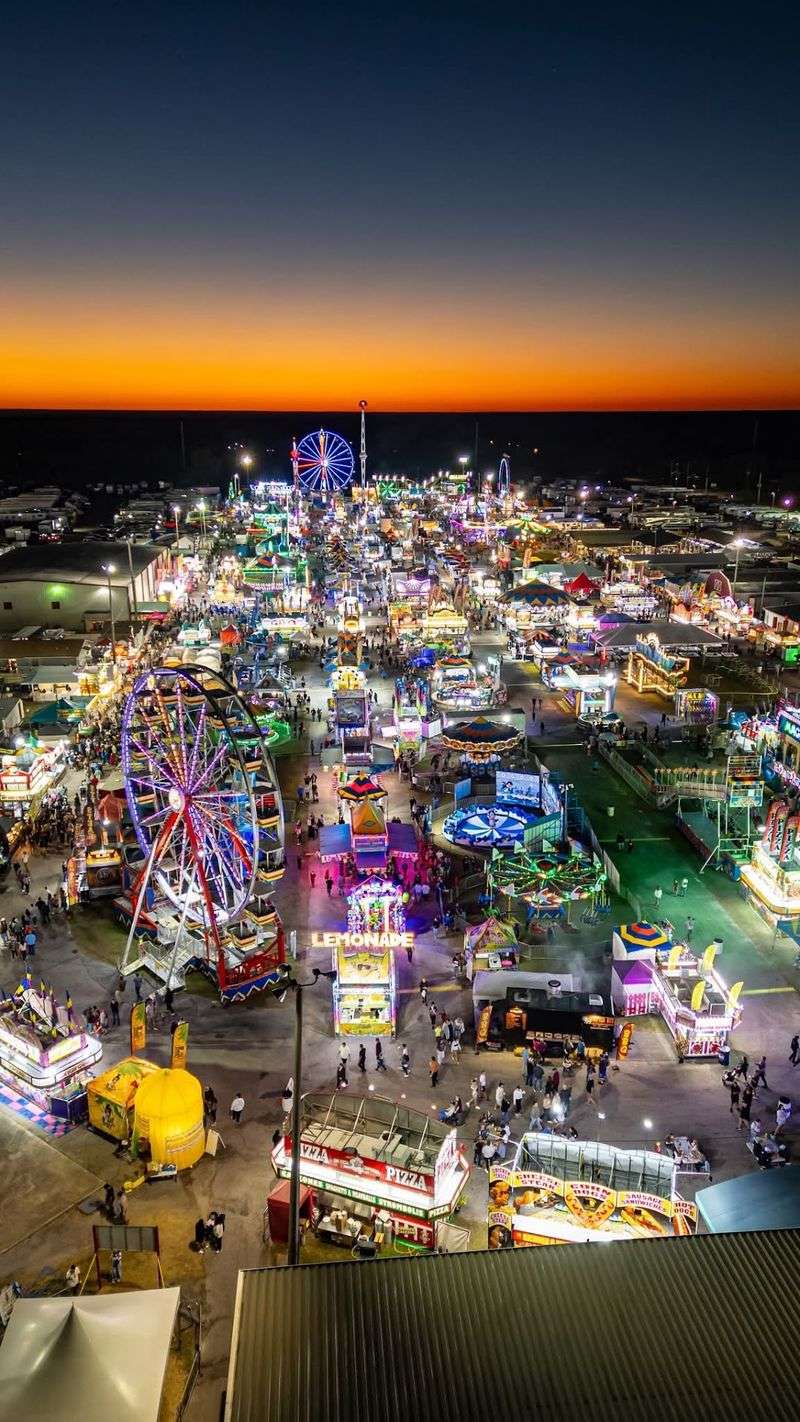
From the parking field, the fairgrounds look like a plain stretch of flat Panhandle land with some metal barns and a ticket booth. Then the sun drops, the Ferris wheel lights up, and the whole place changes character in about ten minutes.
The Pensacola Interstate Fair is the largest event of its kind on the Gulf Coast, and it runs for eleven days each fall. The 2026 edition is scheduled for October 22 through November 1, a window that lands right as Florida finally cools off enough to enjoy an evening outdoors.
Why does the arrival matter so much? Because the layout rewards a plan.
Barns and exhibit halls sit on one side, the midway sprawls across the middle, and food stands line nearly every walkway between them. A quick lap before buying ride credits helps sort out what comes first.
The drive is easy, too. Pensacola sits at the western tip of Florida, just off I-10, roughly three hours west of Tallahassee and a short run from the Alabama line.
On weekday nights, gates open in the late afternoon, with earlier starts on weekends.
The fair is held at the Pensacola Interstate Fairgrounds, 6655 Mobile Highway, Pensacola, Florida.
2. Fifty Rides and a Nervous Stomach
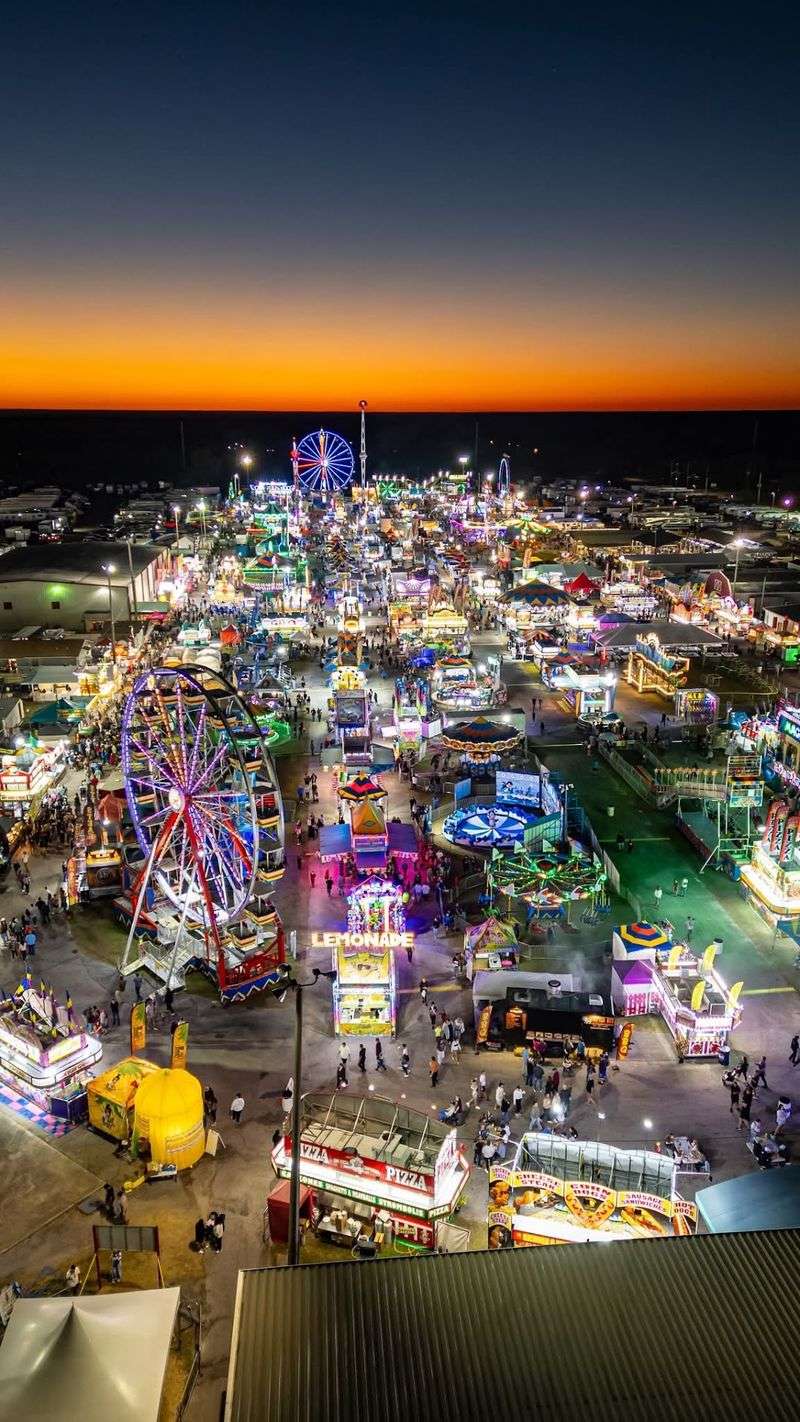
More than fifty rides crowd the midway, and I counted my courage running out somewhere around the fourth one. The spread covers everything from teacup spinners and tiny cars for small children to towering swing rides that fling riders out over the crowd.
Screams mix with calliope music and the clack of game booths. A dad in a sweat-soaked cap held three stuffed bananas while his kids went around a spinning coaster for the second time, looking like a man who had made peace with his evening.
Here is the strategy part. Ride early, eat later.
Nobody wants a turkey leg rattling around on a drop tower, and the lines for the biggest rides tend to grow once the dinner crowd arrives. Weeknights move faster than Saturdays.
Advance ride deals and discounted wristbands show up before opening, so checking the official fair site ahead of time can stretch a budget. Height charts sit at the front of each ride, which spares small riders a disappointing walk to the gate.
Kiddie rides cluster in their own zone, a smart setup for anyone pushing a stroller. Big thrills stay closer to the center, where the lights burn brightest after dark.
3. Steers, Sheep, and Serious Kids
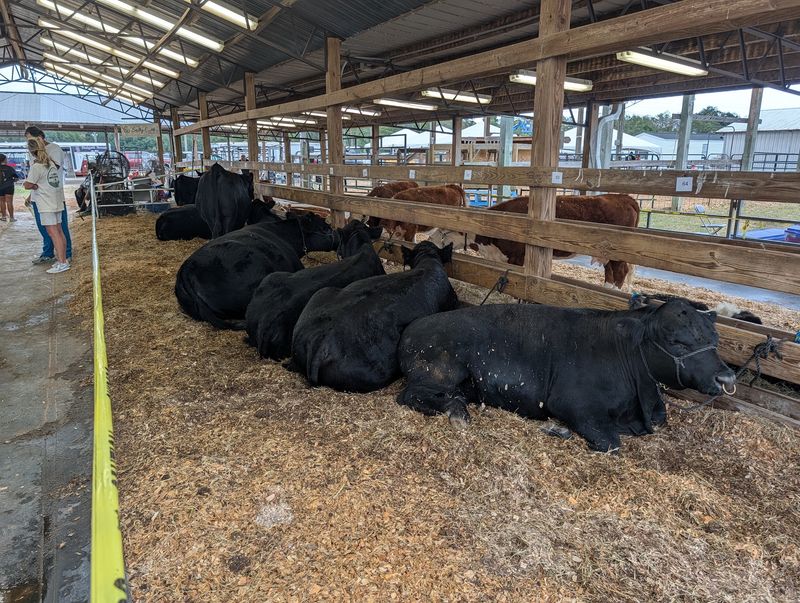
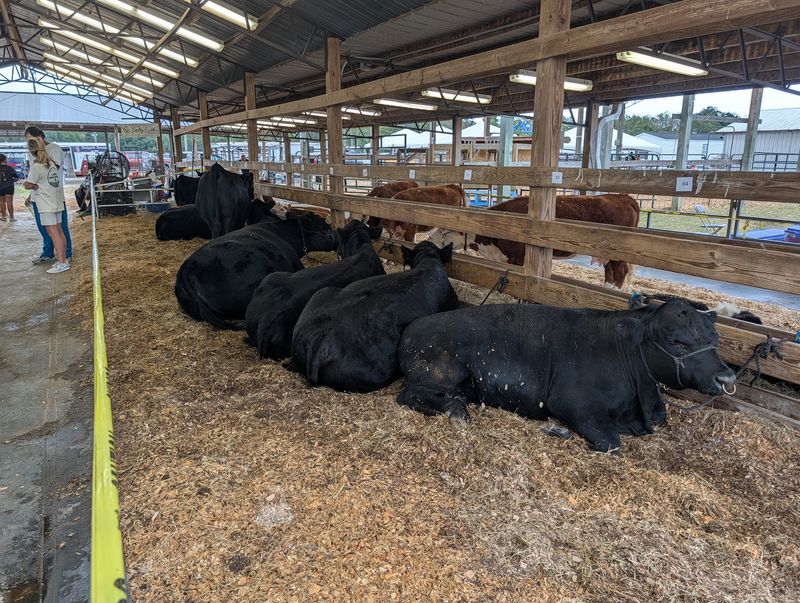
Sawdust, hay, and warm animal smell hit first. Inside the livestock barns, the fair shows the side that existed long before the first ride ever spun.
Young exhibitors from 4-H clubs and FFA chapters spend months raising steers, hogs, goats, and sheep for these shows. The Youth and FFA Steer Show is a highlight, with teenagers in pressed jeans guiding animals that outweigh them many times over, all while a judge studies posture, muscle, and handling.
A girl of maybe fourteen brushed her steer’s tail with a comb as carefully as a stylist before a wedding. Nobody rushed her.
Everyone in that barn understood the stakes.
The 4-H and FFA Livestock Auction follows, and it carries real weight for these young farmers. Local businesses bid on animals, and the money often goes toward college savings or next season’s project.
Show schedules shift from day to day, so check the fair calendar before driving out if a particular class matters. Barns stay open for strolling between events, and the exhibitors answer questions about feed, breeds, and grooming with surprising patience.
For kids raised on grocery store milk, it may be the best lesson on the grounds.
4. Fried, Sugared, and Served on a Stick
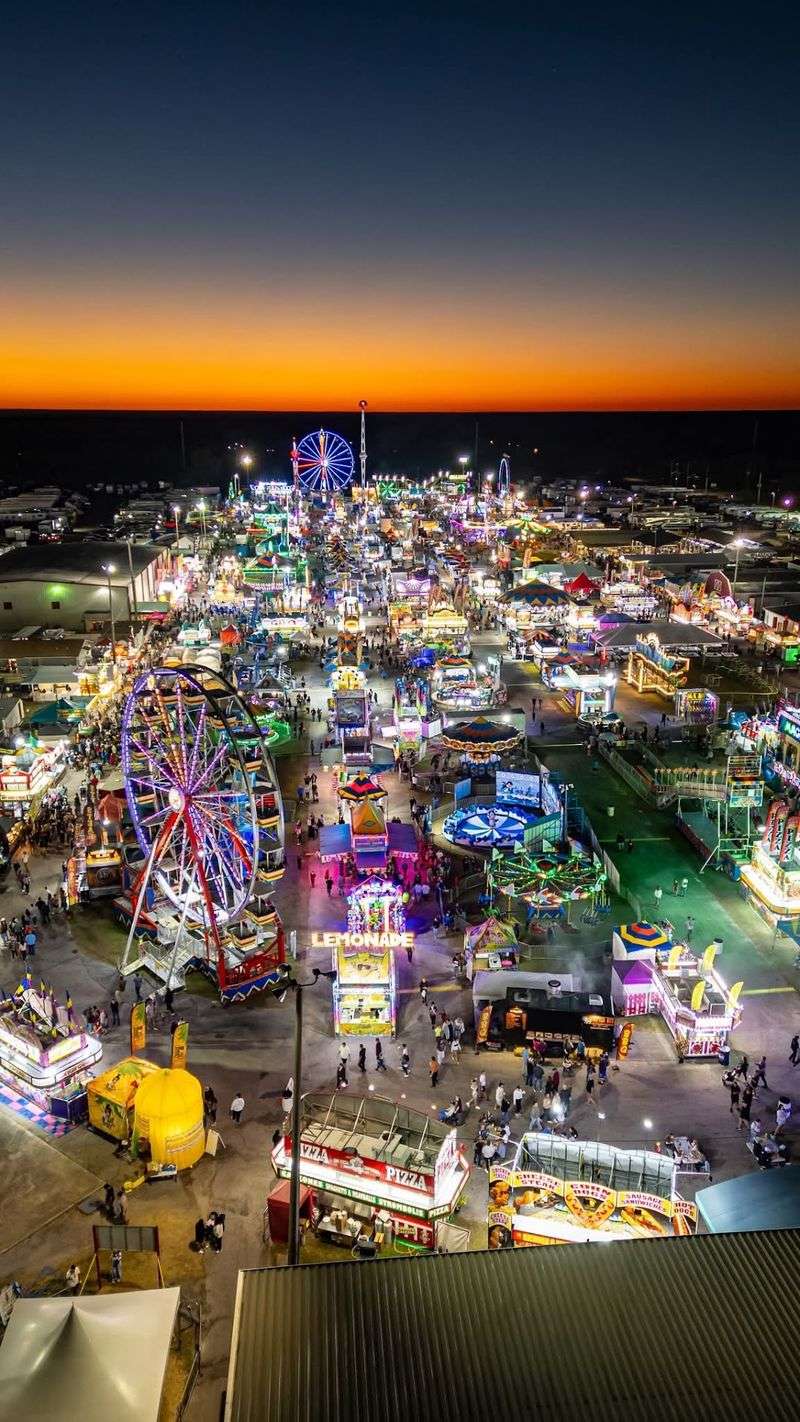
Save room. Seriously, save room, because the food stands here do not believe in restraint.
The lineup reads like a greatest hits album of fair eating. Corn dogs, funnel cakes buried in powdered sugar, smoked turkey legs, cotton candy, candy apples, kettle corn, fresh-squeezed lemonade, cheese curds, and sausages piled with peppers and onions all compete for attention along the walkways.
Then come the deep-fried experiments, the kind of treats that make sense only under carnival lights. Fried candy bars and fried cookie dough tend to appear, and I ate one, looked at my napkin, and felt both proud and slightly concerned.
What works best is sharing. A funnel cake split four ways leaves space for a corn dog, a lemonade, and something ridiculous later.
Small bites, many stops.
Prices land in typical fair territory, so a family grazing through dinner should budget accordingly. Picnic tables sit near the main food rows, though they fill fast around sunset.
Grabbing a table first and sending one person on a food run is a trick that saves plenty of standing around with a dripping candy apple.
5. Music Under the Florida Night Sky
Picture a folding chair, a paper boat of fries, and a guitar solo drifting across the fairgrounds. That scene repeats every evening once the stages come alive.
Live entertainment runs daily throughout the eleven days. Some performers are regional acts who play the Panhandle circuit, while others are nationally recognized artists booked for headliner nights.
The mix means a country set one evening might give way to a family show or tribute band the next.
Smaller stages fill the gaps between big concerts. Magicians, animal acts, and roaming performers pop up along the paths, which gives kids something to watch while grown-ups finish eating.
Headliner nights draw heavier crowds, and seating near the main stage goes early. Arriving well before showtime is the move, especially on a weekend.
Since the lineup changes year to year, the fair’s official schedule is the only reliable source for who plays when. Checking it before leaving home can shape the entire visit.
A concert night pairs well with an early ride session, a slow dinner, and a lap through the exhibit halls before the music starts, keeping the evening from feeling rushed.
6. Quilts, Jars, and Blue Ribbons
Contrast the roar of the midway with the hush of the exhibit halls. Step inside and the volume drops, replaced by rows of handmade quilts, glass jars of pickles and preserves, and tables of student artwork.
The fair was built partly as a showcase for agricultural, educational, and scientific work from surrounding counties and neighboring states. That purpose still shows.
Science projects, photography, needlework, baked goods, and garden produce sit side by side with ribbons pinned beside the winners.
I spent longer than planned staring at a single pepper jelly jar that glowed like stained glass. An older woman nearby leaned in to read the judge’s card, nodding as if confirming a private suspicion.
Cultural displays and educational booths round out the halls. Some focus on forestry, water, and farming in the Panhandle, offering a clear look at how much of northwest Florida still runs on the land.
These buildings also make a smart break. They are covered, calmer, and perfect for resting tired legs or escaping a passing shower.
Anyone with a quilter or gardener in the group should budget real time here, since the handiwork rewards close inspection.
7. A Gulf Coast Tradition With Deep Roots
Long before phones captured every loop of the Ferris wheel, this fair was already bringing farm families together each autumn. Its roots stretch back generations in the Pensacola area.
The word Interstate in the name is no accident. From the start, the event reached beyond Escambia County to pull in exhibitors and neighbors from southern Alabama and the wider region.
Pensacola sits so close to the state line that the fair naturally became a crossroads.
What has changed? The rides are taller, the lights brighter, and the food menu far more adventurous.
What has stayed is the backbone: youth livestock, handmade entries, and a community gathering timed to the season when harvest work eases.
Over the decades, the fairgrounds on Mobile Highway grew into a permanent home with barns, halls, and stages built for the annual run. Special themed days joined the calendar, including Kids’ Day and First Responders’ Day, each offering discounts or perks for particular groups.
Plenty of Panhandle kids who once showed a goat here now return with their own children. That cycle, repeated year after year, turns a carnival into something closer to a hometown reunion with better snacks.
8. Smart Moves Before You Go
Comfortable shoes first, everything else second. The grounds cover plenty of ground, and a full evening means miles of walking on grass, gravel, and pavement.
Advance tickets for admission and rides usually cost less than buying at the gate, and weekday admission tends to run cheaper than weekends. On-site parking is available, though the lots fill quickly on Saturday nights, so arriving near opening helps.
Strollers roll fine on the main paths, but the barns can get dusty.
Weather still matters in late October. Hurricane season technically runs through November, and Gulf Coast storms can shift plans fast, so check the forecast and the fair’s announcements before driving out.
A light jacket helps after dark, when the air finally cools.
Timing tactics make a difference. Hit the barns and exhibit halls in daylight on a weekend, ride before dinner, and grab food as the sun sets.
Headliner nights are busiest.
Got energy left the next morning? Pensacola Beach and the white sand of Gulf Islands National Seashore sit a short drive south, and the historic downtown offers an easy stroll.
After a night of fried everything, a walk along the water feels well earned.