One Of Maryland’s Most Historic Small Towns Still Feels Wonderfully Untouched
There is a particular kind of thrill that comes with discovering a place that history clearly adored and tourism somehow largely forgot.
Maryland’s first colonial capital sits on the western shore of the Chesapeake Bay in the southern part of the state and has been holding its ground since 1634.
That makes it older than most Americans stop to think about. This was not just any settlement.
It was a place where the foundations of religious freedom in America were first tested and written into law, where tall ships docked along the river and a young colony figured out what it wanted to be.
Today it feels less like a tourist attraction and more like a living archaeological site where the past is still being carefully uncovered.
I gave myself an hour and stayed for most of the day, which is exactly what tends to happen when a place keeps surprising you in ways no travel guide quite prepared you for.
The Living History Museum
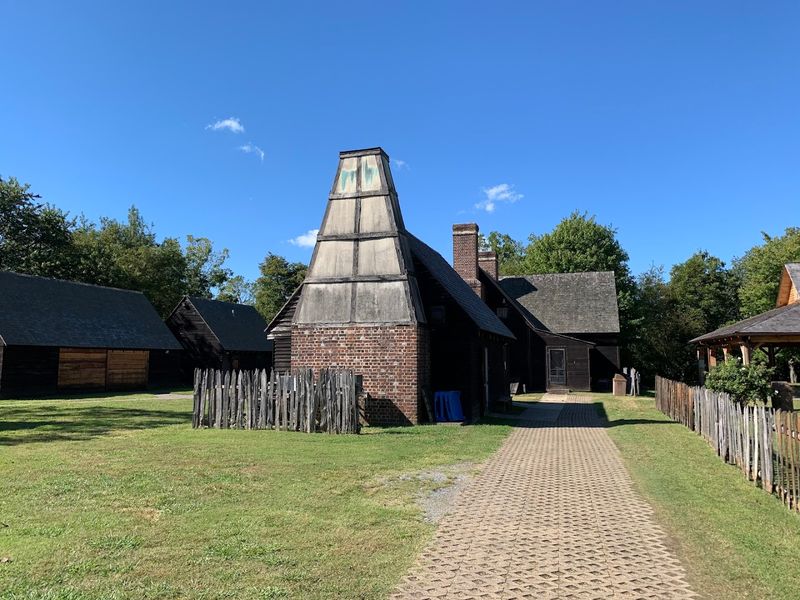
Historic St. Mary’s City is not your average museum. There are no velvet ropes or glass cases.
Instead, you walk through Maryland’s first capital, founded in 1634, while costumed interpreters go about their colonial-era lives like it is perfectly normal.
The experience hits differently than a typical history tour. You can talk to a blacksmith, peek inside a tobacco plantation, or watch someone prepare a meal using 17th-century methods.
It is hands-on in a way that actually sticks with you.
What makes this place so compelling is how unhurried everything feels. There is no rush, no crowd pushing you forward.
Kids get genuinely curious here, and adults start asking questions they never expected to care about.
The grounds stretch across 800 acres, so there is always something new around the next bend. If you have never visited a living history museum before, this is a fantastic first one, located at 18751 Hogaboom Lane, St. Mary’s City, Maryland.
The Maryland Dove Ship
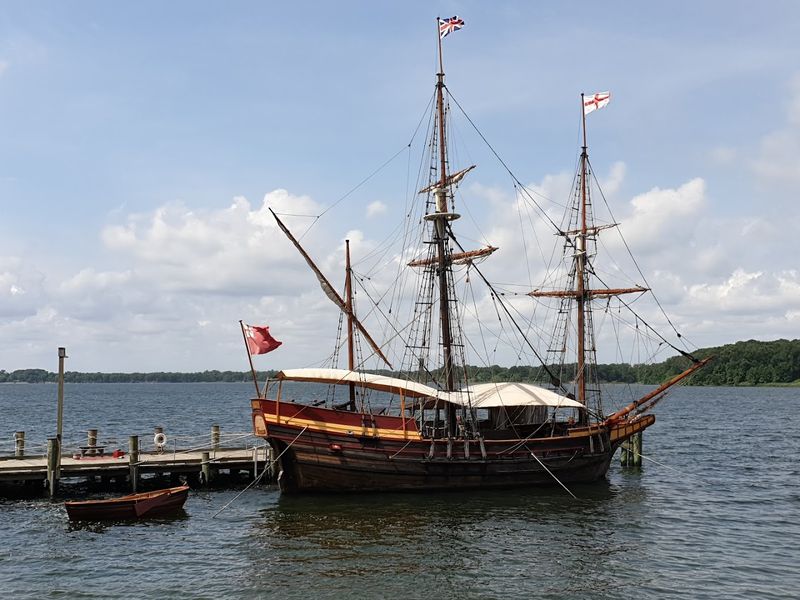
Seeing a 17th-century ship replica up close is one of those moments where history stops being abstract.
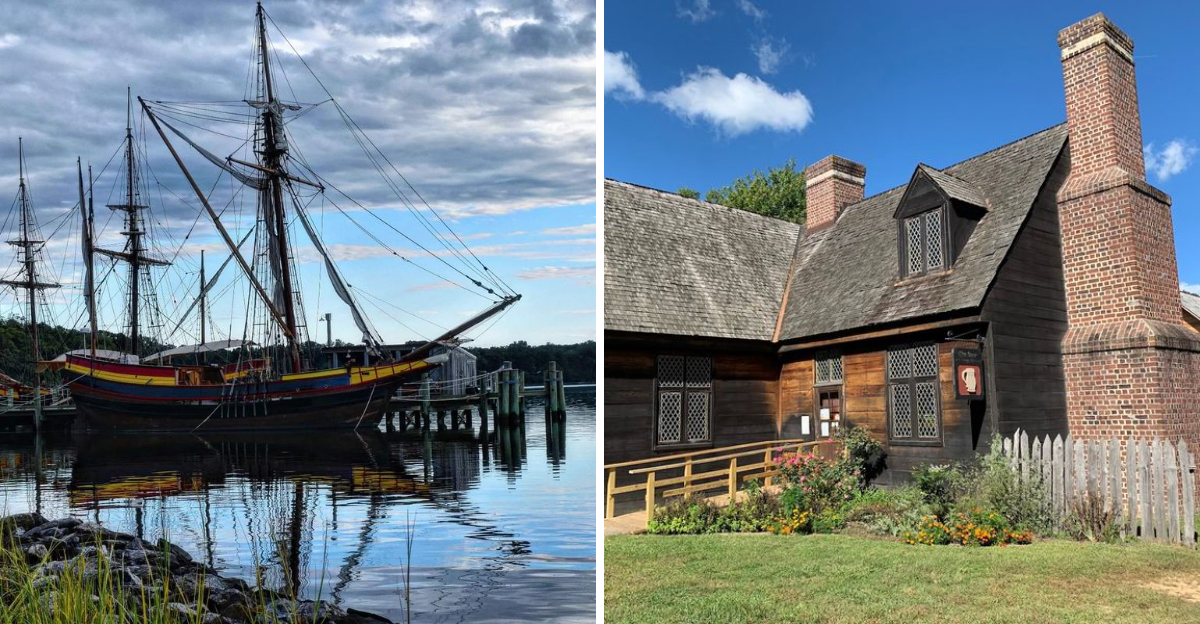
The Maryland Dove is a full-scale reconstruction of one of the two vessels that carried the original colonists to Maryland in 1634. She sits docked at the waterfront, and she is absolutely stunning in person.
You can board the ship when it is in port, which immediately changes how you think about those early settlers. The quarters are impossibly small.
The ceiling is low.
The whole vessel feels brave and a little reckless, in the best way possible.
The Dove is not always at the dock since she occasionally sails for special events and programs, so it is worth checking the schedule before you visit.
When she is there, she draws a crowd for good reason. Interpretive staff on board explain the crossing, the cargo, and the daily life of 17th-century sailors with real enthusiasm.
Standing on that deck with the St. Mary’s River stretching out behind you is a genuinely memorable moment that no photograph quite captures.
The Reconstructed State House Of 1676
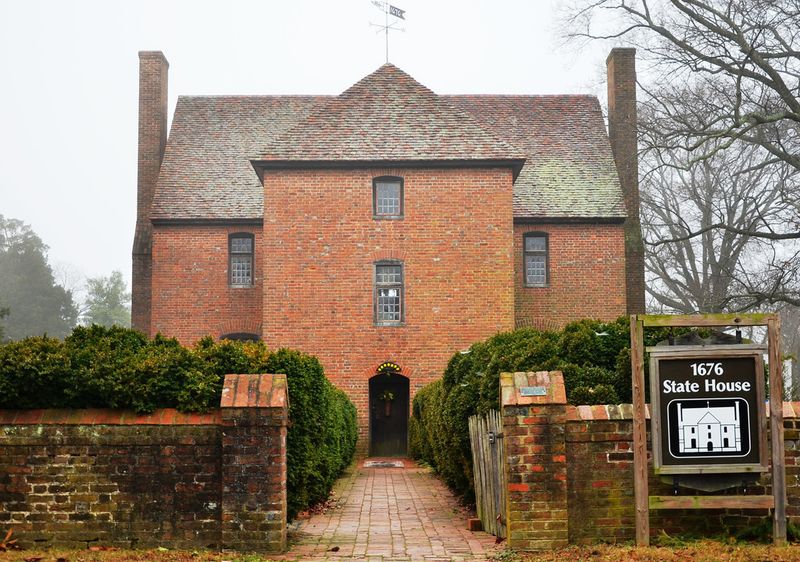
Maryland’s first statehouse is not in Annapolis. Most people are surprised to learn that.
The original seat of colonial government was right here in St. Mary’s City, and the reconstruction standing on the original site is remarkably detailed and worth every minute you spend inside it.
Built using period-accurate methods and materials, the State House of 1676 gives you a real sense of how early American governance actually looked. The interior is spare but purposeful.
You can almost picture the debates that shaped early Maryland law playing out in that room.
What stands out is how the reconstruction was informed by serious archaeological work.
Researchers spent years excavating the original foundation before rebuilding, so what you are seeing is grounded in real evidence rather than guesswork. That level of care shows.
The building sits on a gentle rise overlooking the grounds, and the view from the steps is genuinely picturesque.
If you are someone who appreciates the intersection of architecture and history, this one will stay with you long after you have driven home.
The Godiah Spray Tobacco Plantation
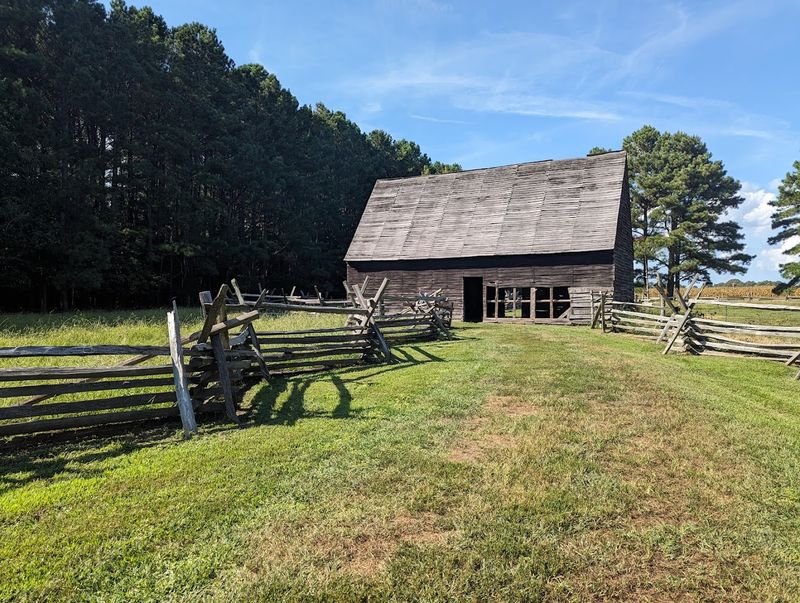
Tobacco built Maryland. That is not an exaggeration.
The Godiah Spray Tobacco Plantation at Historic St. Mary’s City brings that reality to life in a way that feels honest and immersive.
The farm is a working recreation of a 1660s tobacco operation, complete with period-accurate crops, livestock, and structures.
Watching interpreters tend the fields and explain the grueling economics of colonial agriculture is genuinely eye-opening.
This was not romantic frontier living. It was hard, calculated work, and the plantation does not sugarcoat that.
The chickens wandering the yard and the smell of the earth make it feel very real.
The main house is small but well-furnished for its era, and the outbuildings tell their own stories.
Interpreters answer questions with impressive depth, drawing on both historical records and archaeological findings specific to this site.
Kids who might normally drift during a history lesson tend to pay close attention here because everything is tangible. You can touch the fence posts, smell the crops, and hear the sounds of the farm.
That sensory combination is what makes this stop one of the most memorable on the entire property.
The Farthing’s Ordinary Tavern Experience
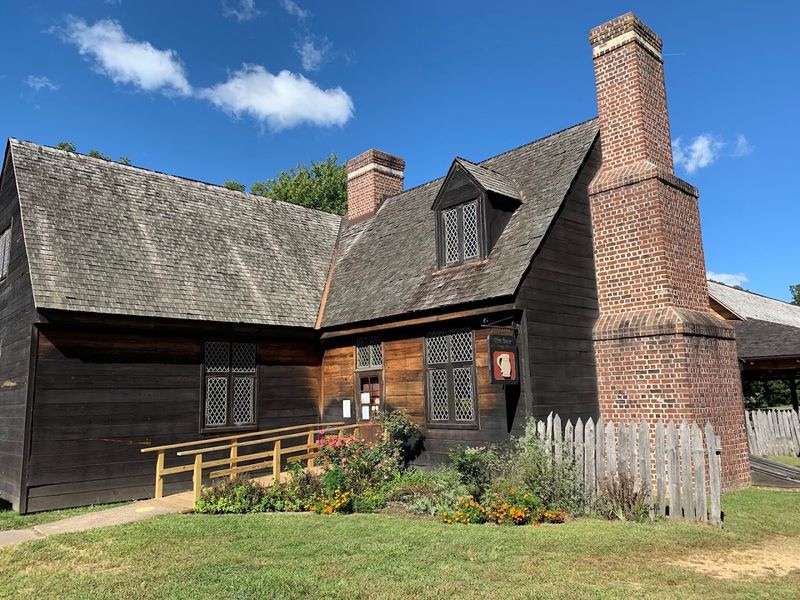
Colonial taverns were the social media of the 1600s. Every piece of news, gossip, and business deal passed through them.
Farthing’s Ordinary at Historic St. Mary’s City recreates that social hub with impressive authenticity, giving visitors a glimpse into everyday colonial life beyond politics and farming.
The experience here leans into the sensory details.
The furnishings, the layout, the general atmosphere all point to a world where a public house was the center of community life.
Interpreters in character explain the food, the customs, and the surprisingly complex social dynamics of a 17th-century tavern.
What I found most interesting was learning about the range of people who would have passed through a place like this. Merchants, planters, servants, and travelers all shared the same rough-hewn space.
The conversations that happened here shaped the colony in quiet but significant ways. Programs and demonstrations vary by season, so the experience can feel different depending on when you visit.
That unpredictability is actually part of the charm. You never quite know what you are going to walk into, and that keeps repeat visits feeling fresh and worthwhile.
The Archaeology At The City
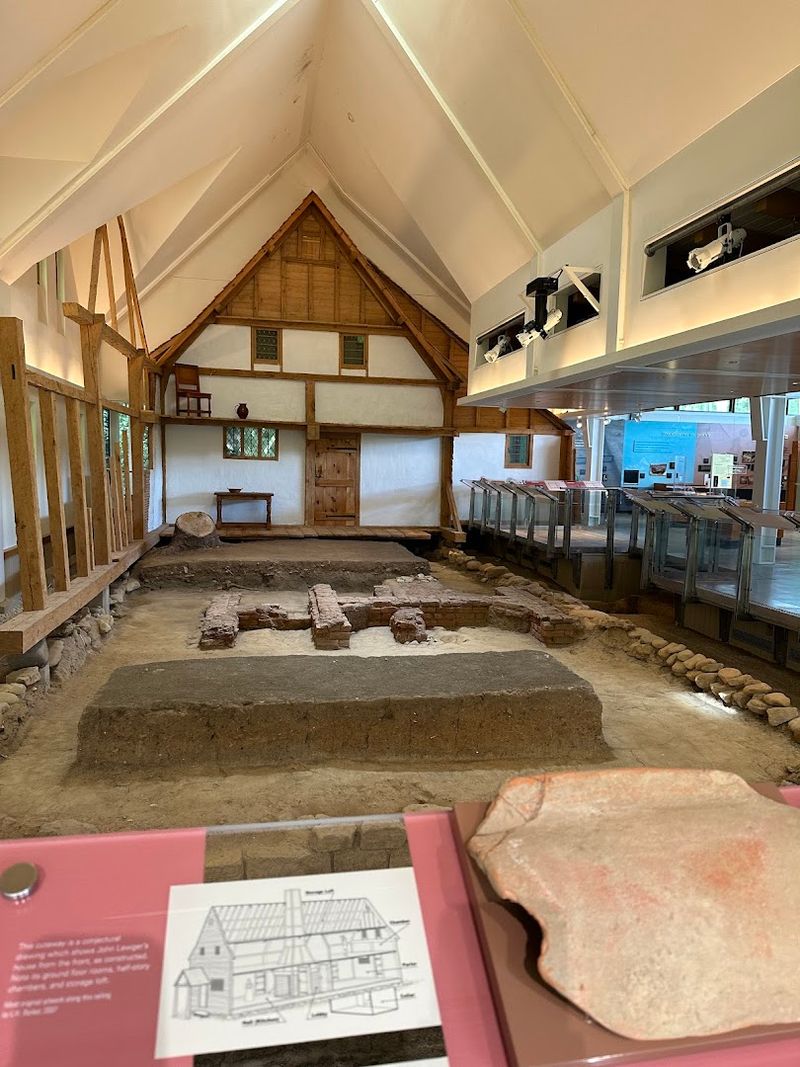
Archaeology here is not a behind-the-scenes operation. It is part of the show, and a genuinely fascinating one.
St. Mary’s City has been the site of serious archaeological research for decades, and the discoveries made here have reshaped what historians know about early colonial Maryland.
Visitors can observe active digs during the field season, which typically runs in summer. Watching trained archaeologists carefully uncover artifacts from the 1600s is surprisingly riveting.
The patience and precision involved make you appreciate how much work goes into reconstructing the past.
Some of the most significant finds include the remains of the original State House foundation, lead coffins in a chapel vault, and thousands of everyday objects that paint a picture of colonial life in extraordinary detail.
The museum’s exhibit space displays many of these artifacts with clear, engaging explanations that connect the objects to real people and real events.
If you are traveling with someone who claims they are not interested in history, bring them here first. The archaeology tends to convert skeptics faster than almost anything else on the property.
There is something about seeing an actual 350-year-old object pulled from the ground that changes your perspective entirely.
The Chapel Field And Van Sweringen Site
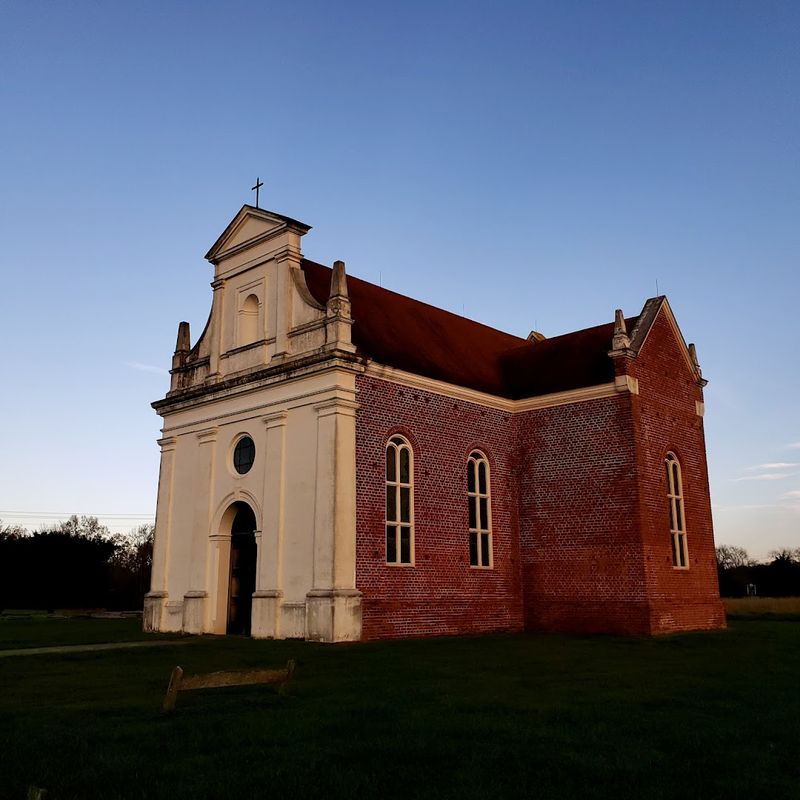
Not every powerful place announces itself loudly.
The Chapel Field at Historic St. Mary’s City is quiet, grassy, and easy to walk past without fully registering what you are standing on.
But this is where Maryland’s first Catholic chapel stood, and it is one of the most historically significant spots in the entire state.
Excavations here in the 1990s uncovered the brick foundations of the chapel along with a burial vault containing lead coffins.
The discovery drew national attention and led to years of careful study. A portion of the site is marked and interpreted for visitors, giving you a sense of the original structure’s footprint.
The Van Sweringen site nearby adds another layer, representing the home of a prominent early colonist and offering clues about domestic life in the earliest years of the settlement.
Standing here on a quiet afternoon, looking out over the river, you feel the weight of what happened on this ground without anyone having to tell you to feel it.
That is rare. Most historic sites have to work hard to create atmosphere.
This one earns it honestly through the depth of what actually occurred here centuries ago.
The River And Waterfront Trails
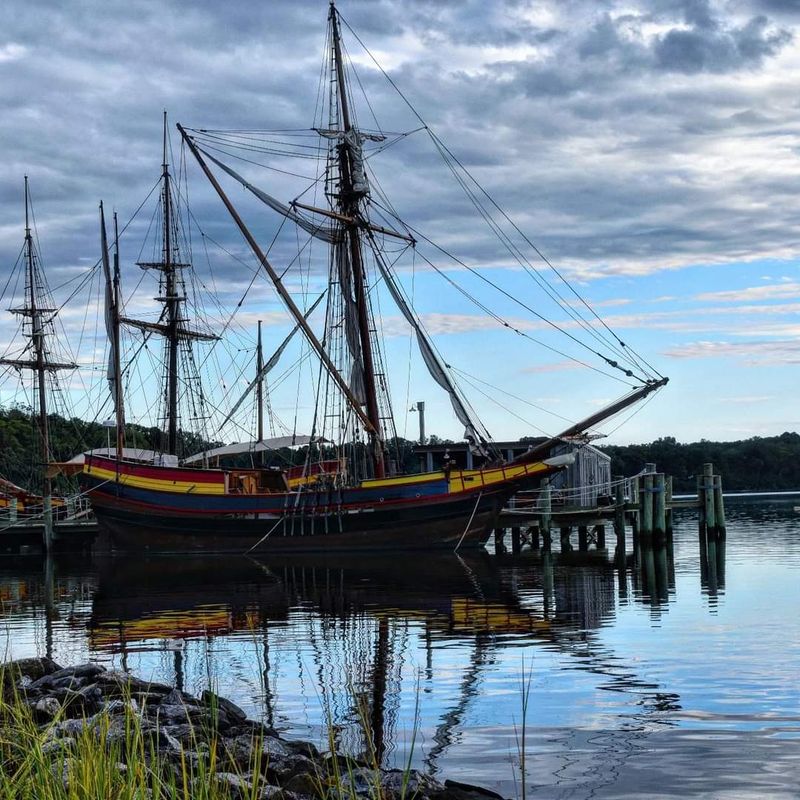
The history at St. Mary’s City deserves all the attention it gets, but the natural setting deserves equal credit.
The St. Mary’s River waterfront is genuinely beautiful, and the trails that run along it offer a peaceful way to decompress after a day of absorbing so much history.
The landscape here has not changed dramatically since the 1600s. The river bends gently, the tree line is dense, and on a calm morning the whole scene feels almost too serene to be real.
Walking the trails gives you a different relationship with the site, one that is quieter and more personal.
Birdwatchers will find plenty to enjoy, and the light on the water in late afternoon is the kind of thing that makes you stop and just stand still for a moment.
The trails connect different areas of the historic site, so you can move between the living history exhibits and the natural landscape without ever getting in a car.
That flow between human history and natural environment is one of the things that makes St. Mary’s City feel so complete as a destination. Plan extra time for the waterfront.
You will not regret it.