One Of The Nation’s Best Swimming Lakes Calls New Hampshire Its Home
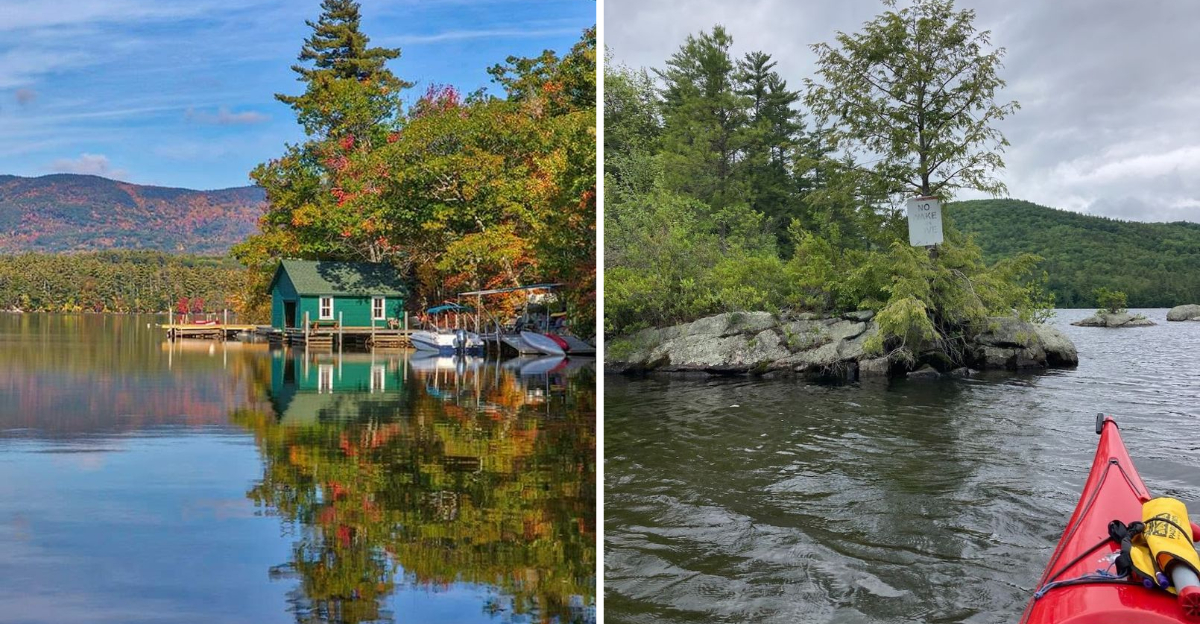
Loons calling at dawn, green pine islands dotting the water, mountains framing the entire view.
Crystal-clear and calm, the lake feels almost impossibly untouched from the first glance.
New Hampshire cradles a swimming lake this pristine across many thousands of unspoiled acres. You paddle between the quiet islands, float on your back, and forget your phone completely.
Long, sun-warmed afternoons stretch out slow and lazy, exactly the way real summer should feel.
Swimmers, paddlers, and daydreamers each drop into their own easy rhythm out here.
Ready to trade endless scrolling for one whole afternoon floating under a wide open sky?
A Lake With A Legendary Story
Long before tourists discovered it, Squam Lake had already earned its place in American culture.
Most people recognize the name from the 1981 classic film “On Golden Pond,” which was filmed right here on these very shores.
That movie introduced millions of viewers to the lake’s quiet charm, and the scenery alone was enough to make audiences fall in love with this state all over again.
The lake sits within Grafton and Carroll counties, surrounded by small towns including Holderness, Center Harbor, Moultonborough, and Sandwich.
The name traces back to the Abenaki word Keeseenunknipee, meaning ‘the goose lake in the highlands,’ later shortened over time through Asquam (meaning ‘water’) to the name Squam that stuck today.
Unlike many popular lakes that have been heavily developed over the decades, Squam has remained remarkably preserved. Strict local regulations have kept overdevelopment at bay, meaning the shoreline still looks much as it did a century ago.
Coming here feels less like a tourist trip and more like stepping into a postcard that somehow stayed perfectly intact.
The Water Quality Is Exceptional
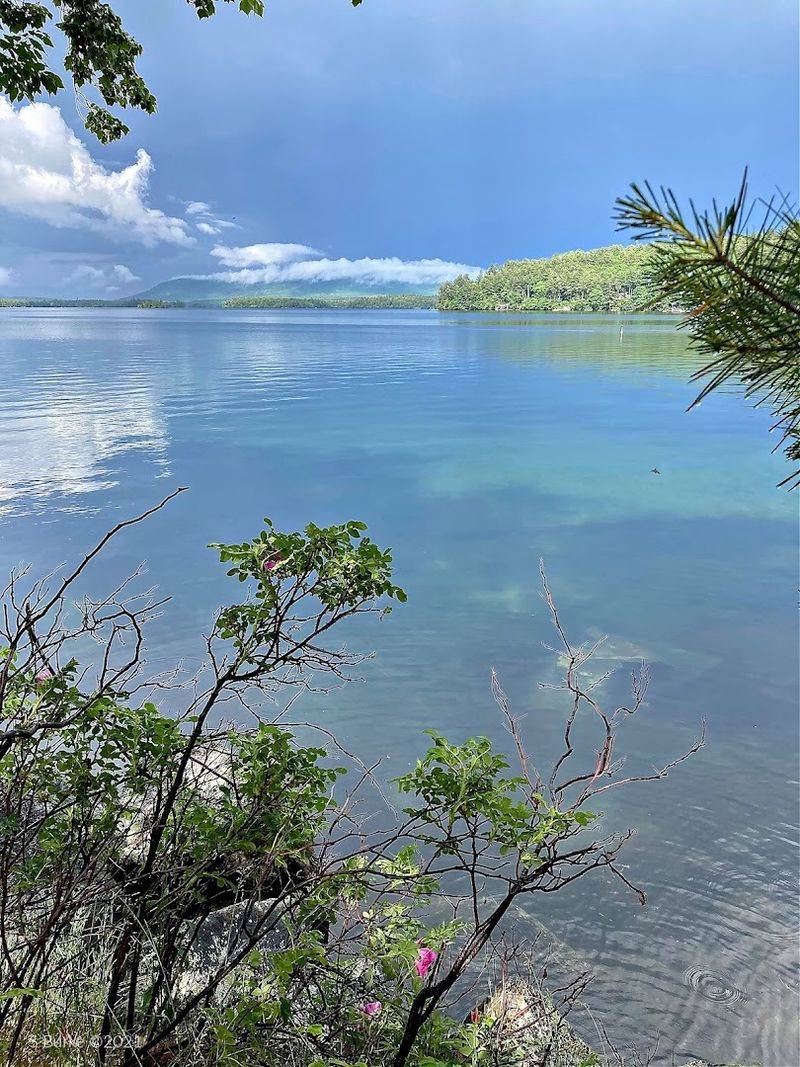
Not every lake earns the title of one of the nation’s best swimming spots, but Squam Lake has the water quality to back it up.
The lake consistently ranks among the cleanest in the northeastern United States, thanks to low levels of phosphorus and minimal algae growth. Swimmers can see several feet down through the water on a calm, clear day.
The Science Center of New Hampshire, located right in Holderness, has monitored the lake’s ecological health for decades. Their ongoing research helps keep the water in top condition and supports the wildlife that depends on a healthy aquatic environment.
For families with young children, the calm bays and gradual shoreline entry points make swimming here feel safe and manageable.
The water temperature in summer typically reaches a comfortable range for extended swimming, usually between 70 and 76 degrees Fahrenheit.
Cold enough to feel refreshing, warm enough to stay in for hours. That combination of cleanliness, clarity, and temperature is exactly why Squam Lake keeps showing up on national best-swimming lists year after year.
Islands Worth Exploring By Boat
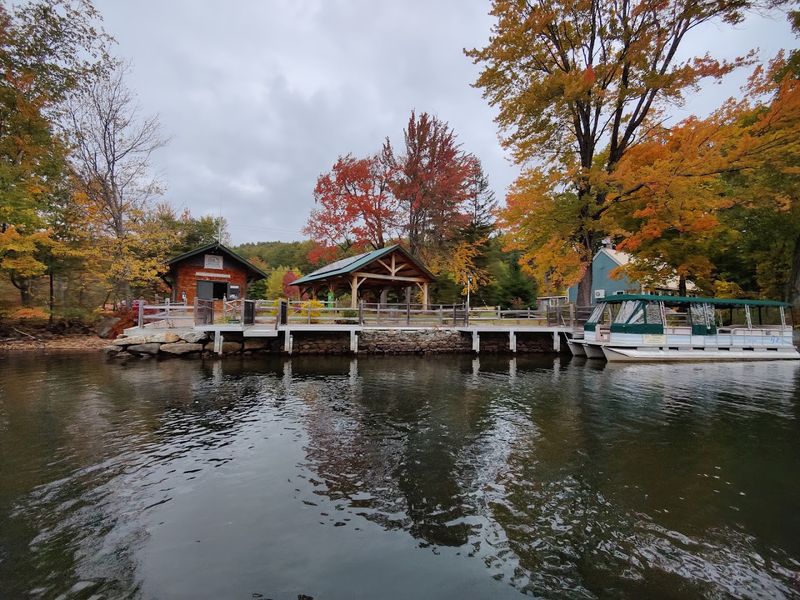
There is something quietly thrilling about paddling toward a pine-covered island with no idea what you will find on the other side.
Squam Lake has dozens of small islands scattered across its surface, and exploring them by kayak or canoe is one of the most rewarding ways to spend a morning here.
Each island has its own personality, some rocky and wild, others with gentle shorelines perfect for a short break.
Moon Island and Chocorua Island are among the most well-known, offering sandy spots where you can pull up your kayak and stretch your legs. The lake’s size means there is always more to discover, no matter how many times you visit.
Boat traffic is noticeably lighter here compared to nearby Lake Winnipesaukee, which makes paddling feel peaceful rather than stressful.
One important heads-up for powerboat operators: submerged boulders exist throughout the lake and are not always marked. Experienced boaters recommend using a detailed lake map and keeping speeds conservative, especially in unfamiliar areas.
Hiking Views That Stop You Cold
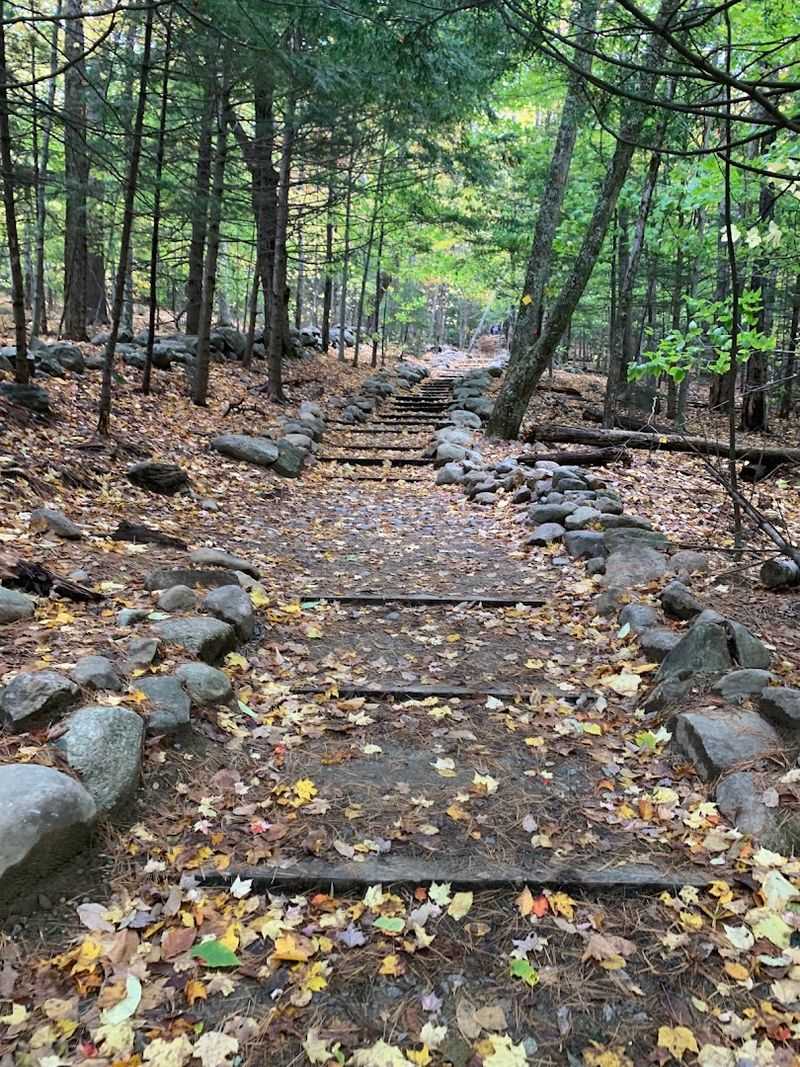
Sometimes the best way to appreciate a lake is to rise above it.
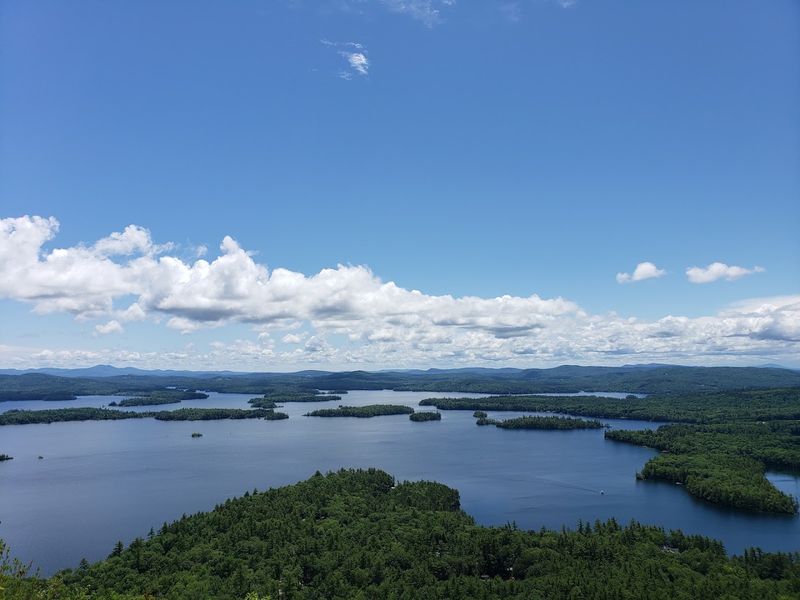
West Rattlesnake Mountain offers one of the most accessible and rewarding hikes in all of New Hampshire, and the payoff at the summit is a sweeping, unobstructed view of Squam Lake that will genuinely stop you in your tracks.
The trail is roughly 1.8 miles round trip with modest elevation gain, making it suitable for most fitness levels.
The trailhead is located off Route 113 in Holderness, and the path winds through hardwood and pine forest before opening dramatically onto an exposed granite ledge.
From up there, the lake spreads out below you like a map, its islands and bays clearly visible, with the White Mountains rising in the background to the north.
Fall foliage season transforms this view into something almost unreal, with red, orange, and gold canopy stretching in every direction.
Even on a cloudy day, the hike is worth it. Fog rolling across the water creates a moody, atmospheric scene that feels cinematic.
Bring solid footwear and a layer for the summit, where wind can pick up unexpectedly.
Wildlife Encounters Around Every Bend
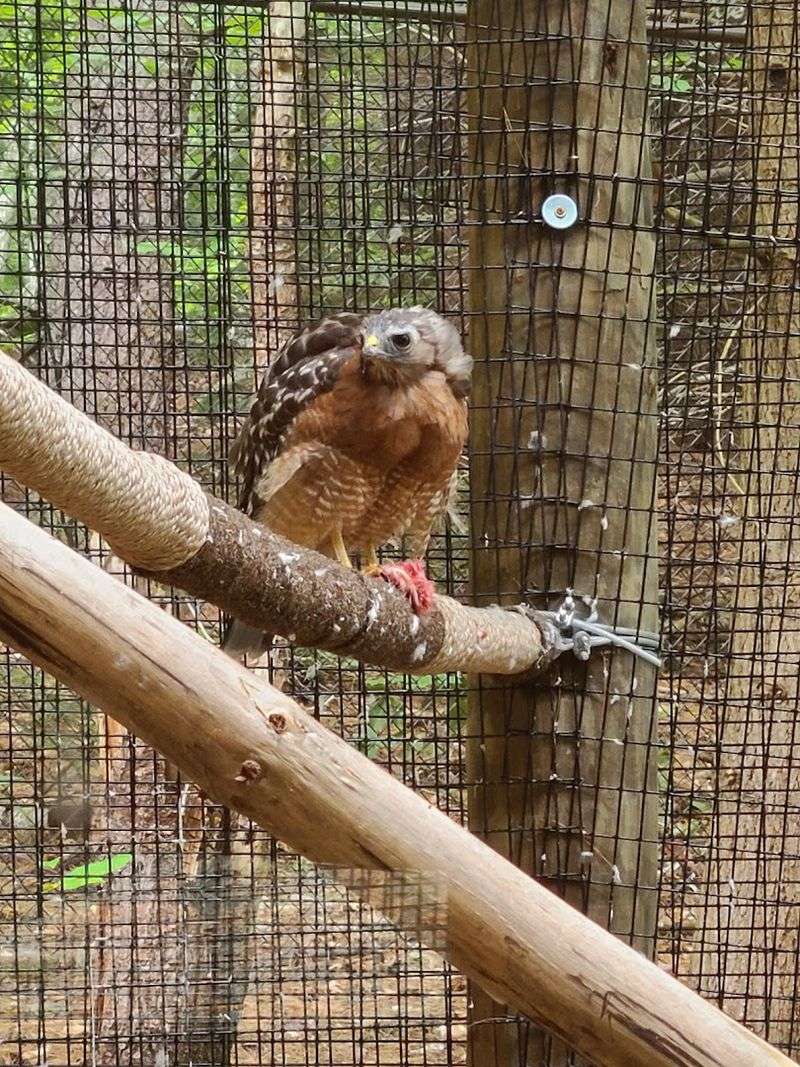
Few sounds in nature are as haunting or as beautiful as the call of a common loon echoing across open water.
Squam Lake is one of the most reliable places in New England to hear and spot these striking birds up close.
Loons nest along the lake’s quieter bays each spring and summer, and the Science Center of New Hampshire runs a dedicated loon preservation program to protect their habitat.
Beyond loons, the lake and its surrounding forest support a rich variety of wildlife. Bald eagles have been spotted soaring above the water, and great blue herons wade in the shallower coves with remarkable patience.
White-tailed deer appear along the wooded shorelines at dusk, and if you are lucky and quiet enough, river otters sometimes play near the rocky outcroppings.
Paddling at dawn or dusk dramatically increases your chances of wildlife sightings, as those are the hours when animals are most active near the water’s edge.
Keeping your distance and minimizing noise shows respect for the creatures that call this ecosystem home year-round.
Sailing And Boating On Open Water
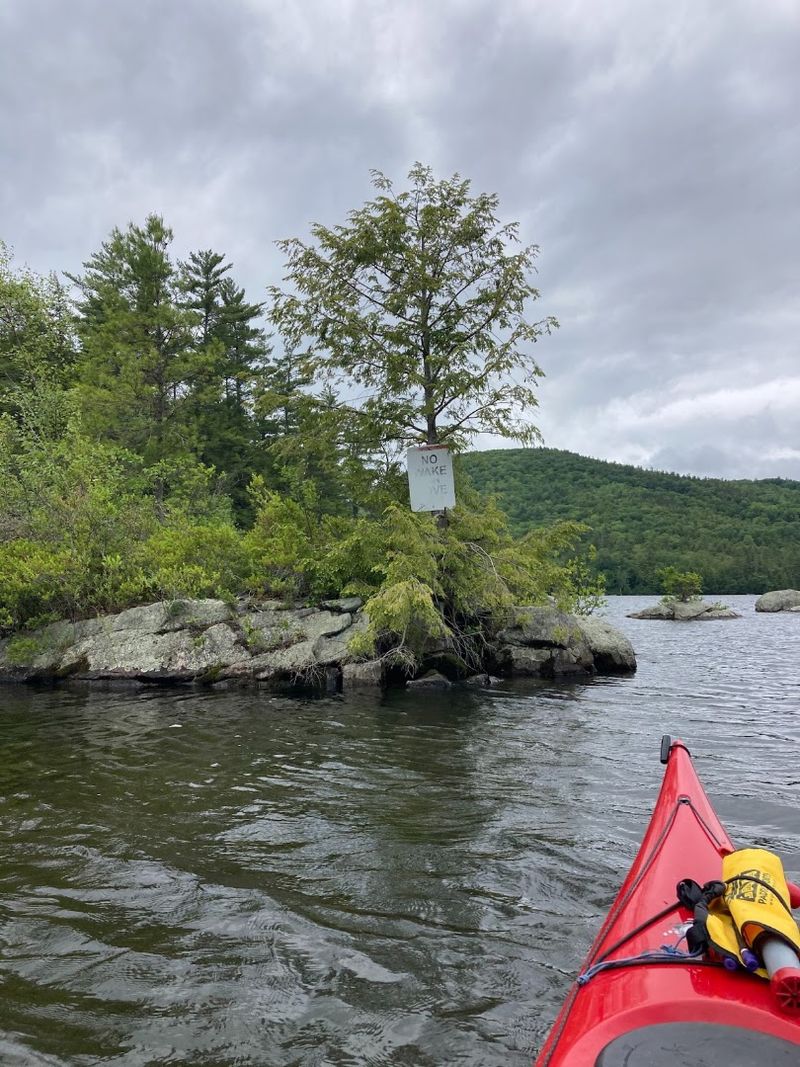
There is a reason sailing on this lake has earned a devoted following among New Hampshire boating enthusiasts.
The lake’s size, roughly six miles long and four miles wide at its widest points, gives sailboats genuine room to move and catch wind without feeling cramped.
On a breezy summer afternoon, watching a fleet of sails tack across the open water is a sight worth lingering over.
Motorboating is also popular here, though the lake demands respect from anyone behind the wheel. Submerged ledges and boulders require captains to navigate carefully, particularly in areas they have not explored before.
Renting a pontoon or motorboat from one of the local marinas around Holderness gives you access to the full lake while keeping the experience manageable and enjoyable.
The lake’s relatively light boat traffic compared to other New Hampshire lakes adds to its appeal. You are far less likely to fight for space on the water here, and the overall atmosphere feels relaxed rather than rushed.
Best Times To Plan Your Visit
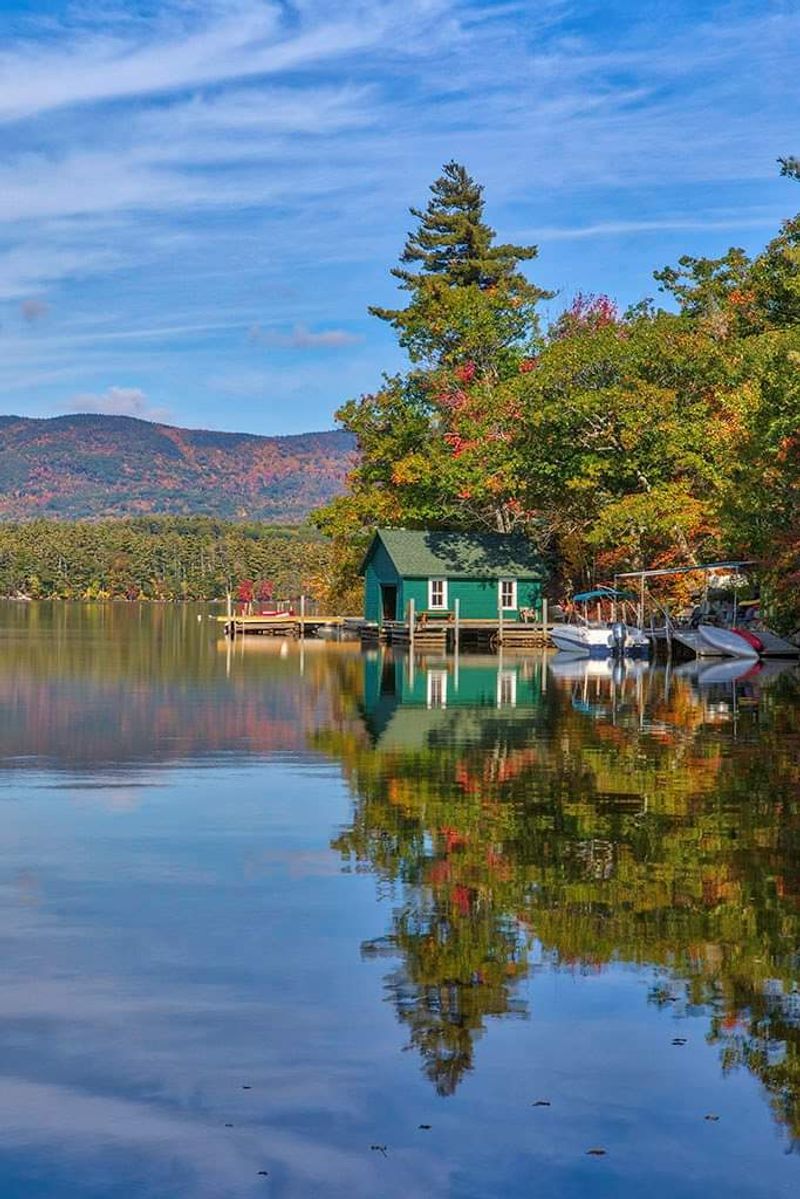
Timing your trip to Squam Lake can make a significant difference in the kind of experience you have.
Summer, specifically late June through August, is peak swimming and paddling season. Water temperatures are at their most comfortable, the days are long, and the surrounding towns buzz with a relaxed, unhurried energy that feels perfect for a lake vacation.
Fall is arguably the most visually spectacular season to visit. New Hampshire’s foliage peaks between late September and mid-October, and the hills surrounding the lake explode with color during that window.
Hiking West Rattlesnake in October rewards you with a panoramic view of autumn color reflected in the water below, a scene that is difficult to put into words and nearly impossible to capture fully in a photograph.
Winter and early spring bring a quieter, more solitary experience. The lake freezes over in colder years, and the surrounding trails take on a peaceful, snow-muffled quality that appeals to those who prefer fewer crowds.
Spring brings migrating birds and the first loon arrivals, making it a favorite season for wildlife watchers.
Practical Tips Before You Go
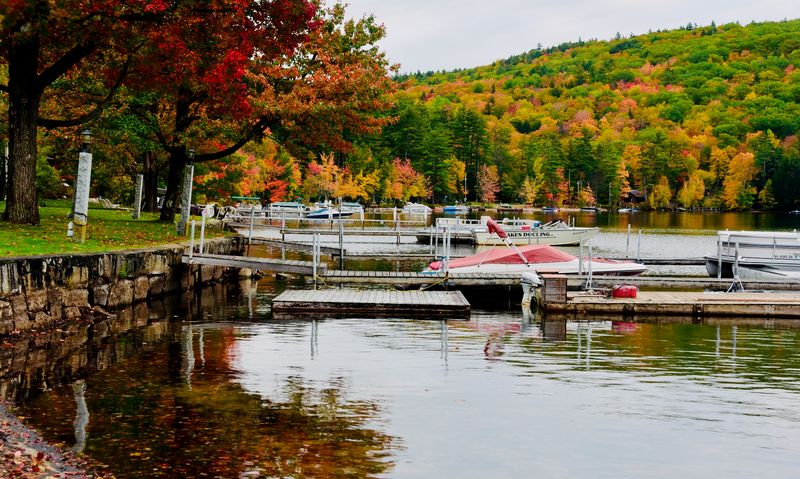
Planning ahead makes a real difference when visiting a lake destination as popular as this one.
Public boat launches are available in Holderness, and parking near the most popular access points fills up early on summer weekends.
Arriving before 9 a.m. on a Saturday or Sunday almost guarantees you a spot and gives you the calmest water conditions of the day.
Kayak and canoe rentals are available through outfitters in the Holderness area, and guided lake tours are a solid option if you are new to the water or want local insight on the best routes.
The Science Center of New Hampshire, located at 23 Science Center Road in Holderness, offers lake cruises focused on loon ecology and natural history, which are both educational and genuinely enjoyable for all ages.
Bringing your own food and water is always a smart move, as amenities directly on the lake are limited by design. The surrounding towns have excellent local restaurants and small shops where you can stock up before heading out.