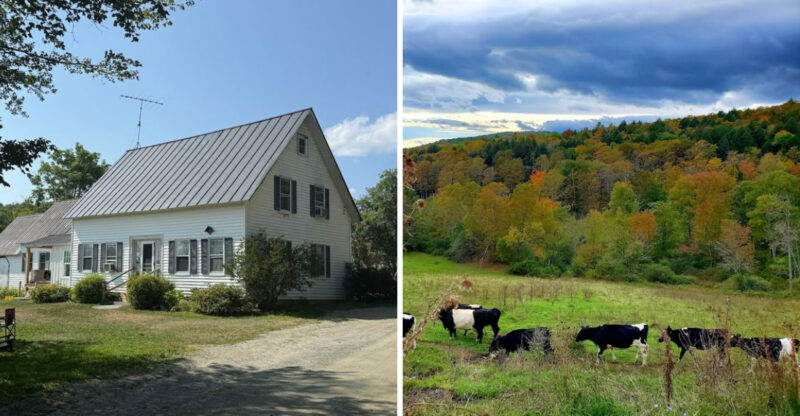
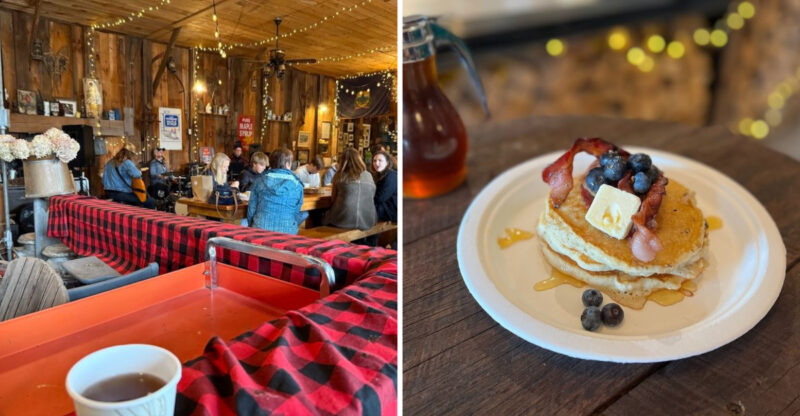
One Vermont Town Turns Everyday Scenery Into Something Extraordinary
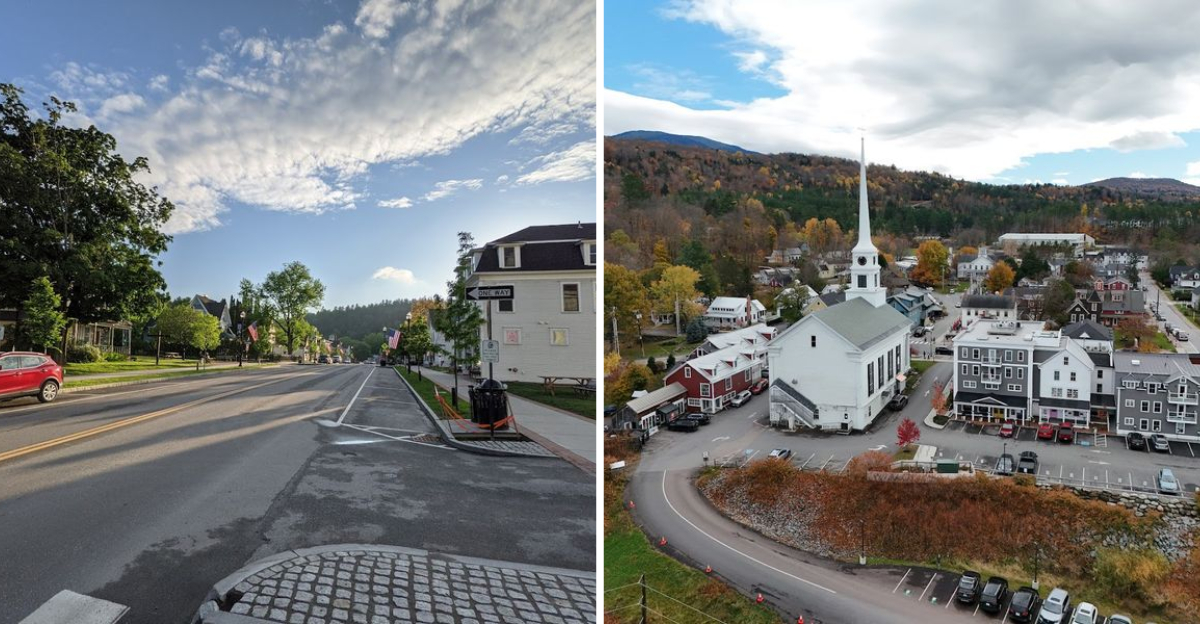
Postcards wish they looked this good. One little town in Vermont outshines them all.
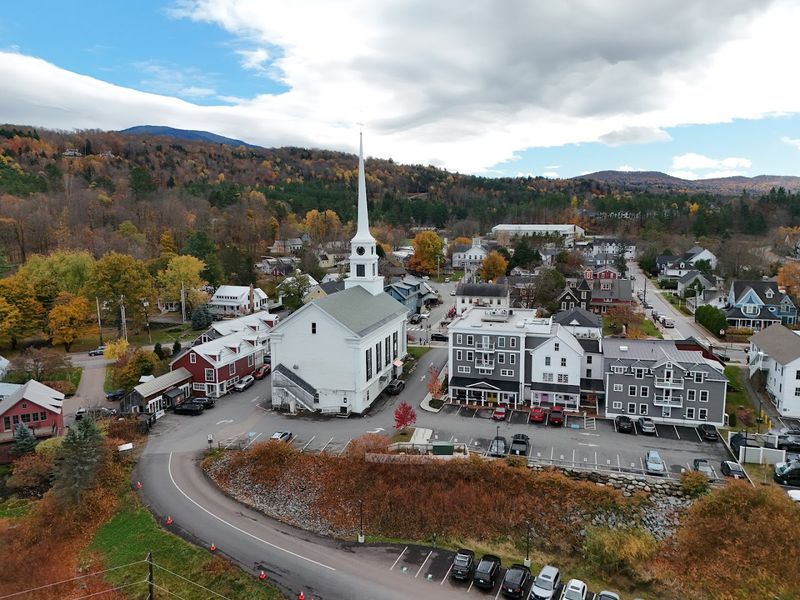
Some towns are pretty, this one feels almost staged. A white steeple rises over a row of tidy brick storefronts. Window boxes spill color onto the morning lanes.
Then you look up, and a great mountain fills the sky. It towers over every street, every porch, every view.
I keep finding small new details on each return trip. Vermont set this little village right beneath its tallest peak.
Coffee warms your hands while the town slowly wakes. Down the road, a covered bridge marks the edge.
Locals wave at you as though they already know you. Steal an afternoon and let the scenery do everything.
A Mountain Town With Real History
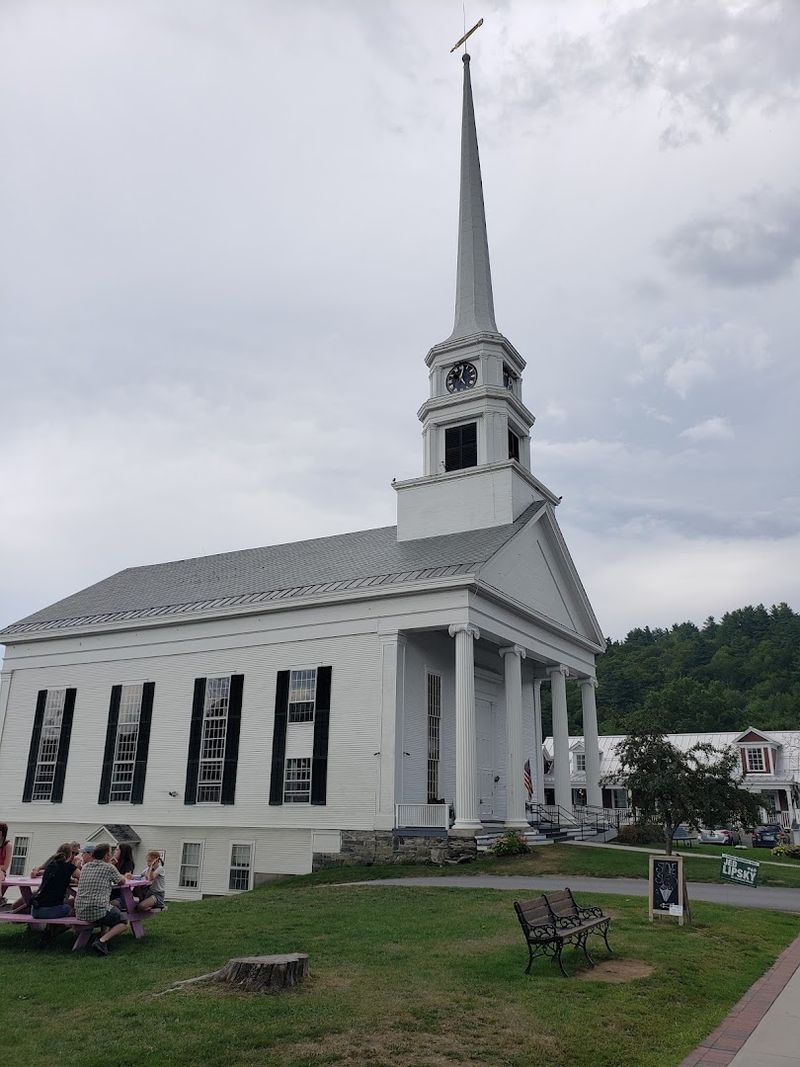
Long before ski lifts and luxury lodges appeared on the map, Stowe was already a working Vermont community with deep roots in farming and trade.
The town was officially chartered in 1763, making it one of the older settlements in the state. Its early settlers carved out a life among the hills, building homes, churches, and a village center that still stands today.
You can feel that history underfoot as you walk through the village. The white-steepled Community Church on Main Street has anchored the skyline for generations.
The buildings along Mountain Road tell a story of steady growth from a quiet farming hub into one of the most recognized mountain destinations in the northeastern United States.
What makes this history feel alive is that it has not been erased by tourism. Local families have lived here for generations.
That sense of continuity gives the whole place a grounded, authentic feeling that newer resort towns simply cannot fake. History here is not a museum exhibit. It walks the same streets you do.
Mount Mansfield Dominates Every View
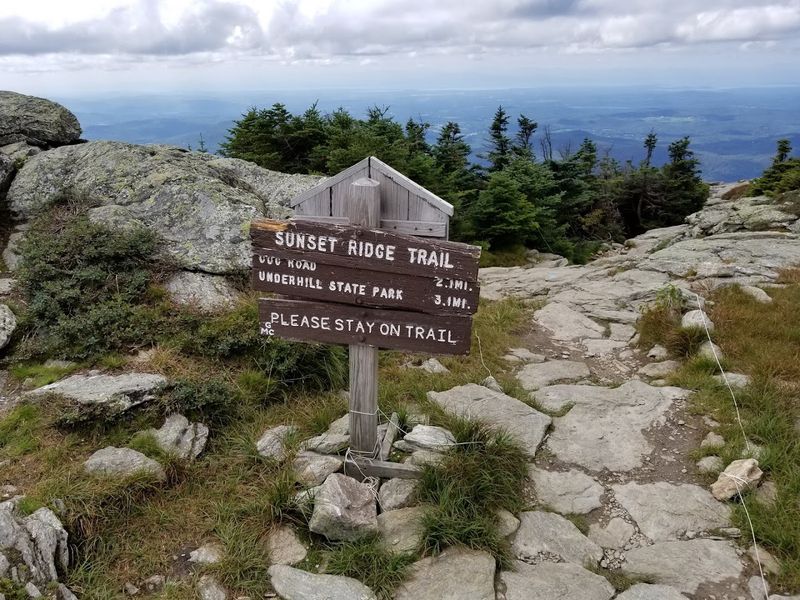
You cannot spend an hour in this town without glancing up at Mount Mansfield.
At 4,393 feet, it is the highest peak in Vermont, and it shapes everything about life here, from the weather patterns to the way locals talk about their weekends.
The mountain’s ridgeline, when seen from the right angle, resembles a human face in profile, giving it a personality that matches the town below. The Auto Toll Road offers one of the most accessible ways to reach the summit ridge.
You drive up through forest, watching the trees thin out as the altitude climbs, until suddenly the whole state spreads out below you.
Hikers who prefer to earn their views can take on the Long Trail, which crosses the summit and connects to a network of backcountry routes. The trails range from manageable to challenging, so there is a path for every fitness level.
Few experiences I have had on the road have matched standing at that summit, breathing thin mountain air, and realizing that Vermont looks even better from above than it does at eye level.
Skiing That Built A Legend
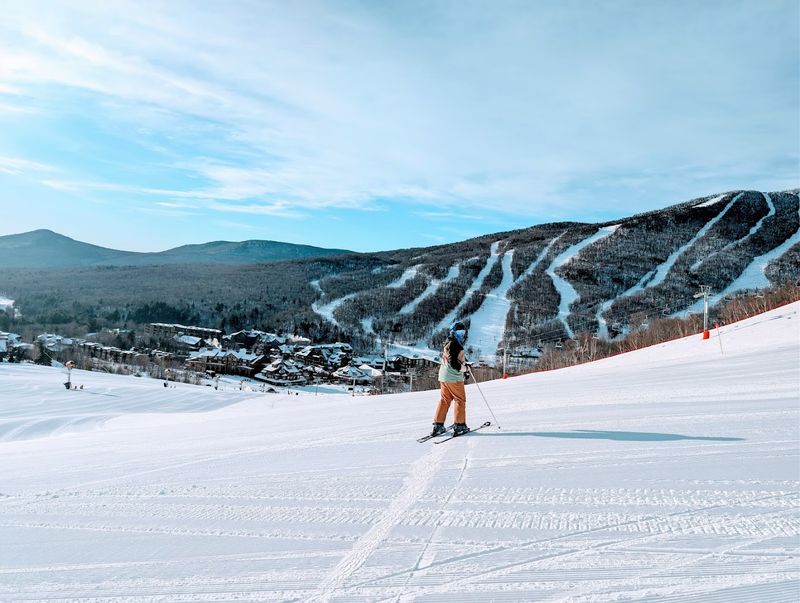
Stowe Mountain Resort at 5781 Mountain Rd did not just happen to become famous.
It earned that reputation over decades of reliable snowfall, well-maintained trails, and a culture that loves being on the mountain.
The resort splits across two peaks, Mount Mansfield and Spruce Peak, offering a combined experience that keeps skiers and snowboarders busy for days without repeating the same run twice.
The Front Four trails on Mount Mansfield are the stuff of legend among serious skiers. Names like Starr, National, Liftline, and Goat carry a reputation for steepness and technical challenge that draws experts from across the country.
But the resort is not only for the fearless. Spruce Peak offers wide, groomed runs that are welcoming for families and beginners finding their footing on snow.
Vermont winters bring the kind of cold that turns snowflakes into perfect powder, and Stowe benefits from that more than almost anywhere else in the state.
The ski season typically runs from late November through April, giving visitors a long window to plan a trip.
Smugglers Notch Hides A Secret World
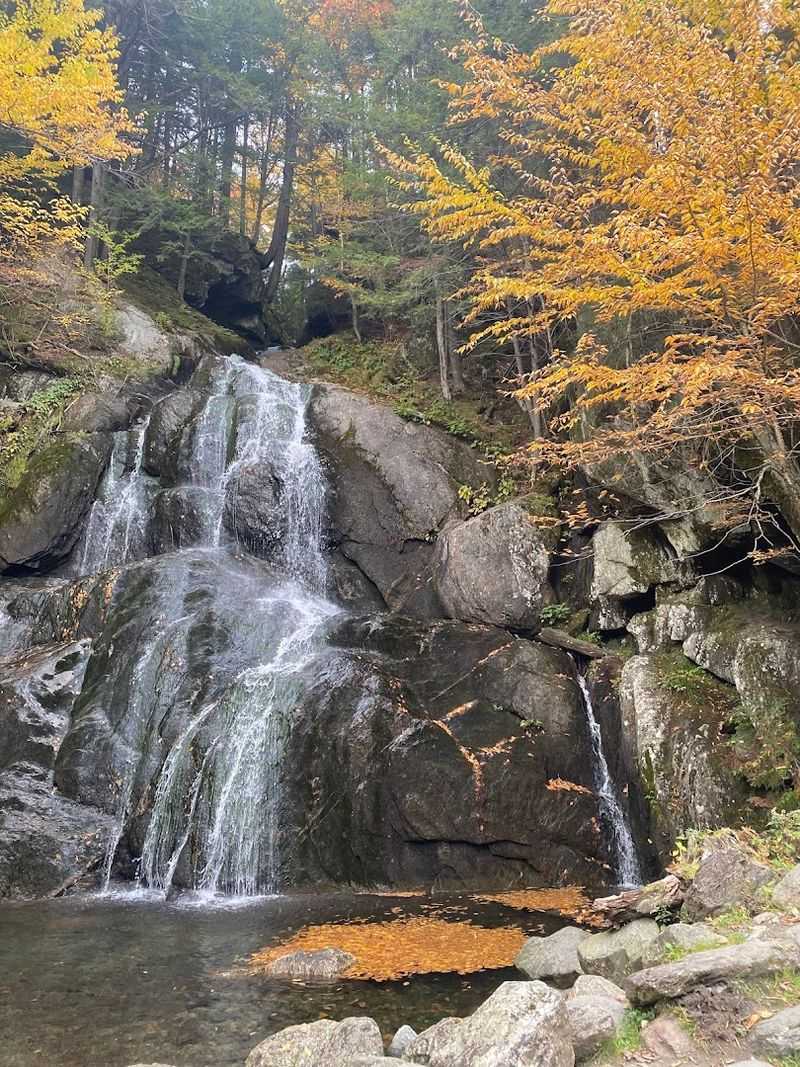
Just a short drive from the village center, Smugglers Notch State Park at 6443 Mountain Rd feels like a completely different world.
The narrow mountain pass cuts between cliffs and enormous boulders, creating a dramatic corridor through the Green Mountains that stops you mid-sentence when you first see it.
The road through the notch is so tight that large vehicles are banned from attempting it.
The name has a colorful backstory. During the early 1800s, smugglers used this hidden pass to move goods between Vermont and Canada, sidestepping trade embargoes that made legal commerce difficult.
The same rugged terrain that made it useful for smugglers now makes it one of the most photogenic hiking destinations in the state.
Trails here wind through mossy forest, past ice-cold streams, and up to lookout points with commanding views of the surrounding peaks.
The forest canopy is so thick in summer that sunlight filters through in dramatic shafts. In autumn, the whole notch transforms into a tunnel of red and orange leaves that feels almost theatrical.
Vermont Ski Museum Tells The Story
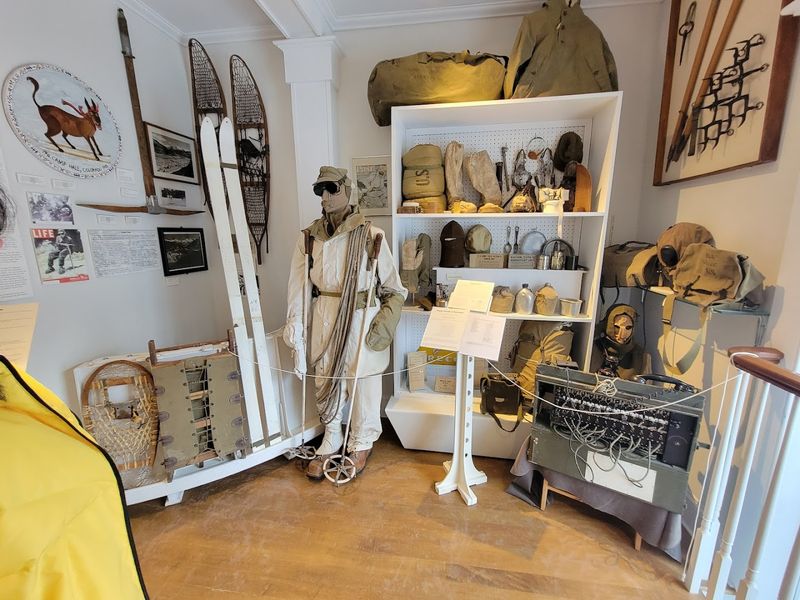
The Vermont Ski and Snowboard Museum at 1 S Main St is one of those stops that sneaks up on you.
I walked in expecting a quick look around and ended up staying for over an hour. The collection spans more than a century of ski history in the state, and it is far more fascinating than it sounds on paper.
The exhibits trace the evolution of ski equipment from long wooden planks with leather straps to the lightweight, precision-engineered gear used today.
Vintage race suits, old lift tickets, and photographs of early ski pioneers fill the galleries with a nostalgic energy that skiers and non-skiers alike can appreciate. Vermont played a foundational role in American skiing, and this museum makes that case convincingly.
The building itself is worth noting. The Old Stowe Town Hall, a structure built in 1818, gives the museum an architectural character that most sports museums cannot claim.
Admission is affordable, the staff is genuinely knowledgeable, and the gift shop stocks items that are actually worth buying.
The Recreation Path Is Pure Bliss
Not every great travel experience involves climbing a mountain or carving a ski run.
Sometimes the best thing a destination offers is a flat, well-maintained path that lets you slow down and actually look at where you are.
The Stowe Recreation Path is exactly that kind of experience, and it might be the most underrated thing this town has going for it.
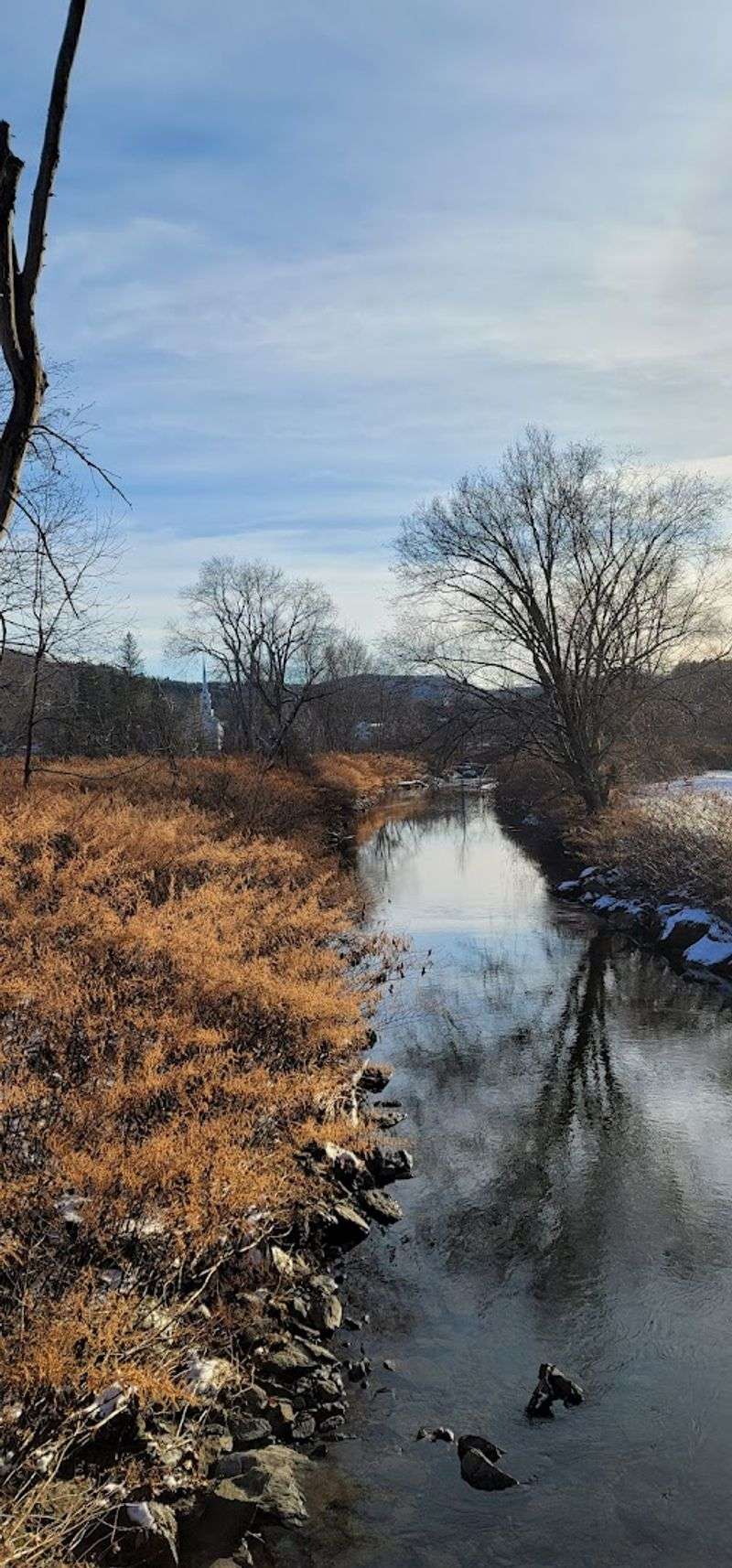
Stretching roughly 5.3 miles along the West Branch of the Little River, the paved path connects the village to the mountain base area.
Along the way, it passes through open meadows, beneath covered bridges, and alongside river banks where the water runs clear and cold over smooth stones.
Mount Mansfield is visible for much of the route, giving walkers and cyclists a backdrop that most cities would pay a fortune to manufacture.
The path is open year-round and welcomes walkers, joggers, cyclists, and in winter, cross-country skiers and snowshoers.
I rented a bike from a local shop and spent a slow morning riding the full length of it, stopping twice to watch the river and once to let a family of ducks cross ahead of me.
Fall Foliage That Stops Traffic
Autumn in Vermont is not a secret. People plan trips months in advance just to catch the color change, and for good reason.
But even within a state famous for its fall display, Stowe holds a special place.
The combination of elevation, dense hardwood forest, and open valley views creates a foliage experience that hits differently than what you find in flatter parts of New England.
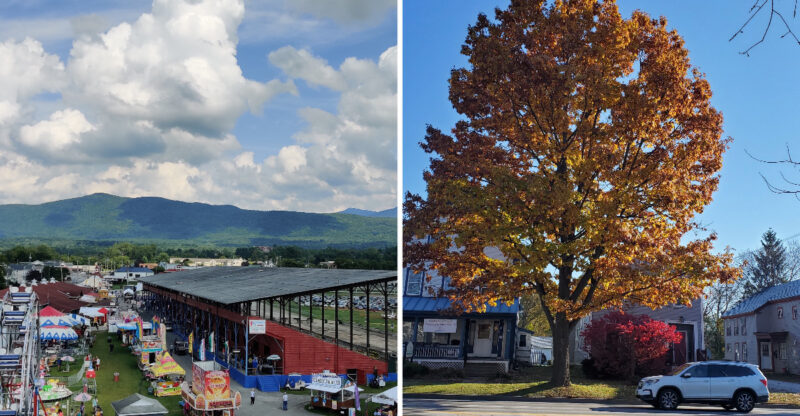
Peak color typically arrives in early to mid-October, when the sugar maples shift from green to a deep, burning orange that almost seems to glow at sunset. The hills around town look like someone spilled a painter’s palette across the landscape.
The Notch Road and the drive up toward the resort offer some of the most concentrated color I have ever seen in a single field of view.
Leaf-peeping in Stowe is not just about driving around. The hiking trails on Mount Mansfield and in Smugglers Notch put you right inside the color, surrounded on all sides by trees doing their most dramatic seasonal work.
Practical Tips For Your Stowe Visit
Getting to Stowe is straightforward from most points in the Northeast.
Burlington International Airport is about 35 miles to the west and serves as the most convenient air gateway into northern Vermont.
From there, a rental car is the most practical way to explore, since the town and surrounding mountains require some driving to cover properly.
Accommodation options range from classic New England inns to full-service resort lodges near the mountain base.
Booking early is strongly recommended for ski season weekends and for the fall foliage window in October. Both periods fill up fast, and last-minute availability tends to be limited and expensive.
Spring and early summer offer a quieter visit with lower rates and trail access that opens up as snow melts.
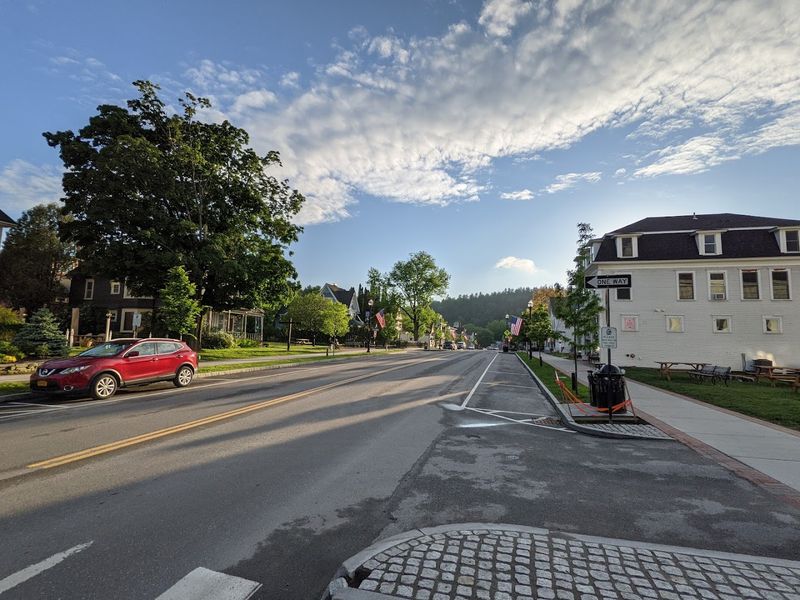
The village center is walkable, with independent shops, bakeries, and restaurants clustered along Main Street and the surrounding blocks.
Most outdoor equipment rentals, including bikes, skis, and snowshoes, are available through local outfitters who know the terrain well.
Cell service is reliable in the village but can thin out on the mountain trails, so downloading offline maps before heading out is a smart move.