Only A Few Hundred People Live In These 7 Idaho Mining Towns Where Main Street Looks Like 1890
One Idaho town put its entire downtown on the National Register of Historic Places. That move helped keep a freeway from bulldozing its brick storefronts.
That story hooked me right away.
Another tiny town on this list has a hotel from the 1800s that still opens its doors each summer. A third has a Masonic Hall that has stayed in continuous use since 1884.
These are not museum sets behind velvet ropes.
People still live here, run shops, and walk the same boardwalks miners once walked. Some of these places count their residents in the dozens, not the thousands.
I love that Idaho kept these streets standing when so many boomtowns faded away. Gold, silver, and copper built them, and stubborn pride kept them going.
So which one would you visit first, the one with a volcano movie in its past or the one up a long dirt road?
1. Wallace, Idaho, Wallace, ID
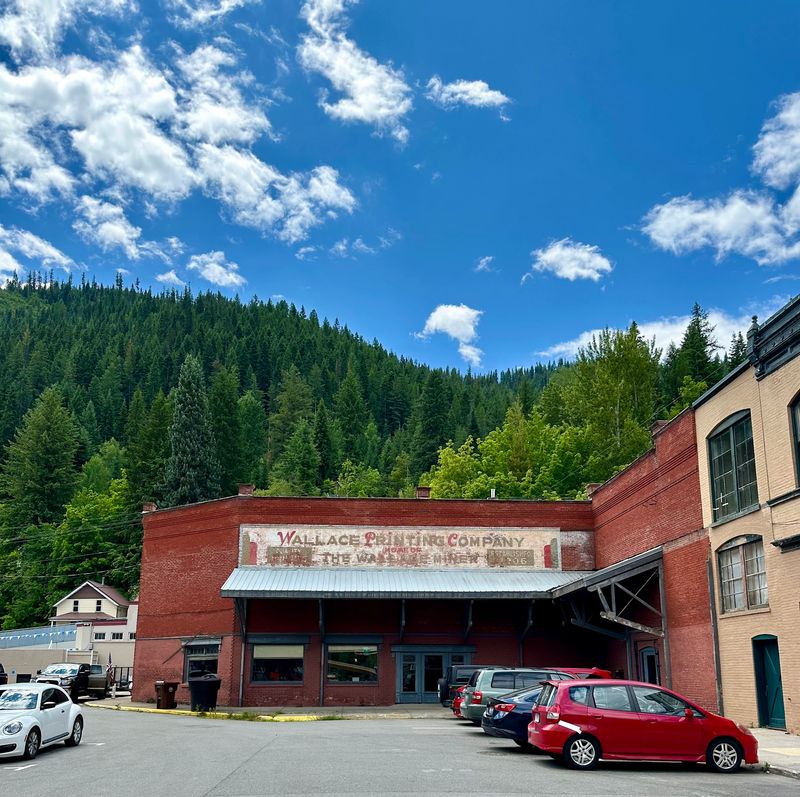
Hollywood once buried this little Silver Valley town under fake volcanic ash for the movie Dante’s Peak. Somehow, the real buildings looked even better once the dust settled.
Wallace was founded in 1884 during a silver boom, and its downtown architecture dates back to around 1890. The entire town sits on the National Register of Historic Places, a status that helped protect it when the interstate came through.
About 800 people call Wallace home today. That makes it the big city of this list, though you’d never guess it from the brick facades and old storefronts.
You can spend a full afternoon poking around without running out of things to see. The Sixth Street Theatre, built in 1891, still hosts melodramas and musical variety shows.
Rock fans should head to Johnson’s Gems, Jewelry and Rare Collectibles, a family-owned shop with minerals and local silver and gold. Antique hunters can climb three floors of vintage goods at the Past Present Shoppe.
The town also has a small silver museum, plus thrift and pawn shops worth a browse. Tours help you piece together the mining story behind those Idaho storefronts.
Bring comfortable shoes, because Wallace rewards slow wandering. Every block seems to hold another old sign or carved cornice.
Address: 600 Cedar St, Wallace, ID 83873
2. Idaho City
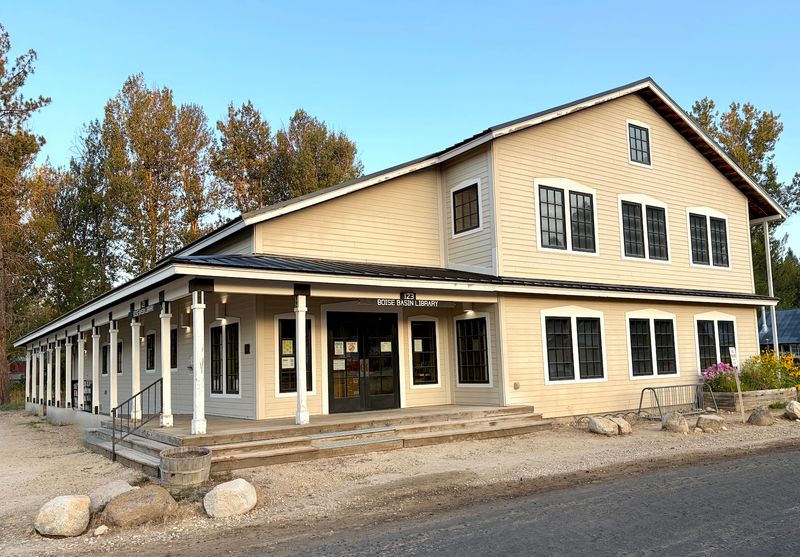
They called it the Queen of the Gold Camps, and the crown still fits pretty well. Back in the 1860s, the Boise Basin gold rush turned this mountain valley into a booming camp.
Today, roughly 500 people live in Idaho City. Wooden boardwalks still line Main Street, so your footsteps make that satisfying clunk with each stride.
The frontier architecture here is the real draw. You’ll spot historic sites like the Miners Exchange along with several territorial-era buildings.
The Boise County Courthouse went up in 1871 and still serves the county today. That’s a long shift for any building, let alone one made of brick in gold country.
History buffs should stop by the Boise Basin Museum. It’s housed in a former post office built in just 29 days back in 1867.
Twenty-nine days seems wild by modern standards. Most of us can’t get a fence approved that fast, never mind finish a whole post office.
Idaho City makes an easy day trip from the Treasure Valley, up Highway 21. The drive through the forest sets the mood before you even park.
Once you arrive, slow down and read the plaques. The boom years left their fingerprints on nearly every corner of town.
Address: Idaho City, ID 83631
3. Silver City, Idaho, Murphy, ID
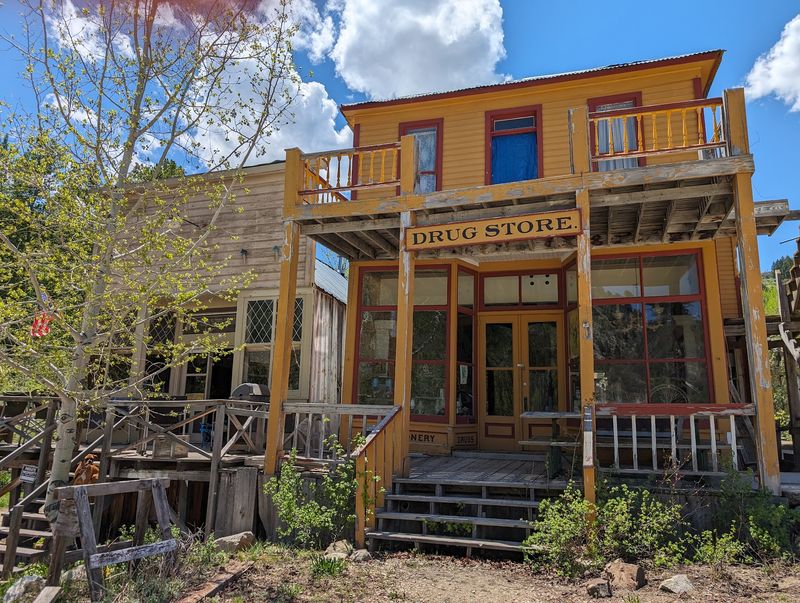
Only a few dozen people live up here, yet the hotel still opens for guests. That alone puts Silver City in a category of its own.
This Owyhee Mountains settlement grew out of a late-1800s silver boom. Its main street keeps dozens of preserved wooden buildings with classic Western facades.
Here’s the part that makes it special. Many buildings are privately owned, and their owners clearly take pride in keeping them standing.
The 1800s hotel operates seasonally, along with a store. A gift shop sells snacks, which you’ll appreciate after the bumpy drive in.
Wander a bit and you’ll find a schoolhouse and a Catholic church. Two cemeteries sit nearby, adding quiet layers to the town’s story.
Kids tend to enjoy the place, too. It feels like a giant outdoor history lesson without anyone calling it homework.
Scenic mountain trails wind around the area if you want to stretch your legs. Just remember that Silver City is remote, so plan your trip for the warmer months.
Fill your gas tank before you leave the valley floor. Out here, the nearest convenience store is a long way back down the mountain.
Address: 23989 Jordan St, Murphy, ID 83650
4. Murray
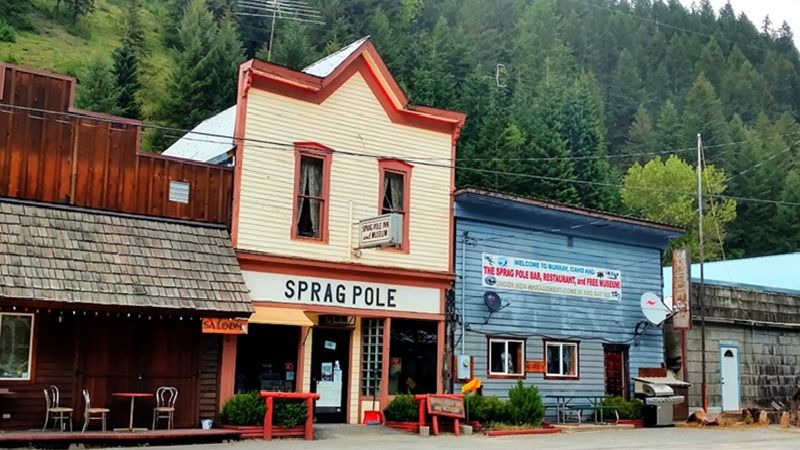
Fewer than 100 people live in Murray, but its Masonic Hall has outlasted plenty of bigger towns. The hall dates to 1884 and is the oldest continuously operating Masonic Hall in Idaho.
Murray took shape during the 1880s gold rush in the hills above the Silver Valley. Back then, the town buzzed with prospectors chasing a fortune.
These days, the pace is much slower. This unincorporated community feels deeply rural, with rustic wooden structures along the main road.
The star attraction is the Sprag Pole Restaurant and Museum. It operates inside one of the town’s original buildings, constructed in 1884.
Inside, you can mix lunch with a heaping helping of local history. It’s hard to beat a museum where you don’t have to whisper or skip a meal.
Murray makes a nice add-on if you’re already visiting Wallace. The drive takes you through the forested backcountry of Shoshone County.
Don’t expect boutiques or a busy sidewalk. What you get instead is a near-ghost town that still keeps the lights on.
Bring your camera for the old wooden facades. They look like they’ve been waiting patiently since the 1880s for someone to notice.
Address: Murray, ID 83873
5. Pierce
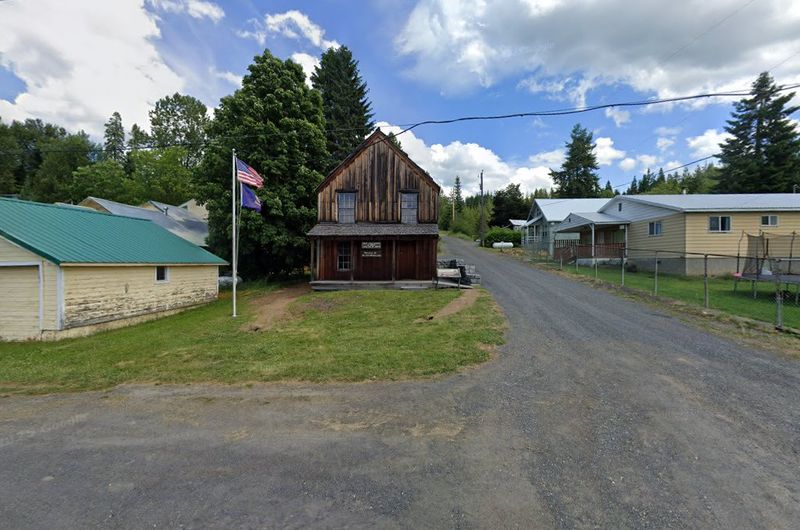
Every Idaho gold story has to start somewhere, and many historians point straight here. Pierce is known as the birthplace of the state’s gold rush after the big 1860 strike.
Think about that for a second. Before Boise Basin or the Silver Valley boomed, prospectors were already panning near Pierce.
Roughly 500 people live in this Clearwater County settlement now. It sits in timber country, and the woods press close to town.
The headliner is the 1862 Pierce Courthouse. It’s a modest timber structure, which makes its survival feel even more impressive.
Wooden buildings from the 1860s rarely make it this long. Fires, weather, and time usually win that battle long before anyone thinks to save them.
Main Street keeps other historic timber structures and plenty of late-1800s frontier heritage. It’s a quieter, woodsier take on the mining town than brick-heavy spots like Wallace.
Pierce works well as part of a drive through north-central Idaho. You can pair it with forest roads and river views along the way.
Take a moment at the courthouse to picture those first prospectors. They had no idea they were kicking off a rush that would shape a whole state.
Address: Pierce, ID 83546
6. Mackay
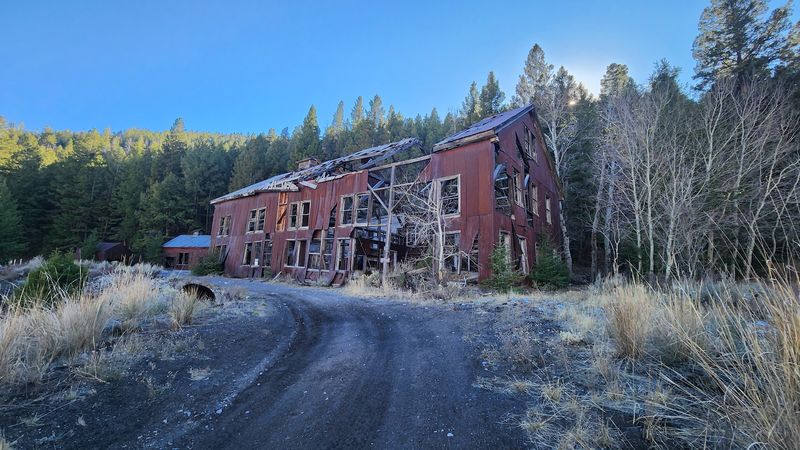
Copper, not gold, put this Custer County town on the map. The Mackay Mine Hill workings got going in 1879 and supported the community for years.
That copper and silver history gives Mackay a different flavor from the gold camps on this list. It’s a working-mine story told in brick and stone.
About 500 people live here today. The town sits in a wide valley with big mountain views in nearly every direction.
Downtown, Main Street keeps preserved late-1800s brick and stone storefronts. They look sturdy enough to handle another century without breaking a sweat.
The most striking feature hangs above town. The historic mountain mining tramway system stretches across the hillside, a reminder of how ore once came down from the mine.
Few small towns in Idaho have industrial relics this visible. You don’t have to hunt for the history, because it’s right there on the skyline.
Mackay makes a great stop on a drive through central Idaho’s high country. It’s a solid excuse to take the long way home.
Bring binoculars if you have them. Spotting the old tramway towers up on the hill turns into a fun game for the whole car.
Address: Mackay, ID 83251
7. Elk City
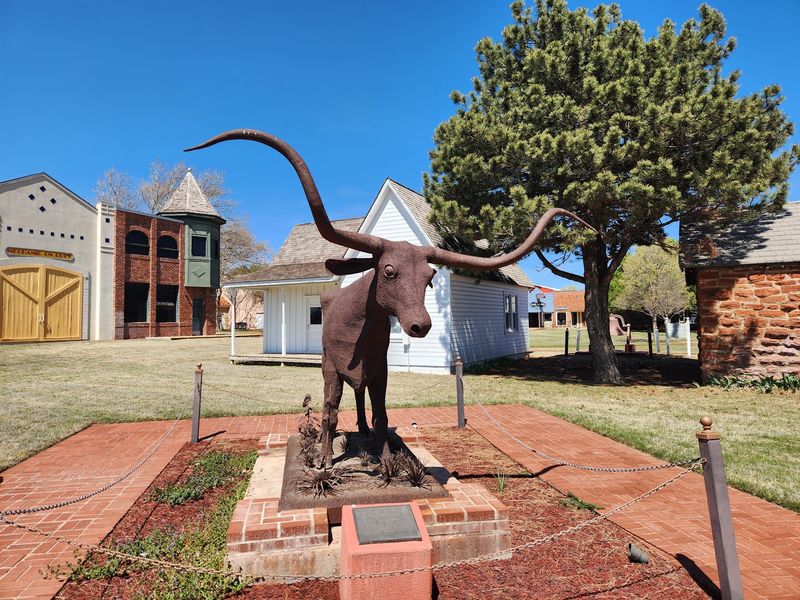
Pavement is optional in Elk City, and honestly, that’s part of the appeal. This isolated mountain town keeps an unpaved, rustic streetscape straight out of the frontier days.
Elk City got its start during the 1861 central Idaho gold rush. It grew into a major center for placer and quartz mining.
Around 200 people live here now, deep in the Nez Perce National Forest. Getting there takes some commitment, which keeps the crowds small.
The Elk City Old Town Museum Complex is the place to start. It recreates a pioneer town with structures like a blacksmith shop, a schoolhouse, and a general store.
Walking through feels like stepping onto a set, minus the director yelling cut. You get a clear sense of how hard daily life was out here.
Some historic buildings were lost to fires in the early 1900s. Even so, the town’s mining-era character still shows through the surrounding heritage.
Plan for a full day, since the drive is part of the adventure. The forest scenery along the way ranks among the best in Idaho.
Check road conditions before you go, especially outside summer. Out here, the mountains still make the rules, just like they did in 1861.
Address: Elk City, ID 83525