The Only Tax-Exempt Citizen Of Athens Georgia Is A Tree That Owns Itself
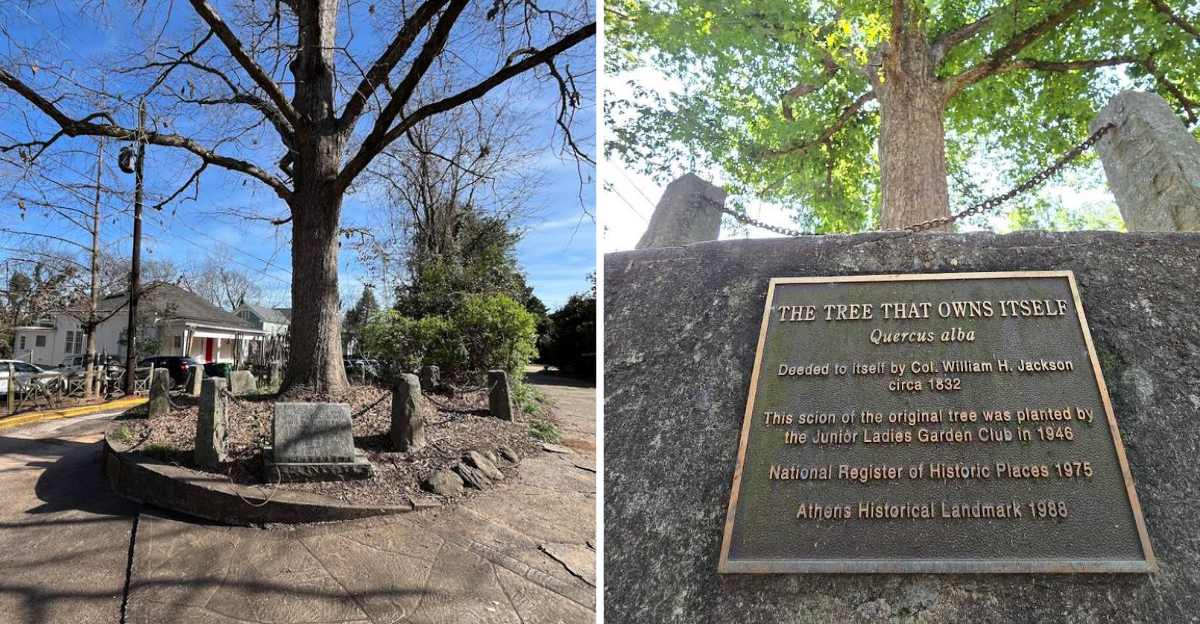
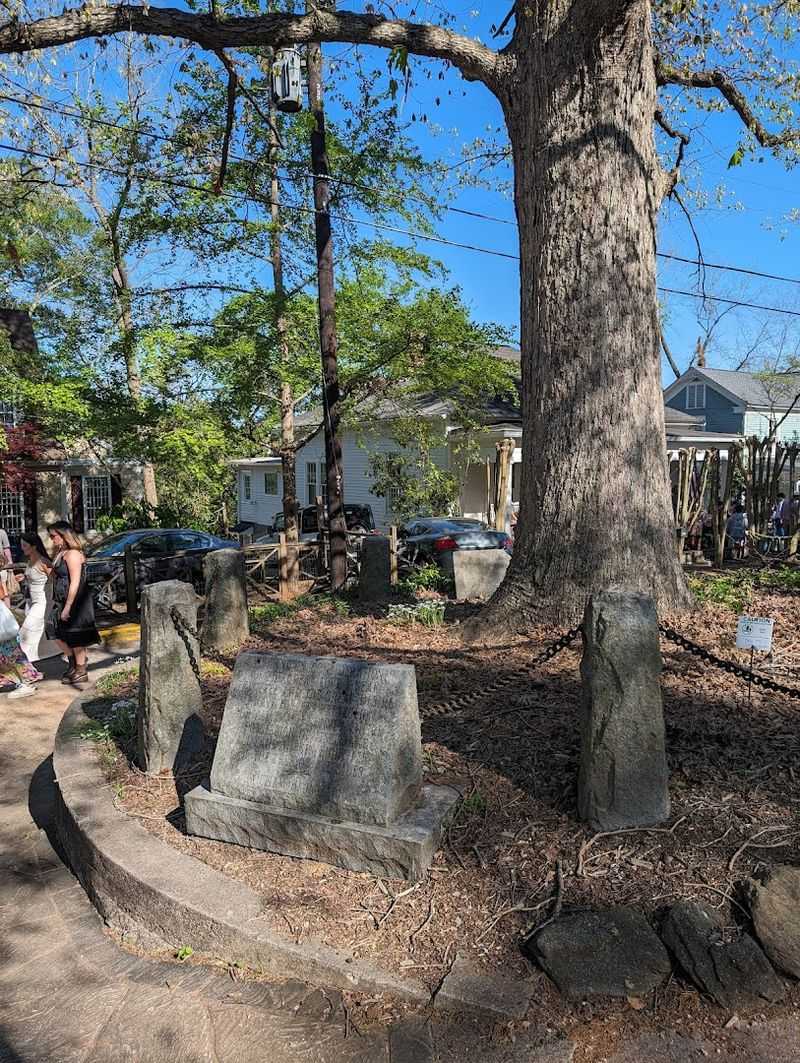
Tucked into a quiet residential corner of Athens, Georgia, stands one of the most unusual landmarks in the United States, a white oak tree that legally owns itself. This remarkable tree has captured imaginations for generations, thanks to a story that blends folklore, civic pride, and local history into one unforgettable tale. According to legend, the original owner granted the tree ownership of itself and the land within eight feet of its trunk, creating one of the quirkiest claims to independence you will ever encounter.
Whether every detail is fact or friendly embellishment hardly matters. What keeps visitors coming is the charm and symbolism behind it all. Surrounded by a small iron fence and shaded by leafy branches, the tree feels both humble and iconic.
For history lovers, nature enthusiasts, and fans of unusual stories alike, Athens offers a landmark unlike any other.
1. Colonel William H. Jackson, the Man Behind the Deed
Colonel William H. Jackson was no ordinary man. A professor at the University of Georgia during the early 19th century, he carried a deep appreciation for the natural world that set him apart from his contemporaries.
His connection to this particular white oak was said to be lifelong he grew up near it, played beneath it, and eventually built his home beside it.
When the time came to protect what he loved most, Jackson chose a solution that was equal parts legal creativity and heartfelt devotion. Whether the deed he wrote was ever officially recorded remains a matter of historical debate among scholars and local historians.
What is not debated is the impact of his act. Jackson’s decision to “deed” the tree its own land transformed a simple white oak into a cultural institution. His legacy lives on every time a visitor stops at Dearing and Finley Streets to read that famous plaque.
2. The Son of the Tree That Owns Itself
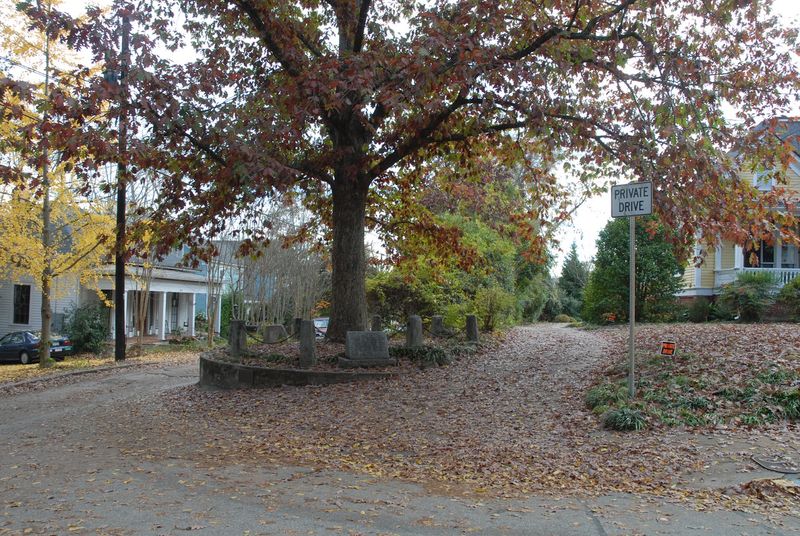
When the original tree fell in 1942, it did not truly disappear it left behind acorns. Members of the Junior Ladies Garden Club of Athens collected those acorns and carefully cultivated a sapling grown directly from the original tree’s seed. That sapling was planted at the same corner where its parent once stood.
On December 4, 1946, the new tree was formally dedicated in a community ceremony. It was affectionately dubbed the “Son of the Tree That Owns Itself,” and locals embraced it with the same warmth they had shown the original.
Today, that “son” is the tree visitors see standing at the corner of Dearing and Finley Streets. It has grown considerably since 1946 and carries the same symbolic weight as its predecessor. Seeing a tree that is both a living plant and a piece of living history is a genuinely moving experience, even for the most skeptical of visitors.
3. The Quirky Legal Reality
Here is where things get genuinely interesting from a legal standpoint. Under Georgia law and really any American property law a tree cannot actually own land. Trees are not legal persons, they cannot enter into contracts, and they cannot hold title to real estate.
So technically, the deed Colonel Jackson wrote has no enforceable legal standing.
Despite that reality, the City of Athens has chosen to honor the spirit of Jackson’s wish. The tree is maintained as a public street tree, and the city treats it with a level of care that reflects its cultural significance rather than any strict legal obligation.
That gap between the romantic story and the legal truth is part of what makes the Tree That Owns Itself so endearing. It reminds visitors that communities sometimes choose to honor an idea simply because it matters to them and that collective agreement can be just as powerful as any official document filed in a courthouse.
4. Finding the Tree: Location and Accessibility
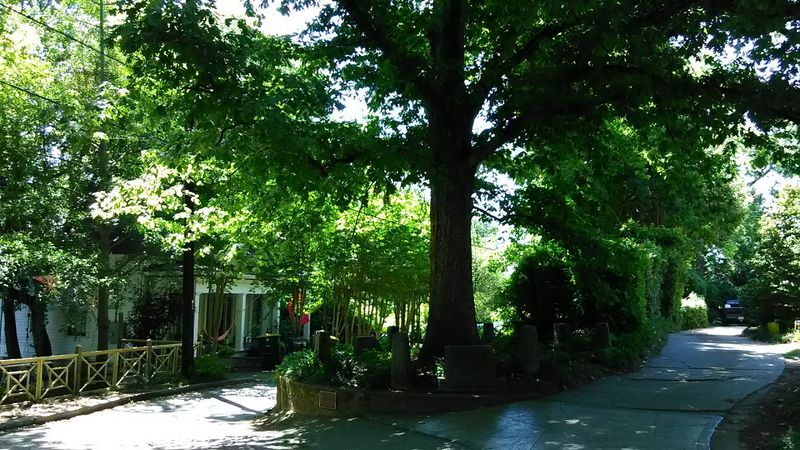
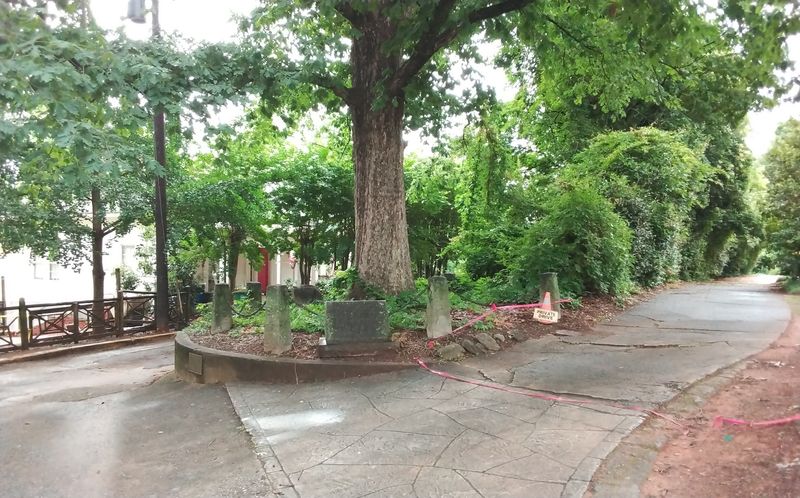
Locating the Tree That Owns Itself is straightforward, and the journey through Athens to reach it is pleasant in its own right. The tree stands at the corner of Dearing and Finley Streets, close to the University of Georgia’s North Campus and within easy walking distance of downtown Athens.
The address most commonly referenced is 277 South Finley Street, Athens, GA 30605. Street parking is available nearby, and the neighborhood is quiet and walkable, making it a comfortable stop for visitors of all ages and mobility levels.
There is no admission fee, no ticket booth, and no set visiting hours the tree is simply there, rooted in its corner of the world, available to anyone who wants to come and see it. Early morning visits tend to be especially peaceful, with soft light filtering through the canopy and the neighborhood still quiet around you.
5. The Dearing Street Historic District Connection
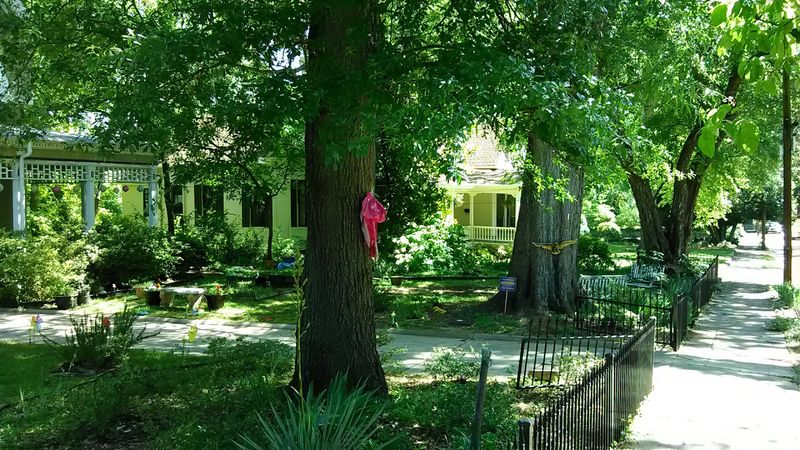
The Tree That Owns Itself does not stand alone in historical terms. It sits within the Dearing Street Historic District, a neighborhood that was added to the National Register of Historic Places in 1975. The district is recognized primarily for its architectural significance, showcasing a wide range of styles from modest Victorian cottages to grander Greek Revival homes.
Walking through the district feels like flipping through a well-illustrated history book. Many of the homes date back to the 19th century, and their preservation reflects the community’s commitment to honoring the past without freezing it in amber.
For visitors who enjoy architecture and neighborhood character as much as individual landmarks, the Dearing Street area rewards a slow, unhurried walk. Combine a visit to the tree with a stroll along the surrounding blocks, and the trip becomes a genuinely rich cultural experience rather than a quick photo stop at a single curiosity.
6. The Junior Ladies Garden Club’s Lasting Role
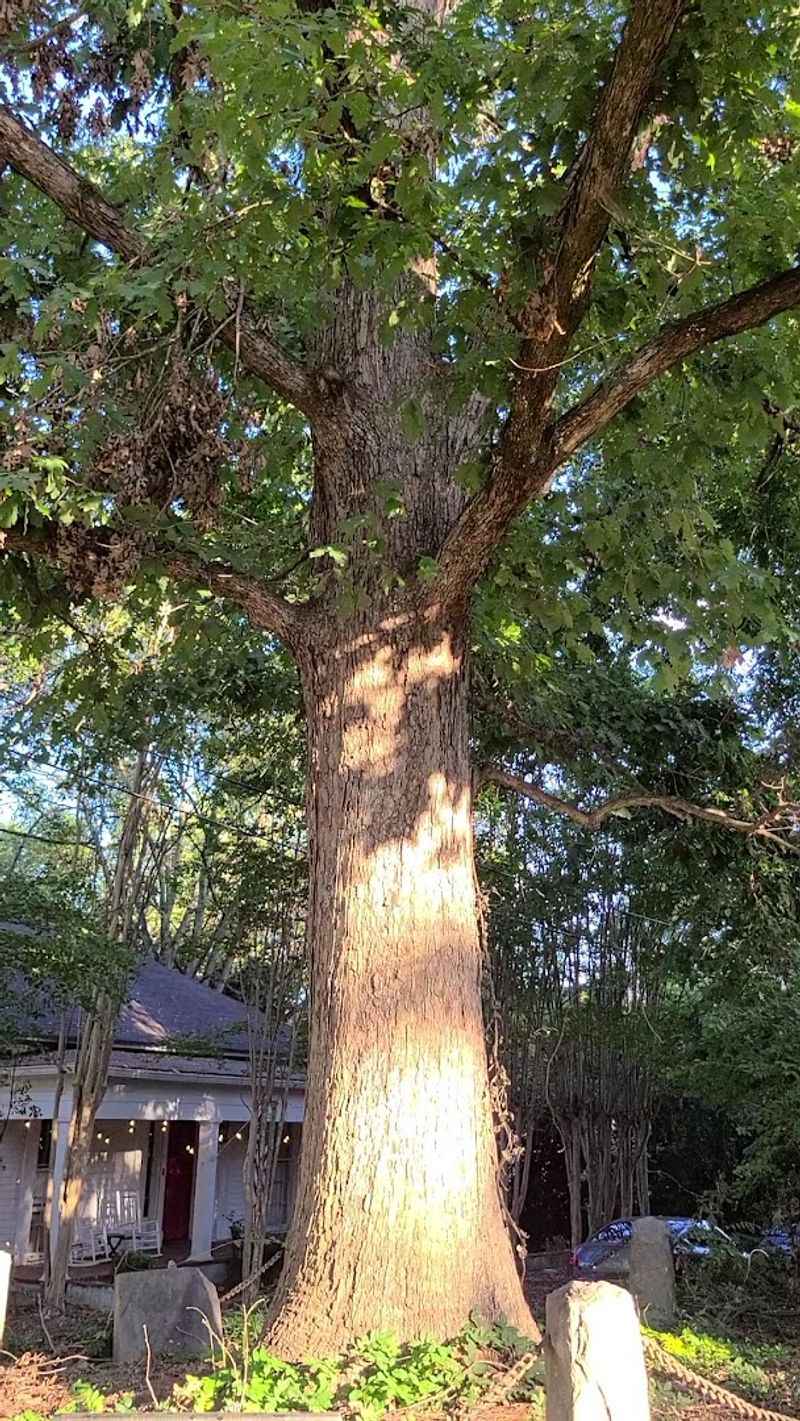
Community preservation rarely happens by accident, and the continued existence of the Tree That Owns Itself owes a great deal to one dedicated group. The Junior Ladies Garden Club of Athens stepped forward after the original tree’s fall in 1942, taking it upon themselves to ensure the legacy would not simply fade away with the storm damage.
They collected acorns from the fallen tree, nurtured a sapling, arranged the 1946 dedication ceremony, and took on the role of primary advocates for the tree’s care. Their involvement transformed what could have been a sad ending into a story of community resilience and botanical stewardship.
The club’s commitment is a reminder that local landmarks survive because of local people who care enough to act. Without their efforts, the corner of Dearing and Finley Streets would simply be another quiet intersection, rather than one of the most talked-about tree locations in the entire American South.
7. The Legend of Self-Ownership
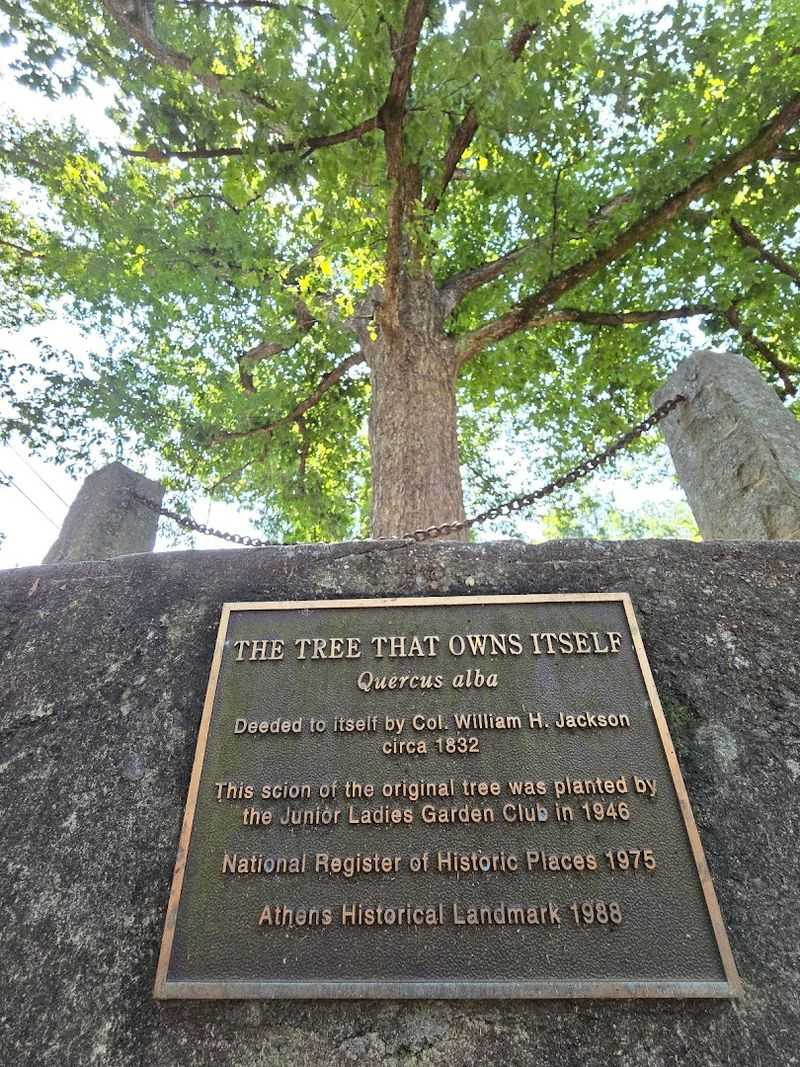
Back in the early 1800s, a University of Georgia professor named Colonel William H. Jackson reportedly did something no one had ever done before he deeded a tree ownership of itself. So devoted was he to a particular white oak growing on his property that he wrote a deed granting the tree full possession of itself and all land within eight feet of its trunk on every side.
The inscription on the plaque at the base reads: “For and in consideration of the great love I bear this tree and the great desire I have for its protection for all time, I convey entire possession of itself and all land within eight feet of the tree on all sides.”
It is a wildly romantic gesture by any measure. The original deed has never been definitively located, yet the story has endured for generations, becoming one of Georgia’s most beloved pieces of local folklore.
8. Ripley’s Believe It or Not! and National Fame
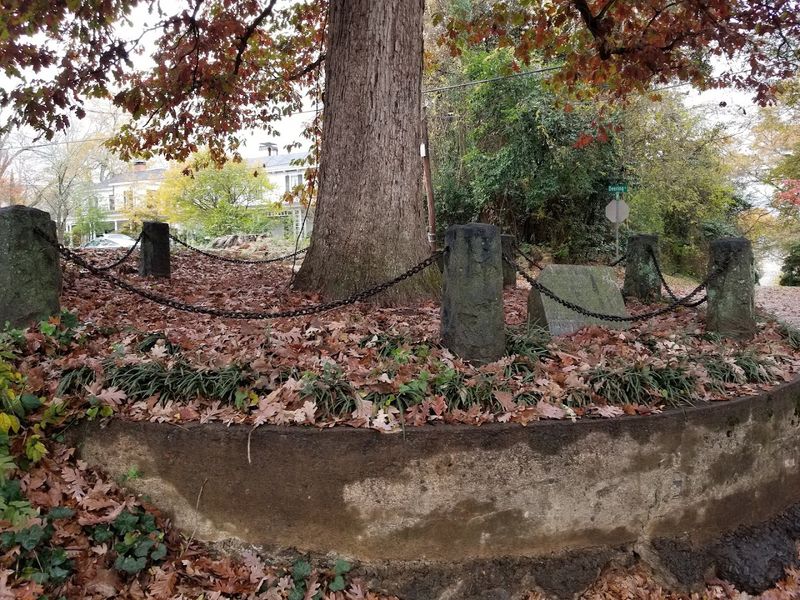
Not every local legend escapes its hometown, but the Tree That Owns Itself managed to capture national attention in a particularly memorable way. The story was featured in Ripley’s Believe It or Not!, the long-running series dedicated to extraordinary and hard-to-believe facts from around the world.
Being included in Ripley’s is a kind of cultural milestone. It signals that a story has crossed the threshold from regional curiosity to something the broader American public finds genuinely surprising and worth sharing. For Athens, that recognition helped cement the tree’s status as a must-see attraction rather than just a neighborhood footnote.
Various publications and travel guides have featured the tree over the decades, and it continues to appear on lists of America’s strangest and most charming landmarks. That sustained media interest has kept visitor numbers steady and introduced the story to new generations who might otherwise never have heard of a white oak in a Georgia neighborhood.
9. Tax-Exempt Status: The Charming Claim
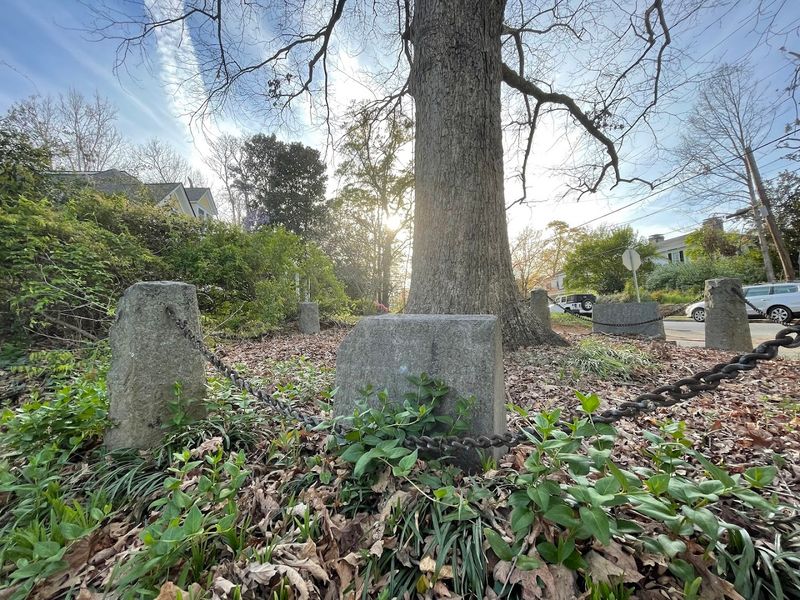
One of the most delightful claims attached to the Tree That Owns Itself is that it holds a kind of tax-exempt status as Athens’ most unusual citizen. The idea flows naturally from the self-ownership story if the tree owns its own land, does it pay property taxes on that land? The charming answer the community has settled on is essentially no.
The City of Athens maintains the tree as a public street tree, which means it falls under municipal care rather than private taxable property. In practical terms, no tax bill goes to the oak, and no one expects one. The tax-exempt framing is more of a playful community narrative than a formal legal designation.
Still, the idea resonates with people. There is something genuinely funny and oddly heartwarming about a tree being excused from the obligations the rest of us cannot avoid. It adds a layer of whimsy to Athens that the city clearly embraces with good humor and civic pride.
10. What the Tree Teaches About Local History
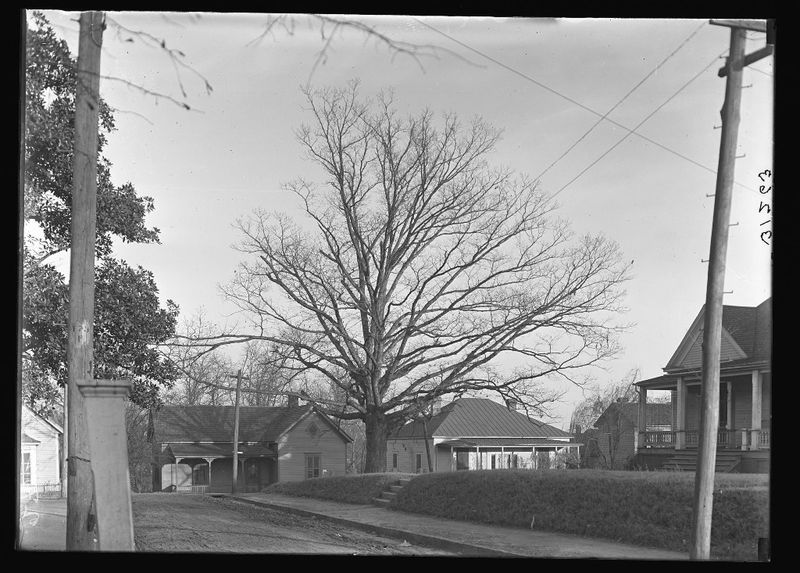
Beyond its novelty, the Tree That Owns Itself functions as a genuinely useful educational touchstone for the Athens community. It opens conversations about early 19th-century Georgia life, land ownership laws, the University of Georgia’s history, and the role that individual citizens have played in shaping local culture.
Teachers and tour guides regularly use the tree as a starting point for broader discussions about how communities preserve their heritage. The story of Colonel Jackson’s deed raises questions about what it means to protect something you love, and those questions are just as relevant today as they were two centuries ago.
For younger visitors especially, the tree offers a rare chance to connect with history in a tangible, outdoor setting rather than through a textbook. Standing beneath a living oak that descends directly from a tree planted before the American Civil War is a quietly powerful experience that tends to stick with people long after the visit ends.
11. A Symbol of Community Resilience
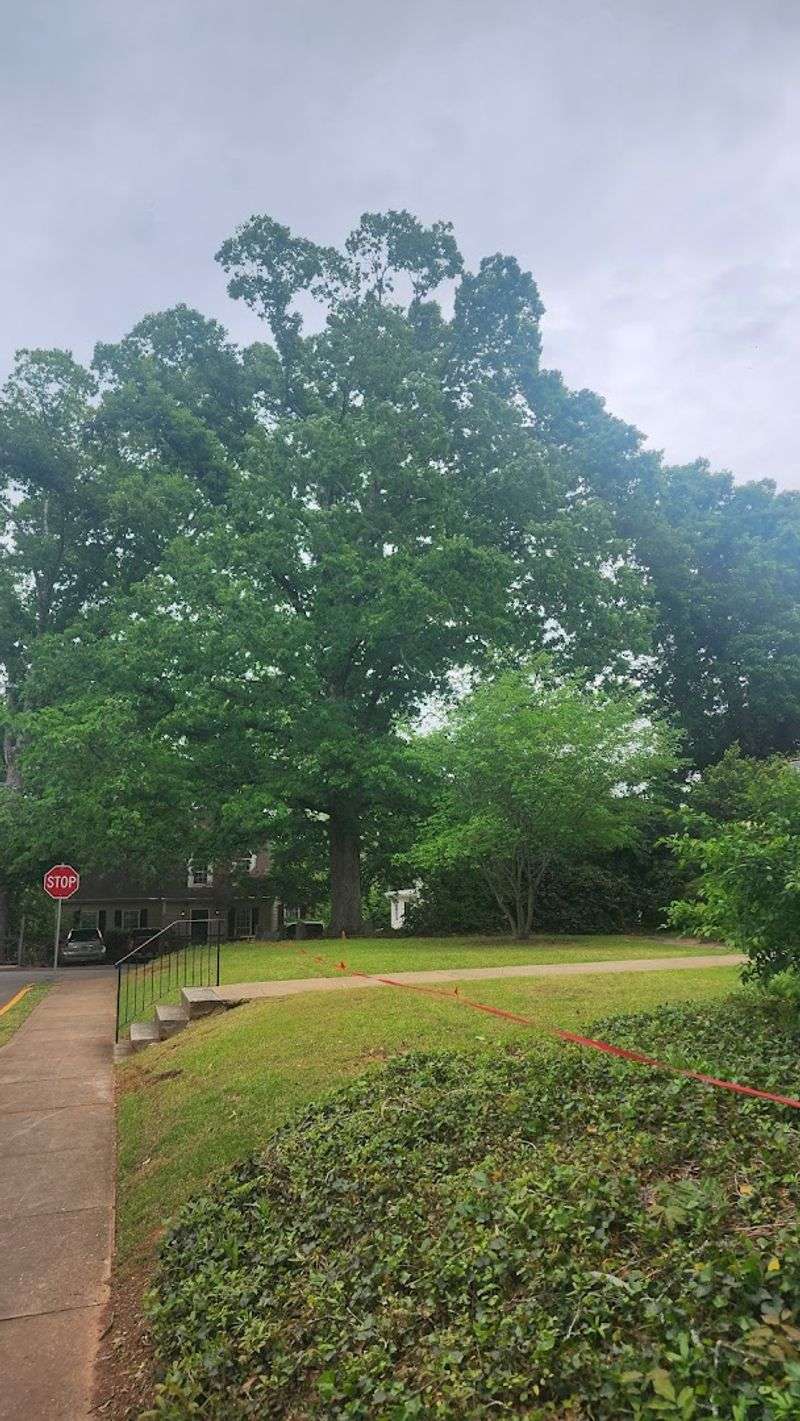
When the original tree fell in 1942, Athens could have simply moved on. Instead, the community chose to replant, re-dedicate, and re-commit to the idea that some things are worth preserving even when nature intervenes. That choice speaks volumes about the character of Athens as a city.
The “Son of the Tree That Owns Itself” is now well into its eighth decade of life, growing steadily at the same corner where its parent once stood. Each year, its canopy spreads a little wider, its roots push a little deeper, and its presence becomes a little more commanding.
Resilience is not always dramatic. Sometimes it looks like a garden club planting an acorn in the ground and choosing to believe it matters. The tree that stands today is proof that small, determined acts of community care can outlast storms, decades, and doubt which is perhaps the most human lesson a tree has ever taught.
12. The Original Tree’s Dramatic Fall
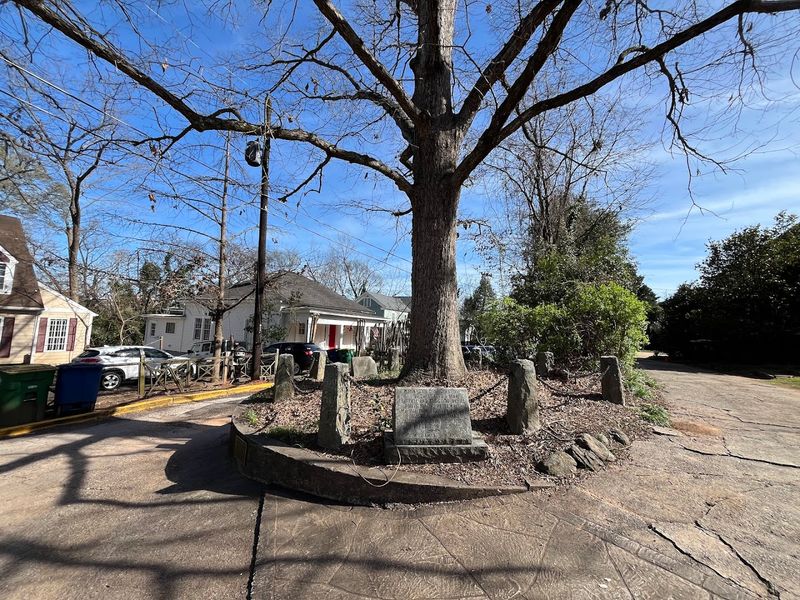
Nothing lasts forever not even a tree that owns itself. On October 9, 1942, a powerful windstorm swept through Athens and brought the original Tree That Owns Itself crashing to the ground. The fall shocked the community, which had come to regard the oak as something of a permanent fixture in the city’s identity.
Estimates of the tree’s age at the time of its fall ranged widely, anywhere from 150 to 400 years old. That broad range reflects just how difficult it can be to date a tree without modern tools, but either estimate places the oak firmly in colonial or even pre-colonial American history.
The loss was mourned publicly. Local newspapers covered the event, and residents gathered to pay their respects. Rather than simply clearing the debris and moving on, the Athens community chose to honor the tree’s memory in a way that would keep its spirit very much alive for decades to come.
13. Architectural Context of the Surrounding Neighborhood
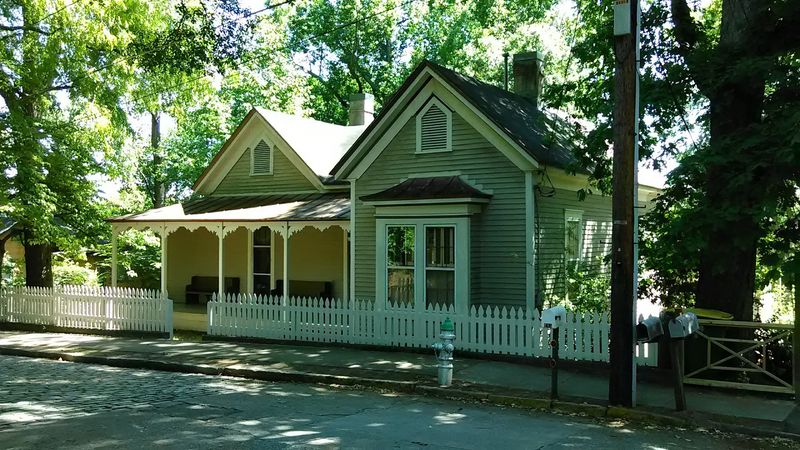
The neighborhood surrounding the Tree That Owns Itself is worth more than a passing glance. The Dearing Street area features homes that span multiple architectural periods, from modest wood-frame cottages built in the mid-1800s to more elaborate late Victorian and Craftsman-style structures from the early 20th century.
Architecture enthusiasts will find plenty to admire on a slow walk through the blocks near the tree. Wide front porches, ornate woodwork details, and mature street trees create a streetscape that feels both historically grounded and genuinely livable.
The neighborhood has managed to retain much of its original character while remaining an active residential community rather than a museum piece. That balance between preservation and everyday life gives the area an authenticity that purely tourist-focused historic districts sometimes lack. Visiting the tree and then spending thirty minutes exploring the surrounding streets rewards the curious traveler with a much richer picture of what Athens truly feels like.
14. Community Events and Cultural Celebrations
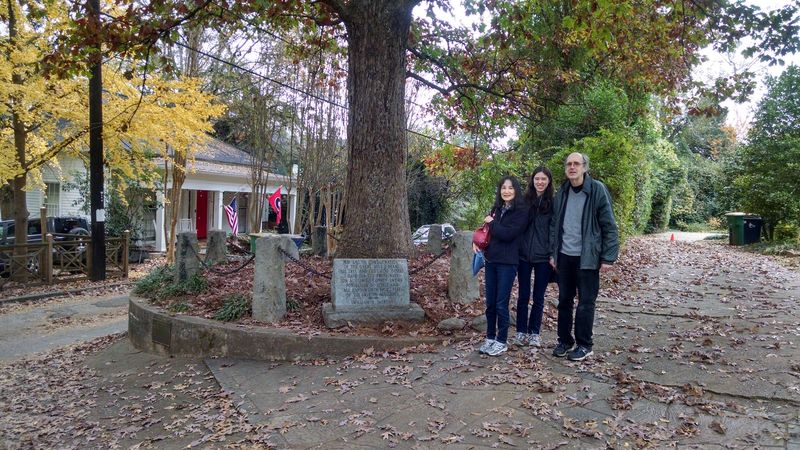
Athens, Georgia has never been shy about celebrating what makes it different, and the Tree That Owns Itself has become a natural focal point for community events over the years. Local tours, history walks, and neighborhood celebrations regularly include a stop at the corner of Dearing and Finley Streets as a highlight rather than an afterthought.
The tree’s cultural presence extends beyond formal events. It appears on local merchandise, in city branding materials, and in countless social media posts from visitors who feel compelled to share something so wonderfully strange. That organic, word-of-mouth enthusiasm has kept the tree relevant across generations of Athens residents and travelers.
Athens itself is a city with a strong identity rooted in music, art, university culture, and a healthy appreciation for the eccentric. The Tree That Owns Itself fits perfectly into that identity, serving as a reminder that the most memorable parts of any city are often the ones that refuse to be entirely ordinary.
15. Why the Tree That Owns Itself Still Matters Today
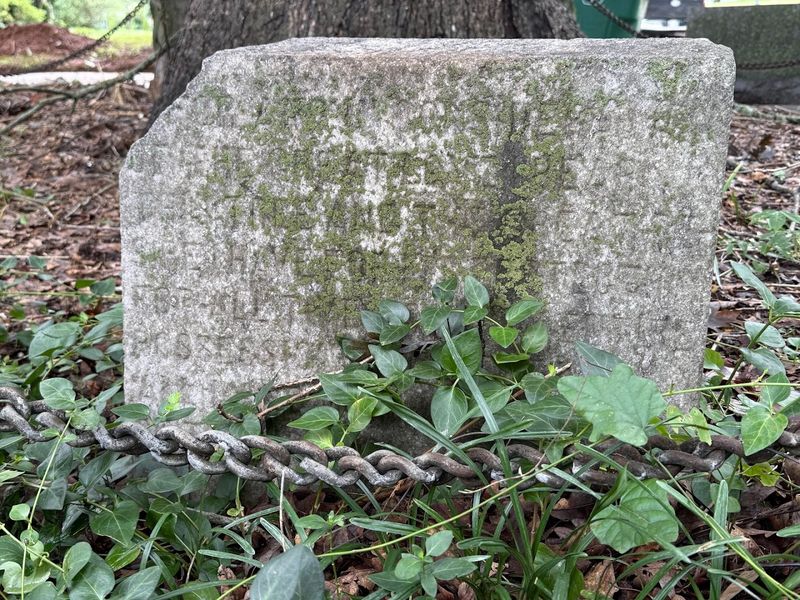
In an era when attention is constantly pulled in a hundred directions, there is something refreshing about a landmark whose entire appeal rests on a simple, human-scale story. No theme park, no ticketing system, no curated digital experience just a tree, a plaque, and a two-century-old act of affection from a man who loved an oak.
The Tree That Owns Itself endures because it connects people to something real. It is a reminder that ordinary individuals can shape how a community sees itself, and that sometimes the most meaningful acts of preservation are the quiet, personal ones rather than the grand institutional gestures.
For anyone visiting Athens, Georgia, a stop at 277 South Finley Street requires almost no planning and costs absolutely nothing. Yet it tends to linger in the memory far longer than many more elaborate attractions. Some places earn their reputation through spectacle; this one earns it through sincerity, and that may be the rarest quality of all.