9 Oregon High Desert Ranching Communities Where Breakfast Starts Early And Ends Even Earlier
I once watched a rancher in Harney County finish his eggs before I even remembered where I was. It was 4:47 AM.
He was already on his second cup. That morning stuck with me, because it said everything about how Oregon’s high desert runs on a completely different clock than the rest of the world.
The state has two lives, and most people only know one of them. Eastern Oregon’s ranching communities are the other one.
Brutal winters, cracked summer earth, cattle that need feeding whether you slept or not. In these communities, breakfast isn’t comfort.
It’s strategy. You eat fast, you eat enough, and you move.
1. Burns
Before the sun clears the rimrock, activity in Burns is already underway. This small high desert town serves as a central hub for the surrounding ranching communities, where mornings tend to start early and move with purpose.
Burns sits at the crossroads of Highway 20 and Highway 395, right in the heart of eastern Oregon’s wide-open landscape. With a population of around 2,700 people, it remains small in size but important in function, connecting nearby ranches and remote areas to essential services.
Local diners and gathering spots open early to match the pace of the people who rely on them. Breakfast is simple, filling, and served quickly, reflecting the needs of those heading out for long workdays.
It’s less about lingering and more about getting what you need before moving on.
Harney County spans over 10,000 square miles, making it one of the largest counties in the contiguous United States. Burns plays a key role within that space, offering fuel, supplies, and a reliable place to stop before continuing across long distances.
Morning conversations often revolve around practical topics like weather, land conditions, and day-to-day work. The tone is straightforward and grounded, shaped by the realities of ranch life.
Spending time here offers a clear sense of how closely the community is tied to the land around it.
2. Riley
Small doesn’t begin to cover it. Riley sits just west of Burns on Highway 20, and the cattle operations surrounding it are anything but small-scale.
The population here can be counted without running out of fingers twice. But the ranches that fan out across the high desert around Riley represent generations of serious agricultural work.
These aren’t hobby farms, they’re working cattle operations that have shaped this landscape for well over a century.
Breakfast in Riley happens at home, at the ranch table, before the sun even considers rising. There’s something deeply grounding about that kind of morning routine.
Coffee on the stove, boots by the door, and a full day already mapped out in your head.
Riley functions as a quiet anchor community for ranchers spread across a wide area of Harney County. The Silvies Valley nearby provides critical water resources that support the cattle operations throughout the region.
If you’re passing through on Highway 20, slow down and pay attention to the landscape around Riley. The scale of the ranching operations visible from the road will genuinely stop you mid-thought.
This is real working land, and it demands respect.
3. Frenchglen
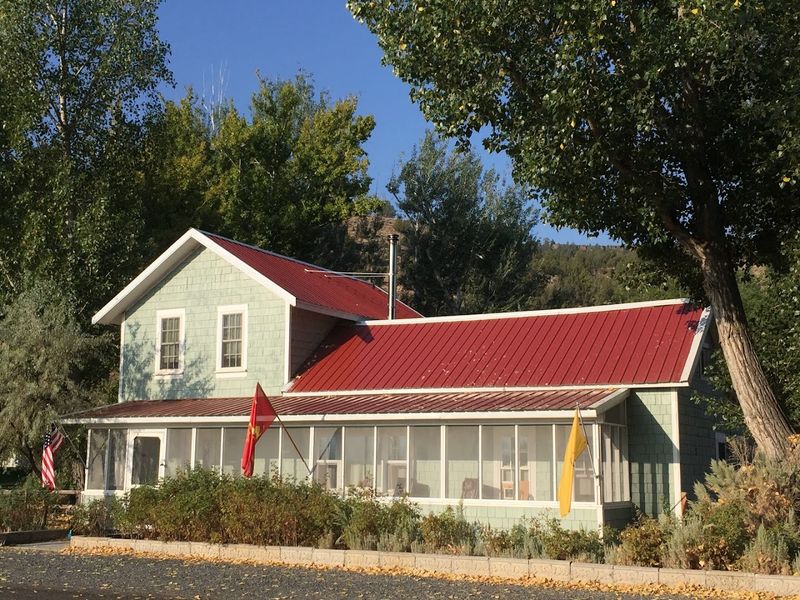
Steens Mountain rises dramatically behind this tiny community, and the view alone makes the long drive south from Burns worthwhile. Frenchglen feels firmly rooted in Oregon ranch country, where the landscape and daily life still move at a steady, practical pace.
The Frenchglen Hotel is a state-owned historic landmark that has been welcoming travelers for over a century. Its presence adds a sense of continuity to the area, offering a simple place to rest and refuel before heading further into the high desert.
Breakfast is served early and without much ceremony, in line with the rhythms of the surrounding ranching community. The meals are straightforward and filling, built around what people need rather than anything overly elaborate.
The hotel sits along the road south of Burns, with the route unfolding through wide valleys, volcanic rimrock, and open sky in every direction. The drive itself highlights just how expansive and quiet this part of the state can feel.
In the late 1800s, cattleman Peter French ran large herds across this region, shaping much of the early ranching history tied to the land. That legacy still carries through in the character of the community today.
Nearby, the Malheur National Wildlife Refuge brings a seasonal mix of visitors, from birdwatchers to travelers passing through. Even with that, Frenchglen remains quiet, grounded, and closely tied to the landscape that surrounds it.
4. Fields
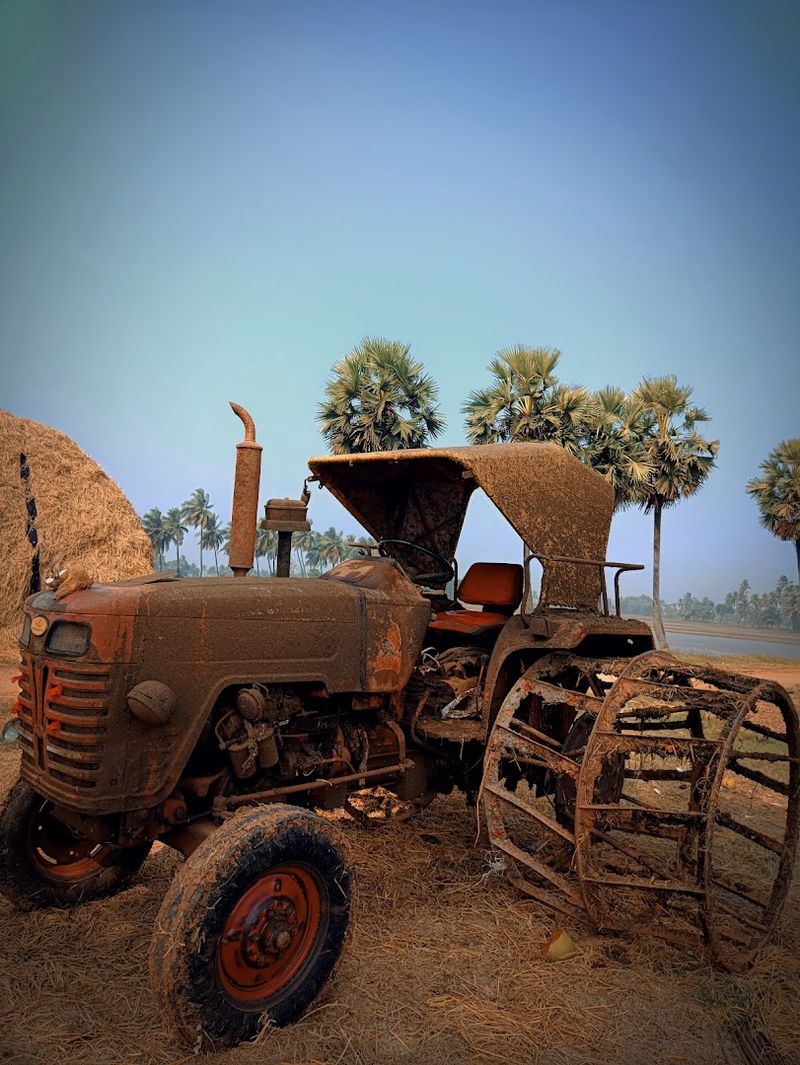
Getting to Fields is a commitment, and it’s worth stopping for a quick breakfast once you arrive.
Fields sits in the Alvord Desert region of southeastern Oregon, roughly an hour from the nearest grocery store in any direction. The Fields Station store and cafe is the beating heart of this remote outpost, serving fuel, food, and conversation to everyone who passes through.
Breakfast here is a reliable stop for travelers passing through. The milkshakes get most of the attention online, but the morning meal still plays an important role for those moving through this part of the state.
The Alvord Desert stretches out just east of Fields, a vast playa that sits in the rain shadow of Steens Mountain. It’s one of the more remote landscapes in the western United States.
Fields exists because ranchers needed a supply point in that remoteness.
The nearest town of any real size is Burns, which is about 110 miles north on a mix of paved and gravel roads. That distance shapes everything about how Fields operates, and meals here are part of a practical stop in a very remote area.
Come prepared, come early, and appreciate every bite.
5. Wagontire
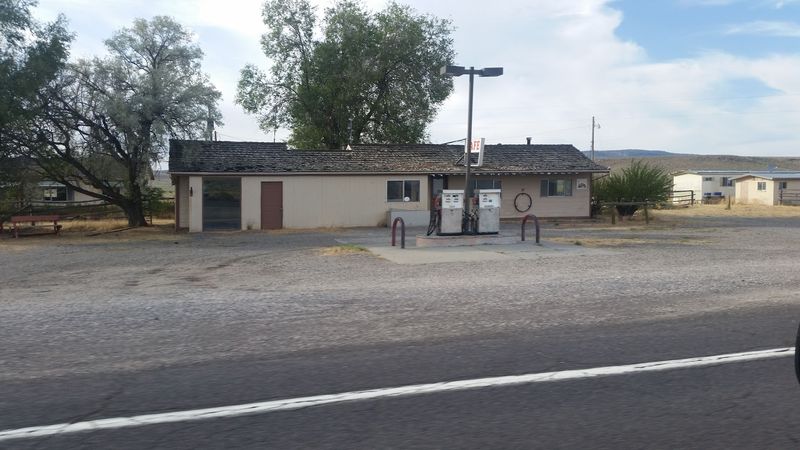
Highway 395 cuts through some of the most open, wind-swept country in the entire state. Wagontire sits right in the middle of it, and it refuses to disappear quietly.
This near-ghost community has watched the population shrink over the decades, but ranching life still pulses through whatever remains. The isolation here is not a metaphor, it is a measurable, physical fact of daily existence.
Wagontire sits at roughly 4,800 feet in elevation, exposed to every weather system that sweeps across the high plateau. Winter mornings can be brutal, which makes the idea of a warm breakfast feel almost sacred.
Ranchers in this area have learned to start the day with serious fuel.
The community sits between Burns to the north and Lakeview to the south, which means it serves as a remote waypoint for ranchers making long supply runs in either direction. Those drives can take an entire day, so the morning meal carries real weight.
Wagontire’s story is one of stubborn persistence in a landscape that doesn’t make life easy. The ranching families who’ve stayed here have done so by choice, and that choice says everything about their character.
Respect the isolation and tip generously.
6. Plush
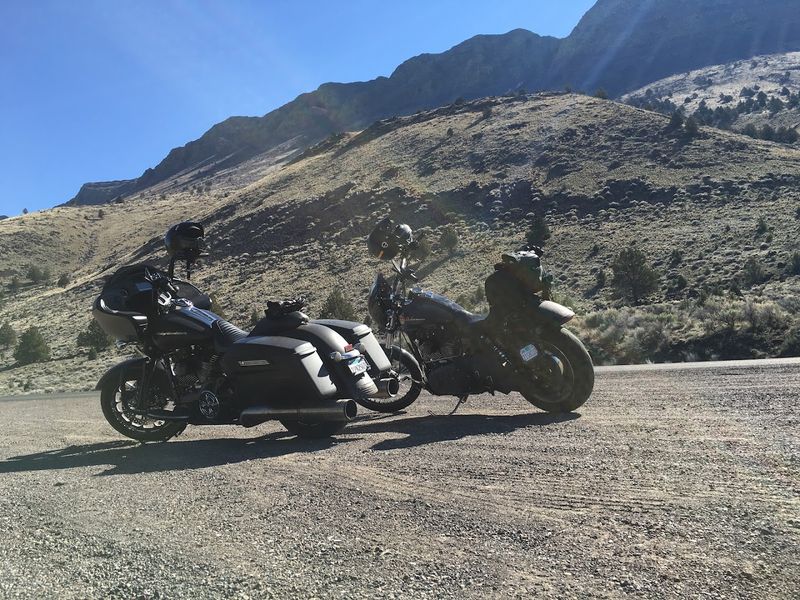
Warner Valley has a quiet magic that’s hard to put into words. Plush sits right in the middle of it, and the ranching culture here runs deeper than most people realize.
Located in Lake County, Plush is an isolated community that has supported cattle ranching for well over a hundred years.
The Warner Valley itself is a series of interconnected lakes and marshes surrounded by high desert rimrock, creating a unique ecological environment that supports both wildlife and livestock.
Getting to Plush requires navigating long stretches of two-lane road through open rangeland. The nearest city with full services is Lakeview, about 50 miles to the south.
That distance means mornings in Plush are self-sufficient by necessity, breakfast happens at home, early, and completely on ranch terms.
Hart Mountain National Antelope Refuge borders the valley to the east, adding a wildlife dimension to the already-rich landscape. Pronghorn antelope share the sagebrush flats with cattle in a way that feels entirely natural out here.
Plush is the kind of place that rewards patience and curiosity. The ranching families here have built something lasting in a remote corner of the state that most people never find.
That’s exactly what makes it worth finding.
7. Adel
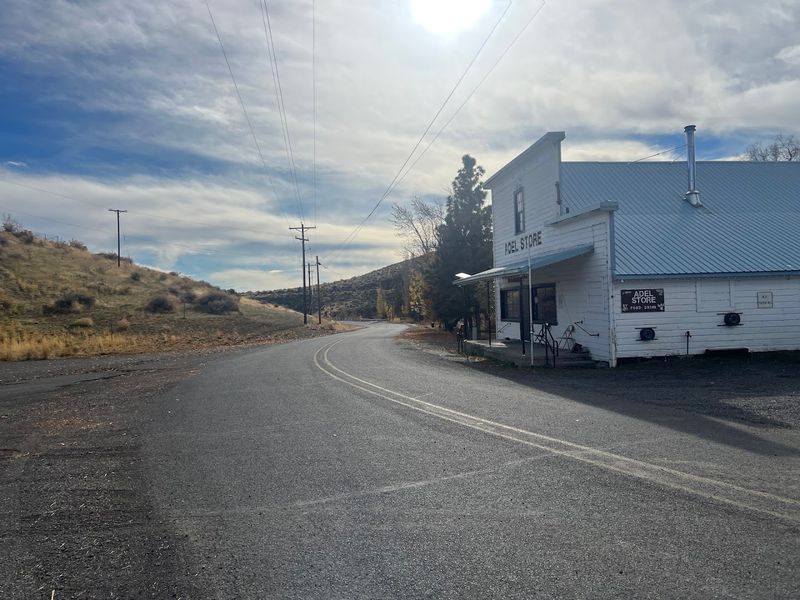
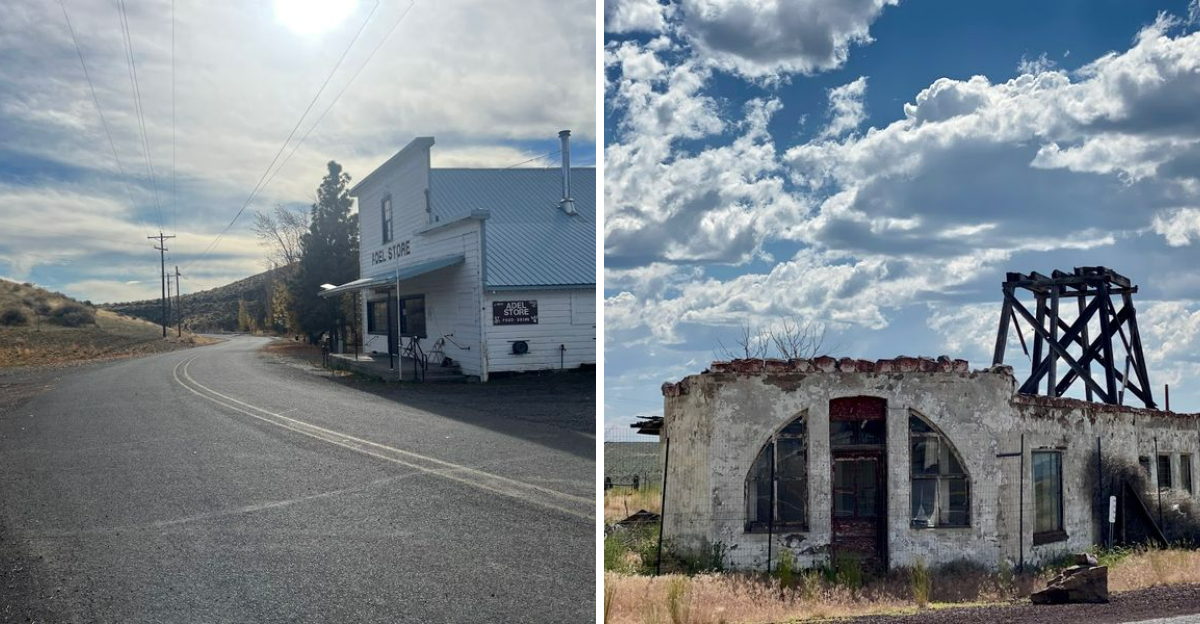
At the far southern edge of Lake County, Adel sits in a landscape so remote that a ranch supply run genuinely takes the better part of a full day. That’s not an exaggeration.
That’s Tuesday.
Adel is positioned near the Warner Lakes, a chain of shallow alkaline lakes that attract birds and ranchers alike. The community itself is tiny, but the cattle operations surrounding it are expansive and deeply rooted in the land.
The Adel Store has served as the community’s lifeline for decades, providing fuel, basic supplies, and a place to stop on long stretches of Highway 140. It’s the kind of establishment that exists because nothing else does for miles in any direction.
Ranchers in this part of the state manage operations across enormous acreages, moving cattle between seasonal pastures on schedules that have been refined over generations. Breakfast happens early because the workday starts before light, not after it.
Adel sits at the intersection of real geographic isolation and genuine agricultural heritage. There are no shortcuts to getting here and no shortcuts in the work being done here either.
That combination creates a community character that’s completely authentic and impossible to manufacture. Visit Adel once and you’ll understand what remote really means.
8. Brothers
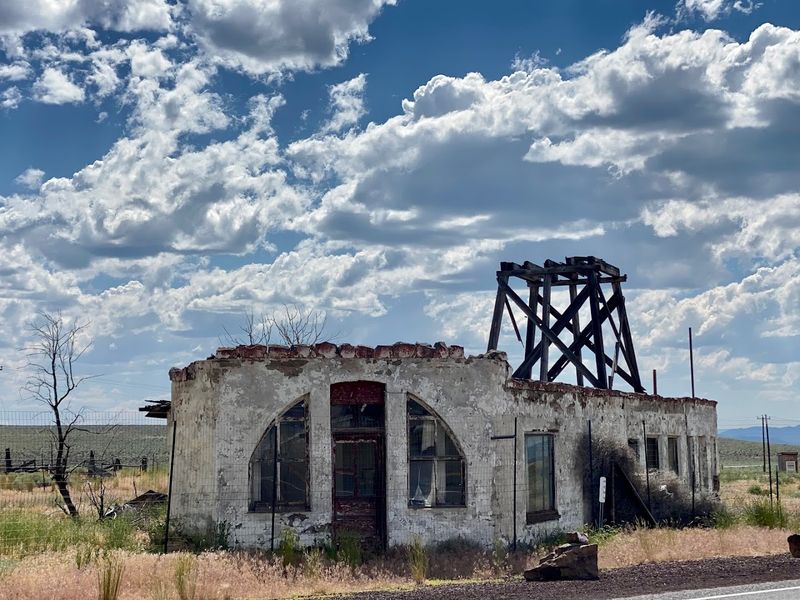
Blink at the wrong moment on Highway 20 and you might miss Brothers entirely. It’s one of those places that doesn’t announce itself, sitting quietly in the wide, open stretch of Oregon’s high desert.
Brothers lies roughly 50 miles east of Bend, surrounded by sagebrush flats that seem to run on forever. The landscape here is defined by distance and simplicity, with very little to interrupt the horizon.
The community itself is extremely small, with just a handful of essential services gathered in one spot along the highway.
Life here follows a practical rhythm shaped by long drives, early starts, and the realities of working in a remote environment. Any stop along this stretch tends to reflect that pace, with people moving in and out quickly, focused on the road ahead.
Conversations are short, routines are steady, and time is used carefully.
At around 4,500 feet in elevation, Brothers experiences cold, sharp mornings, especially in the winter months. The air carries a noticeable edge before sunrise, and even a brief stop can feel like a welcome pause in an otherwise exposed landscape.
Pulling over here isn’t about finding a destination as much as it is about understanding the scale of this part of Oregon. Brothers stands as a quiet marker of just how far the high desert stretches, and how few places break that silence along the way.
9. Drewsey
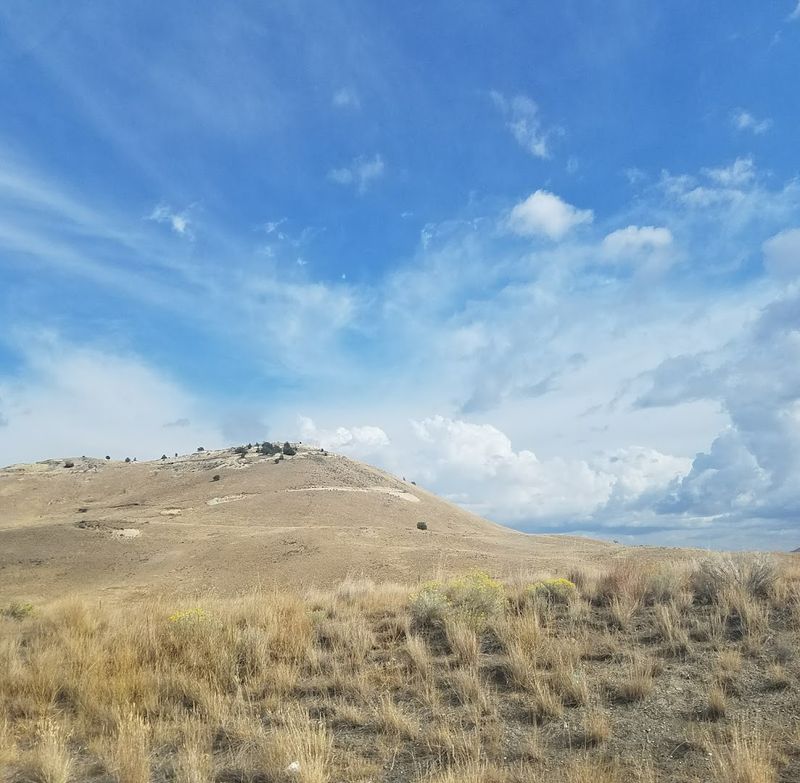
Along the Malheur River in Harney County, Drewsey sits like a place that time decided to leave mostly alone. That’s meant as a genuine compliment.
The quiet here feels natural, shaped by the land rather than changed by it.
The ranching heritage in Drewsey runs deep. Cattle operations along the Malheur River Valley date back to the 1870s, when early settlers recognized the importance of reliable water in an otherwise dry landscape.
That early advantage helped establish a pattern of ranching that continues to define the area today.
Drewsey is located about 40 miles east of Burns along Highway 20, followed by a turn onto a county road that leads into a more secluded stretch of the high desert.
The Malheur River creates a narrow corridor of green through the surrounding terrain, supporting both ranch operations and local wildlife.
Life here follows a steady rhythm. Mornings begin before sunrise, and the day’s work is built around physical effort and long hours outdoors.
Meals are practical and consistent, shaped by routine rather than variety.
Harney County covers more land than some eastern states, and Drewsey occupies a quiet corner of it with clear purpose. The Malheur River keeps the land productive, and the ranching families continue a way of life that has remained closely tied to this landscape for generations.