Out-Of-Staters Keep Pronouncing These Pennsylvania Foods Incorrectly
The food tells stories long before the first bite.
Family recipes, market counters, and corner shops shape a table that feels deeply personal and proudly stubborn about its traditions.
In Pennsylvania, those traditions stretch from Dutch kitchens where comfort dishes are spoken as carefully as they’re cooked to city streets where certain foods sound wrong the moment they’re mispronounced.
Names matter here.
Say them right, and doors open, conversations soften, and plates arrive with a little extra warmth. Say them wrong, and someone nearby is almost guaranteed to gently correct you.
It isn’t about perfection; it’s about honoring a food culture that values memory, pride, and the sounds that have traveled alongside these dishes for generations.
Shoofly Pie
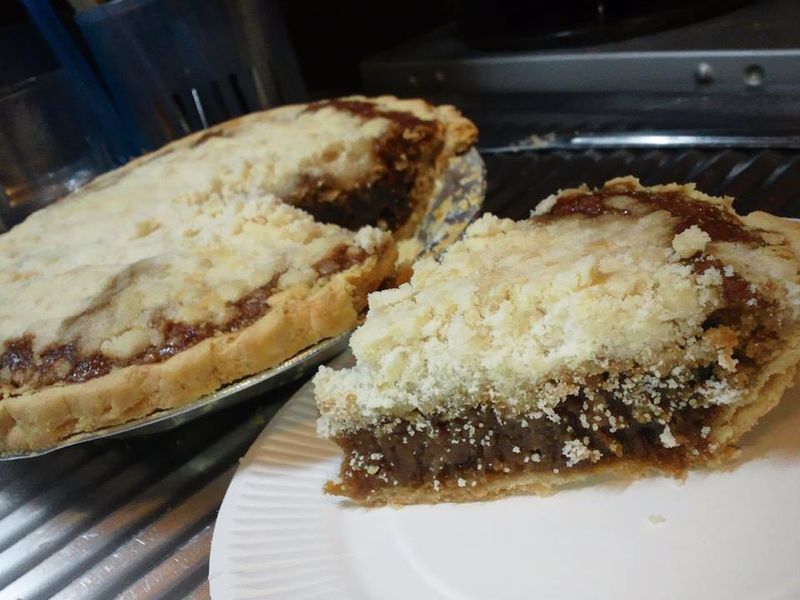
Sweet, sticky, and utterly Pennsylvania, shoofly pie is a molasses-based dessert that dates back to the 1800s among Pennsylvania Dutch bakers.
Out-of-staters often say ‘Shufly Pie,’ dropping the double-o sound that gives this treat its proper name.
The correct pronunciation is ‘SHOO-fly,’ with emphasis on the first syllable, like you’re shooing away a pesky insect.
Legend says the pie got its name because bakers had to shoo flies away from the sweet molasses filling while it cooled on windowsills.
The dessert comes in two styles: wet-bottom, which has a gooey molasses layer beneath the crumb topping, and dry-bottom, which is crumbly throughout.
Pennsylvania Dutch Country is dotted with bakeries selling authentic versions, each with slight family recipe variations passed down through generations.
Pronouncing it correctly shows appreciation for this humble yet beloved dessert that continues to define Pennsylvania’s baking traditions.
Scrapple
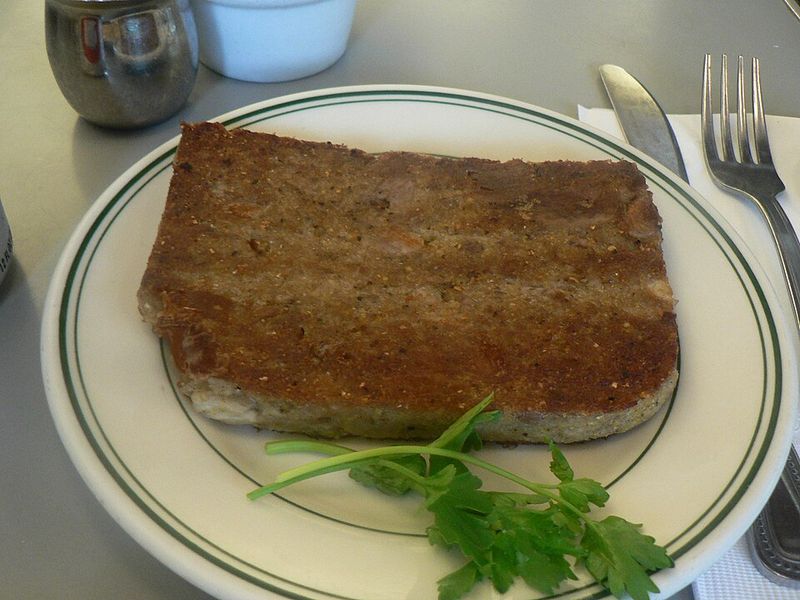
Many visitors mistakenly call this breakfast staple ‘Grapple,’ but the correct pronunciation is ‘SKRAP-uhl,’ with a clear ‘sk’ sound at the beginning.
Scrapple is a Pennsylvania Dutch invention born from the practical tradition of using every part of the pig after butchering.
Pork scraps, including organ meats and trimmings, are combined with cornmeal and buckwheat flour, seasoned with sage and other spices, then formed into a loaf and sliced.
The slices are typically fried until crispy on the outside while remaining soft inside, creating a texture that’s both crunchy and tender.
While it might sound unappetizing to outsiders, scrapple has a devoted following across Pennsylvania and neighboring Mid-Atlantic states.
Diners and breakfast spots throughout the state serve it alongside eggs, often with a drizzle of maple syrup or ketchup.
The name comes from ‘scrap,’ referring to the leftover meat pieces used, making the pronunciation quite logical once you understand its humble origins.
Lebanon Bologna
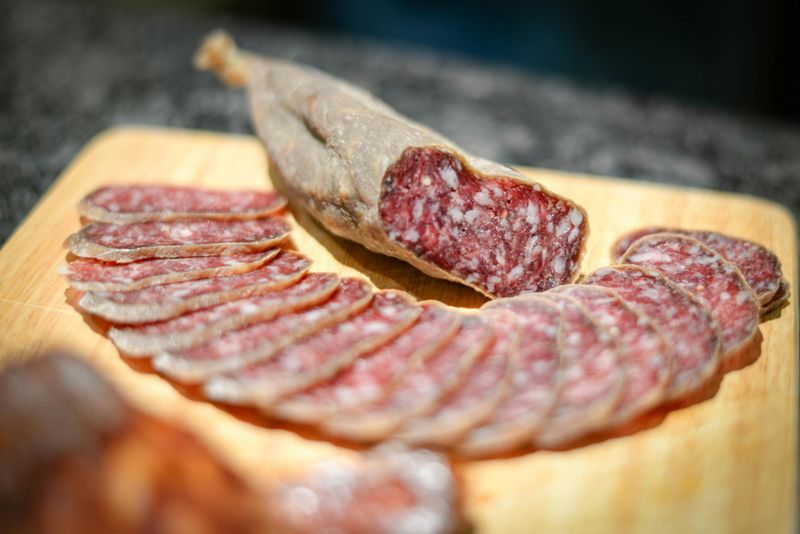
This isn’t your ordinary lunch meat, and calling it ‘Lebanon Baloney’ is a dead giveaway that you’re not from Pennsylvania.
The proper pronunciation is ‘LEH-buh-nun buh-LOH-nee,’ with emphasis on the second syllable of bologna, not the flattened ‘baloney’ sound.
Lebanon bologna comes specifically from Lebanon County in southeastern Pennsylvania, where it’s been produced since the 1850s by German settlers.
Unlike regular bologna, this version is made from beef rather than pork, heavily smoked over hardwood, and has a distinctive tangy, fermented flavor with a darker color.
The smoking process can take several days, giving the meat its characteristic firm texture and deep, complex taste that’s both sweet and savory.
Seltzer’s Lebanon Bologna, located at 230 North College Street in Palmyra, PA 17078, has been crafting this delicacy since 1902 using traditional methods.
Locals enjoy it sliced thin on sandwiches, diced in salads, or simply eaten as a snack with cheese and crackers.
Pierogies
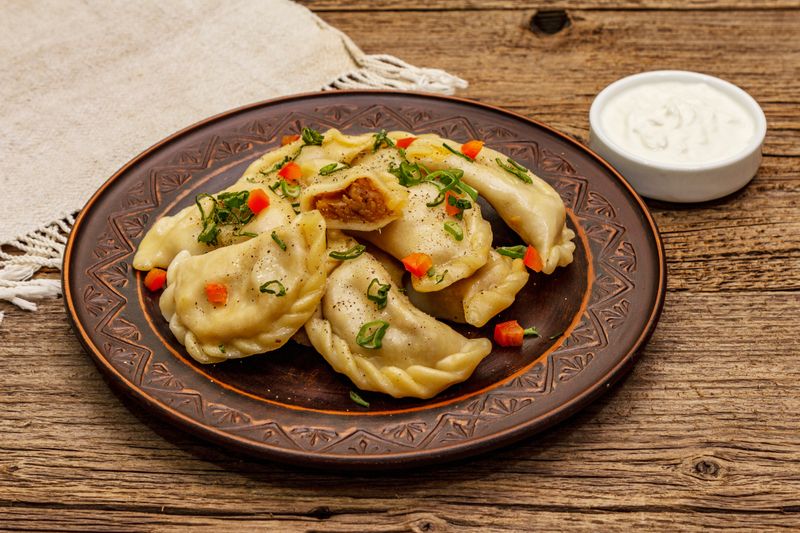
Pittsburgh’s love affair with these Eastern European dumplings has made pierogies a Pennsylvania staple, but many out-of-staters say ‘Pirogues’ or ‘Pee-ro-geez.’
The correct pronunciation is ‘pih-ROH-geez,’ with the emphasis on the second syllable and a soft ‘g’ sound.
These crescent-shaped dumplings arrived with Polish and Ukrainian immigrants who settled in Pennsylvania’s industrial cities during the late 19th and early 20th centuries.
Traditional fillings include mashed potatoes with cheese, sauerkraut, ground meat, or even sweet cheese for dessert versions.
They’re typically boiled first, then pan-fried in butter with onions until golden and slightly crispy on the edges.
Pittsburgh loves pierogies so much that the city’s baseball team, the Pirates, features racing pierogies as mascots during games at PNC Park.
Church basement sales and community festivals across Pennsylvania often feature homemade pierogies, with each family claiming their grandmother’s recipe is the best.
Getting the pronunciation right earns respect in any Polish or Ukrainian neighborhood throughout the state.
Fastnachts
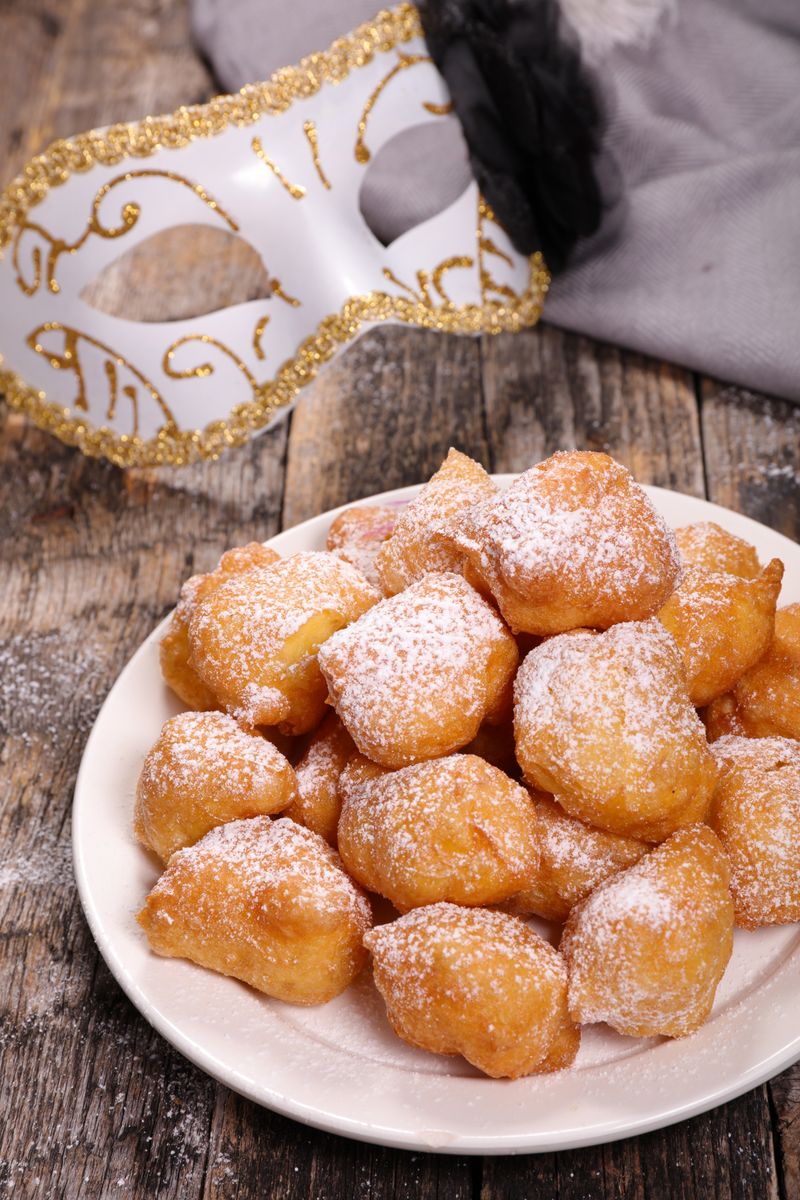
These Shrove Tuesday treats puzzle visitors who attempt ‘Fast-knots’ or ‘Fast-nocks’ instead of the proper ‘FAST-knocks’ or ‘FAHST-nokts.’
Fastnachts are Pennsylvania Dutch donuts traditionally made on Fat Tuesday, the day before Lent begins in the Christian calendar.
The word comes from German, meaning ‘fast night,’ referring to the night before the fasting period of Lent.
Unlike modern donuts, traditional fastnachts are square or rectangular, made from potato dough, and have no holes in the center.
They’re fried until golden brown and often left plain or dusted with powdered sugar, though some modern versions include glazes or fillings.
Pennsylvania Dutch families historically made fastnachts to use up lard, sugar, and butter before the Lenten fast, when such indulgences were traditionally avoided.
Many Pennsylvania bakeries sell out of fastnachts by mid-morning on Shrove Tuesday, as locals line up early to grab boxes for their families.
The tradition remains strong in Pennsylvania Dutch Country, where recipes have been handed down through countless generations.
Wooder Ice
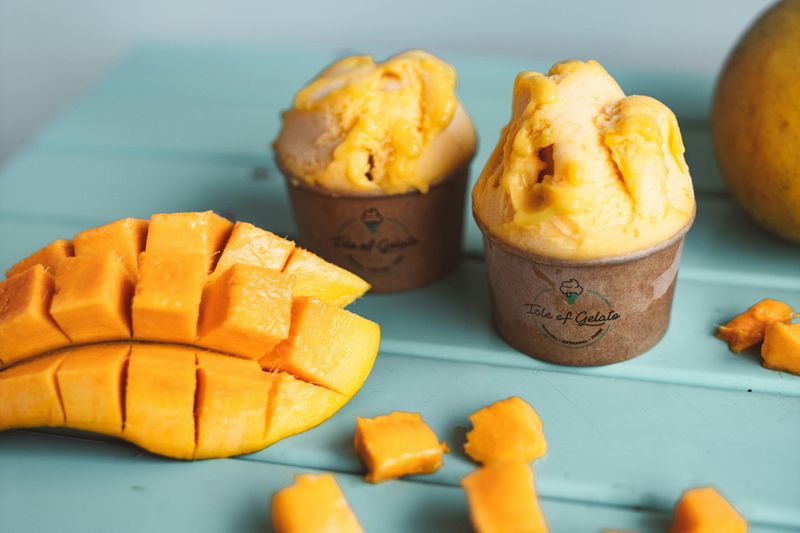
Philadelphia’s pronunciation of ‘water ice’ comes out as ‘wooder ice,’ and visitors who say ‘water ice’ with crisp pronunciation immediately reveal their outsider status.
The Philly accent transforms ‘water’ into ‘wooder,’ and this frozen treat is a summer staple throughout the city and surrounding areas.
Water ice, also called Italian ice in other regions, is a frozen dessert made from water, sugar, and fruit flavoring, smoother than a snow cone but icier than sorbet.
Rita’s Italian Ice, which started in Bensalem, Pennsylvania in 1984, has helped spread this treat beyond the state, though locals still call it wooder ice.
Popular flavors include cherry, lemon, mango, and Swedish Fish, with combinations like gelati (layered with frozen custard) offering extra indulgence.
John’s Water Ice, located at 701 Christian Street in Philadelphia, PA 19147, has been serving this neighborhood since 1945 with classic flavors and long summer lines.
Ordering it correctly means embracing the local accent, which adds authenticity to the entire experience.
Chipped Ham
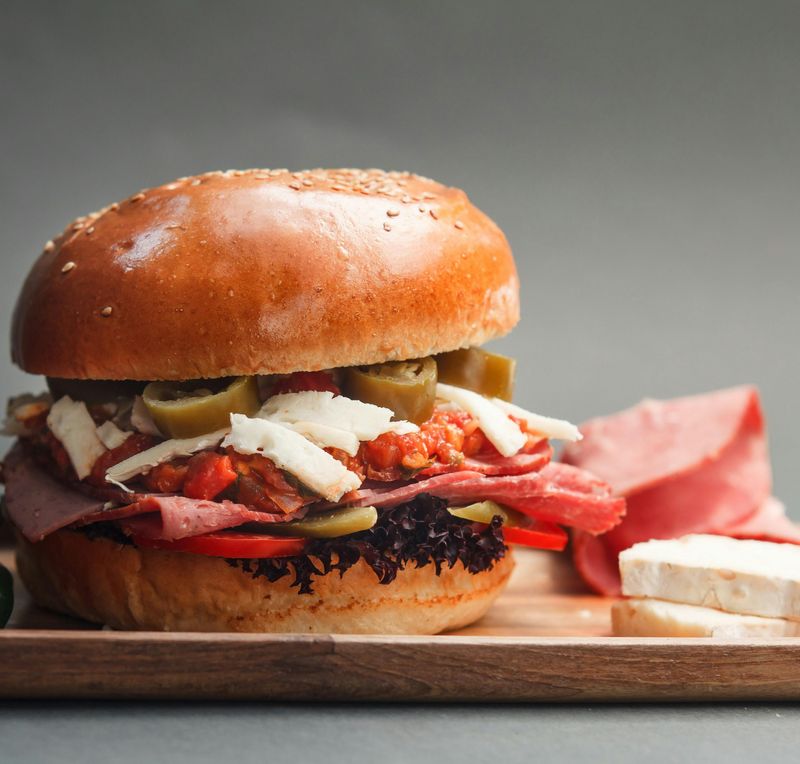
Pittsburgh claims this delicacy, and while the name seems simple, out-of-staters often don’t understand that ‘chipped’ refers to the ultra-thin slicing method, not chopped or diced ham.
The pronunciation is straightforward – ‘CHIPT ham’ – but the confusion comes from not knowing what makes it special.
Chipped ham is chopped ham that’s been pressed into loaves and sliced paper-thin, almost shaved, on a deli slicer, creating delicate, nearly translucent pieces.
The thin slices are piled high on sandwiches, often grilled with American cheese on a soft bun, creating a texture that melts in your mouth.
Isaly’s, a Pittsburgh-area chain that peaked in the mid-20th century, popularized chipped ham sandwiches and chipped chopped ham as a specific product.
While Isaly’s stores have mostly closed, the tradition lives on at delis and sandwich shops throughout western Pennsylvania.
Asking for ‘chopped ham’ instead of ‘chipped ham’ at a Pittsburgh deli might get you something completely different than what you expected.
The slicing technique is key, and understanding this helps you order like a local.
Dippy Eggs
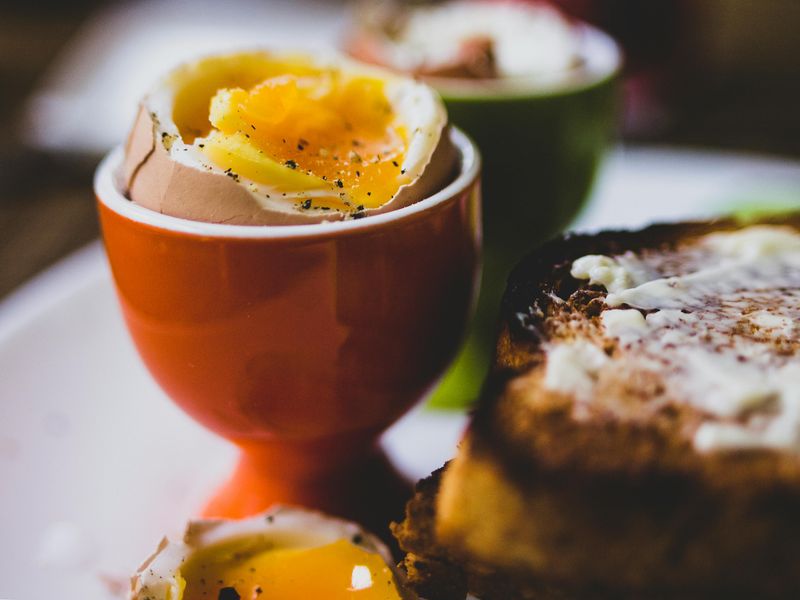
Ask for ‘dippy eggs’ outside Pennsylvania and you’ll likely get confused looks, but this is the local term for soft-cooked eggs with runny yolks perfect for dipping toast.
The pronunciation is exactly as it looks – ‘DIP-ee eggs’ – but visitors often don’t know this regional vocabulary exists.
In other parts of the country, people might call them ‘over-easy,’ ‘sunny-side up,’ or ‘soft-boiled,’ depending on the cooking method.
Pennsylvania, particularly in Dutch Country and Pittsburgh areas, has embraced ‘dippy eggs’ as the standard term regardless of whether they’re fried or boiled.
The key characteristic is the runny yolk that you can dip toast soldiers (strips of toast) into, creating a satisfying breakfast ritual.
Children across Pennsylvania grow up requesting dippy eggs, making it a nostalgic comfort food that carries into adulthood.
Diners throughout the state understand the term immediately, and many breakfast menus even list ‘dippy eggs’ as an official option.
Using this term correctly signals you understand Pennsylvania breakfast culture, where simple foods have their own special names and traditions.
Gobs
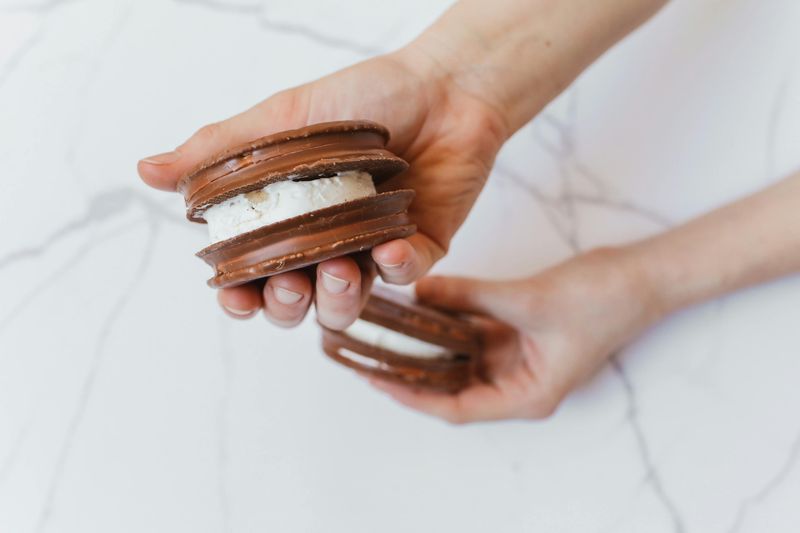
Western Pennsylvania calls them ‘gobs’ (pronounced ‘GAHBZ’), while other regions know similar treats as whoopie pies, leading to pronunciation confusion and regional dessert debates.
These handheld desserts consist of two soft, cake-like chocolate cookies with sweet cream filling sandwiched between them, creating a portable indulgence.
The name ‘gob’ possibly comes from the gobs of cream filling, or from the slang term for mouth, since you need a big one to bite into these generous treats.
Pittsburgh and surrounding areas claim gobs as their own, with bakeries competing for the title of best recipe, often passed down through families.
The cookies should be moist and tender, never dry, with filling that’s fluffy and sweet, traditionally made with butter, shortening, and marshmallow cream.
Vanilla and peanut butter variations exist, but classic chocolate gobs remain the most beloved throughout western Pennsylvania.
Oakmont Bakery, located at 531 Allegheny Avenue in Oakmont, PA 15139, produces thousands of gobs weekly, drawing customers from across the Pittsburgh region.
Calling them whoopie pies in Pittsburgh might start a friendly argument about regional dessert superiority.
Haluski
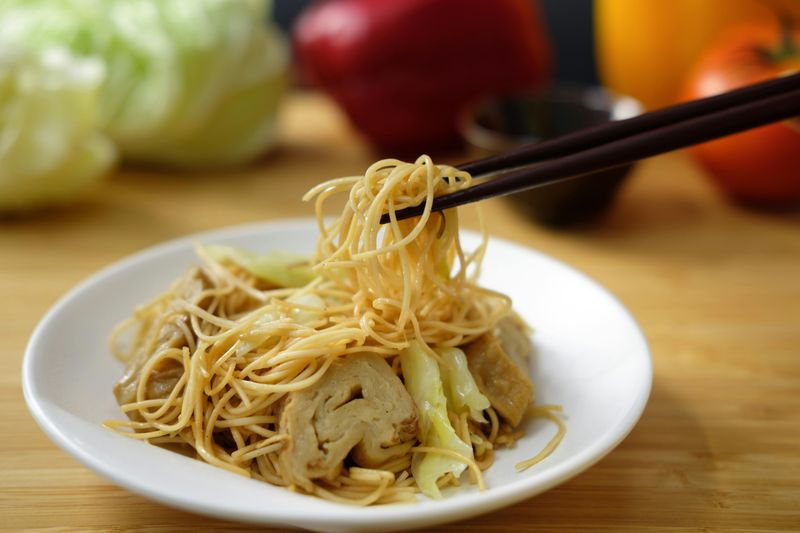
This Eastern European comfort food stumps visitors who say ‘Ha-loo-skee’ or ‘Hal-us-kee,’ when the proper pronunciation is ‘hah-LUSH-kee’ with emphasis on the middle syllable.
Haluski consists of egg noodles fried with butter, cabbage, and onions until everything is tender and slightly caramelized, creating simple yet satisfying flavors.
Polish and Slovak immigrants brought this peasant dish to Pennsylvania’s coal mining regions, where it became a staple in homes and church dinners.
The dish is incredibly economical, using basic ingredients that were readily available even during hard times, making it popular among working-class families.
Some variations add bacon, kielbasa, or mushrooms, though purists insist that traditional haluski needs only noodles, cabbage, butter, and onions.
Church festivals and community gatherings across Pennsylvania’s coal country often feature haluski alongside pierogies and kielbasa, celebrating the area’s Eastern European heritage.
The simplicity of haluski belies its comforting, homey flavor that has kept it popular for generations.
Pronouncing it correctly shows respect for the immigrant communities that made Pennsylvania their home and enriched its food culture.
Shmear
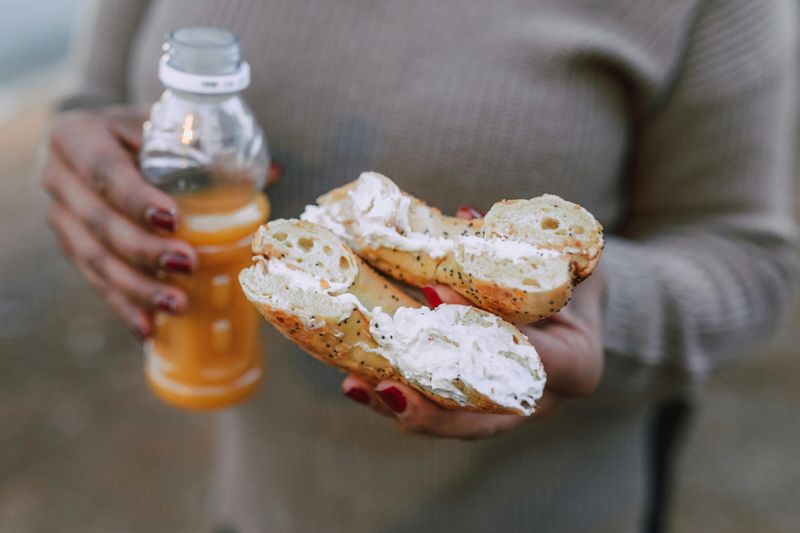
Philadelphia’s bagel shops use ‘shmear’ (sometimes spelled schmear) to mean a spread of cream cheese, and locals pronounce it ‘SHMEER’ with a slightly elongated vowel sound.
The Yiddish word literally means ‘to spread’ or ‘a smear,’ and it entered Pennsylvania vocabulary through the state’s significant Jewish communities, particularly in Philadelphia.
Out-of-staters sometimes say ‘smear’ without the ‘sh’ sound, or they don’t understand that ordering ‘a shmear’ means cream cheese, not butter or jam.
Philadelphia’s bagel culture rivals New York’s, with passionate debates about proper boiling techniques, toppings, and the ideal cream cheese-to-bagel ratio.
A proper shmear should be generous but not overwhelming, spread evenly across a fresh, chewy bagel that’s been sliced and optionally toasted.
Bagel shops throughout Pennsylvania offer flavored shmears including scallion, lox, vegetable, and even sweet options like strawberry or honey-walnut.
Saying ‘Can I get a shmear on that?’ at a Pennsylvania bagel counter immediately marks you as someone who understands local food language.
The term has spread beyond Jewish delis into mainstream Pennsylvania breakfast culture, becoming part of everyday vocabulary across the state.
Hoagie
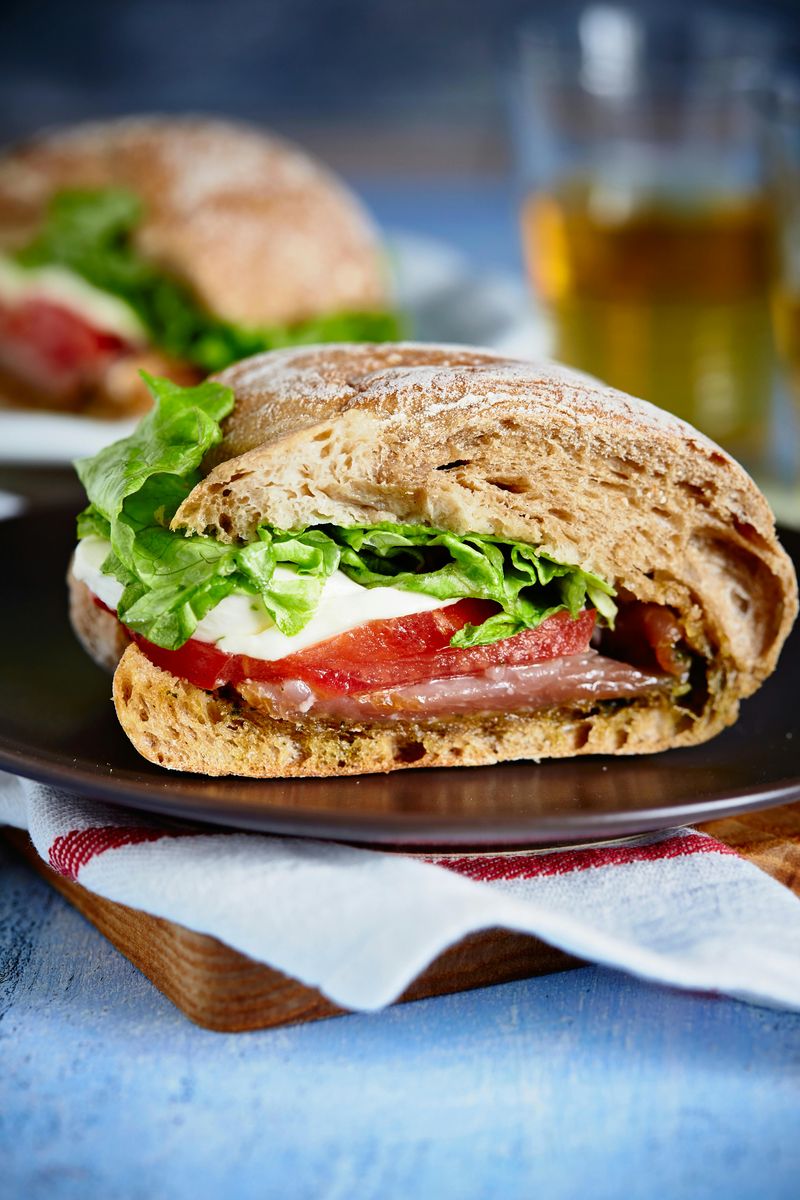
Philadelphia’s signature sandwich has a name that confuses visitors who pronounce it ‘Hoggie’ instead of the correct ‘HO-gee.’
This iconic sub sandwich originated in the Philadelphia area during the early 20th century, with competing origin stories about its name.
Some say it came from Hog Island, where shipyard workers ate these hefty sandwiches during World War I.
Others claim it’s named after the hoagie’s ability to make you walk with a slouched posture after eating one, like an old hoagy.
A proper hoagie features Italian cold cuts like salami, capicola, and prosciutto, layered with provolone cheese, shredded lettuce, tomatoes, onions, and a drizzle of oil and vinegar on a long Italian roll.
Wawa, the beloved convenience store chain throughout Pennsylvania, sells millions of hoagies annually and has helped spread the correct pronunciation beyond state borders.
Calling it a sub or hero in Philadelphia might get you some friendly corrections from locals.