Over 1,000 Miles Of Snowmobile Trails Spread Out From This Small Idaho Mountain Town
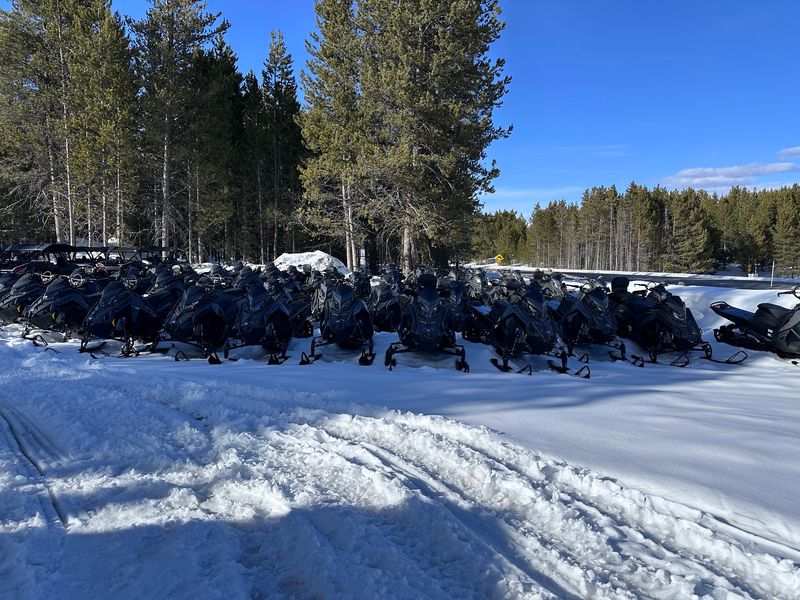
A snowmobile can leave a cabin door here and keep rolling across more than 1,000 miles of linked trail. That network reaches into Montana and Wyoming without ever forcing you back onto a trailer.
The town itself is tiny, yet it stretches about 33 miles along one highway in eastern Idaho. Its businesses line that road like beads on a very long string.
Snow piles up deep here, so the riding season runs long.
I like how the trails here aren’t saved for experts. Groomed routes follow an old railroad bed, a waterfall byway, and forest roads, while big climbs wait for riders craving steep powder.
Winter also opens a side door to Yellowstone, where geysers steam above the snow. I can’t imagine running out of places to point the handlebars, can you?
A Town That Stretches 33 Miles Down One Highway
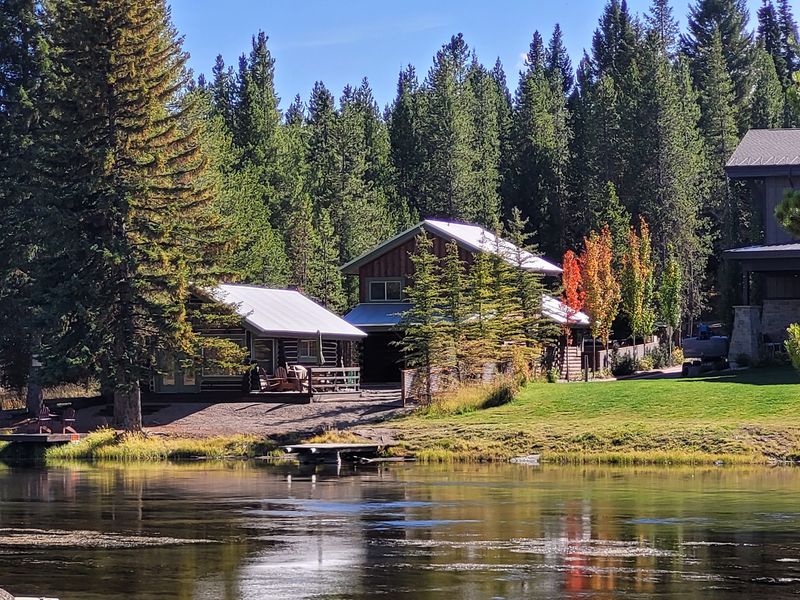
Island Park sits in Fremont County, high in the northeast corner of Idaho. It counted just 193 residents in the 2020 census, which makes the trail mileage around it feel almost comical.
Here’s the twist that confuses first-timers. The city runs roughly 33 miles along U.S.
Highway 20, so there’s no tidy downtown square to find.
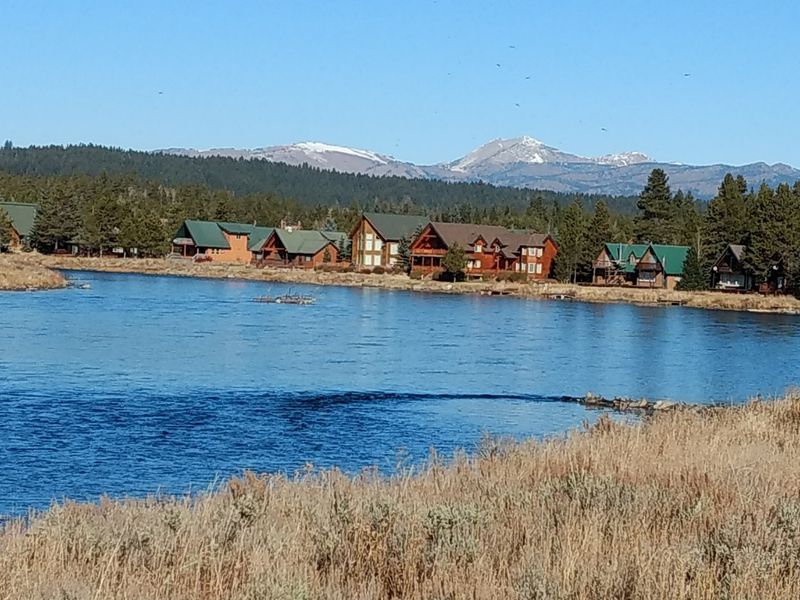
Instead, lodges, gas stops, rental shops, and cabins string out along the highway between forest and meadow. Folks proudly call it the longest Main Street in America, and honestly, the claim is hard to argue with.
The setting does a lot of heavy lifting. The town rests on a high plateau above 6,000 feet, with the Centennial Mountains rising along the Montana line.
That elevation helps explain the snow. Seasons often run from late November into March, with January and February usually bringing the deepest powder.
West Yellowstone, Montana, sits just over the state line to the north. Henry’s Lake, Harriman State Park, and the Henry’s Fork of the Snake River all sit close by, too.
Put simply, the town is less a dot on the map and more a long, snowy hallway. Every door along it seems to open onto a trail.
The Odd City Map Lodge Owners Drew Back In 1947
Most towns grow outward from a crossroads or a train depot. Island Park took a stranger path, and its shape still tells the story.
Local lodge and resort owners incorporated the city in 1947. State rules at the time favored businesses inside incorporated city limits, so owners pulled their properties into one long municipal boundary.
The result looks like someone traced the highway with a ruler. City limits hug the road in a long, skinny ribbon rather than forming a neat circle.
That quirky origin is exactly why the town feels so spread out today. You don’t stroll from shop to shop here, you drive or ride between them.
For snowmobilers, the layout turns into a bonus. Lodging and services sit scattered right beside the forest, so many riders can reach a trail without hauling a sled across town.
I believe that’s what makes the place feel more like a basecamp than a resort village. Nothing here was planned as a cute postcard.
A workaround from the 1940s quietly shaped one of the most rideable winter towns in Idaho. Not bad for a bit of paperwork.
More Than 500 Groomed Miles Before You Cross A State Line
Groomers stay busy around here. The Island Park area alone holds more than 500 miles of groomed snowmobile trail.
That’s before the system links up with West Yellowstone, Montana, and trails reaching into Wyoming. Add those connections and the total climbs well past 1,000 interconnected miles.
So what does that mean on an actual winter day? You could ride for days without repeating a route, which sounds like a nice problem to have.
Variety matters as much as distance. Wide, smooth corridors suit newer riders and families, while rougher terrain waits for people who like to work the throttle.
Many lodges and rental spots offer ride-out access to the network. That means you can often start your day from the parking lot instead of a trailhead.
Idaho has plenty of snowy country, but few towns plug straight into a system this large. Island Park has earned its reputation as a top snowmobiling spot in the state.
Bring a map, check trail conditions, and plan fuel stops before heading deep into the woods. A thousand miles is generous, but it’s also a long walk home.
An Old Rail Line And A Waterfall Byway Get Groomed Too
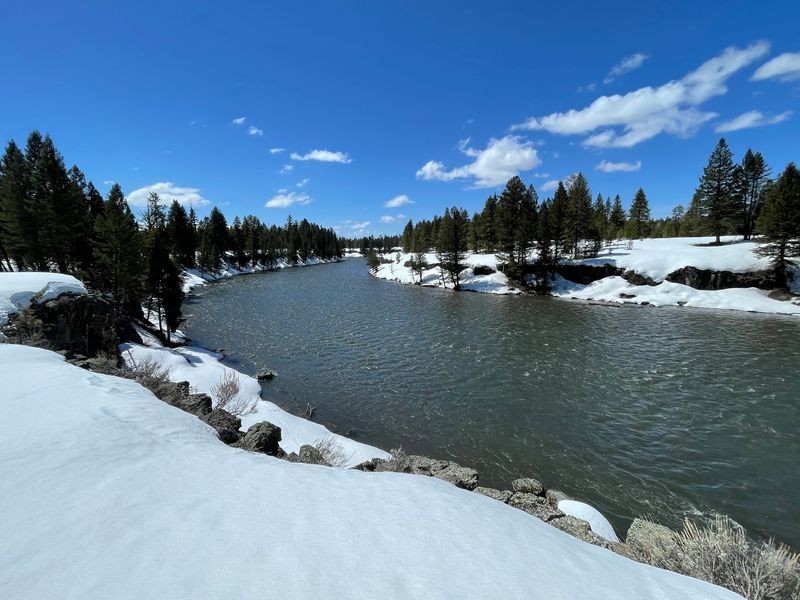
Trains once rolled through this forest on a Union Pacific line. Today that old railroad bed gets groomed into a smooth snowmobile trail every winter.
Rail grades make great riding because trains hated steep hills. The path stays gentle and steady, which suits beginners and anyone cruising with kids on the back.
Then there’s the Mesa Falls Scenic Byway. In summer it’s a paved road, but winter turns it into another groomed route for sleds.
The payoff is Mesa Falls on the Henry’s Fork. Ice and snow frame the water in winter, and reaching it on a snowmobile feels like earning a secret view.
Both routes show how flexible the trail system is. You don’t need mountain skills to enjoy a long, scenic day out here.
That’s a big deal for mixed groups. One rider may want hill climbs, while another simply wants pine trees, fresh air, and a waterfall stop.
Pack a thermos and a camera for these rides. The scenery rewards patience, and the gentle grades let you actually look around instead of gripping the handlebars.
Snow Ghosts Wait Along The Centennial Ridge
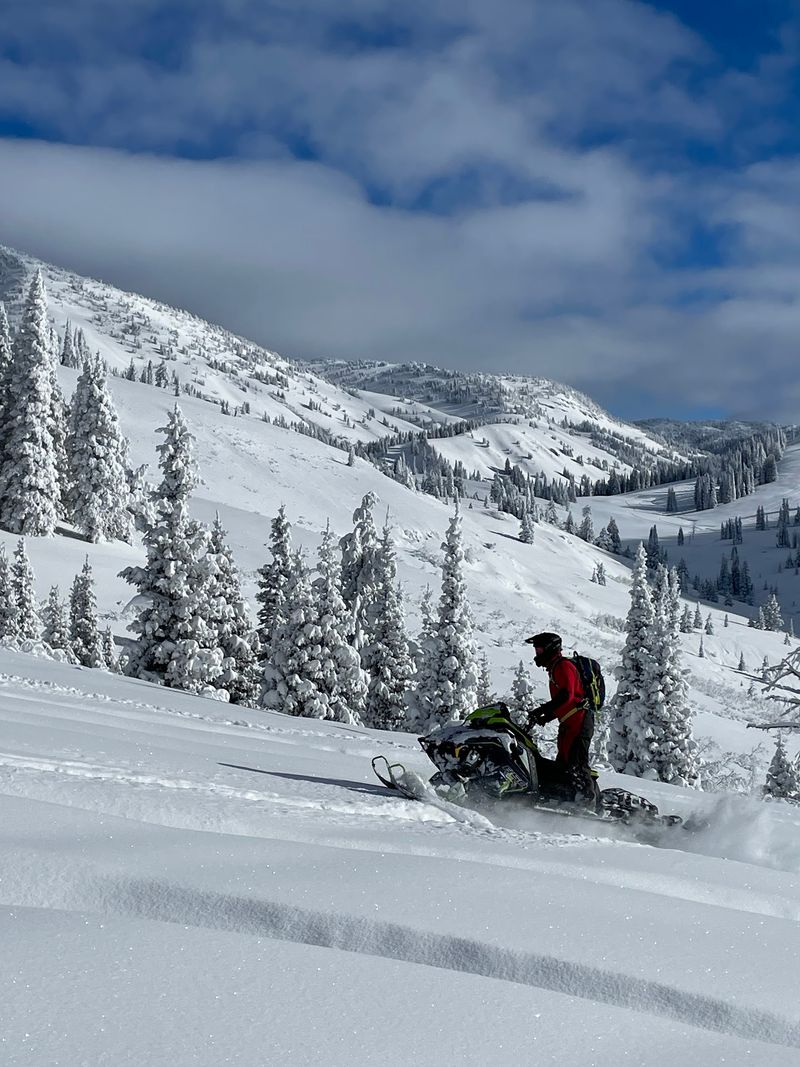
Wind and snow team up to build something eerie on the Two Top Trail. Trees on the ridge get coated so thickly they turn into hulking white shapes called snow ghosts.
The trail sits near West Yellowstone, easy to reach from the Island Park side. It runs as a roughly 30-mile loop and climbs about 2,000 feet to the Centennial Mountains ridge.
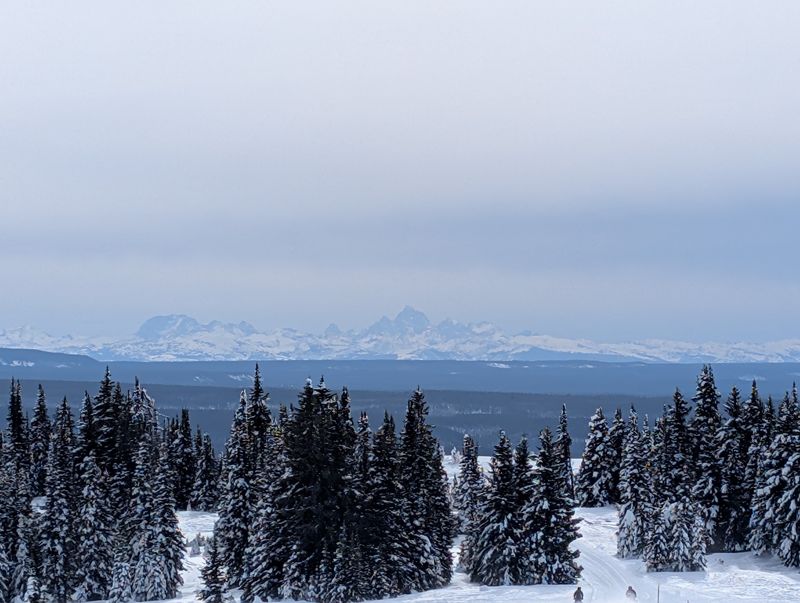
Up top, the view opens in every direction. Riders can spot the Tetons in Wyoming, Idaho’s Centennials, Lionhead in Montana, and the Yellowstone Plateau.
Three states in one glance is a pretty good return on a morning ride. It’s easy to see why the loop ranks among the region’s most famous routes.
Experienced riders also chase areas like Mount Jefferson, Willow Creek, The Keg, and Lionhead. Expect boondocking, hill climbs, and deep powder well away from groomed corridors.
Off-trail riding carries real responsibility, though. Check avalanche conditions, carry rescue gear, and ride with a partner who knows the terrain.
Handled smartly, this country delivers the steep-and-deep days riders dream about all summer. The snow ghosts just add a little spooky company.
Yellowstone’s Quiet Season Starts Just Up The Road
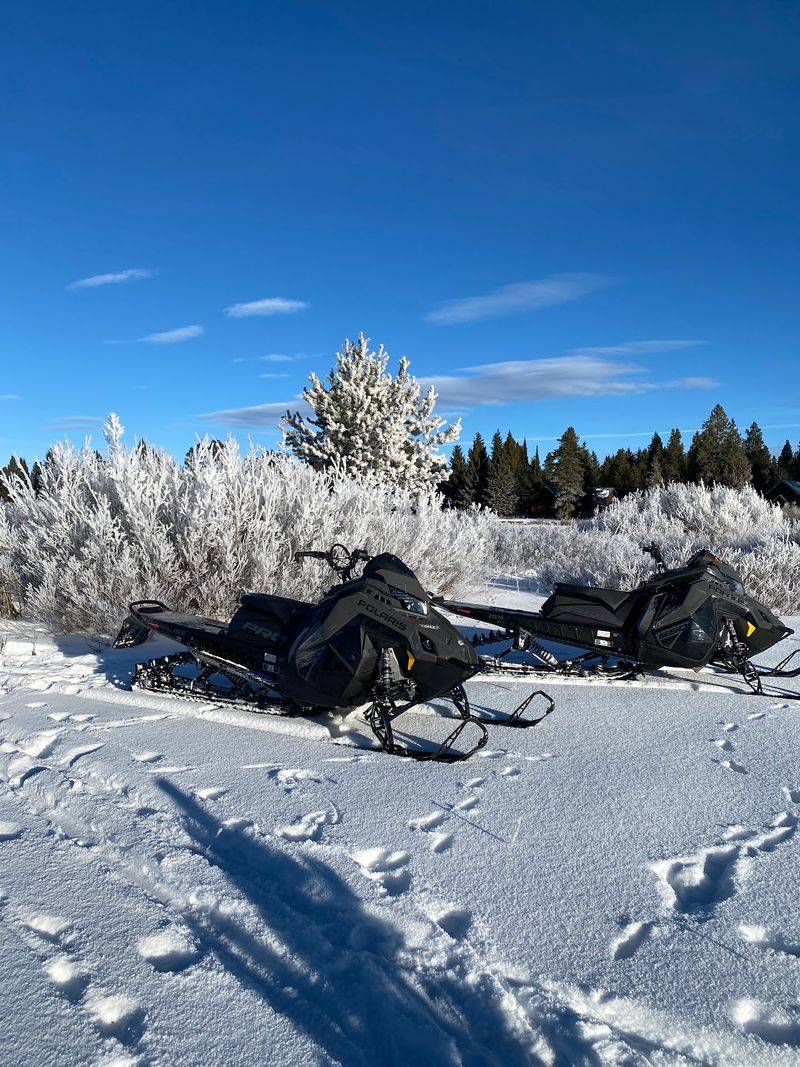
Geysers steaming above fresh snow while bison wander past sounds like a nature documentary. From Island Park, it’s a winter day trip.
Yellowstone’s west entrance sits roughly 20 to 28 miles away, depending on where you start along the highway. That’s close enough to make the park a natural add-on.
In winter, the rules change. From about mid-December to mid-March, the west entrance road opens only to guided snowmobile and snowcoach tours.
That setup keeps things calm. Instead of summer traffic, you get snowy roads, thermal features, and wildlife in a much quieter setting.
Tours fill up, so booking early makes sense. Operating dates can shift each season, so confirm details before you plan the whole trip around it.
Idaho gets the cozy lodging and trail access, while Wyoming and Montana hold the park itself. Nobody here seems to mind sharing.
For many visitors, this pairing seals the deal. Ride Idaho trails for a few days, then spend one watching steam drift across Yellowstone’s frozen basins.
Skis, Swans And Ice Holes For The Off-Sled Days
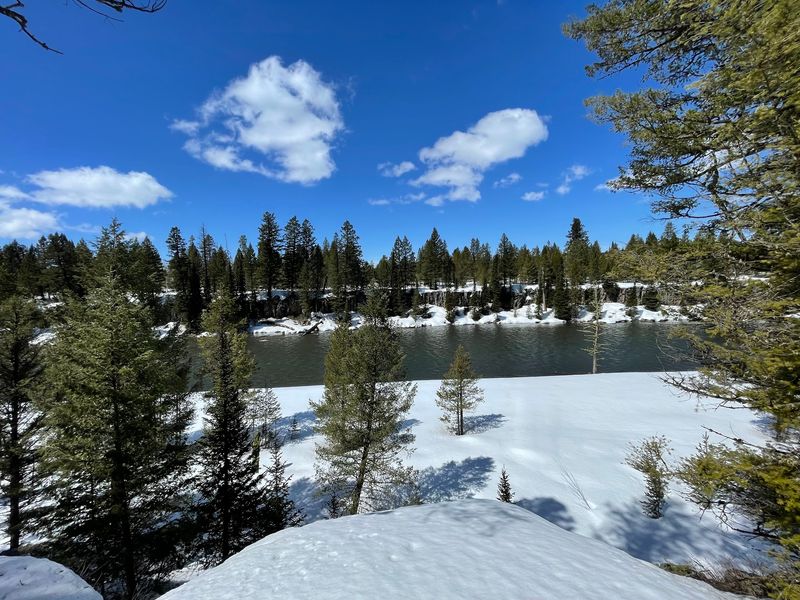
Not everyone in the cabin wants to ride all week. Luckily, the quieter side of Island Park winter is just as appealing.
Harriman State Park offers groomed trails for cross-country skiing and snowshoeing. The routes wander through forest and meadows beside the Henry’s Fork.
Keep an eye on the river. Trumpeter swans winter on its open water, and spotting those big white birds against the snow is a real treat.
Anglers can trade sleds for an auger. Ice fishing draws people to Henry’s Lake and Island Park Reservoir during the colder months.
It’s a slower kind of fun, sure. Still, a quiet morning on the ice can feel like the perfect reset after days of engine noise.
Clear, crisp nights also make stargazing worth a try. Away from big city lights, the sky over eastern Idaho can fill up fast.
Photographers have plenty to work with, too. Frosted trees, river mist, and wildlife give cameras something new every day.
Dress in layers and keep hot drinks close. Even the gentle activities happen at high elevation in serious winter cold.
No Sled In The Garage? You Can Still Ride
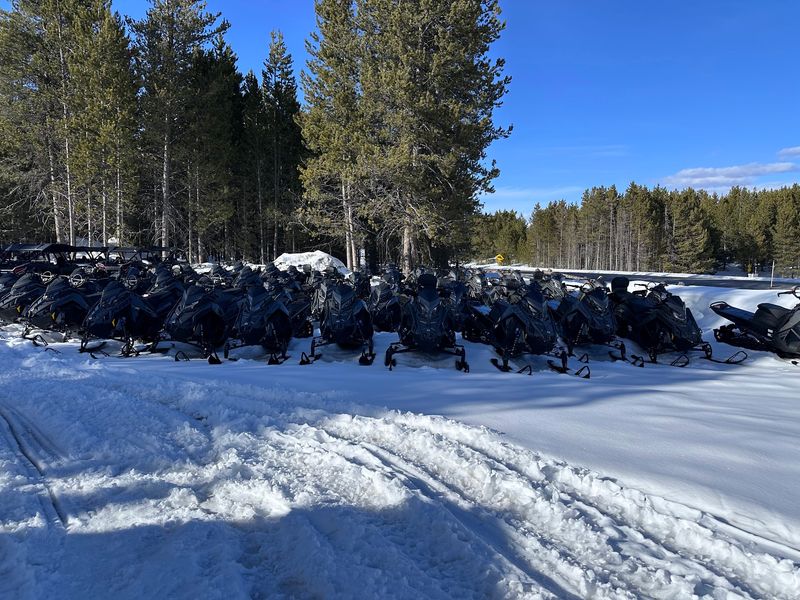
Owning a snowmobile isn’t required here. Outfitters like Island Park Adventures and High Mountain Adventures rent machines to visitors all winter.
Fleets typically include Ski-Doo and Polaris models. Touring sleds suit beginners, while mountain machines serve riders heading for steeper ground.
Gear is covered, too. Many shops rent helmets, suits, bibs, and boots, so you won’t need a closet full of winter equipment.
Guided tours help newcomers learn the trails. Some guides also point out wildlife, including moose, along the way.
Lodging ranges from cabins and rustic lodges to resorts and vacation rentals. Plenty cater to riders with sled parking, hot tubs, and fireplaces.
Getting here is simple. U.S.
Highway 20 runs straight through town, and mailing addresses use Island Park, ID 83429.
Restaurants and lodge dining rooms dot the highway, and many cabins include kitchens for cooking in. Rates and hours change by season, so check before driving.
Winter roads in Idaho’s high country can turn tricky fast. Watch forecasts, pack chains, and give yourself extra time.
Why This Long Skinny Town Earns A Winter Trip
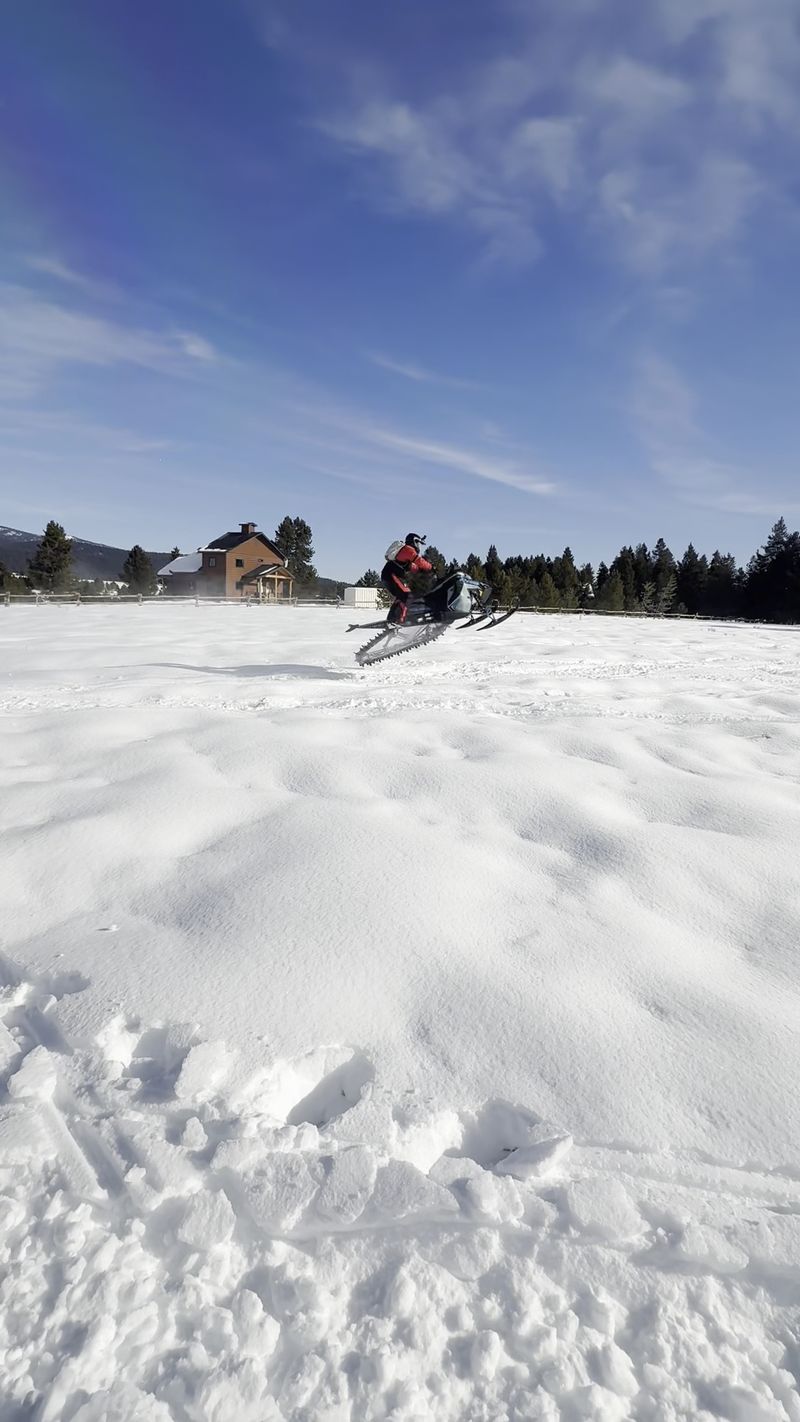
A town of 193 people backed by over 1,000 miles of trail is a pretty great mismatch. Island Park makes that odd math work beautifully.
The appeal starts with access. Ride-out lodging, groomed routes, and a highway lined with services remove a lot of winter hassle.
Then comes the range. Families can cruise the old rail bed, while powder hounds aim for Two Top, Mount Jefferson, or Lionhead.
Add Yellowstone tours, swans on the Henry’s Fork, and ice fishing on Henry’s Lake. Suddenly a snowmobile trip becomes a full winter vacation.
I like that the place doesn’t pretend to be fancy. It feels built for people who care more about snow depth than room service.
Timing matters, of course. January and February usually bring the best powder, though the season often stretches from late November into March.
Idaho has bigger towns and busier resorts, but few match this trail access. For anyone who loves winter on two skis and a track, Island Park deserves a spot on the calendar.
Just plan ahead and check conditions. The trails will be waiting.