10 Peaceful Nebraska Places To Visit After The Summer Crowds Thin Out
There is a sweet moment after summer when everything finally seems to exhale.
Across Nebraska, cooler mornings and quieter trails bring a gentler rhythm to gardens, lakes, fossil sites, river bluffs, historic landmarks, and pine-covered landscapes.
The scenery has not gone anywhere. You simply get more room to enjoy it.Now that feels like proper exploring!
Softer light and crisp air can make familiar places look newly inviting, especially when the day has fewer distractions.
Pack a sweater, bring something warm to drink, and leave the schedule loose.
A peaceful outing does not need a packed agenda. Sometimes the best version of a place appears once the busiest part of the season has passed.
1. Lauritzen Gardens, Omaha
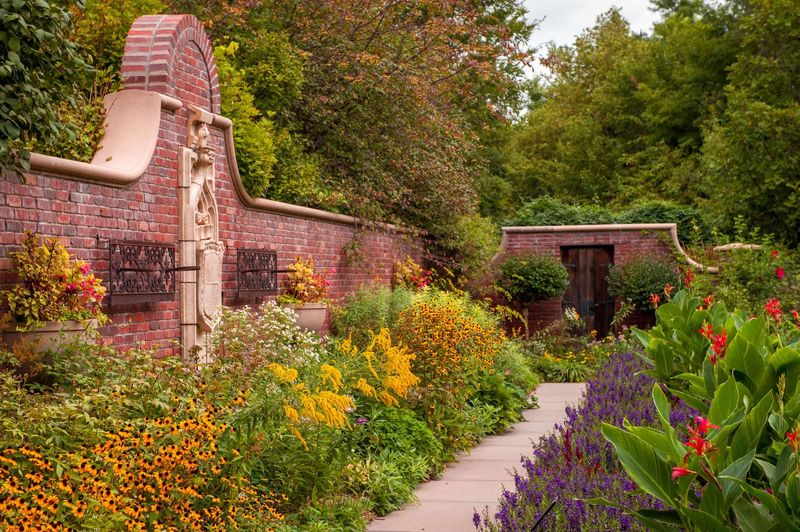
Just imagine a hundred acres of blooms tucked inside a busy city. The land here once worked as a limestone quarry and later a landfill.
Lauritzen Gardens in Omaha turned that rough past into something remarkable. Planting began in 1993, and the grounds have grown ever since.
Themed spaces stretch across the property, each with its own personality. Seasonal displays shift as the months change, so autumn looks nothing like June.
The Marjorie K. Daugherty Conservatory keeps a tropical mood alive indoors. Thousands of plants and tumbling waterfalls stay warm while the air outside turns crisp.
Sofia’s Play Garden, added in 2025, gives younger explorers hands-on fun. Families tend to linger there longer than expected.
The Hitchcock-Kountze Victorian Garden and Robert H. Storz Family Rose Garden give visitors two very different landscaped spaces to explore as the seasons change.
Slower walks reward you most here. The Shade Hosta Garden invites unhurried strolling, while the Spring Flowering Walk stays lovely even off season.
Wear comfortable shoes, since the paths cover plenty of ground. Visiting earlier in the day can leave plenty of time to explore the garden’s 100 acres at an unhurried pace.
Benches appear often, so resting is easy. Bring a light jacket for shaded sections near the trees.
You can find this green retreat at 100 Bancroft Street. Few city escapes feel this refreshingly unhurried.
2. Sunken Gardens, Lincoln
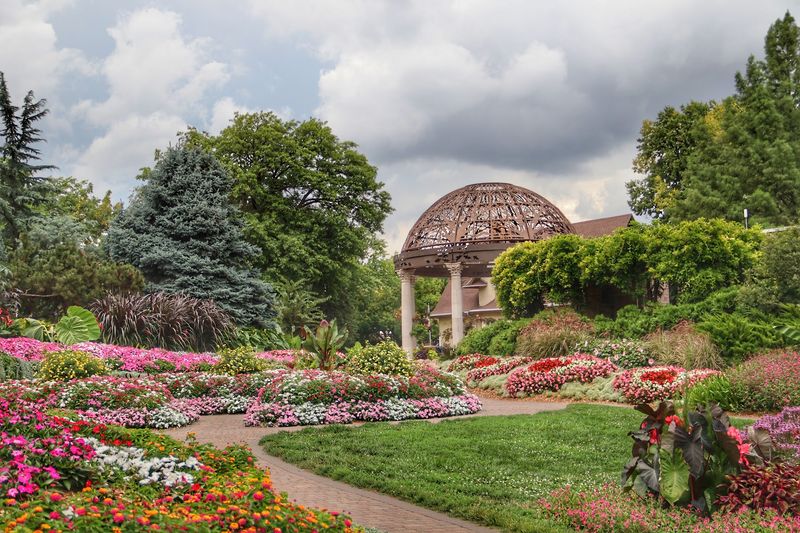
My jaw dropped the first time I saw this terraced wonder. Hard to believe the ground beneath it was once a neighborhood dumpsite.
Sunken Gardens in Lincoln opened in 1930 and became a beloved landmark. It is the only garden in the state named in National Geographic’s list of 300 Best Gardens to Visit in the United States and Canada.
Gardeners design a brand new floral theme every single year. More than 30,000 annuals go into the ground each season.
The 2026 plan, called A Patchwork Garden, borrows its colors and shapes from quilt designs. Expect bold patterns and unexpected pairings.
Three main areas anchor the layout. The Healing Garden soothes, the Perennial Garden surprises, and the Annual Garden bursts with color.
Water does much of the work here. A cascading waterfall and calm lily ponds soften every sound around them.
Art installations, including Rebekah at the Well and Reveille, add another layer to the garden, while trees, shrubs, and perennials provide interest beyond the peak annual-flower season.
Accessible pathways welcome strollers, wheelchairs, and tired knees alike. Late afternoon light makes the terraces glow.
Parking sits close, so the walk in is short. Address to note is 2600 D Street. Quiet season turns this garden into a private little world.
3. Stuhr Museum, Grand Island
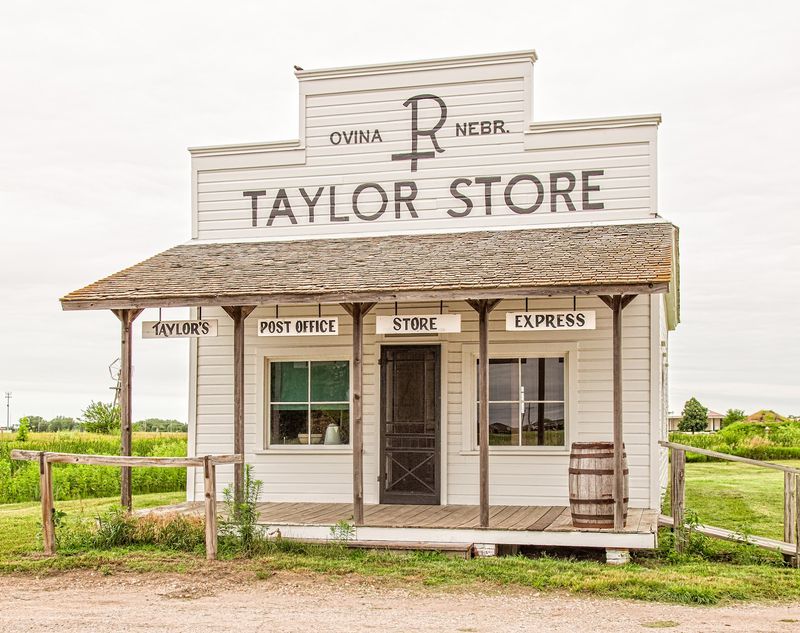
History here does not sit behind glass. It stands up, opens its doors, and lines an entire street.
Stuhr Museum explores central Nebraska history through more than 100 structures across its grounds, including Railroad Town, a living-history community with more than 60 structures representing the 1890s.
Interpreters staff the town during warmer months. Even after they leave, the exteriors stay viewable, and the quiet adds something special.
Grounds cover over 200 acres, so there is room to roam. The Stuhr Building, designed by architect Edward Durell Stone, is worth studying on its own.
Inside you will find art and historical exhibits. The Gus Fonner Memorial Rotunda holds artifacts from cowboy and Native American cultures.
A reconstructed Pawnee Earth Lodge represents a traditional dwelling used by the Pawnee people and helps interpret the region’s history before later settlement.
The 2026 Fall Festival is scheduled for September 19, bringing together the Railroad Town Agricultural Fair, Nebraska State Hand Cornhusking Contest, and Corn Husker Tractor Show.
Give yourself several hours, since the site is larger than most expect. Sturdy shoes handle the gravel and grass best.
The address is 3133 W US Hwy 34. Autumn light on those old rooftops is something you will remember.
4. Fort Robinson State Park, Crawford
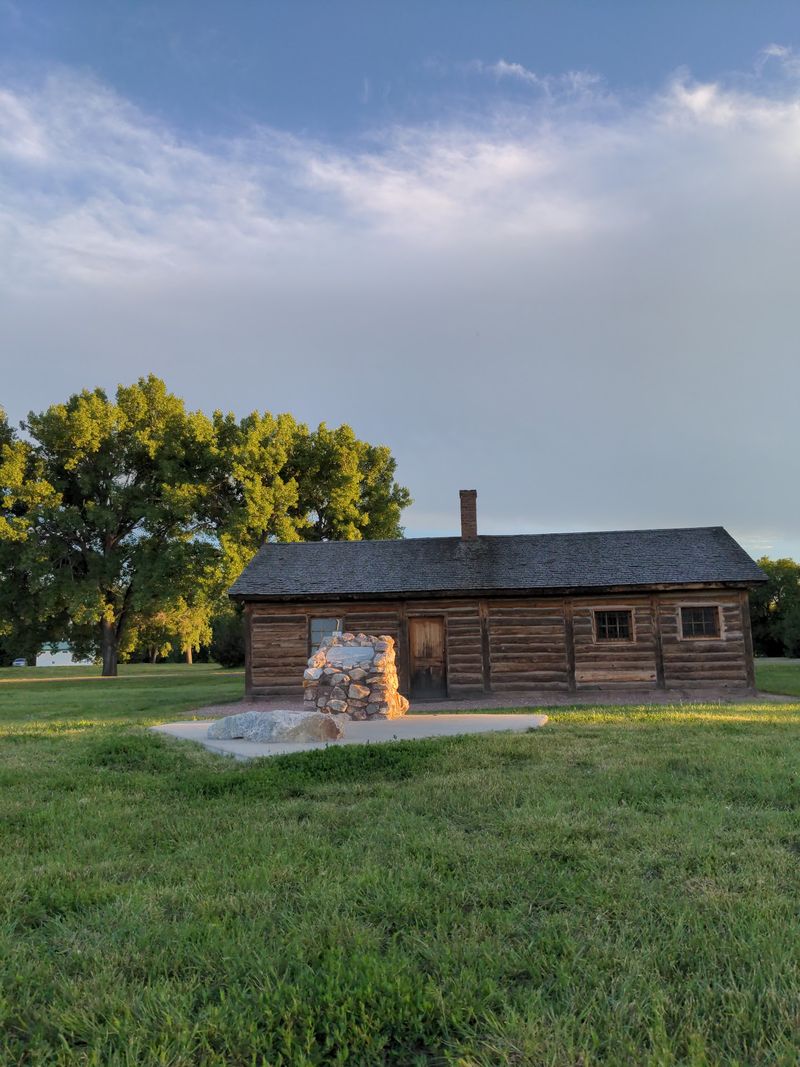
Fort Robinson State Park in Crawford is the largest state park in Nebraska. Pine Ridge scenery meets a history stretching from the Indian Wars to World War II.
This former military outpost was the site of the 1879 Cheyenne Breakout and played a significant role in the history of Oglala Lakota leader Crazy Horse.
Later years brought different jobs. The fort served as a cavalry remount station, a K-9 dog training center, and a prisoner-of-war camp.
Restored historic structures help tell those stories, including the 1887 Adobe Officers’ Quarters and the 1904 Blacksmith Shop.
Nearby, the Trailside Museum of Natural History displays a striking mammoth fossil. Kids usually stop talking for a full minute.
Outdoors, the options stretch wide. Hiking, biking, and horseback riding all wind through canyons and grassland.
The park maintains bison and longhorn herds, adding another distinctive sight to its expansive Pine Ridge landscape.
Fall mornings can be sharp, so layers matter. Cell service thins out, which honestly helps the mood.
Look for it along Soldier Creek Road and US Hwy 20. Sunset over those buttes closes the day beautifully.
5. Arbor Lodge State Historical Park, Nebraska City
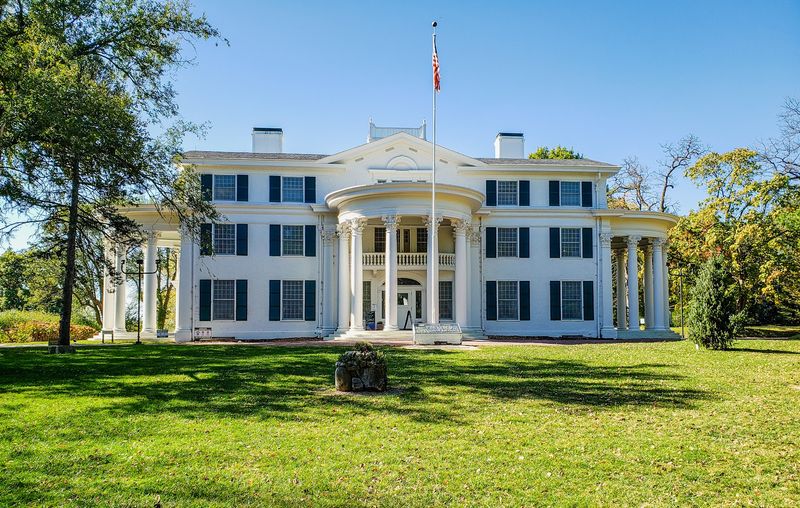
It makes you wonder, doesn’t it, how one household launched a worldwide tradition? Trees everywhere owe a small thank you to this estate.
Arbor Lodge State Historical Park in Nebraska City was the home of J. Sterling Morton, founder of Arbor Day. The holiday started in 1872 with a simple idea: plant more trees.
The house began humbly in 1855 with just four rooms. Renovations eventually grew it into a 52-room mansion.
Inside, authentic furnishings and family artifacts fill the rooms. You get a real sense of daily life across generations.
Outside, 72 acres reward slow wandering. An arboretum showcases many tree species, and an Italian terraced garden adds elegant structure.
Walking trails loop through quiet corners. A charming log cabin and a historic carriage house sit along the way.
Lilac fans will love knowing more than 200 varieties grow here. There is also a whispering bench that makes visitors giggle.
Autumn is the smartest time to come. Leaf color across the arboretum turns the grounds into a painting.
Tours run through the mansion during open hours. The grounds themselves welcome guests daily at no cost.
Bring a camera and a picnic blanket. You will find it all at 2600 Arbor Ave, where quiet and history share the same lawn.
6. Homestead National Historical Park, Beatrice
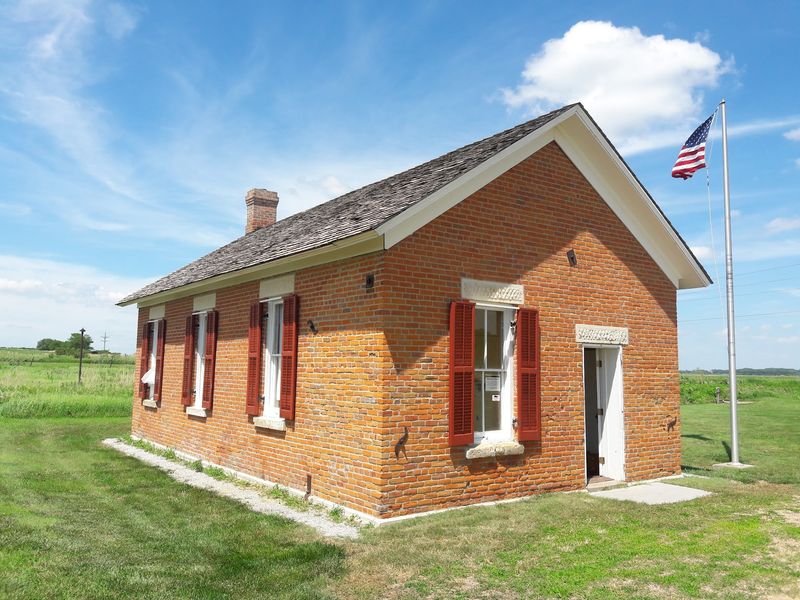
Picture a single law rewriting the map of a nation. Millions chased a new life because of it.
Homestead National Historical Park in Beatrice honors the Homestead Act of 1862. That legislation let people claim up to 160 acres of federal land if they lived on it and farmed it for five years.
Congress created the park in 1936 as a memorial to pioneer hardship. The land itself carries the proof.
Daniel Freeman filed his claim on January 1, 1863 and is recognized as one of the earliest Homestead Act claimants, with his original homestead now preserved within the park.
The Palmer-Epard Cabin shows what an eastern Nebraska pioneer home looked like. Small rooms, thick walls, big determination.
Surrounding it is a restored hundred-acre tallgrass prairie. Grasses tower in autumn and hum with insects and birds.
Start at the Heritage Center for context. Interactive exhibits, a film called Land of Dreams, and genealogy resources fill the space.
Three miles of trails cut through the prairie. Morning light on the seed heads is worth an early alarm.
Wind moves constantly out here, so a windbreaker helps. Binoculars are a smart addition too. You will find the park at 8523 NE-4.
7. Ashfall Fossil Beds State Historical Park, Royal
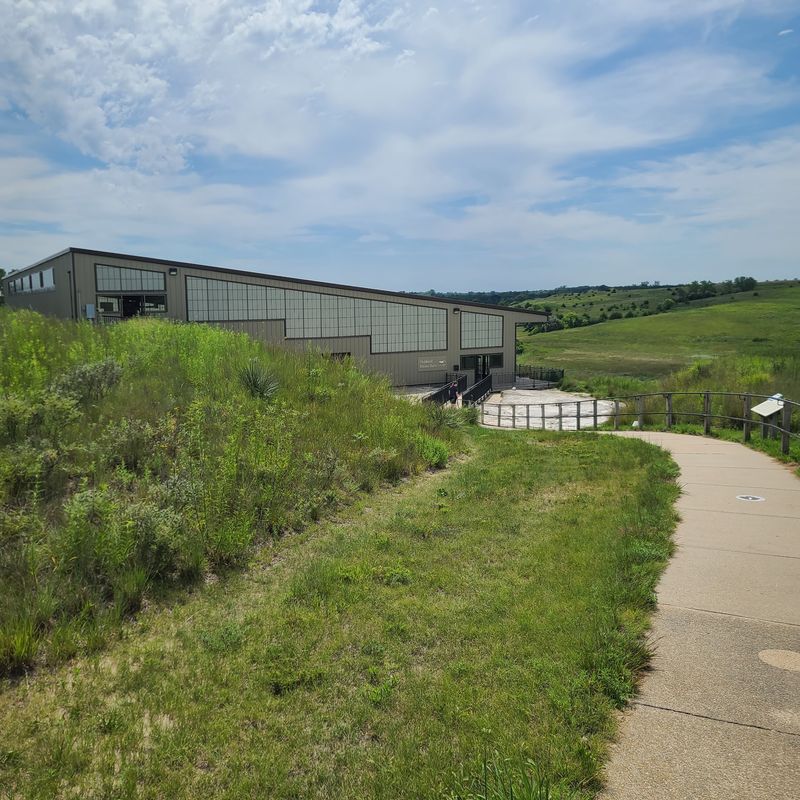
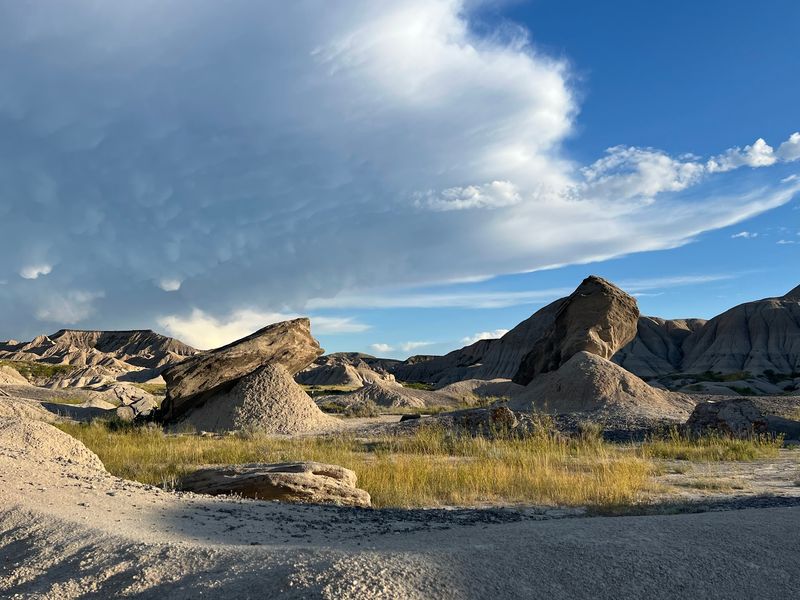
Twelve million years ago, a volcano in Idaho erupted and changed everything here. Ash drifted east and settled over a watering hole.
Ashfall Fossil Beds State Historical Park near Royal holds the results. Paleontologists consider it globally important for Miocene epoch mammals.
Michael Voorhies discovered the site in 1971. What he uncovered still amazes scientists today.
Skeletons of rhinos, three-toed horses, camels, and saber-toothed deer lie preserved in stunning detail. The animals died after breathing that fine volcanic ash.
The Fossil Rhino Barn protects the main dig area. Walkways let you look down at complete skeletons resting exactly where they were found.
Seeing bones in place, rather than in a display case, changes the whole experience. Nothing has been rearranged for looks.
The Visitor Center covers geology and site history. Exhibits explain how the ash trapped a whole ecosystem.
Outside, geology and nature trails invite exploring. Modern wildlife and prairie habitats fill the surrounding land.
Check seasonal hours before driving out, since the site is rural. Gravel roads lead the final stretch.
Fall brings reduced seasonal hours, so checking the current schedule before making the rural drive is especially important.
Find this prehistoric window at 86930 517th Ave. Ancient Nebraska waits patiently under the ash.
8. Lake McConaughy State Recreation Area, Ogallala
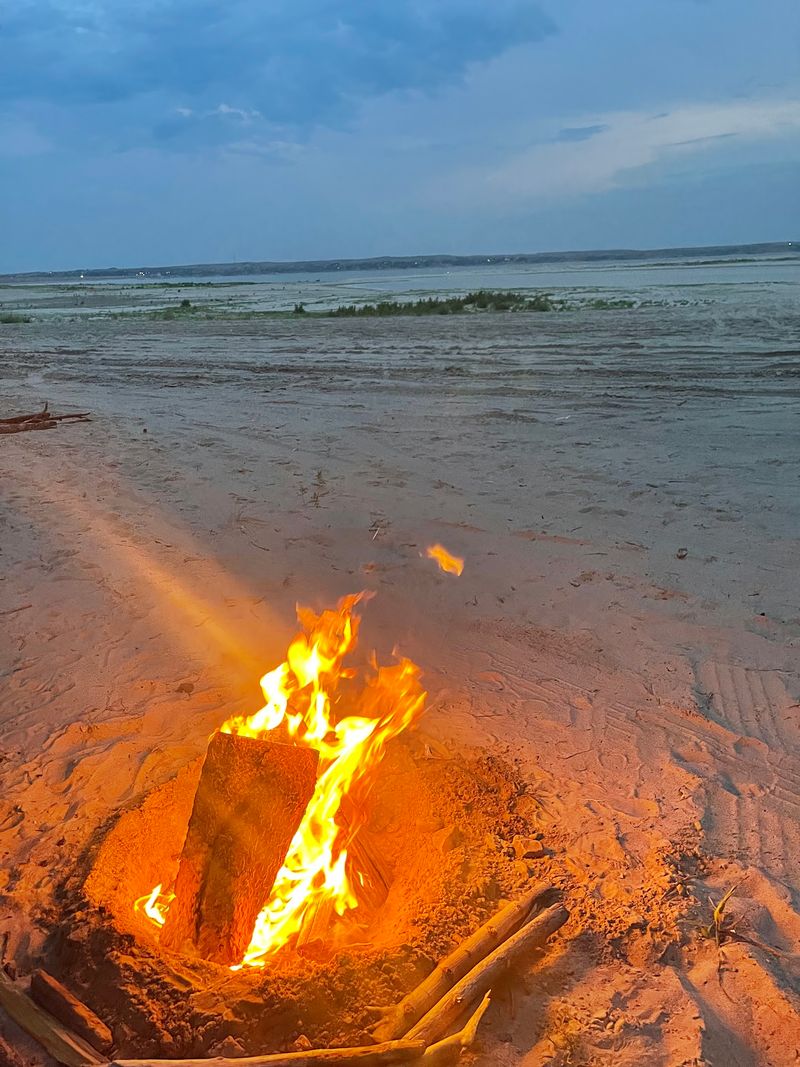
Call me crazy, but white sand beaches in the middle of the prairie sound made up. They are entirely real.
Lake McConaughy, nicknamed Big Mac, can cover about 30,000 surface acres at normal full-pool conditions and has more than 100 miles of shoreline, making it the state’s largest reservoir.
September moves Lake McConaughy beyond its peak camping-reservation season, though visitor levels and water conditions continue to vary.
Anglers do well in fall, slabbing for walleye and white bass in deeper water. Cooler temperatures improve the bite.
Birders arrive for the Central Flyway migration. Sandhill cranes, white pelicans, ducks, and geese all pass through.
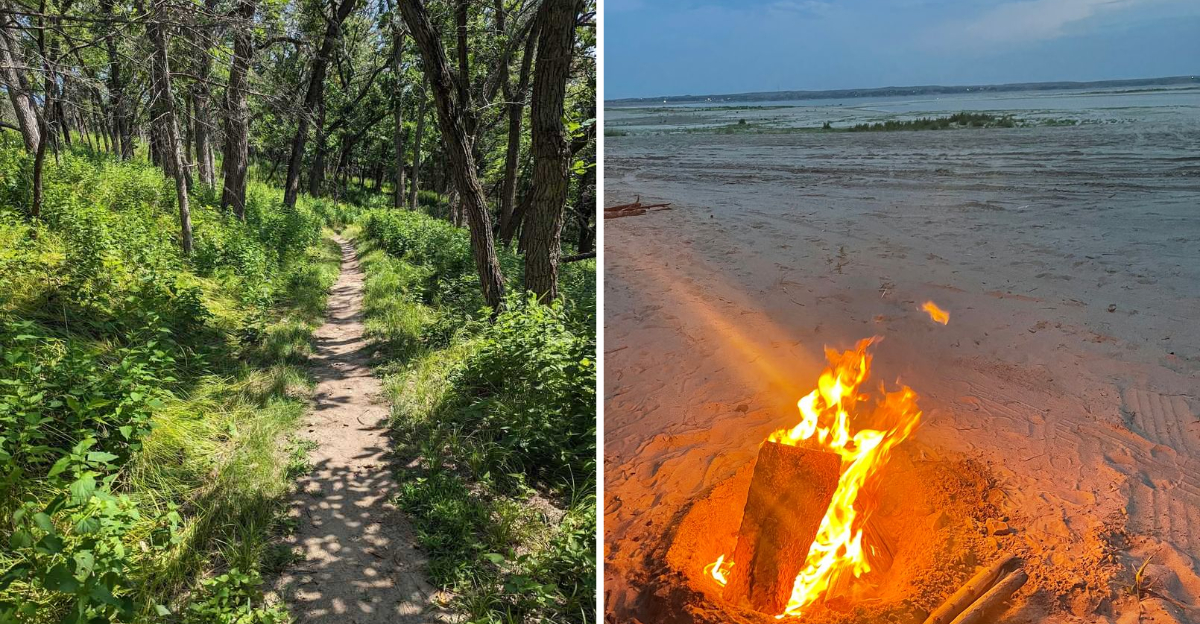
Informal trails follow the sandy shoreline. Others cut through dunes and open prairie with wide views of the clear water.
Paddling stays popular after the powerboats leave. Kayaks, paddleboards, and canoes get plenty of room.
Camping remains available beyond the summer season, with sites shifting to first-come, first-served after September 10 and many modern services typically closing around mid-October.
Want even more calm water? Nearby Lake Ogallala is a no-wake alternative made for quiet paddling.
Sunrises across this reservoir are absurdly good. Coffee tastes better on that sand. The recreation area sits at 1475 Highway 61N. Big water, small crowds, easy afternoons.
9. Chadron State Park
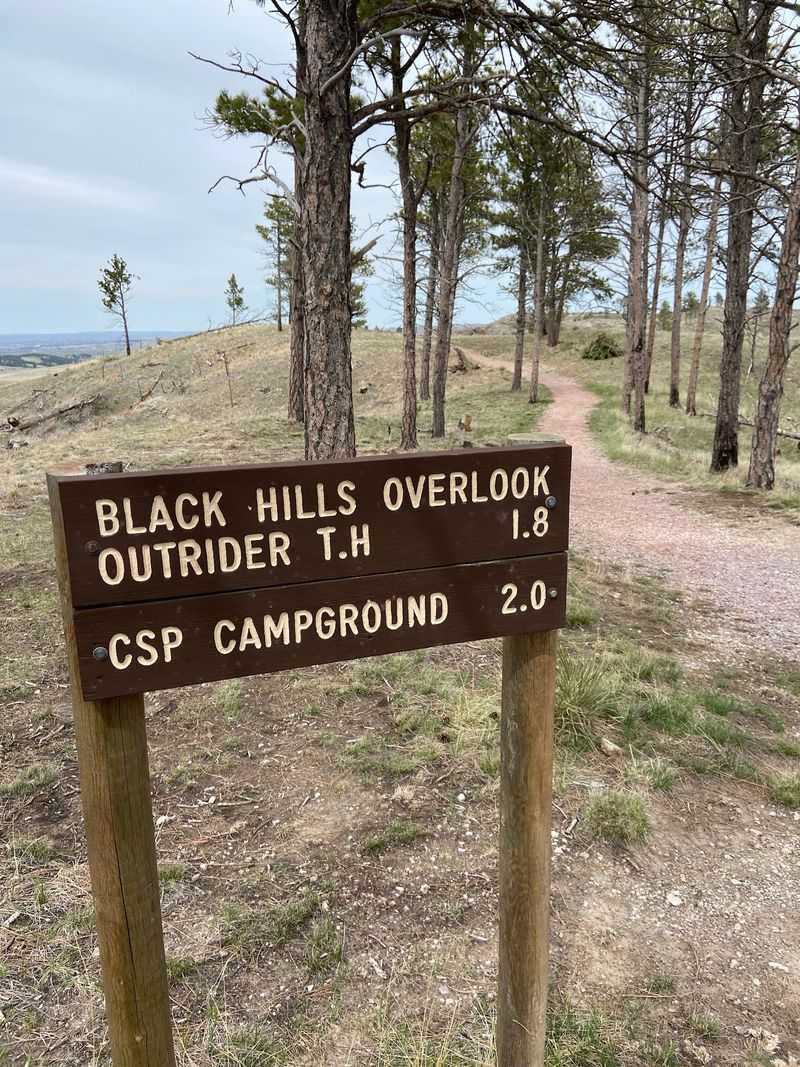
Here is a crazy thought: the oldest state park in this state might also be the most dramatic. Elevation and canyons make a strong case.
Chadron State Park in Chadron was designated in 1921 and sits in the rugged Pine Ridge region. Its 972 acres rise to nearly 5,000 feet.
Ponderosa pines, deep canyons, and sharp buttes define the views. The scenery surprises people expecting flat farmland.
About ten miles of hike-bike trails cross the park, with the surrounding Nebraska National Forest adding access to a much larger network of trails and old roads.
The Black Hills Overlook Trail delivers wide badlands vistas. The Norwesca Trail stays peaceful under undisturbed pines.
Autumn brings vivid color from maple, green ash, and cottonwood trees. Yellow and red pop against dark evergreen.
The park’s two-acre pond supports trout, smallmouth bass, hybrid sunfish, and yellow perch, with rainbow trout among the species stocked in 2026.
Guided horseback trail rides are no longer offered at Chadron State Park after Nebraska Game and Parks discontinued the program there in 2026.
Night skies steal the show. Clear conditions reveal the Milky Way and bright planets without any equipment.
Cabins rent into mid-November, and primitive camping stays open all year. Bring extra blankets for those cold high-elevation nights. Head to 15951 Highway 385 to see it.
10. Ponca State Park
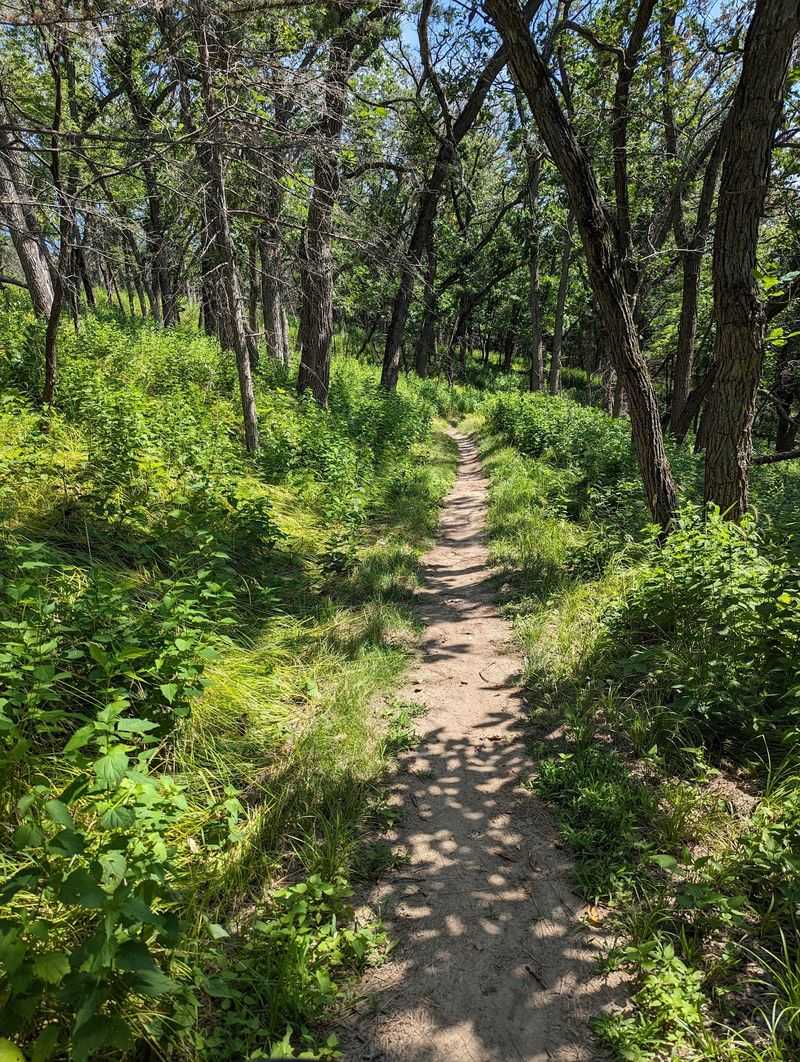
Some rivers still run wild, and one of them curves right past these bluffs. Lewis and Clark would recognize the view.
Ponca State Park in Ponca sits above the Missouri River in the northeast part of the state. It serves as the eastern gateway to a 59-mile unchannelized stretch of the Missouri National Recreational River.
The park spreads across forested Missouri River bluffs and bottomlands and takes its name from the Ponca people, whose homeland included this region.
Ponca State Park is an official site along the Lewis and Clark National Historic Trail, commemorating the expedition’s passage through this Missouri River region in 1804.
More than twenty miles of trails suit hikers and mountain bikers. Autumn turns the woods gold and rust.
The Corps of Discovery Trail passes through the site of a former Civilian Conservation Corps camp, where surviving stone and concrete features reflect the park’s 1930s development.
Birders can spot over 200 species across the seasons. Fall migration keeps binoculars busy.
The Old Oak Trail still follows a forested route associated with its famous bur oak, which dated to 1644 before the tree toppled during a storm in 2024.
Dense woodlands shelter deer, turkeys, and countless smaller creatures. Early mornings are best for sightings. The park address is 88090 Spur 26E. Bluff-top quiet like this is hard to beat in October.