Pedal 32 Scenic Miles Through Northern California On This Riverfront Trail Between Two Cities
Thirty-two miles sounds like a serious commitment until the river starts doing most of the convincing.
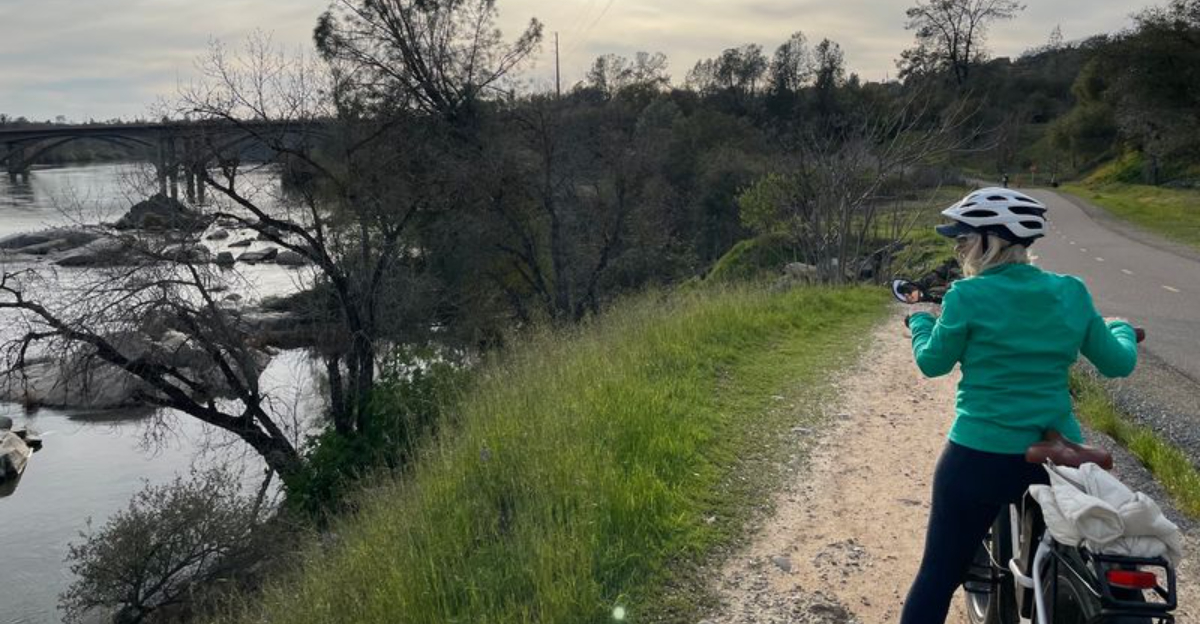
Clip in and let the city noise fall behind you. One stretch brings shady trees. Another opens onto broad water views.
Then a bend in the trail gives you a completely different scene before you have even finished deciding where to stop for a snack.
This part of Northern California makes a long ride feel far more like exploring than exercising.
Set your own pace. Stop at a park when your legs ask nicely. Pull over for the view when they do not. Race your friend for half a mile, regret it immediately, then pretend you were never competing.
The best part is knowing the route actually takes you somewhere.
You begin in one city, follow the river for miles, and finish in another with enough scenery in between to make the distance feel surprisingly manageable.
A Full 32-Mile Journey Between Cities
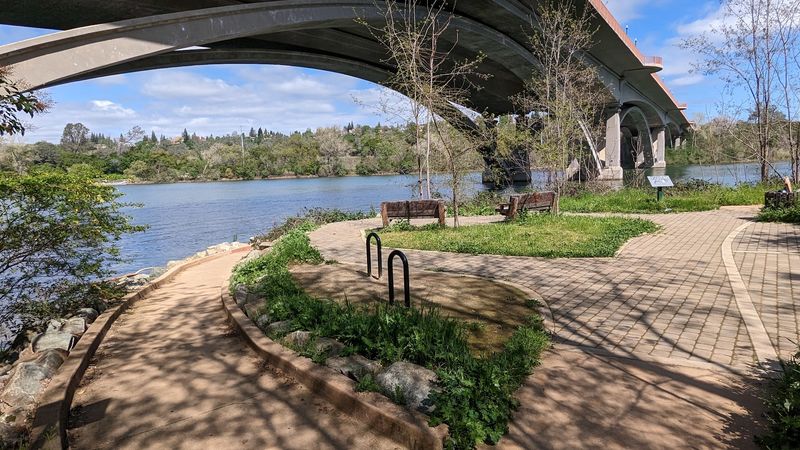
Some rides feel like a quick loop, but this one stretches into a real point-to-point journey with steady scenery and changing surroundings.
The Jedediah Smith Memorial Trail runs about 32 miles from the Sacramento area toward Folsom, which gives riders enough distance to settle into a rhythm.
Longer mileage sounds intimidating at first, yet the paved path and mostly gentle grades help the route feel approachable for many prepared riders.
Bringing water, snacks, and a basic repair kit makes the experience smoother and cuts down on avoidable stress during the day. Planning a shorter segment is also possible because many access points connect to the trail.
Distance here adds satisfaction without demanding mountain-bike skills or fast road riding in traffic, which is a big reason the route stays popular.
A full end-to-end trip works best when riders start early and leave enough time for breaks, photos, and slower sections.
Energy can fade late in the ride, so pacing matters more than speed for most people on this trail.
Comfortable clothing and a well-fitted helmet help over many miles. By the finish, the route feels less like a workout and more like a small adventure.
River Views That Stay With The Ride
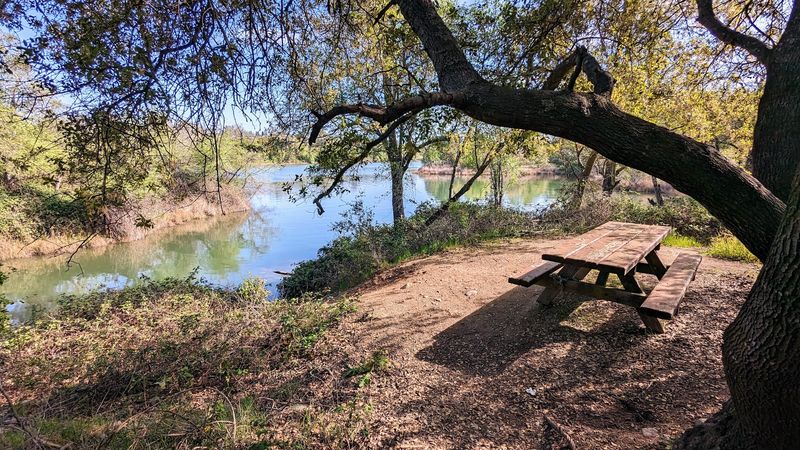
Few things make a bike ride more relaxing than having water beside the trail, and this route delivers that feeling often.
Much of the path follows the American River, so riders get repeating views of moving water, gravel bars, leafy banks, and bridges.
The river presence also helps the ride feel grounded because the landscape keeps giving a clear sense of direction.
Sounds from the water and birds can soften the experience even when other trail users are nearby. Looking up from the handlebars every so often reveals how the scenery shifts with light and season.
Riverfront riding also changes the pace of a trip because many people naturally slow down to enjoy the setting instead of rushing.
Morning hours often bring calmer air and softer light, while warmer afternoons can feel brighter and busier in exposed stretches.
A pair of sunglasses helps reduce glare near open water sections. Riders should still stay alert because scenic moments can distract from curves, crossings, and people ahead.
The river is the thread that ties the whole route together, making the miles feel connected rather than repetitive from one end to the other.
Discovery Park Sets The Starting Mood
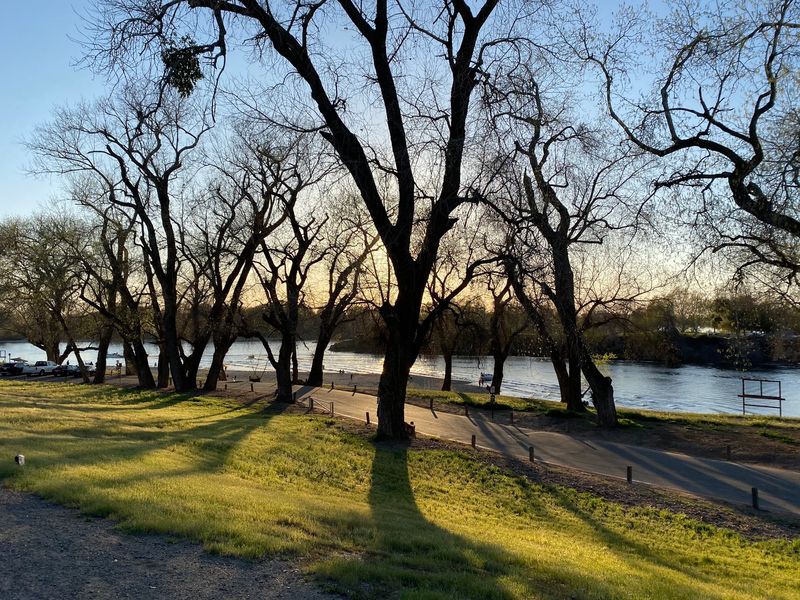
Every memorable trail benefits from a clear beginning, and Discovery Park gives this ride a recognizable launch point near downtown.
Open space, river access, and the sense of leaving the city behind help the start feel purposeful instead of rushed.
Riders can check gear, adjust helmets, and settle nerves before the longer eastbound stretch begins.
Starting here also makes the route easy to explain to visiting friends who want a simple trailhead with real context.
Early miles near the western end can feel more urban than later sections, yet that contrast becomes part of the fun.
Busy thoughts often fade once the wheels keep turning and the path starts pulling away from nearby streets and structures. A start near the confluence of major rivers adds a strong outdoor feel right away.
Parking conditions and fees can vary, so checking current park information before arrival is wise.
Discovery Park works well because it offers a practical meeting spot and a satisfying sense of beginning for a long ride across the region.
Folsom Lake Signals The Eastern Finish
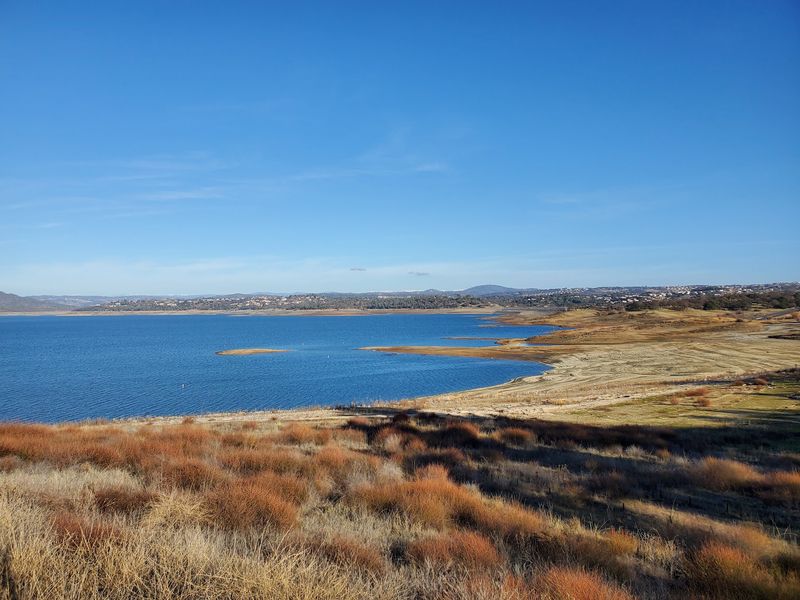
Finishing near a lake gives the ride a natural payoff, especially after hours of following the river through parks and shaded stretches.
The eastern end reaches the Folsom Lake area, where the setting feels more open and the ride earns a stronger sense of arrival.
Reaching that point can be satisfying even for experienced cyclists because the scenery changes enough to mark real progress.
Legs usually notice the mileage by then, so a calm stop near the end feels well deserved. Snacks saved for the final miles tend to taste especially good here.
The approach toward Folsom also helps riders understand the trail as more than a neighborhood path because the destination feels distinct.
Terrain remains manageable for many people, though the eastbound direction includes a gentle rise overall before the return westward.
That detail matters when deciding where to begin and how much energy to save.
People turning around for the trip back often enjoy a slightly easier return toward Sacramento.
Smooth Pavement Keeps The Ride Friendly
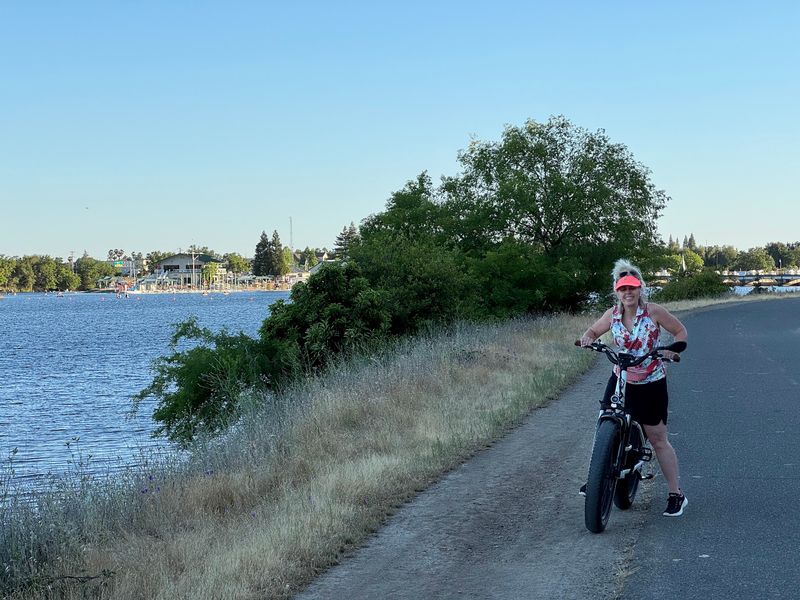
Not every long trail feels welcoming to different skill levels, but a mostly paved surface changes that right away for many users.
The route is known for being purpose built and friendly to cyclists, walkers, runners, and skaters who prefer predictable footing.
Smooth pavement makes a huge difference over longer distances because rough patches can wear riders down faster than hills.
Road bikes, hybrids, and many recreational bikes generally work well here when tires are in good condition. Checking tire pressure before leaving can improve comfort and reduce the chance of flats.
A paved trail also supports steady pacing, which helps newer riders find confidence without worrying about technical terrain or loose gravel.
Families and casual riders often appreciate how easy it is to coast, brake, and restart along the route.
That convenience does not remove the need for care, though, since roots, debris, or crowded sections can still appear.
Bells and clear passing etiquette help everyone share the path more smoothly.
Parkway Greenery Frames Much Of The Route
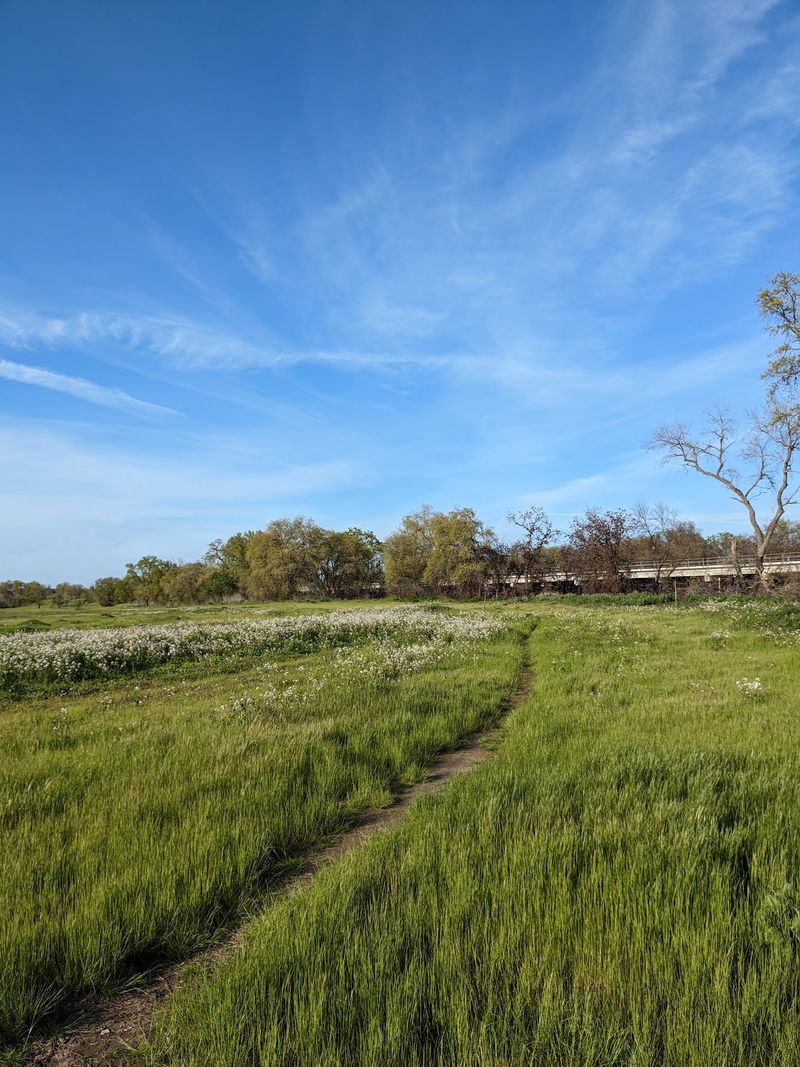
Green space can change the mood of a ride, and the American River Parkway gives this trail much of its lasting charm.
The parkway protects thousands of acres of open land and habitat, so riders spend long stretches surrounded by trees, brush, and natural textures.
Shade appears often enough to offer relief, though open sunny parts still require sunscreen and extra water.
Seasonal changes keep the route interesting because leaves, grasses, and river edges rarely look exactly the same twice. Even repeat visitors tend to notice new details along familiar miles.
Natural surroundings also soften the sense of riding through a metropolitan region because traffic noise fades in many sections of the parkway.
That quieter feeling can help longer rides seem less tiring, especially for people who prefer a calmer setting than city streets.
Tree cover varies by segment, so lightweight layers and sun protection remain useful all year. Wind can feel different in open stretches compared with sheltered wooded sections.
The greenery does more than decorate the route, since it creates a buffer from development and helps the trail feel like an outdoor escape rather than a simple transportation corridor.
William B. Pond Adds Another Memorable Landmark
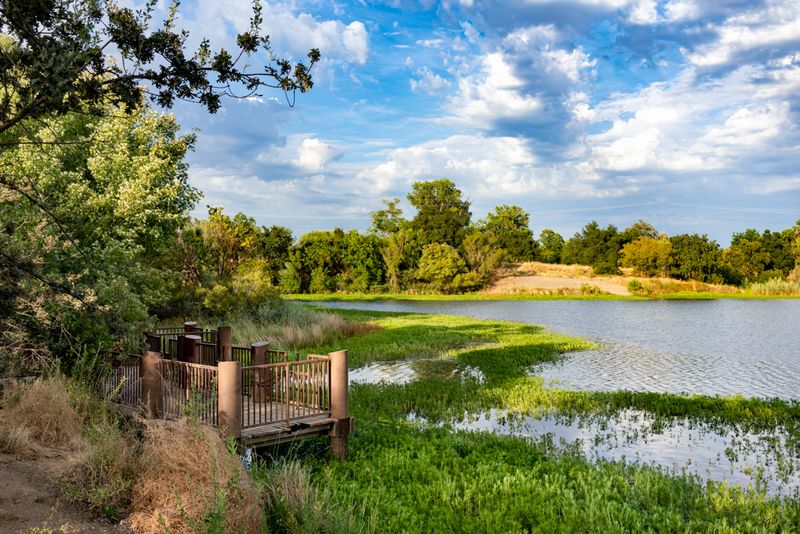
Some spots along a long trail stand out more than others, and William B. Pond Recreation Area is one of them.
The area gives riders another clear landmark for measuring progress, planning meetups, or choosing a turnaround point for shorter outings.
A named place on a long route can be surprisingly reassuring when legs are tired and distance starts to blur. Landmarks make navigation feel simpler even on a trail that is generally easy to follow.
The recreation area is also known for varied habitat and a man-made fishing pond, which adds interest beyond the bike path itself.
Pausing nearby can bring a change in pace without pulling far away from the main ride.
People using the trail for exercise often appreciate these visual markers because they break the route into chapters rather than one continuous effort.
Current park access details and fees should be checked before a visit.
William B. Pond helps the trail feel richer and more layered, giving riders another reason to stay observant instead of treating the miles like a straight push.
Crowds Are Part Of The Trail Experience
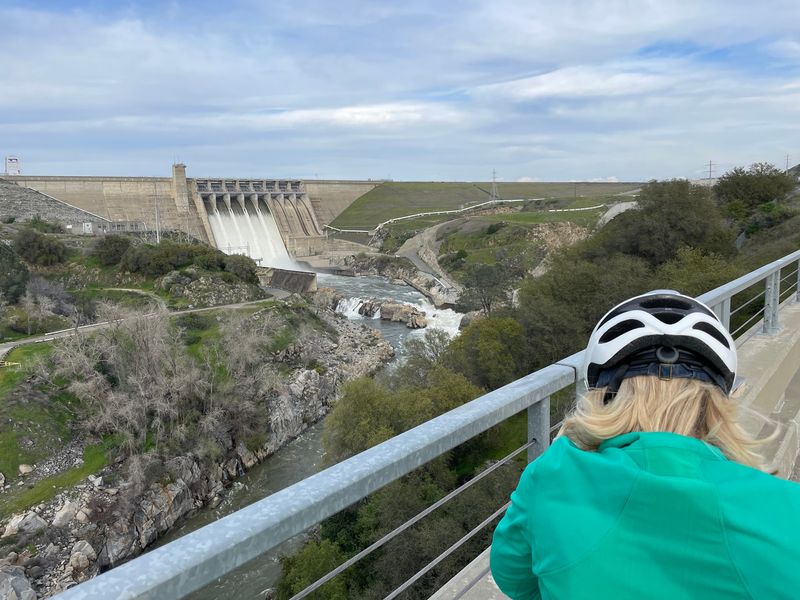
Popularity can be both a strength and a challenge, and this trail shows that balance clearly on busy days.
Cyclists, runners, walkers, families, and skaters all use the route, so awareness becomes just as important as fitness.
Shared spaces usually feel friendlier when people expect slower traffic, sudden stops, and side-by-side groups near popular access areas. A patient attitude goes a long way here.
Passing only when sight lines are clear helps prevent stressful moments and keeps the ride feeling cooperative instead of tense.
Weekends and pleasant weather often bring more users, while some weekday hours can feel steadier and easier for uninterrupted riding.
People seeking a calmer trip may want an early start, especially during cooler seasons with comfortable daytime conditions.
Bells, voice signals, and predictable movements all help reduce confusion when the path gets crowded.
Fast riders need to adjust expectations because the route serves many purposes beyond cycling workouts.
The steady mix of users is part of what makes the trail important, showing how one paved corridor can support recreation, exercise, family outings, and practical travel across a large region.
A Major Commuter Route With Real Purpose
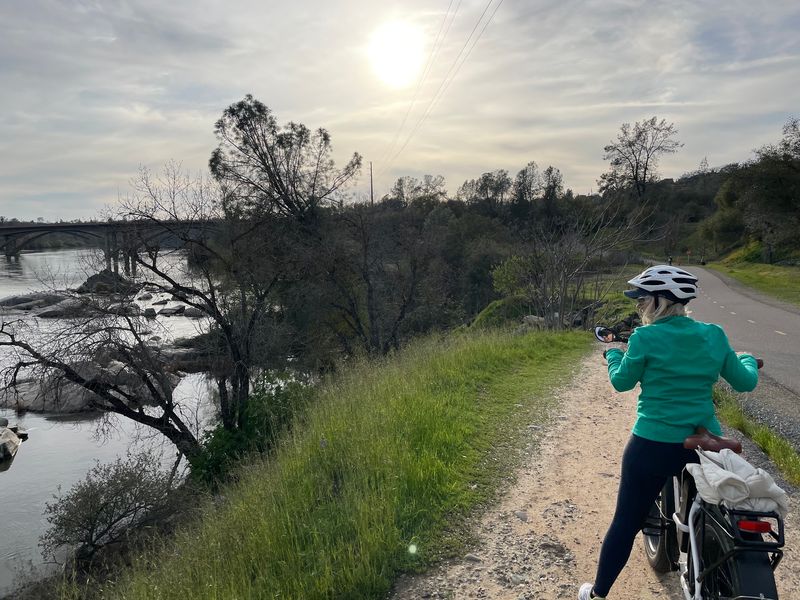
Recreation draws many people here, but the trail also serves a serious everyday role as a bicycle commuting corridor.
A long paved path with many access points can help riders avoid heavy traffic and connect different parts of the region more comfortably.
That practical value sets the route apart from trails used only for leisure. Daily riders often need consistency more than dramatic scenery.
Reliable pavement, direct mileage, and access to surrounding neighborhoods give the path genuine transportation importance beyond weekend exercise.
The commuter role also explains why etiquette matters so much, since not everyone on the trail is moving at the same pace or for fun.
Some users are heading to work, school, or errands, while others are strolling with family or stopping often for photos.
Respecting space and staying predictable helps both groups share the corridor. Seasonal daylight and weather still affect how practical the route feels on any given day.
Understanding the trail as useful infrastructure as well as a scenic ride makes it easier to appreciate its regional value, especially in a place where car travel often dominates everyday movement.