Pennsylvania Foods That Were Local Legends Until They Practically Vanished
Pennsylvania has always been a place where food tells stories.
Generations of families gathered around tables filled with dishes that defined communities and celebrated local ingredients.
But as time passed, many of these beloved foods quietly disappeared from restaurant menus and home kitchens, leaving behind only memories and old recipes tucked away in drawers.
1. Philadelphia Snapper Soup
Imagine a soup so rich and flavorful that fancy restaurants once served it as their most prized dish.
This historic recipe appeared on menus throughout Philadelphia, particularly in Center City establishments along Walnut Street and Market Street during the 1800s and early 1900s.
Made from snapping turtle meat caught in local rivers, the soup had a deep, dark color and complex taste that people enhanced with a splash of sherry.
Families served it during holidays and special celebrations, treating it like liquid gold.
The preparation took hours of careful cooking, and the meat had to be cleaned and seasoned just right.
As turtle populations declined and tastes changed, fewer chefs learned the traditional method.
Today, you’d be hard-pressed to find this once-celebrated soup anywhere in the city.
2. Fried Oysters with Chicken Salad
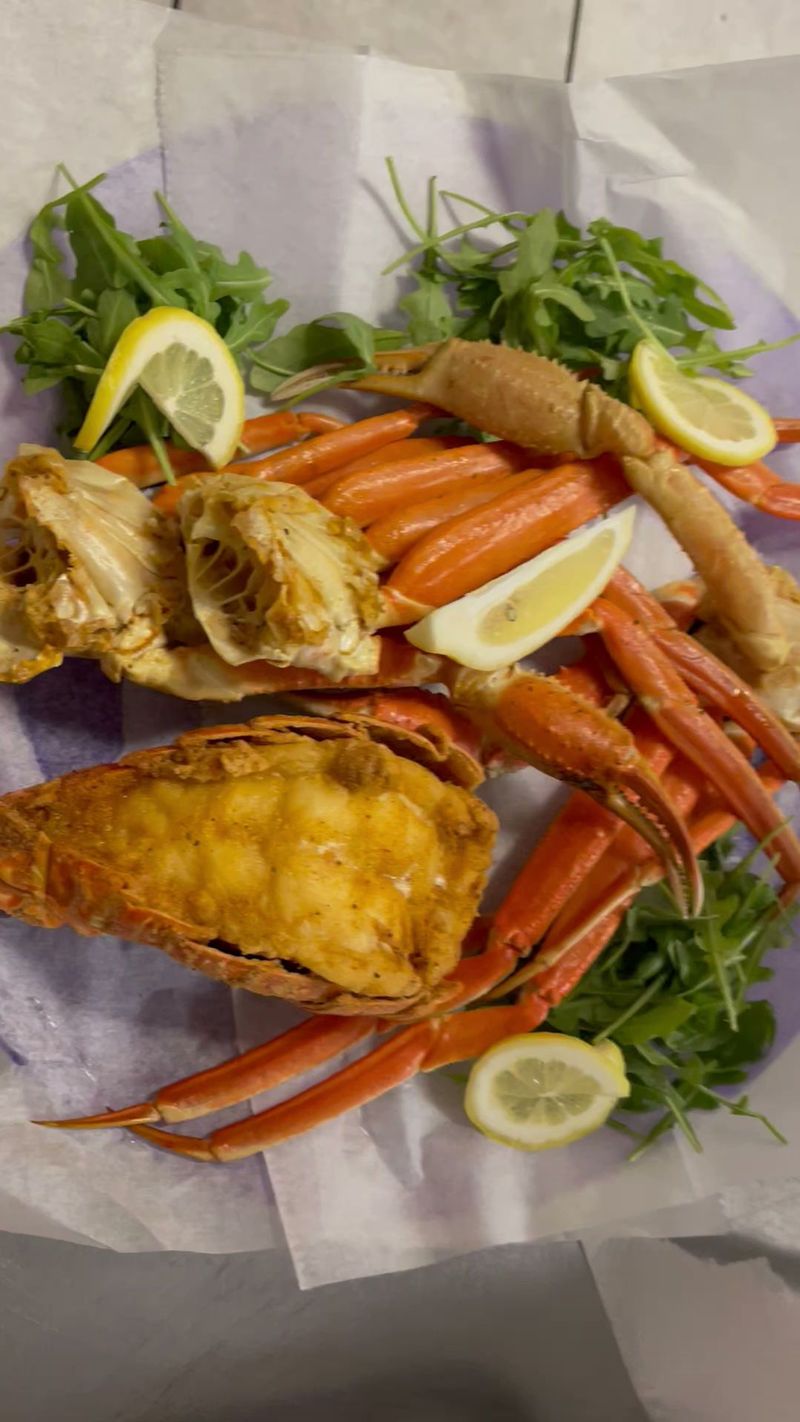
Back when oysters were cheap and plentiful, people paired them with chicken salad in a combination that sounds unusual today.
This dish was commonly served in restaurants along Delaware Avenue near the waterfront, where fresh oysters arrived daily from Delaware Bay.
Cooks would bread and fry the oysters until they turned golden and crispy, then plate them next to cold chicken salad and spicy pepper hash.
The contrast between hot and cold, crispy and creamy, made every bite interesting.
Working families could afford this meal because oysters cost less than most meats.
Kids loved the crunchy coating, while adults appreciated the sophisticated flavor mix.
When oyster beds became overharvested and prices climbed, this classic pairing slowly faded away.
3. Fried Catfish on Waffles
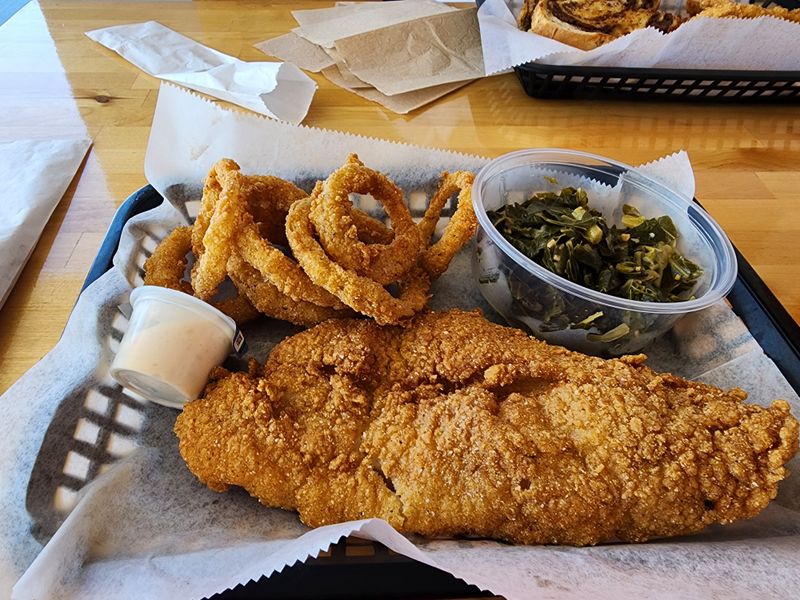
Sweet waffles topped with savory fried fish might sound strange, but this combo was breakfast and dinner for many Pennsylvania families.
Fishermen caught catfish from the Schuylkill River near Fairmount Park and brought them to markets throughout Philadelphia neighborhoods.
Home cooks would fry the fresh fish in cast iron skillets while making waffles on special irons heated over the stove.
The crispy fish sat perfectly on the waffle’s grid pattern, with syrup drizzled over everything.
This inexpensive meal filled hungry bellies without emptying wallets.
Children especially enjoyed the playful mix of breakfast and dinner foods on one plate.
As river pollution increased and catfish became less safe to eat, families stopped making this once-common dish.
4. Pepper Pot Soup
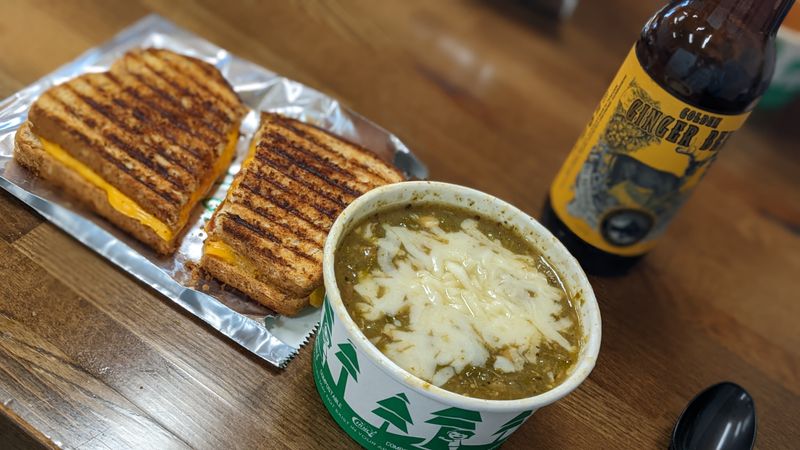
Legend says this spicy soup saved George Washington’s army from starvation during that terrible winter at Valley Forge.
The historic encampment site sits at 1400 North Outer Line Drive in King of Prussia, where soldiers supposedly first tasted this warming meal.
Made with tripe, vegetables, and lots of black pepper, the soup packed enough heat to fight off the cold.
Street vendors in Philadelphia once sold it from carts, calling out to workers heading home.
The strong flavors and chewy texture made it a love-it-or-hate-it kind of food.
Families who grew up eating it craved the spicy kick and hearty feeling it provided.
Modern tastes moved away from organ meats, and pepper pot disappeared from most tables.
5. Scrapple
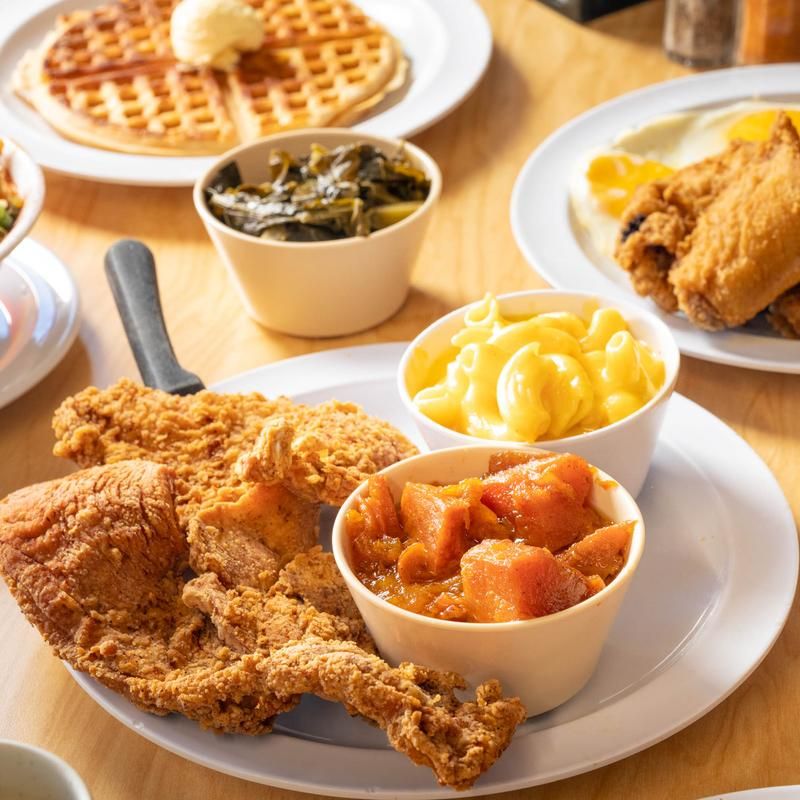
Nothing went to waste in Pennsylvania Dutch kitchens, and this breakfast staple proves it.
Butcher shops in Lancaster County, particularly around Central Market at 23 North Market Street, sold fresh scrapple by the pound.
Made from pork scraps, cornmeal, and spices pressed into a loaf, it sliced easily and fried up crispy.
Families ate it alongside eggs every morning, appreciating its savory, slightly spicy flavor.
The crispy edges and soft center made each bite satisfying.
Some folks drizzled it with syrup, while others preferred ketchup or apple butter.
Younger generations often find the ingredients off-putting, even though the taste is delicious.
You can still find it in some areas, but it’s nowhere near as popular as before.
6. Shoofly Pie
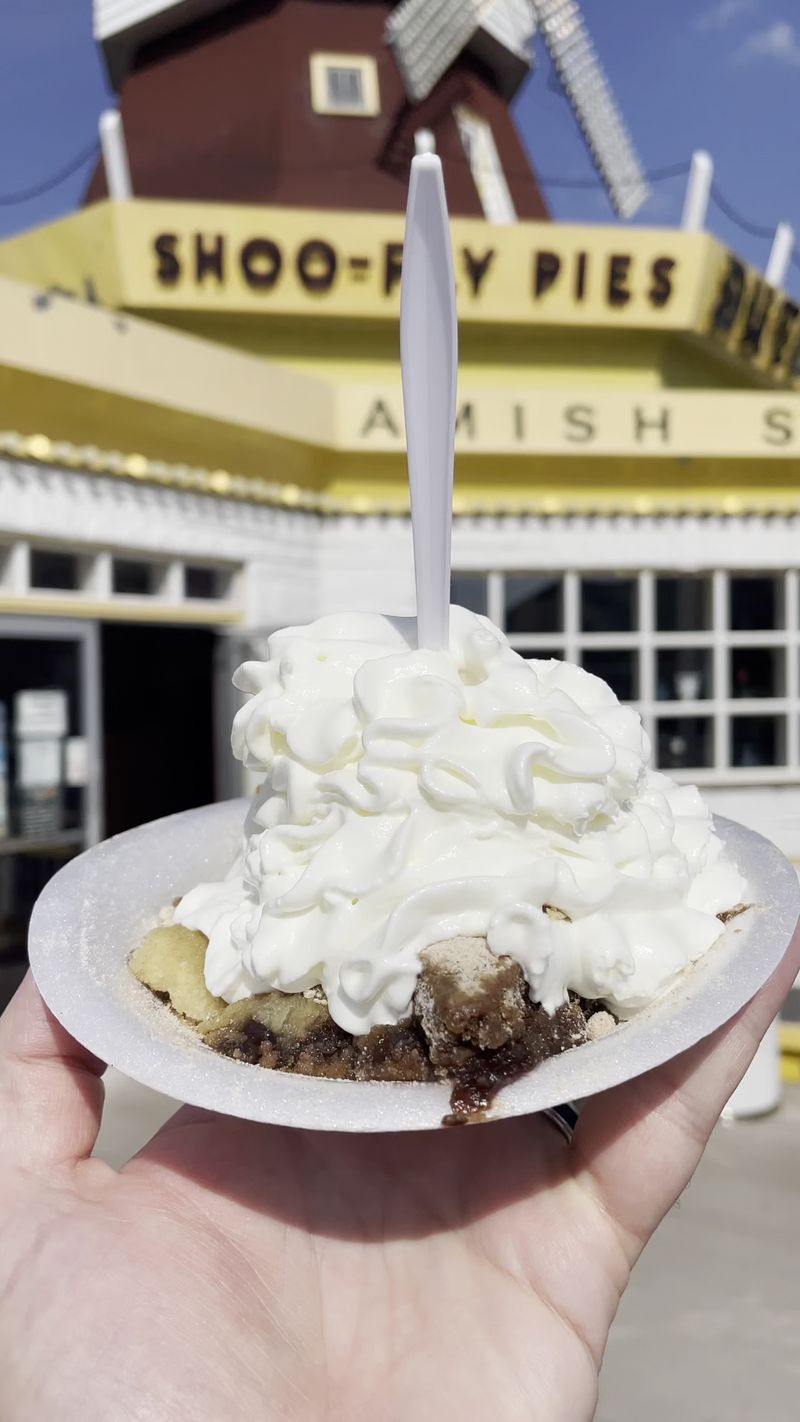
Molasses and brown sugar create a pie so sweet that flies supposedly needed shooing away from kitchen windowsills.
Bakeries throughout Lancaster County, especially near Bird-in-Hand along Old Philadelphia Pike, made this pie daily for decades.
The bottom layer stays gooey like pudding, while crumbs on top add crunch.
Pennsylvania Dutch families baked it for church gatherings and Sunday dinners.
Some versions came out wetter, others drier, depending on who made it.
People dunked slices in their morning coffee, softening the crumbs.
As concerns about sugar grew and tastes shifted toward lighter desserts, shoofly pie lost its spot on most tables.
A few traditional bakeries still make it, but most young people have never tried a slice.
7. Birch Beer
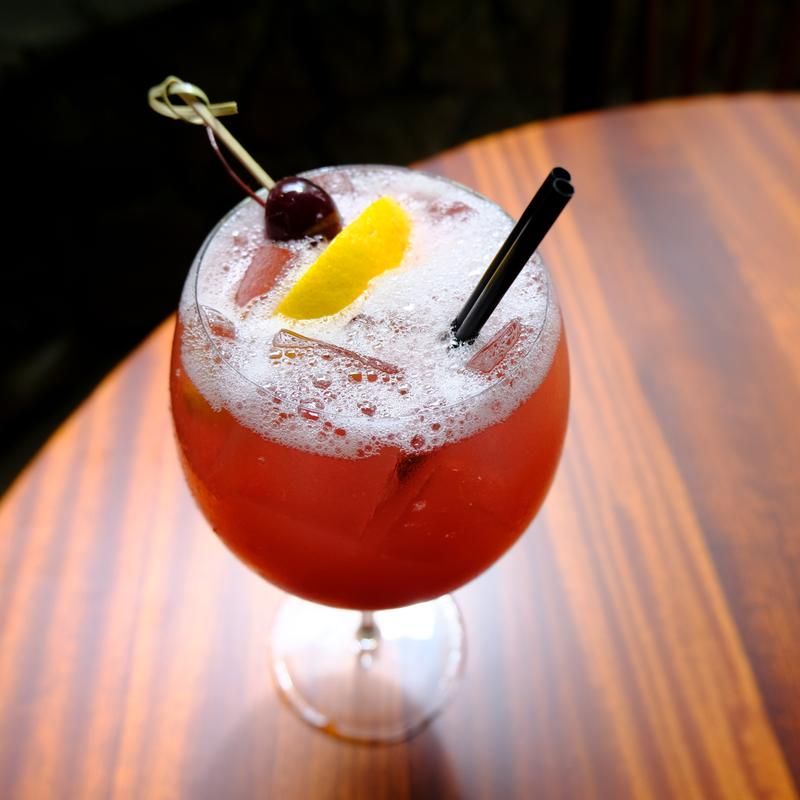
Long before root beer dominated soda fountains, birch beer was the drink everyone wanted.
Small bottling companies throughout Pennsylvania, including operations near Reading Terminal Market at 12th and Arch Streets in Philadelphia, produced this distinctive beverage.
Made from birch bark extract, it tastes similar to root beer but with a sharper, more complex flavor.
Kids begged their parents for bottles at summer picnics and family reunions.
The drink came in both red and brown varieties, each with slightly different tastes.
Local diners and restaurants served it on tap alongside their burgers and sandwiches.
As national soda brands expanded their reach, regional drinks like birch beer lost shelf space.
Some stores still carry it, but many Pennsylvanians have never even heard of it.
8. Fastnachts
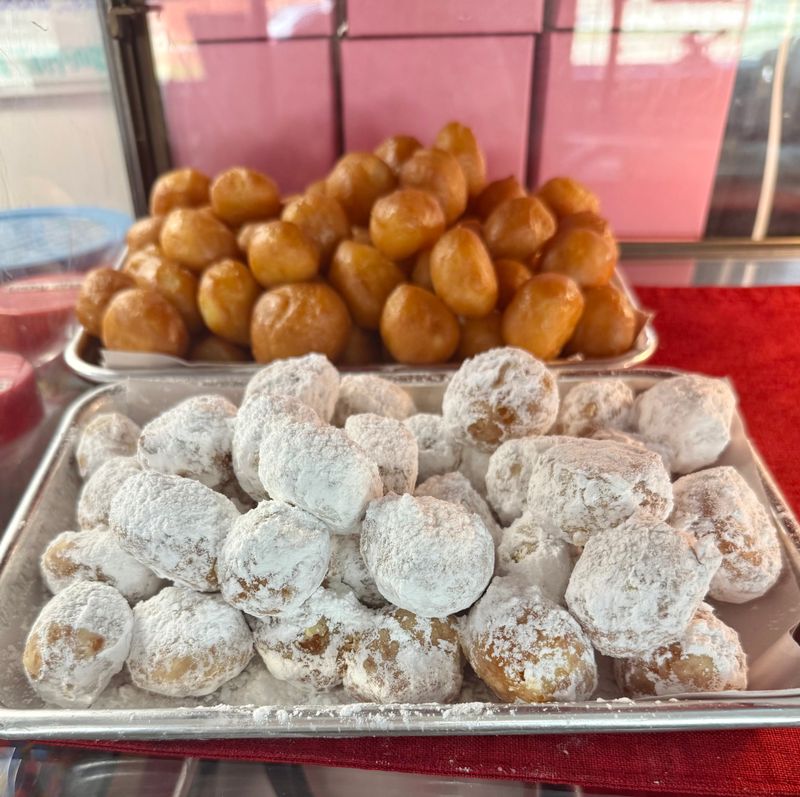
Every year on Shrove Tuesday, Pennsylvania Dutch families fried up these special donuts before Lent began.
Bakeries across York County and Lancaster County, especially near the towns of Lititz and Ephrata, made thousands each February.
Unlike regular donuts, fastnachts have no holes and taste less sweet, with a potato-based dough that stays moist.
Families ate them plain, dusted with sugar, or spread with jam.
The tradition connected to using up rich ingredients before the fasting season started.
Churches held fastnacht sales as fundraisers, with volunteers frying batches all night long.
Younger generations often skip the tradition or just buy regular donuts instead.
Some dedicated bakeries still make them, but the crowds get smaller every year.
9. Chow-Chow
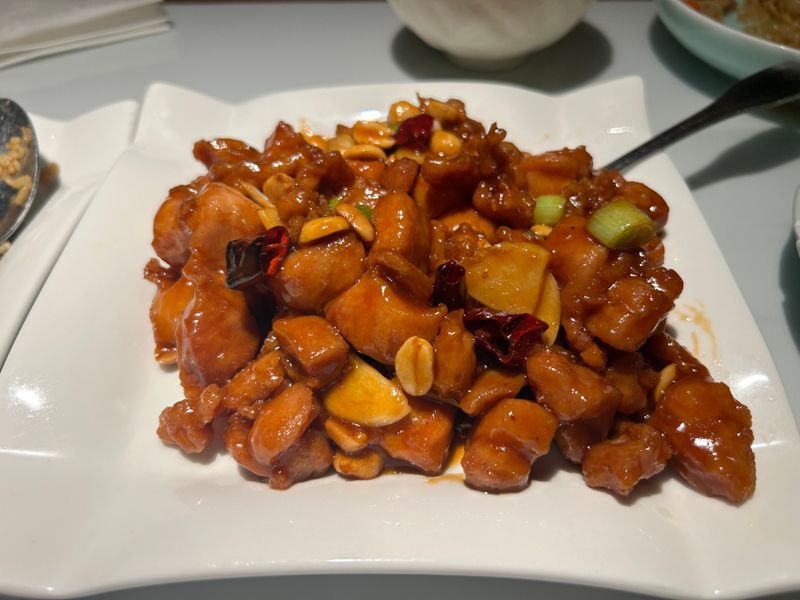
Crunchy, tangy, and slightly sweet, this pickled vegetable mix once sat on every Pennsylvania Dutch dinner table.
Home canners throughout Berks County and surrounding areas spent late summer preparing jars to last through winter.
The relish contained cauliflower, beans, peppers, onions, and carrots all chopped and pickled together.
Families spooned it onto everything from hot dogs to mashed potatoes.
The bright colors made plates look festive, and the vinegary bite cut through rich, heavy foods.
Making it required hours of chopping vegetables and carefully following recipes passed down through families.
As convenience foods became available and fewer people learned to can, homemade chow-chow nearly disappeared.
You might find commercial versions in stores, but they never taste quite the same.
10. Chicken Corn Soup
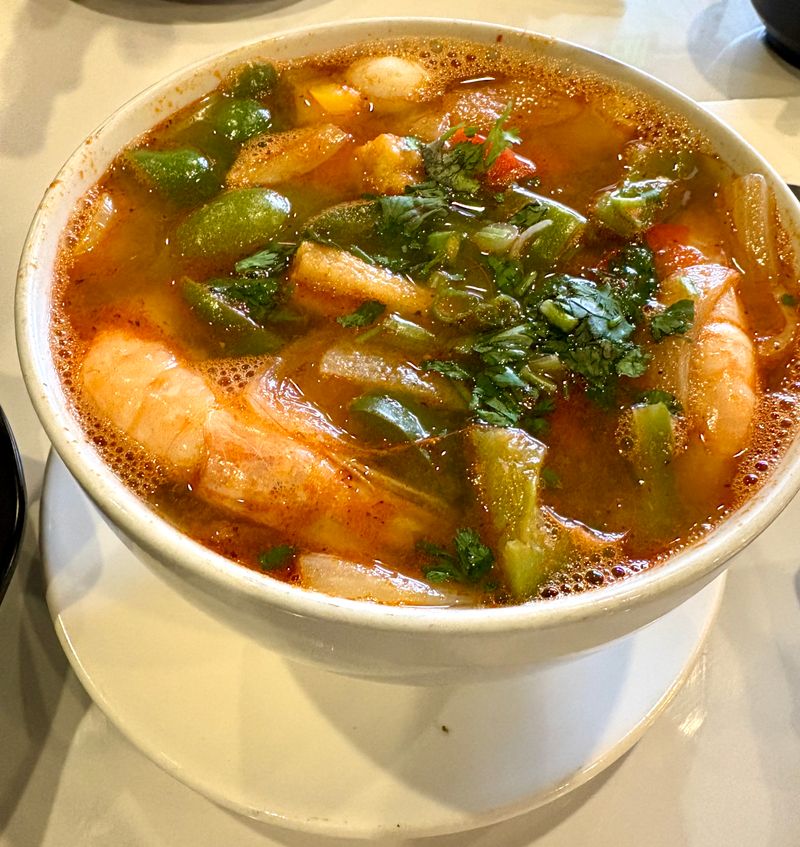
Summer meant corn season, and corn season meant making big batches of this beloved soup.
Community corn-cutting parties happened throughout rural Pennsylvania, where neighbors gathered to prepare ingredients together.
The soup combined fresh corn cut from the cob, chicken, homemade noodles, and a rich, savory broth.
Families froze or canned quarts to enjoy during cold winter months.
The sweet corn flavor mixed perfectly with tender chicken and soft noodles.
Church fundraisers often featured chicken corn soup sales, with recipes guarded like precious secrets.
Making it properly required time and fresh ingredients that modern busy families rarely have.
While some fire halls still serve it at community dinners, homemade versions have become increasingly rare.
11. Dandelion Salad
What most people call weeds, Pennsylvania Dutch families called dinner.
Every spring, people headed to fields throughout rural areas, especially in Lancaster and Lebanon counties, to harvest tender young dandelion greens.
The bitter greens got topped with hot bacon dressing that wilted them slightly.
Hard-boiled eggs often joined the mix, along with sliced onions.
The combination of bitter greens, salty bacon, and tangy vinegar dressing created complex flavors.
Older folks believed eating dandelion greens in spring cleaned out your system after a long winter.
Younger generations find the bitter taste unpleasant and prefer milder salad greens.
Concerns about pesticides and chemicals on lawns also made people nervous about foraging.
This once-common spring tradition has nearly vanished from family tables.
12. Montgomery Pie
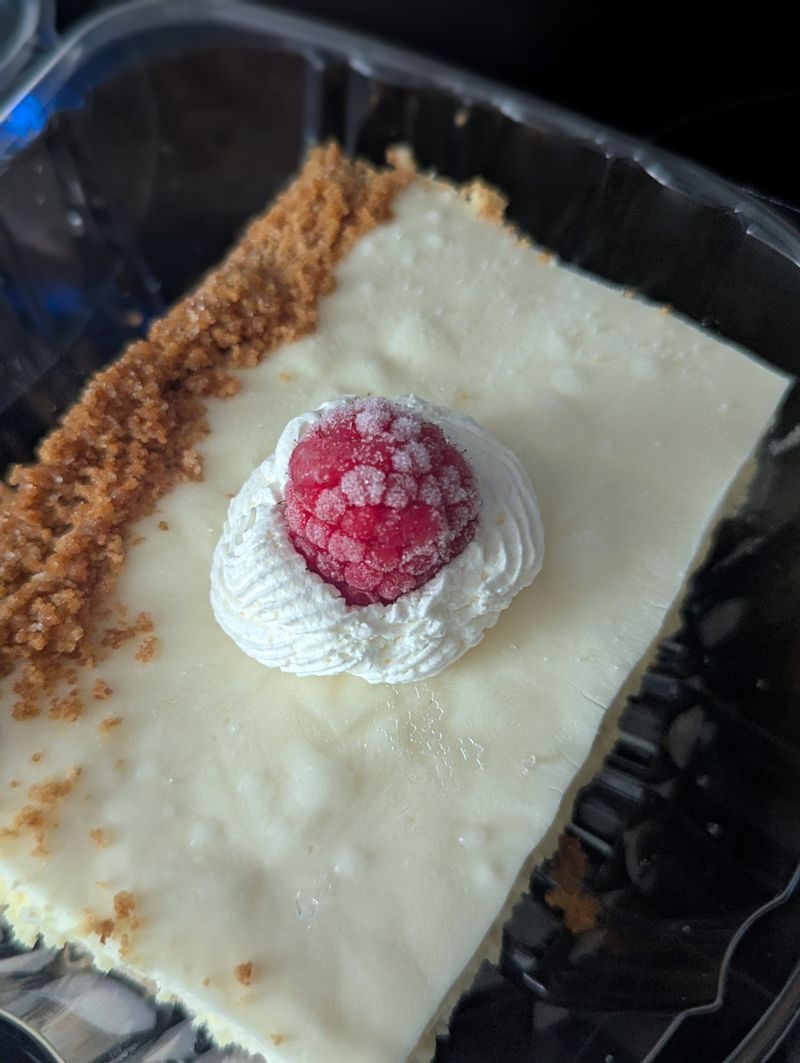
Half pie, half cake, this dessert confused and delighted anyone who tried it.
Bakeries in Montgomery County, particularly around Lansdale and Souderton, created this unusual treat that became a local specialty.
The bottom layer was tangy lemon filling, while the top was sweet, cake-like batter that baked into a fluffy topping.
Cutting into it revealed two distinct layers with completely different textures and flavors.
Some people ate the layers separately, while others enjoyed them together in one bite.
The recipe required precise timing to get both layers to set properly.
As bakeries closed and recipes were lost, fewer people knew how to make it correctly.
Today, even mentioning Montgomery pie gets blank stares from most Pennsylvanians under forty.