10 Pennsylvania Home Types Set To Lose Value In 2026
Pennsylvania’s housing market is entering a period of adjustment, and the changes are already reshaping which properties hold their ground and which begin to slip.
What once felt like a reliable investment no longer carries the same certainty as buyer preferences, costs, and long-term priorities continue to evolve.
Across the state, some home types are facing growing pressure tied to location, design, and ongoing ownership expenses.
Others are struggling simply because demand is no longer there. These shifts can quietly erode value, catching buyers and sellers off guard if they are not paying close attention.
Understanding where the risks are can make a meaningful difference.
Whether planning a move, weighing an investment, or keeping an eye on market trends, knowing which Pennsylvania homes may face trouble helps protect both your money and your timing.
1. Isolated Rural Homes
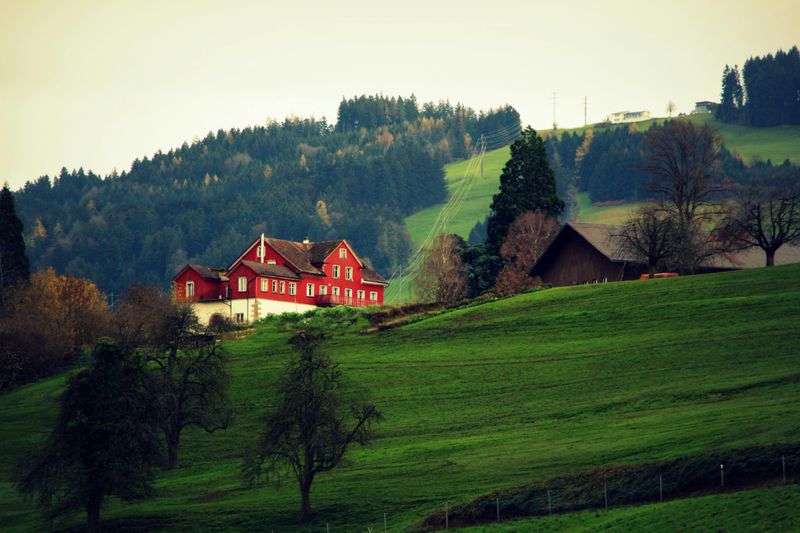
Homes located far from major job centers, grocery stores, hospitals, and reliable broadband are losing appeal as convenience becomes a top buyer priority.
Many buyers now evaluate daily driving time as a recurring cost, and long rural commutes feel like an exhausting lifestyle penalty.
School access matters more than ever, and families prefer districts with nearby extracurricular options rather than hour-long transportation routines.
Remote work has become less universal, and hybrid schedules make distance from offices a practical disadvantage for many households.
Rural properties also face fewer comparable sales, which can reduce appraisal confidence and increase financing friction for cautious lenders.
Limited nearby services can create higher ownership burdens, including longer emergency response times and fewer contractors for routine repairs.
Buyers increasingly want fifteen-minute access to essentials, and remote settings rarely meet that expectation without meaningful tradeoffs.
When demand shrinks to a smaller niche audience, sellers must reduce prices to compete, especially if homes require additional updates.
The result is slower turnover, more price cuts, and greater risk of value erosion as Pennsylvania buyers prioritize accessibility over isolation.
2. Oil-Heated Homes
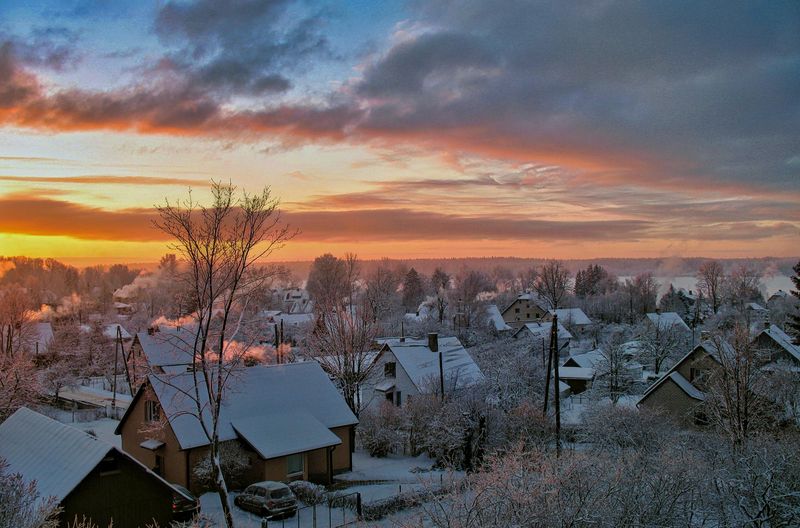
Properties relying on heating oil are becoming less desirable because buyers fear unpredictable winter bills and uncomfortable exposure to price volatility.
Households increasingly prefer energy sources with steadier monthly budgeting, such as natural gas, electric heat pumps, or efficient dual-fuel systems.
Oil tanks also introduce inspection anxiety, since leaks, corrosion, and remediation risks can surface late and complicate negotiations.
Even if a system works well, buyers worry about future maintenance costs and the shrinking availability of affordable service options.
Converting to another heating method can require expensive mechanical upgrades, electrical improvements, and permitting that many buyers would rather avoid.
In competitive markets, buyers often choose similar homes without oil heat, forcing sellers to discount to compensate for expected conversion costs.
Energy-conscious consumers increasingly compare operating expenses, and oil heat often performs poorly against high-efficiency alternatives in buyer spreadsheets.
Longer listing times can signal weakness, and repeated price reductions can reshape neighborhood comparables downward over the following year.
Unless improvements are made before listing, oil-heated homes may face accelerated depreciation as Pennsylvania buyers demand predictable, lower-cost heating.
3. Floodplain Properties
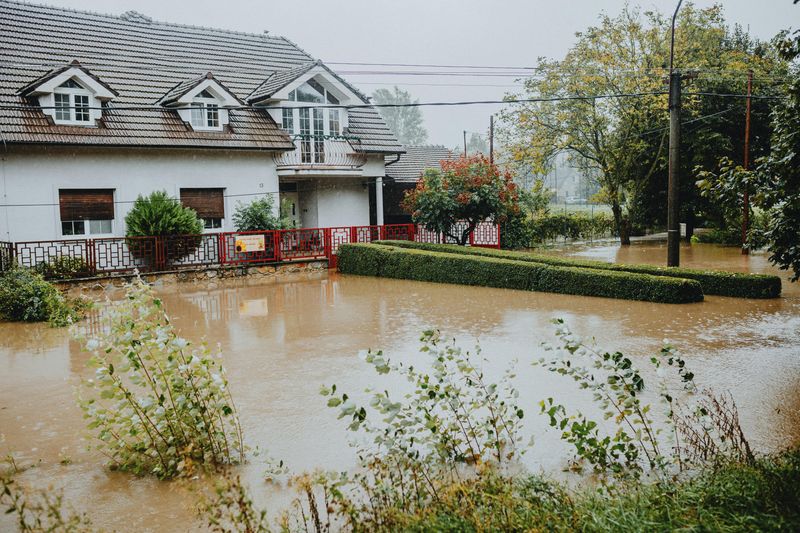
Homes situated in flood-prone areas face rising financial pressure as insurance premiums increase and lenders scrutinize risk more aggressively.
Many buyers now check flood maps early, and a high-risk designation can eliminate a property before a showing is even scheduled.
Higher deductibles and stricter coverage terms make ownership feel uncertain, especially for households with limited emergency savings.
More frequent heavy rainfall events increase perceived hazard, and climate concerns amplify the fear of repeated damage and costly repairs.
Flood mitigation projects can help, but buyers often discount heavily because future outcomes still feel unpredictable and hard to control.
Resale uncertainty grows when neighbors also struggle, since neighborhood-wide risk perceptions can suppress demand across entire river-adjacent blocks.
Even when a home has never flooded, buyers assume it is only a matter of time, and that assumption reduces willingness to pay.
Municipal disclosures and prior claim histories can surface during due diligence, creating additional negotiation leverage for cautious purchasers.
With higher ongoing costs and a smaller buyer pool, floodplain properties in Pennsylvania are especially vulnerable to value declines.
4. Vacant And Abandoned Homes
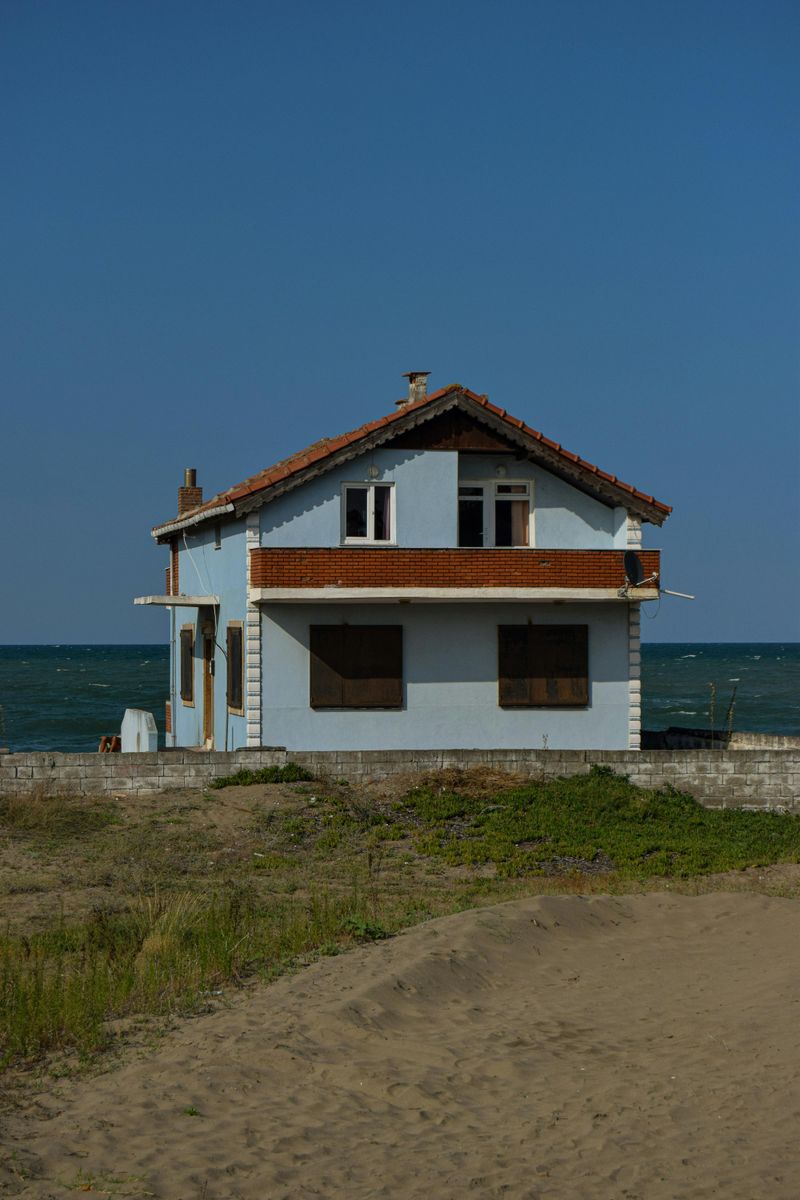
Properties left empty deteriorate faster because small issues become major failures without regular heating, ventilation, cleaning, and preventive maintenance routines.
Visible neglect signals risk to buyers, and surrounding neighbors often worry about safety, pests, and the overall appearance of the street.
Vandalism and unauthorized entry can cause sudden damage, turning an already weak asset into a costly and unpredictable restoration project.
Financing becomes harder because lenders frequently require habitability standards, and abandoned homes may not meet basic loan conditions.
Rehab budgets often balloon due to hidden plumbing damage, outdated wiring, mold growth, and structural surprises discovered after demolition begins.
Municipalities increasingly issue citations, fines, or repair orders, which can stack up and become liens that complicate clean transfers.
Investors may still buy selectively, but only at steep discounts that protect them from worst-case scenarios and long timelines.
Homeowners who inherit these properties often underestimate carrying costs, including insurance, taxes, and security measures during long vacancies.
As Pennsylvania enforcement tightens and repair costs rise, neglected homes are likely to lose value faster than maintained alternatives.
5. Historic Stone Houses With Issues
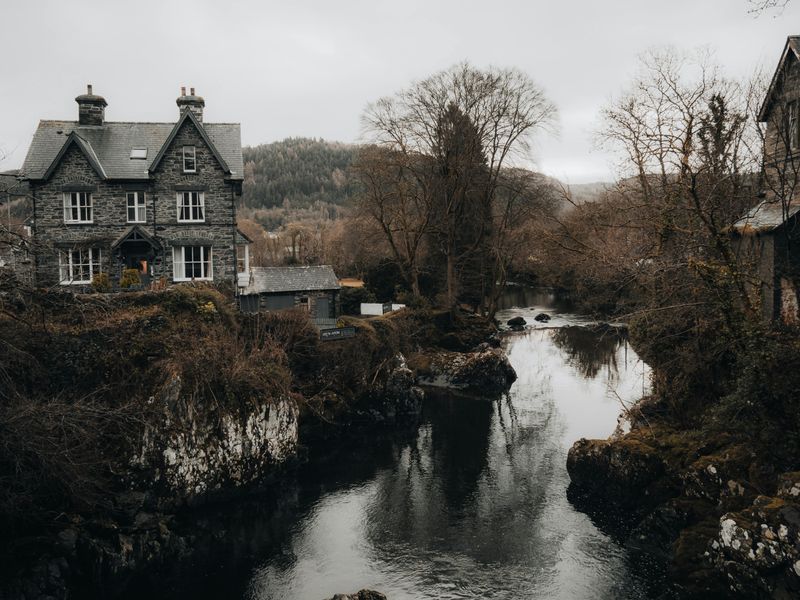
Older stone homes can charm buyers, yet many come with expensive structural and moisture challenges that modern budgets cannot easily absorb.
Foundation movement, water intrusion, and outdated drainage systems can require specialized solutions that exceed typical renovation expectations.
Repairs often demand craftsmen experienced with historic masonry, and those skilled workers can charge premium rates due to limited availability.
Heating and insulation upgrades are complicated by thick walls, drafty assemblies, and preservation concerns that restrict common modern approaches.
Local preservation rules can limit window replacements, exterior alterations, and additions, reducing flexibility for buyers wanting modern comfort.
Insurance and inspection findings may uncover risks that feel intimidating, especially when combined with strict renovation restrictions and slow permit timelines.
Even buyers who love character often prefer predictable maintenance, and stone-house ownership can feel like an ongoing restoration commitment.
When comparable sales are scarce, appraisals can be conservative, making financing tougher and reducing the ceiling on achievable sale prices.
Without substantial documented improvements, historic stone properties with issues may face value declines as Pennsylvania buyers favor move-in-ready practicality.
6. Homes Without Energy Upgrades

Properties lacking insulation improvements, efficient windows, and modern HVAC face shrinking demand as buyers prioritize operating costs over raw square footage.
High utility bills function like a hidden mortgage payment, and buyers increasingly price that burden directly into what they are willing to offer.
Energy audits and disclosure conversations have become more common, making inefficiency easier to spot during tours and inspections.
Single-pane windows, old furnaces, and leaky ductwork can signal broader neglect, even if the home looks attractive cosmetically.
Retrofitting can be disruptive, requiring contractors, permits, and scheduling that buyers with busy lives often prefer to avoid.
Sustainability preferences also influence decisions, and many buyers want homes compatible with solar, heat pumps, and smart energy monitoring.
When competing listings advertise upgrades, outdated homes must discount to remain competitive in the same school district or neighborhood.
Over time, discounted sales become the new comparables, which can drag down perceived market value for similar inefficient properties nearby.
As Pennsylvania energy awareness grows, homes without upgrades are positioned to depreciate faster unless sellers invest before listing.
7. Overbuilt Suburban Single-Family Homes
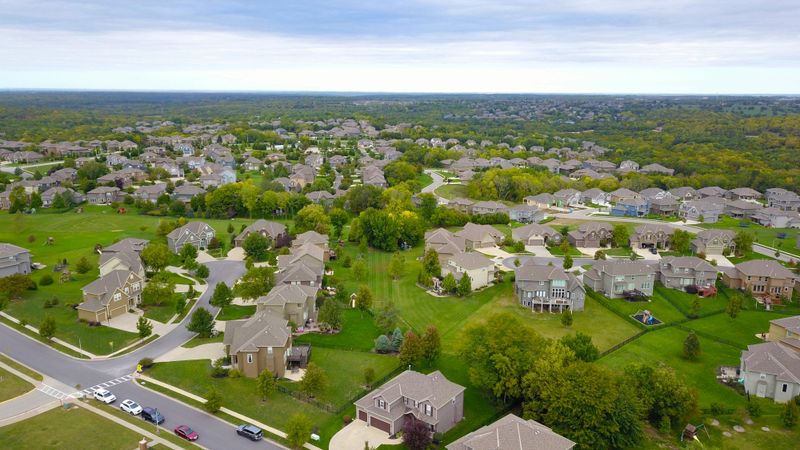
Large subdivisions with many similar homes create intense competition, and excessive supply weakens pricing power for individual sellers.
When buyers can choose among dozens of near-identical models, they negotiate harder and expect concessions, repairs, or price cuts.
Newer developments may also lack mature trees, walkable amenities, and local character, which limits emotional attachment for buyers.
Long commutes and traffic congestion reduce suburban appeal, especially for households that now value time savings and flexible routines.
HOA restrictions can feel burdensome, and rising fees may discourage buyers already worried about higher taxes and maintenance costs.
If multiple owners list simultaneously, sellers can trigger a local price war that resets expectations downward across the development.
Large homes also have higher heating, cooling, and repair expenses, which can push buyers toward smaller properties with lower carrying costs.
As consumer preferences shift toward compact efficiency, oversized suburban houses may face softer demand than smaller, well-located alternatives.
Overbuilt suburban areas in Pennsylvania may see stagnation or decline as inventory stays elevated and buyers remain selective.
8. Older Urban Rowhouses
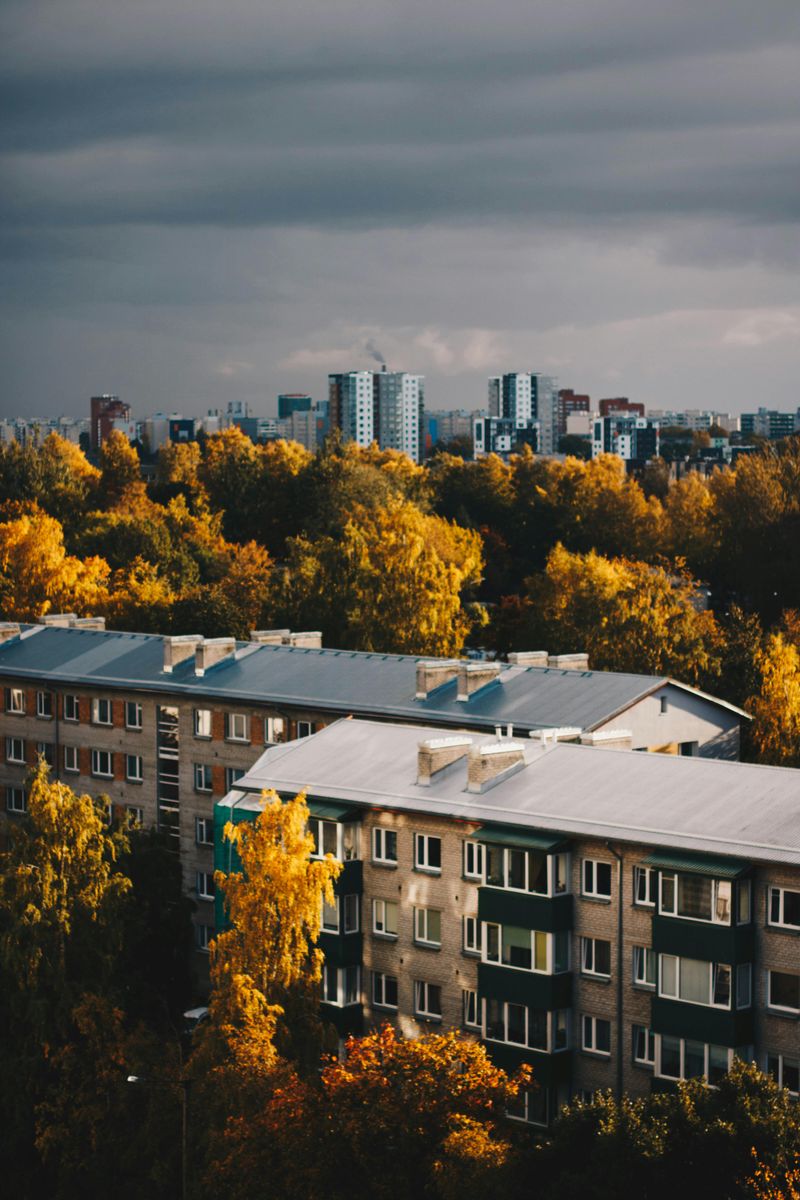
Narrow homes with small rooms and limited storage can feel incompatible with modern needs for home offices, flexible living areas, and privacy.
Parking shortages add daily stress, and buyers often compare rowhouses unfavorably to condos or townhomes with dedicated spaces.
Shared walls create noise concerns, and renovation limitations can frustrate owners who want layout changes or improved soundproofing.
Many older structures require updates to plumbing, wiring, and roofing, and those repairs can be costly in dense urban environments.
Steep stairs and tight hallways reduce accessibility, which matters to buyers planning for children, aging relatives, or long-term mobility needs.
Outdoor space is often minimal, making it harder to compete with properties offering patios, small yards, or nearby green space.
If neighborhood amenities decline or public safety concerns rise, demand can weaken quickly because buyers have many urban alternatives.
Rowhouses can still thrive in prime locations, but marginal areas may see declining values when compromises outweigh location benefits.
Older rowhouses without upgrades may lose value as Pennsylvania buyers favor adaptable spaces that match contemporary living patterns.
9. Homes With Outdated Floor Plans
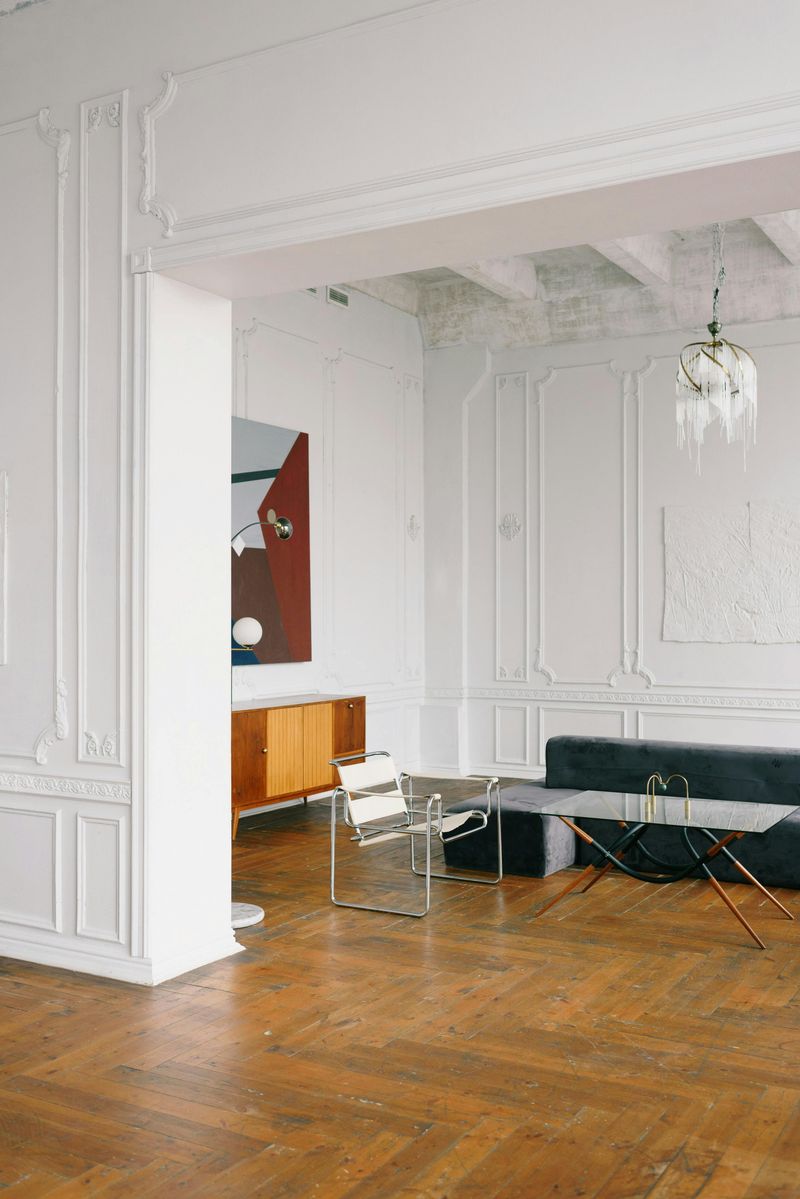
Compartmentalized layouts with separated kitchens, formal dining rooms, and small living areas often feel restrictive compared to open, social designs.
Buyers want sightlines for supervising children, entertaining friends, and working from home without feeling boxed into isolated rooms.
Small kitchens that lack islands and counter space can be deal breakers, especially for households that cook frequently or host gatherings.
Renovations to open walls can require structural engineering, permits, and costly contractor labor that many buyers refuse to undertake.
When renovation uncertainty is high, buyers apply risk discounts, lowering offers to protect themselves from surprises behind walls and ceilings.
Outdated plans also reduce flexibility for modern furniture and technology, including larger appliances, smart-home wiring, and flexible workspace setups.
Sellers sometimes stage aggressively, but buyers still visualize demolition costs and disruption, which weakens emotional commitment during tours.
In neighborhoods where updated homes set expectations, outdated layouts force larger price cuts to remain competitive.
As design preferences stay consistent, Pennsylvania homes with closed-off plans may depreciate relative to renovated alternatives.
10. McMansions
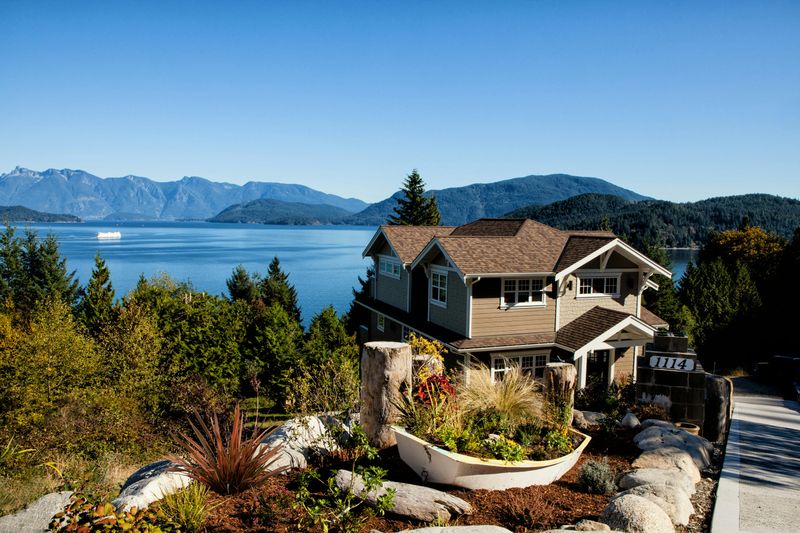
Oversized homes from the early 2000s often struggle because buyers dislike inefficient footprints, inconsistent rooflines, and styling that feels dated.
High utility costs are a constant concern, and heating and cooling large spaces can feel wasteful to budget-minded, eco-aware households.
Maintenance expenses scale quickly with size, including roofing, exterior painting, landscaping, and mechanical systems that require frequent professional service.
Property taxes can be substantial, and buyers frequently calculate total ownership costs rather than focusing on purchase price alone.
Large homes also take longer to sell because the buyer pool is smaller, and fewer households want five thousand square feet.
Rooms with unclear purpose, such as formal sitting areas, can feel like wasted space when buyers prefer compact, intentional, multiuse designs.
When comparable sales soften, appraisals can constrain financing, forcing sellers to accept lower prices or lose qualified buyers.
Neighborhood perceptions matter, and “too much house” can become a stigma when local demand shifts toward quality design over sheer size.
Many McMansion-style properties in Pennsylvania may face value declines unless updated with efficient systems and more coherent design.