7 Pennsylvania Roads Locals Warn You Never To Drive On During Winter
Winter has a way of reshaping the landscape into something beautiful, unpredictable, and at times unforgiving.
In Pennsylvania, that transformation can turn ordinary roads into corridors of ice, wind, and whiteout conditions that challenge even seasoned drivers.
Mountains, valleys, and sudden shifts in elevation create microclimates that change from manageable to hazardous in a blink.
Locals know the patterns all too well – the stretches where snow drifts pile high, the curves that freeze first, the highways that disappear under fast-moving squalls.
Understanding these risks becomes more than just practical advice; it becomes essential for anyone hoping to navigate Pennsylvania’s winter roads with caution, confidence, and respect for the forces at play.
1. Interstate 81 (I-81)
Running north-south through Pennsylvania’s central corridor, this interstate encounters some of the heaviest snowfall totals in the state each winter.
The northern sections particularly experience lake-effect snow from nearby Lake Erie, dumping several feet of accumulation during intense storm systems.
Wind whips across open farmland alongside the highway, creating massive snow drifts that can close lanes within hours.
Accidents pile up quickly during winter weather events, with chain reactions involving multiple vehicles becoming common occurrences.
Emergency response times increase significantly when conditions deteriorate, leaving stranded motorists waiting hours for assistance.
Locals warn that the combination of steep hills, sharp curves, and relentless snowfall makes this route especially unforgiving during winter storms.
Many experienced drivers choose to wait out bad weather rather than risk the journey, knowing that conditions can change from manageable to impossible in moments.
2. U.S. Route 22 (US 22)
Paralleling Interstate 80 through parts of central Pennsylvania, this highway faces similar winter weather challenges but with fewer resources for rapid snow removal.
The two-lane sections receive less frequent plowing than major interstates, allowing snow and ice to accumulate more quickly during storms.
Traffic moves slower here, but that doesn’t necessarily mean safer conditions when the road turns slick.
Hills and valleys create pockets where cold air settles, forming black ice that remains even after surrounding areas have cleared.
Residents know that certain bridges and shaded curves on this route become skating rinks during freezing weather.
The mix of local traffic and through travelers creates unpredictable driving patterns, with some vehicles crawling along while others attempt to maintain normal speeds.
Winter travelers on this route need patience, winter tires, and the wisdom to pull over when conditions exceed their comfort level or vehicle capabilities.
3. Pennsylvania Turnpike (I-76)
This major toll road spans Pennsylvania from border to border, crossing multiple mountain ranges and encountering every type of winter weather the state can produce.
Despite being a well-maintained toll facility, the sheer length and varied terrain make it vulnerable to rapidly changing conditions.
Tunnels through mountains create temperature differentials that cause ice to form at tunnel entrances, catching drivers by surprise.
The Turnpike’s high-speed traffic doesn’t always adjust appropriately when weather deteriorates, leading to serious accidents during winter storms.
Long stretches between exits mean that once committed to a section, drivers have limited options for seeking shelter when conditions worsen.
Experienced Pennsylvania travelers know to check Turnpike conditions before departing and to carry emergency supplies for potential delays.
The combination of elevation changes, exposure to weather systems from multiple directions, and heavy traffic volume makes winter travel here a serious undertaking requiring preparation and caution.
4. Route 33
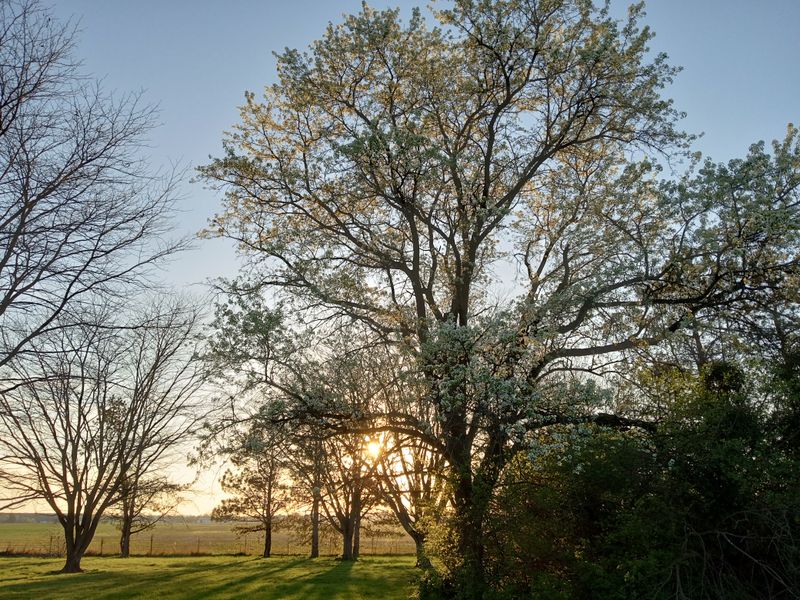
Connecting the Lehigh Valley to the Pocono Mountains, this highway climbs steadily into higher elevations where winter weather intensifies dramatically.
The transition from valley to mountain happens quickly, with drivers experiencing a noticeable change in temperature, wind, and precipitation within a short distance.
What begins as light snow at lower elevations often becomes blinding conditions as the road ascends.
Popular with weekend travelers heading to ski resorts, the route sees heavy traffic during winter months from drivers with varying skill levels in snow.
Accidents frequently occur when vehicles lose traction on uphill sections or slide on downhill grades, creating backups that can last for hours.
Locals know to avoid this route during peak travel times when weather is questionable, as the combination of inexperienced winter drivers and challenging conditions creates chaos.
Those who must travel here in winter carry chains, extra food, and warm clothing, understanding that a quick trip can turn into an extended ordeal.
5. Route 15
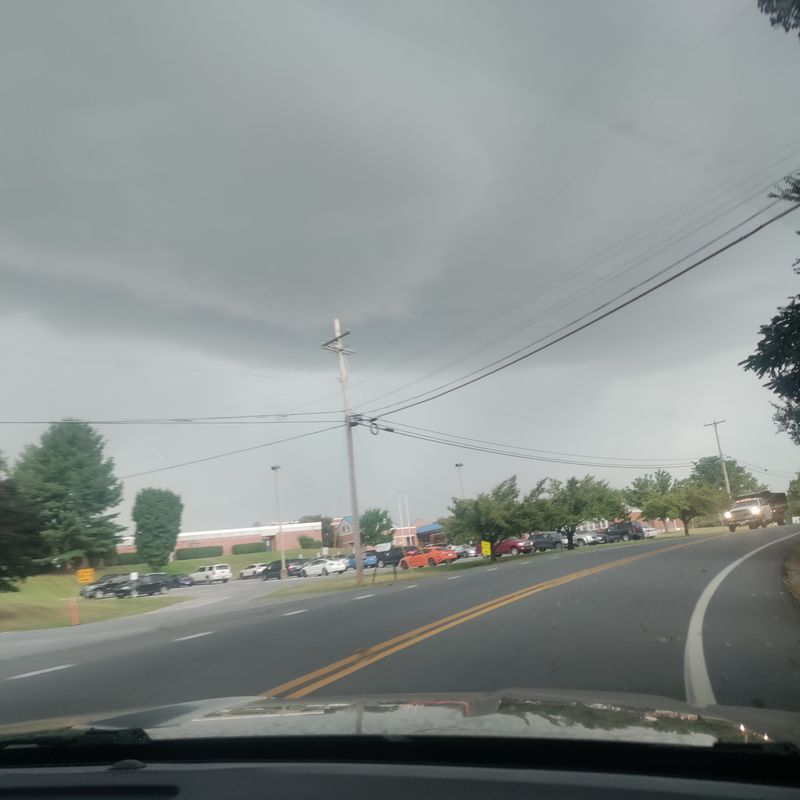
Running north-south through central Pennsylvania’s hilly terrain, this route encounters winter weather that varies dramatically based on elevation and exposure.
The rolling hills create a constant up-and-down driving experience that becomes treacherous when roads ice over and traction disappears.
Drivers struggle to maintain momentum climbing hills without spinning tires, then face the challenge of controlling speed on descents.
Valley sections often fill with fog during winter, reducing visibility to dangerous levels when combined with snow or freezing rain.
The mix of local farm traffic, commercial vehicles, and through travelers creates unpredictable situations as different drivers react differently to deteriorating conditions.
Residents along this corridor know which hills become impassable first and plan alternative routes before winter storms arrive.
The lack of parallel highways means that when Route 15 closes or becomes too dangerous, few good options exist for reaching destinations in this part of Pennsylvania during severe winter weather events.
6. Route 309
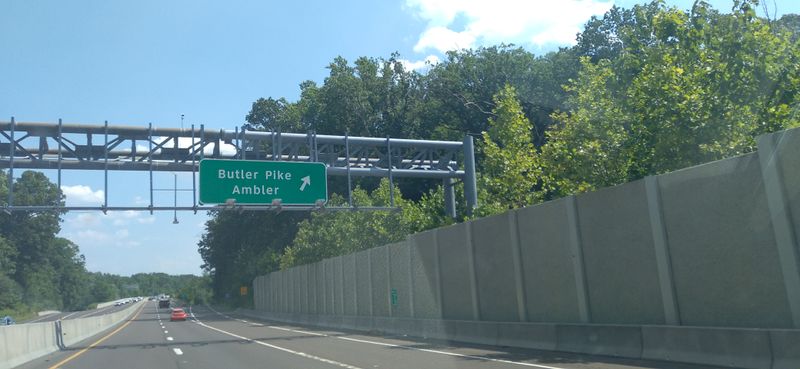
Cutting through southeastern Pennsylvania, this highway features sections with steep grades and sharp curves that challenge winter drivers significantly.
The proximity to population centers means heavy traffic volume even during winter storms, as many drivers have no choice but to use this route for commuting.
Accidents multiply quickly when conditions deteriorate, with vehicles sliding into each other on hills and curves.
Some sections pass through areas where microclimates create ice when surrounding regions remain clear, catching drivers off guard.
The combination of commuter pressure to maintain schedules and genuinely hazardous winter conditions produces a dangerous mix of urgency and inadequate caution.
Local knowledge includes understanding which sections freeze first and which times of day see the worst traffic during winter weather events.
Smart travelers monitor conditions closely and leave extra time for winter commutes, knowing that Route 309’s challenging topography amplifies every winter weather problem and turns routine drives into exercises in defensive driving and patience.
7. Interstate 80 (I-80)
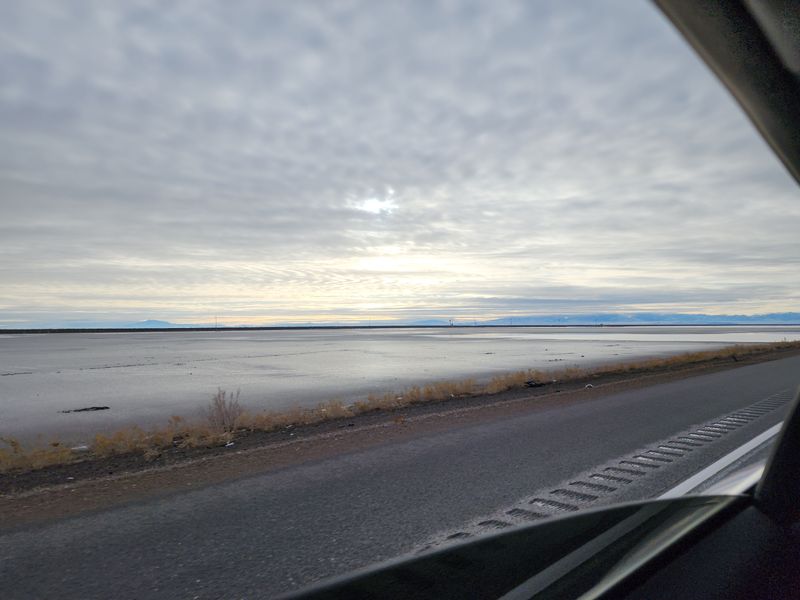
Stretching across Pennsylvania from east to west, this major highway cuts through some of the state’s most challenging terrain during winter months.
Snow squalls appear suddenly in the mountainous central and northern sections, reducing visibility to nearly zero within seconds.
Drivers often find themselves caught off guard when clear skies turn into whiteout conditions without warning.
The elevation changes throughout this route create microclimates where temperatures can vary dramatically within just a few miles.
Ice forms quickly on bridges and overpasses, creating slick patches that remain invisible until it’s too late.
Heavy truck traffic compounds the danger, as large vehicles struggle to maintain control on steep grades covered in snow and ice.
Local residents know to check weather reports multiple times before attempting winter travel on this route, and many choose alternative paths when storms approach.