People Drive From All Over Kentucky To Shop At This Enormous Discount Store
There is a store in Kentucky where Thursday is the entire point. That is restock day, and people genuinely arrange their week around it.
The concept is simple and a little thrilling. Big box stores end up with overstock they cannot move, and this place buys it and resells it for a fraction.
Shoppers report savings in the range of forty to sixty percent. The inventory turns over constantly, so nobody knows what will be on the shelves next week.
You will come in for paper towels. You will leave with window blinds, dog treats, party supplies, and a coffee table you had no plans for.
The cart fills itself, and you will not be able to explain how.
Regulars watch the online announcements like a stock ticker. They compare finds in the parking lot.
Bring a list if it makes you feel better about any of this.
A 40,000 Square Foot Playground For Deal Seekers
Ben’s Bargain Center is not a small shop with a clever gimmick. The store spans roughly 40,000 square feet along Dixie Highway, and you feel every foot of it once you grab a cart.
Size changes how you shop. A quick errand turns into forty minutes because the next aisle always looks promising.
Regulars treat the layout like a route. They start at one end, sweep through the middle, then circle back for anything they talked themselves out of.
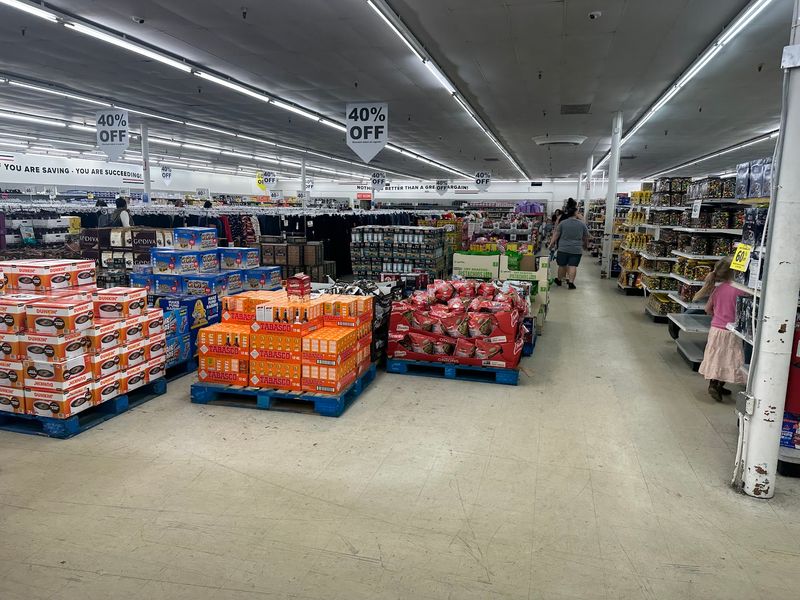
Space also means volume. Pallets stack high, boxes sit open, and merchandise arrives faster than shelves can hold it.
That scale is exactly why people drive in from surrounding counties. A smaller store simply cannot hold this much variety at once.
Bring a plan if you hate wandering. Bring none at all if wandering is the point.
Comfortable shoes help more than you would guess. Concrete floors and long aisles add up quickly.
The store earns solid ratings from well over a thousand shoppers. For a discount warehouse, that kind of steady approval says something real.
Give yourself an hour minimum. Rushing this place at 10713 Dixie Hwy, Louisville, Kentucky defeats the purpose entirely.
Three Generations Of Chasing The Lowest Price
Seventy-five years is a long run for any retailer, let alone one built on salvage merchandise. Ben’s is a third-generation family company, and that history shapes how the place operates today.
Ben Hudson, the grandson in the story, carries the business forward. The name on the sign belongs to an actual person, not a marketing team.
Family ownership shows up in small ways. Buying decisions stay flexible, and the inventory reflects instinct rather than a corporate planogram.
Older discount chains have come and gone across Kentucky. Staying power like this suggests the model works.
The core idea has barely changed since the beginning. Buy merchandise cheaply, mark it well below retail, move it fast.
Word of mouth does most of the advertising. That yellow and red sign helps, but loyalty does the heavy lifting.
There is something grounding about a store with roots. You are not shopping inside a formula copied across five states.
Ask longtime customers and they will describe decades of visits. The details change, but the reason for coming stays the same.
Where The Merchandise Comes From
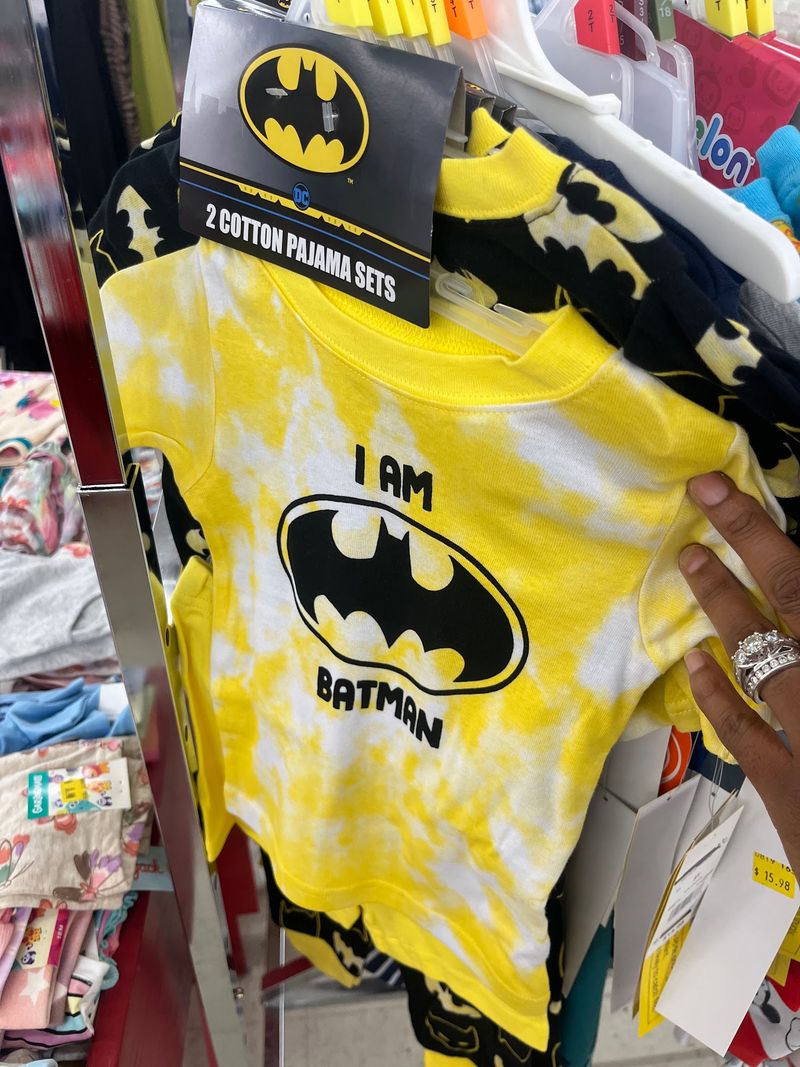
Here is the part most first-timers do not know. Ben’s buys salvage merchandise, much of it sourced through insurance companies after fires, floods, or other events.
Goods get sold off in bulk when a claim closes. Stores like this one step in and buy the lot.
Plenty of inventory also comes from big box liquidation.
That sourcing explains the pricing. When merchandise is bought cheaply by the pallet, savings can pass along.
It also explains the unpredictability. Nobody can promise the same item will exist next week.
Packaging sometimes shows wear. A dented box rarely affects what is inside, which is the whole trade-off.
Check items carefully before buying, the same way you would at any liquidation retailer. Seals, expiration dates, and completeness are worth a glance.
Understanding the model makes the experience click. You stop expecting a tidy department store and start thinking like a buyer.
That mindset is half the fun. Every cart becomes a small set of judgment calls.
Once you know the backstory, the random assortment finally makes sense.
Thursday Is The Day That Matters Most
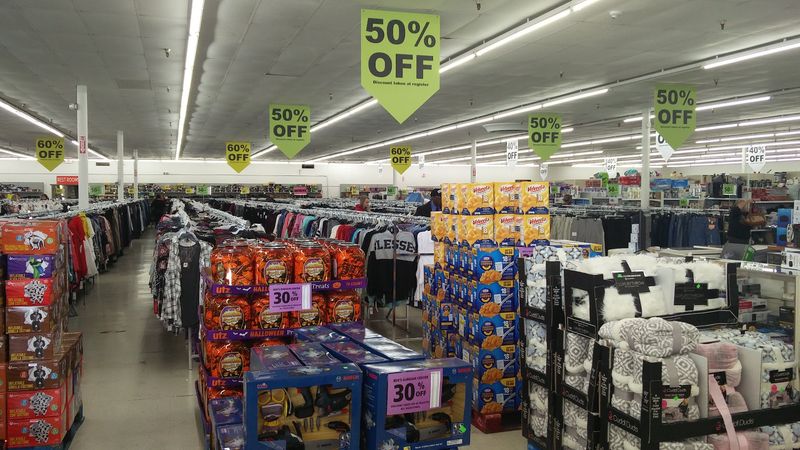
Ask any regular when to show up and the answer is quick.
That livestream gives you a preview. Watching it before you drive over saves wasted trips.
Thursday crowds tend to be sharper and faster. Experienced shoppers know the best finds vanish within hours.
Later in the week still works fine. Shelves stay full, though the top-tier surprises may already be gone.
If you live an hour away, the Thursday schedule turns a gamble into a plan. Timing beats luck almost every time.
The store also stays open later on Thursday, Friday, and Saturday. Evening trips are entirely possible after work.
Sunday is not an option. Plan around that and you avoid a frustrating drive.
Building a routine helps. Many families come the same day each week and treat it as a small outing.
Restocks keep the store from feeling stale. Something new always shows up before you get bored.
Consider the Thursday rhythm the single most useful tip here.
Groceries, Sneakers, Blinds, And Everything Between
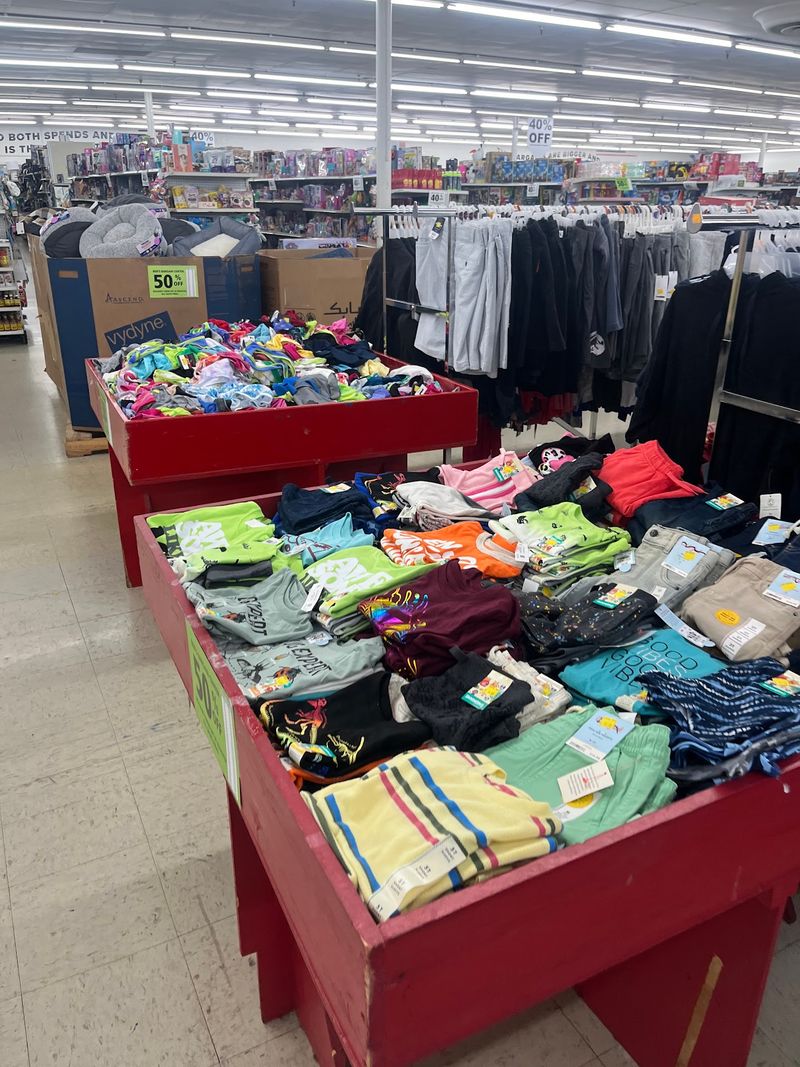
Variety is the headline act. Pantry staples and name-brand cereals sit near cleaning supplies, and clothing racks appear a few steps later.
Shoppers report finding baby products, party supplies, and toys in the same trip. Categories blend together without much warning.
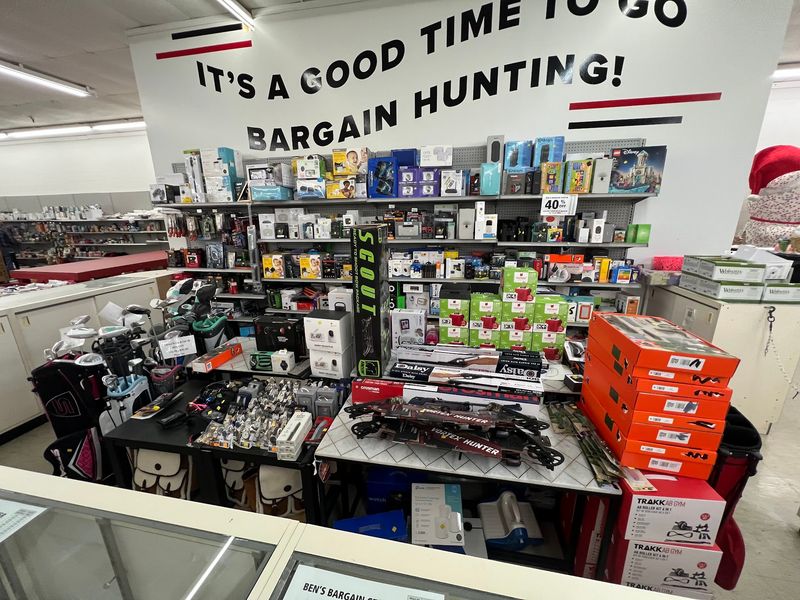
Electronics show up regularly. So do pet supplies, garden items, and household basics you always forget to buy.
Socks and underwear get mentioned often as strong values. Basics tend to be dependable when the fancier finds are hit or miss.
Footwear can genuinely surprise you. Recognizable athletic brands sometimes land far below their usual price.
Home goods round things out. Window blinds, storage bins, and kitchen odds and ends all appear in rotation.
Candy has its own following. Snack shelves move quickly, which tells you something about the crowd.
The mix keeps everyone interested. A teenager, a grandparent, and a new parent can all leave satisfied.
Sizes and selection vary because inventory is not ordered by category. Digging is required and expected.
Come with a loose list and flexible standards. Rigid shopping lists rarely survive the first aisle.
The Sign You Can Spot From A Quarter Mile
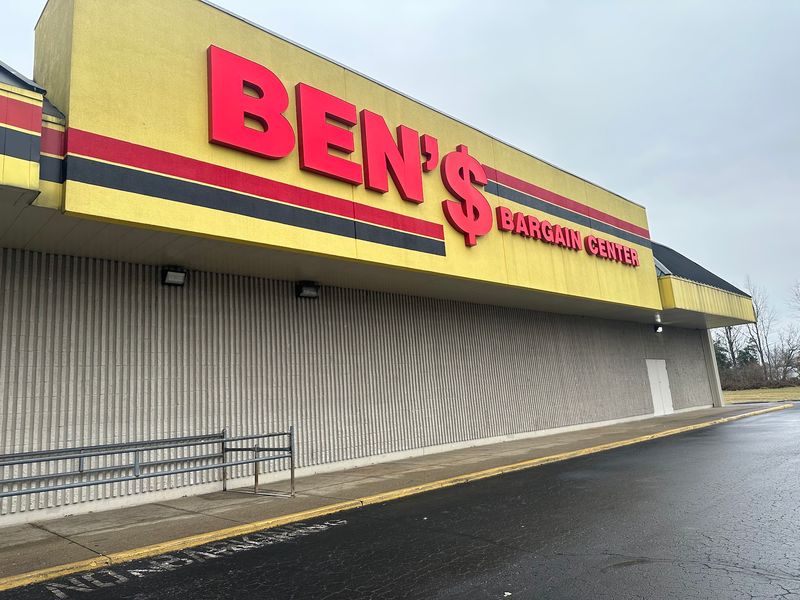
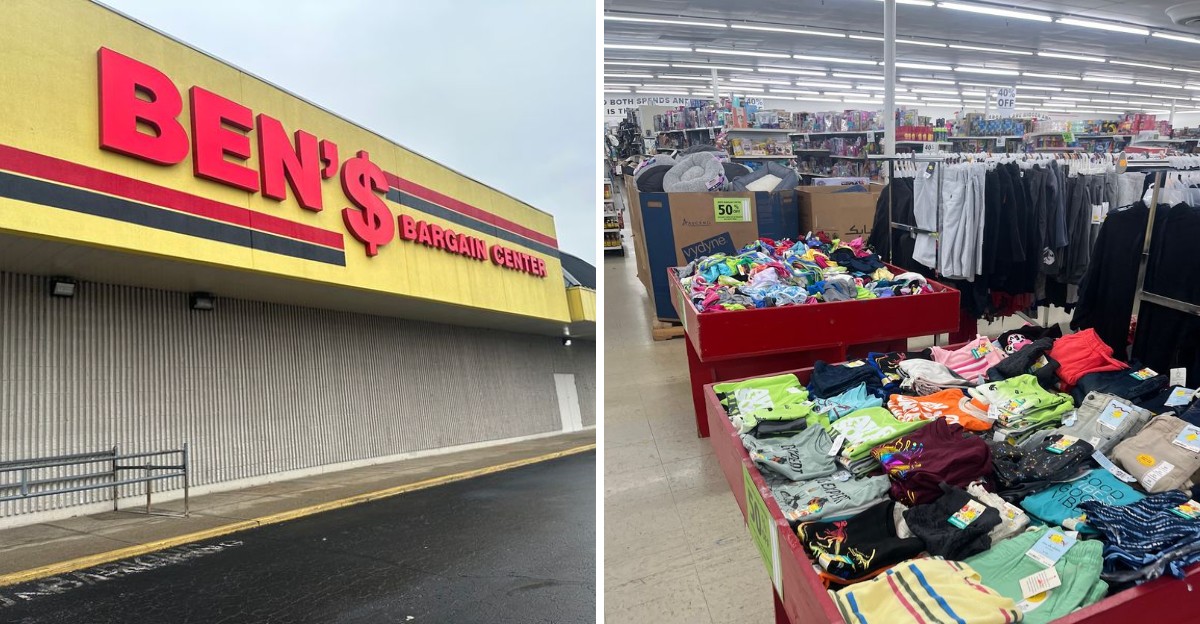
Subtlety was clearly not the goal. The yellow and red sign, anchored by an oversized dollar symbol, announces itself long before you reach the driveway.
Drivers on Dixie Highway spot it from roughly a quarter mile out. Missing the turn takes real effort.
Inside, the signage keeps shouting. Bold notices advertising 40% off hang throughout the store.
That percentage is the store’s calling card. Many items are marked well below manufacturer suggested retail, and some go deeper.
Bright signs serve a practical purpose here. With inventory shifting weekly, clear markers help you navigate a moving target.
The parking lot fills with a mix of sedans, minivans, and pickup trucks. Everyone arrives with the same goal.
Visual chaos is part of the identity. A polished boutique look would honestly feel wrong.
Kids notice the sign first. Parents notice the cart space second.
Some shoppers say the store looks messy at times. Others say the mess is exactly where the deals hide.
Either way, you will never drive past it by accident.
Shop Smart And Check Your Tags
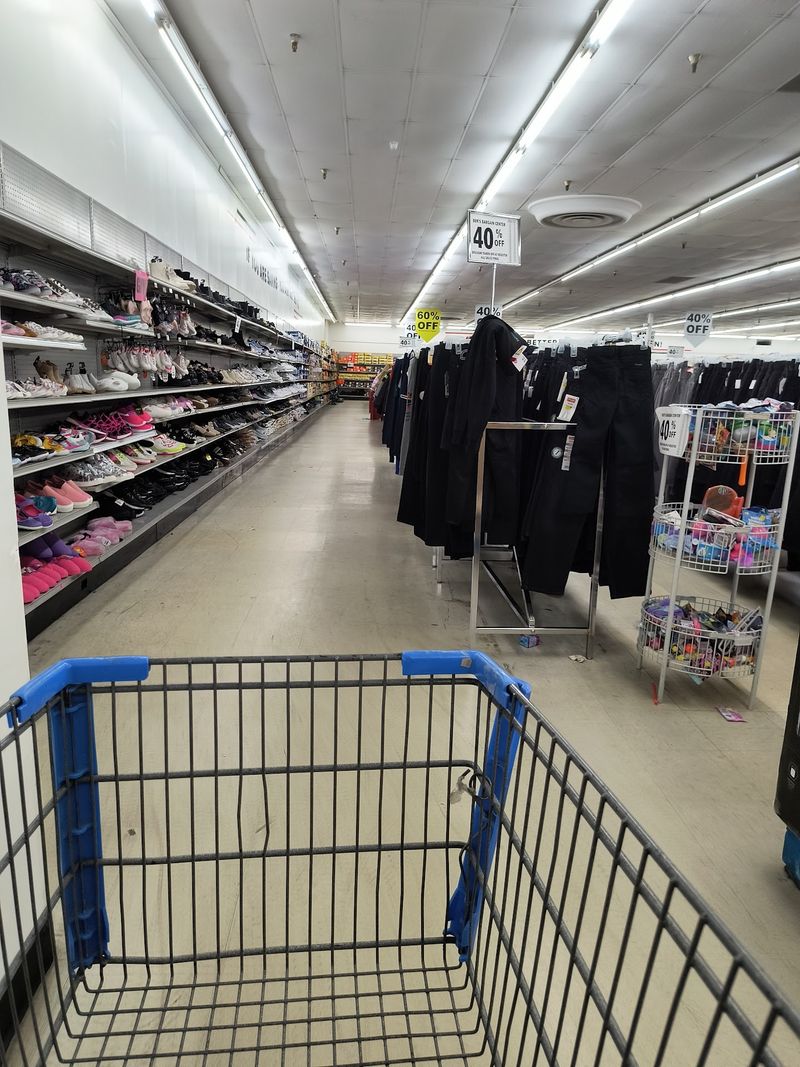
Bargain hunting rewards attention. Comparing tags against prices you already know is the single best habit to build here.
Some shoppers mention items ringing up differently than the tag showed. Watching the register keeps that from becoming a headache.
Prices on everyday goods change constantly across all retailers. A quick phone check settles most questions in seconds.
The strongest values tend to be brand-name items you actually use. Random impulse buys are where budgets slip.
Ask about the return policy before a large purchase. Discount stores often handle returns differently than big chains.
Inspect packaging on anything sealed or consumable. It takes ten seconds and protects your money.
None of this makes the store less fun. Careful shoppers simply walk out happier.
Think of yourself as a buyer rather than a browser. That small shift improves every trip.
The checkout line moves steadily on busy days.
Set a budget before you enter. Carts fill fast when everything feels like a steal.
No Two Visits Ever Look The Same
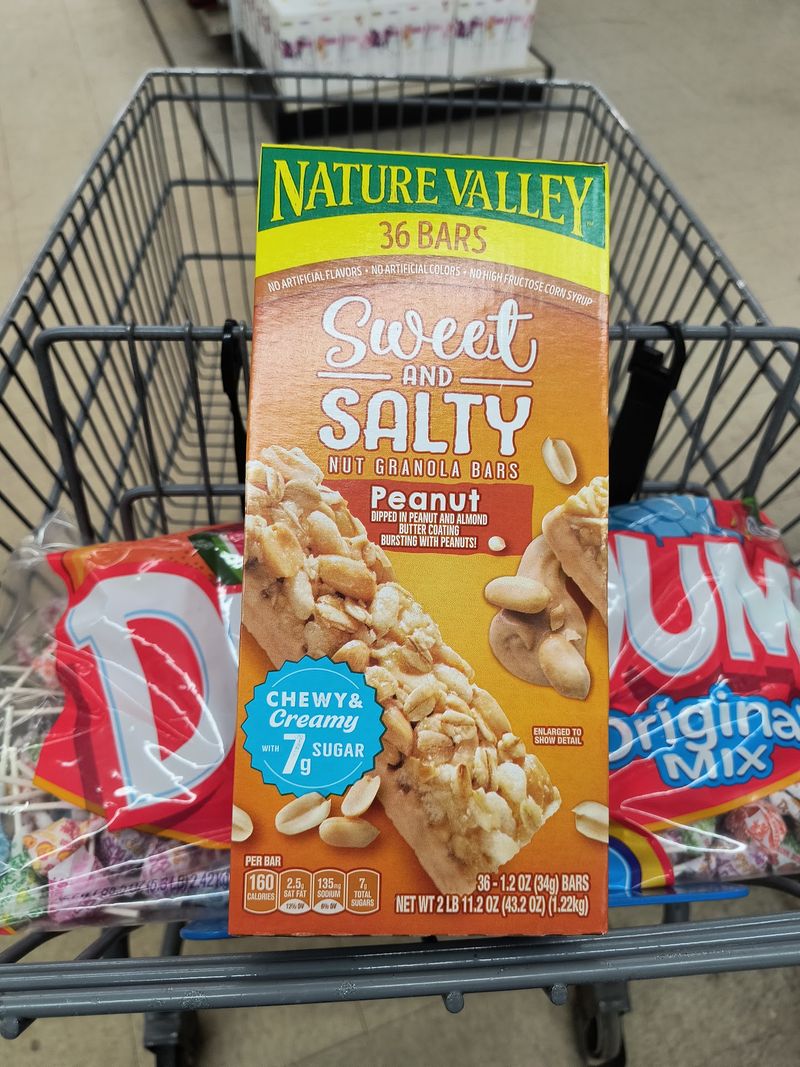
Predictability is the one thing this store refuses to offer. Inventory shifts constantly, so last week’s shelf looks nothing like today’s.
Shoppers describe it as a treasure hunt, and the comparison holds up. You either find something great or you find nothing at all.
Misses happen. Regulars accept that and come back anyway, because the hits are worth it.
The ever-changing mix builds real loyalty. Skipping a week feels like missing an episode.
People drive in from across Kentucky for exactly that reason. Ordinary retail cannot deliver the same suspense.
Kids love the randomness. Adults pretend they are only there for practical items.
Every trip produces at least one story. Somebody always scores something worth mentioning at dinner.
The store rewards repeat visitors more than one-time tourists. Patterns reveal themselves over time.
Go once and you will understand the appeal. Go three times and you will start planning your Thursdays around it.
Bring a friend, split the aisles, and compare finds at the register.