People Drive From All Over Nebraska To Explore This Wonderfully Quirky Museum
A museum gets interesting when the first thought is, “Who decided to collect all of this?” Then the next thought is, “Actually, I need to see the rest.”
That is how the drive starts making sense.
A museum this quirky makes Nebraska feel a lot more delightfully unpredictable than outsiders expect.
Rooms twist from curious to oddly brilliant. Displays feel personal.
Every corner seems to have one more thing that should not work together but somehow does.
People do not travel for predictable museums. They travel for the ones that make them lean in and say, “Wait, what am I looking at?”
That reaction is the whole point.
A wonderfully quirky museum turns confusion into curiosity before visitors even realize they are hooked.
The place feels less like a roadside stop and more like a story you are already planning to retell.
A Museum With More Than 8,000 Clown Dolls
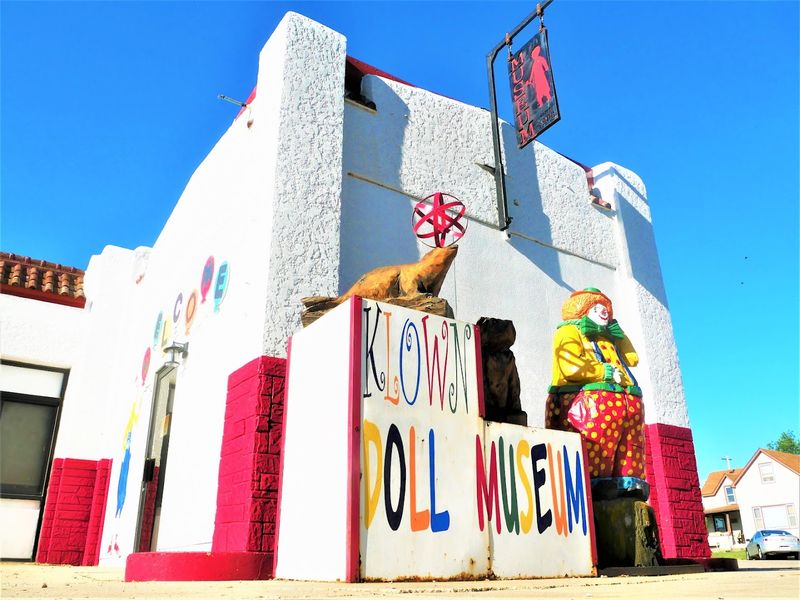
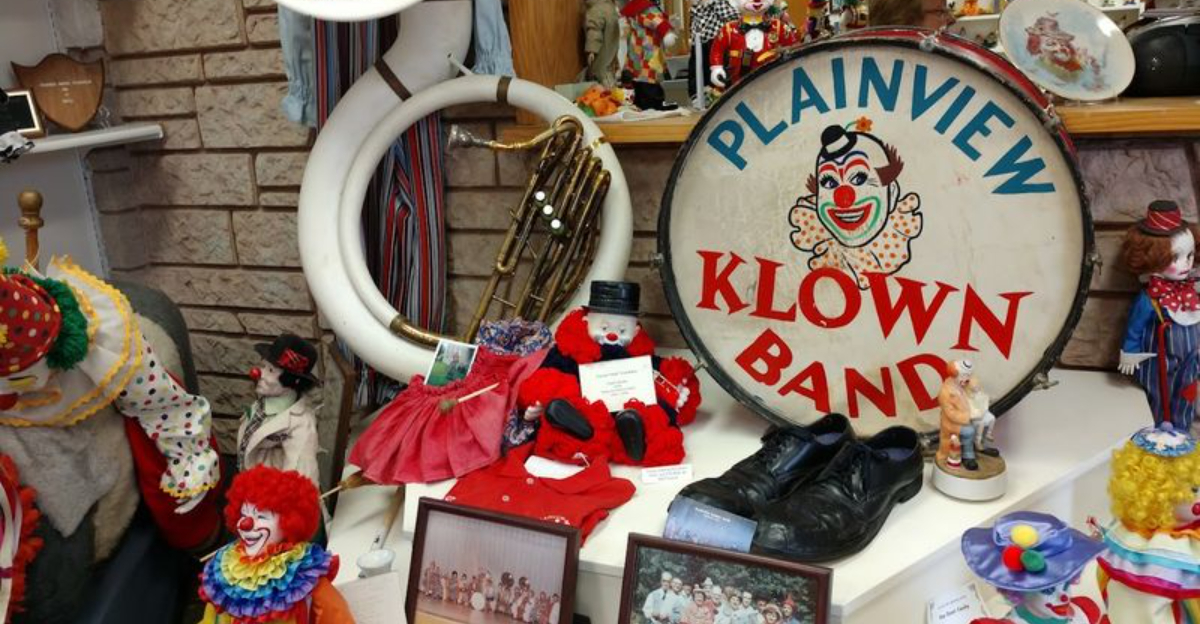
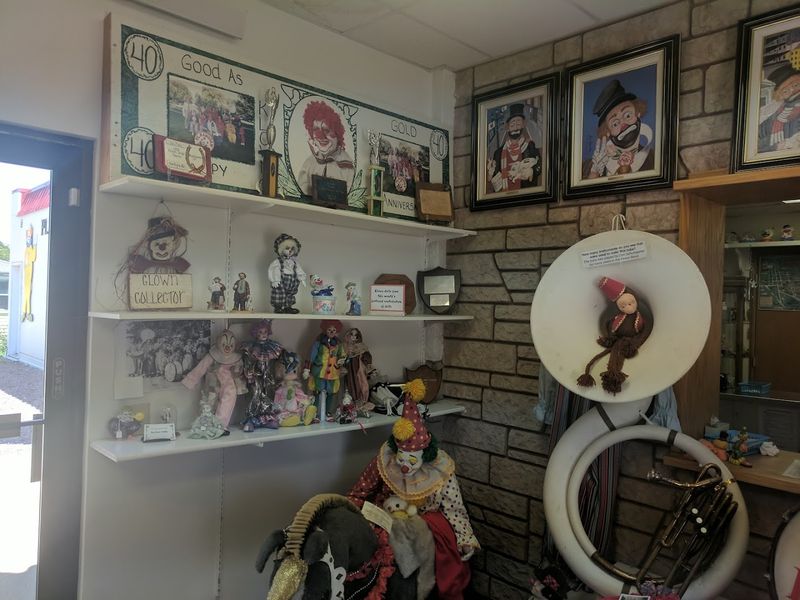
Stepping foot inside a room packed floor to ceiling with over 8,000 clown dolls is the kind of experience that stops people.
The Klown Doll Museum at 306 W Park Ave, Plainview, NE 68769 holds what is widely considered the world’s largest collection of clown dolls and clown-related items.
Every shelf, display case, and corner of the building tells a different part of the story.
The collection spans decades and continents, featuring vintage porcelain figures alongside modern colorful creations donated from countries including Hungary, the Philippines, and Italy.
Clowns carved from a single piece of coal and another crafted from Mt. St. Helen’s volcanic ash melted into glass sit among the more expected stuffed and ceramic varieties.
Five paintings by beloved American comedian Red Skelton also hang within the collection, adding an unexpected layer of cultural history to what might otherwise seem like a novelty stop.
The museum intentionally curates only traditional happy clowns, so visitors looking for a lighthearted experience will not encounter anything designed to unsettle.
The Nebraska Stop Makes Plainview Feel Famous
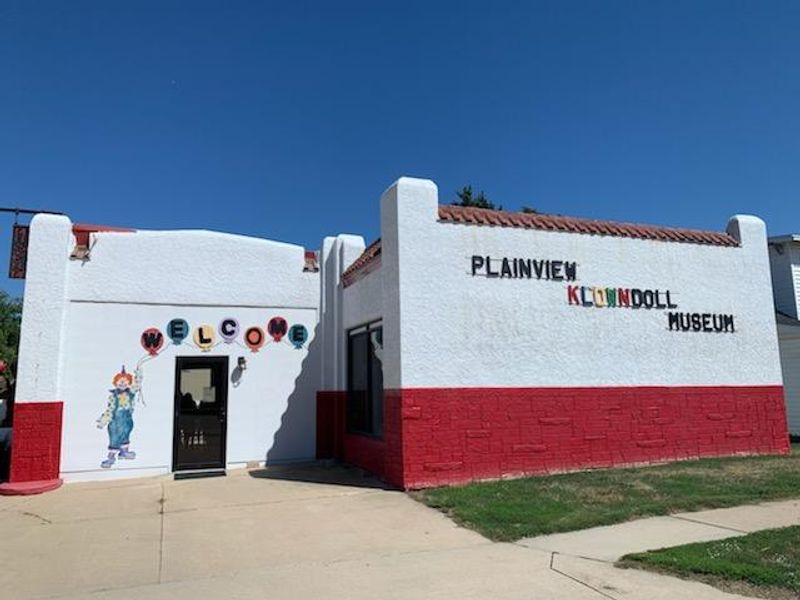
Small towns across the Great Plains tend to blend together on long highway drives, but Plainview has managed to carve out a distinct identity that road-trippers genuinely remember.
The Klown Doll Museum has put this quiet northeast Nebraska community on maps it never would have appeared on otherwise, drawing visitors who might have passed straight through without a second thought.
Plainview sits close enough to Highway 20 that a detour to see the museum feels reasonable rather than inconvenient.
The town itself has the relaxed pace and friendly atmosphere that tends to define small-town Nebraska, making the stop feel like a genuine slice of rural life rather than a manufactured tourist trap.
Recognition from outlets like Fifty Grande, which named the museum Nebraska’s weirdest roadside attraction, has helped fuel curiosity from both in-state and out-of-state travelers.
That kind of attention has a way of turning a modest local institution into something with real cultural staying power.
For a town of Plainview’s size, having a destination that people actively seek out and talk about afterward is a point of quiet pride that the community clearly embraces.
Free Admission Makes The Detour Easier To Justify
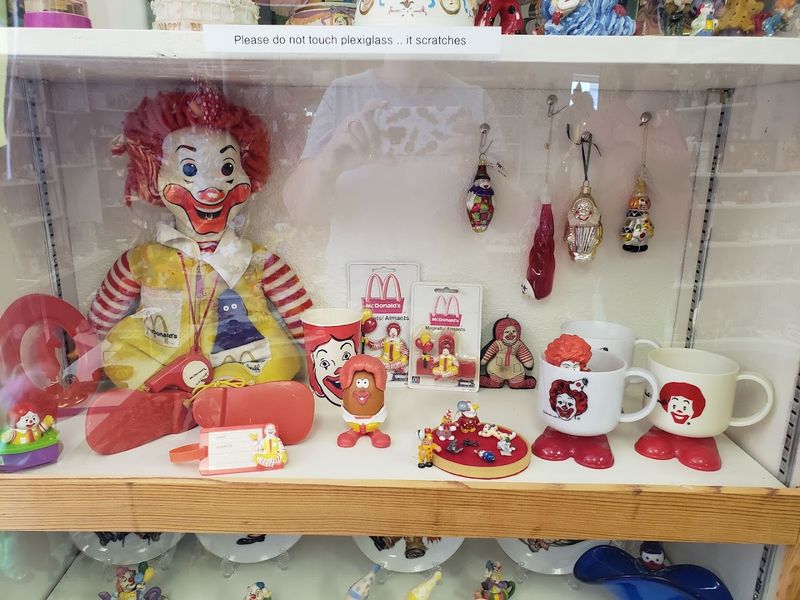
Road trips have a way of adding up financially, and free attractions feel like a genuine gift when fuel and food costs are already climbing.
Admission to the Klown Doll Museum costs nothing, though a donation box sits near the entrance for those who want to support the operation and keep the collection growing.
The museum runs on volunteer help and community support, which means every small contribution goes directly toward maintaining and expanding what has become a beloved local institution.
That transparency about how the museum operates tends to make visitors feel more connected to what they are seeing rather than just passing through a commercial exhibit.
Spending a couple of hours exploring thousands of clown dolls without paying an entry fee makes the detour feel like a smart travel decision rather than an impulsive one.
Families traveling with kids especially tend to appreciate attractions where the cost barrier is removed entirely.
The gift shop offers a chance to leave with a small souvenir, giving visitors a natural way to contribute financially while taking home a tangible reminder of a stop that tends to generate stories long after the trip ends.
Display Cases Are Filled With Every Kind Of Klown Personality
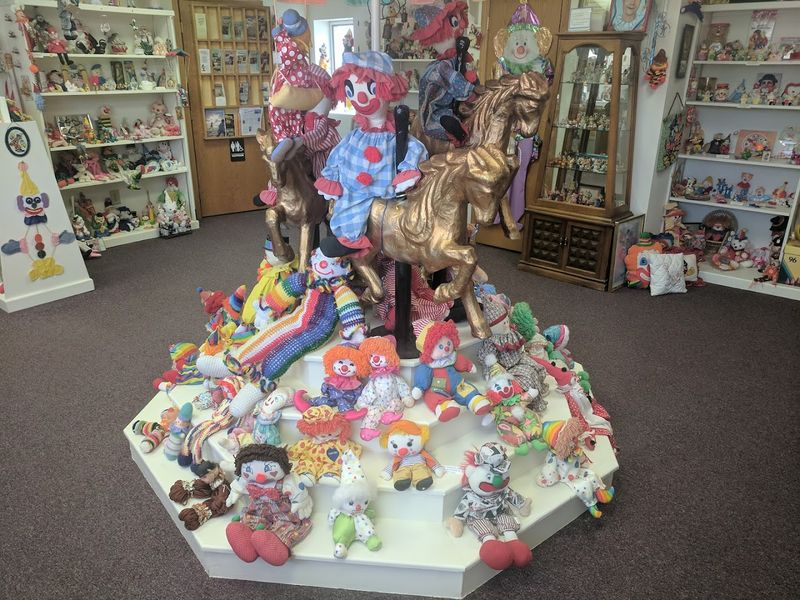
The range of personalities captured across the museum’s display cases is genuinely striking.
Some clowns look theatrical and grand, dressed in elaborate painted costumes that suggest a big-top performance from decades past.
Others are small and soft, the kind of figure a child might have carried around in the 1960s or 1970s.
Porcelain clowns with delicate painted features sit alongside chunky ceramic versions, hand-stitched fabric dolls, and mass-produced plastic figures from different eras.
The variety in material, scale, and artistic style gives the collection a texture that rewards slow, unhurried browsing rather than a quick walk-through.
What keeps the display cases from feeling overwhelming is the curation philosophy behind them.
The museum focuses exclusively on traditional happy clowns, which means the overall mood of the space stays upbeat and colorful rather than unsettling.
Each case tends to group clowns in ways that highlight contrasts in style and origin, making it easy to spot figures from different countries or time periods.
Visitors who take their time with each case often find details they almost missed, like a tiny hand-painted expression or an unusual material choice that makes one figure stand out from the dozens surrounding it.
A Collection That Started Small And Got Completely Out Of Hand
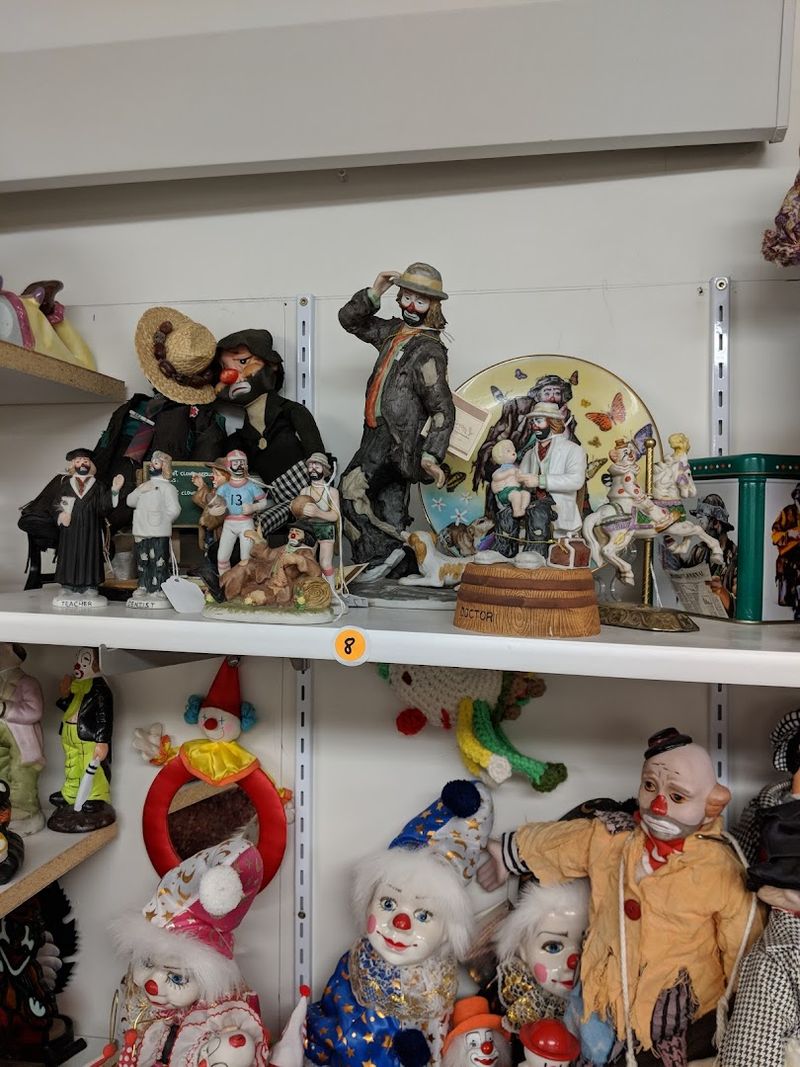
Back in 1980, a Plainview resident gave a single clown doll as a gift to the local Chamber of Commerce secretary, and nobody involved could have predicted what would follow.
That one donation sparked a wave of contributions that has never really stopped, growing the collection from a single figure to more than 8,000 items over the course of several decades.
Donations continue to arrive from around the world, with clowns traveling from countries that might surprise visitors who assumed the collection would be primarily American.
The organic way the museum grew gives it a grassroots energy that feels different from a professionally curated institution with a planned acquisition strategy.
There is something genuinely charming about a collection that nobody set out to build on this scale. The museum exists because people kept seeing it, feeling something about it, and deciding to add to it.
That cycle of generosity and community participation has created something with real emotional weight beneath its colorful surface.
Knowing the origin story tends to change how visitors look at the shelves, because each clown represents a deliberate act of contribution from someone who wanted to be part of what Plainview was quietly building.
Guided Tours Help Make Sense Of The Colorful Chaos
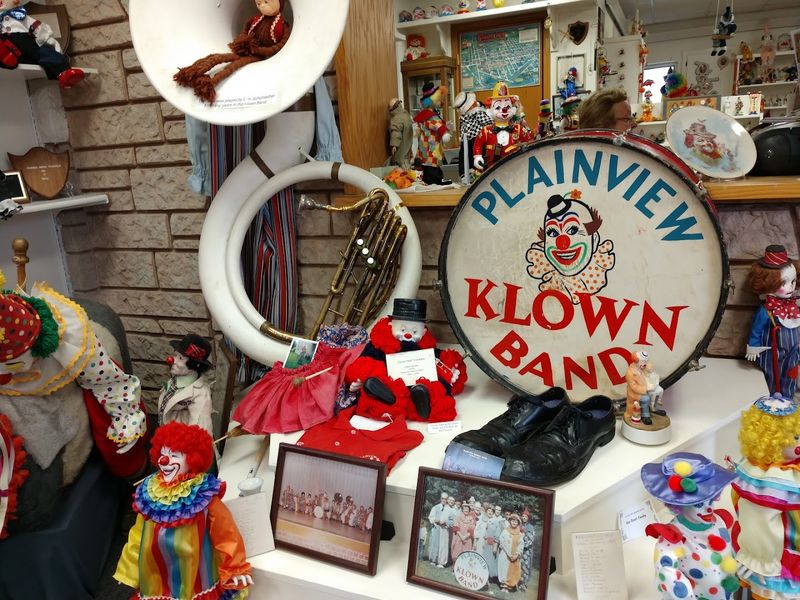
Standing in front of thousands of clown dolls without any context could easily feel disorienting, but the guided tours available at the museum give the collection a narrative shape that makes everything easier to absorb.
Knowledgeable volunteers walk visitors through the rooms, pointing out notable pieces and sharing the backstories behind some of the more unusual items.
Tours are available during the museum’s seasonal operating hours, which typically run from Memorial Day through Labor Day, Monday through Saturday, from 1 p.m. to 4 p.m.
Calling ahead is a practical idea given that the museum operates with volunteer staffing and hours can occasionally vary.
The guided format turns what could be a passive viewing experience into something more conversational and engaging.
Learning that a particular clown came from a specific country, or hearing the story behind a Red Skelton painting, gives individual pieces a significance they would not carry on their own.
Visitors who have taken the tour often mention that they came away with a much deeper appreciation for the collection than they expected.
The guides tend to bring genuine enthusiasm to the telling, which makes the tour feel personal rather than scripted, and that warmth tends to be one of the more memorable parts of the visit.
Photo Moments Feel Weird In The Best Way
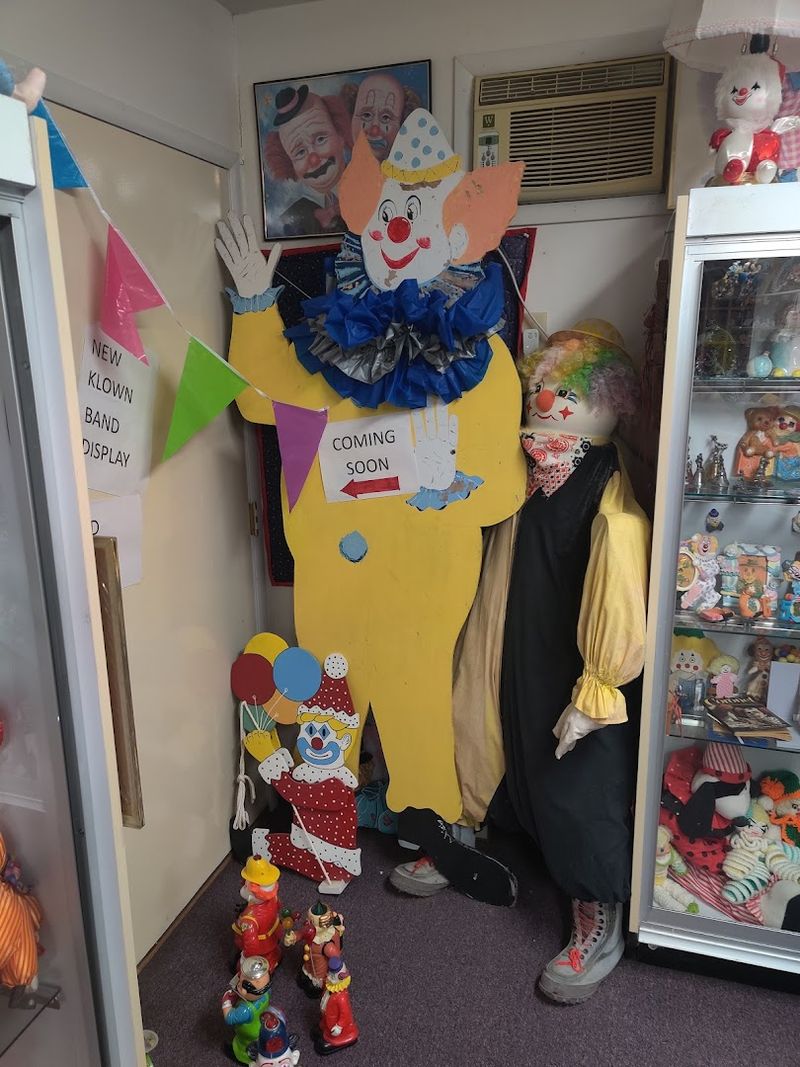
Few road-trip stops generate the kind of photos that actually make people stop scrolling when they appear in a social feed.
The Klown Doll Museum produces that effect reliably, partly because the visual density of the collection creates a backdrop that looks almost surreal in photographs.
Rows of clown faces stretching back as far as the camera can capture tend to produce images that are immediately recognizable as coming from somewhere genuinely unusual.
Stumpy the Clown, a figure that has become something of a museum mascot, tends to be a popular subject for photos among visitors who want a single focal point rather than the full wall-to-wall effect.
The appeal of photographing the collection goes beyond the novelty factor.
There is real visual interest in the variety of expressions and materials packed into each frame, and different lighting conditions throughout the day can change how the same display case looks from one visit to the next.
Visitors who enjoy street photography or documentary-style shooting tend to find the museum particularly rewarding, because the collection offers an almost unlimited number of interesting compositions.
The museum does not feel performative or staged, which tends to make the photos taken there feel more authentic than those from places designed primarily for social media moments.
A Gift Shop For Anyone Who Wants A Souvenir With A Smile
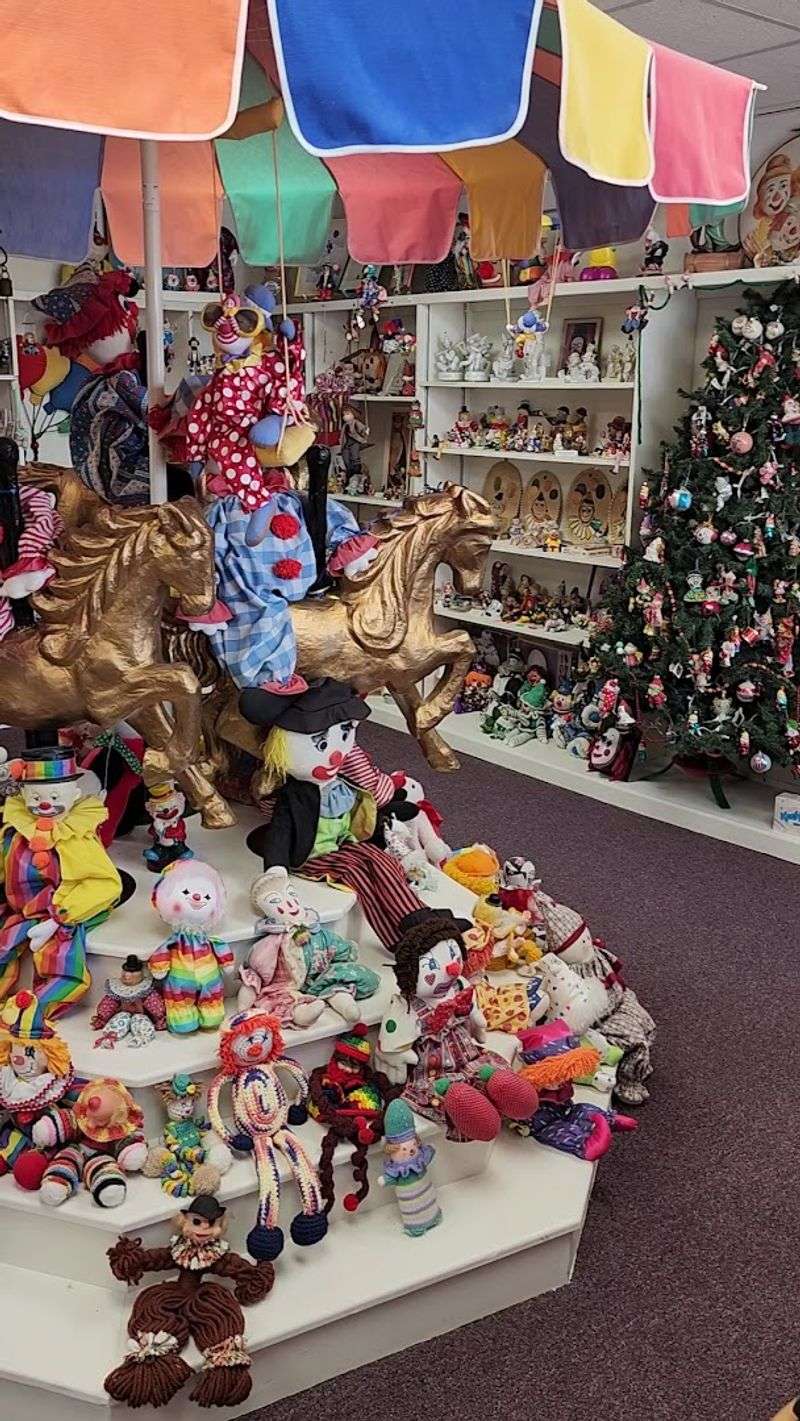
Leaving a place like the Klown Doll Museum empty-handed can feel like a missed opportunity, and the gift shop near the exit gives visitors a chance to take a small piece of the experience home with them.
The shop stocks clown-themed items and souvenirs that tend to reflect the cheerful and colorful spirit of the collection itself.
For travelers on a budget, the gift shop offers a way to make a financial contribution to the museum while getting something tangible in return.
The items available tend to be the kind of small, affordable keepsakes that fit easily into a bag or glove compartment rather than requiring special packing considerations.
Souvenirs from genuinely quirky places carry a different kind of value than those from mainstream tourist destinations.
A small clown figure or branded item from the Klown Doll Museum tends to prompt stories when it surfaces at home, because explaining where it came from requires describing the museum itself.
That conversational quality makes even an inexpensive souvenir feel worth picking up.
The gift shop also serves as a natural endpoint to the visit, giving the experience a satisfying conclusion rather than simply trailing off at the last display case near the door.
Seasonal Hours Make Summer The Best Time To Visit
Planning a visit to the Klown Doll Museum requires some attention to the calendar, because the museum operates seasonally rather than year-round.
The typical open season runs from Memorial Day through Labor Day, covering the core summer months when road-trip traffic through northeast Nebraska tends to peak.
During the open season, hours run Monday through Saturday from 1 p.m. to 4 p.m., which makes an afternoon visit the natural fit for most travelers passing through on Highway 20.
Arriving closer to opening time tends to be a practical choice for those who want to take their time without feeling rushed before closing.
Calling ahead before making the drive is a reasonable precaution, since the museum relies on volunteer staffing and occasional scheduling gaps can occur.
The phone number listed for the museum is +1 402-582-4433, and reaching out in advance can help confirm that the museum will be open on the intended day.
Summer also brings the best conditions for exploring Plainview itself, with longer daylight hours and pleasant temperatures that make the surrounding town worth a short walk before or after the museum visit.