Most People Skip This Georgia Ferry Ride, But It Leads To A Stunning Hidden State Park
You do not stumble onto a place like this by accident, and that is part of what makes Sapelo Island so special. Off Georgia’s coast, reachable only by ferry from Meridian, this barrier island feels removed from the usual pace of travel. The journey over sets the tone, trading busy roads for open water and a sense of quiet anticipation.
Once you arrive, the landscape opens up into wide, unspoiled beaches, maritime forests, and stretches of shoreline where it is easy to feel completely alone with nature. Wildlife moves freely, and the rhythm of the island feels untouched compared to more crowded coastal spots.
There is also a deeper layer to the experience. Sapelo carries a rich history, from its Gullah-Geechee heritage to its cultural and ecological significance, giving visitors something meaningful to connect with beyond the scenery.
For those willing to make the short crossing, Sapelo Island offers a day trip that feels rare, peaceful, and genuinely unforgettable.
1. A Scenic Ferry Ride That Sets the Mood Instantly
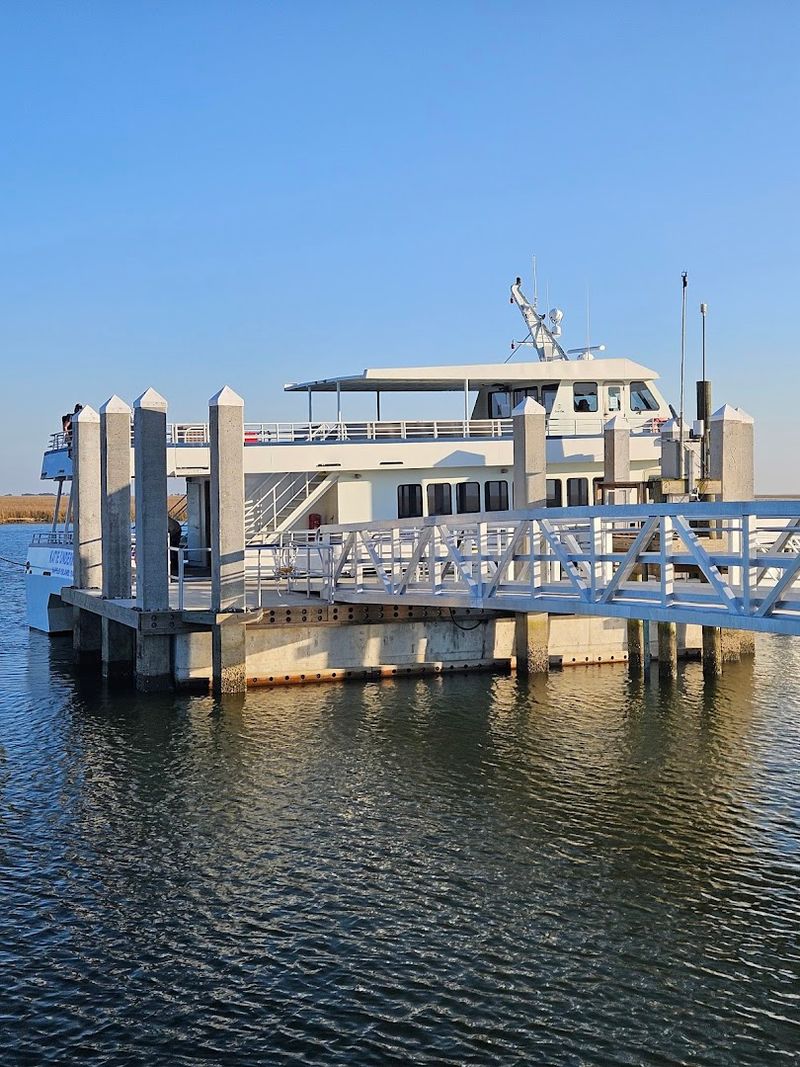
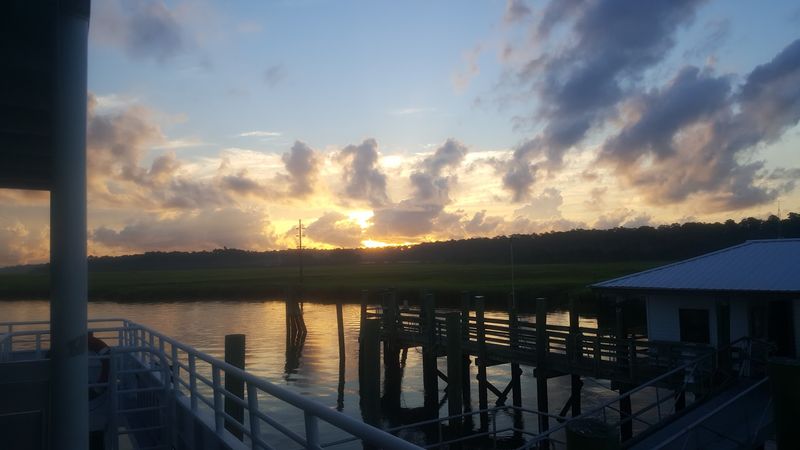
Before even setting foot on the island, the journey itself becomes part of the experience. The ferry departs from the Meridian Ferry Dock, located at 1 Landing Road, Meridian, Georgia, and the 15- to 30-minute crossing offers front-row views of tidal rivers and sweeping salt marshes that stretch as far as the eye can see.
Pelicans glide low over the water, egrets stand motionless in the shallows, and on lucky mornings, dolphins may surface alongside the boat. The air shifts noticeably as the mainland fades behind you, carrying that distinct coastal saltiness that signals something special is ahead.
Most ferry rides feel like a means to an end, but this one builds anticipation in the best way. Reservations are required and managed through the Georgia Department of Natural Resources, so planning ahead is essential. Arriving early gives you extra time to enjoy the dock scenery before boarding.
2. Rich Layers of History Waiting to Be Discovered
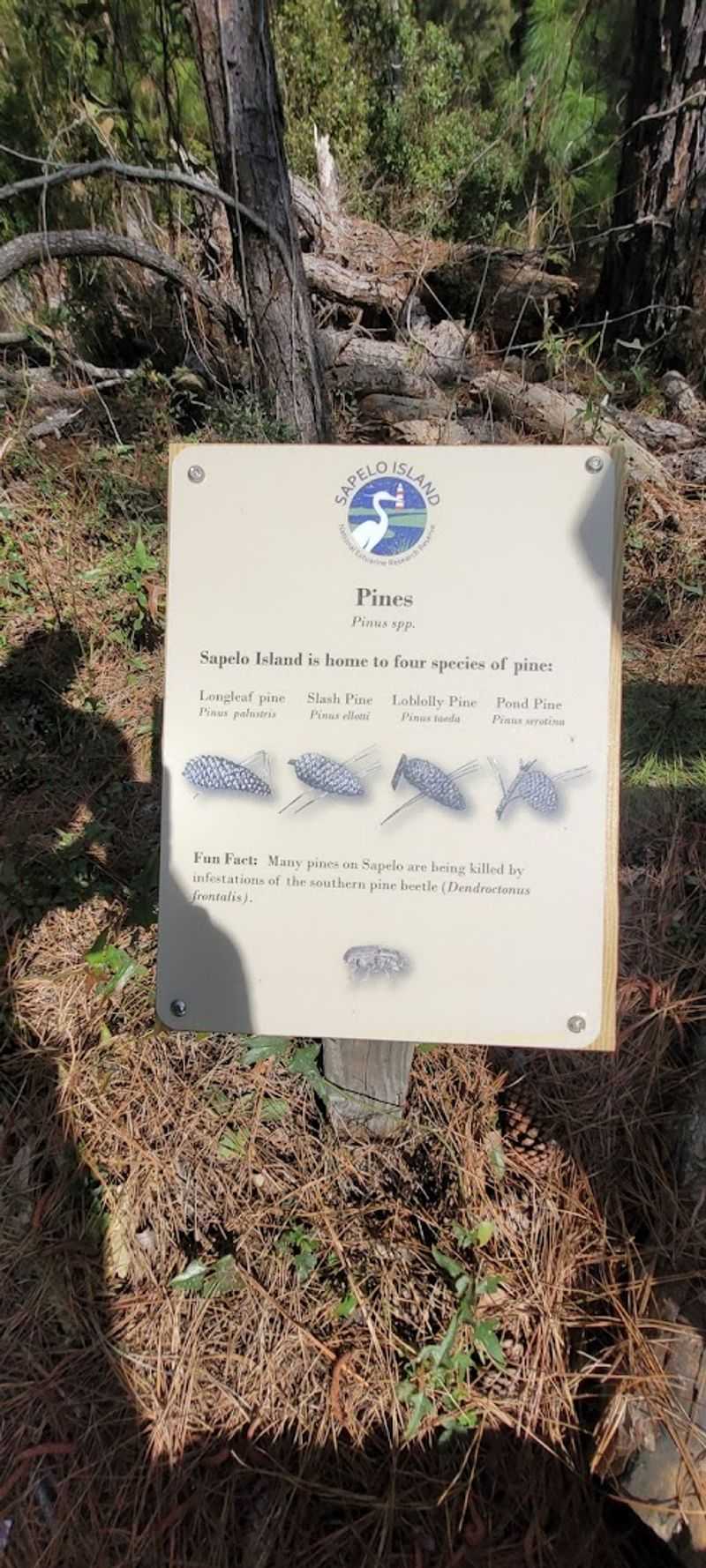
Few Georgia barrier islands carry as many historical chapters as Sapelo. Long before European contact, Native American communities called this island home for thousands of years, leaving behind shell rings and cultural traces that archaeologists still study today.
Spanish missionaries arrived in the 1500s, followed by French settlers, and eventually plantation owners who brought enslaved Africans whose descendants still live on the island. That unbroken thread of human presence gives Sapelo a depth that feels genuinely rare compared to more commercialized coastal destinations.
Guided tours offered through the Sapelo Island National Estuarine Research Reserve help visitors connect those dots in a meaningful way. Each stop on a tour tends to layer one era onto another, making the past feel surprisingly close. History enthusiasts may find themselves lingering longer than planned, which is honestly the best kind of travel problem to have on a quiet island with no rush-hour traffic.
3. Hog Hammock, the Last Gullah Community on the Island
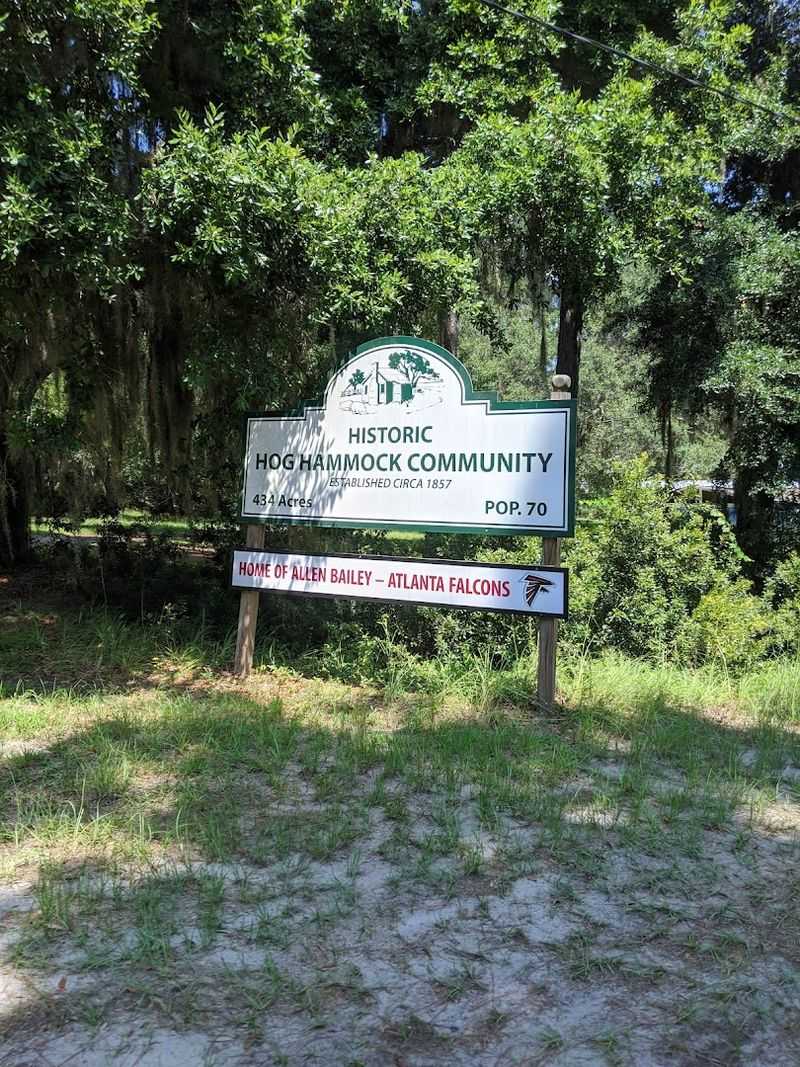
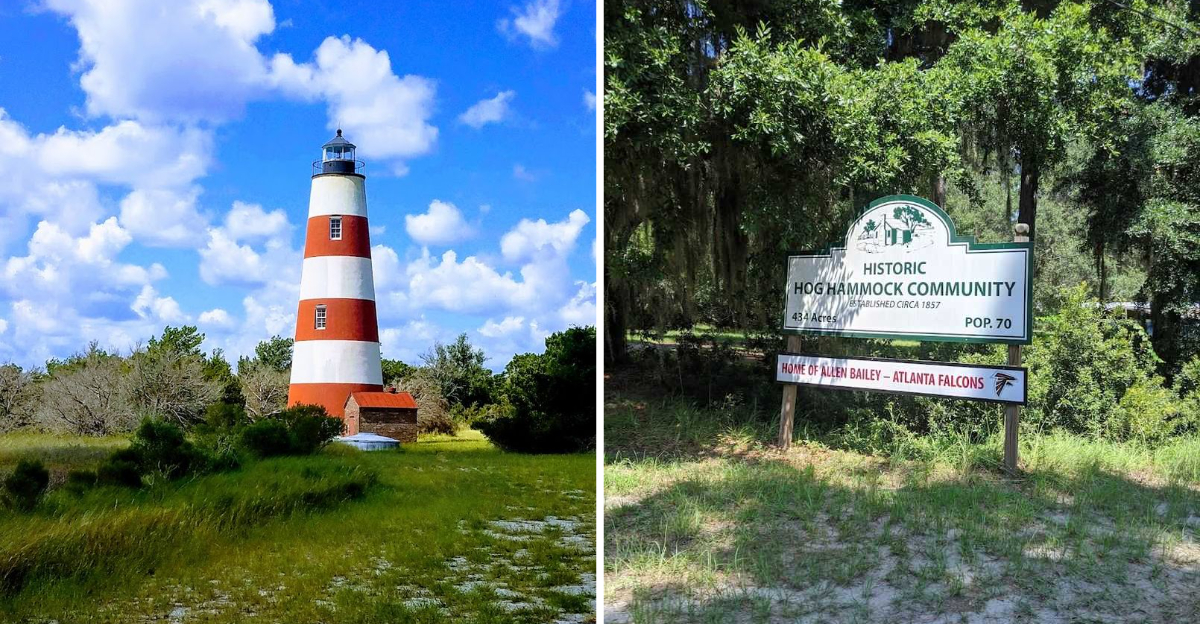
Hog Hammock is not just a neighborhood on a map. It represents one of the last surviving Gullah Geechee communities in the United States, a living cultural landscape shaped by the descendants of West African enslaved people who maintained their language, traditions, and foodways across generations.
Located on Sapelo Island itself, Hog Hammock sits roughly in the center of the island and is home to a small but deeply rooted population. Visitors who take the time to walk through respectfully often describe the experience as genuinely moving, not performative or touristy, but quietly powerful.
Local guides with family ties to the community sometimes lead tours that share stories passed down orally for generations. Supporting locally owned businesses and artisans during a visit helps sustain this community economically. Sapelo Island may be off the beaten path, but Hog Hammock is precisely why that path is worth traveling.
4. Reynolds Mansion, a Historic Landmark Worth Exploring
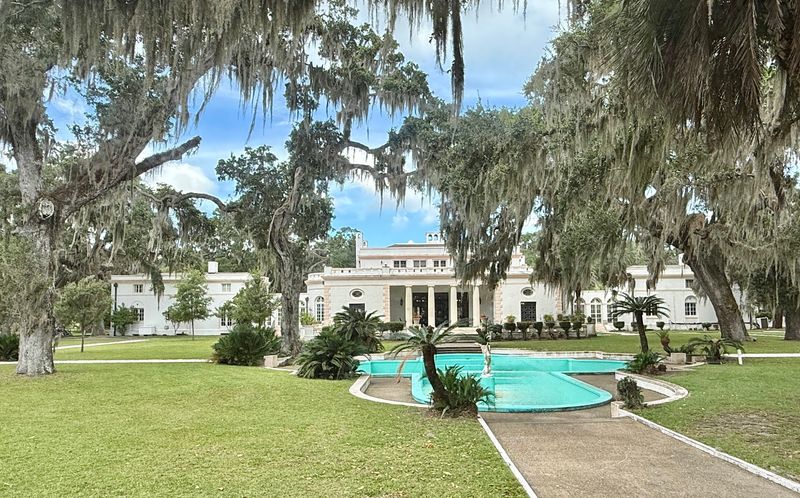
The Reynolds Mansion carries the kind of old-money elegance that feels more at home in a period novel than on a Georgia barrier island. Originally built in the early 1800s and later renovated by tobacco heir R.J. Reynolds Jr. in the 1930s, this striking structure blends antebellum architecture with mid-century updates in a surprisingly cohesive way.
Now managed as part of Sapelo Island State Park, the mansion sits within the island’s interior and can be visited as part of organized tours. The surrounding grounds feature dramatic live oak allees draped in Spanish moss that frame the building in a way photographers absolutely love.
Overnight stays at the mansion are occasionally available through the Georgia Department of Natural Resources, making it one of the most unique lodging opportunities in the entire state. Booking well in advance is strongly recommended since availability tends to be very limited and interest consistently runs high among Georgia travel enthusiasts.
5. Sapelo Island Lighthouse, Tall Views and Old Character
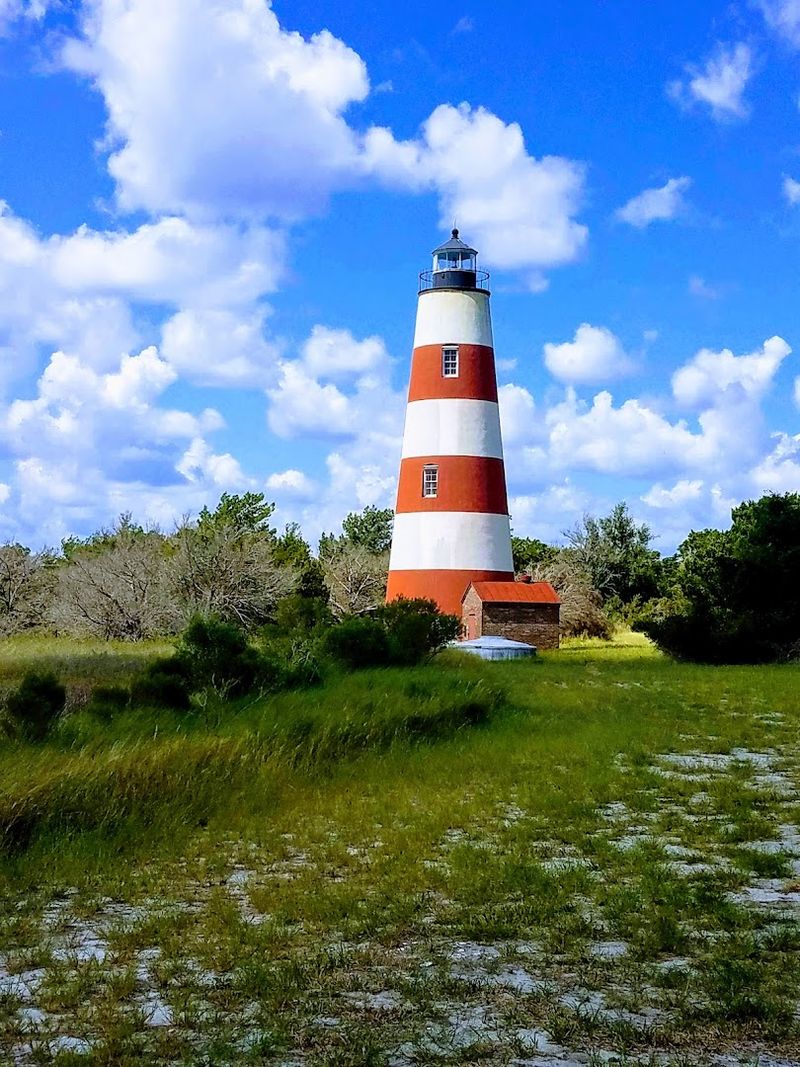
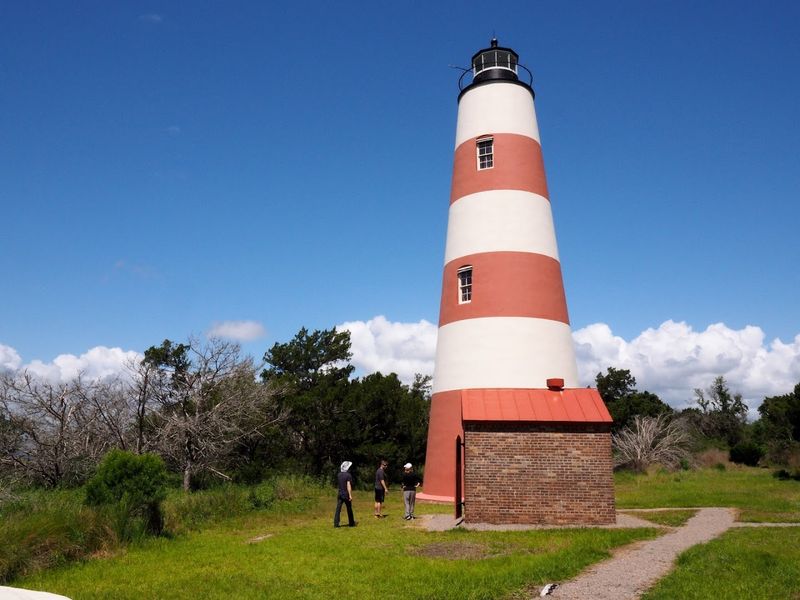
Built in 1820 and standing 65 feet tall, the Sapelo Island Lighthouse has watched over these Georgia waters for more than two centuries. After falling into disrepair, the lighthouse was carefully restored in 1998, and today it stands as one of the most photographed landmarks on the Georgia coast.
Climbing to the top rewards visitors with panoramic views of the island, the Atlantic Ocean, and the surrounding salt marshes that stretch inland in every direction. On clear days, the perspective feels genuinely expansive, offering a sense of just how wild and undeveloped this stretch of Georgia coastline remains.
Access to the lighthouse is typically included in guided island tours, so checking the current tour schedule before visiting is a practical first step. The structure itself has a quiet, weathered dignity about it, the kind that comes from surviving hurricanes, neglect, and time, and still managing to look remarkable against a coastal Georgia sky.
6. Diverse Ecosystems Packed Into One Barrier Island
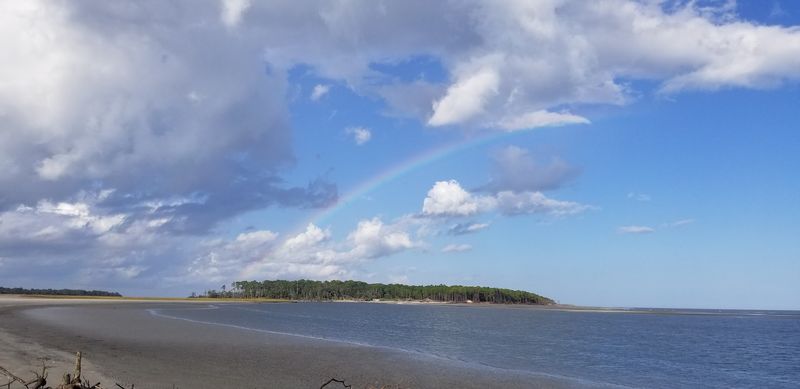
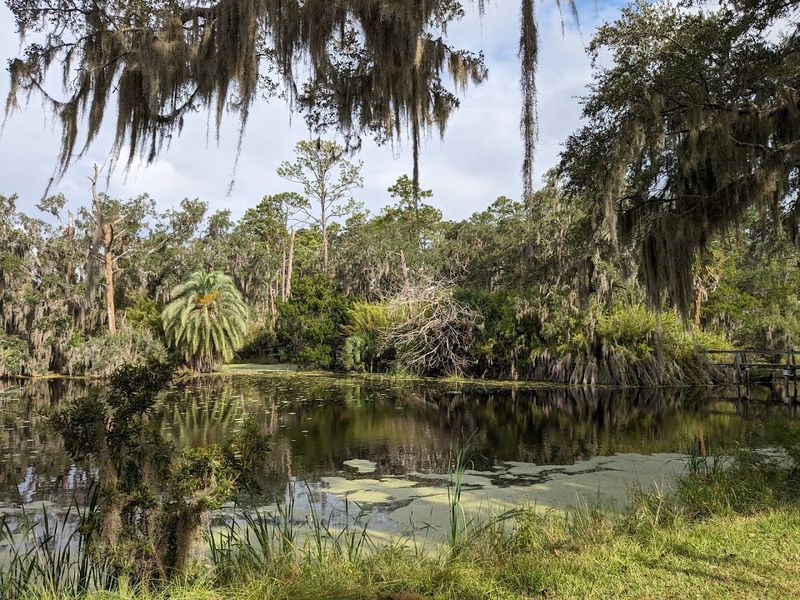
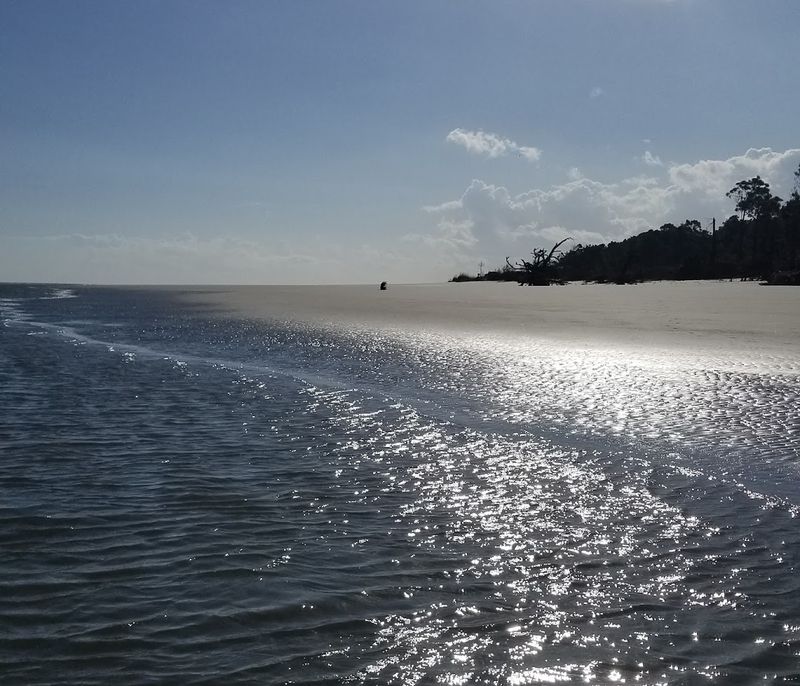
Sapelo Island functions almost like a natural classroom for anyone curious about coastal ecosystems. Within just a few miles, the landscape shifts from dense maritime forests filled with live oaks and cabbage palms to open salt marshes, freshwater ponds, and wide sandy beaches facing the Atlantic.
Each habitat supports its own distinct community of plants and animals, creating a layered biodiversity that researchers have studied for decades. The Sapelo Island National Estuarine Research Reserve, which covers much of the island, was established specifically because of how ecologically significant this variety of habitats truly is.
Visitors who pay attention during tours often spot the transitions between ecosystems happening in real time, sometimes within a short walk. The salt marsh alone is considered one of the most productive natural ecosystems on Earth, generating nutrients that support fish, birds, and marine life far beyond the island’s shores. That context makes every muddy trail feel worth the effort.
7. The National Estuarine Research Reserve and Its Educational Programs
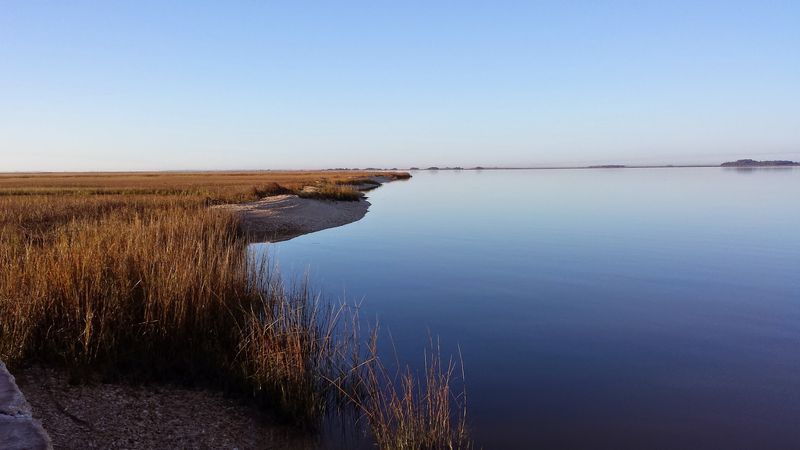
The Sapelo Island National Estuarine Research Reserve is one of 30 such reserves across the United States, and it stands out for both its ecological richness and its public access programs. Managed jointly by the Georgia Department of Natural Resources and the National Oceanic and Atmospheric Administration, the reserve covers approximately 16,500 acres of protected coastal habitat.
Educational tours run by reserve staff bring the science to life in approachable ways, explaining tidal patterns, marsh productivity, and wildlife behavior without overwhelming visitors with jargon. School groups, nature enthusiasts, and families have all found these programs genuinely engaging and well-paced.
Tour schedules and registration details are available through the reserve’s official website at sapelonerr.org, and spots tend to fill quickly during spring and fall when weather conditions make outdoor exploration most comfortable. Even visitors with no prior interest in ecology often leave with a new appreciation for just how much quiet work a healthy marsh does every single day.
8. Unspoiled Beaches That Feel Completely Off the Grid
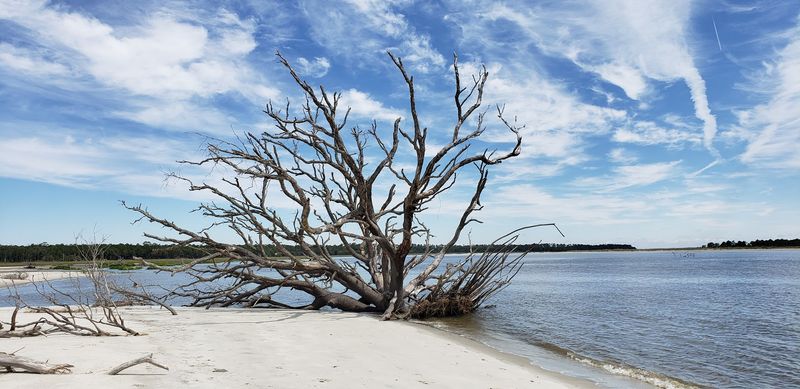
Georgia has some underrated beaches, but Sapelo Island takes coastal solitude to a different level entirely. Because vehicle access is restricted and visitor numbers are limited by the ferry system, the beaches here never develop the crowded, towel-to-towel atmosphere common at more accessible Georgia shore destinations.
Miles of shoreline stretch along the island’s eastern edge, offering calm conditions for swimming when tides cooperate, good surf fishing opportunities, and long uninterrupted walks where the only footprints may be your own and those of shorebirds. Shell collecting tends to be rewarding here precisely because the beaches see so little foot traffic compared to mainland spots.
Visiting during shoulder seasons like late spring or early fall typically brings the most comfortable temperatures alongside manageable humidity levels. Packing sunscreen, plenty of water, and sturdy sandals makes the beach experience significantly more enjoyable, since amenities on the island are intentionally minimal to preserve the natural character of the shoreline.
9. Unique Wildlife That Surprises Even Experienced Naturalists
Sapelo Island has a wildlife roster that catches even seasoned birdwatchers off guard. Among the most talked-about residents is the plain chachalaca, a tropical bird native to Central America that was introduced to the island decades ago and has established a self-sustaining population here, making Sapelo one of the very few places in the continental United States where this species can be spotted.
Wild hogs roam the interior, white-tailed deer move through the forest edges at dusk, and loggerhead sea turtles nest on the beaches during summer months. Shorebirds like Wilson’s plovers and painted buntings add splashes of color during migration season that photographers find irresistible.
Bringing binoculars and a field guide appropriate for the southeastern United States coastal region significantly improves the wildlife-watching experience. Early morning ferry crossings tend to offer the best chance of spotting dolphins in the surrounding waterways before the day warms up fully and activity patterns shift.
10. Cultural Festivals That Celebrate the Island’s Living Heritage
Once a year, Sapelo Island hosts a Cultural Day festival that draws visitors from across Georgia and beyond to celebrate the island’s Gullah Geechee heritage. The event typically features traditional music, storytelling, local food, and handmade crafts created by community members whose families have lived on the island for generations.
Unlike many heritage festivals that can feel staged or overly packaged for tourists, Sapelo’s Cultural Day tends to carry a genuine warmth rooted in real community pride rather than performance. Attendance numbers are naturally limited by the island’s ferry access, which keeps the atmosphere intimate and surprisingly personal even for first-time visitors.
Checking the official Georgia Department of Natural Resources calendar ahead of time helps confirm exact dates, which can shift slightly from year to year. Arriving on an early ferry is strongly recommended since the event draws strong interest and the day fills up quickly once visitors begin making their way across the water from Meridian.
11. Guided Tours That Make the Whole Island Make Sense
Visiting Sapelo Island without a guide is a bit like reading a fascinating book with half the pages missing. The island’s layers of ecology, history, and culture overlap in ways that become genuinely coherent only when someone with real knowledge helps connect them.
Public tours organized through the Sapelo Island National Estuarine Research Reserve typically cover key sites including the Reynolds Mansion, the lighthouse, Hog Hammock, and various natural areas, all within a structured itinerary that makes efficient use of the limited time visitors have on the island. Tour leaders often have personal or professional ties to Sapelo that add authenticity to every stop.
Booking through the official reserve website at sapelonerr.org is the most reliable way to secure a spot, especially for weekend tours during peak season. Group sizes are kept intentionally small, which means the experience feels more like a knowledgeable friend showing you around than a formal lecture with a clipboard and a megaphone.
12. Photography Opportunities Around Every Single Bend
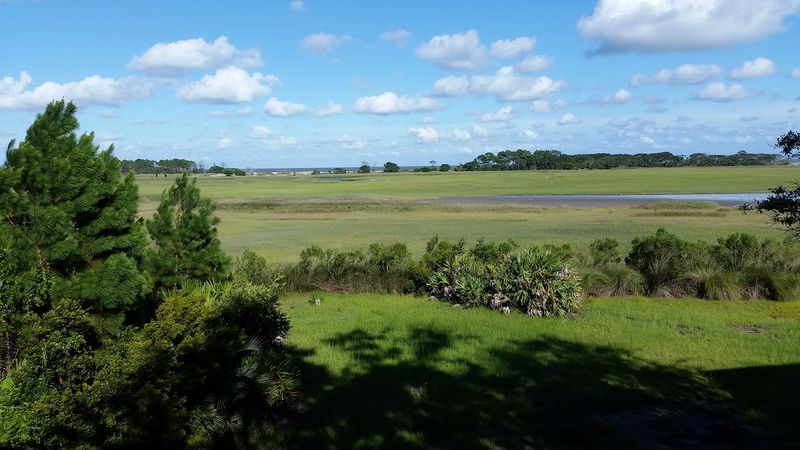
Photographers who make the ferry crossing to Sapelo Island tend to return home with memory cards full of images they genuinely did not expect to capture. The combination of historic structures, dramatic natural landscapes, rich wildlife, and almost complete absence of modern commercial development creates a visual environment that feels remarkably cinematic without any staging required.
Golden hour light on the salt marshes produces reflections in tidal creeks that look almost too good to be real. The lighthouse, the Reynolds Mansion’s oak allees, the weathered wooden structures of Hog Hammock, and the wide open beach all offer completely different moods and compositional opportunities within the same day trip.
Wide-angle lenses work beautifully for landscape shots of the marshes and beaches, while a telephoto lens pays dividends for wildlife photography along the forest edges and waterways. Overcast days, which Georgia’s coast sees regularly, actually soften the light in ways that make natural and architectural subjects look especially rich and detailed.
13. A Peaceful Retreat Far Removed From Everyday Noise
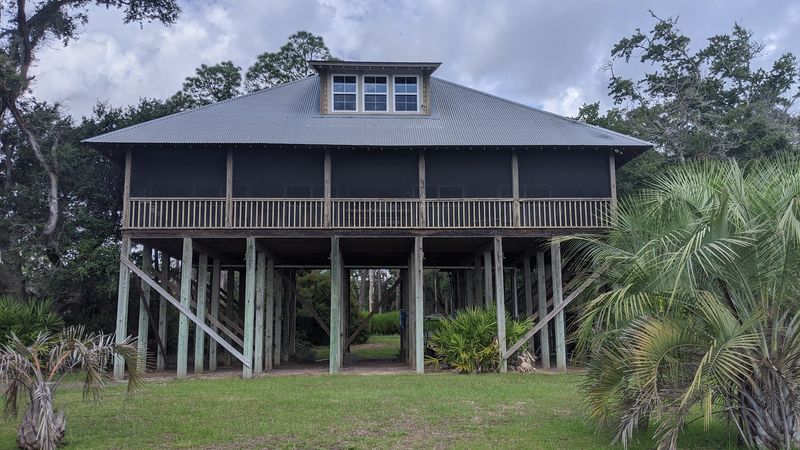
There is something almost disorienting about arriving somewhere with no traffic noise, no chain restaurants, no neon signs, and no background hum of commercial activity. Sapelo Island delivers exactly that kind of quiet, and for many visitors, the first hour on the island feels less like a vacation and more like a genuine exhale.
Cell service is limited to nonexistent in many parts of the island, which some visitors initially find frustrating before realizing how refreshing it actually is. Without the pull of notifications and screens, attention naturally drifts toward the sounds of wind through the marshes, birdsong from the tree canopy, and the rhythmic movement of tidal water.
Day-trippers and overnight guests both report that even a single visit tends to recalibrate their sense of pace in a meaningful way. The island does not rush anyone, and that unhurried quality, so rare in modern travel, may be Sapelo’s most underrated and quietly powerful offering for anyone who makes the crossing.
14. Supporting a Community That Has Called This Island Home for Centuries
The roughly 50 residents who remain in Hog Hammock on Sapelo Island are the living continuation of a community that has existed on this land since the time of American slavery. Spending money at locally owned shops, purchasing handmade crafts from island artisans, or hiring local guides directly channels economic support into a community that faces ongoing pressures from rising property costs and population decline.
Tourism, when practiced thoughtfully, can genuinely help sustain small communities like Hog Hammock rather than erode them. Visitors who approach the community with curiosity and respect, rather than treating it as a backdrop for social media content, tend to have richer experiences and leave meaningful impressions.
Asking questions, listening to stories, and buying directly from makers rather than outside vendors makes a tangible difference at a community scale this small. Sapelo Island is one of those rare places where the act of simply showing up and spending a few dollars locally carries an outsized positive impact on real people with deep roots in Georgia soil.
15. Conservation Efforts That Keep Sapelo Worth Visiting
Sapelo Island looks the way it does today because of decades of deliberate conservation work by state agencies, federal partners, researchers, and community members who recognized early that development pressure could permanently erase what makes this island extraordinary. The Georgia Department of Natural Resources manages the majority of the island as protected land, limiting commercial development in ways that have proven increasingly rare along the southeastern coast.
Sea turtle nesting programs, marsh restoration projects, and ongoing water quality monitoring all operate on the island with genuine rigor. Researchers from universities across the Southeast use Sapelo as a long-term ecological study site, which means the island continues to generate scientific knowledge that benefits coastal management far beyond McIntosh County.
Visitors who take the ferry are, in a small but real way, participating in that conservation story. Entrance fees and tour reservations help fund the programs that keep the island accessible, protected, and ecologically healthy for future generations of Georgians and travelers who have yet to discover this coastal gem.