People Who Skip The Visitor Center At Idaho’s Minidoka Site Miss The Barracks Story
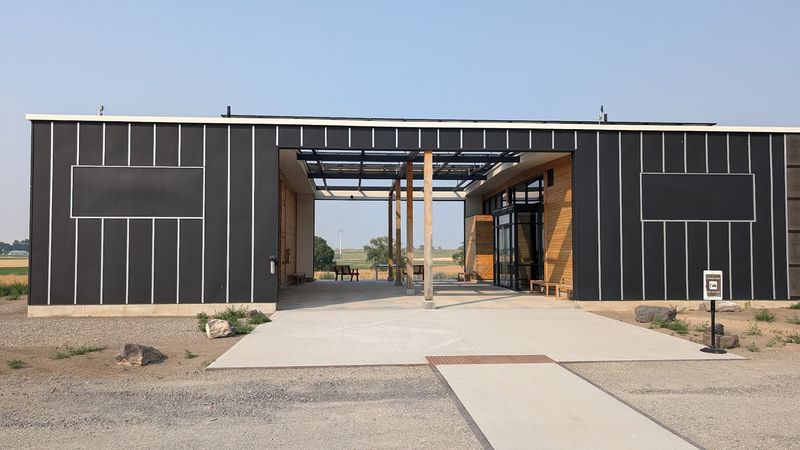
Wind pushes across the sagebrush near Jerome, and at first glance the low buildings by the road look like an ordinary farm spot in southern Idaho. During World War II, this ground held more than 13,000 Japanese Americans who were forced from their homes, many of them American citizens.
The walking trail outside shows you where the barracks stood, but the small visitor center explains what life inside them felt like. Miss that building, and you miss the heart of the story.
A Warehouse Beside Hunt Road
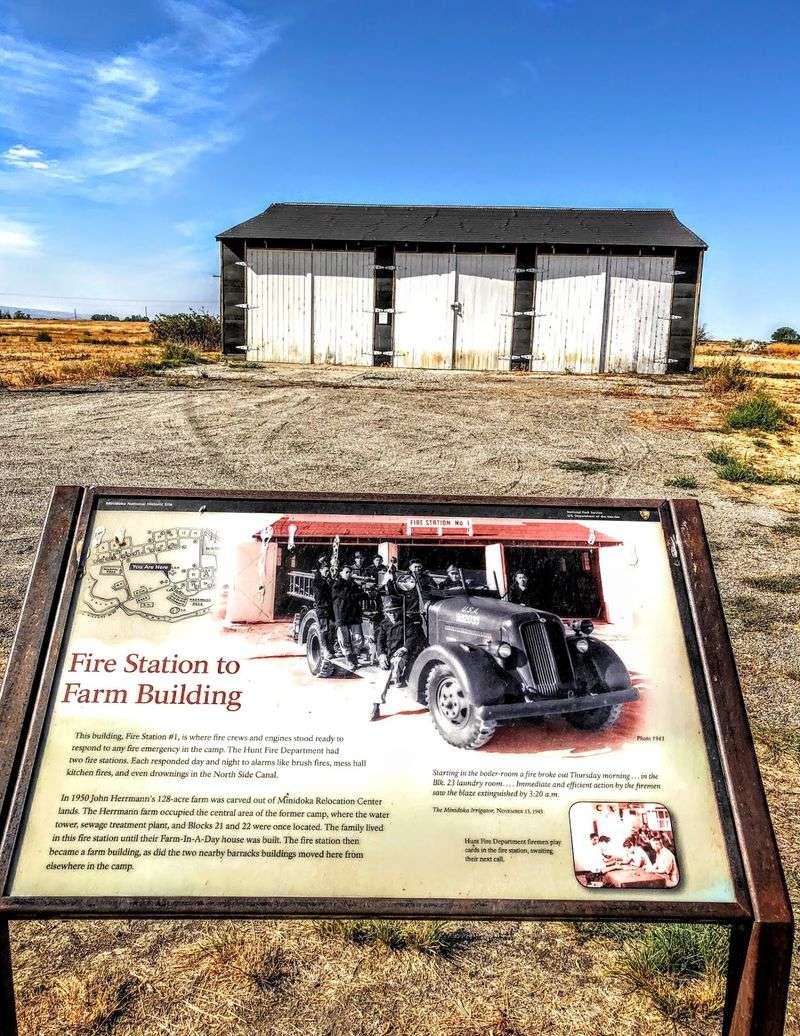
Drivers heading north of Twin Falls into Jerome County often roll past the visitor center without a second look. It sits across the road from the reconstructed guard tower, inside a historic warehouse that some first-time visitors mistake for a house or farm building.
Minidoka National Historic Site is run by the National Park Service in the Magic Valley of southern Idaho. The grounds mark one of ten war relocation centers built after Executive Order 9066, signed by President Franklin D.
Roosevelt in February 1942. People sent here came mostly from homes in Washington, Oregon, and Alaska.
Outdoor trails, kiosks, and markers stay available to walk, and plenty of travelers stop only for those. The indoor exhibits, though, fill in the gaps that foundations and signs cannot.
That contrast between the open landscape and the rooms full of photographs is exactly why the building matters.
Plan your route with the address in mind: 1428 Hunt Road in Jerome. A paved road leads the whole way, and signage helps once you get close, though the center itself may not have a big sign out front.
Look for it just down the road from the main entrance marker.
Seventh Largest City For Three Years
Few Idaho towns have ever grown as fast as this one did in 1942. Within months of opening in August, the Minidoka War Relocation Center held around 9,500 people, making it the seventh largest city in the state.
Nobody chose to move here. Families were given little time to pack, then traveled by train from the green Pacific Northwest to a high desert of dust and sagebrush.
Many of them had farms, shops, and neighborhoods waiting back home, and many were born in the United States.
The camp stayed open until October 1945. When it closed, people left with small sums and uncertain futures, and plenty of families never got back what they had lost.
Some stayed in the Magic Valley, and their heritage became part of the region’s farm communities.
Inside the visitor center, exhibits trace this full arc. They start with Japanese immigration to America, move through the forced removal and incarceration, and finish with the long process of healing after the war.
Walking the grounds without that timeline can feel like reading only the middle chapter of a book. The exhibits hand you the opening and the ending.
Tar Paper Walls And Twelve Barracks
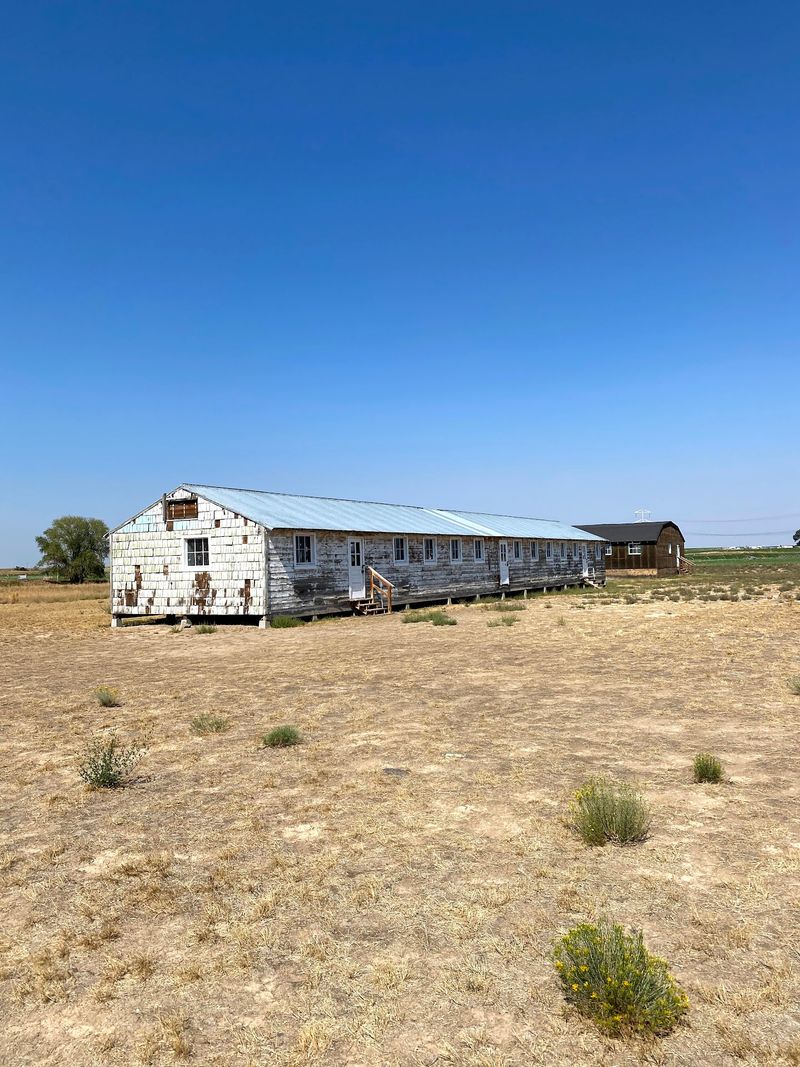
Imagine a building thrown together for speed, with timber framing and tar paper stretched across the walls. That was home for thousands of people at Minidoka, spread across roughly 600 barracks on a central area of 946 acres.
The layout followed a strict pattern. Each of the 44 residential blocks held 12 barracks plus a laundry building, bathrooms, and a mess hall where everyone ate together.
Families often shared cramped rooms, and privacy was scarce, especially in the communal showers and restrooms.
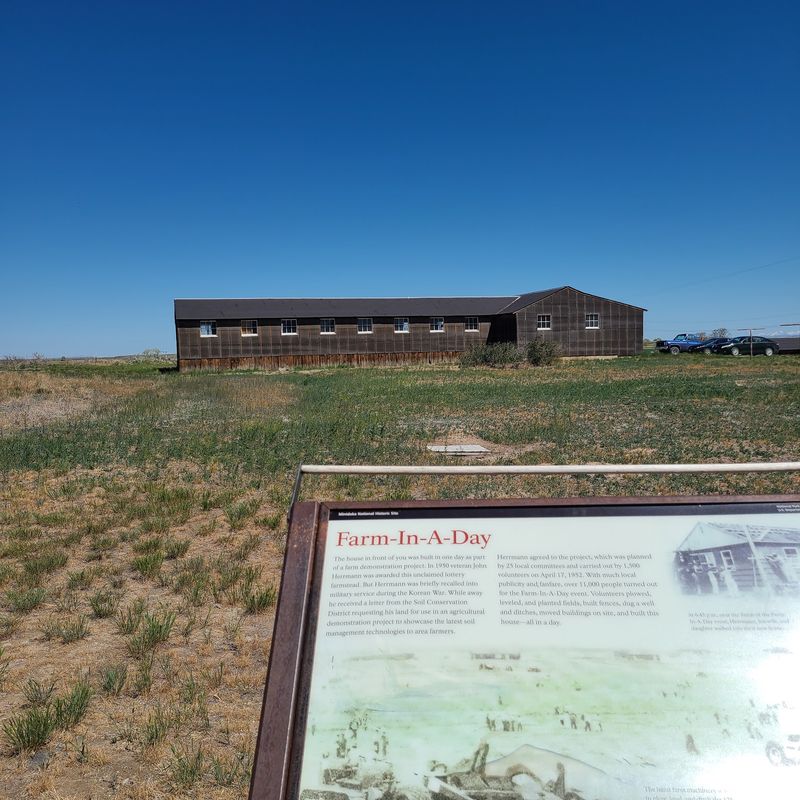
Out on the trail today, most of those barracks are gone. You will find some foundations, a few original structures, and restored buildings, but the grid of hundreds of homes has largely faded into the sagebrush.
Without context, it is hard to picture how crowded the place once felt.
Here is where the visitor center earns its keep. Photographs and displays show what the rooms looked like, how families hung sheets for a bit of privacy, and how the dust found its way through every crack.
Once you have seen those images, the empty ground outside starts to look very different. Suddenly each foundation becomes somebody’s front door.
Film, Records, And Quiet Questions
Grab a seat before you do anything else. The park film plays throughout the day, runs roughly half an hour, and sets up the rest of your visit better than any sign could.
After the film, interactive displays and photographs walk you through daily life in camp. Visitors often mention how much there is to take in, and rangers at the desk are there to help sort through questions as they come up.
One feature surprises many people. Historic records at the center can provide information about specific people who were incarcerated at Minidoka.
If your family, a neighbor, or a friend’s grandparents spent time here, you may be able to learn more about them during your visit.
The space is small, and some visitors describe it as sparse. Others point out that the simplicity fits the story being told.
There is no flashy museum hall, just careful exhibits, a respectful tone, and room to think.
Restrooms are available inside, which matters at a rural site with few services nearby. That small comfort makes it easier to slow down and give the exhibits the time they deserve.
Guard Tower Across The Road
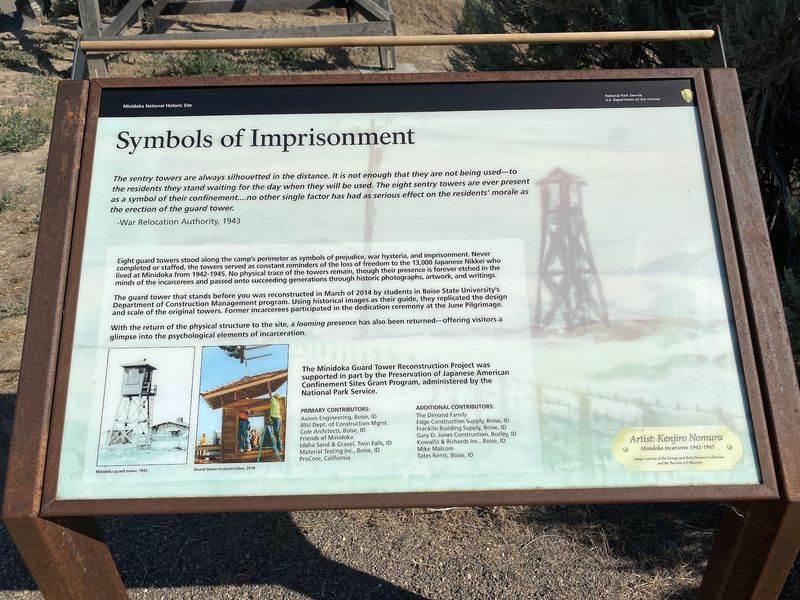
Tall and plain, the wooden guard tower is often the first thing people photograph. It is a reconstruction rather than an original, built by the National Park Service to help tell the story of how the camp was watched and fenced.
Nearby stand the remains of the original guard house and a reconstructed section of the perimeter fence. Together they mark the entrance where new arrivals first stepped into camp life.
From there, a walking path loops between historic sites, with interpretive signs sharing stories and photos. Some markers have included audio, letting voices carry the history.
The site covers more ground than many expect, and a self-guided walk usually takes around an hour, while exploring every trail stretches across a couple of miles.
Along the way you may spot a reconstructed baseball field, a reminder that people still built routines and fun inside the fence. Irrigation water running beside the grounds also brought some relief to those who lived here.
Everything outdoors stays open for walking even when the building is locked. Still, having seen the exhibits first, the tower feels less like a landmark and more like a lookout over real neighborhoods.
Names On The Honor Roll
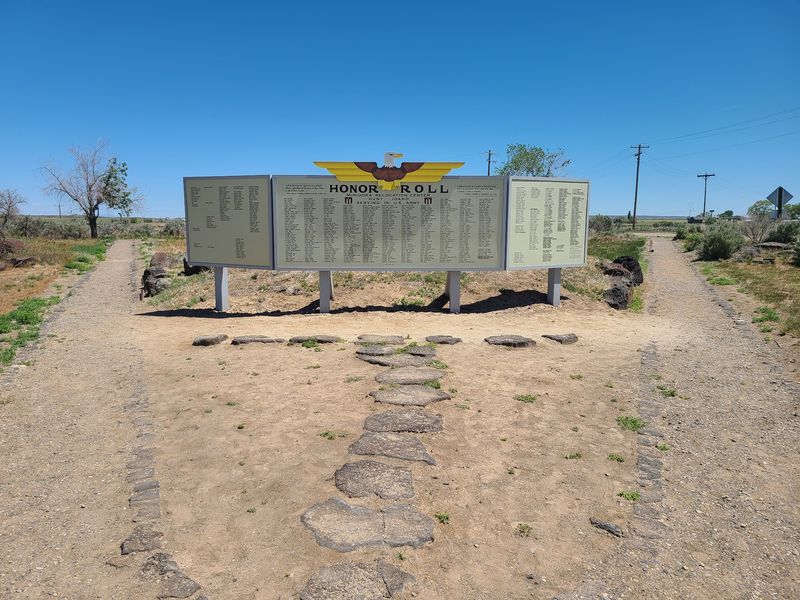
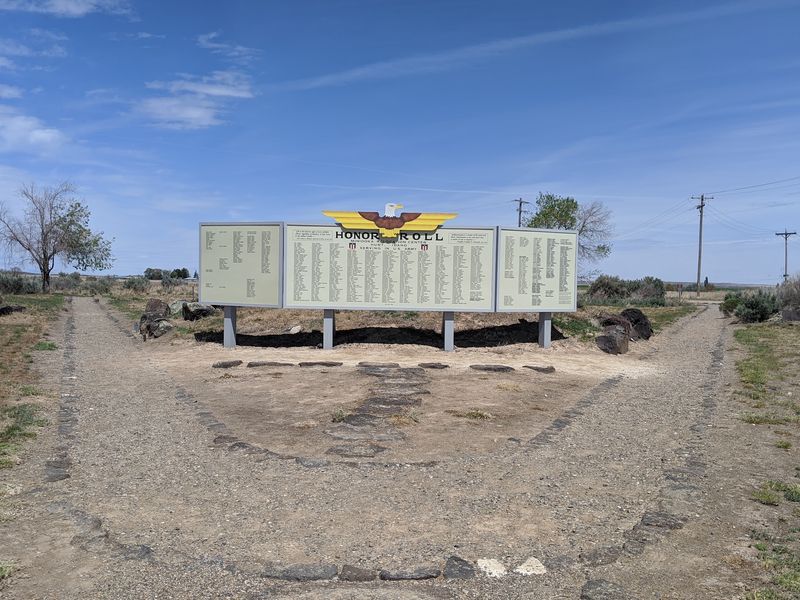
Hundreds of young men left this camp to serve in the United States military, even while their families stayed behind the fence. The Honor Roll lists those names, and standing in front of it tends to quiet a group fast.
The original Honor Roll was created during the war to recognize people from Minidoka in uniform. The National Park Service reconstructed it so modern visitors could see the same tribute, placed where it once stood.
Travelers following the Tour of Honor often stop here for exactly this reason. For many, the display captures a hard truth about loyalty: people treated as suspects still chose to serve their country.
The visitor center helps explain why that choice was so complicated. Exhibits cover the pressure families faced, the questions they were asked about loyalty, and the mix of pride and pain that followed.
Reading those details first gives each name on the outdoor wall more weight.
Take a moment here, especially with kids. Asking them to find a single name and imagine that person’s family can turn a list into something personal.
It is a small exercise that often sticks with young visitors long after the drive home.
Wind, Sagebrush, And Stillness
Hold onto your hat, literally. Wind sweeps across this part of the Snake River Plain almost constantly, and visitors have watched caps go tumbling across the sagebrush.
Many people say the wind adds to the experience. Standing in it, you get a small sense of what families dealt with every day, when dust storms blew through thin barracks walls.
The isolation feels real too, since the site sits far from any big city.
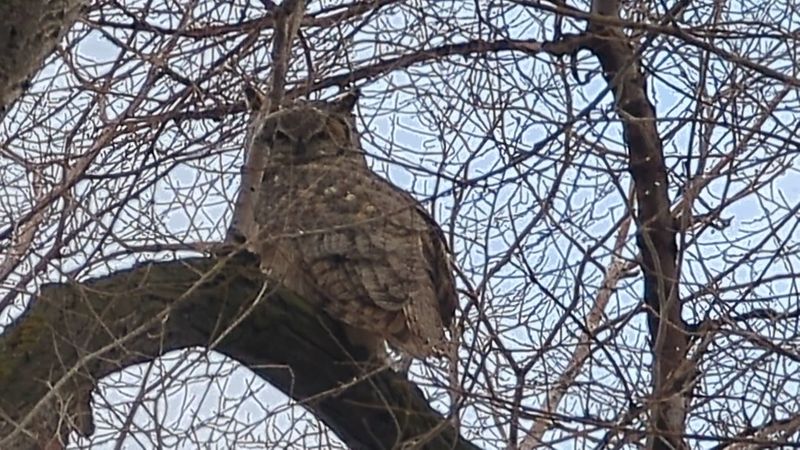
Nature shows up in quiet ways. Some visitors have spotted owls perched in trees, while others have seen rattlesnakes along the trails in warmer months, so watch your step and listen closely.
Who suits this place best? History lovers, families teaching kids about civil rights, and National Park passport collectors all find something here.
Ham radio operators even stop for parks on the air activations.
Junior Rangers get extra attention at the front desk, and there is more than one booklet to try, so ask about the second option. Passport cancellation stamps are available there too.
The mood throughout is reflective rather than gloomy, a place to learn, talk, and leave with plenty to discuss.
Timing Your Weekend Drive
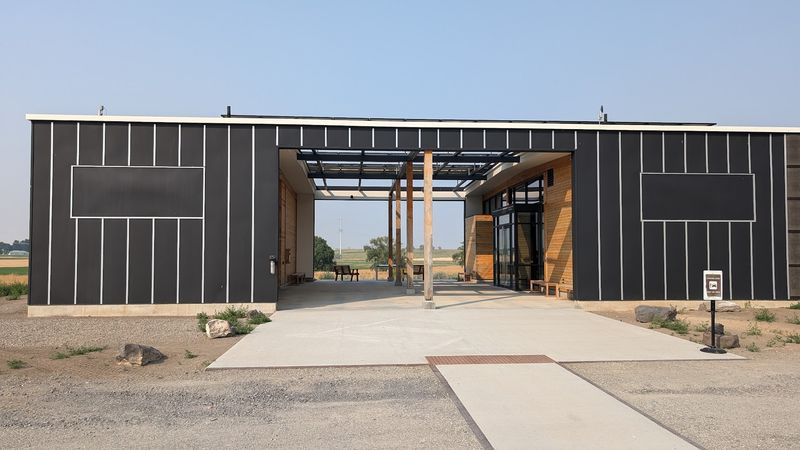
Plenty of people arrive on a Tuesday, find the doors locked, and leave wishing they had checked first. The visitor center has been open only part of the week, generally on weekends and a day or two around them, so confirm the current schedule with the National Park Service before driving.
Season matters too. Winter and late-fall travelers have found the building closed, though the outdoor trails and kiosks remained open to explore.
Summer and early fall usually offer the best chance to catch the exhibits, film, and rangers.
Getting there is simple once you leave the interstate. The site lies in Jerome County, a short drive from Twin Falls and the rest of the Magic Valley, with paved roads leading to the entrance.
Services are limited nearby, so pack water, snacks, and sunscreen.
Budget roughly an hour for the outdoor walk and about as long again for the center and film. Ranger tours have been offered at times, and visitors praise guides who share deeper stories about Hunt Camp.
Call ahead or look at the park’s official page to see what is running during your trip.
Worth The Open-Day Detour
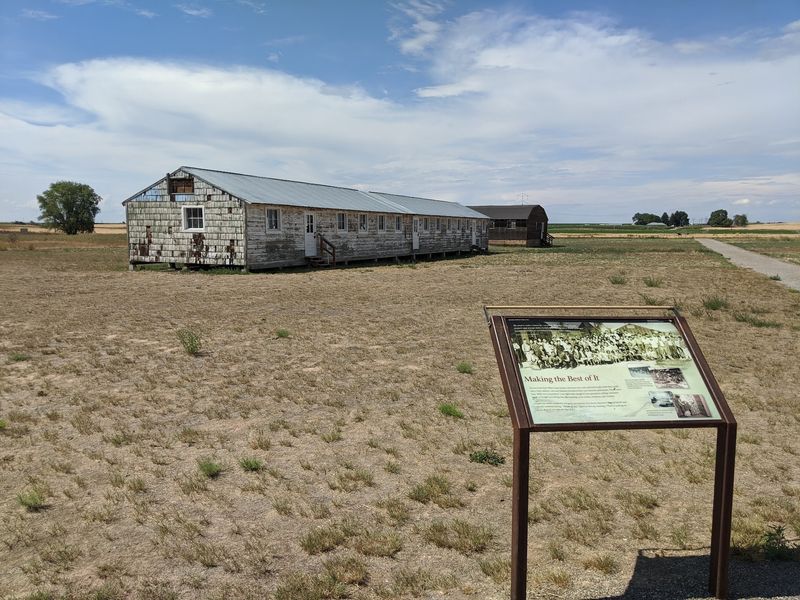
Walking the grounds alone is still meaningful, and nobody should skip Minidoka just because the doors might be closed. Yet the difference between a quick walk and a full visit is real, and it lives inside that modest warehouse on Hunt Road.
Outdoors, you see the shape of the place: a tower, a fence line, some foundations, and the wide Idaho sky. Indoors, you meet the people.
Photographs, records, and the film turn scattered ruins into blocks of families, mess hall lines, and kids growing up behind wire.
For Idahoans, the story hits close to home. This was once one of the biggest communities in the state, and its heritage still runs through Magic Valley farm towns today.
So aim for an open day if you can. Watch the film, study the barracks displays, ask a ranger a question, and then take the trail with fresh eyes.
You will likely drive home quieter than you arrived. That feeling is the point, and it comes most fully to those who step inside before heading out into the wind.