Pick Your Own Apples For A Dollar A Pound At This Kentucky Farm Over Labor Day Weekend
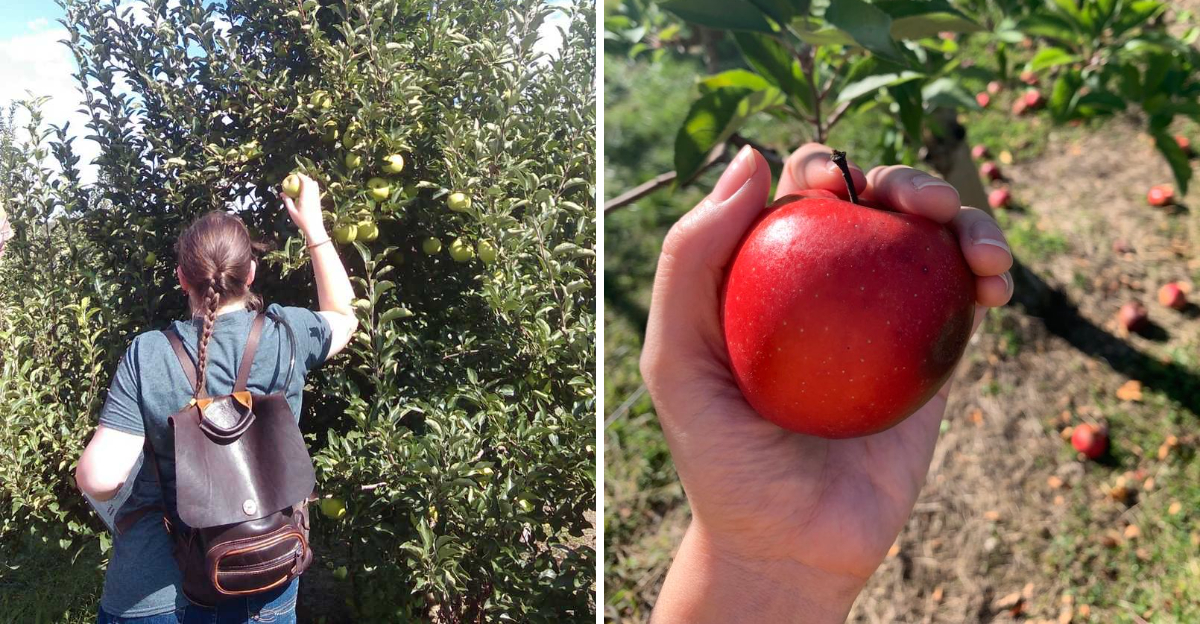
Apples are having a moment, and your grocery store is not invited. Somewhere in Kentucky, a family farm is handing you the orchard and stepping aside.
The price is one dollar per pound, which sounds like a typo from another decade. It is not.
A heavy bag of them costs less than your weekly coffee habit. You do the picking, which is the best part anyway.
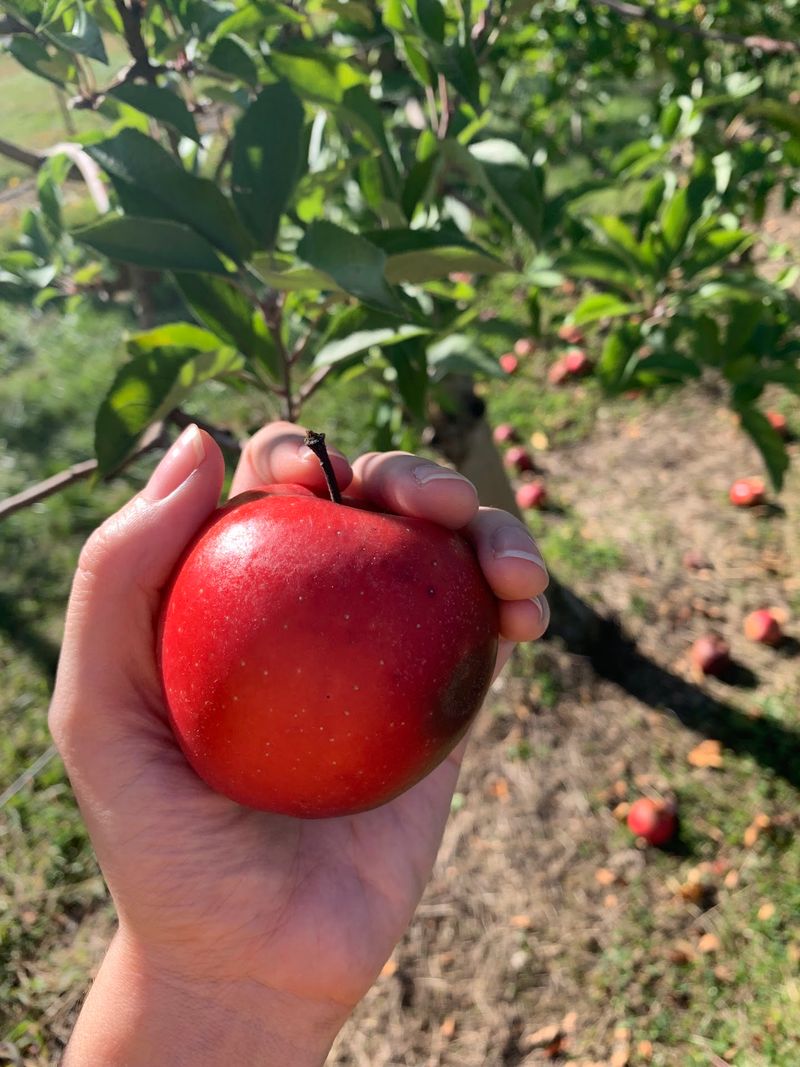
Roll the apple upward and give it a twist. It lets go without a fight, and you feel unreasonably proud of yourself.
Bring the friend who claims they hate outdoor activities. Watch them fill a bag within ten minutes.
Orchards do that to people. The picking runs over the long weekend, so you are officially out of excuses.
Bring an empty trunk and a plan for the surplus. Pie counts as a plan.
So does eating one in the car on the way home.
Rows Of Trees That Practically Hand You Breakfast
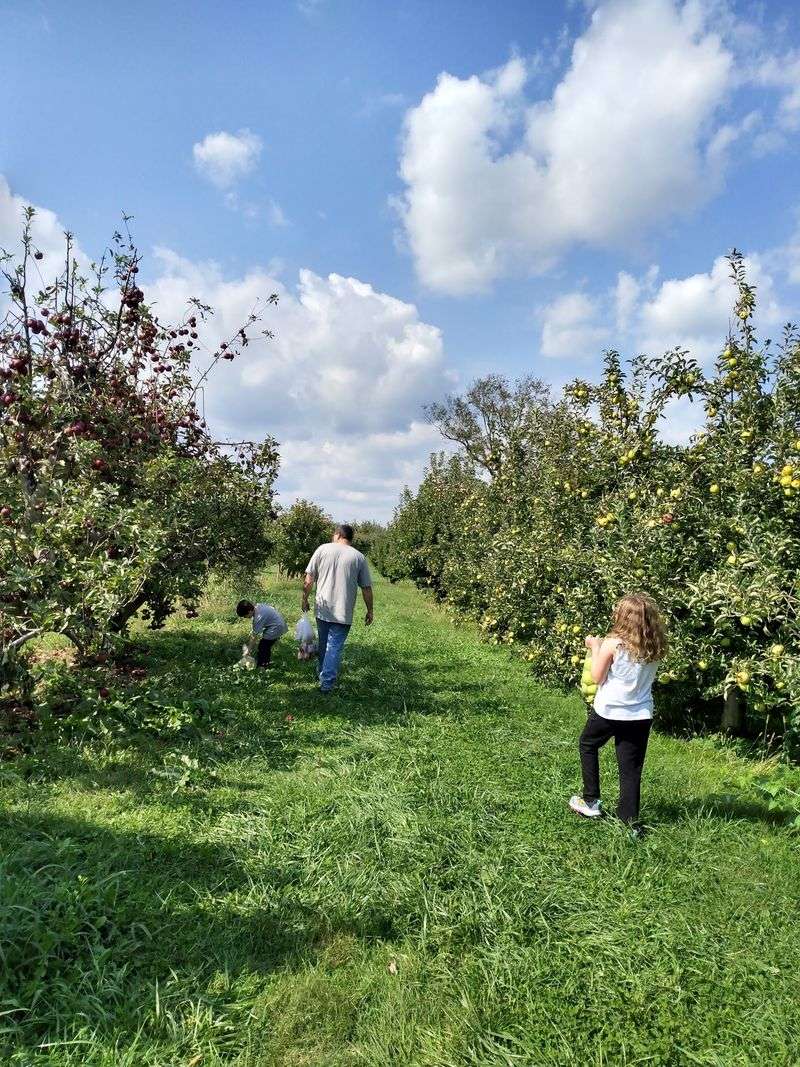
Reed Valley Orchard sits on gently rolling Kentucky farmland, and the trees are planted low on purpose. You will not need a ladder to fill a bag here.
The layout makes picking simple for almost everyone. Rows run long and straight, with grass paths between them.
Kids can reach fruit on their own, which saves you from being a human step stool. Grandparents can stroll the rows without much trouble.
Apples grow in clusters, so a single branch can fill half your bag. Twist gently and lift, and the stem releases without tearing the branch.
Yanking straight down damages next year’s fruit buds. Orchard staff will show you the right motion if you ask.
Morning is the smartest time to arrive. The fruit is cool, the light is soft, and the crowds are thinner.
By early afternoon on a holiday weekend, popular rows get busy. Arriving early also means better variety selection.
Wear closed shoes and expect grass that may still hold dew. Sunscreen matters more than you think in an open orchard.
Bring water, because picking is quietly good exercise. You will walk more than you planned.
A Dollar A Pound Sounds Too Good Until You Do The Math
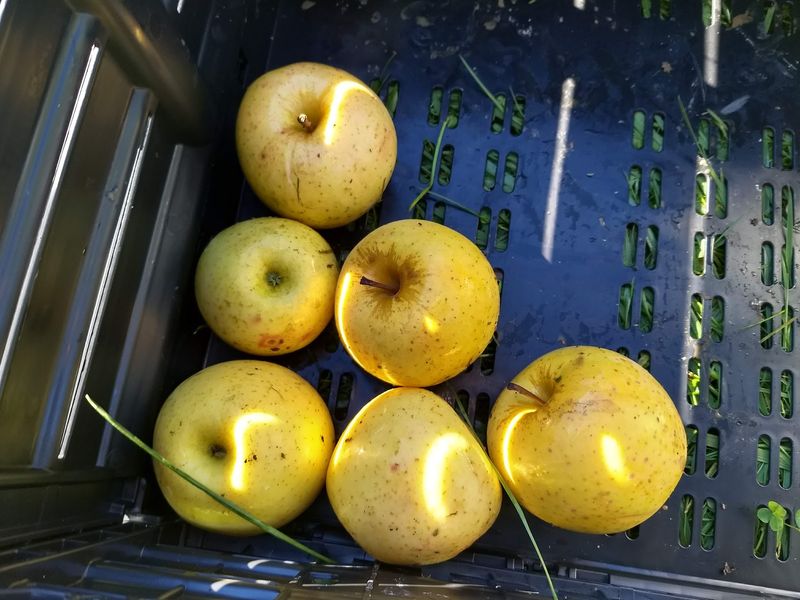
Grocery store apples often cost two or three times more per pound. Here, at 239 Lail Ln, Paris, Kentucky, a dollar a pound turns a hobby into a bargain.
An average apple weighs about a third of a pound. That means roughly three apples per dollar, fresh off the branch.
A half bushel runs somewhere near twenty pounds. Suddenly you are buying dessert, snacks, and lunchbox fruit all at once.
Families often split a big haul between two or three households. Everyone drives home happy and nobody wastes fruit.
Bring cash to keep checkout moving quickly. Holiday weekends draw long lines, and cash is simply faster.
Ask about container rules before you start filling bags. Farms usually provide their own bags or baskets for accurate weighing.
Set a rough budget with kids before you enter the rows. Turning it into a counting game keeps the picking fun and organized.
Weight sneaks up fast when apples are large and heavy. Two full bags can be surprisingly hard to carry.
Park close if you can, or bring a wagon. A small folding cart is the unsung hero of orchard trips.
Check the farm’s hours before driving out. Holiday schedules can shift without much warning.
Labor Day Weekend Hits The Sweet Spot Of The Season
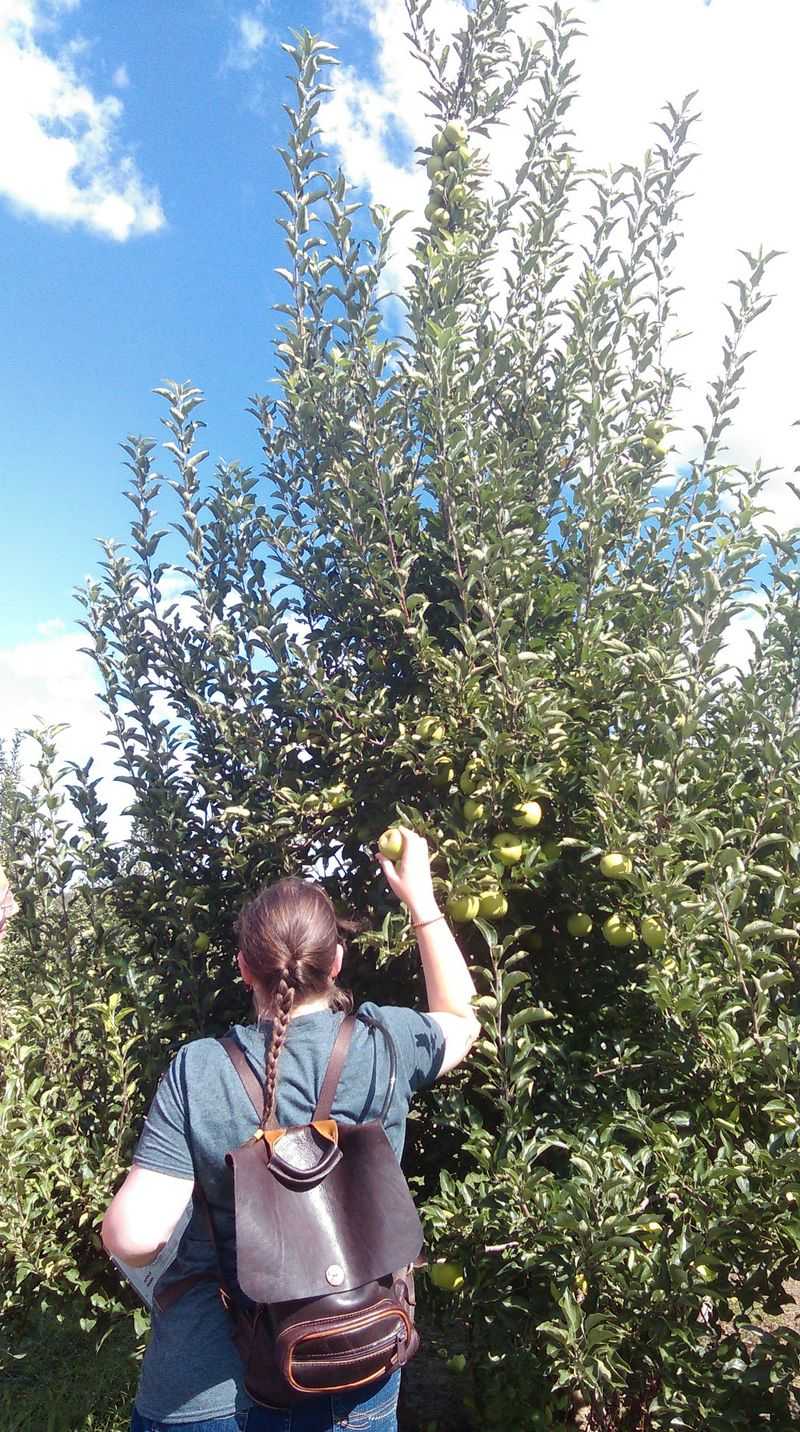
Timing is everything with apples, and early September is prime territory in Kentucky. Summer heat has faded slightly, and cool nights have started building sugar in the fruit.
Those cool nights matter more than most people realize. Temperature swings help apples develop deeper flavor and firmer texture.
The picking party runs Thursday the third through Monday the seventh, but this orchard only opens for u-pick on three of those days.
Thursday, Saturday, and Monday, nine in the morning until five in the afternoon. Friday and Sunday are not picking days here.
If those are your only free days, the sister farm on Cynthiana Road runs the same dollar a pound deal and opens Friday and Sunday as well.
That location charges five dollars per person at the gate. This one does not charge admission at all.
Weather in early September is usually pleasant before noon. Afternoons can still climb into the eighties, so plan accordingly.
Rain the night before makes rows muddy in low spots. Old sneakers beat sandals every single time.
The holiday also marks a transition in the harvest calendar. Some early varieties finish while mid-season types come in strong.
Calling ahead tells you exactly what is ripe. Farms post updates when picking conditions change quickly.
Consider making the trip part of a bigger day. Bourbon County countryside is genuinely pretty in late summer light.
Pack a cooler for the ride home. Warm apples in a hot car lose crispness fast.
Variety Names You Will Want To Remember
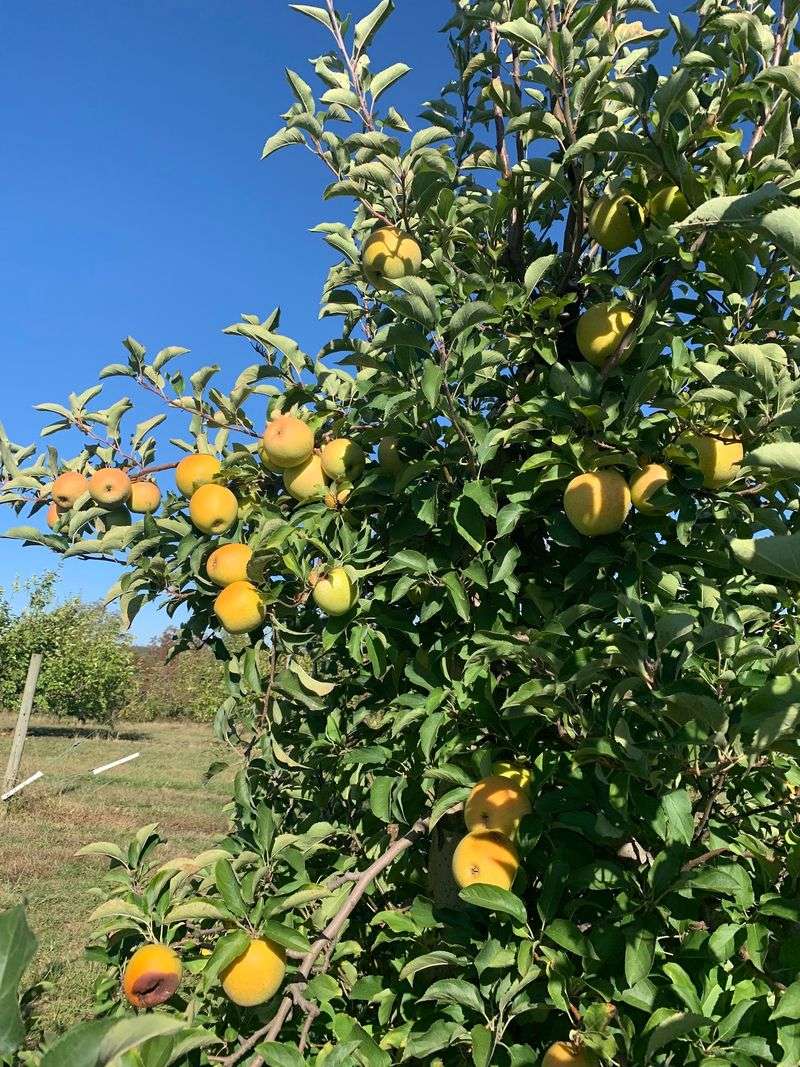
Not all apples do the same job, and picking the right one changes everything. Some shine in pies, others belong in a lunch bag.
Gala runs sweet and mild with thin skin, and it is one of the earliest to ripen here. Kids reach for these first without any coaching.
McIntosh brings a softer texture and a tart edge that cooks down beautifully into sauce.
Later in the season this orchard moves through Cortland, Mutsu, Stayman Winesap, Granny Smith, and Fuji, though most of those are still weeks away over Labor Day.
Mixing a sweet variety with a tart one makes better pie than using either alone. Do not guess at what is ready.
Staff at the counter hand you a map of which rows are open and let you taste what is currently in season, which settles the question faster than any list.
Ask staff which rows are open before wandering off. Varieties ripen at different times, and some rows stay closed to recover.
Taste testing is part of the tradition at most orchards. Check the farm’s policy so you follow their rules.
Write the variety on your bag with a marker. Sorting apples later becomes far less confusing at home.
Firm apples with tight skin store the longest. Softer ones should be eaten or cooked within days.
Keep bruised fruit separate from the rest. One damaged apple speeds up spoilage in the whole bag.
What To Pack So Nobody Ends Up Cranky
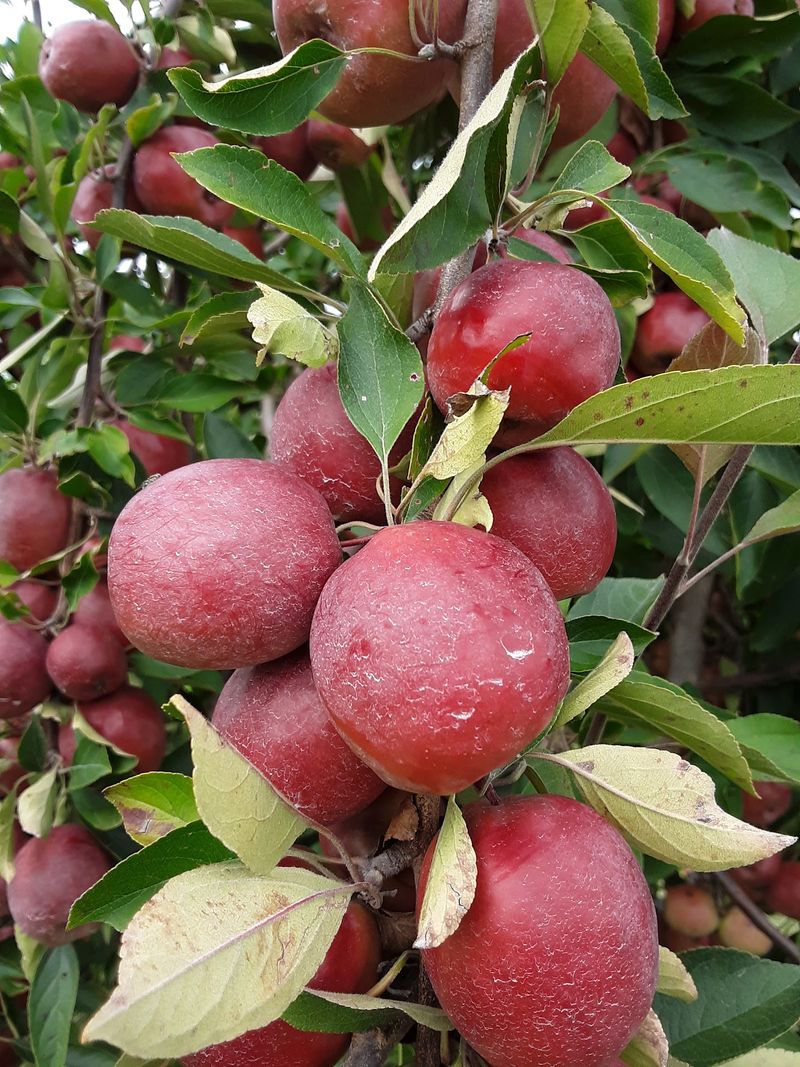
Half the joy of an orchard trip comes from being prepared. The other half comes from apples, obviously.
Start with closed-toe shoes that you do not mind staining. Grass, mud, and fallen fruit are all part of the deal.
Hats and sunscreen matter because orchards offer very little shade. Low trees mean lots of open sky above you.
Water bottles beat vending machines every time. Picking is warm work, even in September.
A folding wagon saves arms and tempers on the walk back. Kids can ride out and apples can ride in.
Bring a cooler with ice packs for the car. Apples stay crisp when they stay cool.
Wet wipes handle sticky fingers and dusty hands. Nobody wants apple juice on the car seats.
Cash speeds up checkout during busy holiday hours. Small bills are especially helpful.
Leave the stroller behind if the ground looks soft. A carrier works better on uneven grass rows.
Charge your phone before you leave home. The photos out here turn out better than expected.
Pack a light snack for the drive out. Hungry kids pick fewer apples and complain more.
Turning A Full Bag Into A Full Kitchen
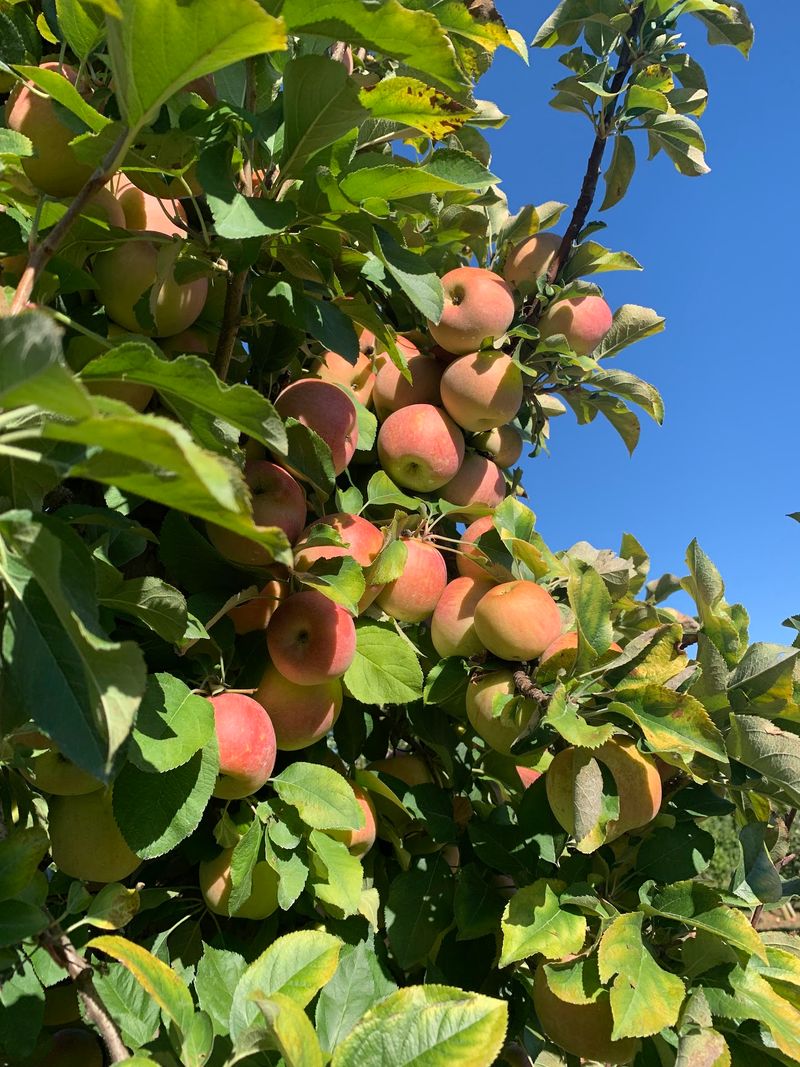
Twenty pounds of apples sounds fun in the orchard and terrifying in your kitchen. A plan fixes that fast.
Applesauce is the easiest starting point for beginners. Chop, simmer with a splash of water, add cinnamon, and mash.
Freezing sliced apples takes minutes and saves months of flavor. Toss slices with lemon juice, spread on a tray, then bag them.
Pies get better when you blend sweet and tart varieties. Two kinds create a filling with real depth.
Apple butter takes longer but rewards patience. A slow cooker does most of the work overnight.
Dehydrated apple rings make excellent lunchbox snacks. A low oven works if you lack a dehydrator.
Baked apples with oats and brown sugar feel fancy without effort. Twenty minutes and dessert is handled.
Store fresh apples in the refrigerator crisper drawer. They last weeks longer than they will on the counter.
Keep them away from bananas and other ripening fruit. Apples release gas that speeds up spoilage nearby.
Label freezer bags with the date and variety. Future you will appreciate the small effort.
Share extras with neighbors while everything is fresh. Homemade sauce makes a genuinely good gift.
Bringing Kids Without Losing Your Mind
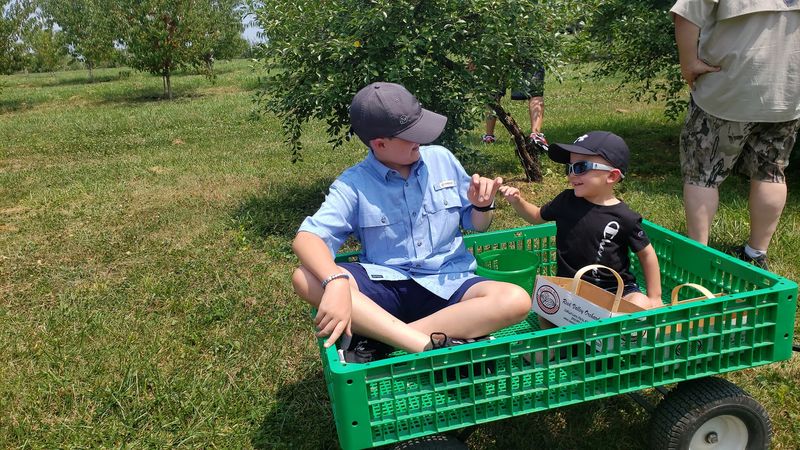
Low-branched trees turn small children into confident pickers. Reaching fruit without help feels like a superpower at age six.
Give each kid their own small bag or basket. Ownership keeps them focused far longer than instructions do.
Turn picking into a color hunt or counting challenge. Games stretch attention spans across several rows.
Teach the gentle twist-and-lift motion right away. It protects the trees and makes kids feel trusted.
Set clear boundaries about where they can wander. Rows look identical once you are three deep.
Bright shirts help you spot them quickly. Orchards are green in every direction.
Plan for a shorter visit than you think you need. An hour of happy picking beats two hours of complaints.
Snacks in the car prevent meltdowns on the drive home. Apples count, but crackers help too.
Let them help weigh the bags at checkout. Watching the scale makes the math feel real.
Give kids one job in the kitchen later. Washing apples or stirring sauce keeps the day going.
Photos of muddy shoes and full baskets age beautifully. Take more than you think you need.
Directions, Timing, And Small Details Worth Knowing
Getting there is part of the pleasure, since the drive cuts through classic Kentucky horse country. Black fences, rolling pasture, and long views fill the windows.
Country roads narrow quickly once you turn off the main highway. Drive slowly and watch for farm equipment.
Parking is usually on grass, so avoid low-clearance vehicles after heavy rain. A dry morning makes everything easier.
Check the farm’s website or social pages before you go. Picking availability changes with weather and crowd size.
Holiday hours can differ from regular weekends. A quick phone call prevents a wasted drive.
Arrive early if you want the best selection. Popular varieties get picked over by midday.
Restrooms and shade may be limited, so plan around that. Handle those needs before heading into the rows.
Respect posted rules about which sections are open. Closed rows are usually recovering or not yet ripe.
Pair the trip with a drive through downtown Paris. The historic buildings make a nice ending to the day.